

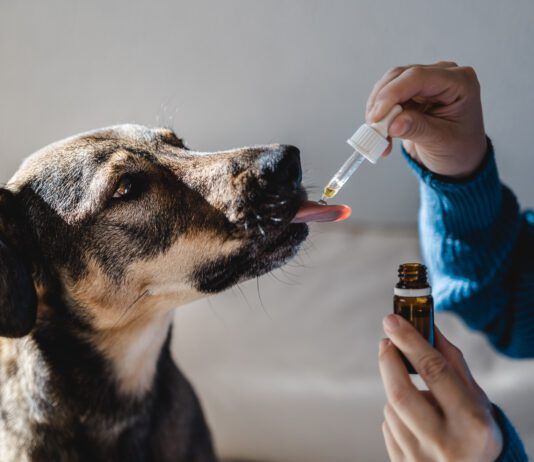





Prescription Oral Flea Control Medication for Dogs
For several reasons, veterinarians tend to put the most stock in prescription oral or topical flea medications than any other preventatives. In fact, these are the two most effective solutions for killing fleas but they aren't without potential side effects and they should represent only a part of a dog owner's efforts to control fleas.

Prescription Drugs for Dog Arthritis Pain Relief
Hundreds of drugs developed for human pain are used by veterinarians to treat chronic pain in dogs, but only nonsteroidal anti-inflammatory drugs (abbreviated as NSAIDs and pronounced EN-seds") and two non-NSAID prescription drugs (Galliprant and Adequan) have been approved by the U.S. Food and Drug Administration (FDA) for canine use. For many veterinarians

Medical Marijuana for Dogs?
Would a dog benefit from using medical marijuana? Legally, they're not allowed to, but many believe it could relieve pain the same way it does for humans.
Dog Behavior Medication Types
Knowing the properties of both daily and as-needed medications for your dog gives you an advantage when tackling canine behavioral problems.

Behavior-Modifying Drugs for Dogs: Medications for treating fear, phobias, and anxiety in dogs
Separation anxiety, aggression, fear of humans, fear of other dogs - though common, these pet behaviors indicate your dog may be suffering on a neuro-chemical level. How anxiety medications work in humans is still a considerable mystery, but we know that some also work on dogs. Can they help YOUR dog live a less stressed life?

Pain Treatment for Dogs Now Commonplace in Veterinary Medicine
Do dogs feel pain? Veterinarians didn't always think so. Fortunately, now vets know that human medications like NSAIDs (Rimadyl, Metacam) and opiates (Tramadol, Amantadine) work wonders for dogs, too!

Your Dog & The “Placebo Effect”
Most people are familiar with the concept of a placebo effect
Tryptophan for Dogs
The tryptophan/turkey theory became so popular and widespread in the early 1980s that nutrient-supplement companies decided to bypass the turkey part of the equation altogether and began producing and selling tryptophan supplements (L-tryptophan). These were initially promoted as sleep aids and to reduce signs of anxiety. However, as is the nature of these things, the promoted benefits of L-tryptophan rapidly expanded to include, among other things, claims that it would enhance athletic performance, cure facial pain, prevent premenstrual syndrome, and enhance attention in children with attention deficit-hyperactivity disorder. (My personal favorite was the promotion of L-tryptophan as a treatment for Tourette syndrome.)
Alternative Treatment & Supplement Recommendations
Whole Dog Journal readers often try techniques and products described in the magazine, but sometimes years go by before we need something we read about, or it disappears from the market, or we have trouble finding it, or we simply forget all about it. Last month we revisited green tripe, Seacure, and Willard Water. Here are two more go-to products featured in previous issues that might now be perfect for you and your dog, Wobenzym & EMT Gel/Spray.
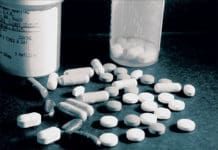
Use Caution When Filling Veterinary Prescriptions at Human Pharmacies
A few years ago, I was at my vet’s office when an older couple brought in a Chihuahua puppy who was very ill. Despite the staff’s best efforts, less than an hour later the pup was dead. The cause? A drug overdose, due to a prescription error made by a human pharmacy.

Doxycycline Shortage leaves People and Pets Scrambling for Treatment Alternatives
Drug of choice for treating tick-borne disease and heartworm is unavailable (or unaffordable) due to supply bottleneckWhen my newest search and rescue partner, Cole, fell apart during a certification test in May 2012, I had accumulated enough hard lessons to know my next move. We didn't need to revisit our training protocol or take his nose in for a tune-up. We were at our vet's office the next morning for bloodwork.

Dogs with the MDR1 Mutation: Drug Sensitivities
Most dog owners are aware that Collies and other herding breeds may be sensitive to ivermectin, used for heartworm prevention and to treat certain parasites. But did you know that these dogs can also be sensitive to a number of other drugs, and that other breeds can also be affected?