

Home Search
heart%20disease - search results
If you're not happy with the results, please do another search
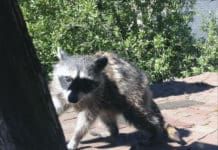
Raccoon Attack Update
As I described in WDJ’s July issue, on the night of June 1st, my dog Ella, an 11-pound Norwich Terrier, was attacked by a raccoon in my backyard. Fortunately, I was able to fight off the raccoon myself, and Ella escaped with only puncture wounds, which healed quickly after being treated at the emergency vet. Emotionally, however, she was a wreck, terrified to go into the backyard, and showing signs of anxiety in the evenings when she saw or heard anything outside. I started her on anti-anxiety medications to help her cope with the aftermath of the attack, and to prevent her anxiety from escalating.
Tips for Adopting an Adult Dog
For a dog with such a demure name, Nora was, in the words of her new owner, purely awful. “There was not a thing that she got to that she did not destroy,” remembers Donna Hess of Basking Ridge, New Jersey, of the first few weeks with her newly adopted Basenji. “She ripped any pillow she could get to shreds, and then started on the comforters and blankets. She knocked over the garbage can 50 times a day. She chewed the other dogs’ collars off their necks. Tissues, toilet paper, knickknacks, throw rugs, small objects of all kinds were stolen or destroyed. Putting stuff up high did not help; she climbed all over the tables and counters. She literally could not be left alone for a second. And the worst thing was if you tried to catch her to confine her, she bit!”
Tick Paralysis: What to Do if Your Dog Seems Paralyzed
Tick paralysis is caused by a neurotoxin produced by egg-engorged female ticks, who transmit the toxin from their salivary glands to the dog during feeding. The production (and transmission) of the toxin is greatest when the tick has been attached to and feeding from the dog between five and seven days. Five species of North American ticks produce the neurotoxin: the blacklegged tick (a.k.a. the deer tick), American dog tick, Rocky Mountain wood tick, the Lone Star tick, and the Gulf Coast tick. Most North American cases occur between April and June, when the ticks are at their peak reproductive activity.
How to be a “Dog Person”
If you are involved in dogs outside the four walls of your home – competing in performance events like agility or obedience, helping out with a rescue group, going to your local dog park – then, inescapably, you are involved with dog people. And no matter what the context, or how altruistic the goal, any time more than two people gather in the name of something they are passionate about, there are politics – and drama, mama.

The Dog’s Mind
Dr. Hare opened the Duke Canine Cognition Center (DCCC) in the fall of 2009. With his wife and co-author Vanessa Woods (a research scientist at DCCC, as well as an award-winning journalist and author of Bonobo Handshake), Hare wrote the book to provide a comprehensive review of what they’ve been studying at the DCCC – everything about dog cognition or, as they call it, “dognition.” Their goal was to bring historical and current information about canine cognition to the general public. In the not-too-distant past, if you heard the word “dog” and “mind” in the same sentence, someone was probably talking about obedience, as in: “My dog minds pretty well.” Or, “You’d better mind me, or else!” Today, if you hear those two words in relation to each other, you are at least as likely to be listening to someone talking about canine cognition – the fascinating possibility that dogs are far more able to process thoughts and grasp concepts than previously given credit for.
5 Things to Know About A Dog’s Threshold
has tuned out his owner
Sniff This; You’ll Feel Better
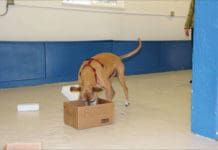
Shelter volunteer Katherine Kekel stood at the end of a long hallway and struggled to keep a grip on Tia, a pit bull-mix, as the dog strained at her harness. Unable to contain the dog any longer, Katherine let go. The well-muscled dog sprinted down the hallway, put on the brakes, and made a sharp right turn into a small room. The hunt was on! Tia was playing K9 Nose Work® at the Cherokee County Animal Shelter (CCAS) in Canton, Georgia. Her prey? A cotton swab scented with birch essential oil.
Wolves, Dogs, Differ in Ability to Digest Starches
Study finds genetic differences between dogs and wolves, with dietary implications. Domestication appears to have led to genetic changes in dogs that make them able to digest starches better than wolves can, according to a paper published in Nature in January.
Walking in Sunshine
for example
Training Tiny Dogs
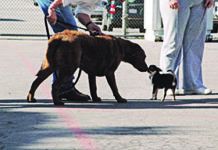
however.üMany small dogs reflexively resist being picked up

Giving To Animal Charities
It’s that time of year again: making a list and checking it twice. Many of us include animal-related charities on our gift list. But how do you choose which ones to support? There is no shortage of good causes. Here are some guidelines for how to evaluate an organization as a potential recipient of your hard-earned dollars.
Dietary Fats in Dog Food
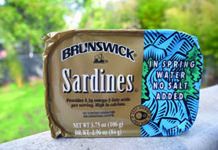
As soon as a food is manufactured, it begins to undergo a variety of chemical and physical changes. It's a basic law of the universe (the second law of thermodynamics) that everything degrades over time. This includes the proteins and vitamins in dog foods, but it's the fats I worry about the most.