

Home Search
heart%20disease - search results
If you're not happy with the results, please do another search

The Dog’s Mind
Dr. Hare opened the Duke Canine Cognition Center (DCCC) in the fall of 2009. With his wife and co-author Vanessa Woods (a research scientist at DCCC, as well as an award-winning journalist and author of Bonobo Handshake), Hare wrote the book to provide a comprehensive review of what they’ve been studying at the DCCC – everything about dog cognition or, as they call it, “dognition.” Their goal was to bring historical and current information about canine cognition to the general public. In the not-too-distant past, if you heard the word “dog” and “mind” in the same sentence, someone was probably talking about obedience, as in: “My dog minds pretty well.” Or, “You’d better mind me, or else!” Today, if you hear those two words in relation to each other, you are at least as likely to be listening to someone talking about canine cognition – the fascinating possibility that dogs are far more able to process thoughts and grasp concepts than previously given credit for.
5 Things to Know About A Dog’s Threshold
has tuned out his owner
Sniff This; You’ll Feel Better
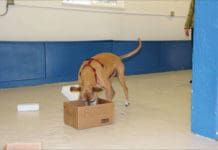
Shelter volunteer Katherine Kekel stood at the end of a long hallway and struggled to keep a grip on Tia, a pit bull-mix, as the dog strained at her harness. Unable to contain the dog any longer, Katherine let go. The well-muscled dog sprinted down the hallway, put on the brakes, and made a sharp right turn into a small room. The hunt was on! Tia was playing K9 Nose Work® at the Cherokee County Animal Shelter (CCAS) in Canton, Georgia. Her prey? A cotton swab scented with birch essential oil.
Wolves, Dogs, Differ in Ability to Digest Starches
Study finds genetic differences between dogs and wolves, with dietary implications. Domestication appears to have led to genetic changes in dogs that make them able to digest starches better than wolves can, according to a paper published in Nature in January.
Walking in Sunshine
for example

Training Tiny Dogs
however.üMany small dogs reflexively resist being picked up

Giving To Animal Charities
It’s that time of year again: making a list and checking it twice. Many of us include animal-related charities on our gift list. But how do you choose which ones to support? There is no shortage of good causes. Here are some guidelines for how to evaluate an organization as a potential recipient of your hard-earned dollars.
Dietary Fats in Dog Food
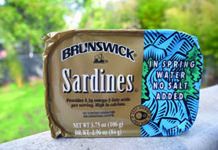
As soon as a food is manufactured, it begins to undergo a variety of chemical and physical changes. It's a basic law of the universe (the second law of thermodynamics) that everything degrades over time. This includes the proteins and vitamins in dog foods, but it's the fats I worry about the most.
Celebrate with These Thanksgiving Recipes for Dogs!
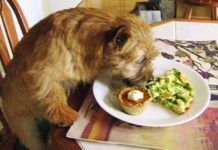
Thanksgiving is a time when families gather together to enjoy good food and to remember all the things we have to be grateful for. Unfortunately, one part of our family often gets left out our dogs! It must be frustrating for them to smell all the wonderful aromas coming from the kitchen, but not be able to share in the feast. We're here to relieve that vexing situation with recipes for some healthy Thanksgiving dishes just for them.

Plant Oils for Dogs
There are many different types of plant oils that people use to supplement their dogs’ diets, including oils from flaxseed, olives, coconut, vegetables, hempseed, and more. Some of these oils can provide benefits, but others are not helpful and may even contribute to inflammation.

Best Treatment Options for Canine Lipomas
Uh-oh. What’s this lump? Any growth on your dog’s body deserves attention, especially one that wasn’t there last time you checked. It could be a sebaceous cyst (a sac filled with sebum, a cheesy or oily material, caused by clogged oil glands in the skin), an abscess (a pus-filled swelling caused by infection), or – everyone’s worst nightmare – a cancerous tumor. But in most cases, the lumps we discover as we pet and groom our dogs are lipomas, which are benign (non-cancerous) fat deposits, also known as fatty tumors. An estimated 1.7 million dogs are treated in the United States for lipomas every year, and according to one survey, American veterinarians average 25 lipoma removals annually at a cost to owners of $635 million. Lipomas tend to emerge as dogs reach middle age and increase in number as dogs get older. A dog with one lipoma is likely to get more. Lipomas are most often found on the chest, abdomen, legs, or armpits (axillae). These fatty lumps aren’t painful and they usually stay in one place without invading surrounding tissue.
The Benefits of Fish Oil to Your Dog’s Health
Fish oil is probably the most important supplement you can add to your dog's diet, regardless of what type of diet you feed. EPA and DHA, the omega-3 fatty acids in fish oil, provide widespread benefits, but they are fragile and unlikely to survive storage in bags of kibble, or may be rancid even before being added to pet foods. Krill oil and whole fish also provide EPA and DHA that may be better absorbed, providing similar benefits in smaller doses.