

Here is a topic for discussion that was inspired by real-life events.
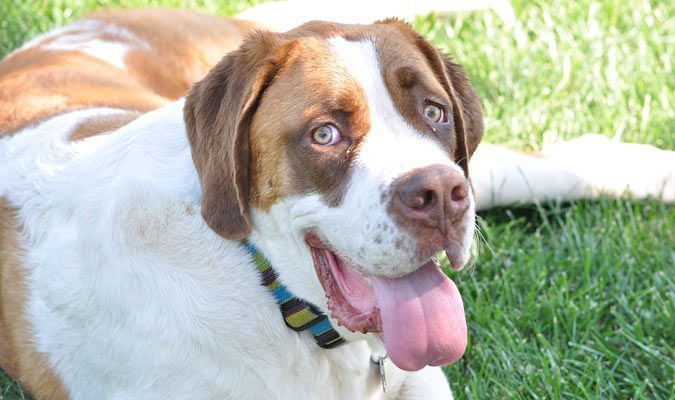
Two couples are both interested in a big, active dog at the shelter.
One couple is older. They own their home. Property is at least several acres, but unfenced. Husband is retired and home most days, puttering in garden and with hobbies. Wife works 30 or so hours a week. They formerly owned another big, active dog, who recently died of old age. They have a 2-year-old small dog who misses having canine company. They have a trainer who they have worked with previously and plan to do so again.
Second candidate couple is young, early 20s. They are renters. They also live on several acres, but their home property is fenced. They have another big, young, active dog, a female. They both work.
My bias in placing the dog was toward the older couple. While it’s true that they lacked a fenced yard for the dog, the fact that they own their home reassures me that they won’t be at the mercy of future landlords if they have to move for whatever reason. They also have the financial wherewithal to provide the dog with whatever medical or behavioral interventions he is likely to need. A week in training? Knee or hip surgery? Wouldn’t be a problem for these people.
Staff at the shelter was biased in favor of the young couple. The fact that their property was fenced, their youth, and that they were already dealing with a big, active dog made them seem more equipped to deal with the dog’s perceived need for activity.
I’m just curious: Where would most people, or most shelter staffers, end up placing a dog like this?




My gut instinct is in favor of the older couple. We are that financially stable, home owners &it’s makes everything so much easier…but I’ve also known, & was myself, an excellent home for my fur babies even when I was young and renting. I think I’d do a meet & greet with both couples & their dogs & see what this dogs preference is because that matters too.
My gut instinct is in favor of the older couple. We are that financially stable, home owners &it’s makes everything so much easier…but I’ve also known, & was myself, an excellent home for my fur babies even when I was young and renting. I think I’d do a meet & greet with both couples & their dogs & see what this dogs preference is because that matters too.
Like most of those responding, my first take is the older couple, and for most of the oft-cited reasons. Certainly the chemistry between the two dogs would be an important factor, as would learning, through conversation and possibly checking personal references, how the younger couple has met their dog’s needs despite their work schedules and renting, and their plans for having a family might warrant a baby and child check of the potential adoptee. But I would first focus on what an experienced trainer could detect about the younger couple’s dog. Have they trained him? Do they seem to have a good bond? Is the dog unattended in the fenced yard when they are away? How about when they are at home? Having a fenced yard used to be almost a requirement to adopt a dog, especially a large active one. Now we know how barren such an environment can be, how over-used, and how sad the canine lives contained in them. Getting another dog may ameliorate the first dog’s loneliness, but over the long haul can’t provide all the necessary elements fora quality life. On the other hand, if the young couple has enriched their dog’s environment, trained him well and includes him in their activities and build their family schedule around meeting his needs, to me that would spell a dedicated family and likely to be an excellent home. All other things being equal, the dog should get final say!
I’d want to do dog meets and see how the dog up for adoption gets along with the dog that each couple already has. If those meets both had equal outcomes, I’d lean towards the older couple.
The older couple. They have more time to give, more patience and generally willing to spend more money. When I was younger with kids I had less time and money for my fur babies. Now my kids are grown and my pups are spoiled rotten. They get the best food, have sweaters, coats, strollers and car seats. One ended up with alopeciaX, lost most of her hair and needed clothes to wear during the day and pj’s at night. We’ve traveled hundreds of miles to get the best medical care. My last pom had 4 surgeries in 3 years) We take them on vacations with us. Older couples are generally more stable. They own their homes and are through moving around. They spend more time at home. I’ve watched younger people lock their dogs up in crates all day while they’re at work. No food or water. Or leave them chained up outside often without shelter. Then they come home, leave again to go shopping, out to eat, take kids to activities and the poor dogs are locked up again. Breaks my heart.
Either! I would need more information for a final decision, but at this point both sound like potentially good homes. Too many dogs are in shelters and if interviews go well, the adoptees have a plan for the dog and how the dog fits into the family for years to come, I think both homes sound potentially wonderful.
Also, I am always skeptical of using a fenced in yard as a major criteria. So many families I’ve worked with have fenced in yards and unhappy dogs. There are ways to raise happy, healthy, well cared for dogs without a fence.
Having done foster-based rescue for 25 years, i would gently turn down Both homes and try to find a better fit to match the needs of the dog.
The older couple. Their experience, apparent financial stability and the fact that they own their own home tips it in their favor for me. Of course, I’m biased: I’m an older lady who adopted a larger breed rescue four years ago. He is loved, cared for and has my Jack Russell as his “big” buddy.
How old is the DOG?
The older couple. That describes my hoped for situation, except that I’d have a large fenced – in area for my doggies. I’d never give them the “run” of several UNFENCED acres. This, I feel is especially important while the new dog is decompressing after her/his shelter/rescue experience and getting used to her/his new home. If I were the rescue/shelter, I’d request the older couple to build a dog run large enough for both dogs to actually run in it, inspect it, and then happily place the doggie in her/his new home with the older couple.