


Whole Dog Journal readers have learned how to identify the best commercial foods when they shop for their dog’s diet. But whether you feed dry kibble or canned food, even the best commercial diets can be improved with the addition of appropriate fresh foods. We know that when it comes to enhancing an already complete and balanced diet, real foods are often better than supplements.
Keep the following things in mind when adding fresh foods to your dog’s diet. Decrease the amount of commercial food your dog gets so that you don’t increase the total number of calories you feed your dog, which can lead to unhealthy weight gain. Limit the amount of fresh food you add to about 25 percent of total calories consumed; if you want to feed more than that, you need to be careful to feed an appropriate variety of foods in order to keep the diet complete and balanced.
Here are some of the best foods you can add to your dog’s diet:
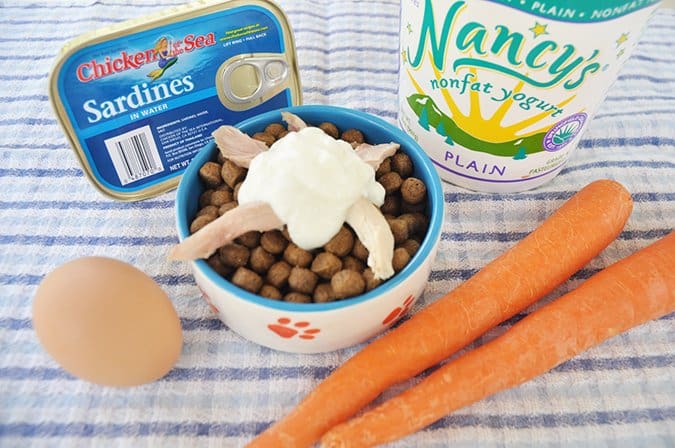
1. Eggs
Few foods can beat the nutritional impact of eggs, with their combination of high-quality protein and fat along with a wide variety of vitamins and minerals. Eggs are inexpensive and easy to feed, too. Egg whites are more easily digested when cooked, while yolks retain more of their nutritional value if fed raw. Most dogs have no trouble with bacteria in raw eggs, but it’s fine to feed soft-cooked, hard-cooked, or scrambled eggs.
A large egg provides about 70 calories; this amount is fine for medium-sized and larger dogs, but smaller dogs would do better with half an egg daily or one egg every other day, with meals reduced proportionately.
Do not include the shell when you feed eggs, as the shells contain far more calcium than your dog needs. Too much calcium can be harmful to large-breed puppies and also bind other minerals, making them less available to your dog.


2. Yogurt
A natural source of probiotics, yogurt is another food that is inexpensive and easy to feed. Stick to low-fat or nonfat plain yogurt, as your dog doesn’t need the sugar provided in the flavored varieties.
The probiotics (beneficial bacteria) in yogurt provide benefits for all dogs but are especially good for dogs with digestive problems. Use yogurt with live and active cultures. Varieties that contain more than just Lactobacillus acidophilus may provide additional benefits to the digestive tract.
Low-fat yogurt has less than 20 calories per ounce, so even small dogs can enjoy a spoonful without concern about reducing food portions.
3. Sardines
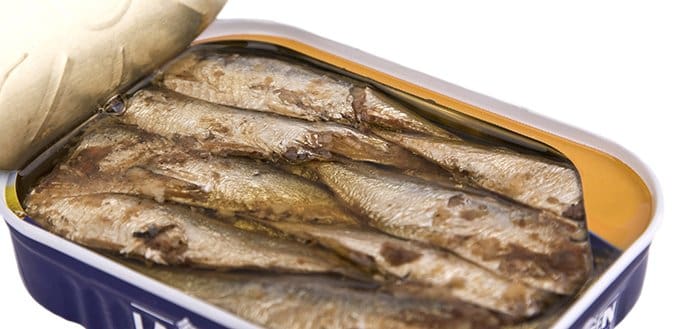
Fish supply omega-3 fatty acids EPA and DHA which are good for the skin and coat. In addition, they help regulate the immune system and reduce inflammation, and so can be helpful for dogs with allergies, arthritis, and autoimmune disease. DHA is also good for brain health, which can benefit both puppies and senior dogs.
One small canned sardine provides about 25 calories and 175 mg omega-3 fatty acids, a good amount for a small dog (20 pounds or less). Give larger dogs proportionately more. Use sardines packed in water (not oil). Feed soon after opening so the fatty acids are still fresh.
Other canned fish options, especially for larger dogs, include jack mackerel and pink salmon.
4. Vegetables and Fruits
Berries, especially blueberries, are packed with antioxidants. Other good fruits to include in your dog’s diet are bananas, apples, and melon; some dogs even like citrus. Don’t feed the pits, and avoid grapes and raisins, which can cause kidney failure when eaten in large quantities.
Leafy green veggies are a much better choice for your dog’s diet than starchy foods such as grains and potatoes. Vegetables are more nutritious when fed cooked, but raw veggies, such as carrots, zucchini slices, and even frozen peas, make great low-calorie snacks. Non-starchy vegetables can also be included in your dog’s diet to increase the quantity you feed without adding significant calories. Cruciferous veggies, such as broccoli, are especially nutritious, but watch out: too much can cause gas.

5. Healthy Leftovers
I know that pet food companies and often veterinarians discourage giving leftovers to dogs, but as long as you stick to healthy foods and limit portions, there is no harm in sharing your meals with your dogs. Feed the same foods you eat yourself, such as meat and vegetables, not fatty scraps that lead to weight gain and have little nutritional value. Keep amounts small, or reduce meal size to accommodate the extra calories.
It’s easy to overdo leftovers, particularly with small dogs; I learned this the hard way when my 11-pound Norwich Terrier, Ella, began gaining weight. Extra calories add up fast with our little guys, so keep portions small!




Alyxx, I’m not familiar with the brand, but it looks like a fairly typical mid-range food. In general, I recommend rotating between different brands, using different protein and carb sources, anywhere from daily to every few weeks.
Do you know anything about the kibble sold by BARK? The ingredient list jibes with Whole Dog Journal recommendations, but I don’t ever see them on the lists. (I use that as the base, topped with frozen raw of various brands)
I have been making food for my two small dogs for quite a few months. When I tried to switch to canned during a very busy time, they both had diarrhea. After two days back on the regular diet it cleared up for both of them. One is very thin, a 16 year old with CHF and the other, 10 years old, is getting fat. I plan on adding less of the regular diet and more veggies and egg to the food for the chubby dog. I add Dr. Harvey’s Multi Vitamin + Minerals to their morning meal. Their regular diet is equal parts of hamburger, brown rice, Normandy Blend mixed vegetables, coconut oil and flax seed.
Jennifer, the diet you’re feeding your dogs is seriously incomplete. You make no mention of added calcium, to start with. Note that Dr. Harvey’s Multi Vitamin+Minerals is designed for dogs being fed a complete commercial diet, and will not help to make up for what is missing in the incomplete diet that you’re feeding. Please see my website for info on products that are actually designed to help with limited homemade diets:
http://dogaware.com/diet/dogfoodmixes.html
Whenever a dog has eaten the same diet for some time, a sudden switch to a new food is likely to cause digestive upset. Some dogs are also sensitive to too much fat (canned foods are often higher in fat than dry foods are) or the gums such as carrageenan that are used to give canned foods its texture. You may want to try feeding a high-quality dehydrated or cooked complete commercial diet, with a gradual switch where you start by substituting just a little of the new food for the old, then increase over a period of 1-2 weeks to help your dogs adjust.
Hi I have a 4 month old Dogue de Bordeaux and I’m getting no help or suggestions feed wise from my vet except buy the feed we sell
Lindsey, you must feed a food that meets AAFCO guidelines for puppies that will weigh more than 70 lbs as an adult. There will be an AAFCO statement on the product that should say this specifically. See my website for more info on choosing commercial foods:
http://dogaware.com/diet/commercial.html