

Home Search
allergies - search results
If you're not happy with the results, please do another search

Peacekeeping Among Cats and Dogs
It's fairly common for dogs to be placed for adoption with a caveat that there should be no cats

Vaccine Titer Tests: What They Can and Can’t Do
Titer test cost is the primary argument against getting titer testing for dogs, but on the other hand titer tests can save you lots of money in vaccination fees and vet bills. One of the tests I asked for at Otto's annual wellness exam last week was a vaccine titer test. These blood tests are able to detect antibodies that the dog has produced in response to a vaccination. Such positive results can confirm that the dog responded in the desired manner to the vaccination and is now protected against the diseases he was vaccinated for.
Wolves, Dogs, Differ in Ability to Digest Starches
Study finds genetic differences between dogs and wolves, with dietary implications. Domestication appears to have led to genetic changes in dogs that make them able to digest starches better than wolves can, according to a paper published in Nature in January.
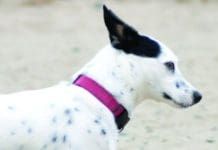
Your Guide to Dog Facial Expressions
There is great value in having a solid understanding of canine facial expressions and their accompanying body language and behavior. The following are some of the more common canine communications offered by those very expressive furry faces. Keep in mind, though, that when drawing conclusions about a dog's facial expressions, it's important to factor in the rest of the body language in order to get the whole message.
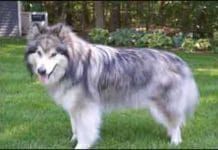
Properly Diagnosing Canine Hypothyroidism – What are the Signs?
You probably know someone with an underactive thyroid gland; in fact, you may have one yourself. The signs of hypothyroidism in humans include a subnormal body temperature, cold hands and feet, weight gain, hair loss, and constant fatigue. People aren’t the only ones afflicted by this disorder, for many dogs are hypothyroid, too. They may seem lethargic, gain weight while eating normal or below-normal amounts of food, seek warmth, and develop skin and coat conditions. But hypothyroidism causes other symptoms, too, and an accurate diagnosis can require thinking outside the box.
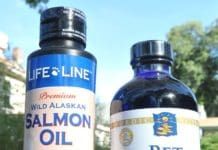
How to Make Homemade Dog Food
It's important that the home-prepared dog food diet you feed your dog is complete and balanced
(Cushing’s Disease #1) Cushing’s Disease
Clinical signs of Cushing’s, no matter its primary cause, may include one or most of the following:
• Polyuria (increased frequency of urination), polydipsia (increased thirst), and polyphagia (increased, ravenous hunger).
• Weakening and atrophy of the muscles of the extremities and abdomen, resulting in gradual abdominal enlargement, lordosis (sway back), muscle trembling, and weakness.
• Weight loss. While most dogs appear fat, they may actually lose weight due to the loss of muscle mass.
• Fat deposits in the liver, resulting in diminished liver function.

Improve Your Dog’s Digestion with Digestive Enzyme Supplements
All dogs need digestive enzymes in order to break down their food, making the nutrients available for absorption. In most cases, the pancreas produces ample enzymes and no supplementation is required. Older dogs and dogs with digestive disorders may benefit from enzyme supplementation. Dogs with exocrine pancreatic insufficiency (EPI), where the pancreas is no longer able to produce enzymes, require prescription-strength enzymes in order to survive. Digestive enzymes might also help dogs with food allergies and intolerances.

Teaching Kids to Love Dogs from an Early Age
and quiet crates are always available for dogs who need time away from kids."
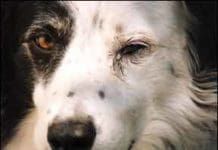
Causes of Canine Conjunctivitis and Treatment Options
Something is wrong with your dog’s eye. It’s bright red or oozing pus or itching like crazy. Could it be pink eye? This common childhood condition, also known as red eye or conjunctivitis, affects people, cats, and our canine companions. Conjunctivitis is an inflammation of the conjunctiva, the tissue covering the eye and inner surface of the eyelid. If caused by bacteria or viruses, it can be infectious. Noninfectious conjunctivitis can be caused by allergic reactions, irritants, or trauma injuries.
Determining the Cause of Your Dog’s Panting
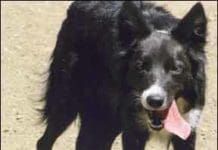
I’m awakened by the exhalation of my Border Collie’s warm breath on my face: heh-heh-heh. I slowly open one eye and focus on the nose just inches from my own. I may be anthropomorphizing, but I suspect he’s grinning. There it is again – a breathy heh-heh-heh. Wait a minute! Is he just panting or is he laughing at me? Given the way dogs are designed, panting is a very normal bodily function. Dogs don’t have sweat glands throughout their body to expel heat like humans do.
The Benefits of Apple Cider Vinegar to Dogs
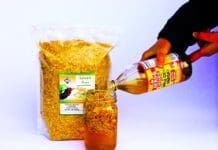
People have been using vinegar for thousands of years, and while most of it goes into salads and condiments, vinegar can be used as a household cleanser, cosmetic aid, and health treatment. Many dog lovers add vinegar to their pets' food or apply it topically to their best friends. Advocates call vinegar, especially unpasteurized organic apple cider vinegar, a wonder food. Is vinegar really a health-improving supplement, a natural preservative, a nontoxic cleaning product, a disinfectant, a source of important nutrients, and an effective topical treatment for canine ailments?