
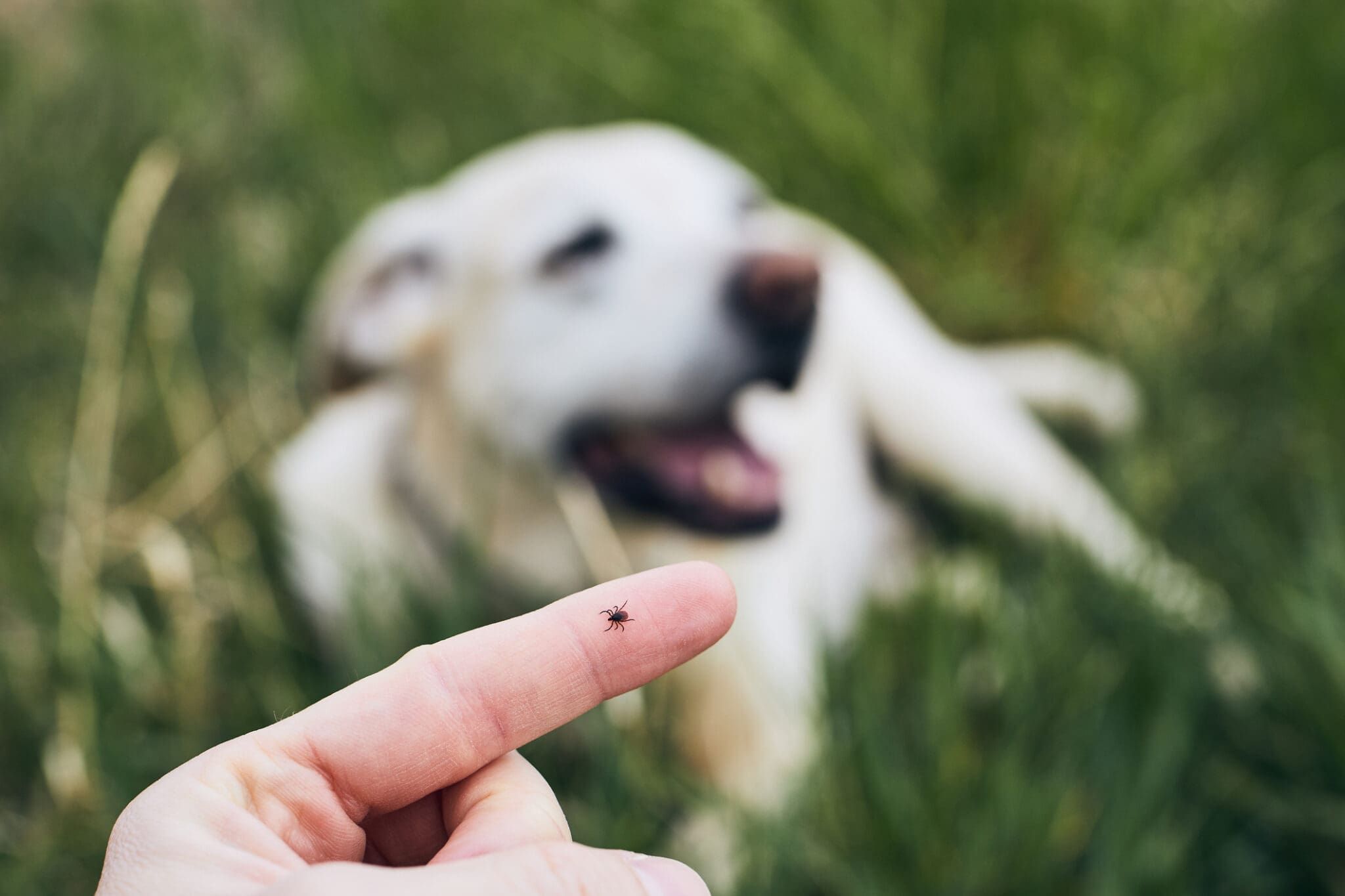
Rocky Mountain spotted fever is a potentially life-threatening tick-borne disease that can infect both dogs and humans—although no cases of direct transmission of the between the two species have been reported. Caused by rickettsial bacteria carried by several species of ticks, the illness has a wide range and is not limited to the Rocky Mountain region. The first case of Rocky Mountain spotted fever in dogs I ever dealt with was on Long Island, N.Y.
Symptoms of Rocky Mountain Spotted Fever in Dogs
The symptoms of Rocky Mountain spotted fever in dogs are initially similar to many other illnesses, including other tick-borne diseases. Joint pain, a drop in appetite, and fever are common. Some dogs will show gastrointestinal signs such as vomiting and diarrhea. These symptoms typically appear 2 to 14 days after the dog is bitten by an infected tick.
A sign more specific to Rocky Mountain spotted fever is blood vessel wall damage. Petechiae, or small hemorrhages, may be noticed on the conjunctiva of dog’s eyes or on the gums. These will look like small red spots on the whites of a dog’s eyes or gums. Hemorrhages may be noticed in other areas as well.
The vasculitis problems due to Rocky Mountain spotted fever can also lead to damage in the kidneys, brain, and heart. Neurologic signs in your dog include tremors, a wobbly gait, and being hypersensitive when petted or touched.
Rocky Mountain spotted fever can be deadly, so early detection and treatment are important.
Diagnosing Rocky Mountain Spotted Fever in Dogs
Diagnosing Rocky Mountain spotted fever in dogs can be tricky, since there is no quick screening test for Rocky Mountain spotted fever. A complete blood count and chemistry panel may suggest the disease is causing your dog’s symptoms. Advanced laboratory tests, such as polymerase chain reaction (PCR) tests, can identify acute cases. Immunofluorescent antibody tests can verify the infection but take weeks.
If your veterinarian suspects Rocky Mountain spotted fever in your dog, she will often prescribe the antibiotic doxycycline for a three-week period without an exact diagnosis. Whatever you do, give your dog the full prescribed three weeks of medicine. Some dogs have relapsed after a two-week treatment.
The silver lining with Rocky Mountain spotted fever is that dogs do seem to be immune to the disease after having the illness.
Preventing Rocky Mountain Spotted Fever in Dogs
How can you prevent this disease? Tick control, tick control, tick control.
Depending on your situation, you may use monthly topicals, monthly oral medications, or some of the longer acting tick-control medications. During peak tick activity times (spring and fall), talk with your veterinarian about adding a spray before your walks, especially on your dog’s chest, neck, and head.
When you return from your walk, wipe down the dog with a lint roller, which can catch many ticks before they attach to the dog’s skin. This is especially useful on short-coated dogs. For heavily coated dogs, it doesn’t hurt to do a blow dryer check when you get home, blowing cool air on the dog’s coat so you can check his skin and check for ticks. Carefully remove any ticks you find. If you’re not sure what ticks look like, find out. In addition, consider making your yard non tick friendly.
Rocky Mountain spotted fever is part of the One Health initiative that is coordinating information among all health-care professionals, including doctors and veterinarians.