

Colitis in dogs refers to inflammation of the colon, or large intestine. Colitis is a common cause of loose stool, diarrhea, or stool that contains mucus or streaks of blood. The condition can be acute, meaning it has a sudden onset and is short lasting, or chronic, lasting longer than two to three weeks. While colitis can occur in breed, sex, or age, certain breeds, such as German Shepherds and French Bulldogs, may be more predisposed to conditions that can result in chronic forms of colitis.
What Causes Colitis in Dogs?
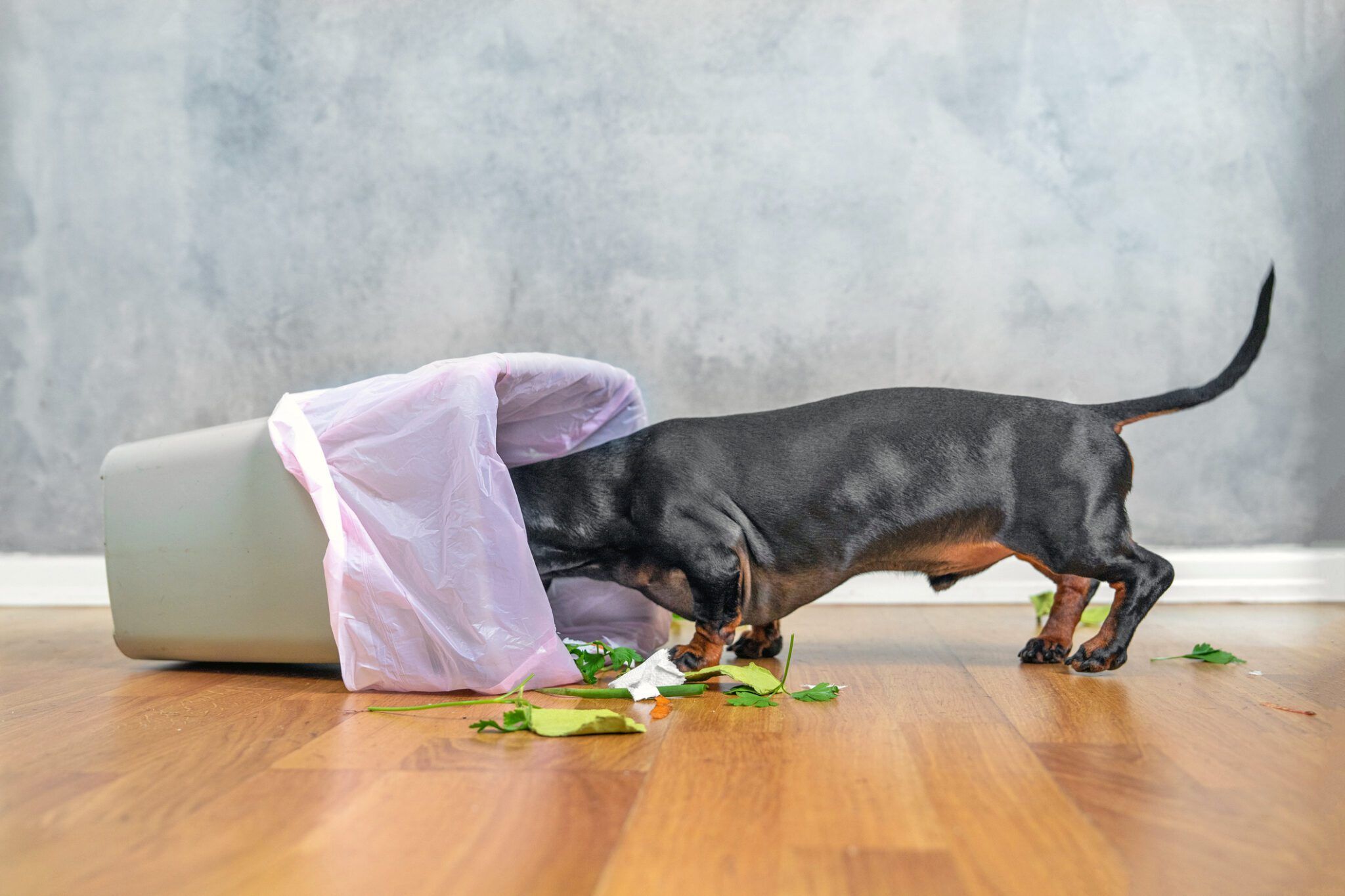
Colitis can be triggered by several factors. One of the most frequent causes is dietary indiscretion, such as getting into the garbage, eating spoiled food, or non-food items that irritate the digestive tract. Abrupt diet changes, food allergies, and sensitivities to certain proteins or additives can also inflame the colon. Infectious agents, such as bacteria, intestinal worms, and protozoa are additional culprits.
Chronic colitis may stem from underlying inflammatory bowel disease (IBD), immune system dysfunction, or secondary conditions such as pancreatitis.
Can Stress Cause Colitis in Dogs?
Stress-related colitis is another common event for dogs, which is often triggered by boarding, travel, or major household changes.
What Are the Signs of Colitis in Dogs?
The hallmark sign of colitis is frequent, urgent defecation of small volumes of stool that are soft to liquid, often containing mucus or fresh red blood. Dogs may strain during bowel movements, sometimes only passing small amounts at a time. Other signs include flatulence, abdominal discomfort, and increased frequency of bathroom trips. Despite these gastrointestinal signs, most dogs with colitis maintain a normal appetite and energy level, unless the condition becomes severe or prolonged.
How Does a Vet Diagnose Colitis?
Your veterinarian can typically diagnose colitis based on clinical signs, medical history, and by running a fecal examination to rule out parasites or bacterial overgrowths. In chronic or recurrent cases, further testing may be necessary to determine whether IBD or another problem is present and contributing to the issues.
How Is Colitis in Dogs Treated?
The treatment of colitis depends on the underlying cause. In many acute cases, colitis resolves on its own within a few days with supportive care. Feeding a sensitive stomach diet during this time is recommended to help take some stress off the digestive system while it heals.
What Should I Feed a Dog with Colitis?
I prefer a wet food diet to help replenish some of the fluid that can be lost with frequent diarrhea or loose stools. Adding water or a sodium-free broth can also help keep your pup hydrated while they heal. If bacteria or parasites are detected during fecal examination, your vet will prescribe the appropriate antibiotics or antiparasitic medications.
Probiotics and fiber supplements, such as psyllium husk powder, can help balance the microbiome and improve stool consistency. I always bring psyllium husk powder with me when I travel with the dogs for shows and really like the stick packs of Konsyl Psyllium Fiber for their convenience and ease of use.
My Dog’s Colitis is Persistent
For chronic colitis, treatment may involve anti-inflammatory medications, prescription hydrolyzed-protein diets, or immune-modulating medications. Managing stress, maintaining a consistent diet, and avoiding known dietary triggers are also key to minimizing the number of flare-ups.
Most cases of acute colitis respond quickly to treatment and clear up within a few days. Chronic colitis may require long-term dietary management and periodic veterinary monitoring but can often be controlled successfully.
The best prevention includes avoiding sudden diet changes, not allowing access to table scraps, garbage cans, or compost piles, and using regular deworming and parasite control programs. With attentive care and veterinary support, most dogs will make a quick and full recovery and return to their normal, healthy lives!

What worked for our dog with constant diarrhea was a high fiber diet.