





Knuckling in Dogs
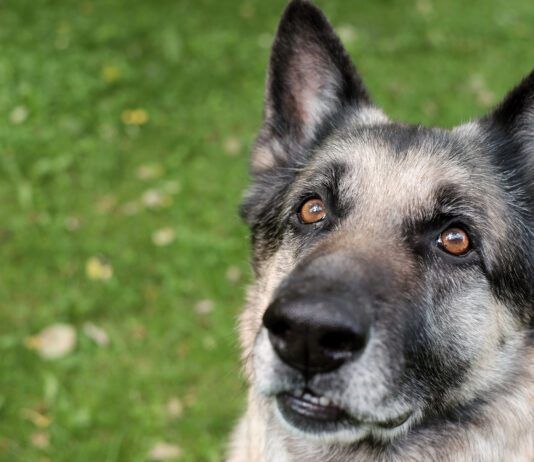
Knuckling in dogs is a condition where a dog walks or stands on the top of their paws instead of placing their pads on the ground. Knuckling results in the paw folding under when the dog walks.

Sileo for Dogs
Sileo gel for dogs may help dogs who seem to instinctively fear noise, or at a minimum, dislike certain noises. Those sounds can include...
Did My Dog Sprain His Leg?
If my dog sprains his leg, or is otherwise lame or sore, my immediate go-to is to run a cold hose over the area (or the whole leg) for 5 minutes two to three times a day. You need to time the 5 minutes because it will feel like an hour after just 30 seconds.

Can Dogs Get Norovirus?
Just like people, dogs are susceptible to gastrointestinal illnesses including norovirus.
Horner’s Syndrome in Dogs
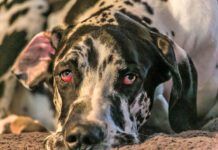
The cause of Horner’s is normally an injury or irritation to the nerves around the eye, but often the exact insult is not determined. It is a neurologic condition that affects your dog’s eye and face, usually on just one side.

How to Brush the Teeth of an Uncooperative Dog
If your dog refuses to let you brush his teeth, you need to become creative. It is, after all, the gold standard of canine...
Best Over-the-Counter Anxiety Meds for Dogs
If you need an anxiety medication for your dog, you need a veterinarian to assess your dog and prescribe it. However, there are over-the-counter anxiety solutions for dogs that I like. A classic example is for dogs who get nervous or car sick when traveling.
Car anxiety occurs in many dogs. Both you and your dog may be able to avoid the vomit-in-a-crate scenario or huge puddles of drool with Earth Heart Travel Calm, a plant-derived product.

Can Dogs Get Sick from Humans?
Certain bacteria, viruses, and parasites are zoonotic, meaning they can spread from animals to humans. Reverse zoonosis occurs when humans transmit germs to dogs. So dogs can get sick from humans, and humans can get sick from dogs.

Selegiline for Dogs with Cognitive Dysfunction
Selegiline, or Anipryl, is a medication to help senior dogs with signs of cognitive dysfunction. In senior dogs, cognitive dysfunction, or dementia in dogs, often shows up as increased vocalization, sundowners syndrome (confusion and/or agitation that occurs at the end of the day), and general wandering at night.
What Is a Good Remedy for a Dog with Dry Skin?
In my career, it has happened more times than I can count. I’m finishing up with a dog’s wellness exam and the pet parent asks, “By the way, my dog has dry skin. What do you think about it?”

Is Sorbitol Safe for Dogs?
Sorbitol is a sugar alcohol used as a low-calorie sweetener and humectant in human and pet products. While sorbitol is generally recognized as safe for people and not considered toxic to dogs, excessive amounts can still cause issues for dogs.

My Dog Ate a What?
Dogs are famous for eating a wide variety of non-food items, some disgusting—like feces—and some just weird—like Legos, or a ball of twine. Just this year, a 7-month-old Bernese Mountain Dog named Luna was brought to an emergency veterinarian, where x-rays showed a severely dilated stomach filled with not just food, but foreign objects, some of which were lodged in her intestines.