







Is That a Snake Bite on My Dog?
The dog snake bite timeline usually starts like this: You’re walking through the woods, and your dog is off exploring. Suddenly, he yelps, and you see a snake slithering away (possibly causing you to also yelp!). Venomous snakes can be found everywhere in North America. Was THAT snake poisonous?

What To Do When Your Dog Is Sprayed by a Skunk
When I think back to the night my dog was sprayed by a skunk, the disaster replays in my mind like a video in fast-forward.
Something furry dashed across the front porch of the Cape Cod, Massachusetts, beach house where we were staying.
"What the heck was that creature?" I thought, wondering what animal paid us a visit. But my dog didn't want to ponder nature; he raced after the fluffy critter.

How To Keep Your Dog Cool in Summer
Dogs find summer's high temperatures challenging. That's largely because they don't sweat. Sure, you've read that dogs have sweat glands in their paws, but veterinarians agree that's not much help. A dog's primary means of cooling himself is through panting and our goal is to make this process more efficient.

Dog Summer Safety Tips: Ways to Beat the Heat
It’s never too early to start thinking about ways to keep your dog safe in summer, especially from the heat.

The Deadly Foxtail: What to Know as a Dog Owner
The U.S. is home to three species of foxtails: yellow foxtail, green foxtail, and giant foxtail. It doesn’t grow in some lucky parts of the country—namely Florida, Georgia, Hawaii, Louisiana, North Carolina, South Carolina, and Virginia—but can be found in the rest of the U.S.

Is the Pavement Too Hot to Walk My Dog?
Dog walks are the highlight of the day for most dogs. But what about when it’s hot and humid, with the sun beating down on that black asphalt? How do you know if it’s safe to walk your pup then?

Top Calls to Animal Poison Control
The APCC received more than 451,000 calls from pet parents last year who needed immediate answers: Could what their dog gobbled down cause a life-threatening problem? The organization crunched its data and just released its annual list of the top ten toxins that pets managed to ingest the most.

Can Dogs Eat Cicadas?
Cicadas interest dogs because they smell appetizing, are a source of protein, move in ways that attract a dog’s prey drive, make intriguing noises, and have a crunchy texture. While cicadas aren't poisonous to dogs they can cause gastrointestinal upset and stomach obstructions if they are eaten in large numbers.

Why Dogs Should Not Drink Alcohol
Though you may have seen pictures, memes, and videos on social media about drunk dogs, we have a simple public service announcement on behalf...

Pet-Friendly Ice Melt
While you can’t control what your town or neighbors use to treat icy roads and walkways, you can control what you put down on your driveway, steps, and walks to look after your dogs and your neighborhood pets.
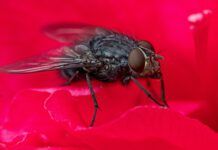
How to Treat Black Fly Bites on Dogs
Black flies, also called buffalo gnats, are small dark flies that travel in swarms. Fly bites are annoying, but black fly bites on dogs are painful and itchy! Fortunately, they can usually be treated at home with some basic care.

Are Christmas Trees Toxic to Dogs?
Christmas trees aren't especially toxic to dogs, but chewing on Christmas tree branches can hurt your dog. While touching the tree here and there won’t harm him, ingesting the branches, needles, and/or sap can.