Pure fluid buildup in your dog’s abdomen is called “ascites.” The symptoms of ascites in dogs include vomiting, diarrhea, distended abdomen, difficulty breathing, pain if palpated, restlessness, and an inability to settle due to discomfort.
Your dog may appear lethargic or weak. Specific symptoms can also be evident due to the underlying problem, such as increased drinking with kidney failure or coughing and weakness from heart failure. Many dogs will become reluctant to eat and will lose weight, although the scale may say the same number of pounds or even higher due to the retained fluid.
Emergency Note for Ascites: If you notice your dog’s abdomen appears swollen, a veterinary appointment is the way to go. If you suspect bloat (see below), it is an emergency. If your dog is having trouble breathing, is suddenly weak, and/or has pale gums as well as a distended abdomen, that is also an emergency.
Is Ascites in Dogs Serious?
A buildup of belly fluid in your dog is a symptom of a serious condition, potentially organ failure.
Protein loss via the intestines (protein losing enteropathy) or the kidneys (protein losing nephropathy) are two disease conditions that may cause ascites. Decreased albumin due to liver damage may also contribute.
Trauma is another possible cause of ascites with blood from a ruptured spleen or urine due to damage to the bladder. With prompt surgical attention, the injuries can be repaired.
Cancer causes include hemangiosarcoma with bleeding from the spleen or liver or rupture of a gastric tumor, causing peritonitis with inflammatory and infectious fluids accumulating. Certain toxins, such as rat poison, may lead to bloody ascites secondary to clotting problems.
Ascites vs. Belly Fat in Your Dog
True ascites tends to be gradual. You may miss it initially as the change slowly progresses.
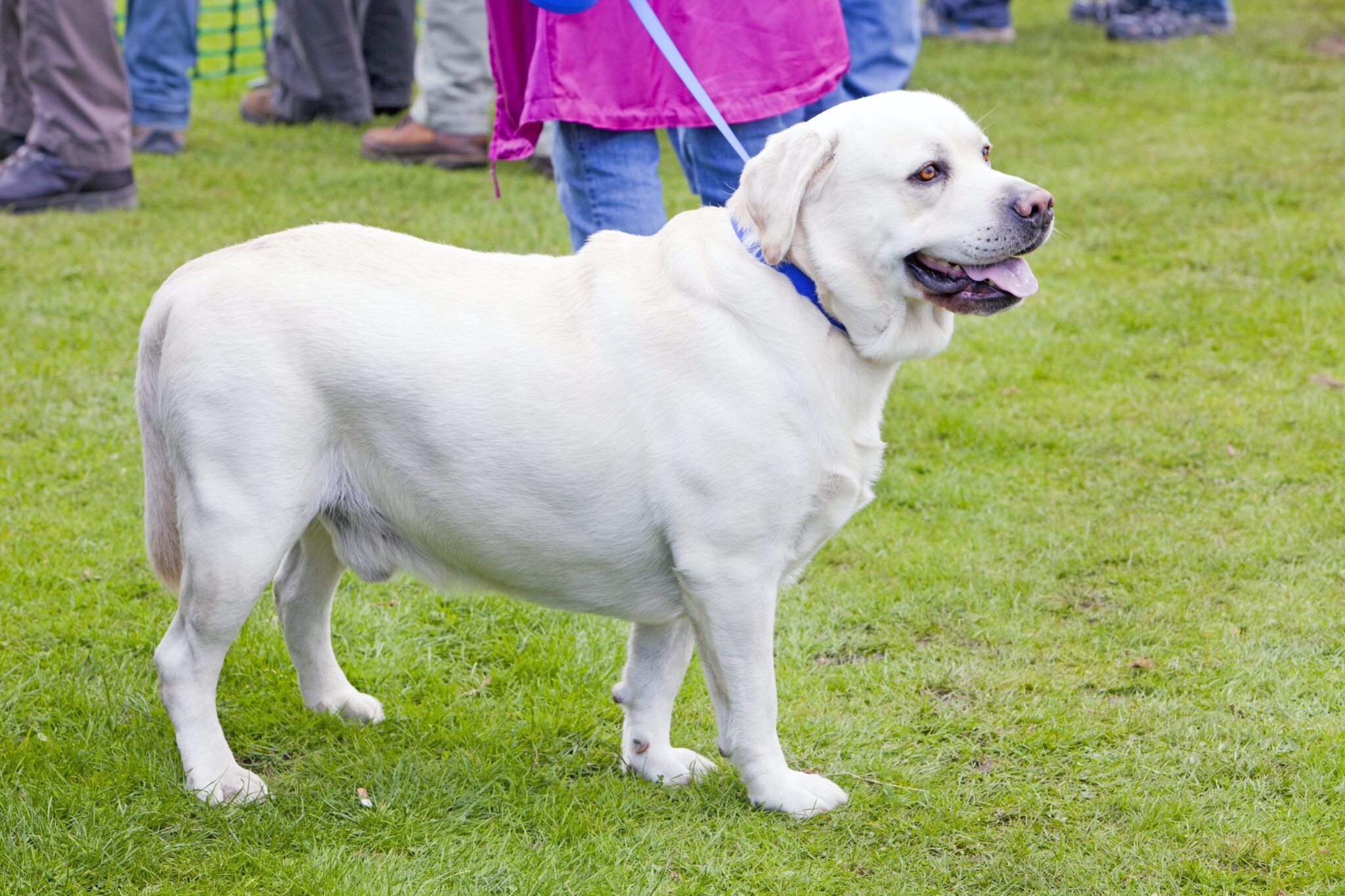
An overweight dog with a distended abdomen could have fat accumulation or possibly a loss of abdominal muscle tone as is seen in dogs with Cushing’s disease. In both cases, the distension is gradual. The abdomen feels firm but is not usually painful. This happens gradually.
If your dog is suffering from bloat—an extremely dangerous condition where the dog’s stomach fills with gas and can twist upon itself—he will be in obvious distress. Intense pain, pale gums, a rapid onset of swelling, and usually unproductive retching will be noted. This is an immediate medical emergency: Head for the nearest clinic, calling ahead, to let them know you are coming with a bloat case.
Diagnosing the Cause of Ascites in Dogs
The diagnosis will start with a complete physical examination and a thorough history. If your veterinarian suspects ascites due to your dog’s swollen belly, the next steps will be cytology by collecting a fluid sample to examine and imaging studies such as X-rays and/or an ultrasound. (When doing imaging, a large amount of fluid may obscure everything in the abdomen, or you may see the abdominal organs all pushed to one area.)
Fluid evaluation can help. Your veterinarian will look for bacteria, white blood cells that fight infection, red blood cells, or abnormal cells such as cancer cells shed off from a neoplasm. The protein level in the fluid will also be determined.
When aspirated, the fluid is generally one of two types:
- An exudate, which is often cloudy when aspirated and may have cells and bacteria indicating infection, malignant cells from cancer, or simply lots of protein from inflammation.
- Or transudative fluid, usually from a heart or liver problem and tends to be lower in protein. It is often clear.
Depending on what is seen in the fluid and imaging, a complete blood panel is an excellent next step. The bloodwork can tell you if the liver or kidneys are involved. An electrocardiogram (EKG) or echocardiogram (ultrasound) may be recommended to evaluate the heart.
Treatment of Ascites in Dogs Starts with Relief
Treatment often starts with draining off fluid (abdominocentesis). The fastest way to provide relief, especially with a large amount of ascites, is to place a needle through the abdominal wall so fluid can run out. If the fluid has a high level of protein, drainage needs to be monitored to maintain homeostasis. If bacteria or fungal elements are seen in the withdrawn fluid, antibiotics or antifungals may be dispensed.
For dogs with chronic ascites, regularly scheduled abdominocentesis may provide good quality of life. This can usually be done without sedation.
A diuretic, such as furosemide (Lasix) is often used after initial care to draw fluid out of the body. This class of drugs can also help underlying kidney or heart problems.
If liver, kidney, or heart problems have been identified, your veterinarian will start therapy aimed at those primary conditions. Resolving them should clear up the excess belly fluid and prevent future recurrence.
Treating Ascites in Dogs
Treatment may include diet changes, supplements, and medications, sometimes a “cocktail” of multiple drugs for the best results. Don’t add supplements on your own without consulting with your veterinarian. Drug interactions could seriously complicate your dog’s recovery.
If trauma is underneath the fluid buildup, surgery is often curative. Your dog can afford to lose his spleen and even a lobe or two of his liver if those have ruptured and are filling the abdomen with free blood. Urine repairs can also be done.
Surgery may also be done if your dog has infectious or inflammatory ascites to help flush and clean out the peritoneal tissues. Those fluids, and urine, can be irritating to delicate abdominal lining tissues.
If cancer is underlying the ascites, the prognosis is generally grave. A ruptured tumor will have metastasized (spread) through the abdomen. Radiation, immunotherapy, and chemotherapy are all potential treatments. While these treatments may not be able to bring about a cure, your dog may gain some quality time.
Managing Ascites in Dogs
Your veterinarian may recommend changes in your dog’s exercise regimen, dropping back to moderate exercise like walks as opposed to running and jumping. Massage techniques and physical therapy may also help to keep your dog comfortable. Acupuncture may help heal some disease conditions that cause ascites or at least provide comfort.