

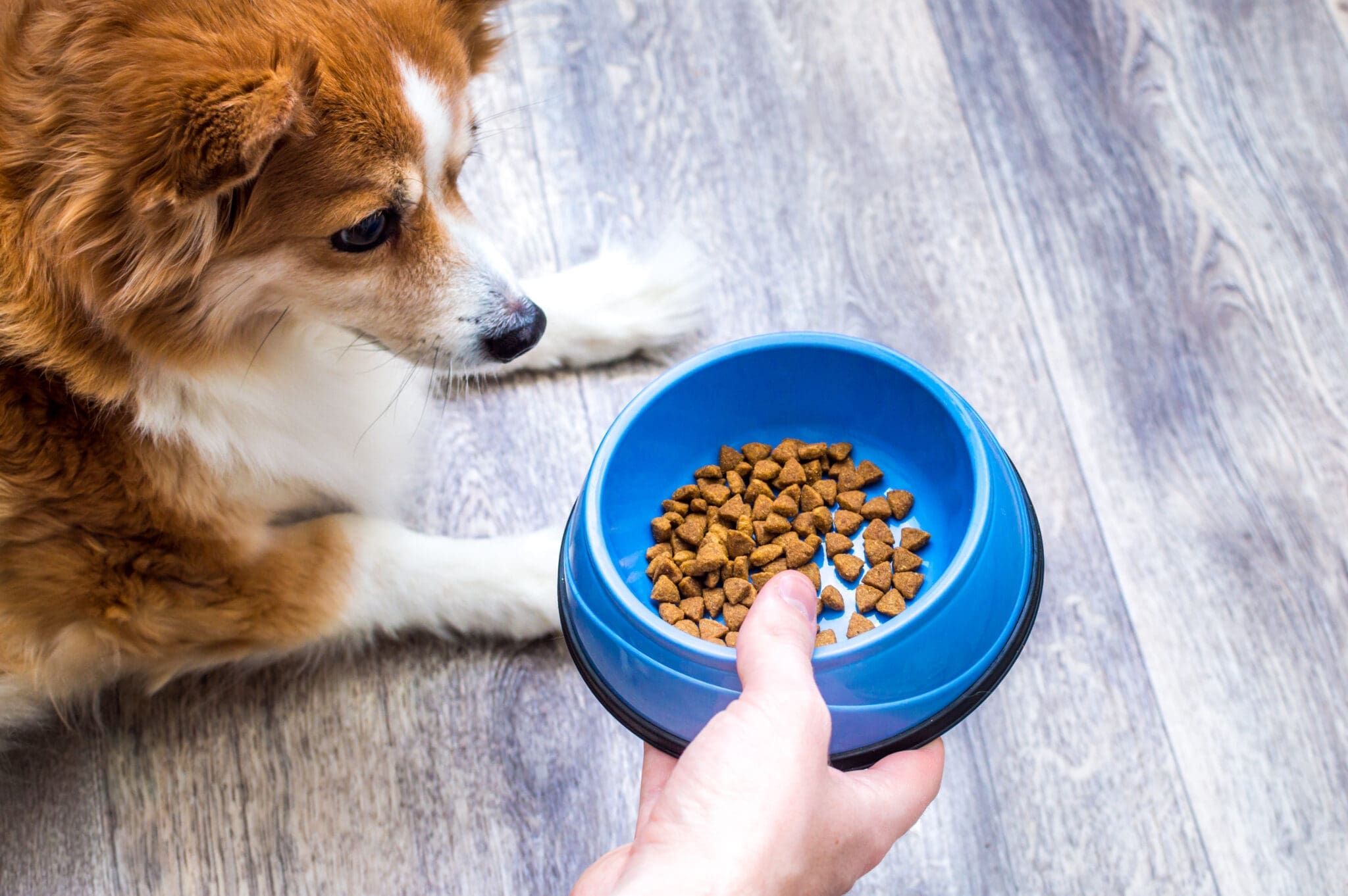
Dog foods with added probiotics offer dog owners a convenient and effective way to support their dog’s health every day, without having to purchase additional supplements. Probiotics work best with consistent, long-term use, at the proper dosing amount. Having them already incorporated into the diet ensures your dog receives them with every meal and takes the guesswork out of proper dosing. In this article, we will delve into probiotics, their health advantages, and why choosing dog food with added probiotics could be beneficial for your pet.
Do Dogs Need Probiotics?
In recent years, the topic of probiotics for dogs has gained in popularity. Probiotics convey many health benefits, from improving digestion, decreasing stress and anxiety, amplifying the immune system, supporting cognitive health, and more. While they used to only be available as a supplement, probiotics are now being incorporated into dog food formulas as well.
What Are Probiotics for Dogs?
Probiotics are live microorganisms that are beneficial to the host animal and provide health benefits when consumed in adequate quantities. These beneficial bacteria help maintain a healthy balance of gut microflora, which is vital for not only healthy digestion, but overall health and wellness. While probiotics colonize and inhabit the gut of your dog, their impact is systemic. Research is now showing the importance of gut health on immune function, with 70% of your dog’s immune system residing within the gut, cognitive support, with gut health impacting the brain through the gut-brain axis, and aging.
Probiotics in Dry Dog Food
You may notice that probiotics are only offered in dry foods and not wet or fresh diets. Why is that? While probiotics are live organisms, many have the ability to go dormant, or sleep, until conditions are right for them to replicate. The key ingredient for many of them to wake from their dormant state is water.
Kibble, freeze-dried, baked, and air-dried pet foods have low enough moisture levels to keep the added probiotics dormant for the duration of their shelf life. Once your dog consumes them, they become active and begin to replicate and colonize your dog’s gut.
The probiotics in these formulations are added to the outside of the food in the final step of manufacturing prior to bagging. Because of this, proper storage is vital to keep the probiotics viable and prevent spoilage; keep your dog’s food out of extreme heat, sealed from humidity, and out of direct sunlight.
Choosing Dog Food with Probiotics
When looking for dog food with probiotics, opt for brands that use high-quality, easily digestible ingredients. Look for foods that contain specific strains known to benefit dogs, such as Bifidobacterium and Lactobacillus species.
Some foods may contain prebiotic fiber as well. This prebiotic fiber supplies the probiotics with a reliable food source, promoting their growth. Good sources of prebiotic fiber include chicory root (a source of inulin), oats, and psyllium. If your dog has specific health conditions or dietary requirements, be sure to consult with your veterinarian prior to switching diets.
Incorporating probiotics into your dog’s food offers numerous benefits for your dog’s digestive health, immune system, and overall wellbeing. By choosing a high-quality dry dog food with added probiotics, you ensure your pet is receiving consistent, properly dosed, probiotic supplementation. Investing in your dog’s diet by giving them added probiotics is not just a trend, but a proactive step toward supporting their health from the inside out.

I’m curious how the microbes survive the intense heat of the cooking process of the kibble? What I have heard and learned from many Drs is that microbes can only survive at certain temperatures. I’d love to see some research from these food companies showing survivability or proof in gut which can be taken with a stool sample.