


IF YOUR DOG HAS ADDISON’S DISEASE: OVERVIEW
1. Become familiar with Addison’s symptoms so you can recognize them in a hurry.
2. If your dog shows symptoms, go to a veterinarian at once. Prompt treatment saves lives.
3. Learn about treatment options and cost-saving tips.
4. Schedule checkups and blood tests to monitor your dog’s condition.
5. Observe your dog’s behavior and appearance to help determine the ideal medication dosage for her.
Something’s wrong with your dog but you’re not sure what. She seems listless, her eyes have lost their spark, and she just seems “off.” You might notice intermittent muscle weakness, tremors, and an inability to jump into the car or onto a sofa. Or your dog frequently ignores her dinner, vomits, or has diarrhea. These vague symptoms, which may improve and then return, could stem from a dozen canine illnesses – or they might point to Addison’s.

Addison’s disease, named for the 19th century physician who defined this adrenal gland dysfunction, is also known as hypoadrenocorticism or adrenal insufficiency. Is Addison’s Disease fatal to dogs? Yes, if left untreated, but with appropriate treatment Addison’s can be managed so that affected patients lead normal, active lives. First diagnosed in dogs in the 1950s, it is considered an uncommon canine disorder. However, veterinarians who routinely test for Addison’s often find it, suggesting that the illness is not really rare but rather under-diagnosed and under-reported. You don’t find Addison’s unless you look for it. Some veterinarians speculate that Addison’s disease occurs in dogs at a rate as much as 100 times the rate in humans.
Aiyana, a three-year-old Italian Greyhound who lives with Lydia Kunzler in Northern Utah, developed symptoms when she was nine months old, but none of the several veterinarians Kunzler consulted could find the cause.
“Last fall I noticed Aiyana was starting to lose weight,” she says, “and because I had a lot of things going on I attributed her loss of appetite to stress and tried to feed her more. But a week after one of my other dogs passed away she became very sick. She was vomiting, very lethargic, and her digestive system just shut down, sometimes going days without a bowel movement. A few weeks went by, and we had to keep her on intravenous fluids or she’d get really sick again. Finally I decided to change vets. I knew all this vomiting, alternating diarrhea and constipation, and other symptoms weren’t normal.”
Aiyana’s new veterinarian immediately recognized the signs of Addison’s and did an ultrasound test, saw how small the dog’s adrenal glands were, and ordered an adrenal hormone blood test to confirm the diagnosis.
Recognizing Symptoms of Addison’s Disease in Dogs
Dogs of any breed, either sex, and any age can develop Addison’s. About 70 percent of dogs with Addison’s are female, although in some breeds, including Standard Poodles and Bearded Collies, males and females are equally affected. The median age of dogs diagnosed with Addison’s disease is 4 to 6 years, but it has been reported in puppies and in dogs as old as 12.
Certain breeds may be predisposed to Addison’s, including Portuguese Water Dogs, Bearded Collies, Standard Poodles, Great Danes, Soft Coated Wheaten Terriers, Airedale Terriers, Basset Hounds, Springer Spaniels, West Highland White Terriers, Leonbergers, Labrador Retrievers, Rottweilers, Saint Bernards, Nova Scotia Duck Tolling Retrievers, German Shepherds, German Shorthaired Pointers, other Poodles, and mixes of these breeds.
The most commonly reported symptoms of Addison’s disease, which can vary dramatically from dog to dog, include loss of appetite, weight loss, depression, listlessness, vomiting, diarrhea, hind-end pain, muscle weakness, tremors, shivering, increased thirst, excessive urination, a painful or sensitive abdomen, muscle or joint pain, and changes in coat, which may become thicker, thinner, longer, or even curly. About 15 to 20 percent of Addisonian dogs will have dark, tarry stools (melena, caused by gastrointestinal hemorrhage) or blood in their vomit. Symptoms often wax and wane, with the dog getting worse, then better, for months or even years.
Veterinarians examining Addison’s patients may notice mental depression, a thin or emaciated body, muscle weakness, dehydration, patches of darkened skin, a slow and weak pulse, low body temperature, low blood pressure, and pale mucous membranes. Blood tests may show any of the following: elevated potassium, low sodium, elevated BUN and creatinine, elevated liver enzymes, low glucose, high calcium, low protein (albumin and globulin), anemia, low cholesterol, and metabolic acidosis. Urine may be dilute (low specific gravity). A sodium/potassium ratio of less than 27 is strongly indicative of Addison’s, but a normal ratio does not rule it out, as many veterinarians assume. A sick dog with normal or elevated lymphocytes and eosinophils (lack of a stress leukogram) can point toward Addison’s.
Addison’s disease, called “The Great Pretender,” is often misdiagnosed because it resembles so many other illnesses. Both dog and human patients with Addison’s are often erroneously diagnosed as having gastrointestinal diseases such as inflammatory bowel disease (IBD), infections, parasites, cancer of the gastrointestinal tract, or poisoning. Acute renal failure, liver disease, urinary blockage, pancreatitis, insulinoma, hyperparathyroidism, and protein-losing enteropathy are other common misdiagnoses.
What is an Addisonian Crisis?
The most dramatic Addison’s symptom is the endocrine emergency called Addisonian crisis. This occurs when the dog goes into shock due to circulatory collapse, and it can happen so quickly that a healthy looking dog is suddenly, within a few hours, close to death.
In an Addisonian crisis, the lack of adrenal hormones depletes sodium levels (hyponatremia) and body fluids (hypovolemia), resulting in potassium retention (hyperkalemia), bradycardia (slow heart rate), hypotension (low blood pressure), associated cardiac arrhythmias (abnormal heart beats), and collapse. In other diseases, hypovolemia and shock cause tachycardia (rapid pulse); in Addison’s, the pulse slows. Low blood sugar levels (hypoglycemia) can cause seizures. Vomiting and diarrhea are common.
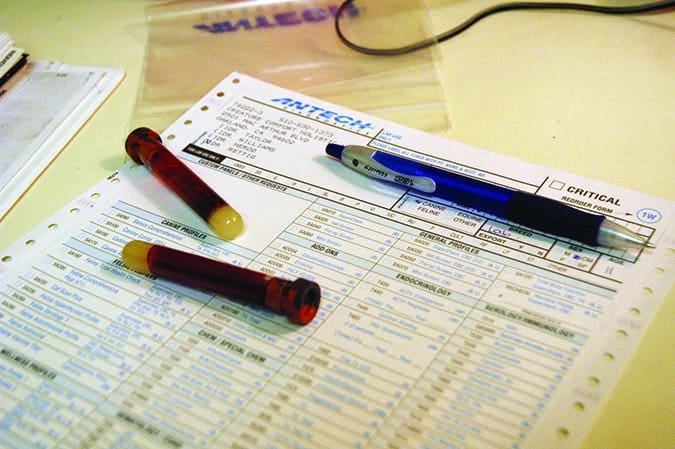
For many dog owners, the crisis is their first sign that something is wrong. About 30 to 35 percent of dogs with Addison’s are initially diagnosed during a crisis. Patients treated in time with intravenous fluid therapy and glucocorticoid steroids show such rapid improvement that it seems a miracle cure, though some have to be monitored and treated for several days before their condition stabilizes. And the cure is temporary, for without appropriate maintenance care, another crisis will follow.
As many as 90 percent of dogs in adrenal crisis will have elevated creatinine and BUN, which can lead to a misdiagnosis of acute renal failure. Dehydration and low blood pressure cause blood filtration to drop, resulting in “prerenal azotemia,” where waste products build up even though the kidney itself is functioning. Gastrointestinal bleeding can also cause increased BUN. The response to treatment is more dramatic for dogs with Addison’s disease than for those with kidney disease.
Addison’s Disease in Dogs: Types and Effects on the Body
The adrenals are two small glands positioned next to the kidneys. The center of each gland is called the medulla and the outer area is called the cortex.
The adrenal medulla secretes the “fight or flight” hormones: adrenaline (also called epinephrine) and noradrenaline (also called norepinephrine). These hormones are generally not affected by Addison’s disease, which affects only those secreted by the adrenal cortex: glucocorticoid and mineralocorticoid hormones. Addison’s can cause deficiencies of both types of steroid hormones.
Glucocorticoids (primarily cortisol) affect nearly every tissue in the body. They help maintain blood pressure and cardiovascular function, activate the body’s stress response, regulate metabolism and blood glucose levels, stimulate appetite, modify red and white blood cell production, and promote a general sense of well-being. Glucocorticoid levels are controlled by adrenocorticotropic hormone (ACTH), which is produced by the pituitary gland.
Mineralocorticoids (primarily aldosterone) are responsible for regulating electrolytes (sodium, potassium, and chloride) and water balance, which affects blood pressure. Electrolytes also affect nerve and muscle function, including heart rate and rhythm.
Typical Addison’s, often called primary Addison’s, is caused by adrenal dysfunction that creates both glucocorticoid and mineralocorticoid deficiencies. The adrenal glands atrophy, usually because of an autoimmune response that may be hereditary. Other possible causes include granulomatous disease, tumors, injury, prescription drug side effects, infection, or inflammation. By the time symptoms appear, an estimated 85 to 90 percent of the adrenal cortex has been destroyed. Dogs with typical Addison’s will have electrolyte imbalances, but this alone is not enough to diagnose the disease, nor can normal electrolytes rule out Addison’s disease.
In atypical Addison’s, the adrenal cortex continues to produce aldosterone but not cortisol. Patients with atypical Addison’s have normal sodium and potassium levels. Most eventually progress to typical Addison’s disease within a few months or, in some cases, years.
In secondary Addison’s, the pituitary gland no longer produces ACTH because of immune-mediated damage, inflammation, trauma, or cancer. Similar to atypical Addison’s, only cortisol production is affected, but secondary Addison’s will never progress to the typical form of the disease. Because aldosterone is still produced by the adrenal cortex, secondary Addison’s disease does not cause electrolyte imbalances.
What Causes Addison’s Disease in Dogs?
Addison’s disease can be brought on by treatment for Cushing’s disease designed to suppress or destroy overactive adrenal glands. The antifungal medication ketoconazole is sometimes used to treat Cushing’s because it suppresses adrenal function. The sudden withdrawal of prednisone or other cortisone medications after long-term use can also trigger an Addisonian crisis.
The Addison’s Disease Diagnosis
The ACTH (adrenocorticotropic hormone) response (or stimulation) test is considered definitive for Addison’s. Dogs must be off all corticosteroid hormones except dexamethasone for at least 12 to 36 hours (or more, if they’ve been on steroids for a long time) to prevent the drugs from affecting test results.
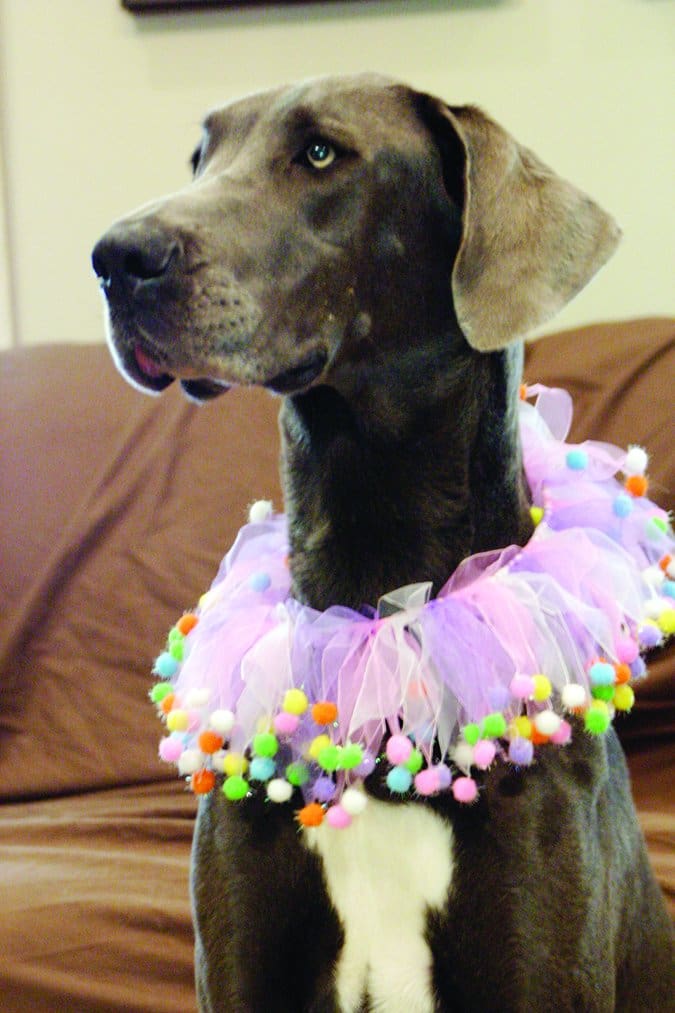
The cortisol level of an initial blood sample is measured; then the dog is injected with a form of the pituitary hormone ACTH that signals the adrenals to produce cortisol. One hour later, the blood cortisol level is measured again. In healthy dogs, cortisol levels rise, indicating a normal adrenal response. If the dog’s initial cortisol level is low and there is little or no response after ACTH stimulation, the diagnosis is Addison’s disease.
Synthetic ACTH (cosyntropin, Cortrosyn) is preferred for consistency; ACTH gels are not recommended for this test, because the results may not be accurate. An older protocol used one vial (250 mcg) of Cortrosyn for every dog, but only 5 mcg/kg is needed to achieve maximal adrenal stimulation when given intravenously. This can translate into a substantial cost saving for small dogs.
If the ACTH response test is positive and electrolytes are normal, then a separate test to measure endogenous ACTH levels can differentiate between primary and secondary Addison’s. Endogenous ACTH levels will be greatly elevated with primary Addison’s but low or undetectable with secondary Addison’s. Dogs with secondary Addison’s will never develop electrolyte abnormalities, making treatment and monitoring much less expensive.
Two situations can result in a misdiagnosis of Addison’s disease. Dogs from breeds originating around the Pacific Rim, including the Akita, Shiba Inu, and Jindo, often have elevated potassium values. This can be confused with Addison’s, particularly when symptoms are similar.
Whipworms can create a syndrome nearly identical to Addison’s, including low sodium and elevated potassium. Fecal tests for whipworms are often negative because eggs are shed infrequently.
In both cases, ACTH response tests will be normal. Always confirm a diagnosis of Addison’s disease before beginning mineralocorticoid supplementation.
Addison’s Disease Treatment for Dogs
In an Addisonian crisis, treatment with intravenous fluids, glucocorticoids such as dexamethasone, and sometimes glucose as well can literally save a dog’s life. Once the patient’s condition has stabilized, treatment moves to the life-long replacement of adrenal hormones, along with careful monitoring of electrolyte levels for dogs with typical Addison’s.
Glucocorticoid hormones such as prednisone, prednisolone, methyl-prednisolone (Medrol), or hydrocortisone are needed for all dogs with Addison’s disease. For atypical and secondary Addison’s, this is the only drug prescribed. Prednisolone and methylprednisolone have been converted to a bioactive form, a process which otherwise must be done by the liver, so these may be good choices for dogs with elevated liver enzymes. Methylprednisolone and hydrocortisone may be associated with fewer side effects. Hydrocortisone is synthetic cortisol, closest to the natural form.
The starting dose is 0.1 to 0.2 mg prednisone (0.4 to 0.8 mg hydrocortisone) per pound of body weight daily. This is a physiologic dose, meant to mimic the amount of cortisol the body would produce itself if it were able. It should not cause the type of side effects associated with prednisone given at therapeutic levels for dogs with problems such as allergies or autoimmune disorders.
Many dogs do well on 0.05 mg prednisone (0.04 mg Medrol, 0.2 mg hydrocortisone) per pound of body weight daily. Even large dogs usually do not require more than 5 mg daily, except during times of stress. The dosage is best divided in half and given every 12 hours in order to keep cortisol levels more even, particularly when using hydrocortisone, which has a much shorter half-life.
Dogs with typical Addison’s also need mineralocorticoid supplementation. Two options are available: fludrocortisone acetate (Florinef) and desoxycorticosterone pivalate (DOCP, commonly known by the brand name Percorten-V).
Florinef is an oral medication that is given once a day in the morning or split into two daily doses. Missing even a single dose can be dangerous. It can be difficult to regulate dogs taking Florinef, and increases in the initial dosage are frequently required, especially during the first year, as any remaining adrenal function is lost.
Percorten for Dogs
Percorten-V is given by subcutaneous injection once every 25 days or so. Experts find that in addition to having fewer side effects, Percorten-V regulates electrolytes more effectively than Florinef. Dogs who have problems when taking Florinef, including excessive thirst, urination, or incontinence, may do better with Percorten-V.
Aiyana, the Italian Greyhound who was finally diagnosed with Addison’s disease, was initially treated with Florinef. “Her electrolytes wouldn’t stabilize, and she didn’t respond as expected,” says Kunzler. “My vet switched her to Percorten-V injections, which has made a lot of difference.”
Dogs on Percorten-V require glucocorticoid supplements, such as prednisone, in addition to their monthly injections. Fludrocortisone has some glucocorticoid activity, so about half of the dogs who take this medication do not require regular glucocorticoid supplements, and others may need supplements every two or three days rather than daily.
All dogs with Addison’s need additional glucocorticoids during times of stress, injury, or illness. What constitutes stress will vary from one dog to another. Stress can be physiological, such as a medical procedure, injury, or even a particularly active play session. Stress can also be emotional, such as from a move, the loss of a human or animal companion, thunderstorms, fireworks, a visit to the vet’s office, or anything that disrupts familiar routines.
Stress increases the need for glucocorticoids from two to four times the maintenance level. A dog undergoing surgery may need even more, starting with a high dose and quickly tapering back to normal during the following week. An alternative would be to give an injection of dexamethasone during surgery, followed by oral steroids after. Fluid support should always be provided for Addisonian dogs during surgery.
Canine Addison’s Disease Life Expectancy and Management
With appropriate treatment, dogs with Addison’s share an excellent prognosis, with no anticipated disease-related problems affecting their life expectancy. Dogs usually feel better within days of starting treatment, and most symptoms are gone within two to four weeks. The main challenges to life-long treatment are its expense and the effort involved in monitoring electrolyte levels, administering medication, and keeping a close eye on the patient for signs of problems.

It’s important to monitor electrolytes through regular blood tests, especially when treatment begins. With Florinef, blood tests are initially done weekly, then gradually decreased once electrolytes reach normal levels, with continued monitoring two to four times a year after the dosage has stabilized. Dogs receiving Percorten-V are tested before each injection as the dosage is tapered to the lowest level needed, and then tested at least once or twice a year thereafter. Electrolytes should also be tested whenever the dog seems “off.” Dogs with atypical Addison’s require monitoring as well, in case the disease progresses to the typical form.
Dehydration or elevated potassium is indicative that the dosage may be too low. Dehydration causes tacky gums or shoulder skin that doesn’t snap back when pinched. Elevated potassium levels may slow the heart rate – a normal pulse for large dogs ranges from 60 to 100 beats per minute, and for smaller dogs 100 to 160 beats per minute. Severe muscle weakness may be due to low potassium from a dosage that is too high. Symptom changes should be reported as soon as they occur so that medication can be adjusted.
Cortisol levels are monitored not through blood tests but by observation of behavior. The goal is to give the lowest dose of glucocorticoids needed to keep your dog symptom-free, eating well, and happy.
Symptoms such as excessive thirst and urination, ravenous appetite, panting, hair loss, muscle atrophy, elevated liver enzymes, and frequent infections are indications that the glucocorticoid dosage is too high. Lack of appetite or energy, vomiting, diarrhea, and weakness or lethargy indicate that the dosage may be too low. Similar problems may be seen with too much or too little Florinef.
Zala Bu, a five-year-old Great Dane who lives with Jenny Schultz of Denver, North Carolina, was diagnosed with Addison’s at 18 months. “Her previous family did not follow up with their vet by doing continual blood testing to monitor her progress,” says Schultz. “To add to that, their vet was not prescribing a high-enough dose of Florinef, her first medication. As a result, Zala’s health declined. She came to me as a foster dog when she was in her second crisis and her family was fed up with dealing with her illness. She was anorexic, vomited frequently, and had chronic diarrhea. She had lost 30 pounds in six months.”
Schultz changed Zala’s medication to Percorten-V, which she says is “by far our preferred choice as it keeps the dog’s electrolytes consistent throughout the month and helps get a dog back to good health much faster.
“Her life started over the day she joined my pack,” she says. “Zala has been healthy for three years now and is a very active Dane. She takes an extremely low dose of Percorten-V as a shot that I give her at home, along with 1 mg prednisone daily. She gets her electrolytes checked every two to three months at the vet’s office to make sure the medicine is working well and that her electrolytes are balanced. Zala Bu started on 2.8 ml of Percorten-V and I have tapered her down to a .9‑ml dose.”
According to Schultz, a big challenge after an Addison’s diagnosis is to find a veterinarian who is willing to fine-tune the dog’s medication. “When dogs are at their lowest effective dose, they feel their best,” she says. “There are still many vets who don’t know how to treat this disease. As a result, dogs in their care are not as healthy as they could be.”
If problems continue after electrolytes are stabilized and the appropriate glucocorticoid dose is determined, consider other concurrent causes, such as liver disease, spay incontinence, or gastrointestinal disease. Dogs with Addison’s may be particularly prone to other autoimmune diseases such as hypothyroidism.
Jenn, a chocolate Labrador Retriever belonging to Margaret Daunt of Modena, New York, developed typical Addison’s 10 years ago at age 4. One year later she was diagnosed with hypothyroidism. At age 13 she survived bloat (“I believe quick action on my part saved her life,” says Daunt), and earlier this year, she was diagnosed with the tick-borne disease ehrlichiosis.
“Jenn has led an active life,” says Daunt. “She competed in agility, trained in obedience, and even dabbled in drug detection work. Now that she has recovered from ehrlichiosis, 14-year-old Jenn is back to her old self!”
It’s important to be alert, as Daunt was, to all symptoms of Addison’s disease in dogs. Don’t assume that every time your dog doesn’t feel well it must be due to Addison’s disease. Addison’s dogs develop illnesses just as other dogs do. If an Addison’s dog is sick from something else, her prednisone dosage may need to be increased temporarily.
Your Dog’s Addison’s Disease Treatment Costs
To make Addison’s treatment affordable, many caregivers purchase compounded fludrocortisone from a compounding pharmacy. “The compounded version is much more cost-effective for larger dogs than brand-name Florinef,” says Schultz, who participates in online forums for canine Addison’s. Most dogs who receive Percorten-V injections and about half of those who take Florinef require a small daily oral dose of inexpensive prednisone as well.
The online Addison’s groups share information about the disease and suggestions for reducing costs. “Our FaceBook and Yahoo groups help people understand lab test results and talk to their veterinarians about adjusting medications,” says Schultz. “We also help people find lower-cost options for treating their pets. In some cases owners were able to keep their pets when they couldn’t afford the prices their vets were charging. One single mom was paying $300 per month for her Great Dane’s shots until she switched to compounded medications that cost only $30 per month. Two years later, her Dane is still with her and doing well.”
Other money-saving strategies include giving shots at home to avoid having to pay for an office visit for each injection, purchasing medications online at a discount with the help of veterinarians willing to write the necessary prescriptions, or negotiating with veterinarians to keep office visit costs to a minimum. Schultz estimates her monthly expenses at $35 for Percorten-V and another $25 for electrolyte tests. “We test Zala Bu every other month now because we’re adjusting her dose downward,” she says. “She is small for a Dane, weighing in at 102 pounds. I get a large script for prednisone filled at a pharmacy for $4. Zala Bu is the poster child for low-dose effectiveness in big dogs.”
Elizabeth Andrews of Pleasantville, Nova Scotia, Canada, joined the online group AddisonDogs in 2006, when Raider, her 75-pound Labrador Retriever, was diagnosed with typical Addison’s. Raider is now six years old and thriving, and Andrews is a list moderator. “The AddisonDogs group was founded in 2002 and currently has 4,594 members,” she says. “We also run a 501(c)(3) non-profit organization called AddisonDogs to educate and support the companion animal community about this condition, and the AddisonDogs website helps re-home dogs with Addison’s disease and assists with vet bills and other expenses. I am also the owner of a FaceBook Group, Addison’s Disease in Dogs, which has 559 members and is growing daily.”
Andrews explains that in the U.S., brand-name Florinef costs about $1 per 0.1-mg tablet, and the minimum starting dose is 0.1 mg per 10 pounds of body weight with dogs normally needing two to three times the starting dose. In Canada, Florinef costs about 27 cents per tablet when purchased at a drugstore. Florinef can also be purchased in the U.S. from compounding pharmacies, which reduces the total monthly cost regardless of dose to about $30.
Percorten-V purchased online costs $150 to $190 per vial depending on the supplier. “Most AddisonDogs members buy it for $150 from the online pharmacy 1-800-PetMeds,” says Andrews, “because that company price-matches the lowest price online. However, many veterinarians in the U.S. refuse to give their clients a prescription for Percorten-V, arguing that the drug sold online may be counterfeit. A few vets will price-match. Veterinarians pay approximately $130 U.S. for a 4-ml (100-mg) multi-use vial directly from the manufacturer, Novartis, but this life-saving drug often has a high retail markup.”
The typical starting dose of Percorten‑V is 1 mg per pound of body weight. Dr. David Bruyette, DVM, DACVIM, of VCA West Los Angeles Animal Hospital and an internal medicine specialist with an emphasis on Addison’s disease, prefers to start large dogs (over 60 pounds) at half that amount, because their metabolism is slower. He points out that electrolytes should be measured more frequently when using a lower starting dose; he recommends checking at two, three, and four weeks after the first injection.
Julia Bates, DVM, of Veterinary Specialty & Emergency Care in Madison, Wisconsin, is a veterinary internist whose research during her residency involved the use of low-dose Percorten-V in the management of Addisons disease. She routinely treats dogs diagnosed with Addison’s disease with a low dose of Percorten-V. In her experience, the majority of those dogs do very well.
Ideally, the dose is gradually tapered down until the lowest effective dose is found. “We know that lowering the dose works,” says Andrews, “as many in our Yahoo group have been doing so for over five years.”
As mentioned, dogs should be monitored while their drug dosages are being adjusted. “With Percorten-V, blood electrolytes should be tested at day 14 and then at day 25,” says Andrews. “The day-14 electrolytes show how well the Percorten-V is working, and the day-25 electrolytes show whether the dog will be ready at day 28 for more Percorten-V and whether the dose can be reduced. It is very common for a dog not to be ready for more during the first few months. Giving more Percorten-V before the dog is ready just drives potassium levels down. By waiting for potassium levels to rise and then reducing the dose, you ‘balance’ the electrolytes. Once the lowest effective dose has been found, you can test electrolytes every six months or whenever the dog’s behavior or symptoms seem different.”
Adjusting patients to Florinef requires much closer monitoring of electrolyte levels. “It’s important to test weekly until they stabilize,” says Andrews. “Most dogs need their dose increased frequently over the first few weeks and months. Once you find a dose that maintains stable electrolytes for a few weeks, you can move to biweekly testing and then monthly tests. After an effective dose has been found, testing every three months is recommended for life. Of course not everyone does this, and those who don’t generally end up having a dog go into crisis.”
Managing Stress for a Normal Life with Addison’s Disease
All the experts agree that a properly treated dog can live a normal, happy, healthy life despite having Addison’s disease.
“Since stress can be an issue for dogs with Addison’s,” says Jenny Schultz, “caregivers may have to cut back on stressful activities depending on their dogs’ temperament. My Great Dane used to make therapy dog visits to a nursing home. She enjoyed the activity and it didn’t seem to stress her too much. A little extra prednisone as a boost and a good nap was all she needed to continue on with her day. She is by far the most active dog in our pack. Some dogs with Addison’s continue to compete in agility and obedience events with no problem after their condition has been stabilized.”
In her book, Addison’s Disease in Dogs, Stephanie Kenrose describes the importance of long-term stress management and supplying extra prednisone whenever an Addison’s dog is stressed by injury, trauma, illness, or other events. She also discusses the stress created by annual vaccinations and heartworm prevention medications, noting that titer tests can be used to monitor immunity to common canine illnesses, and decisions about heartworm prevention depend on one’s location as well as the dog’s condition. “You’ll want to discuss these risk factors with your veterinarian,” she says, “so that you can decide whether it’s worth giving these medicines to your Addison’s dog.”
After eight months of treatment, Aiyana, the Italian Greyhound, is doing much better. “She was spayed just three weeks ago,” says Lydia Kunzler, “which caused her Addison’s to flare and her electrolytes to go a bit off again, but she was much easier to stabilize this time. The blood work we took last Wednesday was the best it’s been since she was first tested!
“She still struggles with muscle weakness especially in her rear from time to time, and she needs a little extra prednisone some days, but getting her spayed so those hormones weren’t complicating things seems to have made a big difference. I’ve also stopped feeding any dry food, per my vet’s advice, as we were having a hard time maintaining her hydration levels. She mainly eats raw now, or canned food if I’m going to be traveling, and I feed her three to four small meals a day instead of two big meals to make it easier on her GI system.”
Caring for a dog with Addison’s disease can seem overwhelming at first, both financially and emotionally. But properly treated, your Addisonian dog can live just as long and just as well as her disease-free counterparts.
Freelance writer CJ Puotinen lives in Montana. She is the author of The Encyclopedia of Natural Pet Care, and other books, and is a frequent contributor to WDJ.
Mary Straus is the owner of DogAware.com. She and her Norwich Terrier, Ella, live in the San Francisco Bay Area.


My poor baby passed away yesterday due to this horrible disease. She was a 10lb Bichon Frise, and was diagnosed back in 2017 at 10 years old. We kept it under control with monthly to 6-week percortin injections and daily does of prednisone. She was also not spayed, which I read now that them being spayed could have helped with hormonal balance. Two days ago she began acting weak, lethargic and very uninterested in her food…clear signs. I wish I would have taken her in immediately, but I just knew she’d be okay until her appointment…she wasn’t :(. I think she needed the attention sooner than I thought. I regret not acting sooner, but also know that her value of life was slowly declining. Either way I miss her tremendously, and I hope this helps another fur baby parent not take this disease for granted.