

Home Search
heart%20disease - search results
If you're not happy with the results, please do another search
When Your Well-Trained Dog Turns Aggressive – Act Fast!
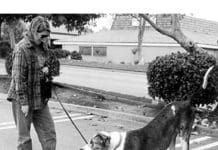
I first met Lucy at my local monthly “My Dog Can Do That” competition in January of 1998, at the SPCA in Monterey, California. She was easy to spot – a merle Great Dane with lovely natural ears, who literally towered above the competition. Lucy was attentive, responsive, performed even the most advanced MDCDT behaviors with ease, and consistently placed in the ribbons. It surprised me, then, when a few months later I heard Lucy had started threatening humans, and her aggression was escalating. This was not appropriate behavior for any dog, but particularly disturbing in one of Lucy’s size, with her potential for causing serious harm.

Enzyme Therapy for Quicker Canine Injury Recovery
Enzymes are protein-like compounds that, in small amounts, speed the rate of biological reactions. Unstable, fragile, and easily inactivated, enzymes are produced within living cells to perform specific biochemical reactions. Enzymes exist in plants as well as animals. Without them, life as we know it would not exist. Enzymes cause seeds to sprout, flowers to blossom, plants to grow, autumn leaves to change color, and fruits to ripen.
It’s All In How You Make It
reduce pesticide residues by washing well

Nutrition for Dogs: Fat, Protein and Carb Levels in Dog Food
There are many kinds of proteins, which are made of complex, organic compounds. Each type of protein consists of a varying mix of amino acids attached to each other with peptide bonds. Dogs can manufacture some of the 22 amino acids found in their bodies, but need a dietary source for others. Amino acids build body proteins, which in turn function as components of enzymes, hormones, a variety of body secretions, and structural and protective tissues.