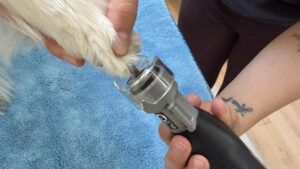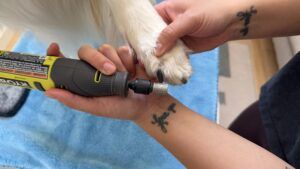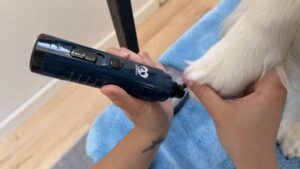
Desensitization Can Change a Dog’s Behavior

Is Yogurt Good for Dogs?

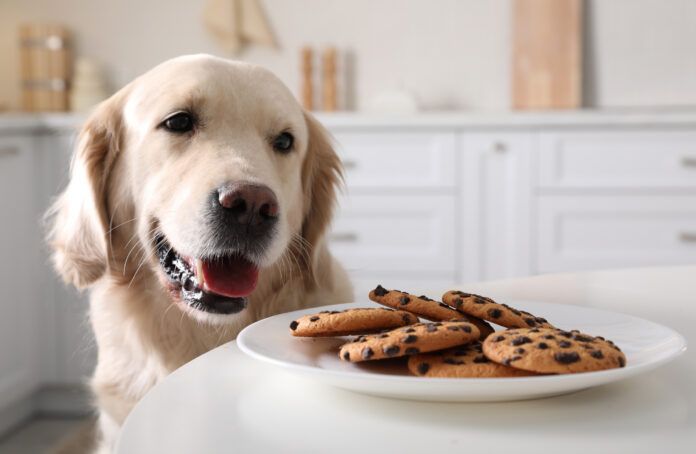
Yogurt is often viewed as a wholesome, probiotic-rich food, and many dog owners wonder whether it can be safely shared with their pet. The short answer is yes, yogurt can be good for some dogs, but only when the right type is chosen and fed in appropriate amounts.
Yogurt is not a necessary part of a dog’s diet, but it can serve as a healthy functional treat that provides beneficial bacteria, protein, fat, vitamins, and minerals. However, because dogs do not process dairy as well as most humans do, understanding the nuances of yogurt types and ingredients is essential before adding it to your dog’s bowl, lick-mat, Kong, or Toppl.
Lactose Is a Problem for Dogs
One of the most important considerations when feeding yogurt to your dogs is lactose intolerance. Adult dogs are lactose intolerant, as they do not produce the lactase enzyme needed to break down lactose, the natural sugar found in milk, past puppyhood. When a lactose-intolerant animal consumes lactose, the sugar cannot be digested and creates gastrointestinal upset including gas, bloating, loose stools, and diarrhea. The severity of these symptoms varies widely between individual dogs, which is why some dogs tolerate yogurt well while others do not.
Traditional yogurt made from cow’s milk contains a moderate amount of lactose, although less than milk itself due to fermentation. The live cultures in yogurt consume some of the lactose during production, making it easier to digest than fluid milk.
Greek yogurt is often a better option for dogs because it is strained during processing, removing much of the whey and lactose. As a result, Greek yogurt is lower in lactose, higher in protein, and thicker in texture, making it one of the most commonly recommended yogurt options for dogs.
There are lactose-free yogurts available, which simply have the lactase enzyme added to them to break apart the sugar into a digestible format for lactose-intolerant people and dogs alike. This is a phenomenal option for pet parents looking to give their dog a fun treat without risking tummy troubles.
Concerns About Lactose-Free Yogurt and Dogs
Ingredient safety is just as important as lactose content when selecting yogurt for your dogs. Many flavored yogurts contain added sugars, flavors, and other ingredients that are unnecessary and potentially harmful.
Low-calorie, sugar-free, or “diet” yogurts are of particular concern as they may contain xylitol, an artificial sweetener that is extremely toxic and dangerous to dogs. Even very small amounts of xylitol can cause a rapid drop in blood sugar causing seizures, liver failure, or death. For this reason, any yogurt given to a dog must be carefully checked to ensure it does not contain xylitol, which may also be listed under alternative names such as birch sugar.
Yogurt can be a safe, healthy, and delicious treat for dogs when chosen thoughtfully. As always, introduce new foods slowly and monitor your pet’s tolerance, keeping an eye out for signs of gastrointestinal upset. Plain, unsweetened, and preferably lactose-free, Greek yogurt is the best option for your pup due to low lactose and high protein levels. When fed sparingly, yogurt can be a simple way to add variety and beneficial digestive microbes to your dog’s diet.
What To Do When a Dog Whines for Attention

Join Whole Dog Journal
Already a member?
Click Here to Sign In | Forgot your password? | Activate Web AccessHow Often Do Dogs Poop?

How often do you think about your dog’s poop schedule? You probably fall into one of two categories: You don’t think about it much beyond making sure you’re well-equipped with bags to scoop, or you obsess over the poop’s cadence, color, and consistency.
Neither extreme is ideal, but paying attention to the frequency, difficulty, and form of your dog’s poop does provide insight into her overall health and well-being.
Before you can determine your dog’s baseline poop habits (i.e., what is normal for her) and when to seek medical attention, you need to consider a mix of biology, diet, and lifestyle.
How Often Do Dogs Poop? What’s Normal for Your Dog?
While there’s no single answer to how many times a dog should poop, the number varies based on factors such as age (e.g., puppies go more often older dogs). Other factors include the dog’s level of exercise and overall diet. A sudden change in diet (and what types of human food your dog is getting into) is something to monitor, too, as that can result in diarrhea and altered frequency.
Various veterinary teaching hospitals and other experts—including Tufts University’s Cummings School, Cornell University College of Veterinary Medicine, and the Journal of Animal Science and Biotechnology—concur that healthy adult dogs settle into a pattern of two to three times a day, typically shortly after meals.
Dogs, of course, don’t all follow the same schedule. Several biological factors contribute to how often your dog needs to go. Again, puppies have high metabolisms and small digestive tracts and often need to eliminate almost immediately after eating. However, older dogs who have a slower metabolism may go less frequently.
What Factors Affect How Often Dogs Poop?
According to Tufts University’s Cummings School of Veterinary Medicine, fiber plays a dual role in your dog’s diet. It’s a little tricky, though: While it helps firm up stool, excessive fiber can also increase the volume and frequency of bowel movements. Other factors include:
Mealtimes: The frequency of your dog’s meals contributes to her daily schedule. A dog fed once a day may poop only once. Conversely, a dog fed three small meals is likely to have more frequent urges.
Exercise: Physical movement stimulates muscle contractions that move waste through the intestines. This is why many dogs poop shortly after starting a walk.
What Does Healthy Dog Poop Look Like?
Veterinarians don’t just want to know how often your dog defecates. They want to see what it looks like. The gold standard for assessment, one used by institutions such as the University of Missouri Veterinary Health Center and University of Georgia College of Veterinary Medicine, is the Purina Fecal Scoring System, a 1-to-7 scale used in clinical settings. The scoring system is:
Score 1: Hard, dry pellets indicate dehydration or constipation.
Score 2 (the ideal stool): Firm, segmented, but not crumbly.
Score 3: Moist surface, leaves a mark when picked up, but holds its shape.
Score 4-5: Very soft, moist, beginning to lose shape.
Score 6-7: Watery diarrhea with no texture.
When to Worry About Changes in How Often Your Dog Poops
A change in frequency may be an early sign of an underlying medical issue.
Cornell’s Riney Canine Health Center Veterinary groups suggests you watch for extreme shifts such as diarrhea. Most cases resolve on their own. However, according to Cornell’s Meredith Miller, DVM: “If a pet stops eating, is lethargic, the diarrhea is black or tarry in quality, there is associated vomiting, or the diarrhea doesn’t resolve in 48 to 72 hours then veterinary care should be sought.”
Conversely, if you suspect your dog is constipated you should bring him to a veterinarian if he hasn’t had a bowel movement for three days, displays pain (e.g., pacing, crying, hiding, and licking at the anus when trying to defecate, vomiting, or loss of appetite.
Can Probiotics Help Regulate How Often a Dog Poops?
Research from the Journal of Animal Science and Biotechnology highlights the importance of the gut microbiome in canine regularity. A balance of bacteria ensures that nutrients are absorbed efficiently, which stabilizes the frequency of elimination. If your dog has “unpredictable” frequency, veterinarians often recommend a clinical-grade probiotic.
When Should You Call the Vet About Your Dog’s Poop Habits?
While a single day of unusual bowel behavior is no reason to panic, the Cornell University College of Veterinary Medicine recommends a visit to your vet if you notice:
- Your dog tries to go but produces nothing.
- Bright red blood in her stool dark or tarry stool an indication of melena.
- Diarrhea or constipation that lasts longer than 24 hours.
- If the change in pooping is paired with vomiting, lethargy, or a refusal to eat.
If you do decide to make a veterinarian appointment, remember to bring a fecal sample with you. That sample is a key part of truest way of knowing just how healthy your dog is.
The Best Automatic Dog Feeders

Join Whole Dog Journal
Already a member?
Click Here to Sign In | Forgot your password? | Activate Web AccessDoes Your Dog Know When You’re Sick?

A doctor told Heather May she had the flu, but the dog she adopted, a big yellow Lab named Scout, seemed to know something more serious was going on.
“I was home resting, and Scout would not leave my side,” May says. “He was on the bed with his head on top of me. He was refusing to eat. I didn’t know what was wrong with him.”
The Dallas, Texas-area attorney says she finally got Scout outside to potty in the backyard.
“I sat in my recliner because I felt dizzy, and the next thing I knew, Scout was scratching at the door, barking and banging,” May said. “I realized I was sitting in a completely different position in my chair than when I had sat down.”
When Scout came inside, he jumped into the recliner with her. “Then I lost time again,” May said. “At that point, I figured out I was having seizures.”
May stood up and tried to call for her husband upstairs, but she couldn’t yell loud enough.
“I got dizzy and grabbed one of the breakfast bar stools,” May says. “The next thing I know, I was on the ground flopping around, and I banged my head. Scout was trying to get underneath me as much as he could, and he was barking like crazy.”
When May’s husband heard Scout’s commotion, he ran downstairs, saw her on the ground, called 9-1-1, and EMTs rushed her to the hospital.
It turned out that the electrical signals in May’s heart were misfiring; she had a complete heart block, a life-threatening condition.
But how did Scout know something was wrong? Do dogs know when you are sick? Can they tell? Can they sense it?
Can Dogs Smell When You’re Sick?
Dogs may very well sense that you are sick because they can sniff out many illnesses and medical conditions.

“When we are ill, our body chemistry changes, and we know that dogs can sense a good deal of that,” says Dr. Stanley Coren, Professor Emeritus in the Department of Psychology at the University of British Columbia, and an esteemed researcher and writer about the intelligence of dogs.
Researchers are still just scratching the surface when it comes to figuring out all the medical conditions dogs’ extraordinary noses may be able to sniff out.
Cancer, Covid, and neurological disorders are just some of the ailments scientists have confirmed dogs can sense.
Other Ways Dogs May Know You’re Sick
Aside from changes in smell, when a person is sick, they may be in pain or feeling stressed. Dogs may also pick up on that.
Studies have found that dogs can recognize rising cortisol levels, a hormone that increases when someone feels anxious or nervous.
Dr. Coren has witnessed this first-hand. Over the years, he’s trained his personal pups to be therapy dogs. He and his associates have taken them to group mental health counseling sessions, and they have always observed the same outcome.
“The dogs seem to recognize who needs the most care, and they will wander over to them in the group and pay attention,” Dr. Coren says. “We know that dogs can read those kinds of emotions. They can read who’s stressed and who’s afraid.”
Physical cues aside, many pup parents swear dogs “just know” when they need consoling when they’re sick. How do they pull that off?
“I think their disease detection abilities are something which we can train and use,” Dr. Coren says. “But dogs’ overall behavioral response to our illness is because of the emotional changes which the illness produces.”
Can Dogs Really Tell When You’re Sick?
Canines don’t only have incredible noses; they also have keen powers of observation and dogs have spent tens of thousands of years reading humans. It’s clear they’ve gotten pretty good at sensing our emotional states and knowing our habits.
“We have systematically bred [dogs] so that they are more responsive to us, so that they respond to our linguistic cues, and to our emotional cues,” Dr. Coren says. “They become very, very aware of your normal behaviors. So, if your behaviors start to drift from what is normal, dogs may begin to respond, and that seems to be at the basis of a lot of these behavioral changes we see in the dogs. They’re sort of monitoring our behavior and mirroring it, if you will.”
Dogs also become accustomed to their schedule; think of the “crisis” Daylight Saving Time causes when their usual dinner time is off.
“The major thing which triggers a dog’s responses when you get sick is that your routine changes and you aren’t doing all of the usual things that you do,” Dr. Coren says. “So, you may curtail your walks, and you’re certainly moving more slowly, or you might be bedridden, and that causes a problem for dogs.”
The double whammy of changes in a human’s actions and habits when they’re sick can be upsetting for our four-legged family members. “Dogs love the fact that behaviors are predictable and dogs love routine,” Dr. Coren says.
This renowned researcher even experienced this phenomenon with one of his own dogs, Wiz.
“Wiz was like most Cavalier King Charles Spaniels,” Dr. Coren says. “He was incredibly passive and friendly, but the only time that we ever saw him display any sort of possessiveness was over his toys.”
But years ago, when Dr. Coren was sick and stuck in bed, his illness seemed to prompt a change of heart in Wiz’s typical behavior.
“One day, I awakened from a long sleep, and I found that Wiz had taken three of his favorite toys and dropped them on my chest,” Dr. Coren says. “I figured that it was his way of responding to my illness by bringing his most treasured possessions.”
While there are many plausible scientific explanations about how your dog seems to know you’re sick, when they do try to comfort, console, or alert you, it feels like some interspecies canine connection that is nothing less than a miracle.
Canine Connections
In May’s case, luckily, she reached the hospital in time to receive a pacemaker, which is now helping regulate her heartbeat.
But she remains astonished by how Scout knew something was so dreadfully wrong.
Did he sense a change in her heart rate? (Which is also something dogs can detect.) Was it a change in their routine? Or a dog superpower researchers have yet to identify?
May may never know, but she plans to take it seriously if Scout, or any of her dogs, seems to be signaling something is not right.
“Listen to your dog if they start acting out of the ordinary or try to get your attention,” May says. “If Scout starts acting like that again, I will say, ‘Take me to the hospital, and I’m not leaving until you have run every workup you possibly can, because my dog is telling me something is wrong.”
Best Vacuums for Dog Hair

Dogs are fantastic, but let’s face it: Managing dog hair can be a daunting task. This is especially true if you have multiple large, double-coated dogs in your household. And even if your dog doesn’t shed much, he still brings in dirt on his paws (though in my house, my husband’s boots provide the most dirt on the carpet). You need a reliable vacuum for dog hair just to keep up.
Whole Dog Journal is reader-supported. If you purchase through links on our site we may earn a commission. Whole Dog Journal does not accept money for its food and product reviews.
How to Choose a Vacuum Cleaner for Dog Hair
Here are some features to look for when choosing a vacuum for your dog-friendly home.
- Powerful Suction: Controlling dust bunnies takes work, and you need a vacuum able to do the job. This is especially true if your home has carpeting that grabs onto dog hair. In general, upright vacuums tend to have the most suction. But modern cannister and cordless vacuums are getting stronger over time and may be sufficient if your home is mostly hard flooring or low-pile carpet.
- Beater Bar or Roller: A floorhead with a beater bar or roller will help to loosen and pick up dog hair. Look for a product that has anti-hair wrap or detangling features or is called a “pet hair attachment.” This will minimize the amount of dog hair that gets wrapped around the roller bar instead of going up the hose into the vacuum.
Nylon bristles tend to grab more hair than rubber wedges do. Even if your vacuum has detangling technology, it is still important to check the floorhead and roller bar on a regular basis. Freeing any tangled hair promptly will prevent knots from getting worse and keep your vacuum working properly. If you have multiple dogs, it’s a good idea to check this area after every use.
- Large Dustbin: The larger the dustbin capacity, the less often you must stop to empty the vacuum. If you only have one dog and vacuum daily, this might not make a huge difference, but if you have multiple dogs and vacuuming keeps getting pushed to tomorrow’s to-do list, a bigger dustbin is a must. In general, upright and cylinder vacuums tend to have larger dustbins than cordless stick vacuums.
- Simple Emptying Mechanism: A vacuum dustbin should be secure enough to keep debris contained but opening it should not be like cracking a safe. Be sure that the vacuum you are considering has a latch system that makes sense to you and that will be easy to maneuver. This is especially critical if you or a family member have limited strength or mobility in your hands.
The emptying mechanism should also minimize dust clouds that poof out upon opening. Bags eliminate this issue, but to use bags you will need to choose a vacuum that is set up for bags and then remember to buy bags on a regular basis.
Some cordless stick vacuums have eliminated this issue with auto-empty docks. When you place the vacuum back into its charging dock, the dustbin automatically empties into a larger chamber inside the dock. Depending on the model, the dock might have a bag or a larger dustbin that can then be emptied manually when filled.
- Easy to Clean: No matter how well-designed a vacuum is, there is going to be some hair and dirt that slips through junctions or gets stuck in the wrong spots. Filters and collection chambers should be easy to access for periodic cleaning, and ideally there should be ways to access long hoses to free up any clogs.
- Detail Tools: Dog hair gets everywhere, and the vacuum’s floorhead won’t reach everything. We recommend choosing a vacuum with a variety of tools and attachments so that you can tackle corners, creases, upholstery, and stairs with one machine.
- Filters to Control Allergens: A HEPA filter is a great way to reduce dust, dander, and allergens circulating in the air after you vacuum. This is especially helpful if a family member or friend who comes over regularly is allergic to dogs or has asthma or any other respiratory disorder. This goes for dogs and cats with respiratory illnesses, too.
Best Vacuums for Dog Hair
| Product | Description | Price | Where to Buy |
|---|---|---|---|
| Dreame R20 | This lightweight cordless vacuum has good power and performs well on stairs, carpeting, and hard floors. It is versatile with a variety of attachments and converts to a handheld vacuum. | $200 to $450 | Dreametech.com Amazon.com |
| Dyson Ball Animal 3 | This upright vacuum is a beast, but its heavy weight comes with excellent suction (even on deep carpets) and a large dustbin. It is bagless and includes a HEPA filter. Dyson also offers higher trim models of the Ball Animal that include additional features and attachments. | $350 to$450; fancier models up to $660 | Dyson.com Chewy.com Bestbuy.com |
| Dyson V15 Detect | This cordless stick vacuum tackles hair on all surface types and has an Auto mode that adjusts the level of suction based on the job. It has multiple accessories for different tasks, as well as a HEPA filter. | $850 | Dyson.com Chewy.com Amazon.com |
| Eureka Mighty Mite | This canister vacuum is lightweight and does a great job with pet hair on hard floors. Its floorhead does not have a roller, which means you trade lack of tangles for less effective suction on carpet. It uses a bag system, and a long hose. | $90 to $110 | Eureka.com Chewy.com Staples.com |
| Kenmore Elite 31150 Pet Friendly Bagged Upright | This upright vacuum uses a bag system and is certified by the Asthma and Allergy Foundation. It is a bit heavy but has excellent suction and large capacity. It also has attachments that are great for getting hair off bedding and furniture. | $300 to $350 | Kenmore.com Amazon.com Walmart.com |
| SEBO Airbelt D4 Premium | This canister vacuum has power to spare and sucks up hair off hard surfaces and carpeting alike. Many users comment on how quiet it is while still having great suction. Its long hose and cord make it easy to use on stairs and in large spaces, and the floorhead has a foam bumper to protect furniture and walls. It uses a bag system with an indicator to tell you when it’s full and includes a HEPA filter. | $1500 | Sebo.us Bestvacuum.com |
| Shark PowerDetect Cordless | This cordless vacuum has great suction and can be purchased with an auto-empty dock to quickly and easily empty the dustbin. It has an Auto mode that adjusts the level of suction depending on the level of debris. It performs well on carpeting and hard floors and runs for up to 70 minutes on one charge. | $450 to $600 | Sharkninja.com Amazon.com Bestbuy.com |
| Shark Stratos DuoClean PowerFins HairPro Upright | This upright vacuum has a features list as long as its name. It has the powerful suction you expect form a good upright, and the hose and dustbin can lift away from the floorhead to convert to a canister vac for hard-to-reach places. It also has a HEPA filter and self-cleaning brush roll to prevent tangles. | $530 | Sharkninja.com Amazon.com Bestbuy.com |
Our Favorite Vacuums for Dog Hair
Shark
I am quite fond of my Shark upright vacuum. “Sharky Shark” has been serving in the trenches with me for eight years, battling the hair from two dogs for the first couple years and then rising to the challenge of three dogs and a cat. While I am a very dedicated animal caretaker, my vacuum care skirts the line of benign neglect: I do what I need to to keep the vacuum running but sometimes put off maintenance tasks longer than I should. I’ve had a few close calls where I thought it had perished but leaving it to sit in the closet for a few days did the trick.
My vacuum is a Shark Rotator Pet Upright. It has good suction on medium pile carpet and hard flooring but struggles on shag carpet (don’t judge: I rent!). The large dustbin grabs a lot of hair and dirt and is easy to empty. It is an older model, so it has bristles on the roller that trap a bunch of hair, so I check that after finishing each room. I can easily access the different filters, which can be cleaned by shaking them out and then rinsing with clean water and letting them dry before use. Hair does tend to get stuck in the top section of the dustbin before the main compartment, which necessitates emptying the dustbin more frequently. Dirt and dust goes straight through to the primary dustbin. It also has a variety of tools, and I can detach the handle to reach tight or elevated areas.
Shark offers a wide variety of vacuum products, including upright vacuums, cordless vacuums, corded stick vacuums, handheld vacuums, and robotic vacuums. Prices range from $100 to $1,200 depending on the model and features.
Dyson
Dyson has a dedicated following among dog lovers, and Dyson makes an appearance on just about every listicle or forum thread about vacuums. Their products are space-age works of art that get the job done too. Dyson’s cordless vacuums have incredible suction that can match many upright vacuums.
Dyson boasts a wide range of tools and accessories, including Dyson’s Hair Screw Tool to remove pet hair from just about any surface. Vacuum models include upright vacuums, cordless vacuums, handheld vacuums, and robotic vacuums. Prices range from to $300 to $1150 depending on the model and features.
Runners-Up for Dog Hair Vacuums
These companies have all proven their worth in homes and might have the right product for your vacuum needs.
Dreame offers cordless vacuums and robotic vacuums. Prices range from $200 to $2,000 depending on model and features.
Eureka offers upright vacuums, cordless vacuums, corded stick vacuums, canister vacuums, and robotic vacuums for every budget. Prices range from $40 to $1,000 depending on model and features.
Kenmore offers upright vacuums, cordless vacuums, corded stick vacuums, canister vacuums, handheld vacuums, and robotic vacuums for every budget. Prices range from $100 to $450 depending on model and features.
SEBO offers upright vacuums and canister vacuums. Prices range from $650 to $1450 depending on model and features.
Bottom Line
While Shark and Dyson are our favorite choices, we have compiled other standout vacuums for dog hair in our chart. As with any major purchase, watch for sales and special offers to get a great vacuum at a great price.
Can Dogs Be Vegan?

Join Whole Dog Journal
Already a member?
Click Here to Sign In | Forgot your password? | Activate Web AccessWhat Is Kennel Nose in Dogs?

Anyone who has had a dog who was stressed in their crate is sadly familiar with kennel nose in dogs. If you have not experienced this condition, that is wonderful, but you will want to better understand what is kennel nose in dogs in case you run into it.
What Is Kennel Nose?
This condition results from a dog rubbing their nose repeatedly against something, which often includes the crate/kennel. It can also be a result of rubbing their nose against other objects such as beds, bedding, fencing, or even while digging, but being kenneled is the No. 1 cause of kennel nose. A dog with kennel nose has a nose that is likely red and inflamed, possibly with scabbing, crusts, and even open wounds. The condition can vary in degrees of intensity from simple irritation to the point of bleeding and scabs that need first aid.
How Do You Treat Kennel Nose?
As far as kennel nose treatment goes, checking with your veterinarian is an important first option, especially if there are scabs and bleeding. You may want to gently cleanse the nose to prevent infection as well as applying a dog-safe antibacterial ointment. Your veterinarian can suggest an over-the-counter product or prescribe one.
If the nose is very irritated, you may need to consider an Elizabethan collar to prevent further damage. This will prevent further nose rubbing. But it will still require you to better determine the root cause of kennel nose in your dog so that you can prevent a repetition of such. Your dog will thank you for that.
Is Kennel Nose Due to Anxiety?
The root cause of kennel nose is anxiety of some sort. What caused the kennel nose will tell you how to prevent it but for actual crate concerns, you can easily prevent this from happening by teaching your dog that their crate or kennel is not a bad thing. If your dog is battling separation anxiety that causes him to rub against the crate, you should address that.
If your dog buries things with their nose situationally in specific contexts, then determine how you can help them relieve their anxiety about that situation. Do you have guest over? Is the normal routine disrupted? Are other household members, whether human or animal, being intrusive towards them? These are all important considerations to resolve the need to bury things with their nose.
Some dogs bury their belongings in their bed or bedding to such a degree that they end up with kennel nose. This type of behavior can be the result of a form of resource guarding that is less obvious as such. This type of resource guarding causes a dog to seem to feel overwhelmed at having certain items. So, they bury them to keep them safe. I have seen dogs do this with high-value items like bones or bully sticks, when they did not appear to feel safe enjoying them. Addressing this issue is a whole other article, however.
Observing your dog when you notice this type of nose burying behavior will help to identify the source of the issue. Identifying the cause will allow this condition to be better prevented.
Is Your Dog Bored?
If your dog is simply bored, then looking at their typical daily schedule with the goal of adding more enrichment should be the first order of business. A mentally enriched dog is a happier dog. Sniffing walks, problem-solving exercises, physical exercise, and even training games can add enrichment to their day and prevent boredom.
Alternatives to Rawhide

Weighing around 80 pounds, Michele McHugh’s Shepherd mix, Doodle, loved to chew.
“She enjoyed her toys and had an assortment of chew toys,” McHugh says. “The more edible type of chews were given as treats on special occasions to keep her entertained.”
But the Houston, Texas area dog mom wasn’t comfortable giving Doodle rawhide bones, so McHugh opted for rawhide alternatives.
“There are so many other choices out there besides rawhide,” McHugh says.
Whole Dog Journal is reader-supported. If you purchase through links on our site we may earn a commission. Whole Dog Journal does not accept money for its food and product reviews.
In recent years, the demand for rawhide alternatives has grown. We found that many pet supply store shelves and online retailers are packed with products promoted as alternatives to rawhide. Good rawhide alternatives include:
- Collagen dog chews
- Freeze-dried and dehydrated chews
- No-hide rawhide products like Earth Animal No-Hide
- Greenies
- Yak cheese sticks
- Homemade treats made from food in your fridge or pantry like carrots, sliced and dehydrated sweet potatoes, other dog-safe veggies or frozen fruit
Rawhide Concerns: Why Look for Rawhide Alternatives?
Made from dried animal skins, typically beef, rawhide is a popular product for dogs. There are a wide range of rawhide products available; some are made in the United States while others are imported from China, Mexico, and South American countries.
Many companies say their rawhides are digestible, safe, and natural. However, some dog owners and veterinarians opt for rawhide alternatives due to concerns about possible chemicals used to treat some rawhide products, potential bacterial contamination, and health and safety risks.
“I started seeing more problems in practice with dogs getting rawhides stuck in the back of their throat, causing choking,” says veterinarian Brian Collins with the Cornell Riney Canine Health Center. “Some dogs get them stuck in their GI tract, causing vomiting or creating obstructions.”
While any type of chew could potentially cause an issue—like a digestive problem or choking hazard—for your dog, Dr. Collins also worries about how rawhide and other chews may affect your dog’s teeth.
“I’ve seen dogs break off their canine teeth, chewing on rawhide, but other chews can contribute to these problems,” he says.
Since some dogs are hardcore chewers, picking the right product can be challenging. So how do you figure out what’s best for your dog?
Choosing the Right Dog Chew
Dog chews can help keep dogs busy, entertained, and mentally stimulated. For some pups, getting a dog chew is an exciting reward they look forward to.
Look for Rawhide Alternatives that are Flexible and Digestible
To satisfy your dog’s craving to chomp, Dr. Collins has a recommendation:
“My rule of thumb is that whatever your dog chews on should be something that is flexible, and you can indent with your fingernail, or you can break with your hands,” he says.
This helps reduce wear and tear on dogs’ teeth from gnawing on hard chews.
“I often find myself pointing out broken teeth, or a dog will come in with an acutely broken tooth,” Dr. Collins says. “It’s generally not a question of if, it’s a question of when. Treatment of a fractured tooth generally involves removing the tooth or performing a root canal procedure.”
On the flip side, when your dog gnaws away on a chew, it can help keep their teeth clean. The physical act of chewing helps remove food debris and tartar.
One place to look for recommendations is this list on The Veterinary Oral Health Council’s website (VOHC). An independent group within the American Veterinary Dental College, the VOHC reviews dental care products and awards qualifying items its Seal of Acceptance. Products are awarded the seal for meeting the organization’s teeth-friendly standards for dogs (and cats) and helping to prevent plaque and tartar buildup.
But having good choppers isn’t the only reason Dr. Collins recommends pliable products; digestibility is also a factor.
“You want to make sure that if dogs do swallow something, that it’s something that’s going to break down fairly easily in their stomach,” Dr. Collins says. “Generally, if it’s indentable, bendable, or breakable, it’s more likely to be safe.”
Pay Attention to Dog Chew Ingredients
Check the label on any chew you choose to make sure your dog isn’t allergic or sensitive to some of the ingredients.
Collagen chews for dogs are typically derived from cows, using an inner layer of skin that is softer than the layer used to make rawhide. Yak sticks are made from yak and cow milk and are dairy products. Some freeze-dried products are made from duck, chicken, lamb, venison, and other animals.
“Some of the chews have rice flour and glycerin, which may not be part of their normal diet,” Dr. Collins says. “If a dog tolerates the ingredients, then it’s OK to be given in moderation.”
Hard rubber chew toys like Kongs and GoughNuts are also an option for dogs who love to gnaw. Avoid anything that splinters or is made from inedible ingredients that break apart into pieces that your dog may consume.
When choosing a rawhide alternative, read the online reviews for any chew or treat you’re considering. Google the name of the product to see if it’s ever been the subject of lawsuits or recalls. It also helps to make sure the country of origin for the chew you choose is clearly stated on the packaging.
Common Sense Chew Precautions
When giving your dog any chew, you’ll want to keep an eye out for a few things:
- Choose the appropriate chew for your dog’s chew style and size to avoid a choking hazard. Keep small chews away from big dogs and remove chews when they get small enough to swallow—which may happen fast with an enthusiastic chewer.
- Always supervise your dog when they are chomping on any type of dog chew so you can intervene if there’s a problem.
- When you give your dog a new type of chew, do a test run the first time. Let the dog have the chew for a limited amount of time and then see how their digestive system reacts over the next 24 to 48 hours.
- If your dog is brachycephalic (for example, Pugs and English or French Bulldogs) and has a shorter snout, use caution with any type of chew, as a piece could break off and block their narrow airway.
- Make sure your dog has access to plenty of water; chewing can make them thirsty.
- If your dog experiences health issues after eating a chew, contact your veterinarian.
McHugh’s dog loved bully sticks, but she says her biggest concern was always making sure she watched Doodle when she had any type of chew.
“I made sure that she didn’t chew the bones down to a chokeable size or split them into a pointy piece that could harm her,” she says. “A lot of it has to do with the human as well. You don’t just give them these chews and walk away. You must have some responsibility as well.”
The Best Dog Dryers

I once worked at a Malamute kennel where, in the summer, most of the dogs were bathed weekly. It wasn’t uncommon for me to bathe, blow dry, and brush up to six Malamutes in a day, especially on dog show weekends. Alaskan Malamutes have dense double coats and shed like you wouldn’t believe when it’s time for them to blow their thick, furry undercoats.
If I wanted to go home at a reasonable hour, a powerful dog blow dryer was a must. When being blow dried, dogs should be dried completely down to the skin without any dampness being left behind. Dampness leaves room for hot spots, bacteria, and skin irritation.
While I know my way around a powerful, high-velocity dog blow dryer, I realize that an expensive two-motor dog dryer isn’t a must-have for every pet parent and the best dog dryer for you is largely dependent on your dog’s size and coat type.
As a Rough Collie owner, I personally use a K-9 Fluffer Dryer with variable speeds. It’s strong enough to get my Collie dry in a reasonable amount of time, but isn’t bulky, heavy, or as loud as the stronger double-barrel dog dryers.
Pet parents with shorter-coated or smaller dogs can likely get away with using a much less powerful dryer for their pups.
Here’s what to look for when shopping for a dog blow dryer:
Traits We Want in the Best Dog Dryers
Power: The dog breed, size, type of coat, and spay/neuter status of your dog will determine how strong of a dog dryer you require. Single-coated breeds can be dried quickly with non-powerful dryers, while large, double-coated dogs will require more power to dry completely. Spayed or neutered dogs with long or double coats may also benefit from a stronger dryer, since they can be more prone to tangling and matting due to altered coat texture.
Settings: The settings you need on a dog blow dryer will also depend on your dog. If your dog is noise sensitive, a variable speed blow dryer will be easier to desensitize them to. If you plan on using a dryer to dry your dog’s face and ears, a variable speed dryer also allows you to dry these more sensitive parts of the body with a lower speed.
Contrary to popular belief, you do not need a specific “heated” dog dryer in most cases. Some dog blow dryers rely on air that’s warmed while passing through the motor, while others have no heating element, instead only using room temperature air and air force that’s able to blow water off your dog’s hair, rather than warming it up until it evaporates. Dog dryers also often have protection against overheating, so you don’t burn or irritate your dog’s skin.
Ease of cleaning/replacing filters: Cleaning and replacing the filter on your dog dryer will keep the motor going for longer. We evaluated the ease of cleaning and changing the filters on each of these dryers.
Safety and performance: I once used a dog blow dryer that heated up so much it sparked within 10 minutes of turning it on. I then purchased a second dryer of the same make/model and it did the exact same thing. Dog blow dryers should have strong, safe motors that can not only dry your pet, but don’t heat up or shut off from being overworked.
Attachments: Certain attachments are helpful for certain coats and certain uses. A water peeler attachment is particularly useful to use when your dog is fresh out of the bath, to get rid of excess water sitting on top of the coat. A round tip is good for targeting mats and tangles on longer coats.
The Best Dog Dryers
| Whole Dog Journal Rating | Product and Maker | Price | Notes |
|---|---|---|---|
![]() ![]() ![]() ![]() | Electric Cleaner Company K-9 Fluffer Dryer | $379 | Often the top brand choice for dog show folks and double-coated dog owners, K-9 Fluffer dryers are known for being a lasting investment with lots of power behind them. |
![]() ![]() ![]() | SHELANDY Dog Grooming Dryer | $89 | For small and medium-sized dogs (or large dogs with thinner coats), the Shelandy dryer is a budget-friendly option that offers variable speeds and a heating element, which is especially helpful for small dogs who are prone to getting cold during bathtime. |
![]() ![]() ![]() | Flying Pig Double | $349 | The Flying Pig Double Grooming Dryer is incredibly powerful and best suited for large breed dogs and dogs with thick double coats. |
![]() ![]() | MetroVac Air Force Commander Two-Speed Pet Dryer | $300 | At such a similar price range to the K-9 Fluffer Dryer (and the slightly cheaper two-speed K-9 dryer), I find that the MetroVac Air Force Commander Dryers generally lack power in comparison. |
Best Dog Blow Dryer: Electric Cleaner Company K-9 Fluffer Dryer

A few of my dog show friends have had their Electric Cleaner Company dog dryers for 10+ years and they’re still going strong. It’s a popular brand amongst show folks because it’s powerful, multi-purpose with multiple speeds, but still small and easy to move around and transport. I’ve had my Electric Cleaner Company K-9 Fluffer Dryer for two years and wouldn’t trade it for another dryer.
This dryer completely dries my Rough Collie down to the skin in about 40 minutes on high. Smaller dogs would be done quicker, while bigger dogs may take longer. I tend to use the brand’s water peeler attachment most often, which unfortunately doesn’t come included and needs to be bought separately.
The variable speeds on this dryer are great for getting dogs used to the sound and sensation of blow drying since you can start them with a quieter low speed setting. It’s also useful for blow drying your dog’s face, head, and ears without irritating them. This dryer has the largest variation of power levels of the options we tested.
Another big perk of this dryer is that it can be plugged into a standard 15-amp outlet without blowing fuses. Some high-velocity dog driers require 20-amp power.
If you don’t care about having variable speeds, this brand also sells a cheaper two-speed version. They also sell multiple more powerful versions for very large, thick-coated dogs (or for groomers who dry a lot of dogs regularly).
Best Budget Dog Dryer: SHELANDY Dog Grooming Dryer

For dog owners on a budget, the SHELANDY Dog Grooming Dryer is one of the best options you can get for under $100. With a retail price of $89, this option is often on sale at Chewy for less.
It’s lightweight (compared to the K-9 Fluffer dryer) and features variable power settings. The lowest and highest power settings on the K-9 Fluffer are both lower and higher respectively than the Shelandy—the Shelandy’s power settings sit in the middle of the K-9 Fluffer’s.
Some user reviews say that this dryer is overly loud, but when we tested decibels on each dryer, the Shelandy sat right in the middle of the K-9 Fluffer sound range as well, which matches up with the power range that it has. The lowest setting is not as quiet as the K-9 Fluffer, but the loudest setting isn’t as loud as the K-9 Fluffer either.
A great feature the Shelandy dryer has is an integrated heating element. This means that it can blow warm air instead of just room temperature air like other options on this list. Though it’s not always recommended to blow dry dogs with hot or warm air, it can be helpful for small dogs or dogs with low body fat who tend to get cold during bathtime.
Best High Velocity Dog Dryer: Flying Pig Double Grooming Dryer

If you have a large or giant breed, or a dog with a thick double coat, the Flying Pig Double Grooming Dryer is the way to go. It’s one of the most cost-effective double motor dog dryers on the market, while still offering high enough power to get heavy-coated dogs dry in a reasonable amount of time.
During testing, this dryer got my Collie dry in a little more than half the time of my normal dryer. It will cut your drying time in half in comparison to a single motor dryer, especially if you have a double coated breed (or a very large dog). It’s fairly loud, even on the lowest setting, so it’s best for dogs who are already used to being dried with an electric dryer.
The Flying Pig Double has variable power settings, and despite its strong power, can be used with a normal 120V outlet—as long as there’s nothing else running on the same circuit at the same time. Some other double motor dryers on the market have higher power requirements to function.
This dryer comes with a round nozzle, a flat nozzle, and a wide flat nozzle, and while they’re a little bit thicker/bulkier to hold than other options on this list, they work great for getting your dog dry down to the skin.
The only downsides of this dryer are that it’s quite big and heavy and it will be overkill for dogs who don’t need it. Just because it’s slightly less expensive than a less powerful dryer doesn’t mean that it’s the best pick for all dogs. This dryer is likely too strong for small breeds and sensitive dogs who need gentler settings but it a good pick for Malamutes, Huskies, Collies, Samoyeds, and other bigger, thick-coated dogs.
Something to note is that we had trouble with our first tester unit of this dryer: One of the motors stopped working on the second use. The first use was a short 5-minute test to check for power and settings without a dog. The second use was to actually blow dry a dog with it, and one of the motors stopped working within the first ten minutes of use on medium high power.
However, the Flying Pig customer service was speedy in sending a replacement and the replacement unit had no issues. It easily dried my Collie in about 25 minutes.
Other Dog Blow Dryers We Tested
MetroVac Air Force Commander Two-Speed Pet Dryer

The MetroVac Air Force Commander Two-Speed Pet Dryer is a fairly lightweight and portable option, similar in size to the Electric Cleaner Company K-9 Fluffer Dryer. This dryer only has two speeds: low and high. It’s slightly cheaper than the K-9 Fluffer, but the power is lacking in comparison. My local dog wash uses MetroVac Air Force Commander Two Speed models and they typically take about an hour to fully dry my Collie while my K-9 Fluffer takes about 40 minutes. This isn’t a bad dryer for smaller dogs or thinner coats but if you have a double coated dog, spend a little extra for the K-9 Fluffer if you’re choosing between the two options.
How to Firm Up Dog Poop