Home Blog Page 6

How Fast Can Dogs Run?

0
How fast can dogs run? The answer depends on breed, fitness, and individual talent.
hen it comes to how fast dogs can run, not all breeds are created equal. Much like cheetahs, sighthounds are built to move quickly. Credit: Himagine | Getty Images

When you think of the fastest animals on earth, what do you think of? The cheetah? Gazelle? Peregrine falcon? Maybe a Thoroughbred racehorse? But have you ever thought about including the dog in that collection?

When it comes to how fast dogs can run, one particular breed stands out. Greyhounds have been known to run at an astonishing 45 miles per hour—and it’s not just top speed: many Greyhounds can hit over 43 miles per hour in just four-tenths of a mile, reaching a maximum acceleration of 9 miles per hour in approximately two seconds.

In terms of speed, while the cheetah—considered the fastest land animal—can reach a jaw-dropping top 65 miles per hour, they can only maintain that incredible velocity for very short distances, between 200 and 300 yards. The Greyhound, however, can maintain speeds in excess of 35 miles per hour for distances as great as seven miles.

Since Greyhounds have similar body mass, as well as form, shape, and structure to cheetahs, why can’t they run at similar speeds? Research provides the answer: first, the cheetah’s longer limbs and back allow it to achieve a lengthier stride than the Greyhound.  Secondly, the cheetah can achieve faster top speeds because it has the ability to significantly reduce its swing times—the duration a paw spends off the ground during the running cycle—as it speeds up compared to the Greyhound.

The Role of Muscle Fibers in How Fast Dogs (and Other Animals) Run

Both dogs and cheetahs (much as with human elite runners) are equipped with an abundance of what are called fast-twitch fibers: specialized muscle fibers that support rapid, powerful muscle contractions designed for short bursts of activity such as sprinting. On average, Greyhounds have more of these fast-twitch fibers than any other dog breed.

We now know that animals (including humans) who exhibit both speed and power have greater proportion of fast-twitch fibers, while those with exceptional endurance possess a greater number of slow-twitch fibers. Greyhounds typically have fewer than 20 percent slow-twitch fibers, compared to Dachshunds, bred for endurance, who average more than double that amount.

All of us in the animal kingdom face the same issue: being a speed demon on the ground tends to make us unsuited for endurance, and having considerably more endurance is usually at odds with high-speed sprinting. A great example is dogs bred to pull sleds, a task which takes remarkable stamina over prolonged periods: dogs competing in the Iditarod can pull a sled for 6–8 hours a day at speeds of around 10 miles per hour.

How Fast Can Sighthounds Run?

As suggested above, certain dog breeds are built for speed. The fastest overall are the sighthounds, who run with their heads up and their eyes fixed ahead rather than nose to or near the ground like most other breeds. Their aerodynamic bodies make higher speeds possible: they are slightly built, lightweight, with long, well-angled hindlegs. Sighthounds typically have minimal body fat, well-defined muscles, and deep chests, which provide more room for their lungs and large hearts.

There are around 28 recognized sighthound breeds, with variations depending on kennel club recognition. Here are some of the fastest dogs in the sighthound category:

Greyhound—45 miles per hour: The Greyhound is considered the fastest dog breed, known not just for how fast it can run but for its amazingly rapid acceleration. While the Greyhound’s precise origin is uncertain, graves in Mesopotamia containing its bones date back to 5000 BCE.

Saluki—42 miles per hour: Named after the Arabian city of Salu, the Saluki is the world’s second-fastest dog breed. An ancient Egyptian breed dating back to 7000 BCE, Salukis were used by nomadic desert tribes to hunt game such as gazelles. Like the Greyhound, they are known as exceptional sprinters who can also maintain speed over long distances.

Afghan Hound—over 40 miles per hour: The Afghan Hound’s long, powerful legs and flexible spine are keys to their speed on uneven terrain. Originating in the mountainous regions of Afghanistan, the Afghan Hound was bred to hunt large prey such as deer and leopards.

Ibizan Hound—40 miles per hour: The Ibizan Hound is named for the Spanish island of Ibiza and was a hunting companion to Egyptian pharaohs before being brought to the island by Phoenician traders. Unusual for sighthounds, this breed also utilizes hearing, sight, and scent in the hunt. The Ibizan Hound has the peculiar ability to jump six feet into the air from a standstill.

Irish Wolfhound—40 miles per hour: With a size that is rare among sighthounds, the Irish Wolfhound is one of the largest of all breeds of dog, often topping the scale between 120 and 180 pounds. This breed was bred for its ability to kill big game; and while the Wolfhound has a very fast top speed, it can only maintain it in sprints, not long distances.

Borzoi—36 miles per hour: Also known as a Russian Wolfhound (its name translates to “fast”), this tall, graceful sighthound tends to excel as a sprinter. Originating in Russia, the Borzoi can reach high speeds very rapidly, which made the breed ideal for hunting wolves and other fast-moving prey.

Pharaoh Hound—35 miles per hour: The Pharoah Hound, the national dog of Malta, has been found in records dating back to 3000 BCE. Like the Ibizan Hound, the Pharoh Hound is distinctive because the breed often uses its keen nose and hearing in addition to its exceptional sight.

Scottish Deerhound—35 miles per hour: Believed to predate recorded history, the Scottish Deerhound came by its name for being remarkable hunters of deer. While they are not racers, many believe that in their natural habitat, the Deerhound is faster than other sighthounds.

Basenji—30 to 35 miles per hour: Known as a basal breed—one with DNA that predates modern breeds—the Basenji is probably one of the oldest domesticated breeds of dog. A sighthound from West Africa, Basenjis are known for being “barkless”—although they do vocalize with yodels and howls.

Whippet—35 miles per hour: The Whippet is among the smallest sighthounds, but it makes up for that pint-size stature with exceptional speed; in fact, Whippets have been clocked running 200 yards in less than 12 seconds. Resembling a small Greyhound, the breed traces its origins to 1700s England.

Other Fast Dogs

Sighthounds aren’t the only dog breeds that can fly like the wind. Vizslas, originally bred in Hungary for hunting and retrieving game, can reach a top speed of 40 miles per hour, surpassing some sighthounds. Widely known as guard and search-and-rescue dogs, German Shepherds may not be racers but many can run up to 39 miles per hour, with very explosive speeds.

Dalmatians can also be rapid runners, hitting speeds of 37 miles per hour. Genetically, they’re grouped among retrievers, but Dalmatians don’t fit in with any established modern breeds, so their existence is somewhat of a mystery. Originally bred as herding dogs in Scotland and England, Border Collies—deemed by some to be the world’s smartest dog breed—have been clocked at speeds up to 30 miles per hour.

Even the diminutive Jack Russell Terrier, originally developed in England during the mid-1800s to in fox hunting, can reach speeds up to 25 mph in short bursts.

So, the next time you watch your own dog do the zoomies, remember that he’s not alone: some dogs are natural-born, everyday “zoomers”!

Can Ascites in Dogs Be Cured?

Ascites in dogs is a buildup of fluid in your dog's abdomen indicating another problem.
This dog is fat, as judged by the rolls of fat on his topline and his overall look. A dog with ascites will usually have an abdomen that looks distended compared to the rest of his body. Credit: Ashley Cooper | Getty Images

Pure fluid buildup in your dog’s abdomen is called “ascites.” The symptoms of ascites in dogs include vomiting, diarrhea, distended abdomen, difficulty breathing, pain if palpated, restlessness, and an inability to settle due to discomfort.

Your dog may appear lethargic or weak. Specific symptoms can also be evident due to the underlying problem, such as increased drinking with kidney failure or coughing and weakness from heart failure. Many dogs will become reluctant to eat and will lose weight, although the scale may say the same number of pounds or even higher due to the retained fluid.

Emergency Note for Ascites: If you notice your dog’s abdomen appears swollen, a veterinary appointment is the way to go. If you suspect bloat (see below), it is an emergency. If your dog is having trouble breathing, is suddenly weak, and/or has pale gums as well as a distended abdomen, that is also an emergency.

Is Ascites in Dogs Serious?

A buildup of belly fluid in your dog is a symptom of a serious condition, potentially organ failure.

Protein loss via the intestines (protein losing enteropathy) or the kidneys (protein losing nephropathy) are two disease conditions that may cause ascites. Decreased albumin due to liver damage may also contribute.

Trauma is another possible cause of ascites with blood from a ruptured spleen or urine due to damage to the bladder. With prompt surgical attention, the injuries can be repaired.

Cancer causes include hemangiosarcoma with bleeding from the spleen or liver or rupture of a gastric tumor, causing peritonitis with inflammatory and infectious fluids accumulating. Certain toxins, such as rat poison, may lead to bloody ascites secondary to clotting problems.

Ascites vs. Belly Fat in Your Dog

True ascites tends to be gradual. You may miss it initially as the change slowly progresses.

An overweight dog with a distended abdomen could have fat accumulation or possibly a loss of abdominal muscle tone as is seen in dogs with Cushing’s disease. In both cases, the distension is gradual. The abdomen feels firm but is not usually painful. This happens gradually.

Ascites vs. Bloat in Your Dog

If your dog is suffering from bloat—an extremely dangerous condition where the dog’s stomach fills with gas and can twist upon itself—he will be in obvious distress. Intense pain, pale gums, a rapid onset of swelling, and usually unproductive retching will be noted. This is an immediate medical emergency: Head for the nearest clinic, calling ahead, to let them know you are coming with a bloat case.

Diagnosing the Cause of Ascites in Dogs

The diagnosis will start with a complete physical examination and a thorough history. If your veterinarian suspects ascites due to your dog’s swollen belly, the next steps will be cytology by collecting a fluid sample to examine and imaging studies such as X-rays and/or an ultrasound. (When doing imaging, a large amount of fluid may obscure everything in the abdomen, or you may see the abdominal organs all pushed to one area.)

Fluid evaluation can help. Your veterinarian will look for bacteria, white blood cells that fight infection, red blood cells, or abnormal cells such as cancer cells shed off from a neoplasm. The protein level in the fluid will also be determined.

When aspirated, the fluid is generally one of two types:

  • An exudate, which is often cloudy when aspirated and may have cells and bacteria indicating infection, malignant cells from cancer, or simply lots of protein from inflammation.
  • Or transudative fluid, usually from a heart or liver problem and tends to be lower in protein. It is often clear.

Depending on what is seen in the fluid and imaging, a complete blood panel is an excellent next step. The bloodwork can tell you if the liver or kidneys are involved. An electrocardiogram (EKG) or echocardiogram (ultrasound) may be recommended to evaluate the heart.

Treatment of Ascites in Dogs Starts with Relief

Treatment often starts with draining off fluid (abdominocentesis). The fastest way to provide relief, especially with a large amount of ascites, is to place a needle through the abdominal wall so fluid can run out. If the fluid has a high level of protein, drainage needs to be monitored to maintain homeostasis. If bacteria or fungal elements are seen in the withdrawn fluid, antibiotics or antifungals may be dispensed.

For dogs with chronic ascites, regularly scheduled abdominocentesis may provide good quality of life. This can usually be done without sedation.

A diuretic, such as furosemide (Lasix) is often used after initial care to draw fluid out of the body. This class of drugs can also help underlying kidney or heart problems.

If liver, kidney, or heart problems have been identified, your veterinarian will start therapy aimed at those primary conditions. Resolving them should clear up the excess belly fluid and prevent future recurrence.

Treating Ascites in Dogs

Treatment may include diet changes, supplements, and medications, sometimes a “cocktail” of multiple drugs for the best results. Don’t add supplements on your own without consulting with your veterinarian. Drug interactions could seriously complicate your dog’s recovery.

If trauma is underneath the fluid buildup, surgery is often curative. Your dog can afford to lose his spleen and even a lobe or two of his liver if those have ruptured and are filling the abdomen with free blood. Urine repairs can also be done.

Surgery may also be done if your dog has infectious or inflammatory ascites to help flush and clean out the peritoneal tissues. Those fluids, and urine, can be irritating to delicate abdominal lining tissues.

If cancer is underlying the ascites, the prognosis is generally grave. A ruptured tumor will have metastasized (spread) through the abdomen. Radiation, immunotherapy, and chemotherapy are all potential treatments. While these treatments may not be able to bring about a cure, your dog may gain some quality time.

Managing Ascites in Dogs

Your veterinarian may recommend changes in your dog’s exercise regimen, dropping back to moderate exercise like walks as opposed to running and jumping. Massage techniques and physical therapy may also help to keep your dog comfortable. Acupuncture may help heal some disease conditions that cause ascites or at least provide comfort.

Signs, Symptoms, and Treatment for Colitis in Dogs

1
Colitis in dogs can have many different causes ranging from stress to a change in diet.
.Abrupt dietary changes, like getting into the garbage, can cause colitis to develop in your dog. Credit: Getty Images

Colitis in dogs refers to inflammation of the colon, or large intestine. Colitis is a common cause of loose stool, diarrhea, or stool that contains mucus or streaks of blood. The condition can be acute, meaning it has a sudden onset and is short lasting, or chronic, lasting longer than two to three weeks. While colitis can occur in breed, sex, or age, certain breeds, such as German Shepherds and French Bulldogs, may be more predisposed to conditions that can result in chronic forms of colitis.

What Causes Colitis in Dogs?

Colitis can be triggered by several factors. One of the most frequent causes is dietary indiscretion, such as getting into the garbage, eating spoiled food, or non-food items that irritate the digestive tract. Abrupt diet changes, food allergies, and sensitivities to certain proteins or additives can also inflame the colon. Infectious agents, such as bacteria, intestinal worms, and protozoa are additional culprits.

Chronic colitis may stem from underlying inflammatory bowel disease (IBD), immune system dysfunction, or secondary conditions such as pancreatitis.

Can Stress Cause Colitis in Dogs?

Stress-related colitis is another common event for dogs, which is often triggered by boarding, travel, or major household changes.

What Are the Signs of Colitis in Dogs?

The hallmark sign of colitis is frequent, urgent defecation of small volumes of stool that are soft to liquid, often containing mucus or fresh red blood. Dogs may strain during bowel movements, sometimes only passing small amounts at a time. Other signs include flatulence, abdominal discomfort, and increased frequency of bathroom trips. Despite these gastrointestinal signs, most dogs with colitis maintain a normal appetite and energy level, unless the condition becomes severe or prolonged.

How Does a Vet Diagnose Colitis?

Your veterinarian can typically diagnose colitis based on clinical signs, medical history, and by running a fecal examination to rule out parasites or bacterial overgrowths. In chronic or recurrent cases, further testing may be necessary to determine whether IBD or another problem is present and contributing to the issues.

How Is Colitis in Dogs Treated?

The treatment of colitis depends on the underlying cause. In many acute cases, colitis resolves on its own within a few days with supportive care. Feeding a sensitive stomach diet during this time is recommended to help take some stress off the digestive system while it heals.

What Should I Feed a Dog with Colitis?

I prefer a wet food diet to help replenish some of the fluid that can be lost with frequent diarrhea or loose stools. Adding water or a sodium-free broth can also help keep your pup hydrated while they heal. If bacteria or parasites are detected during fecal examination, your vet will prescribe the appropriate antibiotics or antiparasitic medications.

Probiotics and fiber supplements, such as psyllium husk powder, can help balance the microbiome and improve stool consistency. I always bring psyllium husk powder with me when I travel with the dogs for shows and really like the stick packs of Konsyl Psyllium Fiber for their convenience and ease of use.

My Dog’s Colitis is Persistent

For chronic colitis, treatment may involve anti-inflammatory medications, prescription hydrolyzed-protein diets, or immune-modulating medications. Managing stress, maintaining a consistent diet, and avoiding known dietary triggers are also key to minimizing the number of flare-ups.

Most cases of acute colitis respond quickly to treatment and clear up within a few days. Chronic colitis may require long-term dietary management and periodic veterinary monitoring but can often be controlled successfully.

The best prevention includes avoiding sudden diet changes, not allowing access to table scraps, garbage cans, or compost piles, and using regular deworming and parasite control programs. With attentive care and veterinary support, most dogs will make a quick and full recovery and return to their normal, healthy lives!

Can You Spay a Dog in Heat?

0
You can spay a dog in heat, but it does carry risk of complication and slowed recovery time.
You can spay a dog while she’s in heat, but the surgery may cost more and the recovery time may be longer. Credit: Scott Heaney | Getty Images

It is possible to spay a female dog in heat, but most veterinarians recommend waiting until your dog is between heat cycles. Spaying during a heat cycle is more involved, meaning increased anesthesia time, possibly a slower recovery after surgery, and often a higher cost for the spay surgery. Your dog is also more likely to experience dramatic mood swings and behavior changes during the recovery period.

My Dog Is in Heat Now and Bleeding

While it’s no fun to have a dog in heat, it’s not an emergency and not impossible to manage. You can discuss the risks of in-heat surgery with your veterinarian, but chances are the recommendation will be to wait. What should you do? The choice is yours, but you can carefully handle a dog in heat with proper management and the use of doggie panties. A dog’s first heat cycle may occur between 4 and 6 months of age. Once she’s through that first heat, you can schedule the spay surgery for a couple months out. Dogs generally go in heat twice a year.

How Risky Is it to Spay a Dog in Heat?

While in estrus (heat), the dog’s reproductive organs are swollen, and additional hormones are circulating through her body. All these changes make the female dog receptive to males and prepare her body for pregnancy.

Unfortunately, the swollen in-heat uterus and ovaries have a lot more blood traveling through them and can be more fragile. This makes the veterinarian’s job more difficult when trying to perform spay surgery. The surgeon must go carefully, avoiding tearing delicate tissues and addressing excess bleeding as it occurs. These factors make the surgery take longer, which in turn leads to a higher bill.

The Spay Procedure
The medical term for a spay is ovariohysterectomy, or removal of the uterus and ovaries. It’s a major procedure.  The veterinarian makes an incision into the abdomen and extracts the uterus and ovaries. Once the surgeon is confident that there is no bleeding in the abdomen, the incision is closed with sutures. Spay incisions typically heal in 10 to 14 days. During that time, you will need to prevent your dog from licking or chewing her incision and limit her activity. After this initial healing period, the skin and tissues will continue to get stronger over the next several months.

What Does an In-Heat Spay Do to My Dog?

Spaying a dog in heat puts your dog on a hormonal rollercoaster. She goes from maximum reproductive hormones to very little in a short time. This can cause moodiness, clinginess, and some increased anxiety or irritability for several weeks. These behavioral changes generally level out over time.

Remember that removing the sex organs also removes hormones. Estrogen and progesterone contribute to a female dog’s confidence, mood, appetite, and how she handles stress. Most female dogs retain their base personality traits after being spayed, but you may see changes in your dog’s confidence or energy level. Rarely, female dogs will become more aggressive toward other dogs after being spayed.

If the spay is done early, your dog may experience health issues later in life, too, especially in larger dogs. These include orthopedic problems, urinary incontinence, and cancer risks. The best age to spay your dog is usually advised based upon your dog’s adult size. Some research indicates large dogs shouldn’t be spayed at an early age.

When Is the Best Time to Spay a Dog?

Ideally, plan to spay your dog between heat cycles. Talk to your veterinarian about the best timing for your dog, be that before her first heat or when she has fully matured and gone through a few cycles. Scheduling the spay for two to three months after your dog has come in heat generally works out well.

Situations where it might be necessary to spay your dog while she is in heat include if she has a pyometra (infected uterus), it is difficult for you to reschedule her procedure, or if there are concerns about an unplanned pregnancy. If you find yourself in one of these situations, remember to be patient with your dog during the first few weeks of recovery.

The Best Slow Feeder Dog Bowls

The best slow feeder dog bowls offer safety and easy cleaning.
Safety, design, and ease of cleaning are all important qualities when looking for a slow feeder bowl for your dog. Credit: Jae Thomas
If your dog gobbles down their food in 10 seconds, they may benefit from a slow feeder dog bowl. The best slow feeder dog bowls can extend your dog’s mealtime, offer engaging enrichment.
To continue reading this article or issue you must be a paid member.

Join Whole Dog Journal

Get full access to Whole-Dog-Journal.com – more than 4,000 articles – for just $20.
Join today and save 30% off our full price.
Already a member?
| Forgot your password? | Activate Web Access

Is Omeprazole Safe for Dogs?

Omeprazole is safe for dogs, but that comes with caveats and precautions that need to be taken.
You can give your dog omeprazole, but with the dosage variance and precautions that come with it for dogs, it’s wise to get your veterinarian’s approval first. Credit: Pressmaster | Getty Images

Omeprazole is an extra-label drug (off-label) medication used to reduce acid in your dog’s stomach and small intestine. As such, it can help with gastroesophageal reflux and gastric erosions or ulcers that might be caused by tumors, infections, or certain medications such as non-steroidal anti-inflammatory drugs (NSAIDs). It is sometimes part of a protocol to treat Helicobacter infections. You may see omeprazole listed as Prilosec (brand name).


Omeprazole Dosage for Dog

Omeprazole is given once a day. It’s usually best to give it in the morning an hour before your dog’s first meal. Some dogs don’t handle medication well on a totally empty stomach, so check with your veterinarian about giving a small amount of food with the medication if your dog vomits or acts nauseous.

The recommended dose is .25 to .5 mg or omeprazole per lb of weight once a day, but your veterinarian may adjust the dose for your dog depending on his overall health.

The medication comes as pills or capsules available OTC (over the counter), however, pills should not be crushed or cut due to the special protective coating to help the medication function best in the stomach, and capsules should not be opened for the same reason. Instead, your veterinarian may arrange to have it compounded to adjust the dose for your dog (especially very small or very large dogs) or have it made into an oral liquid or paste.

How Long to Give Omeprazole to Your Dog

Omeprazole should be given for the full amount of time your veterinarian recommends. If you miss a dose, just wait until the next morning to resume dosing.

Omeprazole can take a couple of days to become truly effective. It is not recommended for use beyond four to eight weeks. In addition, you should taper or wean your dog off this medication if it has been taken for more than a week or two. A sudden stop can lead to a rebound in acid production. Your veterinarian can help you with a dose-reduction schedule.

Side Effects of Omeprazole for Dogs

Being available OTC and having low risk for toxicity may suggest you can simply give it on your own. That is not a great idea! It should be given under veterinary supervision and guidance.

Side effects can include vomiting, diarrhea, intestinal gas, and a loss of appetite. These signs are usually mild but could mask signs of more serious illness.

A major potential problem with giving omeprazole is that it can interfere with other medications your dog may be taking. The list of drugs includes diuretics, some antibiotics and anti-fungals, medications for seizure control, thyroid medication, immunosuppressive drugs like cyclosporine, and some heart medications. Make sure your veterinarian is aware of any supplements, including herbal remedies your dog may be taking.

Caution is wise for dog with hepatic (liver) or renal (kidney) problems, although it can be helpful for both of those conditions. Dosages may need to be adjusted for these dogs or omeprazole avoided altogether.

Can Dogs Get Headaches?

0
Do dogs get headaches? We don't know for sure, but science suggests that they can.
Since dogs can’t tell us what hurts, it can be difficult to determine where exactly their pain is coming from. Credit: dohlongma - HL Mak| Getty Images

Most of us have experienced a headache at some point in our lives. In fact, more than 50 percent of people worldwide have some form of headache disorder. But what about our dogs? Can dogs get headaches?

There’s very little known about headaches in animals, and that goes for our dogs too. Because animals are nonverbal, we need to rely on outward signs to tell us if a dog might have a headache or if there is some other medical problem. The only true research on headaches in dogs dates back to 2013, in a study done at the Royal Veterinary College Small Animal Referral Hospital in Great Britain.

The 2013 Study of Dog Headaches

The 2013 study focused on a 5-year-old female Cocker Spaniel who presented with a long history of sudden, recurring episodes of vocalization (whining, whimpering, barking) and apparent fear. Just before the vocalizations began, the dog would appear fearful, quiet, and would hide under furniture; once she started whimpering in apparent pain, she would hold her head low, become sensitive to light and sound, and refuse to eat or drink. After each episode, she would remain quiet for 1–2 days and then return to an apparently normal condition.

Eventually, veterinarians came to suspect a migraine-like disorder and prescribed the drug topiramate, first approved in 1996 as an anticonvulsant, but later found to be effective in treating migraines. The dog showed marked improvement in both symptoms and duration. In the end, the study authors had to admit that “To [our] knowledge . . . the current review of literature does not confirm the existence of migraines in dogs. The dog presented here has shown a combination of unusual clinical signs, which could be suggestive of a migraine or another severe headache disorder.”

Research and Veterinary Insights On Headaches in Dogs

Since that 2013 study, scientific research on canine headaches has been essentially nonexistent. While there have been some studies on headaches in laboratory animals such as mice and rats, those animal models don’t compare well to canines, simply because of the significant physiological and genetic differences between the species.

The majority of post-2013 research on head pain in dogs focuses on secondary headaches: that is, pain that’s a symptom of an underlying condition. This is where the diagnostic challenge lies, notwithstanding innovations in the tools veterinarians can use to quantify and classify pain. The fact remains that headaches fall into the category of difficult-to-diagnose pain. Despite this, science and insights from veterinarians suggest that dogs might indeed suffer from headaches.

Causes of Possible Headaches in Dogs

Dehydration and Heat 

We humans can get headaches while outside in hot weather and as a result of dehydration. The presumption is that the same could be true of dogs. Both dehydration and heat can cause the brain to shrink in volume, which causes pain: lack of fluids reduces brain volume and can even damage the brain cells directly. Dehydration and overheating can also affect cognitive function such as alertness and memory.

Dental Issues

As with humans, dogs can develop dental problems, which can create pain in the jaw and head.

Ear and Sinus Infections

Ear or sinus infections can lead to pain and pressure that may be similar to headaches.

Head Trauma

Blunt force injury to a dog’s head—falling, being hit by something hard, a car accident—could cause a concussion or, in the worst case, traumatic brain injury. Any kind of head injury, even if it’s asymptomatic, calls for immediate veterinary care.

Allergies

Allergic reactions to everything from dust and mold to food to medications have the potential to cause headaches.

Neurological Disorders 

Conditions affecting the brain, such as tumors, infections like meningitis or encephalitis, neuropathy, or stroke, can result in symptoms similar to headaches.

Signs of Possible Headaches in Dogs

Humans and dogs share many of the same health disorders and often the signs are similar. However, while we humans can verbalize where our pain is located, to determine the locus of a dog’s pain in the absence of an obvious injury like a broken leg or condition such as arthritis, veterinarians need to rely on observing the dog’s behavior and ruling out underlying causes. Caregivers can play an important role in this, since they are most familiar with the dog’s behavior and will know when something isn’t right.

Symptoms of possible headaches in dogs include:

  • Seeking out dark, quiet spaces
  • Loss of appetite
  • No interest in playing or interacting
  • Glassy or slitted eyes
  • Pressing their head against a wall or other solid object
  • Sensitivity to light and/or sound
  • Lethargy
  • Vocalization (whining, moaning, whimpering)
  • Irritability

The difficulty arises in that along with being ambiguous, these symptoms aren’t necessarily specific to headaches. Rather, they could be the result of a multitude of other conditions. If a dog is exhibiting any of these signs, it’s safe to assume they’re not feeling well, which may or may not include having a headache.

While the 2013 case remains the standard for the prospect of migraines in dogs, subsequent investigation strongly supports the likelihood of dogs experiencing head pain. This has had three major outcomes: it has validated the similarities in canine and human neurology; it has encouraged the development of better measures to recognize subtle, chronic, and neuropathic pain signs (including headache-like behaviors) in dogs; and it has led to the identification and treatment of specific neurological and structural pain in different dog breeds.

Treating Possible Headaches in Dogs

If you suspect your dog is having headaches, the first step is to consult your veterinarian in order to rule out any underlying condition. Secondly, never give your dog human pain medications like aspirin, ibuprofen, acetaminophen, naproxen, and other human NSAIDs, which can be toxic and even lethal to dogs. Finally, if your vet prescribes a pain medication—the most common include gabapentin, carprofen, and meloxicam—be sure to strictly follow the dosing instructions.

Don’t disregard things that you can do to make your dog more comfortable like providing a soft bed in a cool, darkened, quiet spot, and making sure there’s plenty of fresh water nearby. Most dog headaches—like our humans ones—seem to resolve on their own, so simply give your pooch time to recover.

In the end, we can only hope that researchers will start focusing more on head pain in dogs and that eventually they’ll be able to provide a definitive answer to the question, “Do dogs get headaches?”

Shedding Showdown: A Trial of Deshedding Shampoos for Dogs

Dog deshedding shampoos are advertised as removing excess dog hair, but how do they work when put to the test.
The test participants, from left, Piper, Flick, Samson, and Merlin. Participants were compensated for their participation in this at-home test with cuddles and treats. Courtesy of Dr. Mary Cope.
While it is impossible to stop shedding completely for most dogs, using an anti-shedding shampoo can help manage the problem and promote a healthier coat.
To continue reading this article or issue you must be a paid member.

Join Whole Dog Journal

Get full access to Whole-Dog-Journal.com – more than 4,000 articles – for just $20.
Join today and save 30% off our full price.
Already a member?
| Forgot your password? | Activate Web Access

Relationship-Based Dog Training

0
Relationship based dog training builds trust so your dog wants to be with you, and listen to you.
Relationship-based dog training focuses on building trust and understanding between dogs and their humans. Credit: Julia Suhareva | Getty Images
What’s the key to happiness for you and your dog? Having a good relationship. That’s why experts say relationship-based dog training can set you and your pooch up for success and help create a loving, trusting, and respectful connection.
To continue reading this article or issue you must be a paid member.

Join Whole Dog Journal

Get full access to Whole-Dog-Journal.com – more than 4,000 articles – for just $20.
Join today and save 30% off our full price.
Already a member?
| Forgot your password? | Activate Web Access

Dog Swollen Eye? Call Your Vet

0
A dog's swollen eye can be painful until it is treated.
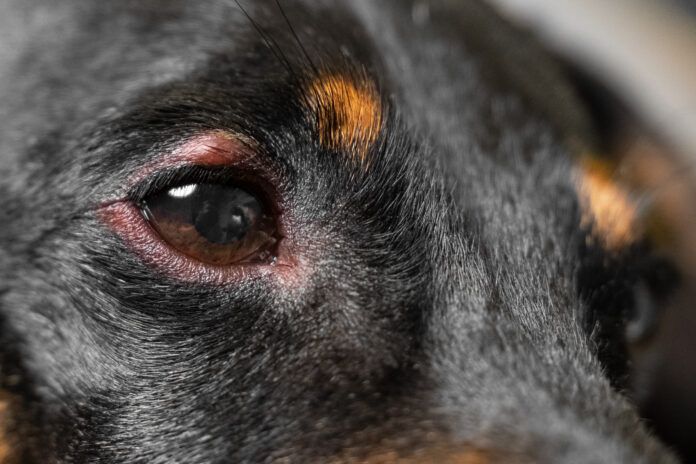
Red inflamed skin and swelling around your dog’s eye could indicate blepharitis, which is painful for your dog. Credit: Ирина Мещерякова | Getty Images

If your dog has a swollen eye, you should make a veterinary appointment promptly. These issues are usually not an emergency, but eye problems can progress quickly without proper treatment.


Dog Swollen Eye Home Treatment

The things you can do at home to provide your dog relief while you wait for a vet appointment include:

  1. Apply a warm compress to the swollen eye. This should be warm, not hot. Applying heat is soothing and encourages circulation to decrease swelling.
  2. Flush with plain artificial tears. Lubricating the eye can provide pain relief and may dislodge any foreign material that is causing irritation.
  3. Consider giving Benadryl. Diphenhydramine is an antihistamine that can help relieve itchiness and discomfort due to allergies. This is most appropriate if your dog has a history of environmental or food allergies, both eyes are swollen, or if your dog also has itchy feet and/or ears. Your veterinarian can tell you a safe dose for your dog.

Remember, though, eye problems can accelerate and become bad quickly and permanent eye damage is possible. Don’t skip the vet visit. Get your dog in as soon as possible.

What Is Blepharitis in Dogs?

Blepharitis means inflammation of the eyelids. It is uncomfortable, so your dog will probably show some behavioral changes as well as swelling and redness around the eye.

Symptoms include:

  • Swelling of the eyelids and around the eye
  • Excessive blinking
  • Squinting
  • Rubbing at the eye(s)
  • Reddened skin around the eye(s)
  • Hair loss around the eye(s)
  • Redness in the sclera, or white part of the eye
  • Pigment changes in the skin around the eye(s)
  • Discharge from one or both eyes
  • Pain

When your dog rubs or paws at his painful eye, he could accidentally damage the inflamed skin or even the eye itself. These scratches can lead to sores around the eye or infected ulcers on the surface of the cornea.

Why Does My Dog Have a Swollen Eye?

Many things can cause blepharitis. Possible causes include:

  • Trauma to the eye
  • Chalazion, a mass-like inflammation of the meibomian glands in the eyelid
  • Allergies
  • Entropion (folding in of the eyelid, causing eyelashes to rub against the eye or grow abnormally)
  • Bacterial infection
  • Parasitic infection such as demodectic mange or sarcoptic mange
  • Viral infection, including papillomavirus
  • Tumor on the eyelid such as meibomian gland adenoma, melanoma, or squamous cell carcinoma
  • Immune disorders such as pemphigus or lupus
  • Zinc-responsive dermatitis
  • Metabolic disorders such as hypothyroidism, diabetes, or Cushings disease

Sometimes we don’t know why a dog develops a swollen eye. Brachycephalic dogs and other breeds with facial folds have an increased risk of blepharitis, and certain breeds have increased risk for health conditions that can lead to it. Breeds with an increased risk of developing blepharitis include the Shih Tzu, Pekingese, English Bulldog, Lhasa Apso, Pug, Golden Retriever, Labrador Retriever, West Highland White Terrier, Siberian Husky, Akita, German Shepherd Dog, Poodles, Chinese Shar Pei, Chow Chow, Rottweiler, and Collies. That said, any breed or mix can experience this issue.

Getting a Diagnosis for a Dog’s Eye Problem

Your veterinarian will need to know when you first noticed the swelling around your dog’s eye as well as any other symptoms or changes in your dog’s life and routines. After a thorough exam, the vet will recommend next steps based on what he or she thinks may be causing irritation.

Diagnostics might include a Schirmer tear test, bloodwork, swabbing the eye for a bacterial culture, testing for viral disease, or biopsy.

Treating a Swollen Eye

The exact treatment will depend on why your dog’s eye is swollen.

Your dog may receive topical eye drops or ointment to relieve pain in the eye or treat a bacterial infection. Many tumors and masses can be removed surgically, as can entropion. Parasites are treated with appropriate preventive medication. Zinc responsive dermatitis is treated with diet changes.

Allergies, immune disorders, and metabolic disorders generally require lifelong management. Once the underlying problem has been addressed, your dog’s swollen eye should resolve.

10 Tips for Dogs on Prednisone

Tips for dogs on prednisone can keep dogs on this steroid safe from the side effects and enjoying the benefits.
Itchy dogs roll to ease the, well, itch! But if he scratches so much that he damages skin, prednisone may help. Credit: Eric Lowenbach | Getty Images
Depending on the day, prednisone for dogs can be a miracle drug or a nightmare. If your dog is prescribed prednisone, it’s important that you understand what prednisone does and its potential for side effects in dogs.
To continue reading this article or issue you must be a paid member.

Join Whole Dog Journal

Get full access to Whole-Dog-Journal.com – more than 4,000 articles – for just $20.
Join today and save 30% off our full price.
Already a member?
| Forgot your password? | Activate Web Access

The 3 Best Dog Treadmills

2
Too short of a dog tread mill isn't usable even for small dogs.
When it comes to finding the best treadmill for your dog, size is the primary consideration. Make sure the treadmill is long enough for your dog to run on in addition to being easy to use and maintain. Credit: Jae Thomas

Extremely hot or cold weather and busy work schedules can impact the amount of exercise your pup gets. In many places in the U.S., it’s often too hot during the day to take dogs out for anything longer than a short potty break during the summer months while in winter, snow and short daylight hours may reduce your dog’s typical exercise schedule.

The best dog treadmills can help you exercise your dog, regardless of the weather or the time of day. Dog treadmills are ideal for high-energy dogs who need extra exercise and busy pet parents who want to keep their pups fit and healthy but may not have the time for long walks or runs outside. Dog owners with physical limitations or injuries can also benefit from a dog treadmill, since they can exercise their dog with little impact on their own bodies.

We tested three of the best dog treadmills and did market research on other options available online. Here’s what to look for before buying your pup their own treadmill:

Traits We Want in the Best Dog Treadmills

Ease of setup and use: The best dog treadmills should be easy to set up and simple to use. Complicated setup when using a dog treadmill will often make you want to use it less, so we prioritized treadmills that could be turned on and adjusted with minimal effort.

Size: Size is the biggest factor you should consider when purchasing a dog treadmill. The running deck of a dog treadmill needs to be long enough for your dog to fully extend their front and rear feet while running or trotting and should be minimum of twice the length of your dog from the tip of their nose to the base of their tail.

Anything shorter doesn’t allow your dog to reach full extension while running or trotting and may make them feel nervous about slipping off the back of the treadmill.

Safety: Features like guide rails, an emergency stop function with a tethered clip that attaches to your dog, and a grippy, secure belt that absorbs impact from running are all paramount to keep your pup safe.

Whole Dog Journal RatingProduct and MakerPriceNotes
dogPACER LF 3.1 Treadmill$499This mid-priced dog treadmill is big enough for dogs up to 179 pounds and long enough for most medium to large dogs to fully extend in a run. It’s a bit loud but is otherwise beloved by the dog sport and dog rehab communities.
dogPACER 4.0$799The dogPACER 4.0 is a tricked-out version of the original. It features a companion app to help you adjust settings, has incline features (and can be completely flat), and has an improved deck for less joint impact than the original.
Lifepro PawRunner Dog Treadmill$400Though it’s marketed for dogs up to 130 pounds, the Lifepro PawRunner is really only suitable for small dogs under 30 pounds with short strides. However, it’s lightweight, easy to set up, and simple to use.

Best Dog Treadmill: DogPACER LF 3.1 Treadmill

The best dog treadmill of those we reviewed was the dogPACER LF.
Although it takes up a lot of space, the dogPACER LF 3.1 is safe, large enough for most dogs, and is one of the more moderately priced dog treadmills on the market. Credit: Brooklyn Pogue

The dogPACER LF 3.1 is the go-to for most dog sport folks when purchasing a dog treadmill. The rehab vet I take my dogs to has one of these in-office and it’s a good option for at-home use, too.

The biggest draw of the LF 3.1 is its size and moderate price. Dog treadmills and slatmills are expensive and easily get into the one to two thousand dollar range for models that fit larger dogs. This option costs $499, which is still a good chunk of money to pay, but a very reasonable price for a large, safe dog treadmill from a trusted brand. I know many people who have had this model for 5+ years with no durability problems.

My colleague, dog trainer Brooklyn Pogue, uses the dogPACER for her Border Collie agility dogs and says she enjoys it for the convenience and ability to get out extra energy indoors. As for downsides, she says it takes up a lot of space and requires quite a bit of regular maintenance for upkeep.

The dogPACER LF 3.1 is suitable for dogs up to 179 pounds and I find that the 71-inch running deck is long enough for most medium and large dogs, though some giant breeds may have too big of a stride to properly run on it.

Best Smart Dog Treadmill: DogPACER 4.0

An improved version of the LF 3.1 the 4.0 adds smart features for a dog treadmill.
An upgraded version of the LF 3.1, the dogPACER 4.0 adds an improved running deck, Bluetooth control panel and companion smartphone app, and pre-set exercise programs. Credit: Jae Thomas

The dogPACER 4.0 is my personal choice for a dog treadmill, as I purchased this for my dogs some months ago. It’s a feature-rich version of the original dogPACER with added smart functions.

The main upgrade is a Bluetooth control panel that connects to a companion smartphone app. The app allows you to adjust the settings without having to bend down and use the control panel and lets you track your dogs’ time elapsed, distance, and calories in one place. You can also view logs of your pup’s previous workouts for tracking purposes and select from three advanced pre-set programs.

Other differences between the 4.0 version and the 3.1 version are the incline settings and the running deck itself. The 4.0 has an adjustable incline and can be set fully flat, while the 3.1 is always set at a slight incline. The fully flat setting is a great option for dogs who are working back up to full strength from being injured, older dogs, or dogs who are nervous about being on a treadmill, as it makes the exercise physically easier for the dog.

In addition, the 4.0 version’s K9 cloud running deck reduces impact on joints when running compared to the 3.1 version (and compared to running your dog on asphalt or concrete).

This dogPACER is also foldable for storage (though it’s fairly heavy to move around and fold). My one main qualm with this treadmill is that the running belt itself sometimes gets misaligned when folding and unfolding and it requires two people to lift the treadmill up and adjust the positioning of the belt.

It’s a bit louder than the smaller Lifepro treadmill, but not quite as loud as the original. I have a sound-sensitive dog and she didn’t seem to be bothered by the sound this dog treadmill made when it was on.

Best Dog Treadmill for Small Dogs: Lifepro PawRunner Dog Treadmill

The best treadmill for dogs will match the dog's size.
Though Oslo the Corgi technically fits on this treadmill, his rear feet were falling off the back at a walk, so it’s too small for him to use safely. Credit: Jae Thomas

The Lifepro PawRunner Dog Treadmill says it’s suitable for dogs up to 130 pounds on the store listing, but the actual running deck is quite small at 42 inches. Your dog should be able to fully extend their front and rear legs on a treadmill and if the running deck is too short, their legs will fall off the back of it as they walk or run (which is a safety hazard).

Though the description is a little misleading, this is still a great option for small dogs about 25 pounds or less. It’s sturdy, fairly lightweight, easy to put together, easy to move around, and features side safety guides and an overhead bar you can attach your dog to

It also comes with a variety of different pre-set exercise programs that have varying speeds to mix up your dog’s workout routines.

I loved that this treadmill is extremely quiet. Getting used to a dog treadmill can make some dogs nervous, and sound-sensitive pups are impacted by loud treadmills in addition to the movement.

The LifePro PawRunner goes on sale from time to time, with prices this year going as low as $266. If you can wait until it goes on sale, this is a fantastic budget-friendly option for small dog owners.

Other Dog Treadmills on the Market

Though we didn’t hands-on test the treadmills below, they’re top-selling options and may be worth a look depending on your dog’s needs:

Dog Trotter USA Classic Slatmill

You may be wondering what the difference is between a slatmill and a dog treadmill. Slatmills are completely dog-powered and non-motorized and are best suited for high-drive, high energy dogs. But there’s no limit on the speed a dog can reach on a slatmill, since they’re powering the slatmill themselves. Slatmills generally are more expensive and bulkier than dog treadmills but may be suited for dogs who love to pull and have a lot of motivation to run at high speeds.

The Dog Trotter USA Classic Slatmill is a popular slatmill choice. It comes in three different sizes, has an adjustable tethering system, and features dolly wheels for moving it around. Online reviewers say that this slatmill is well-made and surprisingly quiet.

Jog A Dog Treadmill

If you’re in need of a dog treadmill for an XL or giant breed dog, the extra-large size of the Jog A Dog Treadmill may be your best option. This size features an 84-inch running deck that’s suitable for Mastiffs, Great Danes, Newfoundlands, Irish Wolfhounds, and other giant breeds. It also has a width of 24 inches, so giant breeds can walk, trot, and run with a natural gait without having to narrow their stride to fit on the treadmill.

This option is more expensive than other treadmills on this list, but it also comes with thoughtful dog-forward features like a four-position adjustable incline, sturdy side rails, a moveable gaiting bar to attach your dog to while training, and a speed dial for smooth pace adjustments.