
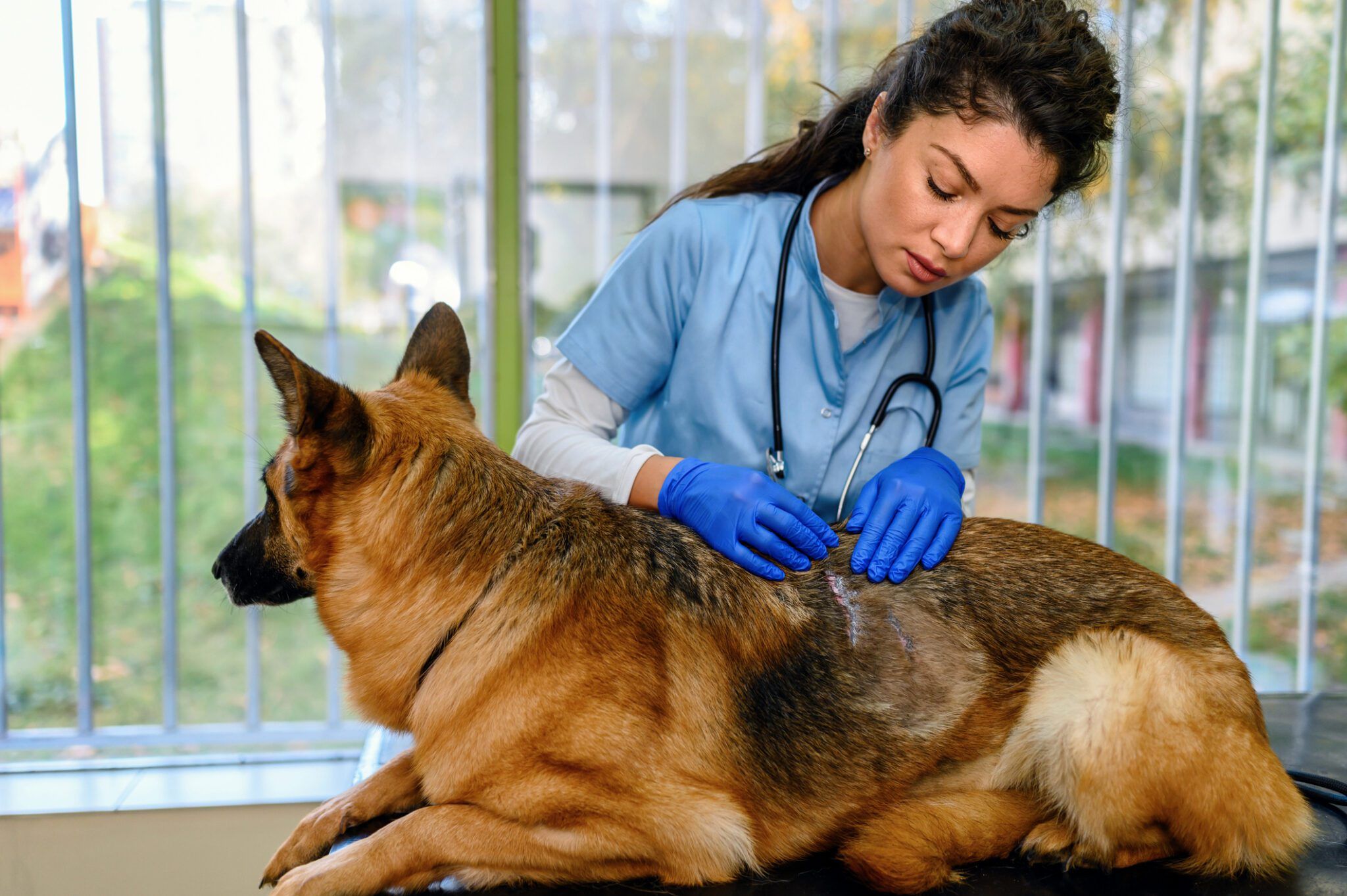
Ketoconazole is a prescription antifungal medication available in a variety of formulations. This makes it a versatile treatment option for dogs plagued by fungal infections of all sizes.
Most dogs will either never need ketoconazole or might receive a medicated ear ointment or shampoo for a localized yeast infection. But if your dog contracts a serious fungal infection such as Valley Fever or Blastomycosis, ketoconazole may save your dog’s life.
What Does Ketoconazole Treat?
Ketoconazole has many uses in dogs to treat fungal and yeast infections. Some of the fungal organisms that it may be used for are:
- Aspergillus
- Blastomyces (cause of blastomycosis or blasto)
- Candida
- Coccidioides (cause of Valley Fever)
- Cryptococcus
- Histoplasma
- Malassezia pachydermatis
- Microsporum (common cause of ringworm)
- Sporotrichosis
- Trichophyton
For localized infections, your veterinarian will likely prescribe a topical formulation of ketoconazole that can be applied directly to the infection site. This might be an ointment to go in yeasty ears or a spray to apply to affected skin on the belly.
Oral tablets are generally reserved for systemic infections that impact the lungs, bones, or deep tissues such as the nail beds. Oral ketoconazole may also be prescribed if your dog has a severe or stubborn local infection that has resisted topical treatment.
How Does Ketoconazole Work?
Ketoconazole for dogs works by damaging the fungi’s cell walls and stopping it from multiplying. Over time, this kills the fungal organism and clears the infection. For minor infections you may notice improvement within days. For more severe infections it may take two weeks to see improvement.
As well as battling fungi, ketoconazole has two other less common uses in dogs. It is sometimes used to help treat Cushing’s syndrome because it hinders the production of steroids in the body. It also may be given to dogs taking the immunosuppressant cyclosporine because it slows the metabolism of this drug, enabling the dog to take lower doses.
How Long Will My Dog Need Ketoconazole?
The length of treatment depends on the type and location of your dog’s infection. Minor ear and skin infections are often treated for a week or two. More robust infections may require several weeks of treatment.
Severe systemic infections such as Valley Fever and blastomycosis often require a month or more of treatment, and some dogs may need to take ketoconazole for the rest of their lives.
Ketoconazole Shampoo for Dogs
Ketoconazole shampoo is a great option for dogs with fungal skin infections, although what you can purchase over the counter is not prescription strength. Follow all instructions on the label closely, as most medicated shampoos work best when allowed to soak on the dog for several minutes before being rinsed off.
Expect to bathe your dog multiple times a week for two to four weeks. For localized infections you may only need to bathe the affected area.
Ketoconazole Side Effects
Veterinarians like to use topical formulations of ketoconazole when possible to minimize the risk of side effects. By applying the drug directly to the affected skin, other parts of the body are not exposed and lower doses are needed. Do not allow your dog to lick ketoconazole sprays, ointments, or shampoos.
Oral ketoconazole should be given with food to minimize the risk of stomach upset.
Potential side effects from ketoconazole include:
- Nausea
- Vomiting
- Diarrhea
- Poor appetite
- Weight loss
- Elevated liver values
- Lethargy
- Liver damage
- Incoordination
- Transient changes in hair color
Side effects are more likely if your dog takes high doses of ketoconazole or if she needs to take it for a prolonged period.
If your dog must be on ketoconazole long-term, your veterinarian will recommend bloodwork every three to six months to monitor her liver values. If your dog shows any signs of illness, contact your veterinarian to ask for next steps. In some cases, your dog’s dosage may be adjusted, or she might be switched to a different treatment option.