

Ondansetron (brand name Zofran) can be used in dogs to control nausea and vomiting. It is available in a variety of forms for ease of use and starts working within 60 minutes to help your dog feel less pukey.
Ondansetron for Dogs
Zofran is a prescription medication used to treat nausea and vomiting in humans. In veterinary medicine it is used “off label” on a regular basis to help dogs and cats.
Ondansetron works by blocking serotonin receptors in your dog’s brain and gastrointestinal tract that trigger nausea. It usually starts working within 30 to 60 minutes of administration.
One of the big pluses to ondansetron is that it comes in a variety of formulations: standard tablets and liquid that can be given orally, dissolving tablets that melt in the mouth, and an injectable liquid. This is great because it gives us a variety of options for those picky dogs who won’t take pills or are too sick to keep anything down.
The injectable version is used in veterinary facilities, but the oral formulations can be given at home. If giving a dissolvable tablet, we recommend wearing dry medical gloves to ensure that the medication gets into your dog and is not absorbed through your skin.
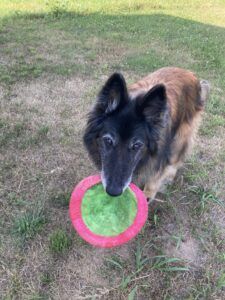
Lynah is my 14-year-old Belgian Tervuren and she has lymphoma. Her oncologist prescribed a variety of “just in case” medications for me to have ready in the event of any side effects from chemotherapy. This is common—while plenty of dogs have no side effects from chemo, oncologists want owners to be prepared to help their dogs immediately if there is an issue. Two of the meds on our list are maropitant (Cerenia) and ondansetron (Zofran).
Her first chemotherapy treatment went very well, but after the second one, she got very sick. When she started vomiting, I gave her Cerenia, our first just-in-case med. This stopped the vomiting, but she continued to drool and smack her lips frequently and did not want to eat. So we added ondansetron, our second just-in-case med, to the mix. Lynah felt much better, stopped drooling and lip smacking, and started eating again!
For Lynah, ondansetron has been more effective against her post-chemo nausea than Cerenia. Cerenia is a fabulous drug that helps many dogs every day, but I am so glad we also had ondansetron in our toolbox. This was a great reminder that what works for one dog or in one situation may not work for another dog or for a different situation. If your dog is not responding to treatment for any illness, talk to your veterinarian to see if a dosage change or a medication change might help.
How Often Can Dogs Take Zofran?
Ondansetron is usually given twice a day. If you miss a dose, don’t panic. Contact your vet and ask what he or she recommends. Generally, if not too much time has passed, you can give the missed dose late and then continue as normal. If it is getting close to your dog’s next scheduled dose, stick to the plan. Avoid giving double doses.
Even though you may have Zofran in your home for yourself, always consult your veterinarian before giving it to your dog. Your vet can give you an accurate dosage appropriate for your pup’s age and health condition and will also make sure that it will not cause harmful interactions with other medications and supplements that your dog may be taking. Veterinary supervision is especially important for puppies, senior dogs, and extremely ill dogs who are more vulnerable to side effects and overdoses.
Does My Dog Need Ondansetron?
Ondansetron can be used to control severe nausea and vomiting in a variety of situations. It will not treat any underlying disease that may be causing your dog to feel unwell, but it will help your dog feel less pukey.
Times that your vet may prescribe ondansetron for your dog include:
- Nausea and vomiting as a side effect of chemotherapy
- Motion sickness
- Pancreatitis
- Gastroenteritis
- Vestibular syndrome
- Parvovirus
We do have an FDA-approved anti-vomiting medication for dogs: maropitant, commonly known by its brand name Cerenia. This is usually the first drug that your vet will reach for when your dog is turning green. But if your dog is still sick while taking maropitant, ondansetron is another great option to try.
Your vet may also choose ondansetron over Cerenia to help keep your bill a bit lower.
Other medications that may be used instead of ondansetron include Benadryl or Dramamine for motion sickness, metoclopramide for vomiting, and Pepto-Bismol for nausea and diarrhea.
Your dog will likely receive other medications in addition to ondansetron. This is because ondansetron only treats nausea and vomiting—your pup will need other treatments tailored to her case. Dogs with pancreatitis or vestibular syndrome or who are undergoing chemotherapy may also need an appetite stimulant, and dogs with pancreatitis frequently benefit from an anti-inflammatory.
Signs of Nausea in Dogs
Vomiting is easy to spot, but nausea can be a little trickier. Telltale signs that your dog may be nauseous include:
- Drooling
- Lip licking or smacking
- Poor appetite
- Approaching food and then backing away
- Restlessness
- Eating large amounts of grass
Sometimes signs of nausea will precede vomiting, but other times the dog may never actually throw up. If you suspect your dog may be nauseous, contact your veterinarian. Recording a video of the behaviors your dog is showing can be very helpful.
When to Avoid Ondansetron for Dogs
Zofran may not be the best choice for your dog if she:
- Has a GI obstruction
- Has heart arrythmias
- Has liver disease
- Is pregnant or nursing
- Has the MDR1 mutation
- Has had a negative reaction to ondansetron in the past
If your dog has any of these conditions, be sure to notify your veterinarian. Your veterinary team will weigh the pros and cons of using ondansetron to control your dog’s nausea and may opt for a different medication.
Ondansetron can also interact with certain medications, including tramadol, cyclophosphamide, apomorphine, some antidepressants, and some heart medications. Remember to tell your vet all medications and supplements that your dog is currently taking.
Side Effects of Zofran for Dogs
While dogs can take Zofran for vomiting and usually tolerate it very well, any medication can cause side effects.
Side effects to watch for when giving ondansetron to your dog include:
- Mild sedation or drowsiness
- Diarrhea
- Constipation
- Restlessness
- Discomfort
- Head shaking
Humans can get headaches as a side effect of Zofran. It is hard to tell if a dog has a headache or not, but possible signs would be lethargy, reluctance to move, and acting painful.
In rare cases, dogs can experience an anaphylactic allergic reaction, abnormal heart rhythms, or collapse due to low blood pressure. Signs of anaphylaxis include hives, swelling of the head and neck, and difficulty breathing. This is an emergency and your dog will need medical care as soon as possible.