Home Blog Page 4

Why Is My Dog Always Hungry?

Why is your dog always hungry? They may just associate treats with affection, or their could be a medical issue.
For most dogs, begging is a bad habit. If your dog is truly hungry and losing weight, it’s time to make a vet appointment to find out why. Credit: Fotyma | Getty Images

If your dog is a chow hound and always begging for food, the odds are good that he is a Beagle or Lab or a mix thereof. While any individual dog can be a serious food hound, these breeds tend to stand out as food-crazy canines.

In general, dogs may seem to be perpetually hungry for many reasons. For one thing, they like to eat, just like we do. This is why monitoring your dog’s weight is important, especially if you’re not sure if he truly needs more food or not. When you’re at your veterinarian’s office, ask for an honest assessment of his weight. You could discuss a low-calorie dog food with your veterinarian, if they say he’s too heavy, or adjust his current food.

If he’s begging for food, but not thin, lethargic, or showing other signs of an illness, chances are he is simply asking for food because he likes to eat. This can especially be a problem if you share your food with him as that’s a surefire way to develop chronic begging, especially in those Labs and Beagles we mentioned earlier.

If your dog’s too thin, he’s probably legitimately hungry, especially if he’s a very active dog. You may simply need to feed him more, but a veterinary visit is probably in order first to rule out any problems.

Dog Is Begging, Hungry, and Losing Weight

If your dog has a good appetite but is begging and losing weight, the question is why.

Fast-growing adolescent dogs, particularly large- to giant-breed males, may seem to be perpetually hungry. It is important to be sure these puppies are getting an appropriately balanced diet for their age and size AAFCO label says, including growth of large-size dogs (70 pounds or more as an adult). You don’t want a chubby puppy, despite the cute photos. Discuss the right amount and type of food with your veterinarian and/or your breeder.

Look at any changes in your dog’s lifestyle. Have you added an extra walk so he might be burning off more calories? Has the weather changed and he is outdoors in the cold or snow more? Or, if it’s summer, is he swimming every day? Is your dog on a corticosteroid for seasonal allergies? These things can increase both appetite and drinking and are legitimate reasons for a healthy dog being hungry.

Health Issues Causing Hunger in Dogs

An obvious reason for an insatiable appetite is intestinal parasites. Any dog who constantly begs for food but is quite thin despite extra calories should have a fecal done, which means flotation, fresh smear, centrifugation, and, if deemed necessary, antigen testing for thoroughness. If parasites are found, this can be a relatively simple cure with medication, although some environmental cleanup may be required.

A decreasing appetite may be a sign of cardiac cachexia (muscle wasting in dogs with heart failure), nausea and loss of appetite with pancreatitis, and loss of appetite with liver or kidney problems. Some illnesses will increase appetite, however.

If your dog is constantly hungry but thin, you need to consider gastrointestinal problems such as inflammatory bowel disease (IBD). The desire for food may be accompanied by diarrhea or vomiting but this might be the first sign. Diagnosis can be complicated, but specific bloodwork is helpful. Treatment may involve medications and/or diet changes.

While hyperthyroidism is more common in cats than dogs, some dogs can develop hyperthyroidism. A complete thyroid panel (bloodwork) is necessary for diagnosis. Along with increased activity, these dogs are hungry and eat more but burn off the extra calories. Treatment can be medical or surgical depending on the cause.

Of course, diabetes mellitus must also be on the list of concerns. Families tend to notice both increased drinking and increased appetite. Bloodwork is important along with a urinalysis to diagnose diabetes. Treatment requires replacing the insulin that your dog isn’t producing or isn’t utilizing. Getting the correct insulin dosage is generally a trial-and-error procedure with multiple blood samples taken along the way.

Genetic Mutation in Retrievers

In Labrador Retrievers, there is the pro-opiomelanocortin (POMC) genetic mutation. This variant of the gene was associated with obesity and difficulty controlling weight in pet Labradors. These dogs are not only hungry all the time, but they are extremely efficient, so they don’t burn the calories they take in at a normal rate. The weight CAN be controlled, but it takes a dedicated owner who is very aware of their dog’s food intake and his exercise. About 25% of Labrador Retrievers and 66% of Flat Coat Retrievers have this genetic defect.

Do Dogs Smell Fear?

Dogs can smell fear on their owner and other humans.
Dogs can smell fear through the cortisol and adrenaline a human emits when they’re upset and will react similarly. Credit: Marco Bottigelli | Getty Images

The short answer is yes, dogs can smell fear, but that age-old fallacy that they will try to dominate you if they smell fear is inaccurate. Dogs have an incredible sense of smell. All emotions smell differently to dogs. Unfortunately, we mere humans can’t smell those differences. But dogs most certainly can.

To continue reading this article or issue you must be a paid member.

Join Whole Dog Journal

Get full access to Whole-Dog-Journal.com – more than 4,000 articles – for just $20.
Join today and save 30% off our full price.
Already a member?
| Forgot your password? | Activate Web Access

Fluconazole for Dogs

Fluconazole for dogs is a drug used to treat certain fungal infections in dogs.
If you suspect your dog has an on his face, make a veterinary appointment. Fluconazole may be prescribed if the infection is a fungus.

Fluconazole is an antifungal medication used to treat fungal infections in dogs. Most of our dogs will never need to take it, but if your dog does contract a systemic fungal infection, fluconazole will become part of your routine for weeks to years.

When Fluconazole Is Given to Dogs

Fluconazole (brand name Diflucan) is a prescription medication that is not FDA-approved for use in dogs. It is used off-label by veterinarians on a regular basis for systemic fungal infections that affect a large portion of the dog’s body. It is especially useful because it can penetrate most body systems and organs, reaching the infection wherever it lies.

Some diseases that may be treated with fluconazole include:

Fungal infections can be difficult to treat. Depending on your dog’s condition, he may need to take fluconazole for weeks, months, or even years to clear the infection. Some fungal infections require lifelong treatment.

Fluconazole Side Effects in Dogs

Overall fluconazole is well tolerated by dogs. Side effects to watch for include:

  • Poor appetite
  • Vomiting
  • Diarrhea
  • Hair loss
  • Dry skin
  • Discharge from the eyes
  • Lethargy
  • Liver toxicity
  • Jaundice

How Fluconazole for Dogs Works

Fluconazole is a fungistatic, which means it stops fungi from growing and reproducing. It stops fungal cells from producing the ergosterol they need for their cell walls. This weakens the cells and causes them to weaken.

It is ultimately the dog’s immune system that kills the damaged fungal cells, which means that fluconazole may not be a good fit for a dog who is immuno-compromised.

Fluconazole is usually given twice a day by mouth. It comes as a tablet or liquid formulation. It takes a week or two to reach stable blood levels in your dog’s body, so results take time.

Fluconazole can be given with or without food. If your dog has been taking it on an empty stomach and experiences stomach upset, try giving it with a small meal.

Your veterinarian will recommend regular bloodwork while your dog is on fluconazole. This is to monitor his liver and kidney values to make sure these organs are functioning normally.

If your dog is experiencing side effects, stop giving the fluconazole and call your veterinarian. The fluconazole dosage for dogs is usually 10 to 20 milligrams per kilogram (mg/kg), so your veterinarian may be able to adjust your dog’s dose so that he still benefits with fewer side effects. As this is a prescription medication that can have serious health effects, you should never give your dog fluconazole that was intended for another family member.

Giving with Other Medications

Fluconazole can interact with many other medications. Tell your veterinarian all other medications and supplements that your dog is currently taking so he or she can recommend the safest plan for your dog. Fluconazole makes a variety of medications and compounds, including CBD, stronger, which increases the risk of side effects for your dog.

The Best Dog Food Storage Containers

The best dog food containers provide a clean, dry, and resealable place to stor dog food.
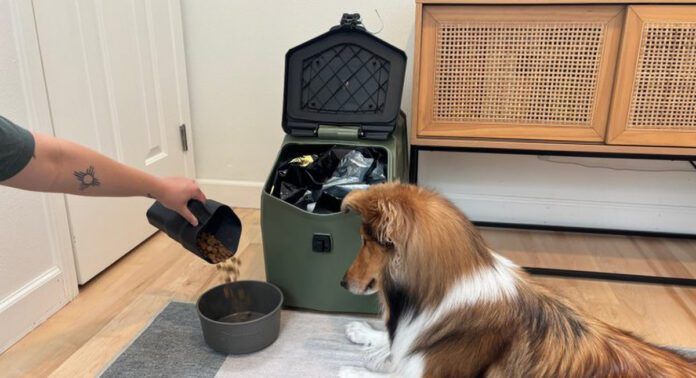
Dog food storage containers are a great way to keep food fresh and protect it from moisture, pets, and pests. Credit: Jae Thomas

Tired of having a loose dog food bag rolling around your pantry or garage? Grab one of the best dog food storage containers to keep your dog’s food fresh and the dog food bag out of sight.

To continue reading this article or issue you must be a paid member.

Join Whole Dog Journal

Get full access to Whole-Dog-Journal.com – more than 4,000 articles – for just $20.
Join today and save 30% off our full price.
Already a member?
| Forgot your password? | Activate Web Access

Mast Cell Tumor vs. Histiocytoma

Determining whether a mass is a mast cell tumor or a histiocytoma requires a biopsy.
You may opt to start determining if it’s a mast cell tumor of histiocytoma with a fine needle aspirate. This is simpler than a surgery but gets cells to send to pathology for an initial diagnosis. Credit: Alexandr Lebedko | Getty Images

Dogs get bumps and growths on their skin. Not all are cancer, but interestingly, two physiologically very different bumps—mast cell tumors (cancerous) and histiocytomas (benign)—look so much alike that growth may cause you concern.

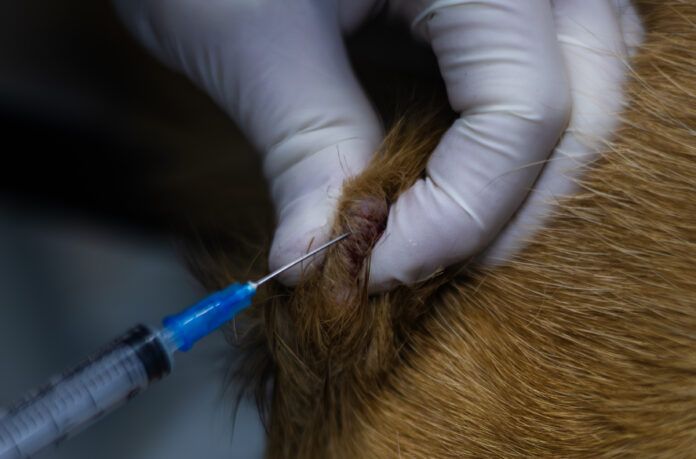
Because of this, if your dog develops a skin growth that looks like a mast cell tumor (MCT) or histiocytoma, it is best to have a fine needle aspirate done to look at the cells within the growth. This procedure is quick and easy; no sedation is required. Your veterinarian may look at the cells right at the clinic. If there are questions, slides will be sent for a veterinary pathologist’s evaluation.

Before that, thought, let’s discuss the differences between the lookalike MCT and histiocytoma so you know what you may be up against.

A Histiocytoma Is Benign

Histiocytomas, also called “button tumors,” are small, raised, red lumps. They are almost always circular and most often found on the head, ears, or legs. My Labrador Retriever, Gus, had one on one of her ears many years ago. The growth is smooth-surfaced and not itchy. They are almost always found on dogs under 3 years of age. Histiocytomas seem to appear more in short-haired dogs although Flat Coat Retrievers have a high incidence.

If you are patient, a histiocytoma will usually fade away on its own, although it may take a couple months. They do not metastasize.

I admit, though, that I was the typical neurotic veterinarian owner and removed the one on Gus, even though histopathology said histiocytoma. (I frequently tell my dogs they should never have any problems or act sick as I will pursue even minor things fully.) In my practice, clients with a dog with a histiocytoma ran about 50/50 as to watch and wait or remove. All of them did fine.

MCTs Are Cancerous

Mast cell tumors are a different thing altogether. They tend to appear in older dogs. They may be subcutaneous or on the surface of the skin. Some will spread internally. Appearance can vary from benign-looking lumps to inflamed, irritated red growths or ulcers. If you rub on the lump, it may swell right before your eyes with the skin getting red and warm. These growths are generally quite itchy. High-risk breeds include Boxers, Boston Terriers, Bulldogs, and Golden Retrievers, but any dog can develop mast cell tumors.

Mast cell tumors get graded according to size, location, and risk of metastasis (cancer spreading). Prognosis is good for low-grade mast cell tumors with worse results for higher grade masses. Because mast cells contain histamines, they may cause reactions such as vomiting, diarrhea, and stomach irritation. A fine needle aspirate can help with both diagnosis and grading.

Surgery is the mainstay of treatment. A low-grade mast cell tumor may be “cured” by surgery and never recur. Unfortunately, dogs who have developed one are prone to recurrence, so you need to remain vigilant.

You may be dismayed when you pick up your dog after surgery for a mast cell tumor. The growth was probably small. The incision, however, will be big. It is crucial with mast cell tumors to go as wide as possible so that you have clean margins, which means no sign of cancer cells around the edges of the surgery site.

This is not something you can eyeball, making histopathology (sending samples out to a lab) is important. Follow-up radiation and/or chemotherapy may be recommended for aggressive mast cell tumors.

Do Dogs Feel Guilt?

Dogs don't feel lasting guilt and keeping them from repeating unwanted behaviors requires immediate correction.
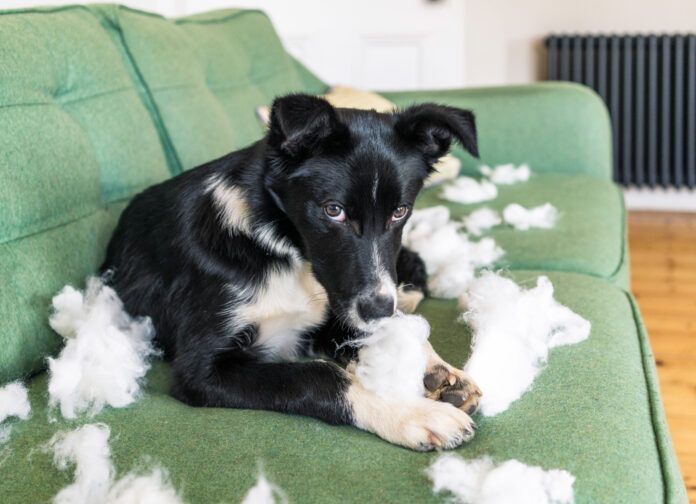
Addressing unwanted behavior in dogs is best done when the behavior is occurring. While a dog may look “guilty” after the fact, they don’t associate any consequences with something they did hours earlier. Credit: georgeclerk | Getty Images

Have you ever come home to discover your dog has shredded your favorite cushion, piece of furniture or pair of shoes? Your dog slinks towards you with the head lowered, ears back and their eyes averted, looking guilty and as if they know they’ve done the wrong thing. But do they?

The question of whether or not dogs feel guilt is one of the most hotly debated topics in animal behavior science. And the answer might surprise you. Understanding what the “guilty look” means can fundamentally change the way you respond and ultimately lead to a happier, less anxious dog.

What Science Says: Do Dogs Actually Feel Guilt?

There’s no denying that dogs are emotional animals and research has confirmed this. Dogs feel emotions including joy, fear, love and anger (Panksepp, 2011). While dogs live rich emotional lives, their ability to feel guilt in the same way that humans do is a different matter altogether.

Guilt, in the psychological sense, is a self-conscious emotion. It requires the ability to reflect on one’s own actions, recognize that a rule has been broken, and feel remorse about it. This kind of moral self-awareness is a cognitively complex process tied to higher order thinking.

A landmark study on this very topic by cognitive scientist Alexandra Horowitz at Barnard College. In her 2009 study published in Behavioural Processes, Horowitz set up a series of trials in which dog owners either correctly or incorrectly believed their dog had eaten a forbidden treat. She found that dogs displayed guilty behaviors (e.g. lowered heads, flattened ears, averted gazes) based on how the owners behaved, not on whether the dog had actually eaten the treat. Dogs who were innocent but scolded showed just as much “guilty” behavior as dogs who had done the wrong thing (Horowitz, 2009).

The results of this study suggest that what we interpret as guilt in our dogs probably isn’t at all.

What about shame? Guilt and shame are separate emotions in humans. Shame is about the self (“I am bad”) while guilt is about the act (“I did something bad”). Neither are supported by current evidence as an experience dogs consciously have. What they do experience, researchers suggest, is something more immediate and reactive: a response to social cues in their environment (Hecht et al., 2012).

The Dog Guilty Look Explained: What’s Really Going On

If your dog isn’t actually feeling guilt then what’s going on? It turns out there’s a well-documented explanation based on dog communication and stress behavior.

The classic “guilty look” involves a combination of behaviors: flattened or pinned back ears, lowered body posture and head, a tucked tail, lip licking, yawning, whale eye (where the whites of the eyes are visible) and deliberate avoidance of eye contact. To a dog owner these behaviors are often read as remorse. To an animal behaviorist they are read quite differently: as appeasement behavior.

Appeasement behaviors are a dog’s way of communicating they don’t pose a threat and are seeking conflict de-escalation. They are deeply ingrained social behaviors inherited from wolves used to help manage relationships and reduce social tension (Rugaas, 2005). When a dog senses their owner is stressed, angry, or tense the dog uses these signals in an attempt to calm the situation.

Dogs are incredibly skilled at reading human body language, facial expressions, and tone of voice. Indeed, research has found they are better at it than our closest primate relatives (Hare & Tomasello, 2005). When you walk into a room and your body language shifts—your shoulders tense, your brow furrows, and your tone of voice deepens—your dog notices straight away. The guilty look is their response to you, not what they did.

Why Does the Guilty Look Develop in Dogs?

So if the guilty look is an appeasement behavior, why does it develop in the first place? The answer lies in classical and operant conditioning; the same learning mechanisms that underpin most dog behavior.

Dogs are pattern-recognition experts and over time they learn to associate certain events with specific outcomes. A dog who’s been scolded after their owner came home to discover something chewed to pieces will begin to associate their owner coming home and something destroyed with a negative reaction. The dog isn’t connecting their earlier behavior with the punishment, they’re connecting the current environmental context with what typically follows.

This is supported by our current understanding of dogs’ capacity for deferred learning. Studies on canine cognition suggest that dogs have a limited ability to connect a consequence with an action that occurred more than a few seconds earlier. The scold that happens two hours after the cushion was chewed is not linked to the behavior of chewing in the dog’s mind. Rather, what the dog does learn is that when the owner comes home and certain conditions are present (i.e. a chewed cushion), an unpleasant interaction often follows.

Over time and with repetition a reliable conditioned response: the guilty look develops and is used pre-emptively when the dog sees the conditions that historically predict the owner’s displeasure regardless of whether the dog has actually done anything wrong.

Do Dogs Know When They’ve Done Wrong?

The answer is: probably not in the way we tend to assume they do.

Dogs live in the present moment. Although they can have impressive memories for certain things like people, places, and trained behaviors, their ability to consciously reflect on past actions and apply a moral framework to them is not supported by current evidence. A dog who chewed a shoe two hours ago isn’t sitting in the corner feeling bad about it.

This has important practical implications. When an owner scolds their dog long after an incident has occurred, the dog has no way of understanding what the scolding is for. Research on dog training outcomes has shown that punishment-based methods are associated with increased anxiety, fear, and aggression without resulting in reliable improvement in the unwanted behavior (Herron et al., 2009).

The scolding doesn’t teach the dog not to chew shoes. It teaches the dog that their owner is sometimes unpredictably scary, which is the opposite of what most people what from their relationship with their pet.

How Owners Can Respond More Effectively To Unwanted Canine Behaviors

When you understand that your dog is cowering due to a stress response rather than an admission of guilt, you can respond in a way that actually helps.

Focus on Management

If your dog is getting into things they shouldn’t, try to prevent access to those things. Crate training, baby gates, and removing temptations from reach can help address the problem at the source. Dogs can’t destroy things they can’t access.

Only Intervene if You Catch Them in the Act

The two-second rule is a helpful guide: if you see it happen and you can’t interrupt it in the moment, let it go. Redirecting a dog mid-behavior by offering an appropriate toy to chew and rewarding chewing on the toy is far more effective than after-the-fact correction.

Reinforce What You Want to See

Positive reinforcement (rewarding desired behavior with treats, praise, or play) is the most effective and least harmful method of shaping dog behavior. Rather than focusing on what your dog did wrong, focus on building the habits you want them to have.

Stay Calm When You Discover a Mess

It can be difficult to suppress frustration when you come home to destruction. Try to remember that your emotional response is what your dog is responding to. A calm, neutral response prevents the appeasement cycle from reinforcing itself and avoids adding anxiety to the situation.

Know When To Seek Help

Persistent destructive behavior can be a symptom of separation distress; a treatable condition that benefits from professional guidance. A certified applied animal behaviorist or veterinary behaviorist can provide a tailored management and treatment plan.

What We Know About Dog Guilt

So, do dogs feel guilt? Based on the best currently available science the answer is: not in the way we experience it. What looks like guilt and remorse is actually a learned social response—your dog reading your emotional cues and doing everything in their power to de-escalate the situation. Dogs are not weighing right and wrong. They are highly social creatures deeply attuned to us and motivated to maintain harmony.

Next time you walk into a room to find that guilt face looking up at you, take a breath and try to respond in a way that nurtures your relationship.


References

Hare, B., & Tomasello, M. (2005). Human-like social skills in dogs?. Trends in cognitive sciences, 9(9), 439-444.

Hecht, J., Miklósi, Á., & Gácsi, M. (2012). Behavioral assessment and owner perceptions of behaviors associated with guilt in dogs. Applied animal behaviour science, 139(1-2), 134-142.

Herron, M. E., Shofer, F. S., & Reisner, I. R. (2009). Survey of the use and outcome of confrontational and non-confrontational training methods in client-owned dogs showing undesired behaviors. Applied Animal Behaviour Science, 117(1-2), 47-54.

Horowitz, A. (2009). Disambiguating the “guilty look”: Salient prompts to a familiar dog behaviour. Behavioural processes, 81(3), 447-452.

Panksepp, J. (2011). The basic emotional circuits of mammalian brains: do animals have affective lives?. Neuroscience & Biobehavioral Reviews, 35(9), 1791-1804.

Rugaas, T. (2005). On talking terms with dogs: Calming signals (2nd ed.). Dogwise Publishing.

Why Your Dog Is Afraid of Thunder

Why are dogs scared of thunder? The reasons are as diverse as dogs themselves.
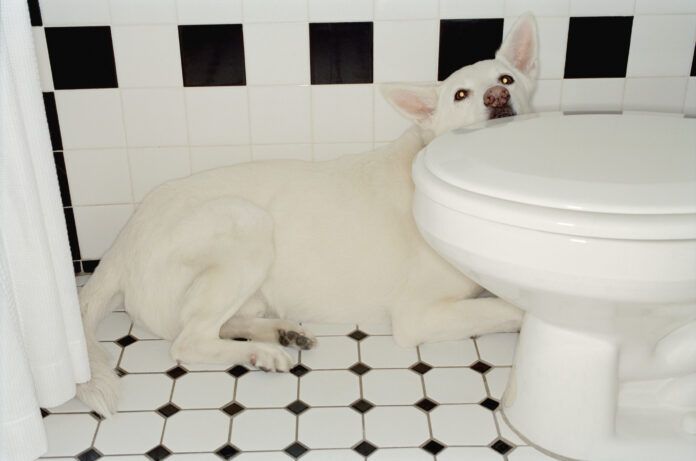
One theory about why your dog seeks out the bathroom during a thunderstorm is that plumbing and porcelain fixtures may help reduce the effects of static electricity that builds up before storms. Credit: Leland Bobbe | Getty Images

It’s a common, but heart-wrenching, moment for dog owners. A thunderstorm hits and your canine companion is cowering in the corner, hiding in your bathroom, or lying under a bed.

To continue reading this article or issue you must be a paid member.

Join Whole Dog Journal

Get full access to Whole-Dog-Journal.com – more than 4,000 articles – for just $20.
Join today and save 30% off our full price.
Already a member?
| Forgot your password? | Activate Web Access

Hypertrophic Osteodystrophy vs. Panosteitis in Dogs

Hypertrophic osteodystrophy in dogs can cause lameness in dogs, but resolves when a dog is fully grown.
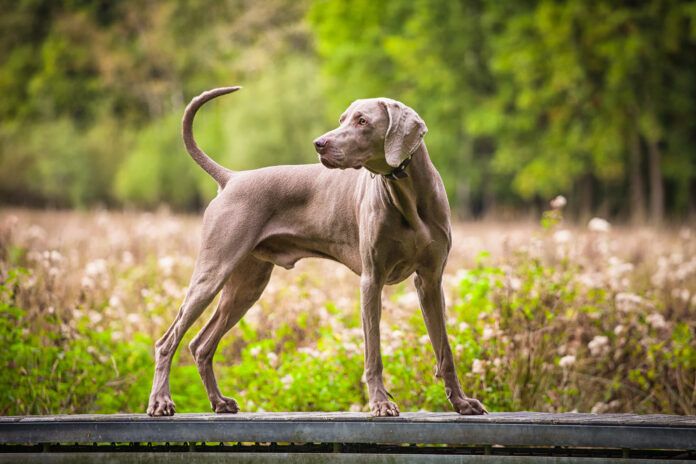
The beautiful Weimaraner dog can be severely affected by hypertrophic osteodystrophy. Credit: Dado Daniela | Getty Images

Hypertrophic osteodystrophy (HOD) and panosteitis (pano) are classic developmental lamenesses of young dogs and puppies. Both problems tend to occur in large- to giant-breed puppies.

German Shepherd Dogs have a high risk for pano. Often, the biggest pup in a litter will be affected, especially if a male. Strangely, there is a higher incidence in the fall and in the northeastern United States.

Weimaraners are the poster breed for HOD, with puppies of this breed often more severely affected than the average case. Great Danes are also at high risk.

While these developmental bone diseases are both very painful, most puppies can outgrow them, with appropriate care and support. These conditions usually resolve when the growth plates close, generally between 14 and 16 months of age for large-breed dogs. Giant-breed dogs may continue to grow up to 24 months of age. The only way to know for certain that the growth plates have closed is through an X-ray.

What Do HOD and Pano Look Like?

In both HOD and pano, puppies tend to be quite painful. Dogs with panosteitis often drive owners slightly crazy as the lameness tends to shift from leg to leg. For example, on Monday, your pup hurts his right front leg. On Wednesday, his left front leg is clearly sore while the right front is better. Most dogs with panosteitis recover and grow to be normal. A few will suffer recurrences but eventually clear the problem.

Dogs with hypertrophic osteodystrophy are often even more painful and may be ill as well. Affected dogs often lose their appetite, have a fever, and are lethargic, basically not bright-eyed on top of hurting and not wanting to move. This condition is generally bilateral. While most dogs with HOD recover and lead normal lives, some end up with growth deformities. Very severe cases can be fatal due to the associated illness.

Diagnosing HOD and Pano

With pano, palpation of the long bones is usually painful. Front legs are affected more often than rear. Treatment generally consists of pain medications such as non-steroidal anti-inflammatory drugs (NSAIDs) and exercise restriction.

Dogs with HOD have intense pain and often swelling around the metaphysis of their long bones (near the joints). The front legs are affected more commonly than the rear ones.

A definitive diagnosis of both conditions requires X-rays. It is important to recognize the radiologic signs take a while to show up. If you just notice lameness on Monday and take your dog in for X-rays and an exam on Tuesday, the X-rays may be normal. Your veterinarian will generally be able to make a suggestive diagnosis based on physical exam and history if you bring your pup in early on.

X-rays can be important to rule out two much less common, but extremely serious, young dog orthopedic problems: osteosarcoma and osteomyelitis. The prognosis for those conditions is much worse than for pano or HOD.

Can You Prevent Pano or HOD?

Since both pano and HOD are likely due to genetic factors, prevention is unlikely. However, you can lower your individual dog’s risk. Feed a puppy food designed for large- to giant-breed dogs if your puppy fits those categories (look for the American Association of Feed Control Officials, or AAFCO, label stating that the food meets the requirements for the growth of large-breed dogs). Overfeeding, particularly of protein, has been associated with pano, but it is not clearly causative. There are undoubtedly genetic factors involved as well.

When choosing a large-breed puppy, considering passing by the biggest boy. Ask about any history of pano or HOD in parents and other relatives. A responsible breeder will know the answer. By 12 to 18 months of age, the dog should be past the risk of these two conditions.

Can You Use Dog Poop as Fertilizer?

1
Although it seems like it should be useful, dog poop can't be used as fertilizer.
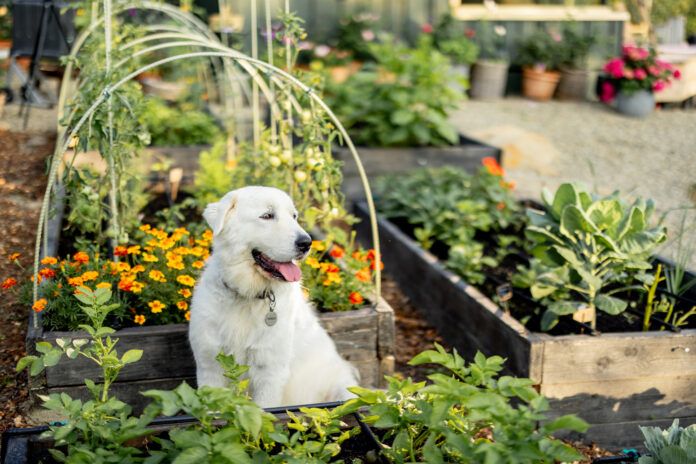
If you want a healthy, beautiful garden, keep dog poop out of it. It contains organisms harmful to vegetation. Credit: Ross Helen | Getty Images

Many of us have had the thought: After you’ve scooped up your pup’s latest poop, you eye your lawn or vegetable garden, which look like they need a little help.

It’s a natural thought. Poop is organic, you think. Wouldn’t it be the same as cow and chicken manure? And it’s free!

Nope. Adding dog feces into your garden is a hazardous problem waiting to sprout. In short, your dog’s poop should never go near edible crops and won’t help your lawn flourish.

“Even though dog feces do have nutrients, it contains harmful bacteria, parasites, and pathogens that pose risks to people and other pets,” according to Gene Caballero, co-founder of GreenPal, with over 25 years of experience in general landscaping maintenance. “Dog waste does not break down into a safe balanced fertilizer for lawns. It, in fact, does the opposite and can burn grass and create dead spots due to its excess in nitrogen.”

To understand why dog waste is a fertilizer failure, you first must look at what goes into the animal producing the fertilizer. Traditional fertilizers come from herbivores, such as cows, horses, and sheep. Their digestive systems process cellulose, producing manure rich in organic matter, moderate in nitrogen, and highly beneficial for soil structure.

“Since dogs are carnivores, their diet is high in protein, making their poop high in nitrogen and salts,” says Angelika Zaber, a lawn-care specialist.

“On top of this,” she adds, “dog poop can be loaded with harmful bacteria and parasites, such as E. coli, salmonella, roundworms, hookworms, and more. These can survive in the soil for months after the waste breaks down. To make matters worse, heavy rain can wash these into rivers or lakes, potentially contaminating water sources. “

Veterinary research compiled by the National Institutes of Health (NIH) concurs, its research indicating that dog feces are loaded with Salmonella, E. coli, and Campylobacter. A dog’s acidic digestive tract can handle these types of bacteria without showing symptoms of illness, according to NIH.

More Dangers with the Dog Poop Parasite Pipeline

When you use animal waste on edible crops, anything on or in the soil can potentially contaminate your food, especially low-growing or root vegetables like lettuce, radishes, and strawberries. With dog feces, the list of potential contaminants is particularly dangerous.

Perhaps the biggest deterrent to dog-waste composting is the canine roundworm. According to the Centers for Disease Control and Prevention (CDC), Toxocara canis eggs can survive in soil for months or even years.  If you ingest these microscopic eggs —for example, through unwashed garden vegetables or dirt under your fingernails—it can cause toxocariasis, a condition where the larvae migrate through human tissue, potentially causing organ damage and, in severe cases, permanent blindness.

Dog’s Poop’s Environmental Impact

If health concerns aren’t enough to persuade you to not attempt to use dog poop as fertilizer, legal consequences might. The Environmental Protection Agency (EPA) classifies dog waste as a “nonpoint source pollutant,” which is the same technical category as motor oil, chemical runoff, and acid drainage from abandoned mines.

According to EPA-backed watershed studies, two to three days of waste from 100 dogs can introduce enough fecal coliform bacteria into a local water ecosystem to temporarily shut it down.

Can You Compost Away Concerns?

You may wonder if you can compost the risk away given that a compost pile naturally heats up as organic matter breaks down.

Unfortunately, according to studies at the University of Florida UF/IFAS Extension  and the University of Connecticut Soil Nutrient Analysis Laboratory, backyard compost piles rarely reach or sustain the high temperatures required to neutralize heavy pathogens.

A compost pile must maintain a consistent temperature of 140°F (60°C) to eliminate most parasites and bacteria. The typical home compost bin simply doesn’t get that hot, according to the Florida and UConn studies. The university extensions are skeptical that even a hot pile can completely kill heat-resistant Toxocara canis maintain a ban on using any pet waste in compost destined for food crops.

The Bottom Line on Dog Poop

When it comes to the health of your soil and your family, some things are better left out of the loop. Keep the commercial steer manure or backyard vegetable compost for your food crops and leave your dog’s daily deposits where they belong: bagged and placed in the trash. Your tomatoes —and your family — will thank you.

Picking the Best Flea and Tick Pill for Your Dog

The best dog flea pills can help your dog avoid the itching and scratching associated with fleas.
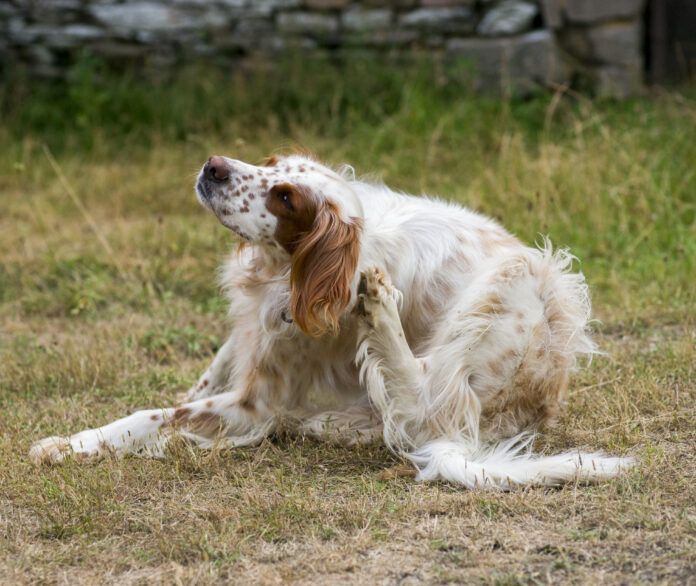
The best flea pill for your dog will depend on their health, size, age, and where you live. Credit: Kypros | Getty Images

Scritch, scritch, scritch. Your dog is scratching at himself—again. You thought you found and killed all those fleas and ticks that were biting him. But his scratching tells you otherwise.

To continue reading this article or issue you must be a paid member.

Join Whole Dog Journal

Get full access to Whole-Dog-Journal.com – more than 4,000 articles – for just $20.
Join today and save 30% off our full price.
Already a member?
| Forgot your password? | Activate Web Access

Yummy Three-Ingredient Dog Treats

3 ingredient dog treats provide a quick and yummy homemade treat for dogs.
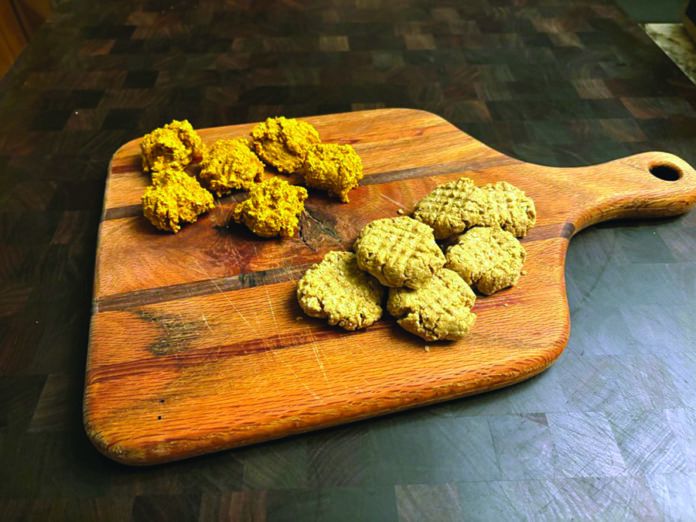
The recipe for Pumpkin & Peanut Butter Three-Ingredient Dog treats are Collie-approved, according to our nutritionist, Dr. Mary Cope. Photo courtesy of Dr. Mary Cope

Dog treats play an important role in the lives of pets and pet parents. Treats are used for training, rewarding good behavior, providing enrichment, and strengthening the bond between dogs and their owners.

To continue reading this article or issue you must be a paid member.

Join Whole Dog Journal

Get full access to Whole-Dog-Journal.com – more than 4,000 articles – for just $20.
Join today and save 30% off our full price.
Already a member?
| Forgot your password? | Activate Web Access

Can You Use Human Eye Drops on Dogs?

0
You cannot use human eyedrops on dogs. As many contain ingredients that might harm dogs.
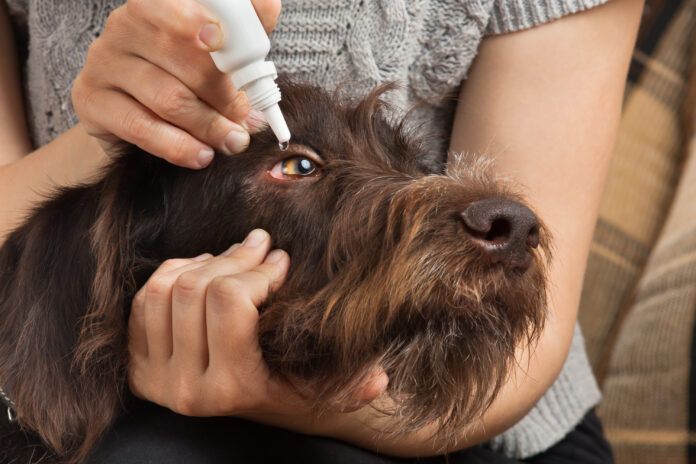
The only eye drops you should use on your dogs are the ones prescribed by your veterinarian. Otherwise, stick with saline solution to simply flush out his eyes. Credit: Pavel Rodimov | Getty Images

Human eye drops contain ingredients that may harm dogs. For example, Visine can cause life-threatening cardiovascular and neurologic issues. The only type of “eye drops” you can safely use on your dog without a prescription are saline drops, artificial tears, and warm tap water. The wrong choice can worsen your dog’s problem or harm him.

It’s not difficult to flush out your dog’s eyes. Grab clean cotton balls or a clean washcloth and soak it with warm water to dribble into your dog’s eyes. Warm tap water can do a great job flushing out a crusty discharge in the corner of your dog’s eye.

But, even then, it’s extremely important that you know why your dog’s eye is irritated. If you flush out your dog’s eye and it’s no better—or worse!—make a veterinary visit immediately.

Of course, there are some brands of eye flushes for dogs you can use if you prefer them over saline solution. These include:

Just remember that a wrong move “treating” a dog’s eye could result in a far worse condition. Only an exam by a qualified veterinarian can get to the root cause of your dog’s eye issues, and your dog’s vision may depend on this.

If your dog has a swollen eye, call your veterinarian.

Common Eye Issues in Dogs

Some of the most common eye concerns on dogs include:

Conjunctivitis (“pink eye”): The form called dry eye or serous conjunctivitis is the most frequent type of pink eye seen in dogs. It can cause puffy and wet-appearing eyes, which causes the dog suffering from such to squint and paw at the eye, along with potentially seeing yellow or green discharge.

Eye Infections: These can be caused by many things including irritation from long hair near the eyes that needs trimmed, environmental allergies that have gone unchecked, health conditions such as immune responses as well as eye injuries such as a scratch.

Allergies: Allergies cause the same type of irritation in a dog’s eye as we humans often must deal with such as inflammation, reddening and watery discharge. Most eye irritations from allergies are environmental although a food allergy causing such is not out of the question. Learn more about dog eye allergies vs eye infections.

If your veterinarian determines your dog needs treatment for an eye problem, the choice of a medication will be based on his or her diagnosis.

Note: Since using eye drops will seem like an intrusive procedure to most dogs, ideally you will train for this with cooperative care or low stress handling.