Ask most people what to teach a new dog first and they’ll say sit, stay, and loose-leash walking. Certified dog trainer and Whole Dog Journal contributor Jae Thomas has a different answer. In this interview with Kate O’Connor, she makes the case for three foundations that come before any of the basic cues.
Start with settling
Before sit or stay, Jae teaches a dog how to settle and calm down on their own. High-energy dogs often don’t come with a built-in off switch, and teaching one early – with a crate, pen, tether, or place bed – is what lets you travel with your dog or take them into public without a fight. Depending on the dog, it can take a few days to a few months, and settling loose in a busy house can be an ongoing project into adulthood.
Build engagement
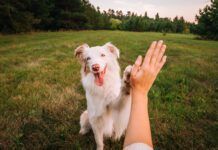
Engagement is your dog choosing to pay attention to you because they want to, not because they feel forced. Jae calls it the foundation of both the relationship and every other skill: a dog who finds you rewarding is far easier to teach and far more willing to work through distractions. The key is noticing and rewarding the moments your dog offers engagement, rather than demanding it.
Teach your dog how to learn
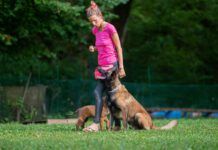
The third foundation is teaching a dog how to learn at all: present a clear criterion, mark the moment they get it with a clicker or a word like “yes,” then reinforce with something they value. Jae leans on choice-based, shaping-style training, where the dog offers behaviors and gets rewarded for good choices – because, as she puts it, dogs do what works.
Where owners go wrong
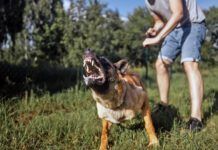
The most common mistake, Jae says, is pouring energy into socialization and basic cues while skipping the one-on-one relationship that makes any of it stick. The other is forcing things – getting in a dog’s face to demand attention, or shoving a dog into a crate and calling it crate training. Settling, engagement, and learning all have to be the dog’s choice.
Precision when it counts
None of this means letting safety behaviors slide. A recall, a sit-stay, and polite leash walking still need to be proofed until they’re reliable. The experimentation and fun come on top of those, not instead of them – and the handler’s job is to stay clear about which is which.
Jae Thomas is a certified dog trainer and a Whole Dog Journal author.