
To continue reading this article or issue you must be a paid member. Sign in

Join Whole Dog Journal
Get full access to Whole-Dog-Journal.com – more than 4,000 articles – for just $20.
Join today and save 30% off our full price.

Subscribe
The best in health, wellness, and positive training from America’s leading dog experts
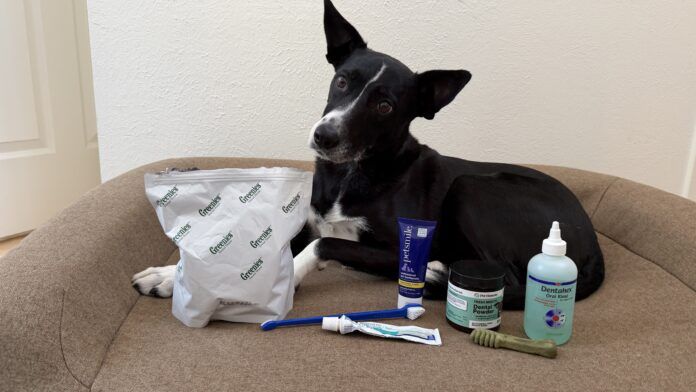
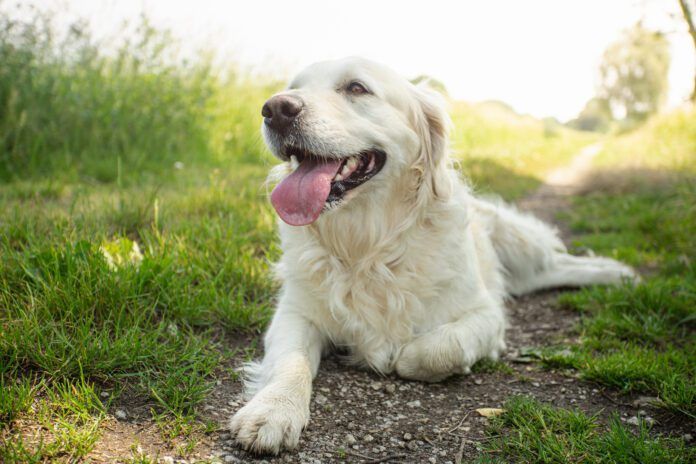
Dogs can have different types of heavy breathing. Panting is one version of increased respirations. Panting involves a rapid rate of breathing with a regular rhythm, open mouth, and a relaxed attitude. It can follow excitement, hard exercise, or anxiety.
If the panting is related to anxiety, your dog’s posture may be a tad stiff. Breathing tends to return to normal in five to 15 minutes, however. True panting is not an emergency. Panting doesn’t take much effort for the dog to do. It’s his main way of cooling his body.
Labored or hard breathing is respiration with effort. Any type of heavy breathing is hard work. Your dog may stretch his neck out and look like he is gulping air. His elbows may go out at the sides.
Unlike the pink gums you may see during regular panting, with heavy breathing a dog’s gums may be blue or gray. His respiratory rate may be rapid or perhaps not that much above normal due to the effort required for each breath.
Your dog’s nostrils may flare as he tries to move air, and his rib cage visibly moves. He is clearly working hard to get oxygen in. You might hear a wheeze or a whistle during the movement of air. Most dogs will avoid lying down during labored breathing, or if they do lie down, they will stay in sternal position. Your dog will appear to be worried or anxious.
The medical term for labored breathing is dyspnea. High on the list of causes are cardiac conditions and respiratory disease. Trauma can also cause breathing difficulty.
Any obstruction may cause your dog to work hard to breathe. The obstruction may be an inhaled foreign body, laryngeal paralysis, scar tissue, or cancerous growth. Due to their conformation, brachycephalic dogs may have trouble breathing if heavily exercised or in hot, humid weather.
Many cardiac conditions can interfere with breathing and adequate oxygenation of the dog’s body. Congestive heart failure, cardiomyopathy, and heartworm disease can all cause your dog to work hard to breathe. Pneumonia is a serious respiratory reason for labored breathing.
If your dog is having trouble breathing, head to your veterinary clinic or an emergency clinic, if your regular vet isn’t open. The veterinarian will examine your dog including a full auscultation of his chest with a stethoscope. Hearing a heart murmur or “crackles” in the lung field may give your vet an idea of the cause behind the labored breathing
The next step is generally X-rays to evaluate the heart and the lungs. The veterinarian is looking for changes in the size of the heart, any neoplasia (cancers) that are visible, and changes in the appearance of the lungs. Free fluid or free air in the chest can make it hard for your dog to breathe. Ultrasound or echocardiograms may help to pinpoint the cause.
Blood oxygen levels will be checked if possible. Many dogs with labored breathing will need oxygen. This may be given via a nasal cannula or by placement in an oxygen cage.
Further treatment will be based on therapy for the cause of the labored breathing. That might mean antibiotics, diuretics, surgery to remove a mass or foreign body, or drugs to regulate your dog’s heart.

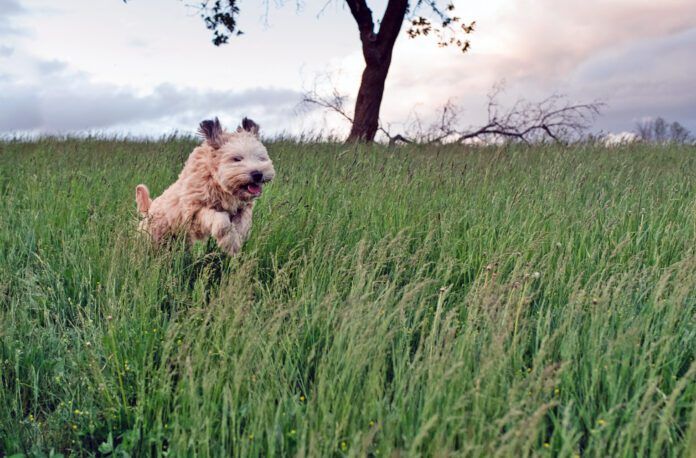
Chigger mites on dogs are itchy and annoying, but they are easy to treat. These tiny bugs hide in brush, tall grass, and other vegetation and are most likely to bother your dog in the late summer or early fall. They’re often called “grass mites” for good reason.
Chiggers hang out in areas of dense vegetation such as bushes, hedgerows, tall grass, and mulchy or wooded areas. The mites are usually in their larval stage in the fall and most active on sunny days. They can be found across the United States and elsewhere in the world but are most common in the Southeast and Midwest.
Grass mites are known by many names: harvest mites, red bugs, trombiculid mites, scrub-itch mites, and berry bugs. The two species of interest for humans and dogs are Eutrombicula (or Trombicula) alfreddugesi and Eutrombicula splendens. Adult mites are harmless and feed on plants, but the larval stage, often called chiggers, feeds on warm-blooded animals.
If a dog passes through an area with chiggers, the larval mites swarm and jump aboard.
Once on your dog’s skin, the chiggers pierce the skin and begin to feed. When this tiny bug is attached, it injects enzymes that break down skin cells so the mite can eat them. The chiggers will feed for two to three days, then fall off to transition to their adult life stage.
Chiggers are bright orange, but they are extremely tiny and difficult to see. If your dog has lots of mites, you may see an orange patch of skin. The chiggers generally settle in areas with less hair, such as the ears, paws, belly, and under the tail.
Chigger bites on dogs are extremely itchy. Your dog will likely scratch and chew at the site of the infestation. Between the damage caused by the mites themselves and damage from your dog scratching, the skin may develop patches that are crusty, bald, or raw and irritated.
Your veterinarian may see grass mites on a skin scrape, but diagnosis is often made based on the time of year, location, and if your dog spends time in dense brush.
The good news is that chiggers are susceptible to most flea medications. If your vet suspects that chiggers are the cause of your dog’s itchiness and discomfort, a flea medication will be prescribed and possibly anti-inflammatories in severe cases. If your dog has developed a secondary bacterial infection on her skin, she may also be treated with antibiotics.
Most dogs feel better quickly, but you can soothe your dog’s skin by bathing her with an oatmeal-based shampoo.
Chiggers are not usually passed from animal to animal, so there is no need to worry about yourself or your other pets. However, if you walk in the same area as your dog, you can pick up grass mites yourself.
To prevent your dog from being exposed to chiggers, use a monthly flea preventive medication and stick to paths and mowed lawns during the late summer and early fall. If you already have a solid flea and tick prevention plan for your dog, she is likely safe from chiggers as well.
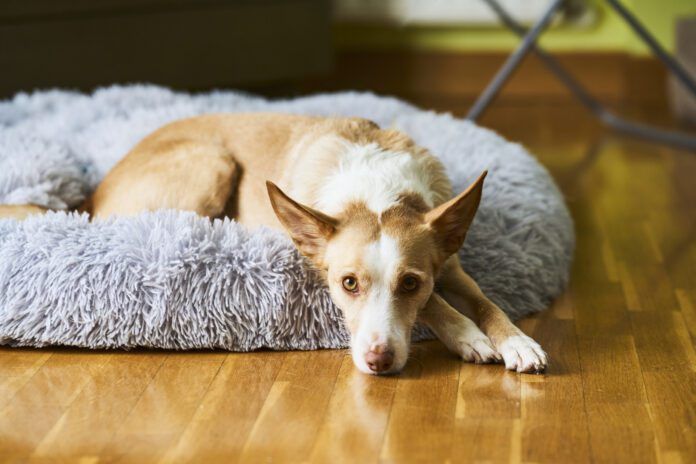
When your dog walks in circles, it can have many meanings, from nesting habits to neurological red flags. It’s important to look at your dog’s circle of life, including when it’s time to get her to a vet.
An old dog walking in circles can be as endearing as it is concerning. Watching a dog pat down an invisible bed is a throwback to their ancestry. But when that purposeful spin becomes a frantic or persistent, one-way trek, the “why” moves from instinct to anatomy. To understand where to draw the line, here’s look at how a dog’s internal compass—and their brain—functions.
“From a veterinary neurologist’s perspective, circling is a behavior that can mean very different things depending on the context. Many dogs will circle a few times before lying down, which is completely normal and thought to be a nesting instinct,” according to Christian Woelfel, DVM, a veterinary neurologist at Garden State Veterinary Services.
However, Dr. Woelfel adds that “frequent or repetitive circling in dogs, particularly when it consistently occurs in the same direction, can indicate an underlying neurologic problem involving the brain or the vestibular system [the balance center of the nervous system].”
For senior dogs, circling can be a symptom of cognitive dysfunction syndrome (CDS). According to Cornell University’s College of Veterinary Medicine, CDS is a “common age-related disease in dogs that affects the brain, causing deterioration similar to Alzheimer’s disease in humans.”
CDS may appear around 9 years of age. “The condition may be underdiagnosed since the behavioral changes progress slowly, and owners may assume that some changes are a normal part of aging,” according to the Cornell report.
“In conditions affecting the brain, you can see additional signs such as disorientation, behavior changes, vision changes, and seizures,” says Dr. Woelfel. “Whereas for vestibular problems [similar to vertigo in humans], circling is often accompanied by a head tilt, loss of balance, involuntary eye movement (nystagmus), and nausea.”
Sometimes circling isn’t about the brain. It’s about the body trying to find a comfortable position for other reasons. “Inner ear infections can cause circling and balance issues as the inner ear is responsible for maintaining a dog’s equilibrium,” says Dr. Chyrle Bonk, an Idaho-based veterinarian.
“Some dogs may learn to turn a couple of circles before they lie down or have a bowel movement. This is usually just their way of getting comfortable and has become part of a routine,” Dr. Bonk adds.
She notes that anxiety in dogs can often mimic the symptoms of cognitive dysfunction. “The best way to distinguish between the two is that anxiety is often situational. Anxiety may be triggered by you leaving for the day, unexpected visitors, or some other change in the dog’s environment, while signs of cognitive dysfunction occur nearly all the time or get more severe around bedtime.”
Dr. Bonk says that circling before lying down is an instinctual behavior dogs use to create a safe, comfortable space to rest. It could also be a dog’s way of clearing the space of obstacles. However, it can also be a sign of a medical condition. “Pain from spinal issues or hip dysplasia can make lying down and getting up difficult and uncomfortable. You may see dogs circling when they start to lie down as they are trying to find the best way to lower themselves without causing pain,” she says.
“Turning a few circles before lying down or pooping is considered normal for most dogs,” says Dr. Bonk, “but you’ll want to consult your veterinarian if your dog suddenly starts to circle or if they are circling while doing other things as well. This is especially true if they are showing any other signs of incoordination, anxiety, pain, disorientation, changes in sleep patterns, or behavior.”
Dr. Woelfel concurs, adding that if you notice your dog walking in circles, especially if it occurs suddenly or alongside other neurological signs, it’s wise to see your veterinarian or a veterinary neurologist.
“Veterinary neurologists specialize in disorders of the nervous system and can help pinpoint the cause of circling while guiding the next steps for diagnosis and treatment,” he says.
Before calling the vet or neurologist, evaluate your dog for reasons for circling to rule out common physical triggers. However, contact your vet if your dog falls into one of these categories (based on information compiled from the American College of Veterinary Internal Medicine, Cornell University College of Veterinary Medicine and the UC Davis Veterinary Medical Teaching Hospital, the International Association of Animal Behavior Consultants, American Animal Hospital):
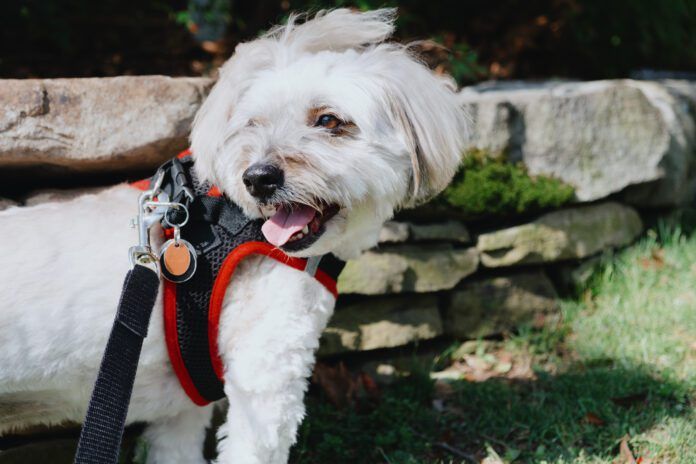
What’s the most time-consuming part of getting ready for a walk? It might be putting your dog into his harness. Harnesses are popular because they improve handler control, reduce pulling, prevent neck strain and injuries that leashes attached to collars can cause, and support a dog’s body by distributing forces that contribute to anxiety and discomfort.
Step-in harnesses are usually fast and easy to put on. Simply hold the harness in front of your dog or lay it flat on the floor, inside-up, then help her step into its leg holes, pull the harness straight up under her belly, and attach its clip or buckle over your dog’s back. This arrangement is comfortable for head-sensitive dogs who dislike anything that goes over their ears or face and, while walking, it places pressure across the chest instead of the neck, which helps dogs with neck injuries or breathing or trachea problems. Step-in harnesses are especially popular for small dogs, and they are often recommended for dogs who fear grooming appointments.
At the same time, because step-in harnesses require positioning the dog’s legs and feet, this style may cause stress in dogs who dislike having their feet handled. Training games that reward dogs for placing their feet in specific locations can simplify the introduction of step-in harnesses for dogs encountering them for the first time.
Step-in harnesses come in a bewildering assortment of styles, materials, and colors. To simplify your choice, focus on the following features:
Adjustability and fit: A properly fitted harness will keep your dog safe and comfortable. With the help of straps that can be shortened or lengthened, most appropriately sized harnesses can be customized for your dog.
Comfort: Consider how your dog’s comfort may be affected by a harness’s design. Many dogs do well in the simplest of harnesses but be aware that thin fabrics can contribute to chafing or underarm rashes. If your dog has sensitive skin or thin fur, they may be more comfortable in a padded harness.
Leash attachments: Most step-in harnesses have a leash attachment ring on the back, but some have a front-of-chest attachment, and a few come with two leash attachment rings, one in front and another on the back. A step-in harness with a leash attachment on the back is not recommended for strong pullers, for whom a front-of-chest attachment is considered a better choice.
Durable fabrics: Step-in harnesses come in a variety of styles but should be made of durable materials. Most step-in harnesses are made of fabrics that cover much of the dog’s body, but a few are made of straps, like the Lupine Pet Basic Step-in harness that features 1/2-inch, 3/4-inch, or 1-inch-wide nylon webbing in a wrap-around style. The Frisco Step-in Back Clip harness uses four webbing widths to create a different type of step-in harness.
The type of fabric you want in a harness depends on what you plan to use it for. For example, if you’re looking for a harness to take your dog on long walks in warm weather, the Voyager Step-in Air Dog harness is made of breathable air mesh, which is lightweight and promotes air circulation.
Visibility: When walking your dog at night or after dark, a harness with stitched-in reflective details or made from reflective fabric will make your dog more visible under streetlights and headlights. Some harnesses, like the Nova LED Light Harness, are illuminated by built-in LED lights that last up to 10 hours between charging.
| Product and Maker | Best For | Price | Notes |
|---|---|---|---|
| Voyager Step-in Air Harness | Small to medium dogs | $15 | Air mesh, double D-rings, Velcro, buckle closure, 9 sizes, 19 colors |
| Lupine Pet Basic Step-in Harness | Everyday use | $18 - $48 | Durable nylon, strong D-rings, 2 adjustment points, 3 strap widths, 6 sizes, 8 colors |
| Nova LED Light Harness | Walking after dark | $64 - $80 | Air mesh, USB rechargeable LED lights, 4 adjustment points, 4 sizes, black/grey, 4 light colors |
| Frisco Step-in Back Clip Harness | Budget | $10 - $12 | Nylon, adjustable wide strap design, buckle closure, 4 strap widths, 4 sizes, black |
| EcoBark Step-in Harness | Toy dogs and puppies | $20 - $23 | Reflective mesh, double padded, anti-rub piping, safety buckle, 7 sizes, 33 colors |
| Sleepypod Clickit Range | Dogs in cars | $127 - $143 | Luggage-grade nylon, crash-tested seatbelt harness, front and back leash connections for walking, 5 sizes in regular or long length, 3 colors |
Most harness websites provide instructions for correct sizing based on your dog’s girth (chest measurement) and collar size (neck measurement). Some include a length measurement along the spine from collar to tail as well.
If your local pet supply store encourages in-person fitting sessions, take your dog to try on different styles. For best results, adjust the harness until two fingers fit snugly between the harness and your dog’s body.
Harnesses are labeled with sizes ranging from XXXS (extra extra extra small) to XXL (extra extra large), but those sizes are meaningless without an accompanying size chart. For example, the EcoBark Step-in Harness is designed for very small dogs, with size XXS for dogs weighing only 2 to 3 pounds and size XL for dogs weighing 20 to 26 pounds.
Instead of introducing your dog to a walk-in harness as you leave the house for an activity or appointment, plan ahead and try these simple steps.
For a more detailed discussion, see “How to Put a Harness on Your Dog.”
Harnesses made of nylon or polyester mesh and similar lightweight fabrics are easy to clean and care for. Most are washable, either by hand or with a clothes washer’s delicate laundry setting. Even sturdy walk-in harnesses, like the Sleepypod Clickit Range seatbelt harness, can be hand-washed. Most harnesses should be air-dried
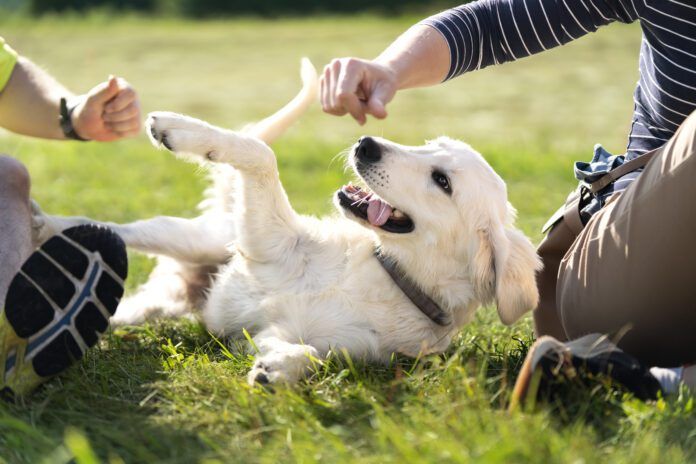
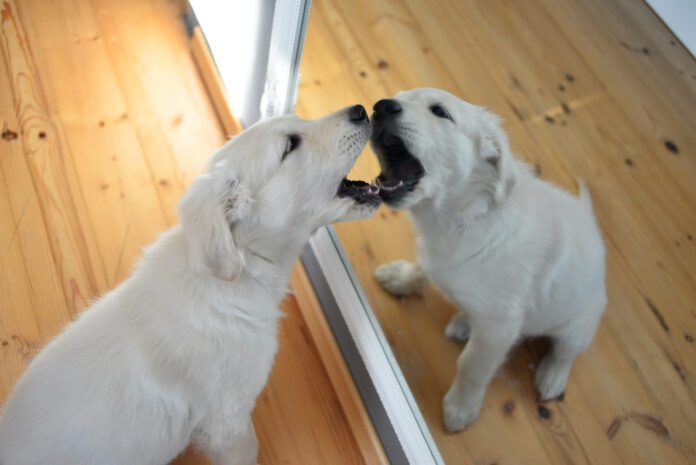
Of the six dogs I’ve adopted over the years, three of them had dramatic “who is that dog in the mirror” incidents.
There was the time a clerk at an upscale Newbury Street store in Boston nicely suggested that my black Labrador, Solly, and I leave after he caught a glimpse of himself in the mirror and had a meltdown.
Then there was the time my yellow Lab, Daisy, horrified me when she glanced up at a mirror in an elevator ceiling and suddenly started barking, snarling, and growling. I thought something demon-like was crawling above us.
Speaking of demons, the first time my pup, Macy, looked in a mirror, she made noises like she was possessed.
Why do some dogs have such distinct reactions when they see their reflections? Do dogs recognize themselves in the mirror? Do dogs understand mirrors? Figuring out the answers to these questions has been a hot topic for animal researchers.
Dr. Stanley Coren, professor emeritus in the Department of Psychology at the University of British Columbia and an esteemed researcher and writer about the intelligence of dogs, has his own stories about pups and mirrors. One of his favorites occurred when a friend offered to dog-sit a male Cocker Spaniel at her home.
“When she opened the door to the bedroom, the visiting dog stopped and looked at his image in the mirror and then walked over very deliberately and ‘raised his hind leg’ (urinating) on the mirror, and on himself,” Dr. Coren recalls with a chuckle.
But what was that dog thinking? Dr. Coren and other scientists have concluded that dogs do not recognize themselves in the mirror, believe their reflection is likely another dog, and eventually lose interest.
“The reason they lose interest is that the reflection doesn’t smell, it has no scent,” Dr. Coren says. “It looks like a puppy, but it doesn’t smell like a puppy, and it doesn’t interact with them the way that a real puppy would. There’s no evidence that dogs ever develop the sense that the image they’re looking at is themselves, and for some researchers, it is a very important fact.”
Important because of the ongoing discussion about whether dogs are self-aware. It’s something that scientists, dating back to Aristotle, have pondered.
Over the years, researchers identified three different levels of animal self-awareness.
The first, or basic, level is sentience, which means an animal is aware of their environment and sensations such as hunger and pain. Most animals have this level of consciousness.
The next level of awareness is the ability to remember and to learn from experiences.
The highest level of consciousness is recognizing oneself.
Researchers have used what’s called “the mirror-mark test” on many animal species to see whether they are self-aware enough to recognize themselves in the mirror.
In 1970, researcher Gordon Gallup Jr. tried the first test on chimpanzees.
“Chimps very quickly recognize themselves in the mirror; they make faces in the mirror, it amuses them,” Dr. Coren says.
But while the chimps Gallup was working with were sleeping, he put visible red marks (using harmless dye) on their faces.
“When the chimps woke up, looked into the mirror, and saw there was this red spot in the middle of their forehead, they recognized that that was themselves, and they reached over and tried to touch that spot because it was on their head,” Dr. Coren says.
Dolphins, orcas, Asian elephants, some birds, and fish have passed the mirror test, but do dogs pass the mirror test?
Unfortunately, as smart as our favorite four-legged friends are, when scientists tried it with dogs, they didn’t notice the spot on their heads.
Does this mean dogs do not reach the highest level of self-awareness? Are dogs conscious? Have some faith in our four-legged friends; this story isn’t over. Researchers didn’t give up.
Stumped by the dog mirror tests, scientists had an inkling that dogs just had to be more self-aware, so they tried other experiments to prove it, using one of dogs’ greatest senses: smell.
In 2021, evolutionary biologist Marc Bekoff, now a professor emeritus at the University of Colorado Boulder, published what’s referred to as “the yellow snow study.”
If you’ve ever walked a dog in the snow where other dogs have relieved themselves, you know how those yellow spots are golden sniffing material for a pooch.
Knowing this, Bekoff had a hypothesis, one that his dog Jethro helped him prove. For five winters, Bekoff scooped up the yellow snow Jethro marked and moved it to different locations on a trail. He also collected yellow snow that other dogs marked, moved it around, and observed Jethro.
“When his dog encountered a yellow spot made by another dog, he would pay a lot of attention to it, but when he encountered a spot stained by his own urine, he would pay a lot less attention,” Dr. Coren says. “So Beckhoff concluded that dogs do have that sense of ‘this is me.’”
Another scientist, Alexandra Horowitz, a Barnard College dog cognition expert, doubled down on Gallup’s and Bekoff’s research.
She created an “olfactory mirror” experiment using samples of a dog’s own urine and also samples of a dog’s own urine combined with an added scent. She found that the dogs spent more time sniffing the scented urine, suggesting they noticed their scent had changed, which shows self-awareness.
What is Dr. Coren’s opinion on dog self-awareness? He looks back to one of his heroes, Charles Darwin, who thought there was no reason animals couldn’t have consciousness, though it may not be as complex as in humans.
“The data has been coming out showing that dogs have an emotional range equivalent to a human toddler of about two and a half years of age,” Dr. Coren says. “Dogs don’t have the full range of emotions that humans have, but they have all the basic emotions: joy, fear, anger, that sort of thing. But dogs don’t have the complex social emotions like guilt and pride, which don’t show up in humans until at least four years of age.”
But of course, since dogs can’t talk, it’s tough to know exactly what they’re thinking.
So what does a dog think when they’re barking up a storm in a mirror, as my dogs did? Dogs having reactions like those may not seem like their most brilliant moments, but they just navigate the world a bit differently than we do.
Anyone who has ever walked a dog knows their nose leads the way as they sniff along, trying to make sense of scents. One of my friends calls it “dogs checking their pee-mail.”
There’s still so much to learn about dogs, though they seem to have a pretty good read on us, much of it through smell.
Dogs have between 100 and 300 million scent receptors in their nose, which they use to recognize not only themselves and other dogs, but also their humans. They can even sniff out our emotions, physiological changes, and even types of cancer.
Perhaps the fact that dogs don’t recognize themselves in the mirror further proves how selfless they are; they don’t need a mirror, they already know they’re quite incredible.
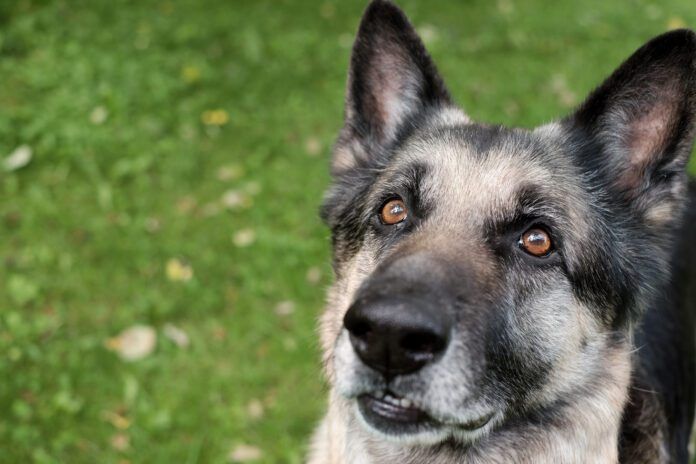
Vitiligo is a genetic condition in dogs that affects skin and hair color. With vitiligo, the melanocytes—the cells that produce pigment—degenerate or die off, leaving behind white skin and white hair. For some dogs, this is due to a genetic predisposition. For others, vitiligo cases are caused by autoimmune problems that attack melanocytes. An injury can also temporarily damage the melanocytes. Regardless of why your dog has spots of white hair, vitiligo itself is not dangerous.
Vitiligo is different from the graying that many dogs develop as they age. Graying due to age tends to be slowly progressive and often starts with the muzzle. Some dogs will get “frosting” early, but it often does not progress to whole body. Other breeds will get white hairs uniformly over the body. Vitiligo tends to stand out because it usually appears as bright white patches.
Breeds predisposed to vitiligo include Rottweilers, Belgian Tervuren, Belgian Sheepdogs, and Doberman Pinschers as well as Dachshunds and German Shepherd Dogs. Some dogs are adults when vitiligo becomes obvious and may have already been bred, possibly spreading the gene without the breeder considering it.
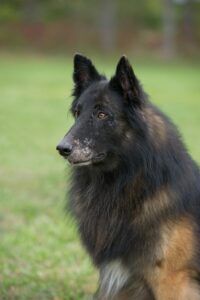
A puppy predisposed to vitiligo is born with normal coloration, but as he grows, the melanocytes die off and white hair replaces the normal color. The age of onset can vary. The face is often the first area that is affected, but it can progress all over the body and even onto the footpads. Focal cases have specific areas, usually the head or even just the nose and lips affected. Generalized cases may have patches of vitiligo all over. Most cases stabilize after six months from the start of signs but not always.
Many dogs will have white hair grow in after an injury (the scar will be covered with white hair). This is not vitiligo. In this case, the melanocytes for that area were destroyed by the injury. Sometimes the hair will grow back in normal color after a shed or two if the melanocytes were damaged but not destroyed. My male Belgian Tervuren, Doc, stuck his nose in a nest of yellow jackets (very aggressive ground wasps). For almost a year, he had multiple white spots on his muzzle where he had been stung. Eventually color came back.
The diagnosis of vitiligo is generally based on history and physical exam. If there are signs of other skin conditions, your veterinarian may want to do a skin scrape, a biopsy, and/or test for autoimmune problems.
You may have read that supplements such as omega 3 fatty acids or vitamin C will reverse or at least slow the progression of vitiligo. None of these claims are proven effective by research. If your dog is one of the less common cases with an underlying medical problem, treating the problem may reverse the skin coloration.
Dogs with generalized vitiligo and short hair, like a short-hair Dachshund, may benefit from dog-safe sunscreen when they go out and general precautions against sun exposure.
While vitiligo is not desirable, remember that it is purely cosmetic, unless it is associated with an autoimmune disease (and then there are other symptoms). Your dog will have a “unique look,” but he won’t suffer.

We get it! Tiny dogs are adorable! But the term “teacup dog” is usually a red flag that indicates irresponsible breeding practices. Thankfully, you can get a dog that stays small without compromising on health or longevity.
People want small dogs for many reasons. In cities, tiny dogs are perfect for apartment living (your landlord may even have weight limits for dogs) and carrying on public transit. If you fly a lot, a small dog can ride in a bag under the seat. Some hikers prefer small dogs because they are easy to carry if they get tired or hurt. And of course, there is the age-old reason of just wanting a warm little dog to curl up in your lap and cuddle.
Most dogs who will stay small even as adults come from the toy breeds. The “toy group” is a grouping of breeds that were developed to be small, friendly companions. Many terriers are also petite, but these dogs tend to have a lot more attitude and energy.
Exact weight ranges can vary by breed or mix, sex, and the individual, but breeds and mixes of breeds in the toy group all weigh under 20 pounds, and many weigh far less. We get predictability in size thanks to the efforts of breeders over the centuries who came together to develop and follow the breed standard that acts as a blueprint for each breed.
You can occasionally get outliers who grow larger than their brethren, but this is uncommon when getting a puppy from a breeder who adheres to the breed standard. Mixed breed dogs will of course be more varied than purebred dogs, but if both parents are small, their puppies should be as well.

All teacup dogs are toys, but not all toy dogs are teacups.
“Teacup dog” is a marketing term that refers to a dog that is unusually small, sometimes so small that it could maybe fit into a teacup. Often this means the dog will weigh less than 5 pounds or so as an adult, but the term has been applied to members of larger who breeds who are just smaller than most of their relatives.
There are no teacup breeds, just individual dogs within breeds that can be considered teacup varieties. For example, a teacup Chihuahua is just an extra-small Chihuahua, not a separate breed.
Some toy breeds that are commonly caught up in the teacup fad include the Chihuahua, Maltese, Pomeranian, Poodle, and Yorkshire Terrier.
Teacup dogs aren’t inherently bad. The problem is that whenever humans latch onto a specific marketing term, we tend to hyper fixate. All it takes is one celebrity posting a photo of their teeny tiny dog, and suddenly everyone wants one. And, of course, some people jump in to try to make a quick buck breeding these tiny canines.
Breeding happy, healthy dogs is much more complex than just putting two dogs in a room together. Many behavior traits, characteristics, and health factors are controlled by recessive genes that are not obvious to the naked eye. Dogs who appear perfectly healthy could be carrying genes for serious health problems that doom their puppies. It is our responsibility when considering breeding dogs to collect as much information as we can about each individual dog and their relatives to get a more complete picture of the genes that dog might carry and the risks those genes might bring.
Many toy breeds are already predisposed to certain health problems, and it is very easy to make those issues worse if a breeder is only making breeding decisions based on size.
Problems common with toy breed dogs include:
Every person breeding toy breed dogs, including mixes, should be aware of these issues and know of the prevalence in their lines. Some of these problems can even be tested for. In Pomeranians, it is recommended that all breeding prospects receive evaluations from the Orthopedic Foundation for Animals (OFA) for their hearts, patellae, eyes, thyroid levels, hips, and Legg-Calve-Perthes disease.
You can find out what health testing is recommended for your breed on the OFA website thanks to the Canine Health Information Center. If considering a mixed-breed puppy, look up all the breeds that are involved with the litter. Tests that are recommended for multiple breeds are the most important for these mixed-breed litters.
People breeding teacup dogs often do little to no health testing. Doing this generation after generation can quickly increase the frequency of health problems within a line or gene pool. These disorders can cause pain and distress for your dog, are costly to treat, and can even be fatal.
Temperament and socialization can also suffer when a person is fixated on producing the tiniest puppies possible. If one or both parents are shy or aggressive, the puppies are likely to share those flaws. And while a ferocious Pomeranian may be cute, it isn’t much fun to live with and can make veterinary care challenging.
Puppies need to be safely exposed to a variety of surfaces, smells, people, animals, and experiences while they are young and impressionable. Most toy breed dogs do not go to their new homes until at least 12 weeks of age, so it is critical that the breeder has a plan to provide their puppies with safe experiences to prepare them for the rest of their lives.
If you are considering a “teacup” puppy, ask the breeder for a detailed description of their socialization protocol. Breeders passionate about the wellbeing of their dogs will have an answer, while those who are just taking advantage of the fad likely will not.
Thanks to their diminutive size, teacup dogs are extremely fragile and require extra day-to-day care compared to larger dogs.
Their tiny bones are extremely fragile, and teacup dogs can experience fractures from simple activities like jumping off a couch, being dropped by a person, or getting caught in a door. They are also vulnerable to being stepped on or sat on by humans or other pets.
Toy and teacup dogs alike are prone to hypoglycemia, or low blood sugar. Puppies require at least three meals a day, often four to five to ensure adequate blood sugar levels. Even in adulthood a teacup dog may require small frequent meals to stay healthy.
Tiny dogs are also vulnerable to hypothermia because of their small size and increased surface area compared to body mass. Puppies and adults alike require access to warm blankets and coats and may need to use a pee pad rather than walking outside in the winter.
Lifespan varies by breed, but toy breed dogs routinely live into their mid or upper teens. Unfortunately, the health problems and fragility of teacup dogs can shorten this time by several years.
There are no guarantees, but purchasing a puppy from a knowledgeable breeder who does health testing and can tell you the health and longevity of a litter’s ancestors gives you the best chance at a healthy puppy.
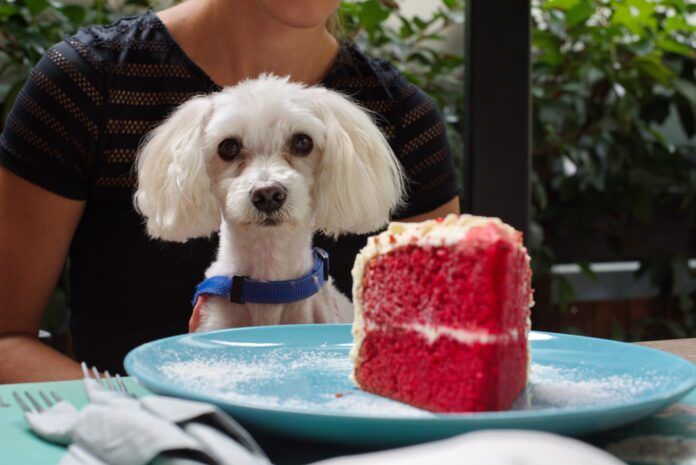
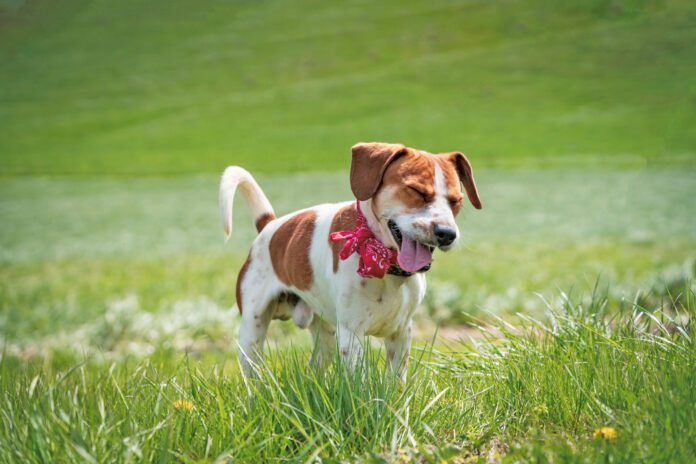
Dogs can develop congestion just like humans do, resulting in snuffling, snorting, and loud breathing. Dog congestion has many potential causes, and treatment will depend on what sort of infection or illness your dog has.
In severe cases, your dog may gag or even vomit after heavy coughing fits, and he may also have difficulty breathing. Difficulty breathing is an emergency and requires immediate veterinary care.
Most cases of dog congestion are mild and will resolve on their own. If your dog sounds congested but seems otherwise fine, you can monitor him at home for one to two days.
Here are some things you can do to support your dog’s health:
If your dog has other symptoms of illness or doesn’t improve within 48 hours, it’s time to call your vet.
Many things can cause congestion in dogs:
Brachycephalic dogs with smooshed faces, obese dogs, unvaccinated dogs, and dogs living in crowded conditions have the highest risk of developing congestion.
Your veterinarian will determine the cause of your dog’s congestion based on his symptoms and lifestyle. A dog with a dry, honking cough probably has the upper respiratory infection called kennel cough, which can be caused by viruses or bacteria. If your dog sounds congested and is reverse sneezing plus has reddish eyes and paws, he may have allergies.
Treatment will vary by the case. For mild congestion that hasn’t responded to home care, your vet may prescribe a short course of steroid or anti-inflammatory medication to give your dog relief. Bacterial infections can be treated with antibiotics, while viral infections require either antiviral medications or just supportive care. If the congestion is caused by something stuck in your dog’s nose, removing the offending object will resolve the issue.
Most dogs will experience congestion at some time in their lives. To minimize your dog’s risk, keep him at a healthy weight and up to date on his vaccinations and heartworm preventive medications. Vaccines are especially important if your dog goes to doggy daycare, boarding kennels, dog training classes, or dog shows.
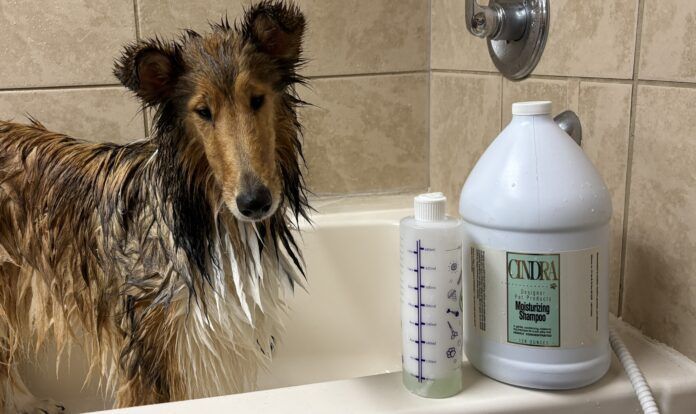
There are many reasons your dog may have dry skin. Whether it’s from allergies, minor skin conditions, living in a dry climate, or frequent indoor heater use, you may notice that your pup has flaky skin, or a dull, dry coat.