Home Blog Page 2

Can I Put Vaseline on My Dog?

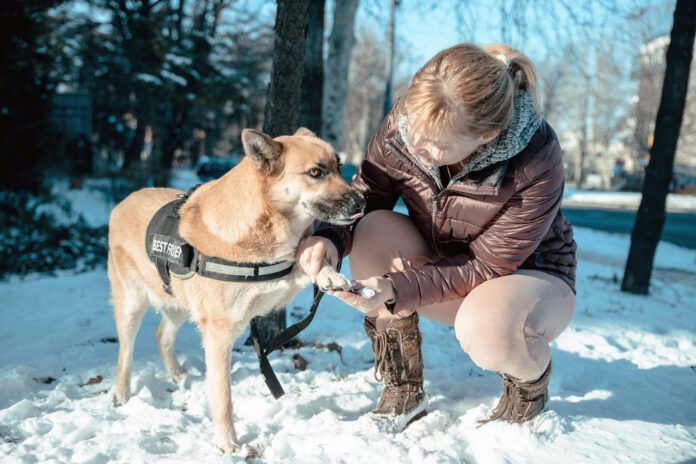
A woman smears Vaseline on her dog's paw to protect him from snowy weather.
Vaseline, or generic petroleum jelly, is excellent to protect your dog’s paw pads, but there are cautions with its use, including not allowing your dog to lick it off. Credit: Biserka Stojanovic | Getty Images

Vaseline and generic petroleum jelly are safe to use on dogs, with some caveats that we will discuss. As the generic name suggests, Vaseline is petroleum-based. It comes in a thick, jelly-like state that makes it easy to apply to dried areas of skin on your dog’s pads and nose. It is generally not used on haired areas as it is “gooey” and will clump the fur.


What Does Vaseline Do For a Dog?

Vaseline is designed to hold moisture in which is why it helps with dry skin. For maximum benefit, you might want to apply it to dry areas after wetting or soaking. By keeping an area moist, it encourages healing. Its thick texture helps it to stay where it is applied. Because it seals the area underneath it, it is important to only apply Vaseline to clean areas of skin, otherwise you might seal a bacterial infection in.

Vaseline For Dog Paw Pads

Dry, cracked pads in summer or winter can benefit from Vaseline as an inexpensive alternative to some dog-specific skin moisture products. Many owners find it excellent to put on their dogs’ pads when out walking in winter, especially if they might encounter road salt or ice-melt products. The oily layer keeps those substances from directly contacting the pads. You can then wipe the pads off when you get home.

How to Apply Vaseline to Your Dog’s Paws

If you apply Vaseline to your dog’s paw pads, it can make them slippery when walking on non-carpeted areas in the house. It can also be messy, especially if it gets on carpets.

For very dry feet, you may want to soak the paws, lightly dry them, apply Vaseline, and then a gauze and a light wrap over the paw. Putting booties also works well to keep things clean.

Cautions When Using Vaseline on Your Dog

When using Vaseline, you only need a light film, not a thick layer. Nose, muzzle, and paws are all areas your dog can easily lick. The same is true if you want to use Vaseline around the anus or genitals (your dog’s private parts). That is where we get into some of the cautions.

Dogs tend to like the taste of Vaseline. As the ASPCA Animal Poison Control Center notes, petroleum jelly is a laxative and can cause gastric irritation. A dog needs to consume a fair amount to have reactions, but if your dog chews into the container or licks a bunch out of a container you left open, there could be gastrointestinal effects.

Due to the oil-based nature of Vaseline and petroleum jelly, it is dangerous if your dog vomits it up. If any gets inhaled, it can cause serious aspiration pneumonia.

If your dog has wounds or burns and your veterinarian feels Vaseline may be the best option for keeping the area clean and moist, you will need an Elizabethan collar or a surgery suit to keep your dog from licking off the petroleum jelly.

The bottom line is that Vaseline can be an inexpensive solution to helping your dog heal dry, cracked skin areas, but you need to be watch for licking. Your veterinarian may also recommend a more suitable ointment for infected, inflamed, or pruritic (itchy) areas.

How To Get Rid of Dog Smells in the House

Loving your dog doesn't mean loving the smell. Here is how to get rid of dog odors in the house.
We all love our dogs but that doesn’t mean you have to love the odors they may bring. Fortunately, there are ways to get rid of dog smell in the house. Credit: Lourdes Balduque | Getty Images

Some houses smell like fresh air and some have a “dogs live here” odor. The stinkiest combine wet dog fragrances with urine, fecal matter, vomit, skin or coat problems, and food stains. What is the fastest way to get rid of dog smells in the house, and what is the best way to keep it fresh and pleasant?

To continue reading this article or issue you must be a paid member.

Join Whole Dog Journal

Get full access to Whole-Dog-Journal.com – more than 4,000 articles – for just $20.
Join today and save 30% off our full price.
Already a member?
| Forgot your password? | Activate Web Access

Dogs With Dwarfism

2
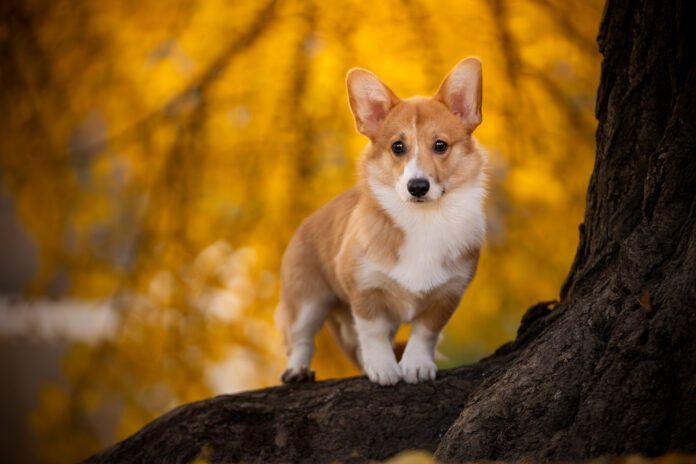
The Corgi dog's short legs is due to a mutation that causes a particular sort of dwarfism in dogs.
The naturally short-legged Corgi breed is a dwarf breed. The dwarfism is due to a genetic mutation.

Dogs with dwarfism are often quite cute: short legs, big heads, and often stocky. But while many dogs with dwarfism lead happy, normal lives, this condition does predispose them to certain health conditions. Dogs with pituitary dwarfism require hormone replacement therapy and may still not achieve a normal lifespan.


What Is Dwarfism in Dogs?

Dwarfism is a genetic mutation that causes abnormal growth and bone formation. This usually results in a body that is out of proportion with its parts. Short, possibly crooked legs and an oversized head are common. There are two forms of dwarfism in dogs: achondroplasia and pituitary dwarfism.

Achondroplasia

Achondroplasia, also known as chondrodysplasia or osteochondrodysplasia, is the most common form of dwarfism in dogs. This is a genetic mutation that stops ossification, the process of hardening cartilage into bone. It is a dominant trait, which means that a dog only needs one copy of the mutated gene to exhibit dwarfism.

Many well-known breeds have been selected to have achondroplasia:

  • Corgis
  • Bulldogs
  • Dachshunds
  • French Bulldogs
  • Basset Hounds

Dogs with achondroplasia usually live perfectly normal lives. That said, their long, low stature does predispose them to spinal cord and disc problems in their backs. If you have a chondrodysplastic dog, it is critical to keep him lean and fit and to prevent reckless jumping that could injure his back.

Pituitary Dwarfism

Pituitary dwarfism in dogs is uncommon and comes with a variety of unpleasant health consequences. Also known as hypopituitarism, pituitary dwarfism occurs when the pituitary gland in the brain does not produce enough growth hormone. It usually occurs as a recessive genetic mutation, meaning that a dog needs two copies of the mutated gene to exhibit dwarfism.

In rare cases, pituitary dwarfism can be caused by damage to the pituitary gland during birth or in early puppyhood. The gland can be damaged by lack of oxygen during birth, brain tumors, a traumatic brain injury, or inflammatory conditions.

Dogs with pituitary dwarfism are at risk for a variety of health problems, including:

  • Slow growth – may not reach skeletal maturity until four years old
  • Delayed eruption of adult teeth
  • Hypothyroidism
  • Abnormal tooth alignment and other dental problems
  • Thin hair coat
  • Hair loss
  • Skin problems and chronic infections
  • Poor muscle mass
  • Hip dysplasia
  • Luxating patellas
  • Eye problems ranging from cataracts to retinal degeneration

Puppies with pituitary dwarfism are usually significantly smaller than their littermates and grow slowly. When getting a diagnosis, it can be helpful to compare littermates. The affected puppy will have less bone ossification on X-rays and will have lower growth hormone levels and higher levels of creatinine than his siblings.

The life expectancy for pituitary dwarfism in dogs is three to five years if left untreated. Affected dogs are often infertile, but no dog with pituitary dwarfism should be bred due to it being a hereditary disorder.

Uncommon overall, pituitary dwarfism is most common in German Shepherd Dogs. It can occur in any breed or mix. Genetic tests are available.

Treating Dwarfism in Dogs

Because dwarfism is a genetic condition, there is no cure. Dogs with achondroplasia or chondrodysplasia usually lead normal lives and do not require any special care beyond keeping them at a healthy weight to prevent back problems.

Dogs with pituitary dwarfism require hormone replacement therapy as soon as possible to achieve somewhat normal growth and improve their coat and skin condition. Many of these dogs are hypothyroid and will require thyroid supplementation their whole lives. Some dogs are also given pig growth hormone. Skin problems and infections will require prompt veterinary care. With treatment, a dog with pituitary dwarfism may be able to live a full life.

The Dream Life of Dogs

0
What do dogs dream about? We can't know for sure but science offers clues.
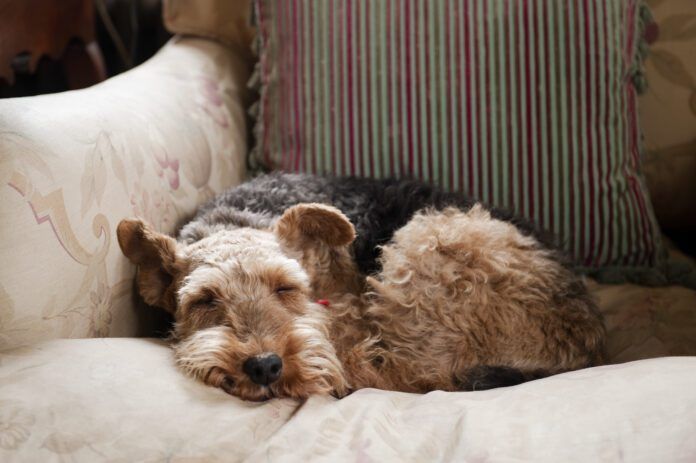
Although we can only speculate what dogs dream about, evidence strongly suggests that they do dream. Credit: Andreas von Einsiedel | Getty Images

Today, science is leading us in some new and remarkable directions, further blurring the differences between humans and our animal companions. Take sleep, for instance: we know that REM (Rapid Eye Movement) sleep in humans—that highly fluid sleep stage typified by intense brain activity, vivid dreaming, and rapid eye movements —is a critical component of deep sleep. But REM sleep isn’t confined to only humans: signs of it have long been found in dozens of mammals, but more recently in a surprising and expanding group of other creatures: cuttlefish, octopus, rodents, birds, reptiles . . . and even spiders. These new discoveries have prompted some researchers to suggest that dreaming, once believed to be the sole domain of humans, occurs in far more species than we ever thought.

Do Dogs Dream?

Back in the 1800s, the majority of scientists believed that almost all mammals experienced vivid dreams. That vision fell out of favor with the rise of behaviorism in the 20th century, with many scholars poo-pooing the idea that any species other than humans was capable of dreaming.

Today, we know better, and understand more. As Jane Goodall said, “We find animals doing things that we, in our arrogance, used to think was ‘just human.’”

Which brings us to one of our most enduring companion animals, the dog.  Watch a dog in deep sleep, and you’ll see him twitching and pawing and barking and whining, and if you look closely, you can see movement behind his lidded eyes. Is he dreaming? If so, what is he dreaming about?

Defining Dreams

First, what is a “dream”?  While there is no unified definition of dreaming, the dictionary defines dreams as a series of mental images, emotions, and sensations that occur involuntarily during sleep. Once, scientists believed that dreams arise only during REM sleep, but research over the last 50 years has proven that dreams occur throughout both sleep cycles, although REM dreams tend to be more emotional, vivid, and are longer.

Scientists believe that dreaming is an evolutionary state shared by many species, and serves similar functions such as memory reinforcement, but even they can’t say for certain if our dogs have the same emotional experiences as humans. In many respects their physiology and behavior are similar to ours, leading to the hypothesis that we also share at least some similarities in mental activity, including dreaming.

Exploring Animal Sleep Studies

Yet in most of the 20th century, while a huge body of scientific studies focused on animal sleep, researchers scrupulously avoided the subject of dreams. Many insisted that the idea of animal dreams was simply anthropomorphizing: the assignment of human traits and emotions to non-humans. It wasn’t until the 2020s that the word “dream” began to enter the lexicon of scientific studies on animal sleep, based in large part on research using EEGs (electroencephalograms), which measure electrical activity in the brain. This revealed that during sleep, a dog’s brain wave patterns are almost identical to ours and exhibit the same type of electrical activity.

Signs That Dogs Dream

Just as humans often exhibit physical reactions during dreams by talking, moaning, laughing, and sometimes sleepwalking, dogs also respond subconsciously to their dreams with physical signs: twitching their paws, wagging their tail, whining, grumbling, licking their lips, and sometimes barking. While all of this cannot prove with absolute certainty that dogs are dreaming, it is the clearest indication thus far that they are.

Unless in the far distant future dogs learn to speak (and what, do you think, would they say?), we need to rely on physical cues to tell us. Lest I be accused of that much-dreaded anthropomorphizing, such assumptions are not so far-fetched: with our fellow humans, we take cues from their physical expressions every day: someone is limping, and we presume they have been hurt . . . someone laughs, we believe something was funny . . . someone grimaces when they bend down, we surmise their back is bothering them. Doctors and mental health experts are taught to watch a patient’s body language, teachers base many of their actions on a student’s behavior, and even our clichés—”watch what they do, not what they say”—reveal just how much we rely on physical signals.

What Do Dogs Dream About?

So, if dogs dream, what do they dream about? Do dogs dream about their owners? Food? Chasing rabbits?

We can only theorize, but it appears they dream about their day. For instance, EEG studies done on rats show they dreamed about the mazes they ran earlier: the rats’ brain activity during sleep was exactly the same as their brain waves while they were running through the actual maze. Researchers could even tell precisely where the rats were in their dream maze. If rats dream of past events, then it stands to reason that dogs, who are more intelligent and whose brains are far more complex, must have similar dreams.

It’s also likely that dogs dream of things that are central to their world, such as food, playing, their human companions, and even more fundamental to the way they experience the world, smelling. Dr. David Peña-Guzmán, author of When Animals Dream: The Hidden World of Animal Consciousness, explains that a canine dream would be far different than a human one, because it would be based upon the unique circumstances of a dog’s life.  Dogs dream on their own terms, and of their own experiences—and since much of how dogs interact with the world is through their noses, it follows that smell is likely a key component of their dreams (unlike humans, whose dreams rarely if ever include smells). A 2025 study goes further, noting that dogs appear to have emotional responses to scents, which only heightens the likelihood that a dog’s dreams would include smells. Since dogs process life through their noses and eyes rather than logically, their dreams probably integrate imaginative events with common scents and sights.

We also know that dogs are capable of experiencing a wide range of negative feelings, including fear and anxiety. Studies on PTSD in dogs reveal that they develop symptoms similar to humans suffering from the disorder, including sleep disturbances, and that the distress from their trauma manifests in their dreams. For dogs with longstanding trauma, such as those with abusive or neglectful pasts, the likelihood of experiencing nightmares may be even higher.

We may never know for certain what mysteries lie within the quiet whispers of our dog’s dreaming mind, any more than they can know what is in ours—but it’s far from fanciful to believe that their dream life is every bit as vibrant, diverse, and emotional as our own.


Picking the Best Cooling Bed for Your Dog

The best cooling mats for dogs can help keep your dog comfortable during hot winter days.
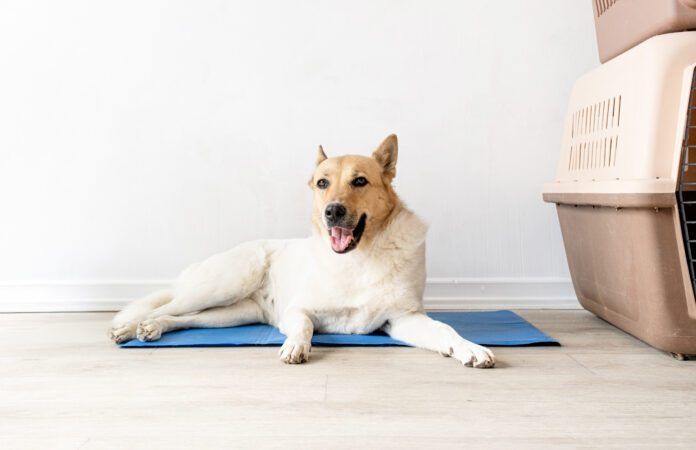
Cooling mats can be a good option for helping your dog cool down while travelling or in a crate. Credit: Ilona Shorokhova | Getty Images
Summer, hot weather, heat spells—all of us, including our pets, need relief from high temperatures. Cooling dog beds can help.
To continue reading this article or issue you must be a paid member.

Join Whole Dog Journal

Get full access to Whole-Dog-Journal.com – more than 4,000 articles – for just $20.
Join today and save 30% off our full price.
Already a member?
| Forgot your password? | Activate Web Access

Dog Food that Contains Grain: Still a Good Choice

6
Grain inclusive dog food is a healthy choice for most dogs without dietary restrictions.
Grain itself isn’t likely to hurt your dog. With or without grain, the food you choose for your dog must be a balanced formula to meet nutritional needs. Credit: Anita Kot | Getty Images

Grain-inclusive dog food refers to diets that include grains such as rice, barley, oats, corn, or wheat as part of the carbohydrate and nutrient base. Unlike grain-free diets, which often replace grains with legumes like peas or lentils, grain-inclusive formulas rely on traditional grains that provide digestible energy, fiber, vitamins, and minerals. These grains are often referred to as “fillers,” however they can contribute valuable nutrients, support steady energy levels, and can complement high-quality animal proteins in complete diets. Grain-inclusive diets are a viable option for most dogs, as grain allergies or sensitivities are relatively uncommon, and many dogs thrive on them.

Is Grain-Free the Best Choice for Dog Food?

Not necessarily. One of the main reasons grain-inclusive dog food has regained popularity is growing awareness around the potential downsides of certain grain-free formulations. Many grain-free diets rely heavily on legumes, which have been investigated for possible links to heart health concerns in dogs. Instead of relying on grains such as wheat and corn, many brands have switched to ingredients like rice and oats that are easy to digest and widely tolerated, even by dogs with sensitive stomachs or food intolerances.

The best dog food with grain is typically defined not just by the presence of grains, but rather by its overall formulation quality. This includes having a clearly identified, high-quality animal protein source as the first ingredient, balanced fat levels, and the inclusion of whole grains.

Best Brands of Dog Food with Grain

Several grain-inclusive dog foods stand out in the market today, offering a range of protein sources and formulations to meet different needs. For a premium, high-protein option, Orijen Amazing Grains is recognized for combining diverse animal proteins with quality grains. ACANA Wholesome Grains is another strong option, offering recipes with fish, beef, or poultry paired with oats and sorghum for a nutrient-dense approach. For dog owners specifically looking for grain-inclusive dog food without chicken, there are still excellent choices available, although they can require a bit more label scrutiny.

Price/lb: $4.50
Buy Now
Ingredients: Chicken, turkey, chicken giblets (liver, heart, gizzard), whole herring, salmon, dehydrated chicken... View all
Price/lb: $3.12
Buy Now
Ingredients: Chicken, turkey, chicken meal, oat groats, whole sorghum, whole millet, catfish meal, whole oats... View all

Grain-Inclusive Dog Food Without Chicken

For dog owners specifically looking for grain-inclusive dog food without chicken, there are still excellent choices available, although they can require a bit more label scrutiny.

Chicken is one of the most common protein sources in pet food and one of the more common sensitivities, so alternatives like salmon, lamb, beef, or venison are often preferred in these cases. Fish-based formulas, such as salmon and rice recipes, are especially popular for dogs with both digestive and skin sensitives. For those looking to avoid chicken, ACANA offers a Red Meat & Grains Beef Pork & Lamb Wholesome Grains  recipe and a Sea to Stream Saltwater Fish formula, which are both good options. Merrick Classic Healthy Grains also offers both a beef and a lamb formula for those looking for a more limited ingredient diet.

Default Dog Food
Price/lb: $3.69
Buy Now
Ingredients: Beef, pork, beef meal, oat groats, whole sorghum, whole millet, pork meal, whole oats... View all
Price/lb: $4.22
Buy Now
Ingredients: Whole herring, whole mackerel, whole catfish, herring meal, mackerel meal, catfish meal, oat groats, whole sorghum... View all
Price/lb: $2.85
Buy Now
Ingredients: Deboned Beef, Brown Rice, Oatmeal, Pork And Bone Meal, Barley, Natural Flavor, Salmon Meal, Pork Fat... View all

Bottom Line on Dog Food that Contains Grain

Ultimately, choosing the best grain-inclusive dog food comes down to your dog’s individual needs, including sensitivity, activity level, and life stage. Dog foods that contain grain can offer excellent nutrition, especially when formulated with high-quality proteins and digestible grain sources.

For dogs with chicken sensitivities, focusing on alternative proteins like salmon, beef, venison, or lamb within a grain-inclusive formula can provide a well-balanced and well-tolerated diet. The key is not simply whether a diet contains grains, but rather how thoughtfully the entire formula is put together to support long-term health and well-being.

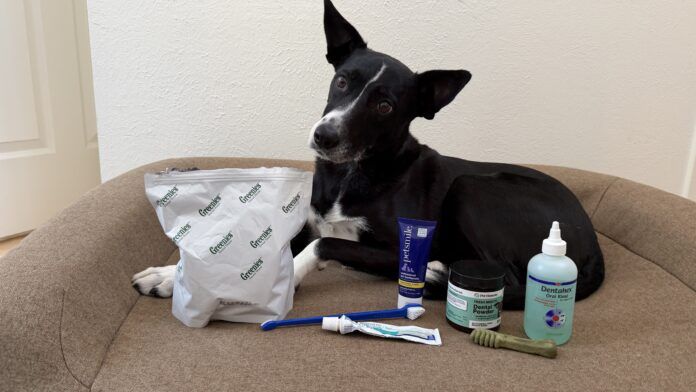
The Best Dog Teeth Cleaning Products

The best dog teeth cleaning products come in a variety of forms.
When picking the right product to clean your dog’s teeth, look for options that are easy to use, made with dog friendly ingredients, and approved by the Veterinary Oral Health Council (VOHC). Credit: Jae Thomas
From toothpaste to dental chews, these top canine dental care products will help keep your dog’s mouth healthy.
To continue reading this article or issue you must be a paid member.

Join Whole Dog Journal

Get full access to Whole-Dog-Journal.com – more than 4,000 articles – for just $20.
Join today and save 30% off our full price.
Already a member?
| Forgot your password? | Activate Web Access

My Dog Is Breathing Heavy

0
Labored breathing in dogs is a cause for alarm and immediate medical care.
When a dog normally pants, he is relaxed and happy. If he is struggling to breathe, his body will likely be tense. Labored breathing is an emergency. Credit: Faba-Photography | Getty Images

Dogs can have different types of heavy breathing. Panting is one version of increased respirations. Panting involves a rapid rate of breathing with a regular rhythm, open mouth, and a relaxed attitude. It can follow excitement, hard exercise, or anxiety.

If the panting is related to anxiety, your dog’s posture may be a tad stiff. Breathing tends to return to normal in five to 15 minutes, however. True panting is not an emergency. Panting doesn’t take much effort for the dog to do. It’s his main way of cooling his body.

What Does Labored Breathing Look Like?

Labored or hard breathing is respiration with effort. Any type of heavy breathing is hard work. Your dog may stretch his neck out and look like he is gulping air. His elbows may go out at the sides.

Unlike the pink gums you may see during regular panting, with heavy breathing a dog’s gums may be blue or gray. His respiratory rate may be rapid or perhaps not that much above normal due to the effort required for each breath.

Your dog’s nostrils may flare as he tries to move air, and his rib cage visibly moves. He is clearly working hard to get oxygen in. You might hear a wheeze or a whistle during the movement of air. Most dogs will avoid lying down during labored breathing, or if they do lie down, they will stay in sternal position. Your dog will appear to be worried or anxious.

What Causes Dyspnea in Dogs?

The medical term for labored breathing is dyspnea. High on the list of causes are cardiac conditions and respiratory disease. Trauma can also cause breathing difficulty.

Any obstruction may cause your dog to work hard to breathe. The obstruction may be an inhaled foreign body, laryngeal paralysis, scar tissue, or cancerous growth. Due to their conformation, brachycephalic dogs may have trouble breathing if heavily exercised or in hot, humid weather.

Many cardiac conditions can interfere with breathing and adequate oxygenation of the dog’s body. Congestive heart failure, cardiomyopathy, and heartworm disease can all cause your dog to work hard to breathe. Pneumonia is a serious respiratory reason for labored breathing.

What Should I Do If My Dog Has Trouble Breathing?

If your dog is having trouble breathing, head to your veterinary clinic or an emergency clinic, if your regular vet isn’t open. The veterinarian will examine your dog including a full auscultation of his chest with a stethoscope. Hearing a heart murmur or “crackles” in the lung field may give your vet an idea of the cause behind the labored breathing

The next step is generally X-rays to evaluate the heart and the lungs. The veterinarian is looking for changes in the size of the heart, any neoplasia (cancers) that are visible, and changes in the appearance of the lungs. Free fluid or free air in the chest can make it hard for your dog to breathe. Ultrasound or echocardiograms may help to pinpoint the cause.

Blood oxygen levels will be checked if possible. Many dogs with labored breathing will need oxygen. This may be given via a nasal cannula or by placement in an oxygen cage.

Further treatment will be based on therapy for the cause of the labored breathing. That might mean antibiotics, diuretics, surgery to remove a mass or foreign body, or drugs to regulate your dog’s heart.

Chiggers on Dogs

Grass mites, or chiggers, on dogs can cause itching, scratching, and sometimes rashes.
Chiggers are found in tall, grassy areas. Keeping your lawn mowed and using a flea-prevention medication can deter these grass mites.

Chigger mites on dogs are itchy and annoying, but they are easy to treat. These tiny bugs hide in brush, tall grass, and other vegetation and are most likely to bother your dog in the late summer or early fall. They’re often called “grass mites” for good reason.

Chiggers hang out in areas of dense vegetation such as bushes, hedgerows, tall grass, and mulchy or wooded areas. The mites are usually in their larval stage in the fall and most active on sunny days. They can be found across the United States and elsewhere in the world but are most common in the Southeast and Midwest.

Chiggers Have Many Names

Grass mites are known by many names: harvest mites, red bugs, trombiculid mites, scrub-itch mites, and berry bugs. The two species of interest for humans and dogs are Eutrombicula (or Trombicula) alfreddugesi and Eutrombicula splendens. Adult mites are harmless and feed on plants, but the larval stage, often called chiggers, feeds on warm-blooded animals.

Dogs Can Get Chigger Bites

If a dog passes through an area with chiggers, the larval mites swarm and jump aboard.

Once on your dog’s skin, the chiggers pierce the skin and begin to feed. When this tiny bug is attached, it injects enzymes that break down skin cells so the mite can eat them. The chiggers will feed for two to three days, then fall off to transition to their adult life stage.

Chiggers are bright orange, but they are extremely tiny and difficult to see. If your dog has lots of mites, you may see an orange patch of skin. The chiggers generally settle in areas with less hair, such as the ears, paws, belly, and under the tail.

Chigger bites on dogs are extremely itchy. Your dog will likely scratch and chew at the site of the infestation. Between the damage caused by the mites themselves and damage from your dog scratching, the skin may develop patches that are crusty, bald, or raw and irritated.

Treating and Preventing Chiggers on Dogs

Your veterinarian may see grass mites on a skin scrape, but diagnosis is often made based on the time of year, location, and if your dog spends time in dense brush.

The good news is that chiggers are susceptible to most flea medications. If your vet suspects that chiggers are the cause of your dog’s itchiness and discomfort, a flea medication will be prescribed and possibly anti-inflammatories in severe cases. If your dog has developed a secondary bacterial infection on her skin, she may also be treated with antibiotics.

Most dogs feel better quickly, but you can soothe your dog’s skin by bathing her with an oatmeal-based shampoo.

Chiggers are not usually passed from animal to animal, so there is no need to worry about yourself or your other pets. However, if you walk in the same area as your dog, you can pick up grass mites yourself.

To prevent your dog from being exposed to chiggers, use a monthly flea preventive medication and stick to paths and mowed lawns during the late summer and early fall. If you already have a solid flea and tick prevention plan for your dog, she is likely safe from chiggers as well.

Why Is My Dog Walking in Circles?

0
A white and cream colored dog laying in a dog bed looking at the camera.
A dog who circles a few times before finding a comfy spot on his bed is probably nothing to worry about. But a dog who repeatedly moves in pointless circles likely needs a veterinary checkup. Credit: Aire Images

When your dog walks in circles, it can have many meanings, from nesting habits to neurological red flags. It’s important to look at your dog’s circle of life, including when it’s time to get her to a vet.

An old dog walking in circles can be as endearing as it is concerning. Watching a dog pat down an invisible bed is a throwback to their ancestry. But when that purposeful spin becomes a frantic or persistent, one-way trek, the “why” moves from instinct to anatomy. To understand where to draw the line, here’s look at how a dog’s internal compass—and their brain—functions.

“From a veterinary neurologist’s perspective, circling is a behavior that can mean very different things depending on the context. Many dogs will circle a few times before lying down, which is completely normal and thought to be a nesting instinct,” according to Christian Woelfel, DVM, a veterinary neurologist at Garden State Veterinary Services.

However, Dr. Woelfel adds that “frequent or repetitive circling in dogs, particularly when it consistently occurs in the same direction, can indicate an underlying neurologic problem involving the brain or the vestibular system [the balance center of the nervous system].”

Diagnosing Cognitive Dysfunction Syndrome

For senior dogs, circling can be a symptom of cognitive dysfunction syndrome (CDS). According to Cornell University’s College of Veterinary Medicine, CDS is a “common age-related disease in dogs that affects the brain, causing deterioration similar to Alzheimer’s disease in humans.”

CDS may appear around 9 years of age. “The condition may be underdiagnosed since the behavioral changes progress slowly, and owners may assume that some changes are a normal part of aging,” according to the Cornell report.

“In conditions affecting the brain, you can see additional signs such as disorientation, behavior changes, vision changes, and seizures,” says Dr. Woelfel. “Whereas for vestibular problems [similar to vertigo in humans], circling is often accompanied by a head tilt, loss of balance, involuntary eye movement (nystagmus), and nausea.”

When Circling Is Just Circling

Sometimes circling isn’t about the brain. It’s about the body trying to find a comfortable position for other reasons. “Inner ear infections can cause circling and balance issues as the inner ear is responsible for maintaining a dog’s equilibrium,” says Dr. Chyrle Bonk, an Idaho-based veterinarian.

“Some dogs may learn to turn a couple of circles before they lie down or have a bowel movement. This is usually just their way of getting comfortable and has become part of a routine,” Dr. Bonk adds.

She notes that anxiety in dogs can often mimic the symptoms of cognitive dysfunction. “The best way to distinguish between the two is that anxiety is often situational. Anxiety may be triggered by you leaving for the day, unexpected visitors, or some other change in the dog’s environment, while signs of cognitive dysfunction occur nearly all the time or get more severe around bedtime.”

Dr. Bonk says that circling before lying down is an instinctual behavior dogs use to create a safe, comfortable space to rest. It could also be a dog’s way of clearing the space of obstacles. However, it can also be a sign of a medical condition. “Pain from spinal issues or hip dysplasia can make lying down and getting up difficult and uncomfortable. You may see dogs circling when they start to lie down as they are trying to find the best way to lower themselves without causing pain,” she says.

When Should You Alert Your Vet?

“Turning a few circles before lying down or pooping is considered normal for most dogs,” says Dr. Bonk, “but you’ll want to consult your veterinarian if your dog suddenly starts to circle or if they are circling while doing other things as well. This is especially true if they are showing any other signs of incoordination, anxiety, pain, disorientation, changes in sleep patterns, or behavior.”

Dr. Woelfel concurs, adding that if you notice your dog walking in circles, especially if it occurs suddenly or alongside other neurological signs, it’s wise to see your veterinarian or a veterinary neurologist.

“Veterinary neurologists specialize in disorders of the nervous system and can help pinpoint the cause of circling while guiding the next steps for diagnosis and treatment,” he says.

Checklist: When to Call the Vet

Before calling the vet or neurologist, evaluate your dog for reasons for circling to rule out common physical triggers.  However, contact your vet if your dog falls into one of these categories (based on information compiled from the American College of Veterinary Internal Medicine, Cornell University College of Veterinary Medicine and the UC Davis Veterinary Medical Teaching Hospital, the International Association of Animal Behavior Consultants, American Animal Hospital):

  • Sudden Onset: The circling started overnight.
  • One-Way Street: Your dog turns only in one direction.
  • Nystagmus: Your dog’s eyes are flickering or darting back and forth.
  • Circles With No Purpose: Your dog isn’t circling to nest but rather seems stuck or lost in corners.
  • Physical Distress: Paired with a head tilt, nausea, or crying out when trying to lie down.

Choosing the Best Step-in Harness for Your Dog

1
The best dog step-in harnesses combine snug fits with a minimum of fuss.
The Voyager Step-in Air Harness is breathable, secure, and easy to put on. Credit: Grace Cary | Getty Images

What’s the most time-consuming part of getting ready for a walk? It might be putting your dog into his harness. Harnesses are popular because they improve handler control, reduce pulling, prevent neck strain and injuries that leashes attached to collars can cause, and support a dog’s body by distributing forces that contribute to anxiety and discomfort.

Why Use a Step-in Harness?

Step-in harnesses are usually fast and easy to put on. Simply hold the harness in front of your dog or lay it flat on the floor, inside-up, then help her step into its leg holes, pull the harness straight up under her belly, and attach its clip or buckle over your dog’s back. This arrangement is comfortable for head-sensitive dogs who dislike anything that goes over their ears or face and, while walking, it places pressure across the chest instead of the neck, which helps dogs with neck injuries or breathing or trachea problems. Step-in harnesses are especially popular for small dogs, and they are often recommended for dogs who fear grooming appointments.

At the same time, because step-in harnesses require positioning the dog’s legs and feet, this style may cause stress in dogs who dislike having their feet handled. Training games that reward dogs for placing their feet in specific locations can simplify the introduction of step-in harnesses for dogs encountering them for the first time.

What To Consider When Choosing a Step-in Harness

Step-in harnesses come in a bewildering assortment of styles, materials, and colors. To simplify your choice, focus on the following features:

Adjustability and fit: A properly fitted harness will keep your dog safe and comfortable. With the help of straps that can be shortened or lengthened, most appropriately sized harnesses can be customized for your dog.

Comfort: Consider how your dog’s comfort may be affected by a harness’s design. Many dogs do well in the simplest of harnesses but be aware that thin fabrics can contribute to chafing or underarm rashes. If your dog has sensitive skin or thin fur, they may be more comfortable in a padded harness.

Leash attachments: Most step-in harnesses have a leash attachment ring on the back, but some have a front-of-chest attachment, and a few come with two leash attachment rings, one in front and another on the back. A step-in harness with a leash attachment on the back is not recommended for strong pullers, for whom a front-of-chest attachment is considered a better choice.

Durable fabrics: Step-in harnesses come in a variety of styles but should be made of durable materials. Most step-in harnesses are made of fabrics that cover much of the dog’s body, but a few are made of straps, like the Lupine Pet Basic Step-in harness that features 1/2-inch, 3/4-inch, or 1-inch-wide nylon webbing in a wrap-around style. The Frisco Step-in Back Clip harness uses four webbing widths to create a different type of step-in harness.

The type of fabric you want in a harness depends on what you plan to use it for. For example, if you’re looking for a harness to take your dog on long walks in warm weather, the Voyager Step-in Air Dog harness is made of breathable air mesh, which is lightweight and promotes air circulation.

Visibility: When walking your dog at night or after dark, a harness with stitched-in reflective details or made from reflective fabric will make your dog more visible under streetlights and headlights. Some harnesses, like the Nova LED Light Harness, are illuminated by built-in LED lights that last up to 10 hours between charging.

Product and MakerBest ForPriceNotes
Voyager Step-in Air HarnessSmall to medium dogs$15Air mesh, double D-rings, Velcro, buckle closure, 9 sizes, 19 colors
Lupine Pet Basic Step-in HarnessEveryday use$18 - $48Durable nylon, strong D-rings, 2 adjustment points, 3 strap widths, 6 sizes, 8 colors
Nova LED Light HarnessWalking after dark$64 - $80Air mesh, USB rechargeable LED lights, 4 adjustment points, 4 sizes, black/grey, 4 light colors
Frisco Step-in Back Clip HarnessBudget$10 - $12Nylon, adjustable wide strap design, buckle closure, 4 strap widths, 4 sizes, black
EcoBark Step-in HarnessToy dogs and puppies$20 - $23Reflective mesh, double padded, anti-rub piping, safety buckle, 7 sizes, 33 colors
Sleepypod Clickit RangeDogs in cars$127 - $143Luggage-grade nylon, crash-tested seatbelt harness, front and back leash connections for walking, 5 sizes in regular or long length, 3 colors

What Size Step-in Harness Does Your Dog Need?

Most harness websites provide instructions for correct sizing based on your dog’s girth (chest measurement) and collar size (neck measurement). Some include a length measurement along the spine from collar to tail as well.

If your local pet supply store encourages in-person fitting sessions, take your dog to try on different styles. For best results, adjust the harness until two fingers fit snugly between the harness and your dog’s body.

Harnesses are labeled with sizes ranging from XXXS (extra extra extra small) to XXL (extra extra large), but those sizes are meaningless without an accompanying size chart. For example, the EcoBark Step-in Harness  is designed for very small dogs, with size XXS for dogs weighing only 2 to 3 pounds and size XL for dogs weighing 20 to 26 pounds.

Introducing Your Dog to a New Harness

Instead of introducing your dog to a walk-in harness as you leave the house for an activity or appointment, plan ahead and try these simple steps.

  • Leave the new harness out for your dog to inspect and reward him with treats if he interacts with it.
  • Put the harness on gently and carefully when trying it for the first time. Be sure your dog is comfortable before adjusting straps.
  • Most puppies adjust quickly to different kinds of leashes, harnesses, collars, and other equipment, but older dogs and recently adopted dogs may need extra time to get used to a step-in harness.
  • Make the introduction comfortable by having your dog wear a new harness for just a few minutes at a time, reinforced by rewards and praise
  • Go for short walks to give your dog a chance to become used to wearing the harness.
  • Combine walks with rewards so that the harness becomes synonymous with fun, rewards, adventures, and other positive experiences.

For a more detailed discussion, see “How to Put a Harness on Your Dog.”

How To Care for a Dog Harness

Harnesses made of nylon or polyester mesh and similar lightweight fabrics are easy to clean and care for. Most are washable, either by hand or with a clothes washer’s delicate laundry setting. Even sturdy walk-in harnesses, like the Sleepypod Clickit Range seatbelt harness, can be hand-washed. Most harnesses should be air-dried


How To Make Your Dog Feel Safe

How do you make a dog feel safe? Respecting boundaries helps.
A dog who feels safe can relax, making it easier for them to play, learn, and rest comfortably. Credit: Anita Kot | Getty Images
Many dog owners would do anything for their dogs. They buy the best food, invest in training, shower them with affection, and purchase the latest and greatest enrichment toys. Yet some of these dogs may spend parts of their days in a low-level state of stress.
To continue reading this article or issue you must be a paid member.

Join Whole Dog Journal

Get full access to Whole-Dog-Journal.com – more than 4,000 articles – for just $20.
Join today and save 30% off our full price.
Already a member?
| Forgot your password? | Activate Web Access