
To continue reading this article or issue you must be a paid member. Sign in

Join Whole Dog Journal
Get full access to Whole-Dog-Journal.com – more than 4,000 articles – for just $20.
Join today and save 30% off our full price.

Subscribe
The best in health, wellness, and positive training from America’s leading dog experts
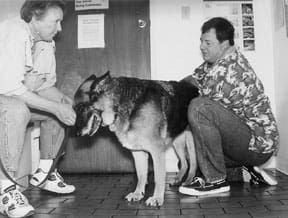
Over the years I have treated literally thousands of animal patients for allergic problems, using both Western and alternative medicine methods. I have a multi-tome library of books devoted to the subject of allergies, and my allergy file-folders bulge with articles from dozens of professional journals, magazines, and websites.
Still, I am searching for answers.
The more I think I know about dog allergies, the more I read and learn about them, the more confused I get. Nothing I have tried therapeutically works with all my patients; some patients get better with hardly any effort on my part; others finally respond to my third or fourth treatment protocol (or 9th or 10th); and some never respond, no matter what I try.
Often, as I try to figure out how to give some semblance of relief for a dog’s itches, it feels like the three of us—the dog, the dog’s caretaker, and I—are stuck in the midst of a huge maze, blindly trying to find our way to the outside. And, while there may be some general rules that can help get us through the majority of the mazes, each and every allergic patient has its own unique construct, and the pathway through the maze is likely to be very different for every individual.
The following pathway in this article is meant to help you navigate most cases of dog allergies, most of the time.
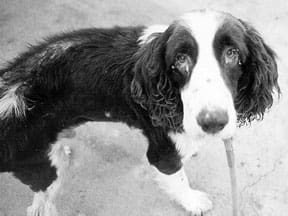
Allergies can present as a variety of symptoms, but in the dog, the most common symptoms occur as skin irritations: itching, scratching, digging, and gnawing at the skin, often to the point of creating open raw wounds over large areas of the body. Chronic ear infections are another common symptom. Occasionally dogs will have respiratory symptoms such as coughing, sneezing, or a nasal or ocular discharge. Food allergies may produce, in addition to skin irritations, vomiting and/or diarrhea. Symptoms can extend to include epileptiform seizures, and many holistic vets feel that allergies can ultimately result in chronic diseases such as arthritis, asthma, chronic urinary tract infections, inflammatory bowel disease, etc.
Interestingly, whereas dogs typically have itchy skin symptoms, a human allergic response usually produces respiratory symptoms. An estimated 10 percent of the human population may be allergic to animals (the rate for being allergic to cats is about twice as high as for dogs); a higher rate of 20 to 30 percent of individuals with asthma have pet allergies.
It has been estimated that more than 70 percent of all skin conditions in dogs are allergy-related, but every allergic patient presents a unique diagnostic challenge, and merely deciding which diagnostic tests should be run can be the most challenging of all our decisions. The following suggestions will help you determine which of the myriad causes might be responsible for your dog’s allergies. From this information, you and your holistic veterinarian can determine the best therapeutic action(s) to take.
In a nutshell, allergy is the result of an immune system that has, for one reason or another, turned against the self. Sometimes, this reaction seems instantaneous, as when a dog receives a food that contains something to which he is allergic, and he breaks out almost immediately with rashy, itchy skin. But frequently, allergies may become made evident in your dog only after “gestating” for a long period, as long as four years or more. It can thus be almost impossible to pinpoint the exact cause that has instigated the symptoms.
We know there is a genetically derived propensity for developing allergies, but of course, there’s not much you can do about this after the fact, after your dog’s allergies have already begun to surface. About all we can do is to support breeders who select individuals for immune competence, Zheng Chi vigor, healthy vital force, or for any of the health-giving attributes necessary for long-term, holistic well-being.
Make fleas flee. Most studies indicate that fleas are the number one cause of contact dermatitis in the canine species. So, it makes sense to look for fleas first, and if they are present, to use a low-toxic way to lower their numbers in the environment—in as natural a way as is possible.
However, if your dog is highly allergic to fleas, you may not have the luxury of taking your time to reduce flea populations. In these cases, a careful, limited use of the highly effective (and sometimes dangerous) “spot-on” pesticides may be necessary to quickly eliminate the flea population. This can give you time to improve his overall health and ability to withstand an occasional flea bite. Of course, a blind and sole reliance on pesticides is not recommended.
Treat skin lesions. A holistic approach to allergies understands that external, skin symptoms are merely an outer manifestation of something going wrong inside. This is contrary to the conventional Western medicine way of thinking in which, often, only the symptoms are attacked, with little or no concern for the underlying cause.
That said, you must tend to the skin lesions, possibly with topical medications and/or soothing baths, as you work your way through the diagnostic and medical challenges of the allergic case. My favorite topical medicine for almost any skin lesion is to apply a spritz made from a tea brewed from calendula flowers (Calendula officinalis), several times a day, directly to the lesion. Other herbs such as chamomile (Matricaria chamomilla or Anthemus nobile), yarrow (Achillea millefolium), lavender (Lavendula officinalis), and mullein (Verbascum thapsus) may also be added to the herbal brew.
In every case of dog allergies, I initiate immediate treatment of the dog’s gastrointestinal system. As we heal the gut, we in turn enhance the immune system—recognizing that a good portion of the immune system is located in the gut wall. A balanced immune system helps the dog deal naturally with any allergen that may be causing allergic reactions, whether this allergen is contact (skin-induced), inhalant (respiratory induced), or gut induced (food allergy). It’s been my experience that if we can get the immune system balanced, most, if not all allergies, tend to go away.
Further, though I have not seen any studies that confirm this, experience has proven to me (and many other veterinarians) that some animals are allergic to the preservatives, artificial flavors, and/or artificial colorings found in some commercial dog foods. Oftentimes a simple upgrade to a higher quality diet without artificial ingredients eliminates the allergies.
I treat this “gut-check” step much as I would a confirmed case of Inflammatory Bowel Disease. Here’s where your holistic practitioner can help devise a protocol that is definitive for your dog. My general approach is to detoxify first, probably with a mild herbal laxative such as aloe (Aloe vera), or senna (Cassia spp.). Then I add herbal liver helpers such as dandelion root (Taraxacum officinale), and milk thistle seeds (Silybum marianum). I’ll also try to return the gut to a normal flora by adding beneficial bugs (Lactobacillus and other so-called probiotics) and increasing the dietary fiber.
As I am working with the gut, I will try to enhance a balanced immune system using herbs such as echinacea (Echinacea spp.) or Siberian ginseng (Eleutherococcus senticosus). Immune enhancing supplements including vitamins C and A and zinc may also be helpful.
Essential fatty acids (EFAs) are a group of chemicals found in some foods, and some of them can be converted into beneficial prostaglandins. At the top of the beneficial list are the Omega-3 EFAs found in flax oil and deep sea fish such as salmon, haddock, and cod, and gamma-linolenic acid (GLA), found in evening primrose, borage, and black currant seed oil. A combination of the Omega-3s and GLA seems to have the most potent effect.
A natural anti-inflammatory or cortisone-like herb such as licorice root (Glyceriza glabra) may enhance the adrenal gland and also take some of the itch away.
Many of the holistic vets I know have found that an addition of some raw meat to the diet often alleviates the symptoms. Interestingly, in what may seem to be a paradoxical finding, I’ve had several animals who tested as allergic to a specific meat eliminate their allergies when we’ve added that particular meat (raw) to the diet. Note that these have all been animals that were treated beforehand to enhance their gut immunity, with the above inflammatory bowel protocol.
Realize that in this protocol we are simply upgrading the diet and adding anti-inflammatory and immune-enhancing nutrients. This is not a “food elimination” test for food allergies – a test that we might consider down the road, if these first steps don’t seem to work. A true food elimination diet is more complex than this and will take at least two months of a strict dietary regime before we’ll have a diagnostic answer. 
There is a certain amount of discipline involved with setting aside the obvious skin condition for a time while you change diets and add supplements, while you begin to think in terms of whole-body, long-term effects of whatever therapies you will use in the future. Not everyone has the time, patience, or forbearance to go through a holistic protocol for treating allergies, and it’s a waste of time for everyone concerned to try to force a holistic protocol on someone who only wants a quick fix.
If we don’t have much luck alleviating symptoms after we’ve eliminated the fleas and changed the diet, then we are confronted with further challenges.
A dog (or any animal) may become allergic to almost any substance that exists in the real world. Furthermore, there are many diseases—external parasites, fungal or bacterial infections, hormonal conditions (hypothyroidism in particular), to name just a few—that create very similar symptoms to those caused by allergies.
The challenge is to figure out which substance, bug, or agent is creating the allergic response—and we may not be able to determine that substance. Not ever. Or we may be lucky and find a diagnostic test that elucidates the one cause of the allergy, and all we have to do is either eliminate this one cause from the dog’s environment or create an inner environment whereby he can counter the cause.
Using the Western medicine approach, we might decide that a complete blood count and blood chemistry would narrow our list of possible causes. A thyroid panel might also be helpful, but remember that animals will often test low for thyroxin (T-4) whenever they are sick (as with allergies). So, a low T-4 may only indicate an animal suffering from allergies; not an animal that is hypothyroid.
Oftentimes these tests are more helpful for eliminating potential causes than they are for creating a specific diagnosis. And my usual caveat for testing definitely applies here: “Only do those diagnostic tests that, depending on their outcome, will change your treatment protocol. To do otherwise is a waste of time and money.”
There are two basic types of allergy testing for specific causes: skin and blood testing. The skin test injects small amounts of potential antigens into the skin, and the practitioner looks for an excess reaction around the injection site—indicating a possible allergy to the injected substance. Various blood tests, such as the RAST (radioallergosorbent) and ELISA (enzyme-linked immunosorbent assay) tests, check for antigen-induced antibodies in the dog’s blood. If we can identify a specific allergen from the testing, we can then desensitize the patient by injecting small doses of the allergen over a period of time—often extending over several years.
However, all of these tests have problems inherent in their design, and depending on their personal experiences with them, practitioners either “swear at” or “swear by” them. Part of the problem is that the tests are not very accurate; false positives and false negatives are common. Furthermore, and this may be an even worse problem, when we do determine what substance a dog is allergic to, we may conclude that we won’t be able to eliminate or reduce his exposure to the allergen anyway.
For example, say that tests indicate that your dog is allergic to house dust and the oak trees that grow naturally all around your neighborhood. To avoid all of this dog’s allergies, we’d have to sterilize the house and deforest the town—not practical solutions!
Even the pathway we choose to take when we decide which medicine to use is not an easy or clear-cut choice. Whatever medical system we opt to use, we need to understand that each method has its way of looking at health and disease (its diagnostic and treatment paradigms) and its own set of advantages and disadvantages when treating allergies.
Conventional Western medicine’s paradigm is to confront the disease with biochemical methods (think war metaphors) and to palliate the symptoms so the patient looks well on the surface. Western medicine’s most common therapy for allergies is to use either one of the glucocorticoids or an antihistamine. Glucocorticoids have a litany of adverse side effects, especially when used for prolonged periods, and antihistamines can adversely affect a number of body systems in many patients. On the other hand, both these drug categories are fast-acting and are powerful at palliating the itchy skin symptoms.
There has been a recent spate of newer, non-steroidal drugs on the market. Most of these are simply another way to shut down the immune system’s overreaction. The problem is, of course, that no matter how we do it, when we shut down the immune system (rather than attempting to balance or enhance its ability as we do with alternative medicines), we have opened the door to infections and other complications of a nonfunctioning immune system.
Atopica (cyclosporine), a drug sold by Novartis, is an interesting example. Its package insert lists the following adverse reactions: vomiting (30.9 percent); diarrhea (20 percent); persistent otitis externa (6.8 percent); urinary tract infection (3.8 percent); gingival hyperplasia (2.3 percent); and lymphadenopathy (2.3 percent). Contra-indications include “dogs with a history of malignant neoplasia” (hmm), and according to the insert: “killed vaccines are recommended for dogs receiving Atopica because the impact of cyclosporine on the immune response to modified live vaccines is unknown . . .” (double hmmm).
Way back in the 1980s, cyclosporine was used as immunosuppressive therapy to eliminate organ rejection during organ transplantation. Its mechanism of action seems to be to suppress the activation of CD4 Helper T (lymphocyte) cells – that is, it has a mechanism of action different from the glucocorticoids, but with basically the same result: immunosuppression.
Homeopathy works with the patient’s inner vital force, to enhance the ability to dispel any disease, including allergies. Homeopathic medicine is typically slow to work, and (at least in my experience when treating allergies) it is critical to find the specifically appropriate remedy that matches the totality of symptoms (“classical homeopathy”) – a process that can take many months.
Homeopathic remedies may cause aggravations, and unfortunately the aggravations often take on the appearance of a recurrence of the skin symptoms. It can be difficult to differentiate between a homeopathic aggravation (a good sign) and a worsening of the condition. Homeopathic cures are typically whole-body and long-lasting, although many of my patients have needed to re-dose their remedy every few months or so.
Acupuncture works by balancing the patient’s chi. In the case of allergies, the chi is overly active and needs to be calmed. “Zheng chi,” as the corollary to the immune system, is also enhanced.
In my experience, acupuncture almost always takes at least four or five treatments before we can determine its effectiveness, and the total number of treatments may reach a dozen or more. Most of my allergy patients need to return for follow-up acupuncture treatments on a periodic basis, usually a few times a year.
Although there are times when a simple herbal remedy is exactly what an allergic patient needs, I often find herbal remedies to be very mild in action and slow to work. I find them most helpful in enhancing and balancing specific organ systems that are under duress from the allergic condition.
I’ve seen many cases of localized skin lesions that have responded favorably and rapidly to chiropractic. Presumably, when a vertebra is out of alignment, the irritation to the associated nerve endings sends a sensation to the skin area that the dog interprets as, “Dang, that itches!” And so he scratches and bites until the chiropractic treatment readjusts the vertebral alignment.
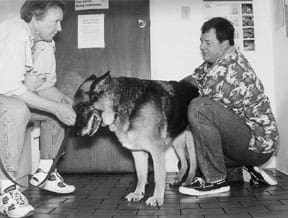
There are a number of other therapies that occasionally surprise me with their effectiveness, especially flower essences, which work to balance the emotions, and aromatherapy, which works at a subtle inner-brain level. There are several methods that utilize various forms of applied kinesiology as an aid to both diagnosis and treatment. (Applied kinesiology tests the body’s reaction to a substance to determine if the subject is allergic to it, and it can also be used to “test” for the expected effectiveness of treatment preparations.)
Perhaps the most important concept to be clear with here is that Western medicine’s way of diagnosis (and its philosophy of treatment) is very different from alternative medicine’s methods. When a Western-trained practitioner sees an allergic animal, he immediately visualizes the biochemical symbols that are running amok, and his plan of attack is to use chemicals to block the out-of-control biochemical reactions.
An acupuncturist, on the other hand, might see an allergic response as an imbalance of energy or chi, specifically “Zheng chi” or “Righteous chi,” the Traditional Chinese Medicine correlate to the immune system.
Part of the acupuncturist’s thera-peutic approach, then, will be to enhance the Zheng chi, the life force that maintains homeodynamic bal-ance and produces optimal health.
My general treatment protocol for allergies, then, would look something like this:
It has been said that sometimes, along our journey to wellness, we need to see and feel how it looks and feels to be well, so we can try to get back to this place. Sometimes I get the feeling that dogs affected with allergies—after perhaps months of itching and scratching, of evident pain and sleep loss—have forgotten how it feels to be well. With these cases, I think it is important to let them experience wellness, however briefly, even if it means that we may have to resort to types of medications such as glucocorticoids and/or antihistamines that I would ultimately like to avoid.
I think we need to approach allergies (and other chronic diseases) with an under-standing that the treatment protocol we choose will likely require time, effort, and discipline; that we may never be able to come up with a treatment regime using a linear-logical approach; and that, in the end, we may not truly find our way out of the maze of allergies, no matter what we try.

Two years ago, WDJ published an excellent two-article series about flea control by Kathleen Dudley. The first article (“Are Spot-On Flea Killers Safe?“, February 2002) discussed the potential dangers of using pesticides. The second (“Eliminate Fleas Without Poisons,” March 2002) gave readers numerous non- and low-toxic tools they could use to control flea populations in their homes. The latter article mentioned, quite briefly, something called a “light trap,” which is supposed to attract and trap fleas.
I decided to test light traps a few months ago, when warm spring temperatures seemed to cause a resurgence of fleas in the editorial office of WDJ – which is on the ground floor of my home in a part of California that is famous for fleas. Plus, I have a more or less constant stream of potentially flea-bearing dogs coming through my home and office: dogs belonging to friends and relatives, and models and “test” dogs who try out products for us. Also, I have an indoor/outdoor cat, whom (I’m sure) helps carry fleas from here to there around my neighborhood. After seeing my long-haired Chihuahua scratch and finding a couple of fleas on him, I decided that my office would make a perfect test of these products.
I searched through a pile of pet supply catalogs and found two products appearing in a number of them. I ordered both from Jeffers, which advertised the lowest price.
Here’s how these products are supposed to work: A small electric light bulb – the size that goes into the average night light, or old-fashioned Christmas tree lights – is suspended by a plastic case over a tray that contains a super-sticky pad. Fleas are attracted to the light, heat, and supposedly, infrared rays of the bulb, and jump toward it, landing on and adhering to the sticky pad.
I kept the flea traps plugged in (there is no on/off switch on either product) for two full months. I positioned them about a foot apart, on the carpeted floor between my office door and Mokie’s crate. Mokie sleeps in my office at night, in a sleeping bag-style bed in the crate, and he’s in and out of the office all day, as are all my guest dogs. The directions of both products suggested placing the traps as close as possible to the places where pets sleep and walk.
But in two months, neither trap caught a single flea – and not because there weren’t fleas here. Using a flea comb, I removed fleas from both Mokie and my cat throughout that time. Not a lot, but at least a dozen or so per week. In addition to the combing, I employed a number of other nontoxic flea-control techniques – baths for the animals and frequent vacuuming and floor-washing.
The traps did attract and kill a few other insects, including flies, tiny gnats, and one ant. Worried that the sticky pads in the traps were not sticky enough to catch fleas, I once dropped a flea that I had combed out of Mokie’s fur onto one of the pads. It stuck! But after walking past the traps wearing white socks and seeing two fleas jump onto my socks – and not toward the traps – I had to conclude that these products are not helpful in attracting (and thus controlling or detecting) a light flea population.
I didn’t test the traps in the face of a heavy flea infestation, but given their poor performance in this test, I would choose more effective options if my home and workplace was overrun by fleas.
[Updated January 9, 2019]
1. Understand that there is no way to separate the glucocorticoids’ antiinflammatory activity from their immunosuppressive activity.
2. Whenever glucocorticoids are used for prolonged periods, “wean” your dog off them gradually.
3. Consider using natural alternatives when possible, such as herbs, acupuncture, homeopathy, and a lower-stress lifestyle.
Corticosteroids are perhaps the most enigmatic of all the drugs in the western medicine man’s arsenal. It has been said by many practitioners that they are the most used and most abused of all our medicines. Corticosteroids are a necessary component of a healthy physiology and they can be life saving…or they can cause multiple adverse side effects that can be devastating to a dog’s health and well-being. Since this class of biochemicals affects nearly all cells of the body, their beneficial effects can be widespread – and their adverse effects may be totally debilitating and long-lasting.
So who are these guys that can seemingly wear both white and black hats at the same time?
Naturally occurring corticosteroids are a class of steroid hormones that are produced in the cortex (thus the “cortico” prefix) of the adrenal gland. The adrenal medulla (inner part) manufactures epinephrine and norepinephrine, the hormones responsible for the “fight or flight” reaction, among other functions. Corticosteroids are made from the same steroidal chemical base that also produces the male and female sex hormones and the androgenic steroids made famous by athletes who want to enhance their muscle mass. However, the corticosteroids are slightly different from the androgenic and sex hormones in their chemical structure, and they are very different in the ways they affect the body.
Corticosteroids are further divided into two major classes of compounds: mineralocorticoids and glucocorticoids.
Mineralocorticoids are a vital component of the body’s hormonal balancing system, even though they make up only a small portion of the overall mix of the corticosteroids in the body. Mineralocorticoids function in the kidney (in the distal tubules) where they stimulate the exchange of sodium and potassium – increasing renal excretion of potassium and increasing resorption of sodium, which in turn helps maintain the body’s water balance by increasing resorption of water.
The principle steroid with mineralocorticoid activity is aldosterone. Cortisol, the major “natural” glucocorticoid in dogs (and other non-rodent species) has weak mineralocorticoid activity. But in the natural state, cortisol’s mineralocorticoid activity is of some importance because, in the healthy animal, there is so much more cortisol secreted than aldosterone.
The name glucocorticoid derives from early observations that these hormones were involved in glucose metabolism. The vast majority of glucocorticoid activity in most mammals is from cortisol, also known as hydrocortisone.
Since synthetic glucocorticoids are used extensively in veterinary therapy, this article will focus on them.
Glucocorticoids (especially cortisol, the predominant natural glucocorticoid) stimulate several processes that collectively serve to increase and maintain natural conversion of glucose. These effects include:
• Stimulation of gluconeogenesis, the synthesis of glucose from other sources such as amino acids (protein building blocks) and lipids (fats). Glucocorticoids stimulate the enzymes that enhance this process, especially in the liver.
• Mobilization of amino acids from tissues, generating a substrate for gluconeo-genesis.
• Inhibition of glucose uptake in muscle and fatty tissue, thus conserving glucose.
• Stimulation of fat breakdown, releasing fatty acids, which provides energy to various tissues and adds more substrate for gluconeogenesis.
Glucocorticoids have potent anti-inflammatory and immunosuppressive properties. These are the primary medicinal uses of the glucocorticoids and will be discussed more fully below.
Glucocorticoids also have multiple effects on fetal development, including their role in promoting maturation of the lung and production of the surfactant necessary for lung function immediately after birth.
Excessive glucocorticoid levels resulting from administration as a drug or hyperadrenocorticism (Cushing’s disease) have effects on many systems. Just a few of the examples include inhibition of bone formation, suppression of calcium absorption, and delayed wound healing. Note that these effects suggest that there probably are many physiologic roles for the glucocorticoids that we are not yet fully aware of. Also note that these effects can occur from drug administration, and most of them are ultimately detrimental to health and healing.
Insufficient production of cortisol is called Addison’s disease (or hypoadreno-corticism). This disease may be caused by autoimmune destruction of the adrenal cortex or as the result of infectious disease and is often accompanied by an aldosterone deficiency. Aldosterone deficiency can be acutely life threatening, causing severe electrolyte imbalance and loss of normal cardiac function. Other signs of Addison’s disease include weakness and lethargy, diarrhea, and cardiovascular disease.
Acute hypersensitivity (bites and stings)
Allergic bronchitis
Atopy (skin condition)
Chronic bronchitis
Degenerative joint disease
Encephalitis Eosinophilic granuloma complex
Eosinophilic GI disease
Flea allergy dermatitis
Heartworm pneumonitis
Intervertebral disk disease
Parasite hypersensitivity reaction
Urticaria (itchiness)
Uveitis
Abortion
Alopecia – loss of hair
Calcinosis cutis – calcium deposits in the skin
Delayed wound healing
Diabetes mellitus
Gastrointestinal ulceration
Growth suppression
Hyperlipidemia – excess fat in the blood
Latrogenic hyperadrenocorticism – Cushing’s disease
Immunosuppression – secondary infection, infections that worsen
Insomnia, agitation, behavioral changes
Insulin resistance
Ligament and tendon rupture
Muscle atrophy
Osteoporosis
Panting
Polyphagia – excess hunger
Polyuria (excess urination) or polydipsea (excess thirst)
Proteinuria – excess loss of protein in the urine
Psychosis or behavioral changes
Seizure threshold lowered
Skin thinning
Metabolic: Increase gluconeogenesis and protein breakdown; antagonize insulin activity; mobilize free fatty acids
Cardiovascular: Vasoconstriction
Gastrointestinal and liver: Induce alkaline phosphatase enzyme (blood chemistry tests routinely reveal an elevation of this enzyme when glucocorticoids are being used therapeutically); decrease calcium and iron absorption; promote fat and glycogen deposition in the liver; increase secretion of digestive hormones; alter mucin structure
Kidney: Increased glomerular filtration rate; promote water, sodium, and chloride retention; increase potassium and calcium excretion
Neurologic and muscular: Euphoria or behavioral changes; muscular atrophy; muscular weakness
Endocrine: Decrease ACTH production; suppress thyroid-stimulating hormone and T-3 and T-4 concentrations
Inflammatory and immunologic: Decrease prostaglandin and leukotriene formation; inhibit mononuclear phagocytosis and chemotaxis; decrease cytokine production; depress cell-mediated immunity
Miscellaneous: Stimulate appetite; inhibit fibroblast proliferation and collagen synthesis; accelerate bone resorption
Cortisol and other glucocorticoids are se-creted in response to adrenocorticotropic hormone (ACTH) from the anterior pituitary gland. The secretion of ACTH is in turn under the control of the brain’s hypothalamic peptide, corticotrophin-releasing hormone (CRH), creating a classic hypothalamic-pituitary-adrenal axis of control over the ultimate secretion of the glucocorticoids. It is important to recognize that, in the natural state, the brain (hypothalamus) is the primary controlling organ, and whenever the animal is stressed, there will be increased production of cortisol.
Any form of glucocorticoid (whether drug-induced or endogenous – from stress, for example) exerts a negative feedback on this axis and shuts down further secretion of the glucocorticoids. The negative feedback mechanism is medically important because after shutdown, the axis may take several days to gear up again to a normally functioning level.
From the medical perspective and certainly from the holistic perspective, the most important thing to realize about the very potent anti-inflammatory and immunosuppressive properties of the glucocorticoids is that there is absolutely no way to separate these two properties.
Whenever the glucocorticoids are administered (or produced naturally), the result will be a combination of anti-inflammatory and immunosuppressive activities. Thus, using glucocorticoids is always a balancing act; the multiple actions of glucocorticoids simultaneously allow for beneficial and adverse effects.
The anti-inflammatory activity of gluco-corticoids is primarily directed toward inhibiting the production of arachidonic acid, which in turn inhibits the production of inflammation-causing prostaglandins and leukotrienes. Nonsteroidal anti-inflammatory drugs (NSAIDS) also inhibit prostaglandins (by inhibiting a later enzyme in the cascade, cyclooxygenase), but not leukotrienes.
The immunologic activity of the glucocorticoids is directed primarily toward the cellular component of the immune system: monocyte phagocytic function and cytokine production. Some lymphocytes may be destroyed by the glucocorticoids, particularly neoplastic (tumor-inducing) and activated lymphocytes. These effects can be either beneficial (e.g., treating immune-mediated conditions or some lymphocytic cancers) or detrimental (e.g., impairing the body’s defenses against fungal, viral, and bacterial infections).
In what may be an overlapping function (anti-inflammatory and immunosuppressive), glucocorticoids produce the classic “stress leukogram,” a white blood cell (WBC) picture of increased mature neutrophils, decreased lymphocytes and eosinophils, and variable increases in monocytes.
Glucocorticoids are commercially available in a variety of forms for either systemic (oral tablets or liquids and injectables) or topical use, and the relative potency and duration of action of these products varies widely.
If we assume the potency of cortisone (the natural glucocorticoid produced by the dog’s adrenal) to be “1,” relative potencies of commercial products may be 5-6 times as potent (prednisone, prednisolone, methylprednisolone, triamcinolone), and even as much as 40 times as potent (dexa-methasone and betamethasone).
We can also categorize commercially available glucocorticoid products based on the length of time they suppress the hypothalamic-pituitary-adrenal axis. On average, short-acting glucocorticoids (hydrocortisone and cortisone, the naturally-produced glucocorticoids) suppress the hypothalamic-pituitary-adrenal axis less than 12 hours; the suppressive activity of long-acting glucocorticoids (dexamethasone and betamethasone) lasts more than 48 hours, and in many cases, the exact duration in dogs is not known. Intermediate-acting products (prednisone, prednisolone, methylprednisolone, and triamcinolone) fall somewhere in between.
Commercial products have variable mineralocorticoid activities when compared to cortisone or hydrocortisone. Prednisone and prednisolone, for example, have about half the mineralocorticoid activity of the natural glucocorticoids, and most other synthetic products have almost none.
Some synthetic glucocorticoid compounds require conversion to an active metabolite. For example, prednisone requires conversion in the liver to prednisolone to become active. Because this conversion is necessary, prednisolone is a better choice for topical application, but since the conversion is rapid and nearly complete, the two drugs are interchangeable for systemic use.
Finally, the biologic half-lives of the glucocorticoids are different (prolonged) from their plasma half-lives, which are responsible for the variability of duration (from short-acting to intermediate to long-acting).
This is because the biologic effects of the glucocorticoids are largely due to alterations in genetic regulation of protein production, and these alterations create a longer time of activity.
Note that glucocorticoid amounts naturally fluctuate in the body throughout the day. Therapeutic protocols should take this diurnal variation into account and, where necessary, prescribe amounts of the drug that would correspond to these daily variations.
Also note that all cases where glucocorticoid therapy has been prolonged (for more than a few days), there is the possibility that the hypothalamus-pituitary-adrenal axis has been shut down by the negative feedback mechanism. These cases, then, require a gradual reduction from the therapeutic levels rather than abrupt cessation. The time and method of “weaning” depends on the glucocorticoid used and the duration of its use. Check with your veterinarian for the correct protocol.
There are many natural alternatives to the glucocorticoids, substances that have anti-inflammatory activity and/or that enhance a balance of the immune system’s function.
• Herbs – There are many herbal remedies that are anti-inflammatory, enhance the immune system, prevent pain, and are specifically directed toward a body system, balancing it in response to inflammation or pain.
Of special interest here is meadowsweet, the original source of aspirin (the old botanical name for meadowsweet, Spirea, is how aspirin got its name). The term salicylate (the “active” ingredient in aspirin) comes from the Latin name for willow, Salix. The herbs that contain salicylate include meadowsweet, wintergreen, the bark of aspen and cottonwood, birch, black cohosh, and willow.
In addition, there are several herbs – examples include licorice, wild yam, yucca, sarsaparilla, and fenugreek – that contain steroidal saponins that have a chemical structure very similar to cortisone. These steroidal saponins have direct anti-inflammatory, cortisone-like effects, and in addition, some of them inhibit an enzyme in the liver that breaks down natural cortisone, thus making it available longer.
Herbal steroids typically do not create an atrophic effect on the adrenals, and in fact are often used to aid in the weaning process from therapeutic glucocorticoid levels.
• Acupuncture has been shown to be beneficial to the immune system and for prevention of inflammation. In addition, acupuncture alleviates pain of arthritis and may promote healing.
• Homeopathy works by enhancing the vital force, an unmeasurable component of the healthy body that has been likened to the immune system.
• The contribution of a low-stress lifestyle to health is also unmeasurable, but undoubtedly valuable. Remember that the body constantly produces glucocorticoids, and whenever there is an excess production, there is the potential for disease. Excess glucocorticoids are produced with excess stress; think about the “Active Dog, Tiny Apartment Syndrome,” a dog left home alone for extended periods (away from the healthy “pack” and forced to abnormally control elimination patterns), constant noise pollution, lack of exercise and open air walks – all these are potential stressors.
In my opinion, the best anti-stressor in the world is to let your dog be a dog; let him reunite with his true inner nature and with a natural and healthy outer environment.
Okay. So we have the facts before us, and here’s a summary:
• There are both natural and synthetic glucocorticoids, and the synthetically produced products have a wide range of duration and potency.
• Glucocorticoids are a necessary hormone for body maintenance, and therapeutic doses can be beneficial – and harmful.
• Glucocorticoids affect all cells in the body. Their activities are thus far-ranging.
• There is no way to separate the glucocorticoids’ anti-inflammatory activity from their immunosuppressive activity.
• Veterinarians have a variety of products available to them, and each of these products has its niche in the therapeutic toolkit.
• Many diseases respond favorably to glucocorticoid therapy.
• There are many adverse side effects that may come along with glucocorticoid therapy.
• Whenever glucocorticoids are used for prolonged periods, the patient needs to be gradually weaned off them.
• There are some natural options available – options that are likely not as potent, but almost certainly not as potentially harmful.
Now comes the most difficult part. Knowing the advantages and disadvantages of the glucocorticoids, how and when do I choose to use them for my dog? Unfortunately, there’s no good answer. Once again, regrettably, we have to fall back on the old truism, “It all depends. On the individual dog. On the particular case as it is presented. And on the family situation.”
Here’s my take: I would never hesitate to use massive doses of short-acting glucocorticoids in an emergency: anaphylaxis, immune-mediated system collapse, acute trauma, nerve damage. I know that even these applications are now being questioned – because we don’t really have scientific proof that they work for dogs – but the time I spent in an emergency clinic where I used glucocorticoids to effectively treat hundreds of “shocky” animals demonstrated to me their effectiveness.
However, I would think long and hard before I ever used glucocorticoids for dermatitis or chronic immune-mediated diseases. I’d think in terms of the alternative medicines first here – combining both anti-inflammatory and immune system balancing methods – and I would hope these would be potent enough to be curative.
On the other hand, I am not comfortable demanding that we stick with the alternatives no matter what. I think there may come a time with some patients when we do them more harm than good, trying to make the alternatives work. Sometimes a quick regime of short-acting glucocorticoids is just enough to give the animal’s immune system a chance to recover enough to gear up on its own.
For an arthritic animal I’d think even longer and harder about ever using the glucocorticoids. I’ve simply had too much success with acupuncture (along with chondroprotective agents and herbs), and the glucocorticoid side effects (demineralization of bone, weakening of the ligaments and tendons, the possibility for infection), which all seem to work against everything we are trying to accomplish. Furthermore, the glucocorticoids have no pain-relieving activity, and pain is one of the key components of arthritis.
In all cases, I think it is imperative that we (to use a currently popular metaphor) have an exit strategy. Decide beforehand what your exit protocol will be – how long before you think of using alternative tactics, how will you judge results, and most of all, if and when you do decide to quit, what you will use for a “weaning off” protocol.
Finally, I think there may be a place for glucocorticoid therapy for the end-stage animal, for treating any of the diseases where we might commonly use them. It seems to me that in these cases, the advantages may outweigh the disadvantages.
Glucocorticoids are often an inexpensive way to stimulate the metabolism; they may alleviate inflammation; and they oftentimes create a “feel-good” attitude in a previously depressed dog.
Further, in these cases we won’t have to worry about long-term effects, nor will we likely be confronted with the necessity of gradually weaning the animal from the therapy.
Dr. Randy Kidd earned his DVM degree from Ohio State University and his Ph.D. in Pathology/Clinical Pathology from Kansas State University. A past president of the American Holistic Veterinary Medical Association, he’s author of Dr. Kidd’s Guide to Herbal Dog Care and Dr. Kidd’s Guide to Herbal Cat Care.
The domestic dog is, inarguably, a social species. There is little scholarly disagreement over the fact that the dog’s social dependency makes him exceptionally aware of the behavior of others, and contributes to his own behavior and learning abilities.
There is, however, ongoing discussion about how much, and how, dogs can learn by interacting with each other – the question of “social learning” through contact, joining in the action, and pure observation without active participation.
You may have seen it yourself when you got a new puppy. You’re positive ol’ Spot taught little Junior where to go to the bathroom in the yard, how to find the water dish, and the importance of barking vociferously at strangers. Junior certainly came running hot on Spot’s heels when you called the pair, thus learning the importance of the word “come.” It even seems like the new pup learned how to sit politely for a treat by watching Spot perform that well-practiced behavior. But did he really learn by watching Spot? Or was it all just coincidence?
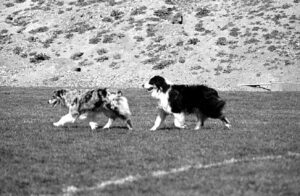
The term “social learning” encompasses several closely-related concepts. Some clearly apply to the learning processes of dogs. Others are more debatable.
Allelomimetic behavior (mimicking), or group-coordinated behavior, relies on the hardwired inclination of a social animal to follow and mimic members of the social group. Puppies are genetically programmed to follow and copy others of their kind. This is an important factor in early learning; it comes into play when Junior chases along when you call Spot, or when you run away from Junior and call him to chase after you.
Social facilitation is related to but different from allelomimesis. It refers to behaviors performed in a group, where the presence of another dog causes an increase in the intensity of the behavior. Two dogs acting in concert may run faster, bark louder, jump higher, eat more, or eat faster than a dog performing alone. For this reason, trainers and behaviorists often caution against adopting a second dog for the primary purpose of resolving the behavior problems of Dog #1; you can easily end up with louder barking, or an increase in destructive behaviors, rather than the hoped-for decrease in undesirable behavior.
It is likely that the amplified magnitude of behavior is a result of an increased state of arousal, stimulated by the presence of one or more additional dogs. While the negatives of this effect are obvious, social facilitation can have a positive effect as well, such as the increased speed and intensity of a competitive flyball dog due to the presence of the running dog in the next lane.
The flip side of social facilitation is called social interference – the irritating phenomenon that occurs when the presence of other dogs playing nearby interrupts your dog’s ability to pay attention to your training session. This is known in training class as a “distraction.” It’s wise to teach Junior his new behaviors in a quiet environment, free from such social interference. Make sure he knows them well before you can expect him to be able to perform them in the face of major distractions.
Local enhancement includes pieces of social facilitation, mimicking, and trial-and-error learning, but is different from true observational learning in that the dog actively participates in the behavior in the presence of the other dog and/or other environmental cues. Spot starts digging a hole; Junior joins in, and learns that digging holes is fun and rewarding as he follows Spot under the fence. Simply watching Spot dig the hole was not enough to inspire Junior to dig his way out of the yard; it was actually a combination of watching, participating, and enjoying the whole process that characterizes this as local enhancement.
Another example of local enhancement is when Junior learns to coordinate his clumsy puppy legs and jump into the car much more quickly by following behind Spot than he would by trying to climb in on his own. Junior’s performance is enhanced by Spot’s immediate example, and learning happens more quickly for Junior as a result.
This brings us to the controversial question of true observational learning in dogs. Can our canine pals learn by simply watching?
“No” is an easy answer. Four necessary conditions for observational learning are: attention, retention, motivation, and production. That is, the dog must pay attention to the dog performing the modeled behavior; retain the information gathered about the behavior during the observation; be motivated to reproduce the behavior in a time and place removed from the original; and finally, produce the behavior, or some reasonable facsimile thereof.
In training, for example, one dog could watch you through a window while you train another dog to lie down on cue. You could then take the observer dog to a new room and have him perform the down behavior for you, on cue. Not likely!
If dogs were adept at observational learning, you could plop Junior in front of the television, pop in your favorite videotape about clicker training, leave him there while you head off to work, and come home to a trained dog. There would be no need for dog trainers, or dog training classes. Sometimes we wish it were that easy!
Still, some studies have determined that puppies, at least, have some capacity for observational learning. A 1997 study conducted by Slabbert and Rasa determined that pups between the ages of 9-12 weeks who were permitted to observe their narcotics-detecting mothers at work generally proved more capable at learning the same skills at six months of age than control puppies the same age who were not previously allowed to watch their mothers working.
An 1977 experiment by Adler and Adler found that puppies who watched other puppies learn to pull a food cart into their cages by an attached ribbon proved considerably faster at the task when later given the opportunity themselves. At 38 days of age, the “demonstrator” puppies took an average of 697 seconds to succeed, while the observers succeeded in an average of 9 seconds.
These are startling and exciting findings. While evidence of observational learning has yet to be found in adult dogs, the potential for it in puppies may change, yet again, our definition of a responsible breeder. One day, we may come to expect good breeders to set her puppies on the sidelines so they can watch their mothers run through obedience routines, agility courses, and service dog, search-and-rescue, or drug-sniffing jobs before they are placed in their new homes.
While we wait for more scientific information on observational learning in puppies, we can take advantage of social learning opportunities that we know can enhance our dogs’ behaviors.
If your new dog is an only dog, you can still make use of his innate social mimicking behavior to encourage him to follow you while teaching him “come.”
If you do get a new dog, structure some training sessions so that he can learn from your more-experienced dog’s knowledge of good manners and skills. For example, before you open the door to let your dogs out, wait for Spot to sit (we hope he has already learned this “good manners” behavior), and then calmly wait for Junior to do the same. Spot’s calm behavior sets a good example for Junior to mimic. If Junior hasn’t quite figured out the sit, that can come later; as soon as Junior is standing calmly, open the door and let them both out as their reward for calm.
Rather than chastising Junior for barking at a passing skateboarder when you’re out playing in your fenced yard, grab Spot’s ball and run with him away from the skateboarder, playing with him in loud excitement, to make use of social facilitation to turn Junior’s unacceptable intense barking into acceptable intense play.
Finally, remember that you can utilize the presence of other dogs to amplify the magnitude of your dog’s desired behaviors, while taking care to avoid those circumstances that might amplify the undesirable ones. In other words, it might be wiser to spend more time with your new dog in the presence of well-mannered dogs at a daycare or training center than in a pack of unruly, barking dogs at a dog park.
Training a dog is a big challenge – we can use all the social learning help we can get!
What You Can DoWhat You Can Do – Identify one or more situations where you can use your dog’s natural allelomimetic talents to mimic you and enhance his training. – Find a friend’s dog that you can use to socially facilitate an increased intensity in your dog’s positive behavior. – Watch your dog and see if you can see any examples of true observational learning.
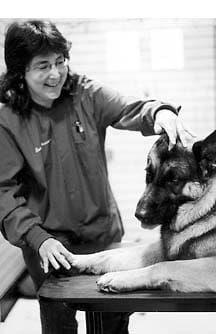
[Updated February 4, 2016]
Those of us who like dogs can’t help but touch them. We are irresistibly drawn to adore them with our hands, to pet them, stroke them, rub their ears, and get lost in the ecstasy of dog beneath our fingertips. Dogs pull not only our hearts but also our hands into a companionship of touch, a relationship we hope is mutually satisfying.
Caressing a dog can be a direct line to nirvana, calming nerves, lifting mood, relieving suffering, a spiritual experience that soothes the soul.

Touching a dog feels so good because our body responds with a release of the neurochemicals of pleasure that have positive physiological effects as well.
During the past couple of decades, science has proven what we canine lovers have always known: petting a dog is good for you. Studies have shown it lowers blood pressure, decreases cholesterol levels, and reduces the risk of heart disease. Alzheimer’s and AIDS patients, autistic children, and nursing home residents often improve when they have contact with a dog. Pain, grief, stress, depression – the list of studied situations where petting a dog has proven beneficial to humans is lengthy.
“When I got my dogs, I wanted to touch them,” says Kathy Diamond Davis, author of Therapy Dogs: Training Your Dog to Reach Others. “I have rheumatoid arthritis and when I touch them, it relieves the pain.”
But what about the dogs? Are there benefits for them?
Until quite recently, these questions were seldom considered and studied even less. Mostly these experiments evaluated the impact of researchers on laboratory animals, or, the effect of lack of touch on long-term personality development.
“There has been little research looking at the effects of dogs interacting with people,” says Rebecca Johnson, PhD, RN, and director for research at the Center for the Study of Animal Wellness at the College of Veterinary Medicine, University of Missouri, Columbia. “Now we are interested in the animal side of the equation.”
Dr. Johnson and her veterinarian colleague, Richard Meadows, DVM, began an ongoing study in 2002 that involves people, dogs, and a robotic dog. Although the study is looking for new means to treat human illnesses such as depression and cancer, it’s also geared to determine if beneficial chemical changes occur in petted dogs.
In a quiet room, participants are instructed to pet their dogs; in some iterations of the test, an unfamiliar but friendly dog or a canine robot is used. Prior to beginning, blood is drawn from both the human and the dog, and their blood pressure is monitored continuously. After both the human and dog experience a 10 percent decrease in blood pressure, the experiment is stopped and blood is drawn again.
“The dogs are like sponges in enjoying the petting,” Johnson says. “Their blood pressure goes down, no problem. But the humans take longer.” Some dogs have even gone to sleep.
Preliminary findings largely show ben-eficial changes occurred in the dogs’ levels of the neurotransmitters serotonin, beta-endorphin, prolactin, oxytocin, dopamine, and beta-phenylethylamine. Cortisol, the “stress hormone,” also decreased.
In future studies, the researchers hope to explore the impact of quantity of touch on dogs as this may help to further explain the chemical changes that occur during petting. Says Dr. Johnson, “We are always trying to uncover answers on how the human-animal bond works.”
Released in response to gentle touch, neurotransmitters affect bodily functions in a positive manner. “Petting has broad physiologic effects on the cardiovascular system of the dog,” says Franklin McMillan, DVM, DACVIM, coauthor of the forthcoming book, Unlocking the Animal Mind.
In “Exploring the Bond,” Dr. McMillan cited data from recent studies describing the physiological, health, and emotional effects of touch on animals.
One study found that as a result of touch, a dog’s coronary artery blood flow increased to the same level as during intense exercise. The heart rate of dogs increased when a person joined them in a room, but would drop dramatically within one or two seconds of being stroked.
In another study, whenever dogs were exposed to a stressful stimulus such as pain or fear, their heart rate and blood pressure decreased significantly if they were petted.
Other animal studies have indicated that touching also increases immune response, slows changes associated with aging, reduces harmful cholesterol levels, enhances development of the brain and nervous system, and promotes physical development.
Neurotransmitters associated with positive touch also affect behavior and emotion. Observed animals who were routinely touched were found to be more resistant to stress. In addition, their separation anxiety was diminished, they displayed less fear, and their learning capabilities were enhanced.
Researchers at the Biofeedback Institute in Boulder, Colorado, discovered that stroking horses (also humans and one dog) had a measurable effect on brain waves. The wave patterns were those often associated with optimal brain function, creativity, learning, or relaxation.
“Reductions in adverse emotional states are important,” notes Dr. McMillan, “but the data also indicate some direct beneficial effect of human contact.”
The way in which we touch our dogs is important.
“I have video that I show veterinarians on how to correctly pet a dog. The same dog goes from relaxed to ‘on guard’ then back to relaxed again in about two minutes, just based on petting,” says Karen Overall, VMD, PhD, DACVB, and research associate in the Center for Neurobiology and Behavior at the University of Pennsylvania Medical School. “Fast scratching or rubbing makes dogs aroused, while slow, firm petting calms them down.”
In studies where touch produced beneficial results, the contact was “gentle” or soothing. Davis has noticed that dogs prefer to be petted by someone with “knowing hands” – an assuring touch by those who understand dogs. “Some people pat dogs, hard, on top of the head. I don’t think that does much good,” comments Linda Tellington-Jones, creator of TTouch, a specialized therapeutic touch. “However, there is a difference when you put your hands on an animal and make the connection with care.”
Grooming or even just running our hands over our dog’s bodies to scan for physical problems can qualify as beneficial touch.
Massage is another purposeful touch. Besides feeling good to dogs, says Maryjean Ballner, author of Dog Massage: A Whiskers to Tail Guide to Your Dog’s Ultimate Petting Experience, “Massage increases blood flow at the massage area, speeds arrival of fresh nutrients, expedites removal of waste products, and loosens tight muscles.”
With practice, anyone can use massage to relax or reassure a dog. In a quiet, comfortable place, lead into massage with soft petting. Let your dog guide the technique. Feedback that you’re giving a good massage may include “power” tail wagging, doggy grins, drooling, leaning or sprawling against you, and flopping belly up. Massage can elicit a “glorious, incredible response,” says Ballner.
According to Tellington-Jones, TTouch goes beyond massage to augment training and improve behavior. “Massage is wonderful for dogs; it relaxes them,” says Tellington-Jones. “TTouch relaxes but also makes them alert and heightens their senses in a non-anxious way.”
TTouch is an extensive series of circular movements or gentle lifts, using the fingertips on various parts of the body. Rather than relaxing muscles, the technique is designed to activate cells and neural pathways.
In tests, says Tellington-Jones, massage was found to produce alpha brain waves, while TTouch caused both hemispheres of the brain to be activated, resulting in the activation of beta (used for logical thinking) and two additional brain waves, as well as the release of stress-reducing neurotransmitters.
Tellington-Jones has taught TTouch practitioners to help dogs alter aggressive behavior, reduce nervousness, and as a training method for competition. “We’re interested in working with animals in a way that increases their intelligence,” she says. “We allow the cells in our hands to talk to the animal’s body and remind them of their potential and function.”
The emotional benefits of petting to our dogs may be more important than the physical. “Most animals are tactile and need to be touched; they like it,” says Allen M. Schoen, DVM, author of A Kindred Spirit: How the Remarkable Bond Between Humans and Animals Can Change the Way We Live. “Touch stimulates healthy socialization. The more you touch a dog, the more easily he is socialized.”
“Dogs are a social species, and humans have developed such a degree of social dependency in them, that their need for touch is critical,” agrees Dr. McMillan, “If they are not touched, they suffer emotional pain.”
Touch may also ameliorate the angst that accompanies healthcare for many dogs. When Dr. McMillan did the research for his article, he sought information on how human contact could improve veterinary care and promote healing.
“Whether touch actually improves health beyond the elimination of stress, we don’t know,” says Dr. McMillan. “But we presume it benefits health because of the beneficial physiology. Perhaps touch blunts, eliminates, or counteracts the adverse effects of stress, and thus aids recovering and healing.”
Dr. Schoen encourages owners to visit or even stay with their dogs while they are in the hospital. Dogs left alone or not petted commonly become depressed and in serious situations may even “give up” if deprived of contact with their people.
As part of their education, veterinary students must take a surgical course and perform operations on dogs. Retired veterinarian Robert Houston recalls that in his senior year, he had to learn 14 different procedures over a period of 16 weeks. Normally students would have access to 14 dogs, one for each procedure. After discussions with his lab partner, they decided for humane reasons to limit the number of dogs on which they would operate to one.
Houston operated with as much skill as possible and followed up with good nursing care. He and his lab partner alternated visits, so that the one of them visited the dog every two hours. During this time, they talked to the dog and stroked him. “While it was sometimes heartbreaking, our dog survived every procedure,” says Dr. Houston, now retired from the Air Force Veterinary Corps. He gives a lot of credit for the dog’s survival to the caring contact they shared.
A new trend in specialty clinics is to have a place for clients to stay with their animal overnight. “It makes a big difference in their recovery,” says Dr. Schoen.
Dr. McMillan hopes to see more veterinary clinics move in this direction. He also feels it is helpful to have owners present during medical procedures. Technicians note that pets receiving chemotherapy seem to experience less discomfort and accept treatment more calmly when they’re held and stroked while the drugs are administered.
“The more human contact during any kind of illness or recovery, the better,” Dr. McMillan says.
Scientists have barely begun to look at why loving touch can positively effect healing, but Schoen believes it’s because “love is the greatest healer and touch is a great expression of love.”
The use of touch can be effective in training, too. “When I train my dogs, I use touch to guide them into position,” says Kathy Diamond Davis, who trains therapy dogs.
Touch can also be the means for expressing complex emotion.
“Touch is one of the most critical ways of connecting with all other living beings,” says Dr. Schoen. “Touch is a powerful connection that can have a negative or positive impact. It’s our responsibility to relate to our dogs from the most positive perspective possible.”
Maryjean Ballner, author of Dog Massage, writes that touch transcends every other way of communicating with our animals. Touch is not egocentric, but altruistic. When we pet our dogs, it should be from a place of integrity and with the message of unconditional love.
-Lexiann Grant is a member of the Dog Writers Association of America and an eight-time recipient of the Maxwell Medallion for excellence in dog writing.

by Nancy Kerns
Rearranging the treats I was photographing for this article, I decided to spell a word. The decision to spell out the word “love” was not a conscious one, but it was automatic.
To our dogs, food is love – and security, affirmation, and reinforcement. When we give our dogs what trainers refer to as “high-value” treats – foods that are especially sweet, meaty, or pungent – our message gets through to them especially loud and clear. Behaviorists are highly appreciative of the ability of food treats to “classically condition” a dog to tolerate, and then even enjoy, environmental stimuli that he previously found frightening or threatening.
Plus, it’s fun for us, feeding our canine friends something they’re crazy about – the doggie equivalent of taking the kids out for doughnuts or ice cream.
Except, in the case of dog treats, we don’t have to worry about ruining our friends’ health with dangerous additives like high fructose corn syrup or partially hydrogenated oils (aka trans fats), which are found in many (if not most) snack foods in supermarkets. That’s because, unlike most human treats, dog treats can easily be found in healthy flavors and formulations that dogs find irresistible.
Hold out for health
The problem is, treats are probably the most likely of all dog-related items that a person might buy impulsively, without (horrors!) even a glance at the ingredients list. That’s because treats are often so darn cute! The packaging is frequently adorable and the names are hilarious.
Regular WDJ readers, however, know that you should never buy anything for your dog without a long, hard look at the ingredients panel, no matter how cute the cartoon dog on the label looks. It’s simply pointless to spend so much time and energy finding the best healthy foods for your dog if you are going to subvert your own efforts at health-building with low-quality, additive-filled garbage.
Nowhere are these deleterious junk foods more prevalent than at your local grocery store. We’ve said it before and we’ll say it again: Don’t buy commercially manufactured treats for your dog at the market. The treats they sell there (including most treats for kids) are just full of stuff your dog is better off without – stuff like low-quality by-products, sugar and corn syrup, and artificial colors. (See the examples of poor-quality, grocery-store treats in the sidebars.)
So where should you buy dog treats? For the utmost in quality, we recommend selecting fresh treats from local artisans. Our list of favorites includes treat makers such as Wet Noses (of Snohomish, Washington), Howling Hound Treats (Summerville, South Carolina), and Heidi’s Homemade Dog Treats (Columbus, Ohio), who hand-select the produce they buy from local farmers, as well as Rosie’s Rewards (Pray, Montana), who uses free-range Montana beef from local ranchers. Some of these folks have storefront shops; others rely on independent pet supply stores, veterinarians, and groomers to display and sell their wares. A few offer their goods only through phone orders or through their Web sites.
We have also been impressed by the number of folks who have managed to launch or grow their companies to national prominence while still manufacturing a top-quality product – companies like Cloud Star of San Luis Obispo, California (maker of Buddy Biscuits); Nature’s Animals of Mamaroneck, New York; and Pet Central of Sylvania, Ohio, maker of Waggers Dog Treats. These treats can be found in many pet supply stores and catalogs nationally, yet the company owners have maintained high standards for ingredient quality and consistent production.
What’s on the label
We hinted earlier that you have to read the label of any item that crosses your dog’s lips. Don’t be scared; it’s not that difficult! Your first task is to make sure the products don’t contain stuff that’s not good for dogs – such as artificial colors, flavors, and preservatives. Keep an eye out for lower-quality ingredients that indicate the maker may have cut corners to keep costs down, such as by-products or food fragments. If you are not sure you would recognize products meeting this description, compare the treats in the “Do Not Buy!” list with our selections; it’s really obvious if you just look at the ingredients list.
Those of us who have figured out which foods don’t agree with our own dogs due to food allergies or intolerances are also on the lookout for ingredients that may make our dogs itch, develop ear infections, or suffer painful gas or diarrhea. These ingredients vary from dog to dog, although many treat manufacturers focus on a handful of ingredients – including wheat, corn, soy, and eggs – that are purported to be more commonly implicated in canine allergies or intolerances than not. One company (Waggers) covers its bases by making three treats: one is “wheatless,” one is “meatless,” and one is “sweetless” – something for every dog!
Don’t worry about the presence of sweeteners in treats (unless your dog is diabetic, in which case you should focus on the meat-based treats). After all, the assumption is your dog will receive only a small number of these per day or week.
After you eliminate treats that have stuff that is bad for your dog, look for the good stuff: things like whole meats, grains, fruits, and vegetables. The more organic ingredients you see, the better, especially for dogs with chemical sensitivities and dogs who are combatting cancer (see sidebar).
Final notes
As is always the case when we review foods, we did not consider price in our selections. As ever, we implore you to remember that you get what you pay for. Inexpensive treats cannot contain good quality ingredients, because quality ingredients cost more. Of course, you also pay more for an especially cute presentation, such as the candy box style used by Happy Pet of San Francisco for its Canine Confections. You can’t beat a presentation like this, however, if you are looking for a special gift for a fellow dog-lover.
Be aware that we do not rate or rank-order our selections. A treat either meets our selection criteria (outlined in the sidebar) or it does not; there is no “top pick” or “best on the list.” And if you are familiar with a treat that meets our selection criteria, don’t worry that it’s not as good as our selections because it’s not on our list; we obviously haven’t reviewed every product on the market. Happily, there are many more good products than we could ever list.
We grouped our new selections into two categories: cookie-type treats, which contain grains; and meat-based treats that are usually carb-free. The selections are grouped alphabetically by category.
We’ve also listed all of our past selections that meet our current selection criteria. We’ve taken only a few products off our lists; this has occurred because we have made our selection criteria more stringent – not because those products are bad.
Also With This Article
Click here to view How to Identify and Pick Top Quality Dog Treats”
Click here to view “The Difference Between Quality Dog Treats and Unhealthy Dog Treats”
Click here to view “Top Quality Dog Treats”
Click here to view “How to Make Your Own Top-Quality Dog Treats”
by C.C. Holland
A few years ago, I underwent extensive knee surgery. Thanks to a skilled doctor, a supportive husband, and an Internet message board comprised of people who’d either undergone or were about to embark on similar procedures, I made it through with both my physical and mental health intact.
A couple of months ago, my dog, Lucky, decided to follow in her mom’s footsteps by tearing a ligament in her knee and undergoing her own surgery.
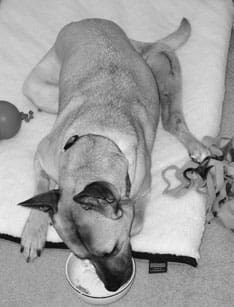
Before she went under the knife, I researched everything I could about the procedure. As I scoured the Web, it occurred to me that if there were message boards and online support groups for humans with knee injuries, maybe there’d be an equivalent for canines and their owners.
Sure enough, I found Orthodogs, a free group (set up through a Yahoo! service) that provides support, information, and advice to owners with dogs facing orthopedic problems. And then I discovered it was only the tip of the iceberg.
There are dozens of online groups aimed at dog owners out there, covering a wide range of topics – disabled dogs; dogs with cancer; dogs who have behavioral and training issues; and even grieving the loss of a pet. Groups range in size from a few dozen people to thousands; thanks to the Web, many include members from all over the globe. Most are free – and the criteria for membership are simply time, interest, and an Internet connection. To communicate, members “post” messages via interactive tools and can even contact each other directly through e-mail.
Can a virtual community of people you’ll probably never meet really help an owner cope with a dog’s problems? Yes, say mental-health professionals.
“Finding like-minded people who understand exactly what you’re feeling and who can respond to you basically 24 hours a day is very helpful,” says Darlene Mininni, Ph.D., author of the forthcoming book, The Emotional Toolkit, and an expert in coping strategies.
In addition, says Dr. Mininni, the act of typing out your messages provides a therapeutic outlet.
“That’s an added bonus, because writing about your feelings helps you make sense of them,” she says. “It’s the same benefit of writing in a journal – and there are tons of studies that demonstrate how doing that can improve your feelings.”
Betty Carmack, a professor of nursing at the University of San Francisco, has been running a pet-loss counseling group in the Bay Area since 1982. While her group is one that meets physically, rather than virtually, she says that any kind of support network can be helpful to owners weathering a crisis with their pets.
“It’s so important for people to find some kind of validation for what they’re feeling, whether it’s online, one-on-one counseling, books, or support groups,” she says. “Now there are wonderful resources, and people don’t have to get through it alone.”
Benefits of community
One benefit of online groups commonly mentioned by participants is the feeling that they become part of a community or family. Sharing a common challenge can be a powerful bond.
Andrea Barnhart of Albany, New York, found the Canines in Crisis cancer board when her dog, Patches, began battling lymphoma and leukemia. “These people truly understand what I’m going through because they are experiencing the same emotions,” she says.
Brenda Osbourne of Owasso, Oklahoma, joined the Orthodogs group when one of her seven dogs required knee surgery.
“It was like being brought into a big extended family, and the warmth and the caring was so heartfelt,” she says. “It felt so good to be sharing what is a very frightening journey with so many other people who had not only been through it but were so willing to help you get through it.”
Osbourne became so involved in the group that she became an official moderator – a member with administrative rights who polices the message posts, keeping an eye out for people who ignore the basic rules (no profanity, no personal attacks, etc.) or have less-than-altruistic agendas, such as pushing commercial “miracle cures.” Osbourne now spends a good part of each day reviewing posts and answering questions, squeezing out the time despite her demanding career in cancer research.
In some cases, the feeling of family extends beyond the computer. In March, a group of people on the Orthodogs message board pooled resources to help a financially challenged member afford surgery for her dog. And the members of a group known as Deaf Dogs hold yearly get-togethers around the country.
“I thought (that) was amazing,” says Monica Mansfield of Ancramdale, New York, who joined the group two years ago when she became interested in adopting a deaf puppy. “It is wonderful to get to meet some of the friends you’ve made online in person. I’ve been to two different Deaf Dog picnics and plan on attending many more.”
No stupid questions
Many newcomers can be hesitant about posing questions on these online boards, worrying that their inquiries are inane or redundant with earlier message posts. But most find their concerns to be unfounded.
“I wondered what they would think of another newbie asking the same dumb questions they’d heard a million times,” says Tamie Adams, an Alabama dog owner who found the Orthodogs group while researching ligament repair options for Brodie, one of her two Rhodesian Ridgebacks. “So I introduced myself and then proceeded to read, and read, and read, without posting very often. (But) as I became familiar with the other people who posted, I was amazed at how warm and caring they were to everyone.”
“I think it is a continual ‘passing of the torch’ in online groups,” says Mansfield. “Almost everyone starts as a newbie and is there for answers to their questions and to learn from the people who have more experience. Then they start becoming comfortable enough to start answering other peoples’ questions.”
Dr. Mininni says this give-and-take process can be very helpful to group participants.
“It’s important that you feel like you matter to others,” she says. “If you are both getting advice and giving it, and people are appreciative of that, those are multiple ways you’re helping your psyche.”
Advice and research
In addition to seeking the mental and emotional support offered by these groups, many owners also use them to compare notes, discuss new research and information, and give advice. Some turned to the groups in frustration after their veterinarians fell short in providing them details, or when they believed their vets couldn’t or wouldn’t provide information about adjunct therapies such as herbal remedies.
“Good grief, my surgeon didn’t give us squat!” says Adams. “I had researched herbs and supplements, but I had to get all the dosage information from (the group). I also got all of my pre-op and post-op information from the things that other people’s vets had told them.”
Paola Ferraris, of Milan, Italy, who also serves as a moderator for the Orthodogs group, says that people often appreciate hearing about the range of issues that can affect dogs before and after surgery.
“Comparing notes and reactions of the dogs post-op and pre-op can be useful,” she says. “In some cases, issues discussed – such as pros and cons of (a certain) clinic, or breed-specific (problems) that vets rarely mention – have helped people discuss all options with their surgeons, or made others aware of potential reactions and side effects of treatments.”
Members may also suggest alternative therapies or procedures that other owners hadn’t considered or even known about. “I’d have to say that if I weren’t part of this group I probably would never have explored holistic approaches or using natural herbal remedies in certain cases,” says Osbourne.
Indeed, reading posts on the Orthodogs board before Lucky’s surgery prepared me for some of the physical challenges that could plague her afterward, including constipation – something our vet didn’t mention despite our extensive consultations. It also clued me in to the potential of horsetail grass as a supplement to help speed bone healing.
Sometimes, there’s so little data out there that only talking to someone facing the same challenges can help. Monica Mansfield says the Deaf Dogs board was an invaluable resource for obtaining real-world information instead of theoretical feedback.
“There are so many things that I learned from the group that you can’t learn anywhere else,” she says. “Many vets don’t have much deaf-dog experience, since deaf puppies are routinely euthanized or culled. Also a lot of the parent breed clubs are against the placing of deaf dogs or puppies, so there is not much information to be gotten from them.”
The information provided can be more than anecdotal. It’s not unusual to find message board members posting links to recent veterinary journal publications, studies, press releases, or newspaper and magazine articles. That’s yet another way members can deepen their understanding of the challenges they and their dogs are facing.
A few drawbacks
Despite the benefits they offer, message boards must be consulted with prudence. The biggest risk of using message boards is using poor information and putting your pet at risk. Few people deliberately post incorrect suggestions, but they may not get all their facts straight. In addition, the people who are the most prolific posters aren’t necessarily the ones with the best information, which can make it tough to decide when to accept ideas and when to break out that proverbial grain of salt.
“New people don’t know who to listen to,” says Osbourne. “With a group the size of Orthodogs, new people tend to get a lot of responses and since they’re usually just beginning their journey, they don’t know how to sort out the good advice from the bad. I think it can be a little overwhelming sometimes.”
If you obtain any medical advice or information from a message board, run it by your vet before putting it into practice. Herbs and supplements may interfere with medications or affect dosages. Changing a diet can stress an ill dog if it’s not done correctly. And rehabilitation protocols vary widely. Your vet might have a very good reason for, say, allowing your dog a short daily walk post-surgery while requiring that another dog remains completely immobilized.
It’s also wise to verify what you read through independent, reliable sources rather than taking one person’s posts as gospel. When I read a recommendation about horsetail grass as a bone-healing supplement, I verified that claim through Drug Digest (drugdigest.org), a consumer health and drug information Web site; the Food and Nutrition Information Center (nal.usda.gov/fnic/index.html) at the National Agricultural Library; and Greg and Mary Tilfords’ definitive reference, Herbs for Pets.
Some of the problems with online message boards are more social than serious. One common complaint is that it’s sometimes difficult to interpret the emotions behind the typed word. “The worst drawback is not being able to get the ‘tone’ behind the posts,” says Mansfield. “It’s very hard to tell if someone is being sarcastic, serious, kidding, or angry just by their words. I think that a lot of misunderstandings happen that way, on all the groups.”
“It’s e-mail, which tends to be a very impersonal way to communicate,” agrees Osbourne. “Messages can be misinterpreted or somebody’s sense of humor doesn’t quite come through and it can cause problems.”
Also, you should be aware that your vet may not be completely supportive of your involvement in message boards, especially if what you read conflicts with his advice or protocols.
“I think some vets consider the list a big pain,” says Ferraris, “(because) people start comparing prices for surgery, rehab options, therapies, and post-op protocols.”
Maximize the resource
The best way to approach message boards is to view them as research and support tools, rather than replacements for your veterinarian. Don’t accept at face value the information you read, and keep your vet in the loop at all times when it comes to medical decisions, including complementary and alternative options. Talk to your vet about message-board questions and concerns with a collaborative mindset, rather than thinking combatively.
“I’ve told my vet I participate in the group, (and) she supports it,” says Adams. “I just tell her my game plan after weighing all the input from the group and my own research, and get her feedback.”
And don’t discount the value of the boards’ social support when you’re dealing with a crisis.
“Numerous studies show that feeling connected to others and using that care when needed can decrease sadness, anxiety, loneliness, and feelings of helplessness,” says Dr. Mininni.
“I’m so thankful for the message boards,” says Barnhart. “There have been suggestions made by other visitors that have made a big difference for Patches . . . medicines, supplements, books to read, diets, you name it. And the support and comfort that I have gained have been amazing.”
-C.C. Holland is a freelance writer in Oakland, California, and regular contributor to WDJ. Her dog, Lucky, is recovering well from TPLO surgery.

1. Document your dog’s episodes of unexplainable, explosive aggression so you can describe all the details to a trainer/behaviorist, including all environmental conditions you can think of.
2. Seek the assistance of a qualified, positive dog trainer/behavior consultant. Take your documentation with you on your first visit.
3. Be safe, and be sure others are safe, around your dog.
The term “rage syndrome” conjures up mental images of Cujo, Stephen King’s fictional rabid dog, terrorizing the countryside. If you’re owner of a dog who suffers from it, it’s almost that bad – never knowing when your beloved pal is going to turn, without warning, into a biting, raging canine tornado.
The condition commonly known as rage syndrome is actually more appropriately called “idiopathic aggression.” The definition of idiopathic is: “Of, relating to, or designating a disease having no known cause.” It applies perfectly to this behavior, which has confounded behaviorists for decades. While most other types of aggression can be modified and reduced through desensitization and counter-conditioning, idiopathic aggression often can’t. It is an extremely difficult and heartbreaking condition to deal with.
• No identifiable trigger stimulus/stimuli
• Intense, explosive aggression
• Onset most commonly reported in dogs 1-3 years old
• Some owners report that their dogs get a glazed, or “possessed” look in their eyes just prior to an idiopathic outburst, or act confused.
• Certain breeds seem more prone to suffer from rage syndrome, including Cocker and Springer Spaniels (hence the once-common terms – Spaniel rage, Cocker rage, and Springer rage), Bernese Mountain Dogs, St. Bernards, Doberman Pinschers, German Shepherds, and Lhasa Apsos. This would suggest a likely genetic component to the problem.
The good news is that true idiopathic aggression is also a particularly uncommon condition. Discussed and studied widely in the 1970s and ’80s, it captured the imagination of the dog world, and soon every dog with episodes of sudden, explosive aggression was tagged with the unfortunate “rage syndrome” label, especially if it was a spaniel of any type. We have since come to our senses, and now investigate much more carefully before concluding that there is truly “no known cause” for a dog’s aggression.
A thorough exploration of the dog’s behavior history and owner’s observations often can ferret out explainable causes for the aggression. The appropriate diagnosis often turns out to be status-related aggression (once widely known as “dominance aggression”) and/or resource guarding – both of which can also generate very violent, explosive reactions. (See “Eliminate Aggressive Dog Guarding Behaviors,” WDJ September 2001.)
An owner can easily miss her dog’s warning signs prior to a status-related attack, especially if the warning signs have been suppressed by prior physical or verbal punishment. While some dogs’ lists of guardable resources may be limited and precise, with others it can be difficult to identify and recognize a resource that a dog has determined to be valuable and worth guarding. The glazed look reported by some owners may also be their interpretation of the “hard stare” or “freeze” that many dogs give as a warning signal just prior to an attack.
Although the true cause of idiopathic aggression is still not understood, and behaviorists each tend to defend their favorite theories, there is universal agreement that it is a very rare condition, and one that is extremely difficult to treat.
A variety of studies and testing over the past 30 years have failed to produce a clear cause or a definitive diagnosis for idiopathic aggression. Behaviorists can’t even agree on what to call it! (See The Evolving Vocabulary of Aggression, below.)
Given the failure to find a specific cause, it is quite possible that there are several different causes for unexplainable aggressive behaviors that are all grouped under the term “idiopathic aggression.” Some dogs in the midst of an episode may foam at the mouth and twitch, which could be an indication of epileptic seizures. The most common appearance of the behavior between 1-3 years of age also coincides with the appearance of most status-related aggression, as well as the development of idiopathic epilepsy, making it even impossible to use age of onset as a differential diagnosis.
Some researchers have found abnormal electroencephalogram readings in some dogs suspected of having idiopathic aggression, but not all such dogs they studied. Other researchers have been unable to reproduce even those inconclusive results.
Another theory is that the behavior is caused by damage to the area of the brain responsible for aggressive behavior. Yet another is that it is actually a manifestation of status-related aggression triggered by very subtle stimuli. Clearly, we just don’t know.
The fact that idiopathic aggression by definition cannot be induced also makes it difficult to study and even try to find answers to the question of cause. Unlike a behavior like resource guarding – which is easy to induce and therefore easy to study in a clinical setting – the very nature of idiopathic aggression dictates that it cannot be reproduced or studied at will.
Without knowing the cause of idiopathic aggression, treatment is difficult and frequently unsuccessful. The condition is also virtually impossible to manage safely because of the sheer unpredictability of the outbursts. The prognosis, unfortunately, is very poor, and many dogs with true idiopathic aggression must be euthanized, for the safety of surrounding humans.
Don’t despair, however, if someone has told you your dog has “rage syndrome.” First of all, he probably doesn’t. Remember, the condition is extremely rare, and the label still gets applies all too often by uneducated dog folk to canines whose aggressive behaviors are perfectly explainable by a more knowledgeable observer.
Your first step is to find a skilled and positive trainer/behavior consultant who can give you a more educated analysis of your dog’s aggression. A good behavior modification program, applied by a committed owner in consultation with a capable behavior professional can succeed in decreasing and/or resolving many aggression cases, and help you devise appropriate management plans where necessary, to keep family members, friends, and visitors safe.
If your behavior professional also believes that you have a rare case of idiopathic aggression on your hands, then a trip to a veterinary behaviorist is in order. Some dogs will respond to drug therapies for this condition; many will not. Some minor success has been reported with the administration of phenobarbital, but it is unclear as to whether the results are from the sedative effect of the drug, or if there is an actual therapeutic effect.
In many cases of true idiopathic aggression, euthanasia is the only solution. Because the aggressive explosions are truly violent and totally unpredictable, it is neither safe nor fair to expose yourself or other friends and family to the potentially disfiguring, even deadly, results of such an attack. If this is the sad conclusion in the case of your dog, euthanasia is the only humane option. Comfort yourself with the knowledge you have done everything possible for him, hold him close as you say goodbye, and send him gently to a safer place. Then take good care of yourself.
Different behaviorists and trainers have used and continue to use different terms for what was once commonly known as “rage syndrome.” The confusion over what to call it is a reflection of how poorly understood the condition is:
Rage syndrome – This once popular term has fallen into disfavor, due to its overuse, misuse, and poor characterization of the actual condition
Idiopathic aggression – Now the most popular term among behaviorists; this name clearly says “we don’t know what it is”
Low-threshold dominance aggression – Favored by those who hold that idiopathic aggression is actually a manifestation of status-related aggression with very subtle triggers
Mental lapse aggression syndrome – Attached to cases diagnosed as a result of certain electroencephalogram readings (low-voltage, fast activity)
Stimulus responsive psychomotor epilepsy – Favored by some who suspect that idiopathic aggression is actually epileptic seizure activity
“Rage syndrome” is not the only aggression term that has undergone a metamorphosis in recent years. Even the way we look at aggression is changing. Where once each “classification” of aggression was seen as very distinct, with its own distinct protocols for treatment, it is becoming more widely recognized that most aggressive behavior is caused by stress or anxiety.
It is now generally accepted by the training and behavior profession that physical punishment should not be used in an attempt to suppress aggressive behavior. Rather, aggressive behavior is best managed by preventing the dog’s exposure to his individual stressors, and modified by creating a structured environment for the dog – through a “Say Please” or “Nothing in Life Is Free” program – and implementing a solid protocol of counter-conditioning and desensitization to reduce or eliminate the dog’s aggressive reaction to those stressors.
We also now recognize that aggressive dogs may behave inappropriately and dangerously as a result of imbalances in brain chemicals, and that the new generation of drugs used in behavior modification work help rebalance those chemicals. This is in stark contrast to older drugs, such as Valium, that simply sedated the dog rather than providing any real therapy. As a result, many behaviorists recommend the use of pharmaceutical intervention sooner, rather than later, in aggression cases.
Here are some of the newer terms now in use to describe various types of aggressive behavior:
Status-related aggression: Once called dominance aggression, a term still widely used. Status-related aggression focuses more on getting the confident highranking dog to behave appropriately regardless of status; old methods of dealing with dominance aggression often focused on trying to reduce the dog’s status, often without success.
Fear-related aggression: Once called submission aggression. A dog who is fearful may display deferent (submissive) behaviors in an attempt to ward off the fearinducing stress. If those signals are ignored and the threat advances – a child, for example, trying to hug a dog who is backing away, ears flattened – aggression can occur.
Possession aggression: Previously referred to as food guarding and now also appropriately called resource guarding, this name change acknowledges that a dog may guard many objects in addition to his food – anything he considers a valuable resource, including but not limited to toys, beds, desirable locations, and proximity to humans.
Pat Miller, CBCC-KA, CPDT-KA, is WDJ’s Training Editor. She is also author of The Power of Positive Dog Training, and Positive Perspectives: Love Your Dog, Train Your Dog.

[Updated March 29, 2018]
1. Consider a yucca supplement for a dog with digestive problems that prevent him from properly utilizing his already top-quality diet, or for a dog with arthritis.
2. Use yucca for four days, and then discontinue for three days. An on-and-off-again schedule will help prevent irritation of digestive tissues.
3. Discontinue the use of yucca if the dog exhibits digestive upset such as vomiting and discuss this with your holistic veterinarian.
When valuable herbs gain momentous popularity in the mainstream marketplace they often show up as “buzz words” on various product labels. By market decree such herbs become not only popular, but stylish. After all, why would anyone want to buy an herbal cold remedy that doesn’t contain the mighty echinacea?
Usually when mass-market, celebrity herbs are born, oceans of research and published introspection soon follows to satisfy the curiosities of the consumer. We want to know why certain herbs keep showing up in the products we buy and use, and rightly so. Nevertheless, many herbs remain as ambiguous words on the labels of our favorite animal care products.
By San906 (Own work) [CC0]

Why is this so? Because manufacturers are largely prohibited, by federal regulations, to provide any tangible clues about the medicinal or nutritive attributes of the herb ingredients they list on their animal product labels.
One of the best examples of this is yucca – a succulent, cactus-like member of the lily family that inhabits desert areas and garden landscapes throughout America. Anyone who has studied natural dog and cat food labels, shampoo labels, and ingredient lists for livestock feeds has seen the name of this important plant food and medicine, yet very few of us can cite its intended purpose, much less a broad view of its holistic potential.
The description “nutritional supplement” really doesn’t fit yucca as well as the term “nutritional aid.” Although yucca root contains notable quantities of vitamin C, beta-carotene, calcium, iron, magnesium, manganese, niacin, phosphorous, protein, and B vitamins, this herb’s greatest nutritive and healing powers are chiefly attributable to a group of compounds collectively known of as saponins, which are found in the root of yucca.
Saponins are plant glycosides, which are characterized by their tendency to dramatically foam up when agitated with water, much like soap does. When ingested in very small amounts with food, saponins contribute a cleansing and penetrating action upon mucous membranes of the small intestine, which in turn helps with the assimilation of important minerals and vitamins through intestinal walls.
The results can be astounding. In studies conducted at Colorado State University, cattle fed small quantities of yucca root showed greater weight gain than those without. Other trials have concluded that chickens that are fed yucca have a tendency to lay more eggs, and dairy cattle tend to produce more milk.
Other research shows that when added to dog food, yucca can help reduce the emission of noxious odors in urine and feces. This finding comes from studies in which the chemical breakdown of urea (the body’s final by-product of digested proteins) were examined. The findings: anhydrous ammonia, which is largely responsible for the less-than-delightful odor of animal excrement is caused by a single microbial enzyme called urease, was inhibited when food supplements containing preparations of Yucca schidigera were fed. In the studies, fecal and urine odors were reduced by up to 56 percent in dogs and 49 percent in cats.
While the notion of less-offensive stool and less yard cleanup is attractive to many, the issue of excess urease should not go unchecked, as this kind of imbalance may lead to health problems that are much more serious than a soiled backyard.
Excess urea (and larger, more offensive stools) are often the result of a poor quality diet, where protein fillers (like soy meal) or cheap meat by-products cannot be efficiently broken down and eliminated during the digestive process. If left unchecked, this can lead to serious problems, such as urinary stones, kidney disease, arthritis, or chronic skin problems.
In other words, feed a balanced, natural diet, and excess fecal and urine odor shouldn’t be an issue in the first place.
My bottom line: yucca root can be helpful for optimizing a good quality diet that has been specially tailored to the needs of dogs that need added help with nutrient absorption. However, yucca really has no value as a supplement to lousy food.
Yucca root also possesses chemistries that add powerful medicinal activities to the veterinary herbalist’s goodie bag. Among these chemistries are sarsasapogenin, smilagenin, and various other compounds that are loosely known by the herbal/scientist community as “phytosterols.”
Herbalists theorize that phytosterols serve the body by stimulating and assisting the body in the use and production of natural corticosteroids and corticosteroid-related hormones. Unlike corticosteroid drugs such as prednisone, yucca is thought to work in concert with natural autoimmune functions of the body – actually supporting immune system functions as opposed to shutting them down.
It can be reasonably hypothesized that the natural, corticosteroid-like actions of yucca may play a role in the body’s natural production of growth hormones, which in turn may contribute significantly to the accelerated growth and production we see in animals that receive it in their food. And although this theory has not been established as “fact” by the scientific community, we know that yucca is very safe in the diet when fed in moderation and in a sensible manner.
What all of this means is that yucca can be a very useful natural remedy in the treatment of arthritis.
In a study conducted at the beginning of the twentieth century, yucca was found to bring about safe and effective relief (from pain and inflammation) to human arthritis patients when taken four times daily over a period of time. Although this study has been repeatedly discredited by the American Arthritis Foundation because of the contro-versial manner by which the study was conducted, the beneficial effects of yucca in humans and animals remain clearly validated in the minds of holistic practitioners who have repeatedly used it and witnessed positive results.
In my experiences with monitoring the therapeutic effects of yucca root in arthritic dogs, yucca can be very useful toward reducing inflammation of the knees and hips, especially when the herb is used concurrently with liquid extracts of licorice root (Glycyrrhizza spp.), alfalfa, and a liquid glucosamine supplement. Part of this may be attributable to the improved assimilation of glucosamine, another possible attribute of yucca’s amazing saponin constituents.
Although scientists largely remain focused on the saponin constituents of yucca, it is obvious that there is much to discover about several other compounds within this plant. Native Americans used the roots, leaves, and flowers in a wide variety of applications, ranging from burns and digestive disorders to contraceptive applications.
A water extract (tea) of Yucca glauca (“small yucca” or “soapweed”) has been shown to have anti-tumor activity against a certain type of melanoma in mice. Its mechanism in this context is believed to stem from its polysaccharide constituents, not necessarily its steroidal saponins.
Perhaps most famously, yucca’s high saponin content has been widely exploited to make soap and shampoos.
Yucca root is classified by FDA and the Association of American Feed Control Officials (AAFCO) as “Generally Regarded as Safe” (GRAS) for use in animal feeds and supplements. Yucca root powders, extracts, and other preparations can be used very safely in dogs and other mammals. Nevertheless, several controversies have been raised over the years concerning the safety of yucca’s saponin constituents.
Many of these concerns stem from cases of intestinal bloating or photosensitivity in livestock. Most of these events were triggered when too much saponin-rich, fresh alfalfa was fed while the plants were in bloom (alfalfa should only be harvested and fed prior to blooming).
There have also been reports of bloating and other digestive problems that have been attributed, at least in part, to cheap, fibrous, saponin-rich vegetable by-products (such as beet pulp) that are used in lieu of whole vegetables in commercial dog foods.
Then there are the numerous scientific studies in which animal subjects suffered digestive distress when they ingested (or were force-fed) isolated saponin compounds in chemical concentrations far exceeding than those naturally found in yucca root, or for that matter, any other herb. Such an experiment, in my mind, only proves that animals (and humans) shouldn’t eat soap.
Saponin is found in many of the vegetables we eat and frequently feed to our dogs (including yams, beets, and alfalfa sprouts), yet a few outspoken individuals insist that anything that contains saponin must be harmful. This is simply not true. Virtually anything will produce a toxic reaction if ingested in too much abundance, including herbs and vegetables.
Common sense rules here. Too much of virtually anything will likely cause some sort of toxic reaction, and yucca root is no exception. Remember this: Yucca is also known as “soapweed.” If used in excessive amounts over an extended period of time, yucca may eventually irritate the stomach lining and the intestinal mucosa. This in turn may cause vomiting. In fact, many of the Native American tribes of the southwest used yucca preparations to induce vomiting in cases of food poisoning. If vomiting or any other adverse effect is observed, discontinue use.
Although yucca has become a popular additive in pet foods, I do not feed foods that contain more than two percent yucca root on a daily basis unless a therapeutic purpose for a higher dose has been identified by a holistic pet care professional.
It is best to follow the manufacturer’s recommendations of yucca supplements that are formulated specifically for dogs. Yucca products vary according to their concentrations and added ingredients. If the product you buy does not have a suggested feeding amount on its label, then call the manufacturer or shop for a different brand.
As a food supplement for dogs with suspected malabsorption: Mix ¼ – ½ tsp. of dried, powdered yucca root (available at health food stores) to each pound of food fed each day. Feed on a schedule of four days on, three days off each week; this will help prevent overstimulation and subsequent irritation of digestive tissues that may otherwise occur with long term use.
As an anti-inflammatory and tonic for dogs with arthritis: Use a liquid tincture product that has been specifically formulated for use in dogs, and follow the manufacturer’s recommendations or the advice of your holistic veterinarian.
Alternatively, an alcohol-free liquid extract can be used. Again, buy one that is formulated for dogs and follow the manufacturer’s recommendations.
Greg Tilford is a well-known expert in the field of veterinary herblism. An international lecturer and teacher of veterinarians and pet owners alike, Greg has written four books on herbs, including All You Ever Wanted to Know About Herbs for Pets, (Bowie Press, 1999), which he coauthored with his wife, Mary.