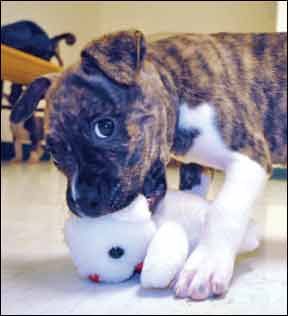
Contained in every puppy’s mouth is a set of amazingly sharp little daggers known as “teeth.” Puppies explore the world with those mouths. Since you are part of your pup’s world, it is inevitable that those sharp little teeth will at some point come in contact with your tender skin during a behavior known as “puppy biting.” It hurts. So what should you do when your puppy bites you, or other family members (including children)? This is a good opportunity to train your puppy not to bite.
1. Keep it friendly. Use negative punishment – your pup’s behavior (biting) makes a good thing (you) go away. Say “Oops!” in a calm, cheerful tone of voice, stand up and turn your back on your pup for several seconds. Then interact with him again. Repeat as often as necessary. (Remember, dogs learn through repetition.) Appropriate play keeps the fun going, inappropriate biting makes the fun stop. Since your pup is all about fun, he’ll learn to inhibit his biting in order to keep you playing.
Ignore old-fashioned suggestions you might hear about holding his mouth closed, pushing his cheek into his mouth so he bites himself, or shoving your fingers down his throat. He’s not challenging your leadership when he bites you. If you respond with violence you risk damaging your relationship and making him become violent. He’s just playing, and doesn’t know his own tooth-power. By the way, yelping like another puppy in pain to communicate in “his” language causes many puppies to get more excited and bite more, not less. I don’t recommend it. Stick with a cheerful “Oops” to get your message across.
2. Tolerate less-painful mouthing. Since puppies put their mouths on everything it may be necessary to tolerate less-painful mouthing and only do your “Oops!” routine for bites that actually hurt. Over time you can shape for softer and softer bites, and finally for no mouthing at all.
3. Let the kids play with the puppy during his quiet times. All pups develop a daily routine – times of day when they are more aroused and bitey, and times when they are less mouthy. Identify the less-mouthy times of your pup’s cycle and have that be the kids’ puppy playtime. For extra insurance, be sure your baby dog has been well exercised before turning him loose on the children. Supervise all child/puppy play so you can intervene if things get out of hand, and make sure to teach your children how to respond properly if your puppy bites them.
4. Direct your pup’s mouth to appropriate bite objects. In a strategic spot in every room, keep a stash of plush toys your pup can sink his teeth into – in place of your arm. Keep a supply of stuffed Kongs in the freezer to occupy his puppy daggers. Try to anticipate his mouthy behavior and offer him a toy before he grabs your sleeve (or your flesh), but don’t hesitate to offer a toy as an alternative even after he’s latched onto you.
A flirt pole is a great toy for you or your children to safely play with your bitey puppy. This is a long, sturdy stick with a rope fastened to the end, and a toy tied to the rope. By moving the toy around you invite the puppy’s interest (and teeth) to engage a safe distance from your body parts. If necessary, you can stash your child safely behind a baby gate, in a playpen or inside a low exercise pen, flirt pole in hand, to keep her safe from wandering puppy teeth. (A good source for this training toy: bestdogkennel.com/product/TR-FP. Note: Ignore this website’s instructions for teaching “Give.” Just trade the toy for a treat.)
5. Teach “Find it!” This one is perfect for the pup who grabs your bathrobe, pant legs, or ankles as you’re walking. Rule #1: Always have treats in your pockets/on your person. Corollary to Rule #1: Have plastic containers filled with small but tasty dog treats in every room of the house (but out of pup’s reach) so you can reload when you’re running low.
As you walk, keep an eye out for puppy ambushes. When your pup approaches you with that “Gotta grab something!” gleam in his eye, toss a treat on the ground a few feet away from you and say “Find it!” Keep tossing “Find it!” treats until you can gain access to a soft toy or other chew object to offer him. Or keep playing “Find it” until he’s too tired to grab you. Mission accomplished.
Remember: It gets better after your pup is six months old and has all his adult teeth. He may still occasionally put his teeth on you, but at least it won’t hurt as much!
Probiotics are beneficial bacteria that live in the digestive tract. There are a variety of different species belonging to genera that include Lactobacillus, Bifidobacterium, Streptococcus, and Enterococcus (often abbreviated by first initial only in names). Some species, such as Lactobacillus, live primarily in the small intestine, while others, such as Bifidobactera, reside in the large intestine (colon).
The Benefits of Probiotics
All dogs can benefit from probiotics, which aid digestion and modulate the immune system. Probiotics produce short-chain fatty acids (SCFAs), which inhibit the growth and activity of harmful bacteria, such as E. coli, Salmonella, and Clostridium perfringens, as well as providing other benefits to the intestines. Human studies have documented the effectiveness of certain strains in treating diarrhea, irritable bowel, and intestinal inflammation (fewer studies have been conducted on dogs). Probiotics may help prevent urinary tract infections, and can even reduce allergic reactions by decreasing intestinal permeability and controlling inflammation.
Species with specific strains known to benefit dogs include Enterococcus faecium (strain SF68) and Bacillus coagulans. Bifidobacterium animalis (strain AHC7) has been shown to reduce the time for acute diarrhea to resolve in dogs. Certain strains of Lactobacillus acidophilus improve frequency and quality of stools in sensitive dogs. Lactobacillus rhamnosus strain GG (LGG) is effective in preventing and treating diarrhea in humans, and may benefit dogs as well. Probiotic products may contain one or several strains.
Cautions: Some probiotic species require refrigeration in order to remain viable; follow label recommendations for storage. It’s questionable how many survive passage through stomach acid into the digestive tract, and whether they then colonize or must be continually replenished.
Many products, particularly those that are not refrigerated, contain fewer live organisms than their labels claim. Freeze-dried probiotics may last longer than refrigerated or other powdered products, especially if the powder is exposed to moisture (such as when the container is opened and closed). Probiotics in commercial foods may not survive processing or storage. Probiotic products should always provide an expiration date.
Dosing Probiotics for Dogs
Probiotics are measured by colony forming units (CFUs). Few studies have been done to determine effective dosages, but these numbers are usually in the hundreds of millions or higher. If probiotics are being used to help with digestion, they should be taken with meals, but otherwise they may survive better if given between meals, particularly if taken with liquid that helps to dilute stomach acid and move them more quickly into the digestive tract (maybe give them after your dog takes a big drink). Probiotics may be given short-term or long-term.
When using products intended for dogs, follow label suggestions for dosage. When using human products, give the full dosage to dogs weighing 40 pounds or more. Reduce the dosage for smaller dogs or if you see loose stools.
Best Probiotics for Dogs:
Examples of canine probiotic formulas that include strains known to benefit dogs:
Several people whose dogs have serious digestive disorders, including small intestinal bacterial overgrowth (SIBO), have told us of success using Primal Defensewith homeostatic soil organisms, made by Garden of Life. Products made for humans can also be given to dogs. Yogurt and kefir with live cultures often contain lactobacillus acidophilus, and sometimes other species as well, but dosages are usually lower than those in supplements.
PROBIOTICS FOR DOGS: OVERVIEW
1. Give your dog a probiotic supplement that offers a variety of strains of beneficial bacteria.
2. Nourish those “good guy” bacteria with a prebiotic supplement.
3. Monitor your dog’s weight, the condition of his coat, his energy level, and the quality of his daily stool for signs that his diet needs to be adjusted in some way. What works well for some dogs may not benefit another dog in other circumstances.
Mary Straus is the owner of DogAware.com. Straus and her Norwich Terrier, Ella, live in the San Francisco Bay Area.
Jennifer L. Amundsen Solheim, Billing & Grimmer, S.C. Madison, WI (608) 282-1200 sbglaw.com facebook.com/dogsavvylawyer
What are the advantages of engaging the services of an attorney with experience in dog-related issues?
Due to his or her familiarity with the issues that are likely to arise, an attorney with experience in dog-related issues may be able to help resolve a dog-related matter in a more efficient (thus, more cost-effective) manner than an attorney without such experience.
How do you suggest people find attorneys with dog-related experience?
Contact your local kennel club; they often publish a directory of service providers in their areas. Alternatively, state bar associations may have an online directory that is searchable by practice area or key word, or a referral service that can help to connect a potential client to a lawyer with relevant experience. Although distance should be taken into account (attorney licensure is handled on a state-by-state basis), relevant experience is important to ensure efficiency, as well as appropriate focus on any dog-specific issues that are a part of the case.
How does your knowledge and/or experience with animal law make the difference for your clients?
When I prepare contracts or estate planning documents for a client, my knowledge and experience with dogs and the dog community allows me to speak the client’s language and ensures that I share the client’s understanding of what is customary within his or her community. It also allows me to anticipate the types of issues that may arise in a given matter and to help the client to be comprehensive in his or her planning.
For example, when preparing an estate plan, I can ask relevant questions that may help a pet owner or breeder communicate the goals he or she hopes to achieve through the planning process, which will almost certainly include protecting pets in the event of the client’s death but can also include other goals such as transferring items related to a breeder’s longstanding breeding program.
Dane E. Johnson Animal Law Office of Dane E. Johnson Portland, OR (800) 714-3204 or (503) 975-8298 OregonAnimalLawAttorney.com AnimalsAttorney.com
What are the advantages of engaging the services of an attorney with experience in dog-related issues?
Cases involving dogs present several important legal issues depending on the practice area. A case of injury caused by a dog bite, for example, requires knowledge of how a canine guardian’s responsibility is regulated under applicable law. A case involving harm or death of a dog, such as an intentional injury or veterinary malpractice, requires knowledge of how the applicable jurisdiction measures a dog’s value for damages purposes. Some states limit a dog’s value to the cost of a replacement animal. Others allow the dog’s guardian to present evidence of its special qualities and characteristics.
Many people consider dogs as family members, but courts and codes still generally define them as nothing more than property. An attorney familiar with the statutes, regulations, and legal precedents establishing the landmarks in dog law should be well equipped to argue for legal treatment of dogs that reflects their real place in our lives.
How do you suggest people find attorneys with dog-related experience?
Animal law is a growing practice area, but attorneys focusing on animal-related legal issues are still relatively few. Some state bar associations have an animal law section and may be able to refer people to lawyers licensed in the relevant jurisdiction who have at least an interest in dog-related matters. Finding a lawyer with significant dog-related experience may be challenging.
Finding an animal law lawyer is not absolutely necessary for a case. An attorney who specializes in personal injuries or injury to property should be able to handle a dog bite or veterinary malpractice case. But the limited potential for recovery of damages in animal cases may mean that a lawyer who does not focus on animal law may be unwilling to consider taking the case unless the client pays a retainer first.
Jennifer A. Dietz, Esq. Animal Law Attorneys, LLC Tampa, FL (813) 789-8029 jenniferdietz.com
What are the advantages of engaging the services of an attorney with experience in dog-related issues?
Advantages: Experience in the areas of tort law, dangerous dog law, negligence issues, preparation of will and trusts for animals, etc.
How do you suggest people find attorneys with dog-related experience?
It is extremely important to find a lawyer with animal law experience, no matter the distance to the client. Experience with the specific laws pertaining to animal law issues is invaluable. The most efficient way to locate an animal law attorney is to google “animal law attorney” or contact the Animal Legal Defense Fund, who will locate an animal law attorney in the area needed. Another method for locating an animal law attorney is to contact the local bar association for your area.
Christine Garcia The Animal Law Office San Francisco, CA (415) 297-3109 animalattorney.com
What are the advantages of engaging the services of an attorney with experience in dog-related issues?
Animal rights attorneys are more familiar with the broader laws/codes – and thus more capable of oral argument on the spot. Animal law expands over at least seven different relevant and applicable statutes and an animal attorney will be ready with relevant rebuttals at argument. Also, most animal attorneys are sensitive to the role of an animal in a home as a family member as opposed to property.
How do you suggest people find attorneys with dog-related experience?
See animal-lawyer.com/html/referrals_.html. Also, I give out referrals nationwide (and a few worldwide). E-mail me for an additional list of attorneys.
How does your knowledge and/or experience with animal law make the difference for your clients?
I am always more experienced than my opposing counsel who does not work in these cases. I often have to educate the court.
You’re out for a walk in the park with Sasha, your 6-month-old German Shepherd, who is a little nervous around small children. Suddenly out of nowhere, a five-year-old girl runs up from behind squealing, “Can I pet your dog?” while grabbing for Sasha’s head. A freaked out Sasha reacts by biting the girl’s arm, and it’s more than just a nip. A frantic scene ensues complete with screeching from both the girl and her parents. You are subsequently sued for significant damages, medical expenses, and pain and suffering. You need a dog lawyer!
288
A “dog lawyer,” or more accurately, an animal lawyer or animal law attorney, is an attorney who specializes in matters of animal law. Circumstances in which you may need sound legal advice and representation from someone with extensive experience with dog-related cases are not limited to dog bite incidents. Veterinary malpractice cases, custody issues in divorces, and landlord-tenant disputes are just a few examples of when an animal law attorney can help with legal issues pertaining to your dog.
What is Animal Law? A relatively new and diverse legal specialty, animal law is an umbrella term encompassing all types of non-human animals. Animal law includes animals used in research, sports or entertainment, livestock, animals in the wild and wild animals in captivity, as well as companion animals. Issues in animal law range from contracts to property rights, government regulation, torts, and criminal matters.
In 2000, nine law schools in the U.S. offered courses in animal law. According to the Animal Legal Defense Fund (ALDF), the number offering animal law courses has now increased to 100 of the 200 law schools approved by the American Bar Association. A decade ago, an attorney specializing in animal law might have raised eyebrows. But high profile legal cases in recent years involving dog fighting rings, tainted pet foods, and pet trusts amounting to millions of dollars, in addition to a greater presence of the animal welfare and animal rights movements in the legal arena, have added credibility and legitimacy to this fast emerging area of law.
Part of the reason for the rapid increase in the number of animal lawyers is due to the rise in status of our companion animals and their importance in our lives. Today’s owners often spend thousands of dollars to provide their dogs or cats with the best health care, training, day care, and grooming. For those owners, attorney’s fees are viewed as just another necessary expense in caring for and protecting their pets.
Can’t Any Lawyer Handle This? Anyone licensed to practice law in your state is theoretically qualified to take on almost any legal matter. However, most attorneys develop expertise in one or two areas of law. The law regarding animals is complex and continually changing, with new legislation enacted, new rules and regulations applied, and new interpretations impacting existing statutes. An experienced animal law attorney is more qualified to represent your interests than a general practitioner or an attorney who specializes in other areas.
Many legal matters that may involve your dog don’t have to end up in court. Settling issues to the satisfaction of all parties involved without a court case is always preferable. Using a mediator to facilitate a mutually acceptable resolution may be an option. When resolving issues on your own is unlikely or impossible, the following are services that an animal law attorney can provide:
Veterinary malpractice. Like medical malpractice, veterinary malpractice involves issues of a professional’s competence and judgment. As with medical care for people, sometimes things go terribly wrong. Veterinary malpractice is professional negligence, an error that should not be made based on a level of competence expected of a veterinarian as a result of specialized training and experience, which results in injury or death to your dog.
If you feel an error was made by your veterinarian in treating your pet, an animal law attorney can help you determine if the case is actionable (malpractice) or a case of simple negligence (carelessness) that does not constitute malpractice. Examples of malpractice include misdiagnosis, prescribing inappropriate medication, following the wrong course of treatment, or abandoning treatment.
The lack of significant monetary damages to the owner usually makes veterinary malpractice lawsuits impractical to pursue. If your dog is injured, you can recover only the amount paid for vet services. If your dog dies, most states consider only “market value” of your dog, and you can recover only the amount needed to replace your dog. Even if you win your court case, the cost of pursuing a veterinary malpractice lawsuit will likely exceed the amount you will recover. There have been awards for non-economic damages from negligent veterinarians for emotional distress or loss of companionship, but proposed reforms in state legislatures allowing recovery for these damages are not yet widely accepted. Some states have laws recognizing sentimental value, and some allow owners to sue for mental anguish, but laws are still developing in these areas and are not well defined.
If possible, it is most prudent to settle your matter outside the courtroom. A mediator can help defuse emotions of both parties and assist in working out issues between you and your veterinarian. If your vet carries malpractice insurance, it is possible to reach a settlement with the insurance company without going to court.
Veterinarians are licensed by the state in which they practice, so you can also lodge a complaint with your state licensing agency. After an investigation, the agency may pursue disciplinary action, if appropriate. This may include fines, additional training, suspension, and/or revocation of the veterinarian’s right to practice. Some state veterinary associations have a dispute resolution service, a quicker and less expensive alternative than a court case.
Injury or death. The law also provides for the recovery of damages if your dog is injured or dies because of a deliberate or careless act of someone other than your veterinarian. Dogs have suffered or died due to product defects, tainted food, attacks by another dog, and mistreatment and mishandling by groomers, trainers, dog walkers, kennels, dog sitters, and transport services.
Keep in mind that, as with a veterinary malpractice lawsuit, the monetary damages you may receive in a court case may not even cover the costs of going to court. Working out a settlement is quicker and less expensive. Pet care professionals as well as transport services, including airlines, often have liability insurance. You may be able to reach a settlement directly with the insurance company. Again, a mediator may be helpful in working out issues.
If you do have to go to court, small claims court is probably the best choice. Depending on your state, lawsuits in small claims court are limited to between $3,000 and $10,000. Small claims court offers you the opportunity to resolve your dispute with less complication and at low cost by representing yourself. Most states allow you to be represented by a lawyer if you choose, but hiring a lawyer is not cost efficient in most cases. According to Nolo Press (nolo.com), several studies show that people who represent themselves in small claims cases do as well as those who are represented by a lawyer.
Tenant/landlord disputes. Policies regarding pets are often unclear in leases or homeowners association agreements. Even when polices are clearly spelled out, they may not be uniformly applied or enforced. For example, you may move into an apartment or buy a home where dogs are welcome and later be told that they are not allowed. If you don’t know your legal rights your options are limited to moving out or getting rid of your dog. Try to find a workable solution with your landlord or homeowners association. If not, an animal law attorney will be familiar with any local laws and ordinances regarding pets in rental properties, homeowners association agreements, and state housing and disability laws for people with service dogs.
Contractual disputes and consumer claims. Contractual disputes and consumer claims involve the purchase of animals or products and services related to their care. Fewer than 20 states currently have “Lemon Laws” for dogs, allowing buyers to return an unhealthy dog to the seller (breeder, broker, or pet store) for another dog or a refund. Several of these states require the seller to provide the consumer with written notice of their rights under the law.
Other examples of consumer fraud and contractual disputes involve misrepresentation (your puppy is not purebred as claimed), defective products, or services contracted for but not provided as specified (pet cremation or burial). An animal law attorney can represent your interests if you are a victim of fraud or are treated unfairly in the marketplace.
Custody and ownership disputes. Pet custody disputes have become increasingly common in divorce cases. The bonds that people form with their dogs can make an already emotionally charged situation even more volatile. When you and your spouse decide to split up, you may not love each other anymore but your dog loves both of you. If you are unable to reach an agreement as to who will get custody of your dog, the courts will have to decide for you. Sole custody, joint custody, sole custody with visitation, no ongoing relationship, and splitting up pets between partners are all up for consideration in custody disputes.
Current laws provide for companion animals to be treated as personal property, and the home determined based on property laws as part of the marital estate. While current societal attitude is moving away from this treatment, and some judges make exceptions to the property model, the laws do not yet reflect this trend.
There is no standard in law for what is in the best interest of the dog. The best case scenario with a divorce is when you and your spouse put aside emotion and resentment and focus on what is truly best for your dog. If you can come to a decision on your own, the most the courts will have to do is review the settlement agreement that you have reached. If you are unable to do this, an animal law attorney who understands the bonds that people establish with animals, and what caring for them entails, can be your advocate.
Custody and ownership disputes are not limited to divorces. Legal representation may also be of benefit in cases of breakups of live-in relationships, a bailment (when a dog is left in the temporary care of another), a dog’s pregnancy, or a breech of a sales agreement.
Dog bites. Millions of people are bitten by dogs every year. We know that any dog can and will bite given the right (or wrong) set of circumstances. What is your liability as an owner if your dog bites someone? Dog bite laws vary greatly from state to state. There are three basic types of dog laws that may make you liable for damages or injuries caused by your dog. Strict liability laws hold the dog’s owner liable for just about any injury your dog causes. The only possible exceptions to strict liability laws are bites to a veterinarian, a trespasser, or someone who provokes the dog.
“One bite” laws basically allow your dog one “free” bite but hold the owner liable for a second bite. An exception is if you knew, or should have known, that your dog could hurt someone.
Negligence laws are common in most states; if the owner is unreasonably careless in controlling their dog, and this negligence results in injury, the owner is liable. In addition to addressing dog bites, there are state statutes that cover other types of injuries or property damage caused by dogs where the owner may be held liable.
If your dog bites someone and you are sued, how will you pay the victim’s damages? If the victim wins in court you may be paying not only for medical costs, but also for lost wages and pain and suffering. Homeowner’s or renter’s insurance is your best protection. Make sure your policy covers dog bites, and be certain your dog’s breed is covered as well. If you are sued for damages, you will need a lawyer. An animal law attorney familiar with your state’s bite laws and experienced in dog bite cases will be your best choice.
Estate planning. Many dog owners want to provide for the care of their animals after they die. Because by law animals are property, they cannot be beneficiaries of a standard will. Simply put, dogs cannot own property.
While you can’t leave your estate directly to your dog, there are things you can do to better ensure that your final wishes for your dog’s care and maintenance will be honored. Most states now allow trusts for animals. By establishing a legally enforceable pet trust you can leave property for the benefit of your dog, with a trustee in charge of managing it. You may also name a new owner for your dog in your will or in a revocable living trust. If you don’t name a new owner, your dog will likely go to your next of kin in most states. And when you name a person as the new owner of your dog in your will, you can also leave money to that person for the costs of caring for your dog.
Note: An entire article devoted to estate planning for your pets will appear in an upcoming issue of WDJ.
How do I Find an Animal Law Attorney? There are few attorneys who practice animal law exclusively. In general, it’s not a specialty that is financially viable practiced on its own. Lawyers and law firms who offer animal law as one of their specialties will provide the expertise and experience to assist you in pursuing your legal matter that others who only dabble in animal law may not.
We asked four animal law specialists for their suggestions regarding engaging the services of a “dog lawyer” and their answers appear on the facing page. The following are further suggestions for finding an animal law attorney:
–Your local shelter may know someone who handles animal law cases.
–Call your local bar association. Many offer referral services (for a fee) to find an attorney with experience to match your needs.
–The website for the American Bar Association (findlegalhelp.org) has state-by-state listings of lawyers and can be searched by legal specialty.
–Legal publisher Martindale-Hubbell’s website (lawyers.com) lists animal law attorneys by state and city.
Once you have found a qualified attorney, ask some pointed questions: “How many years have you practiced animal law? What portion of your practice does it constitute? Have you handled cases like mine before? What were the outcomes? How much will this cost?”
Don’t overlook the lawyer-client relationship; you may end up spending a significant amount of time with this person, and you should feel comfortable discussing details of your case with him or her, even when emotionally difficult. Chemistry is important. Ask the attorney questions; if you can’t understand her answers, or you are uncomfortable with her style of communicating, she may not be the right person for the job.
If you are unable to find an animal law attorney in your area, ask your lawyer to find one to consult with on your particular legal matter.
Self-Representation? If you decide to do your own legal research there is a vast body of information available on the Internet, including websites that list animal-related laws state-by-state. You can also contact your local courthouse or law school to find the nearest public law library.
The old legal maxim is “he who represents himself in court has a fool for a client.” If an issue involving your dog is serious enough to end up in court, no matter how solid you believe your case is, consider retaining competent legal representation. It can mean the difference between keeping your dog or losing custody, receiving compensation for an injury to your dog or paying thousands in medical bills, or even whether your dog lives or dies. Don’t be that foolish client. When it involves the dog you love, and the stakes are high, hiring a “dog lawyer” is money well spent.
Susan Sarubin, CPDT-KA, PMCT, is owner of Pawsitive Fit, LLC, Puppy and Dog Training in Easton, Maryland. She’s also Maryland State Coordinator for Rhodesian Ridgeback Rescue, Inc. See page 24 for contact information.
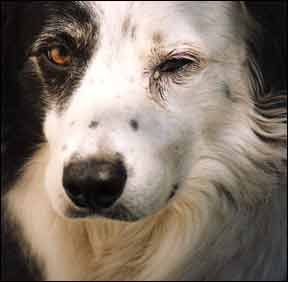
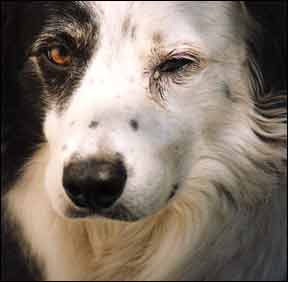
Something is wrong with your dog’s eye. It’s bright red or oozing pus or itching like crazy. Could it be pink eye? This common childhood condition, also known as red eye or conjunctivitis, affects people, cats, and our canine companions.
288
Conjunctivitis is an inflammation of the conjunctiva, the tissue covering the eye and inner surface of the eyelid. If caused by bacteria or viruses, it can be infectious. Noninfectious conjunctivitis can be caused by allergic reactions, irritants, or trauma injuries.
While contagious conjunctivitis is common among cats and schoolchildren, most canine cases involve seasonal allergies or pollen exposure, injuries like cuts or scratches, or the presence of a small foreign object – anything from a grain of sand to a sliver of bark, piece of grass, tiny leaf, or small insect. In those cases, secondary bacterial infections may develop.
According to veterinary ophthalmologist David T. Ramsey, DVM, “Primary conjunctivitis attributable to infectious pathogens is exceedingly rare in dogs. In contrast to canine conjunctivitis, feline conjunctivitis is almost always primary and attributable to infectious pathogens (viral, chlamydial, or bacterial). Bacterial conjunctivitis in dogs almost always occurs secondary to an underlying disease that alters normal resident conjunctival flora and favors bacterial proliferation.”
Getting a Correct Diagnosis The symptoms to watch for are eye redness, discharge, swelling, squinting, excessive blinking, sensitivity to light, pawing the eyes, or rubbing the face and eyes on floors, the ground, or other surfaces.
If you think your dog might have conjunctivitis, see your veterinarian. An eye exam can rule out corneal diseases, disorders of the tear ducts or tear production, eyelid abnormalities, or parasites of the conjunctiva or eyelids. It is important to get an accurate diagnosis because what works for simple conjunctivitis will not treat these more serious underlying problems.
Your veterinarian may perform certain tests, such as fluorescein staining to detect corneal ulcers or superficial abrasions, the Schirmer tear test to determine whether your dog is producing sufficient tears, and a thorough exam of the external eyelids, third eyelid, and conjunctiva.
If needed, additional tests can check for specific bacteria, the distemper virus, glaucoma, and other illnesses.
Treatment may include thorough rinsing or irrigation to remove foreign objects or irritating substances, medication to correct insufficient tear production or eyelid infections, antibacterial eye ointments for secondary bacterial infections, or anti-inflammatory eye medications to help reduce swelling.
Types of conjunctivis include:
-Serous conjunctivitis, which is a mild (not serious) condition, causes membranes to look pink and swollen, with a clear, watery discharge. This condition is usually caused by irritants such as dust, allergens, and cold or windy weather.
-Allergic conjunctivitis, a form of serous conjunctivitis, can cause itching. Household chemicals, lawn and garden sprays, and smoke from cigarettes or wood-burning stoves or fireplaces are potential causes of serous conjunctivitis. While foreign objects tend to affect a single eye, environmental factors that cause allergic conjunctivitis often affect both eyes.
-Keratoconjunctivitis sicca, or dry eye (also known as KCS), contributes to irritation, inflammation, and infection. The conjunctiva is usually red and inflamed, and symptoms may include squinting; a thick, ropey, mucous-like discharge; and corneal scarring.
-Follicular conjunctivitis, also known as mucoid conjunctivitis, results when small mucous glands (follicles) react to an infection or eye irritant and form a rough, cobblestone surface that irritates the eye. The resulting discharge resembles mucus, and if the problem persists, the rough surface can be a chronic irritant. Puppies and young dogs are typical follicular conjunctivitis patients, and the illness usually subsides with age.
-Purulent conjunctivitis is usually associated with Streptococcus and Staphylococcus bacteria. Thick secretions of pus and mucus may form a crust on the eyelids.
-Neonatal conjunctivitis affects the eyelids of infant puppies before or after their eyelids separate, which usually happens at 10 to 14 days of age. During or shortly after birth, bacteria may move behind the eyelid. Prompt veterinary treatment is important because untreated neonatal conjunctivitis can result in corneal damage and blindness.
-Parasitic conjunctivitis is rare in North America, but in some cases bot fly larvae or, in the Western United States, the parasitic worm or nematode Thelazia californiensis can inhabit the conjunctival sac between eye and eyelid. Eyeworms, as they are commonly called, are transmitted to dogs by insects. Both adult and larval eyeworms can produce symptoms ranging from mild tearing or discharge to conjunctivitis, keratitis (inflammation of the cornea), or corneal ulcers.
Other causes In addition to injurious conditions like corneal ulcers and keratitis, blepharitis (inflammation of the eyelids) and skin diseases that affect the eyelids can all contribute to conjunctivitis.
Some upper respiratory diseases, including kennel cough, involve viruses and bacteria that can produce conjunctivitis in one or both eyes along with coughing, sneezing, lethargy, decreased appetite, fever, and nasal discharge.
In some dogs, conjunctivitis is caused by anatomical irregularities, such as loose or drooping eyelids that cannot close completely, or eyelids that roll inward, or lashes that grow in the wrong direction, any of which can cause lashes to rub against the cornea.
Treatment If you suspect that your dog has something trapped in her eye, don’t waste time. Flush the eye with a sterile saline solution or, if that isn’t possible or effective, go to your vet right away. An irritating foreign object can create serious eye problems if left untreated, especially if the dog is doing her best to dislodge it.
Underlying problems that result in conjunctivitis should always be treated. For example, artificial tears and lubricants help dogs with keraconjunctivitis sicca, or dry eye, along with topical antibiotics to resolve bacterial infections or concurrent corneal ulcers.
Abnormal eyelids or eyelashes can be treated surgically.
Conjunctivitis accompanying upper respiratory infections is typically treated with topical antibacterial medication and supportive care.
Allergic reactions can be challenging because dogs, like people, can be allergic to all kinds of things. But if your dog is diagnosed with allergic conjunctivitis, it’s a good idea to protect him as much as possible from cigarette or wood smoke, spray-on carpet cleaners, lawn chemicals, and harsh cleaning products. Change furnace and air-conditioner filters frequently, and experiment with air purifiers or humidifiers to see if they help prevent symptoms.
Parasitic conjunctivitis requires the physical removal of eyeworms or larvae, which can be accomplished by flushing the conjunctival sac with sterilized saline or by removing them with a fine forceps or cotton swab while the dog is sedated. Treatment with a parasiticide such as moxidectin is reported to be even more effective than mechanical removal, especially where eyeworms are endemic.
Home First Aid Sterile saline solutions are widely available, and the same products can be used to rinse foreign objects or irritants from the eyes of both canine and human patients. For general first aid, keep a sterile eye rinse on hand.
Most natural food markets and some pharmacies sell eye washes for pets. For example, Espree Natural Aloe Optisoothe Eye Wash for Dogs & Cats contains purified water, aloe vera, benzalkonium chloride, and sodium chloride; V-Pro Eye Rinse for Dogs contains boric acid, purified water, sodium borate, and sodium chloride; and the human product OcuFresh Eye Wash contains sodium chloride, sodium borate, and boric acid. All of these can be used to flush a dog’s eyes.
If you don’t have one when you need it, you can make a simple saline eye wash with 1 cup distilled water and 1 teaspoon salt, boiled for 5 minutes and then cooled to room temperature. This solution should be freshly made and stored in the refrigerator for no more than a day or two before use.
Willard Water concentrate, described in “Willard Water: A Powerful Anti-oxidant” (WDJ June 2006), has helped many dogs recover from eye injuries and infections. Simply add a small amount of the concentrate (about 1/2 teaspoon concentrate per cup of water) to your saline solution. To be sure the solution is completely clear, strain it through a paper coffee filter before applying.
It often takes two people to rinse a dog’s eyes, one to hold the head steady and one to keep the dog in position. For best results, tilt the dog’s head to one side so that the rinse flows from one side of the eye to the other.
288
Homemade or purchased eye wipes can be used, although they should not be applied directly to the eye, but rather used around it. To make your own, simply saturate cotton balls or a cotton pad and dab around the eye. Solution released from the cotton will rinse the eye. A sterile spray bottle can also be used as well. Simply spray a fine mist of solution over the eye area. Even if the dog’s eyes are closed, some will enter the eye.
Treating Conjunctivitis at Home The easiest form of this disease to treat at home is serous conjunctivitis. Infection-fighting ophthalmic gels and rinses, such as Vetericyn products, are sold through veterinary clinics and pet supply stores. Some come with a cone-shaped applicator that helps control delivery.
Herbal eye drops, which can be made at home or purchased at most pet supply or natural food stores, can help in many cases. Pet Alive’s Eye-Heal herbal eye wash contains burdock, greater celandine, meadowsweet, and rosemary. Animals’ Apawthecary Eye & Nose Herbal Drops contain sodium chloride, boric acid, sodium borate, and extracts of certified organic goldenseal, eyebright, and usnea. Halo Cloud Nine Herbal Eye Wash contains eyebright extract, goldenseal extract, boric acid, and sea salt. NHV Ey-Eas eye drops contain chamomile, eyebright, goldenseal, and rosemary in a base of purified water and glycerine.
Several eye-friendly herbs are effective, gentle, and well tolerated by most canine patients. To brew any of these herbs as a tea (called an infusion), add 1 teaspoon dried herb to 1 cup boiling water, cover, and let stand until cool. Add 1 teaspoon unrefined sea salt, if available, or any table salt.
Alternatively, dilute the tea with any over-the-counter saline solution labeled for eye use. You want the result to be slightly salty, like tears.
Add 1/2 teaspoon Willard Water concentrate if available. Strain the mixture through paper coffee filter to remove any plant parts or undissolved salt. Apply with an eye dropper, cotton balls, or spray bottle every two to three hours as needed.
-Calendula (Calendula officinalis) is among the first herbs to consider for minor first aid. A broad array of medicinal compounds in the flowers of the plant, including various essential oils, flavonoids, saponins, triterpene alcohols, and carotenes, combine to help speed cell reproduction and inhibit bacteria and fungi at the site of injury. For minor cuts, insect bites, abrasions, or post-surgical incisions, a calendula wash will bring quick, soothing relief to pain and swelling, while lending antimicrobial properties to the body’s healing effort. Cool calendula tea works well as an eye wash for conjunctivitis, where its mild but predictable astringency combines with bacteria-fighting properties to reduce irritation and infection.
-Chamomile, both the German (Matricaria recutica) and Roman (Chamaemelum nobile) varieties, is considered one of the safest and most versatile herbal pet remedies. Because of its anti-inflammatory properties, chamomile is often recommended as an eye wash ingredient. Follow the tea-brewing instructions above and apply when cool.
-Nettle (Urtica dioica) has so many medicinal properties, it’s considered an all-purpose healing aid. As herbalist Gregory Tilford wrote in “Learning about Nettle” (WDJ, May 2003), “Nettle is one of the first herbs I reach for when a need arises for a soothing, anti-inflammatory eye rinse.”
-Raspberry leaf (Rubus idaeus) is another soothing herb that helps reduce the discomfort caused by conjunctivitis. Best known as a uterine relaxant and whelping aid, red raspberry leaf is an astringent herb containing polypeptides, flavonoids, and tannins. Its tea works well as a first-aid rinse for cuts and abrasions.
-Goldenseal (Hydrastis canadensis) is a key ingredient in some eye drops because it is both anti-inflammatory and antimicrobial. This makes it especially appropriate for conjunctivitis that is secondary to bacterial or fungal infections. Goldenseal quickly reduces inflammation and redness. Because the plant part used is the root rather than leaves, goldenseal tea should be brewed as a decoction rather than an infusion. Combine 1 cup water with 1 teaspoon chopped dried root, cover, bring to a boil, and simmer over low heat for 20 minutes, then remove from heat with cover in place and let cool to room temperature.
-Oregon grape root (Mahonia aquifolium) fights infection and reduces inflammation, making it another herb appropriate for the treatment of conjunctivitis. Prepare as a decoction, like goldenseal. Because the berberine in this solution can irritate the eyes, dilute this tea with an equal or greater part of chamomile or raspberry leaf tea, some other soothing infusion, or a saline solution.
-Cornflower (Centaurea cyanus) tea is a traditional eye wash in parts of France. Its mild astringent and antiseptic qualities make it effective in the treatment of conjunctivitis and inflammation.
Don’t Bother With These Remedies Although Eyebright (Euphrasia spp.) is widely recommended as an herbal eye treatment, and although it is astringent and has antibacterial properties, there is no scientific evidence showing that eyebright is effective against conjunctivitis or any other eye disease, and Germany’s Commission E (an agency that documents the effectiveness of herbal preparations and approves or disapproves their use) recommends against using it. In addition, eyebright is considered an at-risk herb because of over-harvesting. Most herbalists agree that eyebright can safely be eliminated from herbal eye formulas.
Another widely recommended product that has not been shown to be effective against conjunctivitis is colloidal silver. This solution, in which minute particles of silver are suspended in water, has been marketed for decades as a natural infection-fighter and as a treatment for conjunctivitis. In 2004, the Journal of Wound Care published a study in which three different colloidal silver solutions had no effect on the growth of test organisms.
Support Therapies In addition to treatments that address conjunctivitis directly, consider some with a less obvious healing connection.
When Chloe, my eight-year-old Labrador Retriever, developed a bright red left eye with an oozing white discharge, her veterinarian, Tia Nelson, DVM, diagnosed conjunctivitis. Her symptoms developed in December, when many dogs in Montana’s Helena Valley experience seasonal allergy symptoms in response to smoke from wood-burning stoves and fireplaces, and they appeared the day after we went for a very cold, windy hike. Because Dr. Nelson is also a veterinary chiropractor, she adjusted Chloe’s neck and jaw, explaining that eye conditions often respond to alignment corrections.
Acupuncture is another supportive therapy. As Randy Kidd, DVM, wrote in “The Structure of the Eye” (WDJ, September 2004), “Acupuncture has been successfully used to treat many eye conditions. Keratitis, chronic conjunctivitis, and all sorts of eye irritations typically respond favorably to acupuncture, and cataracts or even blindness may respond.”
He explained that an acupuncturist might diagnose conjunctivitis as an example of excess heat of the liver. Acupuncture needles positioned to bring the liver back into balance would then restore the body to a state of harmony.
Various energy healing therapies, such as Reiki and Jin Shin Jyutsu, are also used to restore balance and health to the body. When Chloe’s symptoms developed, canine massage therapist Adele Delp performed Jin Shin Jyutsu around her eye.
We also applied NHV Ey-Eas eye drops. Chloe’s eye quickly returned to normal.
Freelance writer CJ Puotinen lives in Montana. She is the author of The Encyclopedia of Natural Pet Care and other books.
So, what should you do if your dog is the victim of a canine bully? Intervene, by all means. Here are some of the signs to look for that tell you that you need to step in and break up the interaction. Your dog:
288
-Tries to get away or hides behind you, or behind chairs.
-Offers appeasement behaviors (ears back, squinty eyes, lowered body posture, rolls on her back, urinates) to signal the other dog to back off.
-Snaps at the other dog when his appeasement signals are ignored.
-Doesn’t offer to re-engage if there is a pause in the action.
-Just doesn’t look like he’s enjoying himself.
288
If you see any of these signs when your dog is interacting with another, step in and separate the dogs. Give both dogs a time-out to let arousal levels settle. If your dog was enjoying himself for a while but then became overwhelmed, you might try letting them play again. Watch closely. If the other dog starts to become inappropriate again, stop the play before your dog shows signs of discomfort. Give both dogs another time out, and try again.
Over time, the bully may learn that play stops every time he gets too rough, and start to self-inhibit his play. Alternatively, you can ask the bully dog’s owner to redirect her dog’s behavior to a different activity that will keep your dog safe, as we did with Lucy.
If your dog was intensely bullied from the start of the interaction, a serious fight erupted, you can’t redirect the bully dog’s behavior to another activity, or you’re not interested in risking your dog’s safety in the interest of modifying the other dog’s behavior, you’re better off ending the session after the first intervention.
1. Lots of animal protein at the top of the ingredients list
Ingredients are listed by weight, so you want to see a lot of top quality animal protein at the top of the list; the first ingredient should be a “named” animal protein source (see next bullet).
2. A named animal protein
Chicken, beef, lamb, and so on. “Meat” is an example of a low-quality protein source of dubious origin. Animal protein “meals” should also be from named species (look for “beef meal” but avoid “meat meal”).
3. An animal protein meal in a supporting role when a fresh meat is first on the ingredient list
This is to augment the total animal protein in the diet. Fresh (or frozen) meat contains a lot of water, and water is heavy, so if a fresh meat is first on the list, another source of animal protein should be listed in the top three or so ingredients. Fresh or frozen meats do not contain enough protein to be used as the sole animal protein source in a dry food; they contain as much as 65 to 75 percent water and only 15 to 25 percent protein. In contrast, animal protein “meals” – meat, bone, skin, and connective tissue that’s been rendered and dried – contain only about 10 percent moisture, and as much as 65 percent protein.
4. Whole vegetables, fruits, and grains
Fresh, unprocessed food ingredients contain nutrients in all their natural, complex glory, with their fragile vitamins, enzymes, and antioxidants intact. Don’t be alarmed by one or two food “fractions” (a by-product or part of an ingredient, like tomato pomace or rice bran), especially if they are low on the ingredients list. But it’s less than ideal if there are several fractions present in the food, and/or they appear high on the ingredients list.
5. A “best by” date that’s at least six months away
A best by date that’s 10 or 11 months away is ideal; it means the food was made very recently. Note: Foods made with synthetic preservatives (BHA, BHT, ethoxyquin) may have a “best by” date that is as much as two years past the date of manufacture.
What You Don’t Want to Buy:
– Meat by-products or poultry by-products
Higher-value ingredients are processed and stored more carefully (kept clean and cold) than lower-cost ingredients (such as by-products) by the processors.
– A “generic” fat source
Such as “animal fat.” This can literally be any fat of animal origin, including used restaurant grease and fats derived from roadkill. “Poultry” fat is not quite as suspect as “animal fat,” but “chicken fat” or “duck fat” is better (and traceable).
– Added sweeteners
Dogs, like humans, enjoy the taste of sweet foods. Sweeteners effectively persuade many dogs to eat foods comprised mainly of grain fragments (and containing little healthy animal protein).
– Artificial colors, flavors, or preservatives (i.e., BHA, BHT, ethoxyquin)
The color of the food doesn’t matter to your dog. And it should be flavored well enough to be enticing with healthy meats and fats. Natural preservatives, such as tocopherols (forms of vitamin E), vitamin C, and rosemary extract, can be used instead. Note that natural preservatives do not preserve foods as long as artificial preservatives, so owners should always check the “best by” date on the label and look for relatively fresh products.
If you met Bonnie today, there’s a 95 percent chance you could greet her without having her pee on the floor. That wasn’t always the case. In fact, when we adopted the six-month-old Scorgidoodle six years ago her submissive urination behavior was so extreme I awarded my academy students extra credit points if they could greet her without making her pee. Only a few students earned those points the first year.
In fact, the adorable Bonnie had been surrendered to the shelter because her owners “couldn’t housetrain her.” Far too many dog owners mistake submissive and excitement urination as a house-training problem when they are actually behavioral issues. Sadly, many dogs are punished for these presentations of inappropriate urination; in both cases, this is the worst thing you can do, as it is highly likely to make the behavior worse, not better.
Some behavior professionals consider excitement and submissive urination to be on a continuum of the same behavior, while others make a clear distinction between the two. These are both involuntary behaviors, meaning the dog is not deliberately house soiling, but rather simply reacting to conditions in his environment. The behavior is not under his control.
In both cases, the first step is a trip to your dog’s veterinarian, to rule out any medical or physical causes for or contributors to the behavior, such as a urinary tract infection. Assuming no medical condition, the next step is behavior modification. Of the two behaviors, excitement urination is generally the easier to resolve, so let’s look at that one first.
Excitement Urination for Dogs
This is the canine equivalent of, “Whee! I’m so happy and excited I peed my pants!” This behavior is seen as simple immaturity, particularly common among young, exuberant dogs of many breeds and either gender, who have not yet developed complete neuromuscular control. The dog sometimes doesn’t even squat (or lift a leg), and may urinate while standing, walking, running, or jumping up and down. The best solution is tincture of time; many dogs simply outgrow the behavior as they attain physical maturity. Additionally, you can:
1. If possible, greet your dog outside, and have guests greet him outside. This won’t reduce the excitement urination, but will reduce clean-up chores.
2. Take your dog for more-frequent-than-normal walks so her bladder is always as empty as possible.
3. Teach your dog to relax, by calmly reinforcing relaxed behavior (lying down; standing calmly with four feet on the floor; sitting quietly to greet people). A relaxation protocol such as the one developed by Dr. Karen Overall can be very useful.
4. Provide your dog with more aerobic exercise. Off-leash hikes; playing with other dogs (where safe and legal); and good, hard fetching sessions with a ball or flying disk are all great ways to expend the excitement energy that can cause loss of bladder control. Tired dogs don’t get as excited as underexercised ones!
5. Greet your dog calmly, with quiet body language and a low tone of voice, and/or or don’t greet him at all until he calms down.
6. Instruct visitors to greet your dog calmly, with quiet body language and a low tone of voice, rather than encouraging excitement. (Teaching other humans to alter their dog-greeting behavior is often the most difficult task!)
7. Calmly ignore any damp greetings, and quietly ask your dog for a relaxation behavior you’ve already trained that is incompatible with excitement, such as lying in “sphinx position” or on his side, head on the floor.
8. Do not punish your dog – or yell or behave angrily, even if it’s not directed at him – if he makes a mistake.
Submissive Urination in Dogs
This behavior is more common in young dogs than older ones and in more females than males, and it appears more frequently in certain breeds, including Cocker Spaniels, Golden Retrievers, and Dachshunds – but can occur in any dog. Prime candidates for submissive urination are dogs who are also otherwise behaviorally submissive. Unlike excitement urination, a dog who pees submissively may also offer other appeasement behaviors such as a lowered body posture, flattened ears, rolling over, licking, and looking away. The dog may offer a subdued greeting or greet with some excitement.
The more assertive a human’s approach to a pee-prone dog, the more likely a puddle is to appear. Hence, men – especially large, deep-voiced men – are more apt to trigger urination than are soft-spoken, small women. Fast, direct, exuberant approaches by any human are riskier than slow, calm, approaches. Direct eye contact, patting the dog on top of his head, and bending over the dog are more likely to trigger submissive responses – including urination – than are averted eyes, kneeling sideways, and scratching the dog under his chin or on his chest.
Many dog owners are surprised to discover that submissive urination is a natural, normal behavior. It probably stems initially from the mother’s practice of stimulating reflexive urination in young puppies by licking the urogenital area. In the canine world, it keeps a lower-ranking member of a group safe from a higher-ranking member. The dog who squats and pees when greeting another dog sends a strong, clear message, saying, “I am not challenging you, I acknowledge your superiority, there’s no need to hurt me.” It usually works well, with other dogs. With humans, not so much. I try to convince my clients that their submissively peeing dogs are actually giving them a huge “You da boss!” compliment, in an effort to change their perception of – and response to – their dogs’ behavior.
While submissive urination behavior is innate, and occurs in many puppies up to the age of six to eight weeks in the presence of perceived threats to their safety, it normally ceases pretty quickly as the pup matures and gains confidence. However, it is exacerbated and more likely to continue into adolescence or even adulthood if it is mismanaged with inappropriate punishment or excessive control by an overbearing human or dog.
A pup who is punished by his owner for normal housetraining accidents (or other typical puppy transgressions such as chewing) may start offering submissive urination in anticipation of the punishment associated with his owner’s presence. Eventually, any time the owner (or another human) looks at, walks toward, reaches for, or touches the pup, he may urinate. Therefore, to prevent the development of submissive urination in your growing pup, manage his environment to prevent exposure to overbearing, punishment-oriented humans, and limit his access to dogs who may behave aggressively with or bully him, or be otherwise inappropriately assertive.
If it’s too late for prevention, or you are dealing with submissive urination despite your appropriate environmental management, all is not lost. It is possible to modify submissive urination, although it can take a healthy helping of time, patience, and commitment. Here’s how:
1. Whenever possible, greet the dog outdoors. Have someone let him out to greet you in a fenced yard or other safe area when you arrive home. If no one else is home, ignore the dog until you let him out, and then greet him outside.
2. Keep your greetings calm. Rapid body movements and loud or excited voices are more likely to trigger a release of urine in both submissive and excitement urinators. Move slowly and speak in a calm, soft voice. Have all family members and visitors follow the same behavior guidelines. The more consistent and successful everyone is in not triggering the behavior, the sooner it will go away.
3. Take him out frequently to pee outdoors. A full bladder releases more easily – and makes a larger puddle – than an empty or near-empty one.
4. When you do greet, either indoors or out, turn sideways to the dog, kneel down with your upper body straight rather than bending over, avoid direct eye contact, let him approach you, and scratch him under the chin rather than petting him on top of the head or on the back of the neck.
5. If an accident does happen, do not react verbally or physically. Calmly invite the dog outside and then clean up the puddle.
6. Give visitors treats or a toy to offer to your dog. This encourages the dog to increase body height and move forward (more assertive behaviors) and gives guests something to do other than pat the dog’s head.
7. Teach him to target. Like taking a treat, having him target his nose to your hand encourages him to offer a more assertive behavior in greeting. Invite your guests to ask him to target to their hands – open palm, fingers pointed down.
8. Implement other confidence-building protocols such as “Find It” and “Treat and Retreat.” (For more about these bravery-building exercises, see “Building Your Dog’s Confidence Up“.) When you can’t control the behavior of your visitors, perhaps during a large party, keep your dog crated or closed in a safe room, where he won’t be subjected to urination-eliciting behavior.
9. Use one of the various doggie diaper or belly-band products that are availableto catch the urine and prevent damage to carpets and floors while you work on modifying the behavior.
10. Remember that your dog can’t help it. Reminding yourself that he cannot control his response helps you to avoid getting angry and minimizes the possibility that you may inadvertently send body language signals that tell your dog you are upset and as a result trigger more submissive urination.
11. Take your dog to a good, positive training class. Not only can the trainer help you with the submissive urination challenge, but the improved communication between you and your dog that occurs as a result of positive training will help him gain more confidence and end his submissive responses sooner.
12. If modification efforts are not successful and the behavior continues into your dog’s adulthood, consult a veterinary behaviorist or behavior-knowledgeable veterinarian about the use of medications that can increase the dog’s general muscle tone and control, including the muscles of the urethra.
Successful Greetings
If you have a submissive or excitement urinator, you can be very optimistic. Most dogs can overcome these problems relatively easily with appropriate management and modification techniques. Our beloved Bonnie, now almost seven, has been one of the most persistent cases I’ve ever encountered. In addition to her submissive urination, she is one of the less reliably housetrained dogs I’ve ever owned, supporting the theory of weak urethra muscles. She is still crated at night, to ensure an accident-free sleep time.
However, I no longer award extra-credit points to academy students for pee-free greetings. At one time so sensitive that simply walking toward her could trigger a puddle, Bonnie is now mostly pee-free when met with normal low-key greetings. (I do still warn students of the need to greet her calmly.) If I try, I can still elicit a small puddle from her in one circumstance – when she has something in her mouth I need to take from her (she does have a tendency to pick up stuff!). When she does, I avoid a pee response simply by trading her for a treat, rather than just taking the object away (a better approach to retrieving an object from your dog anyway!). However, my husband and I no longer have to use any caution at all when greeting her – we can bend over, pat her on the head, hug her, and do all the other normal, stupid-primate things we humans like to do to our dogs. If Bonnie can do it, your dog can, too.
Pat Miller, CBCC-KA, CPDT-KA, CDBC, is WDJ’s Training Editor. Author of numerous books on positive dog training, she lives in Fairplay, Maryland, site of her Peaceable Paws training center, where she offers dog training classes and courses for trainers.
If you use these products, you may need to find alternatives.
It seems like every time I turn around these days, I hear about another drug shortage (more on that topic in an upcoming WDJ article). This time, it’s Novartis Animal Health announcing in late December that it has suspended production of Interceptor, Sentinel, and other drugs while its manufacturing facility in Lincoln, Nebraska, undergoes “voluntary” improvements. Numerous human and animal over-the-counter drugs are manufactured at this plant. According to reports, the company hopes to know in January when production will be resumed.
If you currently use either of these products, you may need to find a substitute, at least temporarily. Interceptor is a monthly heartworm preventive medication; it should be easy to switch to Heartgard (or generic equivalent), Revolution, or the newer Advantage Multi. Be sure to purchase these from a reliable source to avoid potentially ineffective counterfeit products. See “When Buying Veterinary Drugs Online, Look for Accredited Sites,” (WDJ June 2011)
Sentinel is a combination of Interceptor (milbemycin oxime) and Program (lufenuron), an insect growth regulator that prevents fleas that bite your dog from producing viable offspring, and therefore can be useful in combating a flea infestation. Program is manufactured by Novartis and is therefore almost certainly one of the other products whose production has been suspended. If you don’t have fleas, you don’t need to use lufenuron.
If you do have a flea problem, you can switch to flea and tick products that contain their own insect growth regulators. Advantage II and Advantix II use pyriproxyfen (Nylar), while Frontline Plus and Certifect use S-methoprene (Precor). For more information on these products, see “New Flea and Tick Products Hit the Market” (WDJ December 2011).
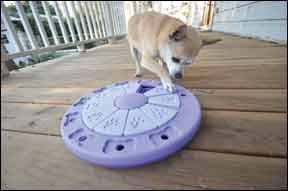
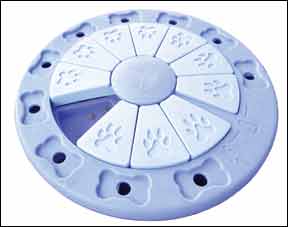
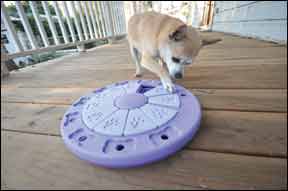
Swedish dog owner Nina Ottosson first marketed some of her puzzles and games for dogs in Sweden in 1993; we first heard about them (and reviewed the original wood versions) in 2008. Since then, probably in a defensive response to a number of cheap plastic knockoffs of her designs, Ottosson has developed a line of high-quality plastic toys, though the original, beautiful wood models that are made in Sweden are still available. The wood ones are sturdy and gorgeous – and more expensive. The plastic ones are also quite rugged, holding up to all sorts of clawing and even being picked up and dropped and continuing to work perfectly.
185
We tested one of the knockoffs, as well as Ottosson’s plastic “Dog Twister” model; there was no comparison. Our dogs were finished with the knockoff in minutes; but many designs of the Ottosson toys, like the Dog Twister, are designed with several levels of difficulty and continue to provide a challenge for dogs after months of play. In addition, Ottosson makes more complex toys and simpler toys; as her website says, “Whether you have a ‘Forrest Gump’ or an ‘Albert Einstein’, there is a Nina Ottosson game design to suit every dog!” (Even our young cats got into the action, using their claws to manipulate the pieces; Ottosson indicates which of the toys are appropriate for cats!)
175
These toys are great for occupying puppies, giving non-ambulatory or post-surgical dogs something to do, or just amusing yourself while amusing your dog!
We purchased from Amazon.com, but the toys are available from a number of online retailers, listed on the website below.
Dog Twister, Plastic – $42
Nina Ottosson Dog Activity Toys Karlskoga, Sweden 46-586-30034 nina-ottosson.com
To provide the best experiences, we use technologies like cookies to store and/or access device information. Consenting to these technologies will allow us to process data such as browsing behavior or unique IDs on this site. Not consenting or withdrawing consent, may adversely affect certain features and functions.
Functional
Always active
The technical storage or access is strictly necessary for the legitimate purpose of enabling the use of a specific service explicitly requested by the subscriber or user, or for the sole purpose of carrying out the transmission of a communication over an electronic communications network.
Preferences
The technical storage or access is necessary for the legitimate purpose of storing preferences that are not requested by the subscriber or user.
Statistics
The technical storage or access that is used exclusively for statistical purposes.The technical storage or access that is used exclusively for anonymous statistical purposes. Without a subpoena, voluntary compliance on the part of your Internet Service Provider, or additional records from a third party, information stored or retrieved for this purpose alone cannot usually be used to identify you.
Marketing
The technical storage or access is required to create user profiles to send advertising, or to track the user on a website or across several websites for similar marketing purposes.
This website uses cookies and other tracking technologies to offer you a better experience, personalize content and ads, and analyze our site traffic. Before proceeding, you agree to our Terms and that you’ve read our Privacy Policy. Update Settings
Functional
Always active
The technical storage or access is strictly necessary for the legitimate purpose of enabling the use of a specific service explicitly requested by the subscriber or user, or for the sole purpose of carrying out the transmission of a communication over an electronic communications network.
Preferences
The technical storage or access is necessary for the legitimate purpose of storing preferences that are not requested by the subscriber or user.
Statistics
The technical storage or access that is used exclusively for statistical purposes.The technical storage or access that is used exclusively for anonymous statistical purposes. Without a subpoena, voluntary compliance on the part of your Internet Service Provider, or additional records from a third party, information stored or retrieved for this purpose alone cannot usually be used to identify you.
Marketing
The technical storage or access is required to create user profiles to send advertising, or to track the user on a website or across several websites for similar marketing purposes.