
To continue reading this article or issue you must be a paid member. Sign in

Join Whole Dog Journal
Get full access to Whole-Dog-Journal.com – more than 4,000 articles – for just $20.
Join today and save 30% off our full price.

Subscribe
The best in health, wellness, and positive training from America’s leading dog experts
[Updated January 28, 2019]
The elderly man’s voice quavered haltingly in my ear. “Whiskey is just too energetic for us. We have to keep him penned up in the kitchen, and when he’s outside he just bounces on the door. He already broke the glass once! How do we stop him from bouncing on the door?”
Whiskey was an 18-month-old Labrador Retriever, adopted three weeks prior from the local humane society, to a couple in their mid-70s. His new guardians were experienced dog owners and had owned Labradors before, but their last dog died a decade earlier, at the ripe old age of 14 years. It had been almost a quarter of a century since the well-meaning couple had managed an active young dog!
It was clear that they had made an ill-advised adoption choice when they brought home an adolescent Lab with an unknown history, who had clearly missed more than a few of his good manners lessons. Rather than being the loving companion they had envisioned, Whiskey was making this couple’s life miserable.
Unfortunately, their solution (banishing Whiskey for longer and longer periods of time to the backyard) was compounding the problem, making Whiskey even more lonely and hence even more overstimulated when he was finally granted time in their company. They would, they promised, bring him in the house once he calmed down, but the more time he spent outside, the less calm he got. The relationship was spiraling rapidly downward, with the wife insisting that Whiskey was beyond help, and threatening to take him to their veterinarian for euthanasia.
We hastily scheduled an appointment for a private consultation. I assured the couple that there was no need to rush Whiskey to the euthanasia table – the young dog’s behavior sounded pretty normal for an untrained adolescent Lab, and even if he wasn’t suitable for their home, there were other options available to him, such as Labrador Retriever Rescue, or one of the many government search dog programs.
Sadly, Whiskey’s is not an isolated case. A generation or two ago, Mom stayed in the home and taught the dog good manners while the rest of the family went off to work or school. Today, many family canines are latchkey dogs, left to their own devices all day, and family members are often too busy or too tired when they get home to spend the time necessary to properly train the dog. So, while it’s increasingly socially acceptable to spay and neuter, and many animal shelters are seeing fewer litters of unwanted puppies as a result, shelter kennels are often filled with out-of-control adolescents like Whiskey.
Whether you have a pup with normal puppy energy or an obstreperous teenager who has good manners lessons to catch up on, clicker training can be a magically effective and gentle way to convince a dog to calm down. No yelling, no physical punishment; just clicks and treats for any pause in the action.
That said, the biggest challenge with a “hyper” dog is that any praise or reward may cause her to begin bouncing off the walls again. It is nearly impossible to deliver a treat to an excitable dog while she is still in the act of being calm. By the time you get the treat to her mouth she is once again doing her Tasmanian devil act. She may well perceive the treat as a reward for her jumping jacks rather than for the sought-after calmness that occurred briefly several seconds before. Fortunately, this problem is not insurmountable.
Timing and consistency are key to successful training. If you give a reward to your dog more than a second or two after she exhibits the desired behavior, she will lose the connection, and may even come to believe she was rewarded for whatever she was doing at the moment you gave her the reward. However, once a dog has learned the connection between a reward marker (I recommend using the Click! of a clicker or a verbal “Yes!”) and a pending reward, your timing can be impeccable – an instant of calm elicits a Click!, and the treat can arrive several seconds later. An added advantage of the clicker is that once most dogs hear the Click!, they pause in anticipation of the coming morsel, drawing out the relatively calm behavior even longer.
Here’s how you can turn your Tasmanian Devil into a Serene Sally. Follow this simple program to help her get rid of excess energy, prevent her from being rewarded for out-of-control behavior, and consistently reward her for being calm.
The first element in an “all is calm” program is to provide your dog with lots of exercise. Wise dog trainers and owners know that a tired dog is a well-behaved dog. Often, when people think their dogs are at their worst, they are simply chock-full of energy, bursting to find an escape. Tug o’ war on your pants leg, donuts around the dining room table, and record high-jumps over the back of the sofa are just some of their outlets for that pent-up energy.
If this sounds like your dog, schedule at least three tongue-dragging sessions of fetch per day. Climb to the top of a hill or staircase and throw the ball down so she has to keep climbing back up to return it to you. Set up an obstacle course with lots of things to climb and jump over. Be careful not to send her into heat stroke, but definitely play until she is pooped. Keep the exercise breed-appropriate – an athletic Border Collie can handle lots more physical challenges than an English Bulldog.
Don’t think that a walk around the block will do it. A walk on leash, even a long one, is nothing but an exercise hors d’ouerve for a young dog. You may be tired when you get home from the walk, but your dog is just getting warmed up! If no one in the family has time to give her adequate exercise, arrange for a dog walker to come by a couple of times a day and wear her out, or take her to doggie daycare as often as possible. Eight hours of romping with other dogs is guaranteed to take the wind out of her sails! (See “Doggie Daycare Can Be A Wonderful Experience: But is it for Every Dog?“)
While wearing out your dog should be part of your regular routine, there are other changes you can make in order to manage her inappropriate behavior (see “Relieving Separation Anxiety Symptoms,” August 2001). Whiskey, the Labrador mentioned earlier, repeatedly bounced against his family’s sliding glass door because it was rewarding to him; it brought him the greatly coveted attention of his people when he did so, and when he succeeded in breaking the glass, it actually gave him access to indoors, where he wanted to be.
All living things repeat behaviors that are rewarding to them. Whiskey’s owners needed to find ways to reward him for good behavior, and prevent him from being rewarded for the unacceptable ones.
The management answer is to physically control your dog’s behavior through the judicious use of leashes, pens, crates, and tethers (see “Tethered to Success,” April 2001, and “Crate Training Made Easy,” August 2000). Use these management tools wisely to prevent your dog from rewarding herself with your attention (at times you do not want to give it to her).
As soon as you have laid the foundation with exercise and management, you can begin an effective clicker-training program. Don’t procrastinate; you can accomplish this on Day One of your “all is calm” program. Start by “charging the clicker” – officially known in behavior circles as “conditioning the reward marker.”
Begin by clicking the clicker in your pocket, to avoid startling her with the sharp sound. Click! the clicker, feed your dog a treat. Click! and treat. Click! and treat. As she begins to associate the sound with the treat, bring it out of your pocket and click it in a more natural position at your side or your waist.
Your dog doesn’t have to do anything special to get the Click! and treat, as long as she isn’t doing something unacceptable, like jumping on you or chewing the corner of the coffee table. If necessary, use one of your management tools to keep her out of trouble while you Click! and treat. Most dogs catch on pretty quickly that the Click! means a treat is coming. When your dog’s ears perk and her eyes brighten at the sound of the Click!, you knows she’s getting it. Now you can use your “charged” clicker for training.
The goal of clicker training is to get your dog to understand that she can make the Click! happen by offering certain behaviors – in this case, calm. At first, you can’t wait for long, leisurely stretches of calm behavior to click; some families report that their dogs never stop whirling around like a tornado, at least, when people are paying attention to them! Instead, begin by giving your dog a Click! and treat just because all four feet are on the floor at the same instant. Be quick! You want her to understand that the behavior she got rewarded for was pausing with all four feet on the floor, so your timing needs to be sharp, and the Click! needs to happen the instant all four feet are down.
If your timing is good and you catch her with four-on-the-floor several times in a row, you will see her start to stand still deliberately, in order to make the clicker go off. Light bulb! A door has opened in her brain, and you can now see her thinking. To me, this is one of the most exciting moments in dog training – what we sometimes call the “Helen Keller moment,” when the dog realizes that she can control the clicker and a whole new world of communication has opened to her. You now have a very powerful tool in your little plastic clicker box. You can use it to reinforce any behavior you want, any time it happens, and your dog will quickly start repeating that behavior for you.
Okay, back to calm. How does “pausing briefly on all four feet” translate into a calm dog? Very gradually. You are going to “shape” the pause into longer and longer periods of stillness, by extending the time, in milliseconds at first, that you wait as she is standing still before you Click! and treat. If you err and she starts to jump around again, just wait. Eventually there will be another pause that you can Click! and then start the shaping again.
As your dog gets better at being calm for longer and longer periods, be sure to reinforce randomly – sometimes for shorter pauses, sometimes longer. If you just keep making it harder and harder – longer and longer – she may get frustrated and quit playing the game.
Each training session should be relatively short, to avoid frustration for both of you, but you can do several in a day. You will have the most success, at least at first, if you practice working on calmness right after one of her exercise sessions, when she is tired anyway. As she gets the idea that “calm” is a very rewardable behavior, it will work even when she has more energy.
When your dog can hold still for several seconds at a time, add the verbal cue of your choice – something like “Easy . . .” that you will eventually be able to use to cue her for calmness. Over time, you will be able to phase out the Click! and treat and use petting and praise as a reward instead of food. Keep your voice and body language calm and soothing to reflect and support her own growing calmness. Petting should be done as a massage – slow kneading or stroking, not vigorous patting or thumping.
You can use a management tether and a clicker to teach your dog a very useful calming exercise, called “Go To Your Spot.” Arrange her tether station so it is very comfortable, with a soft bed, really good chew toys, and unspillable water. Toss a treat onto the bed and say “Go to your spot.” When she gets there and is about to snatch up the treat, Click! your clicker.
Repeat several times, clicking and treating each time until she goes to her spot easily, and then attach the tether to her collar. Sit in a chair nearby but out of her reach and read a book. If she fusses, ignore her. When she is quiet, Click! and toss her a treat. This is “positive reinforcement” – her good behavior makes something good happen: She gets a Click! and treat.
Occasionally when she is being calm, get up, go over to her bed and quietly pet and praise her (also positive reinforcement). If she starts to get excited when you are with her, go back to your chair and sit down again. This is “negative punishment”: her inappropriate behavior makes a good thing – you and your treats – go away. Negative punishment is considered effective and humane by most positive trainers.
When she is calm on her tether for long stretches of time – up to 5 or 10 minutes with occasional treats and visits, remove the tether and continue to reward her for lying calmly on her bed. If she revs up again, re-tether her and practice more calm.
You should also practice this when guests visit. Give your dog an extra tiring play session before they arrive so she can be on her best behavior. If she greets them too enthusiastically, have her go to her spot, tethered if necessary, and wait until she is calm to allow guests to greet her. When she is relaxed, untether her so she can mingle with the visitors politely. If she gets carried away, she can do another session on her tether.
In recent weeks, I have seen a number of reports of puppies or dogs who began showing aggressive behavior when their handlers used a certain training technique. In several of the cases, the dog owners were confused and upset, because they were using a training method that had been suggested to them by their veterinarian. In each case, the owners had been attempting to get their puppy or dog to “calm down” by either flipping it upside down and holding it to the floor (often referred to as an “alpha roll”), or by holding the pup upside down on their laps.
Here’s an excerpt from a letter I received from a woman in Greenville, North Carolina:
“I have a question about my puppy, an eight-week-old mix-breed. She is generally a very good dog, but has made me a little concerned because she has growled at me and bared her teeth. Both times this happened when I was holding her on her back to make her submit. I was told by my veterinarian that if she becomes out of control I should flip her on her back and hold her down until she submits and breaks her gaze away from me. She has made growling noises during play, but hasn’t ever bared her teeth before. . .”
In cases like this, it’s clear to me that the “alpha roll” has caused the puppy’s aggressive behavior, however mild it may be at this point. The alpha roll can greatly exacerbate aggression and, in fact, cause aggression to occur where it otherwise would not have. While some dogs don’t take offense at being rolled over or held down, many others will respond out of fear or resentment, and will begin to fight back in self-defense. The more these dogs are physically forced to behave in a certain way, the more they are likely to display aggression.
I encourage people to forget what they have heard or read about dominance, “making the dog submit,” and “letting the dog know who’s the boss,” because the suggested methods of accomplishing this don’t always end with a useful result. Even if the alpha roll doesn’t trigger a dog’s defense mechanisms, it doesn’t teach her to behave calmly on cue. Some dogs may think of their handlers as “the boss” after being flipped, but so what? It’s more likely, as the writer above found, the dog will come to regard her handler as unpredictable and scary. You also stand a good chance of extinguishing his interest in and willingness to participate in the training.
Some trainers who consider themselves “positive trainers” teach a restraint exercise that I would consider a close relative of the alpha roll. In most variations, the puppies or dogs are gently but forcibly restrained and are rewarded (with a treat or with release) when they stop struggling or hold still. This was described as a “positive training method” because the puppy or dog was rewarded for calming down. However, it’s still a force-based method, one that uses negative reinforcement (the dog’s behavior makes a “bad” thing – the physical restraint – go away).
A better technique for teaching a dog to accept restraint would involve brief periods of restraint that the dog or pup could tolerate – perhaps just a second or two at first – and a Click! and/or a treat during the restraint to reward the dog for her calm behavior. Gradually, as she learns to remain calm while being held, the time that she is held can be increased before she gets the treat. If the dog were to struggle, growl, or exhibit any other unwanted behavior, I would suggest simply letting go and walking away from her, ending the session with a cheery, “Too bad!” Here, she learns that her wriggly or aggressive behavior makes a good thing – your attention and treats – go away. This is referred to as “negative punishment,” and is considered effective and humane by most positive trainers.
However, you’ll notice that the intention of the method is not to teach the dog to be calm, but to accept restraint. To teach a dog to calm herself, I recommend using the completely force and restraint-free method, described in the preceding article. When dogs – just like humans – try different solutions and learn from their voluntary behavior how to succeed in a given situation, that knowledge tends to “stick.” In my experience, dogs who have “learned how to learn” in a low-stress, rewarding environment pick up whatever it is that you want them to do faster than dogs who have been trained with force, and they generalize their knowledge even more rapidly.
Fortunately, when people cease and desist from using force-based methods, and begin reinforcing their dogs for good behavior, the “aggression problem” they inadvertently created almost always goes away fairly quickly. Check out this note that I received from a couple in Dayton, Ohio:
“We have read your book, The Power of Positive Dog Training, only through Chapter Three and we have already changed the way we view, handle, and speak to our new Labrador puppy, Alex. She’s 15 weeks and our new pride and joy. We adopted her from our local humane society about a month ago.
“At our vet’s suggestion, we’d put Alex in the cradle position for getting hyper, yell “no” when she did something bad, and pinch her under the tongue when she’d bite. I noticed within a week of using these methods that she was hesitant to come near me, afraid to lay with us on the couch, and she began to get more hyper and aggressive.
“I knew there had to be a better way. My fiancé and I began reading your book and instantly stopped all of the above. Alex’s behavior has changed almost overnight. Sure, she still gets into things she’s not supposed to, but now we take responsibility for it and stopped punishing her (after all, we are the ones who dropped socks on the floor). So far she knows that ‘yes’ means treat and she’s learned to sit on cue . . .”
It thrills me to hear stories like this, where a person suddenly sees how easily the use of force can damage a dog’s trust – and how compassionate, intelligent use of learning theory, consistently applied, motivates dogs to offer us their hearts and minds.
Dogs don’t learn to be calm by being banished to the backyard. Dogs are social creatures, and time spent in isolation causes stress, which frequently causes hyperactivity. Dogs learn to be calm by spending time with people and being rewarded for their calm behavior. Rewards can be attention, praise, petting, and yes, Clicks! and treats.
My evaluation of Whiskey confirmed my suspicions – he was a normal adolescent Labrador with no manners, very trainable for someone with the time, energy, and commitment to teach him how to be calm. His owners are still considering whether they are the right people for him, or whether he would be better off in the home of someone more able to deal with his energy level.
Like so many of the things we expect our dogs to learn, “calm” is easier to teach sooner, rather than later, but it is rarely too late. So, whether you have a puppy rushing around the coffee table or an adolescent who is breaking down your doors, it’s time to get clicking for calm!

Blushing brides used to come to their new marriages with a hope chest and a trousseau – a collection of the basic necessities for setting up a new household. It occurred to us that dogs should come to their new homes with a trousseau, too – containing everything dog and owner need to lay the foundation for a successful lifetime relationship. We put our minds to the task, and came up with the following collection of items that should be in every dog owner’s hope chest.
MANAGEMENT TOOLS…
Crate
The crate is your dog’s den, her safe haven, her very own private spot, and when you travel, her home away from home. When properly introduced using positive methods, most dogs love their crates.
The crate is an indispensable behavior management tool; it facilitates housetraining and prevents puppy misbehavior by keeping your dog safely confined when you’re not there to supervise. It allows you to sleep peacefully at night and enjoy dinner and a movie without worrying about what the pup is destroying. Regular crates come in either wire or plastic/fiberglass models. Once a dog is crate-trained, one of the collapsible portable crates is also a very handy accessory.
For more information, see “Crate Training Made Easy” and “Have Crate, Will Travel,” WDJ August 2000.
Tether
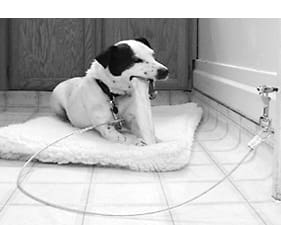
A training and behavior management tool, not for long-term restraint or outdoor “chaining,” the tether is a short (about four feet in length) plastic-coated cable with sturdy snaps at both ends. One end is snapped onto the dog’s collar, and the other is snapped onto an eyebolt screwed into a wall or beam in a convenient, comfortable place.
A dog can chew the plastic coating off of a cable, but can’t chew through it (thus rewarding himself for his efforts). Also, because of a cable’s resistance to twisting or coiling, it’s almost impossible for your dog to get wound up, or for the cable to kink, unlike a chain.
Tethers are intended to temporarily restrain a dog for relatively short periods of time in your presence. They should not be used as punishment, or to restrain a dog for long periods in your absence. A tether can be used as an aid in a puppy supervision and housetraining program, and as a time-out to settle unruly behavior. A tether is also useful for teaching your dog to sit politely to greet people, and to help her learn long-distance “Downs.”
For more information, see “Tethered to Success,” April 2001.
Puppy Pen/Exercise Pen
The puppy or exercise pen is another extremely useful management tool. It expands the “den” concept of a crate to a slightly larger area, giving a pup more room to stretch her legs, but still keeping her in a safe, confined area.
Most pens found on the market are collapsible and portable, and usually consist of six or eight two-foot wide panels anywhere from two to four feet high. For lively pups who can scale the pen fence (usually Jack Russell Terriers), some pens come with a wire top.
Set the pen up in your living room or den, and plop the pup in it when you want to give her the freedom to move around but don’t want to have to keep your eye on her every second. Tarps and newspapers can protect rugs and floors from pups who aren’t yet fully housetrained, and the relatively small space will still help promote a pup’s clean den instincts. The pen is also an alternative for pups who must be left home alone for longer periods than they can “hold it” in a crate.
For more information, see “Getting Off to the Right Start,” January 1999.
Seat Belt
Nothing makes us hold our breath like the sight of an unruly dog bouncing around the seats of a moving vehicle. We have included a seat belt in our trousseau as an alternative to the crate for safe canine car travel. Some dogs don’t crate well, some cars are too small to accommodate crates, and some people like to let their dogs look out the windows. Slipping your dog into a harness and using one of the many car restraints that fasten to your car’s seat belts will keep her safe, and safely away from the driver. Remember that airbags can be hazardous to dogs, especially small ones; the back seat is the best bet for the traveling hound.
WDJ reviewed and offered sources for seat belts in “Safest Canine Seat Belts,” May 2001.
TRAINING TOOLS…
Leash
A leash is a must-have for the hope chest. No matter how well-trained your dog, there are times when she must be leashed, such as walking down a busy street, in the vet hospital, and anywhere a leash law is in effect.
Bright-colored designer nylon leashes are appealing and fine for the trained dog, but can burn your skin if your dog pulls. Plain leather and cotton canvas are softest on your hands, and the best choice for a dog-in-training’s basic leash wardrobe. The “hands-free leash” is a nifty innovation, especially if you have strollers to push, bags to carry, or just want your hands free while you walk with your pal. Retractable leashes have limited application; they should be used only in wide-open spaces, away from other dogs and people, after your dog has been taught to walk politely on a leash. Chain leashes aren’t even worth discussing!
Collar and Tags
Your dog’s collar is like a wedding ring – the endless circle that symbolizes your never-ending relationship. You show your love for your dog by giving her a collar (and using a training method) that won’t inflict pain – a basic flat or rolled nylon, cloth, or leather collar fastened with a snap or a buckle. Of course, you must also attach an ID tag and license to the collar – her ticket home should she ever be separated from you.
WDJ reviewed identification tags in “What a Good ID!” October 2001.
Clicker
Inexpensive, small, ridiculously simple, the clicker is our nomination for the best end-of-the-century training tool. This insignificant-looking gadget has led the dog training profession into the modern world of humane, positive training.
Properly used as a reward marker, the clicker significantly enhances your communication with your furry friend, and speeds up the training process. It won’t take up much room in the hope chest, but it will hold a prominent place in your training tool kit.
WDJ reviewed clickers in “Pickin’ Clickers,” March 2001.
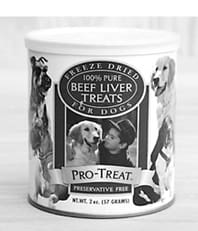
Treats/Rewards
A clicker, of course, is nothing without an accompanying reward. You can never have enough rewards in the trousseau! We use treats as the primary reward to pair with the clicker because most dogs can be motivated by food, and because they can quickly eat a small tidbit and get back to the training fun.
The best treat is whatever your dog likes best, and the best trainers work with a smorgasbord of treat options so that an extra special treat is always available to motivate the stressed or distracted dog, or to reward an extra special accomplishment. The list of possible treats is endless, and includes everything from Cheerios, carrots, and pretzels to hotdogs, string cheese, and roast beef.
Other rewards may include tugging on a tug toy, chasing after a tennis ball, running out the door into the backyard, a walk around the block, a word of praise, or a scratch behind the ear, as long as your dog likes those things.
Long Line
One of the greatest training challenges for some dog/owner teams is making the transition from “come reliably when called in a safe, controlled area” to “come reliably when called regardless of where we are or what other exciting things are happening.” The long line is an ideal training tool to help you meet this challenge.
Long lines are simply long leashes – we have seen models from 10 to 50 feet – that are light-weight but strong, and made with many nylon or poly fabrics. The key is finding one that’s comfortable in your hand, preventing you from getting rope burns while making it easy for you to maintain your grip.
With a long line, you can prevent your dog from being rewarded for inappropriate behavior (running off into the woods), while waiting for her to offer you appropriate behavior (returning to you) so you can Click! and reward her with a very high-value treat. This, of course, is the tried and true recipe for successful positive reinforcement training – rewarding the behaviors you want and preventing your dog from being rewarded for the behaviors you don’t want.
WDJ reviewed long lines in “Know your Lines” and “A Few We Missed,” November 2001. We discussed training your dog to come with a long line in “Long Distance Information,” February 2001.
Head Halter
Not all dogs need a head halter, but for those who do, it’s a valuable addition to the chest.
Head halters come in a few different styles, but they all share the trait that makes them work so well to prevent a dog from pulling: They are worn on the dog’s head (similar to a horse’s halter), where he lacks the power to pull. They should not be confused with muzzles, despite a small similarity; while they have one strap that fastens around the dog’s muzzle, they do not prevent him from opening his mouth to pant, drink, or take a treat.
The determined puller who doesn’t respond well to leash training, the big strong dog in the hands of a not-so-strong owner, and dogs with aggression challenges are all good candidates for the head halter.
WDJ reviewed halters and discussed how to use them in “Head Halters, Right and Wrong,” June 2000.
TOYS…
Kong
No trousseau would be complete without a wide variety of interactive toys, tug toys, chase toys, and chew toys. The perfect toy for your dog depends a great deal on individual canine and human preference, but here are a few that we would bring to our new relationship.
If we could only put one toy in our hope chest, it would be the Kong. The Kong is the sturdiest, most versatile toy we have encountered in a lifetime of dog relationships. It’s a chew-resistant (not chew-proof) rubber, beehive-shaped toy with a hollow center, a small hole at one end, and a larger hole on the other. The Kong can be used “plain” as a toy, but makes an irresistible treat for any dog when stuffed with kibble or treats that are held in place with something healthy and edible like peanut butter, cream cheese, or yogurt.
We have yet to find a dog who couldn’t be enticed to enjoy a properly stuffed Kong. Among other things, it can serve as a chase toy, a crate pacifier, a puppy distracter, a stress reducer, an energy diffuser, a hide-and-seek object, and a barking alternative. You can throw it, stuff it, freeze it, float it, and hide it. It comes in several sizes to meet the needs of dogs of any size, and several colors; the black Kongs are the toughest, for super-chewer dogs.
Balls
Balls and dogs go together like peanut butter and jelly. The variety of balls available ensures that there are plenty for every play style and jaw strength.
Our favorites include the Bully Ball – very sturdy, great for dogs who like to push balls around with noses and paws; the Goodie Ball – small, with a ridged hole in the middle to hold a dog treat; the Karlie Action Ball – a sports ball inside a sturdy nylon strap with rope tugs; the Jolly Ball – rugged polyurethane with a handle – good for dogs who like to lug their ball around with them; the Zap Ball – flashing lights and wonderful electronic noises; and the Kong ball – a very sturdy basic red rubber ball. There are tons more balls, of course, but even the humble tennis ball keeps many dogs happy and well exercised. There’s no excuse to not have at least a couple of balls in the toy box!
For more information, see “Gotta Lotta Balls,” August 2001.
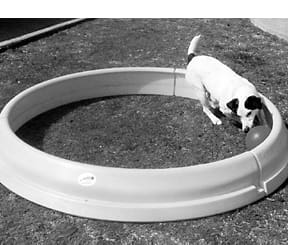
Interactive Toys
These are toys that require your dog to do something to make the toy work. They are designed to keep your dog’s brain, mouth, and body occupied productively rather than destructively.
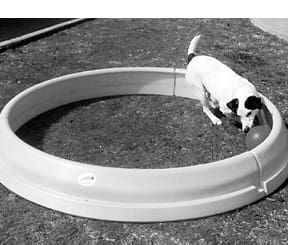
Topping this list are the Buster Cube (a hollow cube with a hole in it) and the Roll-A-Treat Ball (a hollow sphere with a hole in it) that you fill with your dog’s kibble and let him push around the floor to make the treats fall out. Another great new interactive toy is the PitBall – a circular plastic rim within which the ball-obsessed dog can pursue the object of her obsession to her heart’s content without worrying about losing it under the sofa. Keep your eyes open for other interactive toys to add to the hope chest. The more you keep your dog’s mind and body occupied the better behaved she’ll be, and the more solid your relationship.
For more information, see “Terrific New Toys,” June 2001 and “Gotta Lotta Balls, August 2001.
Fetch Toys
We suspect that as long as humans have had relationships with dogs, humans have been throwing things for dogs to fetch. Dogs who love to fetch never seem to tire of the game, and a new fetch toy is cause for celebration. There are fetch toys that float, for the Mark Spitz’s of the canine world; fetch toys that fly, for the Ashley Whippet wannabes; rubber fetch toys; wooden fetch toys; and for dogs with tender mouths, plush disc-shaped fetch toys. Caution: Not all fetch toys hold up as chew toys. Put fetch toys away when you are not supervising your dog.
For more information, see “A Fetching Dilemma,” September 1999, “Does Your Dog ‘Get It’,” September 1999, and “Terrific New Toys, June 2001.
Tug Toys
Contrary to some trainer’s opinions, we believe that tug o’ war, played with proper rules, is a great game. Most dogs love to play tug, it’s a good way to use up excess energy indoors on a rainy day, it can help teach your dog good mouth manners, and it provides a productive outlet for those family members who want to play rough physical games with Fido.
However, the right tug toy is an imperative accessory to safe tugging – long enough to keep teeth far away from skin, inviting for the dog to put her teeth on her end of the tug, and with a comfortable handle on the other end so the human player can keep his grasp and win the war most of the time (an important tug rule).
For more information, see “Play (and Train) by Tugging,” March 1999.
CLEAN-UP…
Grooming tools
Of course, every bride comes to her new home with a well-equipped toilette, and your dog should be no different. Make sure you leave space in the hope chest for combs, brushes, shampoo, scissors, clippers, cotton balls, toothbrushes, nail trimmers or grinders, and whatever other grooming accessories your dog might need. The array of grooming tools can be confusing, so be sure to find the right ones for your dog. If you’re not sure, ask your local groomer, veterinarian, or dog trainer for grooming tips.
Cleaning
In long-lasting relationships, partners accept their loved ones’ imperfections. Let’s face it, we love our canine companions, but they can be messy! Dog hair, poop, pee, and occasionally, blood or vomit are facts of life in the dog-owning household, and the wise human is prepared to deal effectively with these doggie by-products. Clothes brushes, extra-strength vacuum cleaners, enzyme-based waste removers, and sturdy poop bags and scoopers are dog-owning facts of life.
WDJ reviewed cleanup solutions in “Pees on Earth,” January 1999; dog hair removal tools in “Hair Today, Gone Tomorrow,” April 1999, and poop-pickup bags in “The Scoop on Scoopers,” February 2000.
EDUCATIONAL MATERIALS…
The best dog owners I know find room in their hope chests for extensive libraries, from obscure dog training volumes to the current bestselling videos. Here are our suggestions for books to include:
• Purely Positive Training by Sheila Booth
• The Culture Clash by Jean Donaldson
• How to Teach a New Dog Old Tricks by Dr. Ian Dunbar
• Canine Adventures: Fun Things to Do With Your Dog by Cynthia D. Miller
• The Power of Positive Dog Training by Pat Miller
• The Dog Whisperer by Paul Owens with Norma Eckroate
• Don’t Shoot the Dog by Karen Pryor
• Circles of Compassion by Elaine Sichel
• Guide to Humane Dog Training available from the American Humane Association
• Professional Standards for Dog Trainers: Effective, Humane Principles available from the Delta Society
• Dr. Kidd’s Guide to Herbal Dog Care by Randy Kidd, DVM, Ph.D.
• The Encyclopedia of Natural Pet Care by CJ Puotinen
• Home-Prepared Dog and Cat Diets by Donald R. Strombeck, DVM, Ph.D.
• Give Your Dog a Bone and Grow Your Pups with Bones by Dr. Ian Billinghurst
• Homeopathic Care for Cats and Dogs by Don Hamilton, DVM
When you are trying to educate yourself about new training methods, videos offer an extra level of clarity . . . or at least, they should. There are numerous training videos on the market that suffer from poor production values (bad sound, jerky filming, terrible scripts) and ones that present outdated methods. The following videos were reviewed by WDJ and offer sound training advice and good production values:
• Take a Bow, Wow! by Virginia Broitman & Sherri Lippman
• Take a Bow, Wow! II by Virginia Broitman & Sherri Lippman
• Dancing with Your Dog by Sandra Davis
• Click & Go by Dr. Deborah Jones
• Click & Fetch by Dr. Deborah Jones
• Click & Fix by Dr. Deborah Jones
• Clicker Magic by Karen Pryor
• Puppy Love by Karen Pryor
• 1997 Second Pup-Peroni Canine Freestyle Championship by Ventre Advertising, Inc.
• Dogs, Cats & Kids by Dr. Wayne Hunthausen
All the books and videos mentioned here are available from DogWise, a catalog specializing in dog publications, in Wenatchee, Washington. Call (800) 776-2665 or order online at www.dogwise.com.
The Intangibles
Just like a marriage, the dog-human bond relies on intangibles to make the relationship work. You may not be able to physically place them in your hope chest, but if you bring kindness, compassion, patience, forgiveness, and understanding with you to the relationship, you and your dog should share a lifetime of love and happiness.
-by Pat Miller
Pat Miller, WDJ’s Training Editor, is also a freelance author and Certified Pet Dog Trainer in Chattanooga, Tennessee. She sits on the Board of Directors of the Association of Pet Dog Trainers, and recently published her first book, The Power of Positive Dog Training.
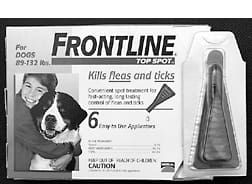
[Updated September 27, 2018]
Tempting as it may be to simplistically consider fleas as horrible insects, the bane of dogs everywhere, poisoning your dog in a vain attempt to wipe fleas out of existence doesn’t really make sense. Even though more than half a billion dollars annually are spent on products that kill fleas in that vain pursuit.
Of course fleas can make dogs (and everyone else in the household) perfectly miserable. But it’s not as if using toxic flea-killing chemicals is the only way to control fleas. When we attempt to get rid of our dogs’ fleas by utilizing chemicals that are toxic to the brain and nervous system, that may disrupt hormone (endocrine) systems, and that cause cancer, it’s sort of like burning the house down to get rid of ants – effective, sure, but what are you left with?
In the next issue of WDJ, we will describe effective, nontoxic methods of flea control. No dogs (or any other members of the household) will get sick from these methods, and no dogs (or any other members of the household) will die from them. In contrast, dogs do get sick and die from the toxic chemicals we will describe in this article.
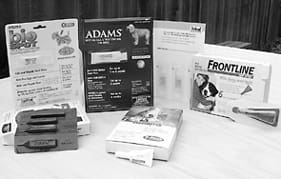
All pesticides pose some degree of health risk to humans and animals. Despite advertising claims to the contrary, both over-the-counter and veterinarian-prescribed flea-killing topical treatments are pesticides that enter our dogs’ internal organs (livers, kidneys), move into their intestinal tracts, and are eventually eliminated in their feces and urine. Not only that, but the humans and other household animals who closely interact with dogs who have been treated with these chemicals can be affected by the toxins. What happens to the health of all exposed individuals during this systemic absorption and filtration process varies from animal to animal, but the laboratory and field trial results clearly indicate toxicity on the chronic and acute levels.
Until recently, foggers, flea collars, powders, sprays, shampoos, and dips containing organophosphates (chlorpyrifos, malathion, diazinon), pyrethrins, synthetic pyrethroids, and carbamates, were the cutting-edge solutions to our flea problems. They were effective, but unfortunately, they also caused disease and sometimes death. Given enough time, most pesticides eventually cause enough human and animal injuries that they are identified as hazards and are removed from the market.
While the newest flea products – so-called “spot-on” liquids that are applied monthly to a dog’s skin – are being marketed aggressively by the manufacturers and veterinarians and represented as safe alternatives to their predecessors, the fact is, they are simply newer. All the “active” ingredients in these spot-on preparations – imidacloprid, fipronil, permethrin, methoprene, and pyriproxyfen – have been linked to serious health effects in laboratory animals (see chart at end of story).
“The public must recognize that any decision to use a pesticide, or to otherwise be exposed to pesticides, is a decision made in ignorance,” says Eliot Spitzer, Attorney General of the New York Environmental Protection Bureau. “We do not know the identity of the chemicals to which we are exposed. We cannot make informed individual decisions on the acceptability of those exposures, a basic element in the maintenance and protection of our own health.” Spitzer adds, “The requirements for marketing a new product fall considerably short of providing safety for our animal and human families.”
To fully understand the risks associated with any of these products, it is important to understand the various components in a flea product, or any chemical product that you may buy, for that matter.
Like other chemical products, all flea products are made up of “active” and “inert” ingredients; strangely, the actual definitions of those phrases are very different from what they seem to connote. In the case of flea-killing chemicals, the “active” ingredient does, in fact, target and kill fleas – but some of the “inert” ingredients are poisons, too.
While the word “inert” suggests benign activity and even connotes safety in the minds of many consumers, legally, it simply means added substances that are not the registered “active” ingredient. This is important because most people assume that only the “active” ingredient in a chemical product is of concern. Many people feel comforted by the idea that a product contains only a minuscule amount of an “active” ingredient and up to 99.9 percent “inert” ingredients – a typical formula in many pesticide products. Actually, this makeup should frighten consumers.
Why? Because the Environmental Protection Agency (EPA, the government agency that oversees the pesticide industry) requires a higher (if not high enough) standard of scrutiny for “active” ingredients; these must undergo a battery of tests to determine their toxicological profiles, be registered with the EPA, and be listed on the product inserts and packaging. In contrast, “inert” ingredients need not be listed on the product inserts and packaging and are subject to much less testing than the “active” ingredients; “inerts” are generally tested in short-term studies for acute toxicity only.
The word “inert” implies chemicals that are somehow inactive. In actuality, many “inert” ingredients used in pesticides are as toxic, or more toxic, than the registered “active” ingredients. For example, naphthalene, one of the “inerts” in an imidacloprid product, showed clear evidence of cancer activity through inhalation (nasal cancers), as well as anemia, liver damage, cataracts, and skin allergies. An unidentified “inert” ingredient in the flea product Advantage was implicated in the death of kittens who received doses within laboratory tolerances.
Why don’t pesticide manufacturers have to disclose all the ingredients in their products? This kettle began brewing in 1949, when the U.S. Congress passed the Federal Insecticide, Fungicide, and Rodenticide Act (FIFRA), allowing manufacturers confidentiality on issues they claimed would otherwise make them vulnerable to market competition. “Inert” ingredients, in other words, became protected by industry as “trade secrets.” While protecting industry, this act supersedes the public’s right to know to what we are being exposed and the health hazards resulting from these exposures. And without full disclosure, we are unable to make educated decisions as to which chemicals we want to avoid.
Obviously, products undergo testing in order to qualify for EPA registration, and presumably, most of the overt dangers a product can exert are ameliorated before the product can be marketed. Scientists use healthy, adult, genetically identical mammals to test pesticides, and then extrapolate health information regarding the safety of the product to domestic animals and human beings. In the case of flea products, the laboratory tests are performed on live mice, rats, cats, and dogs.
These toxicological (poison) studies are performed to establish the LD 50 – the oral dose at which the product would kill 50 percent of a test population – and to determine the acute and chronic effects. Throughout and following the test, subjects are killed in order to study the specific system damage (lungs, kidney, etc.). Acute disease tests, such as nervous system and skin reactions, can be performed over a relatively short time period. Most studies are conducted for 3-, 13-, or 52-week intervals, and use exaggerated dosages to compensate for the short testing periods.
“Because of the short period under which the studies are conducted, the health effects resulting from the higher doses of the chemicals are relevant,” says Dr. Virginia Dobozy of the EPA’s Pesticide Division. These effects can include head-nodding; facial twitching; exaggerated blinking; gag responses; weight increase of the spleen, thymus, and adrenal glands; and/or atrophy of the thymus.
Long-term studies, needed to understand the chronic effects of the pesticides, are few by comparison. Chronic disease such as cancer, immune suppression, developmental or reproductive damage, and DNA damage can take months or years to manifest.
However, the cumulative effect – potential damage from continued use of one specific pesticide product or multiple products over a dog’s lifetime – is unknown. Also unknown is the potential for synergistic effects – combined impacts of chemical exposures from their home and outdoor environments. Neither the cumulative nor the synergistic effects of chemicals in products are required to be tested by the EPA before a product is made commercially available. So, our dogs may be more vulnerable to unknown chemical-related dangers than the happy commercials would have you believe.
Critics of the pesticide industry claim that the EPA registers pesticides not on safety, but on a cost-benefit basis, balancing health and environmental concerns against the economic gain to the manufacturer and the end user of the product. But even if the pesticide manufacturers and the EPA are not overly concerned about our safety, we as consumers and guardians should be very concerned.
Today, spot-on flea preparations are considered by many as the Rolls Royce of flea products, and sell swiftly in veterinary clinics and pet stores. Each of the makers of these products claim that they are safe – safer than ever – and that only the targeted insects will be affected by the products’ neurotoxic impacts. The products are frequently advertised as safe for small children and adults as well as puppies (over eight weeks) and geriatric dogs. Do they sound too good to be true? Well, perhaps they are.
The spot-on flea products fall into four general categories of insecticides. All have neurotoxic effects. The first three – imidacloprid (a chloro-nicotinyl insecticide), fipronil (a phenylprazole insecticide), and permethrin (a synthetic broad spectrum pyrethroid insecticide) – all work by disrupting the nervous system of insects, killing by contact or ingestion. The fourth type contains insect growth regulators (IGR), which don’t kill, but interrupt the flea’s life cycle.
Imidacloprid is the first of its class of insecticides, and is relatively new on the block; it was introduced in 1994. Laboratory testing on mice, dogs, and rats, indicates that this insecticide can be neurotoxic to laboratory animals, causing incoordination, labored breathing, thyroid lesions, reduced birth weights, and increased frequency of birth defects.
Fipronil was introduced in the United States in 1996. It is a neurotoxin and suspected human carcinogen. Fipronil can cause liver toxicity, thyroid lesions (cancer), damage to the kidneys, increased cholesterol levels, alterations in thyroid hormones, incoordination, labored breathing, increased miscarriages, and smaller offspring.
In a review of the fipronil pet formulations, Dr. Virginia Dobozy of the EPA’s Pesticide Division states that “this is a persistent chemical that has the potential for nervous system and thyroid toxicity after long term exposure at low dosages.”
Permethrin, a synthetic broad spectrum pyrethroid insecticide, is suspected to be an endocrine disrupter and a carcinogenic insecticide (causing lung cancer and liver tumors in laboratory animals). Some permethrin products have additional “active” ingredients in lesser percentages, and include methoprene, and pyriproxyfen (described below).
Methoprene and pyriproxyfen are both insect growth regulators (IGR), which limit the development of juvenile fleas so they cannot reproduce. Test results indicate that methoprene causes enlarged livers and degeneration of parts of the kidneys.
All of the above active ingredients have induced responses in laboratory animals that give cause for alarm. While these new products are suggested as safer than their predecessors, they indicate high levels of acute and chronic poisoning from short-term use.
Whether or not it is purposeful, manufacturers of these spot-on flea products have managed to convince many veterinarians and animal guardians that these products are not absorbed into our dogs’ systems. The companies’ literature describes in vague and contradictory detail how the chemicals don’t go beyond the hair follicles and fat layers of the dogs’ skin.
When the EPA’s Dr. Dobozy reviewed the results of a fipronil metabolism study (fipronil is the active ingredient in Frontline), she reported that “significant amounts of radio-labeled fipronil were found [not only] in various organs and fat . . . [but they were also] excreted in the urine and feces, and were present in other parts of the body…which demonstrated that the chemical is absorbed systemically.”
Veterinarians and pet owners who pay close attention can witness evidence that these products are indeed systemically absorbed. Dr. Stephen Blake, a San Diego veterinarian, relates a client’s experience: “We put Advantage on the backs of our dogs and could smell it on their breath in a matter of minutes following the application.” Blake stated that this indication of immediate absorption did not tally with what he had been led to believe by reading Bayer’s literature. He continues to question its safety for his clients’ animals.
Logic tells us that a topical chemical that is not absorbed into the skin has no chance of causing neurotoxic effects. Then why do the Material Data Safety Sheets (MSDSs) for all the permethrin-containing pesticides recommend preventing their products from having prolonged contact with the skin? And why do they all state that skin sensations, such as “numbness and tingling,” can occur? Schering-Plough’s MSDS makes an additional statement about its Defend EXspot Treatment: “can be harmful if absorbed through the skin and harmful following inhalation,” causing headaches, dizziness, and nausea.
Bayer does not reveal more than 90 percent of the ingredients in Advantage, but its MSDS does warn us to “use a respirator for organic vapors” in order to avoid “respiratory tract irritation and other symptoms such as headache or dizziness” (symptoms of nervous system exposure). Bayer’s promotional literature for Advantage, however, states that “studies prove that using 20-24 times the dosage on dogs and cats does not cause any internal or external side effects,” and that “. . . switching to Advantage from another flea control product poses virtually no risk to your pet.”
Dr. Graham Hines, a veterinarian from the United Kingdom, treated a four-year-old female German Shepherd who had two Advantage Top Spot treatments. He reported that “both times she became unusually clingy, and would not leave her guardian’s side, yet paced up and down all day, very restlessly. These symptoms persisted for 48 hours before a gradual return to her normal state.” The neurotoxic effects were clear to Dr. Hines.
Dr. Blake also finds different results than the Bayer literature. “We are told that the product affects only insects’ nervous systems, not mammals’. Several of my clients told me that they accidentally got some Advantage on their hands and when they touched their mouths, their lips became immediately numb for several hours. So much for not having an effect on the nervous system of mammals.”
Acute symptoms of headache, nausea, and abdominal and lumbar pain are associated with carbitol, one of the “inert” ingredients in Frontline. According to the MSDS, carbitol induced these symptoms in laboratory settings.
Curiously, these potential side effects are not published in the literature accompanying the products, nor do many veterinarians know the dangers. But there are numerous anecdotal reports from veterinarians in the U.S. and the U.K. of dogs who were treated with spot-on products who have displayed signs of neurological damage, such as depression, lethargy, convulsions, underactivity, tremors, overactivity, stiffened limbs, and lameness.
Topical skin irritation is listed on all the MSDSs of the products reviewed in this article; however, product literature inserts fail to emphasize the extreme nature of the problems. They all instruct the users that their products are for “external use only,” and to “avoid contact with the skin,” but only Merial’s product insert appears to suggest there is some possibility of adverse skin contact reactions.
Dr. Dee Blanco, a holistic veterinarian practicing in New Mexico, treated 20 dogs for adverse reactions to Farnam’s flea product. In a letter to the Farnam regarding a client who had used one of Farnam’s permethrin-based insecticides, Dr. Blanco stated, “All the dogs (20 out of her 24 dogs treated with BioSpot ) had pruritus (severe itching of the skin) with bleeding and cracking of the skin, various degrees of erythema (intense redness of the skin), many fluid vesicles (blisters), severe hair loss, and elephantiasis (thickening of the skin) with chronic itching. Many also showed severe mental depression, lethargy, and symptoms concomitant with aggravated liver toxicity. All symptoms appeared within two weeks after applications of your (BioSpot) product, also a consistent time-frame for liver toxicity after absorption through the skin. . . To date, most of the dogs have dramatically improved but a few still remain symptomatic.”
Dr. Blanco also stated that one dog died of liver cancer within three months of this BioSpot application, which she says “could have been exacerbated by the application of BioSpot.” Permethrin is indicated as a possible carcinogen by the EPA, causing liver enlargement and cancers in laboratory mammals.
When Dr. Dobozy reviewed the reports from fipronil product studies, she found that Frontline “does not adequately describe the severe reactions” reported by veterinarians – sloughing, “chemical burn” conditions, and extensively affected areas well beyond the application site. When these incidents were reported, Merial recommended bathing the dogs. That’s strange, because their literature indicates the product remains effective after bathing.
The MSDS for Bayer’s Advantage tell us that “prolonged contact with the skin can cause defatting of the skin due to solvent component in the products,” to “avoid skin contact,” “to wear appropriate gloves when handling the product,” and to “wash off any contamination.”
Based upon toxicological studies, a dog suffering from liver, kidney, thyroid, adrenal, spleen, lung, brain or gonadal conditions could experience heightened states of chronic diseases, with the potential for development of cancer, when spot-on flea preparations are used. Permethrin is linked to malignant liver and lung tumors and autoimmune system disease, and at very low levels suppresses the immune system. Thyroid lesions have developed in laboratory studies in dogs during imidacloprid tests. Further studies are necessary to understand the possibilities of malignancy. Thyroid cancer has been linked to fipronil, according to the EPA. The data from the metabolism and chronic toxicity studies for fipronil indicate that ” . . . this is a persistent chemical and has the potential for nervous system and thyroid toxicity after long-term exposure at low levels,” according to Dr. Dobozy.
In the Journal of Pesticide Reform, author Caroline Cox cites studies that show thyroid sensitivity to imidacloprid can result in thyroid lesions, as well as increased incidences of miscarriages, mutagenic (DNA damage) abnormalities, and abnormal skeletons in animal studies. In addition, one metabolite (breakdown of the chemical into new chemical compounds during the metabolism process in the body) of imidacloprid appears to be far more toxic to mammals than the imidacloprid itself.
Of course, not all dogs exhibit immediately noticeable symptoms when dosed with a commercial spot-on flea product. Adult animals and those in the peak of health are less likely to show immediate signs compared to animals that are young, old, or suffering from chronic disease. Animals with a heightened sensitivity to chemicals or with exposures from multiple sources such as a flea collar; other dips, sprays, dust, or flea bombs; yard pesticides; and house termite extermination, are most likely to react. The cumulative and synergistic impacts of pesticides can take a heavy toll on animals.
Dr. Jerry Blondell, of the US EPA Office of Pesticides, has indicated clearly “not to use pesticides on the old, the sick, or the young.” While some of the literature for the spot-on products does discourage this usage, many dog guardians and veterinarians overlook or disregard these written precautions.
Although the number of dogs reported to react to these products may seem small, this does not suggest the overall impact is small. First, spot-on products are relatively new, and many problems are cumulative.
Second, reactivity to chemicals in a population is similar to other population statistics and is represented by a bell-shaped curve. In other words, at one end of the spectrum are sensitive individuals, and at the opposite end are resistant individuals; these groups are relatively small compared to the vast middle group, who show varying degrees of susceptibility – but who are all susceptible. Thus the sensitive group – dogs who have displayed signs of toxicity – happen to be the sentinels for the younger, healthier ones who will eventually be affected; it’s just a matter of time.
Integrated pest management (IPM) is a nontoxic approach used to eradicate any insect infestation. Simply, it is a way of thinking about how to preserve the quality of life on this planet and within the earth’s stratosphere – of understanding not only the damages of the pesticide to all species and the environment, but also understanding the consequences of insect resistance to the constant parade of new, more sophisticated, and perhaps more toxic pesticide formulas. The IPM process was initially designed to safeguard all species, including the environment, from the ravages of pesticides.
In the next issue, we will present a complete indoor and outdoor IPM treatment program for effective, non-poisonous flea control.
Also With This Article
Click here to view “Flea Control: Best, Safest Practices”
Click here to view “Flea Tip #1”
Click here to view “Natural Herbs for Flea Relief”
Kathleen Dudley is a writer and photographer who lives in New Mexico.
[Updated January 16, 2018]
Note: The editorial team at Whole Dog Journal is working on a brand new winter coats for dogs review for 2019. For now, follow the guidelines below. Also be sure to learn about when winter coats are appropriate for your dog.
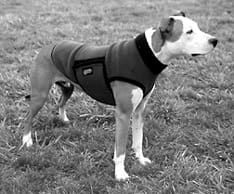
Putting a coat on your dog shouldn’t be about making a fashion statement. Rather, it should be about keeping a chilly dog warm, thereby preventing hypothermia, a dangerous condition characterized by a reduced internal body temperature. (The normal canine body temperature is 100.5 to 102 degrees. A dog whose temperature drops below 95 degrees can die.)
A dog’s natural protection against cold varies from breed to breed. Labradors and certain Northern dogs (Huskies and Malamutes, for example) have developed with special physiological responses for coping with cold. However, many other breeds (and certain individual dogs) benefit from extra warming layers in cold weather, including:
• Thin dogs, who may not have adequate fat stores to keep themselves warm
• Extremely short-haired dogs and/or breeds accustomed to exotic climates
• Immune-compromised dogs, who should be protected from the stress of cold
• Older dogs, especially those in poor health
Warming up these dogs actually helps them stay healthy, by sparing the dog’s body from having to generate as much heat as it would have to otherwise. By simply slipping an extra layer on these dogs, you can help them preserve their physiological resources for the maintenance of general health and vitality.
If you shop in stores, you have a huge advantage over catalog shoppers. You can try several coats on your dog to check their fit and ease of application, and you can examine them closely for good-quality zippers, seams, and Velcro fasteners, and thick, warm fabric.
The only drawback to shopping for a coat in person is finding a store that carries a broad-enough selection of quality designs to choose from. Catalog shopping, in contrast, may seduce you with a fantastic selection of pretty coats, but it’s hard to tell from the photographs whether the coats are thick and well made. And don’t count on being able to return coats that you try on your dog and then return due to poor fit. Although none of the companies we ordered coats from told us this in advance, we found that many will not accept returns of products that have any dog hair on them. It’s understandable, but regrettable. Before you place an order or hand over your plastic, ask the sales representative about the business’s return policy.
Keep your climate in mind as you shop. Do you live in perennially wet, cold Seattle? The dry, windy cold of Denver? Look for a coat that offers protection from the combination of weather conditions your area generally experiences. Some degree of waterproofing is needed in rainy Washington, for example, a wind-blocking fabric is a must in the plains states, and greater insulation is needed in areas that hover at freezing temperatures all winter.
Also, keep your dog’s body type in mind as you examine coat candidates. Some designs are clearly intended for deep-chested, narrow-waisted dogs like Greyhounds. Others better suit block-bodied dogs such as Golden Retrievers. Check the placement of the closures to see whether they can be adjusted to accommodate your dog.
If you buy from a catalog, or are shopping without your dog’s company, be prepared with his or her measurements. Every coat manufacturer sizes their coats differently. Some use the measurement from the dog’s collar to the top of his tail, some use the dog’s collar size, and still others use the measurement around the widest part of the chest. Measure all of these, as well as the dimension of your dog’s waist at its narrowest point, and take these numbers shopping with you.
Because you need to find a coat that suits your climate and dog’s physique, this is one of those instances where we can’t possibly test every coat available, or even tell you which ones we tested and decided were the “best.” Instead, we’ll describe some of the products we liked a lot, and tell you what it was about each coat that earned our admiration. With luck, one of the coats we chose to feature would suit your dog’s needs.
The Snuggy
The Snuggy is simply one of the best fitting coats we have tested, and one of the easiest to put on the dog. Made of a thick Polarfleece fabric and fastening on both sides of the dog with a wide swath of Velcro, this coat offers superior warmth, but little protection from wind and none from rain. The coat is available in a wide range of sizes (separated by two-inch increments) and colors. We ordered from Valley Vet Pet Supply. Price depends on size, from $20 for the smallest and up to $37 for the largest. Worth every penny.
PC Panache Polarfleece
We ordered this coat directly from the manufacturer, who is so determined to provide coats with superior fit that she actually prefers to make your dog’s coat to order (for only a few dollars more). However, our experience was that, carefully measured, the “off-the-rack” coats fit beautifully. The Panache Polarfleece features an elasticized collar that easily slips over the dog’s head, and a nylon belt (fastened with a metal clip) that secures the coat around the dog’s waist. The workmanship is gorgeous, and the personal customer service divine. Expect to pay more: $35 for the small sizes, and up to $56 for the largest. Again, fleece coats do not offer much protection from wind or rain.
We should mention that PC Panache also makes a very nice raincoat that provides superior protection from wind and rain, though it is unlined and so offers no insulating properties. Their thickest coat is the wooly fleece-lined Denim “City Coat,” another attractive, easy-on model. Panache Rainslicker $35-$50; Panache City Coat $45-$66. PC Panache, (610) 296-3846.
Avery Neoprene Dog Parka
The first time we reviewed dog coats, way back in 1998, a reader chastised us for not including a coat that offered protection from a freezing rain. I tried to explain that as a native Californian, such a thing had never occurred to me! However, this coat is just the solution for keeping warm, if not dry, in that sort of nasty weather.
Designed to keep hunting dogs warm even when they are soaking wet, this Neoprene suit offers superior insulating abilities, but hopelessly flunks any sort of attractiveness test. Available in two different camouflage patterns, “Wetlands” and “Shadow-grass.” Fastens with Velcro strip that runs along the dog’s spine. Easy on and off. $35 from Dunn’s Supply Catalog, (800) 353-8621.
Therapet Standard Ultrex Coat
This simple coat features a nylon shell for wind protection (and some water resistance) and a soft fleece lining for insulation. It fastens with two Velcro straps, one at the neck and one around the waist. $15-$33; a special Greyhound model fits dogs of that physique, $50. We ordered from The Dog’s Outfitter, (800) 367-3647.
Arrowhead Dog Jacket
This is another nice fleece-lined coat with a windproof and water-resistant exterior shell. The coat fastens at the front with a single Velcro strip; the wide belly band fastens with two fairly adjustable Velcro strips.
Like the Snuggy, the Arrowhead coat is available in an impressive range of sizes: from the Toy (5-10 pounds) to the XXXL (120-140 pounds). Despite the fact that we ordered one that was a little too small for our model (the Dalmatian in the center photo), the coat stayed securely fastened, even while the dog ran and played. Affordable at $25-$50. We ordered from KV Vet Supply, (800) 423-8211.
Fido’s Wind & Rain Gear
Once again, I’m not sure who is going to want or need a coat capable of protecting a dog from gale-force wind and rain, but if that person exists, so does the coat. Mann Design Ltd., of (wouldn’t you know it?) Minneapolis, Minnesota, makes what they describe as “one of a kind garments” to thoroughly protect a dog from the worst kind of blustery weather.
I’ll admit that this isn’t the easiest coat to put on. For one thing, you have to put the dog’s front legs through the sleeves – not as bad a job as it could be, since the maker put a small Velcro tab at the “wrist” to widen the sleeve for putting it on, and then fastening it close once on the dog. Next, you seal up the long Velcro strip along the dog’s spine, as well as another Velcro strip at the dog’s throat. The hood is easily attached or detached with another strip of Velcro. Finally, you tighten the elastic drawstring at the dog’s waist to keep his chest sealed from wet and wind. I suspect I could safely take a dog through a carwash in this outfit – only kidding!
I bought the coat from a local pet supply store; you can buy direct from Mann Design at www.fidostuff.com or (800) 343-6779. $20-$50, depending on size.
Also With This Article
Click here to view some of the coats tested.
Most people, unwittingly or intentionally, use a lot of physical force when raising and training their dogs.
The purposeful ones have a whole variety of reasons. Some may have read about behavioral theories regarding dominance and “the importance of showing the dog who’s boss.” Fans of these theories may advocate imitations of canine behavior such as “scruff shakes” or “Alpha rolls” to convince the dog he’s at the bottom of the family hierarchy. Others may have been influenced by advocates of traditional, military-style training – think of yanking collar ‘corrections’ or using the leash leveraged under their foot to forcibly pull a dog into a Down. Still others may be practicing old-fashioned folk “wisdom” when they do things like push a puppy’s nose into a puddle of pee, or smack a rowdy pup with a rolled-up newspaper when he jumps up on the couch.
Then there are the people who aren’t intentionally or mindfully using force on the dog, but who end up doing just that in the course of struggling to get him to behave. My guess would be that this is the majority of dog owners, those of us who reflexively smack the dog for jumping up on our clean clothes, who don’t yet know the trick to walking the dog without his pulling our arms from their sockets, and who have seen hundreds of people using the “push the puppy’s bottom down while repeating SIT!” method of training.
The thing is, sometimes these methods work. So people – some people – keep using them.

However, I doubt that anyone would admit to enjoying inflicting discomfort, pain, or intimidation on his or her dog (and hey, if they did, they probably would read some other magazine!). I’m fairly sure that most of the people who “take a hand to” their dogs are unaware of all the consequences. And I’m absolutely certain that if they learned an easier, more enjoyable, and more effective way to get their dogs to do what they want them to do, most people would. And that’s where WDJ comes in!
The following are discussions with two trainers who use and advocate non-force training. Each has different reasons for wanting to avoid the use of compulsion-based training techniques, and different, compelling explanations for why they think that dog owners should employ positive training techniques. I learned a lot in my conversations with them, and I hope you will, too.
———-
Creating Dogs with Initiative and a Desire for Partnership
Nina Bondarenko is the program director for Canine Partners for Independence (CPI) in Hampshire, United Kingdom. A native of Australia, Bondarenko has trained dogs for show and competition, judged Schutzhund trials and breed suitability tests, and now lectures regularly on canine behavior, development, and cognition.
Bondarenko says her start in dog training in Australia was inadvertently oriented toward positive methods, “because I didn’t know better,” she jokes. She got her first Rottweiler when she was a young teenager. She trained him herself to the best of her abilities, and he went everywhere with her.
Eventually, Bondarenko became interested in more advanced training for her dog, and she sought the advice of some local dog experts, including an old man who lived nearby who raised “very ferocious crossbred dogs” that were used to hunt and kill kangaroos. Bondarenko says that when the old man, who had a slight build, would go into the kennels, sometimes the dogs would try to pin him against the wall, but he would quite confidently fend them off.
She says the sight was terrifying, but he explained to her that “you just have to show them you’re not scared of them. You don’t have to bash them or strangle them or kick them or anything, you just have to be completely confident around them – so that’s what I did with my dog.”
She also sought advice from the man’s wife, who took the leash of Bondarenko’s young dog and demonstrated some classic force-based obedience methods. “She told me, ‘See, you’ve just got to do this to him, you’ve got to make him do this.’ And she started flinging him around at the end of the leash. I said [in a tremulous voice], ‘Oh, whoa, he doesn’t know how to do that!’ and my poor dog was looking like [in a squeaky voice], ‘I need some help, what’s going on?’ He was trying to comply, but he didn’t know what hit him!”
Bondarenko says she took her dog home and thought about what she had seen. She decided, “Naw, I can’t do that. If he’s going to be my mate [pal] and go with me everywhere, I can’t do that.” Instead, she says she watched him play with other dogs and would try to mimic what other dogs did when they wanted to control each other. “For example, if he was doing something I didn’t like, I’d go menacingly still, and he’d get the message.” Probably because of her unwitting confidence, her good relationship with the dog, and because she never tried to force him to do things, her Rottweiler complied with her wishes without incident.
Bondarenko became a big fan of the breed, and even began breeding Rottweilers. However, as she pursued her interest, she says she was told numerous times by unappreciative Australians that “Rottweilers are stupid, stubborn, ugly, ignorant, untrainable, aggressive, and lazy.” Her experience with the dogs was quite different.
“I was training them just by guesswork, and they were lovely dogs; smart, eager to learn, affectionate, and loyal,” Bondarenko says. However, as she gained an interest in showing the dogs, she joined a training club, and with her new female dog, started learning about and using the traditional, force-based training methods that were in style at that time. In no time at all, she says, her dog “suddenly became stupid, stubborn, ugly, ignorant, untrainable, aggressive, and lazy!”
For example, the instructor would say, “Say ‘Heel’ and jerk the neck! Say ‘Heel’ and jerk the neck!” Bondarenko says it didn’t take long for her dog to start growling at her when she said “Heel!” because she knew to expect a jerk on the neck.
“The other thing was, if your dog broke the ‘Stay,’ you were supposed to let him come to you, then drag him back to position and throw him down . . . The first time I tried to do that, my dog went very rigid and tense. The second time I tried to do it, she was up and waiting for me – and she would have had me,” says Bondarenko. Even the instructor’s own dog discouraged Bondarenko’s interest in this style of training. “He had a little Corgi that used to attack everyone and had to be kept tied up, so this wasn’t a very encouraging example,” she laughs.
Force won’t work here
Bondarenko continued to pursue her interest in dog breeding and training, and studied animal behavior in college. Today, after 20-plus years of professional training and advanced studies, she says she has two main concerns about force-based training. First, there is a limit to what you can accomplish with force; it can be effectively used for stopping a behavior, but can’t be used to get dogs to offer behavior. Positive reinforcement training, on the other hand, is “absolutely brilliant” for getting a dog to take initiative and find every way possible to be helpful and responsive to his or her handler.
In her work at Canine Partners for Independence, Bondarenko developed what she calls a puppy education system where the selected puppies start “training” in the homes of volunteers at seven weeks. The handlers have been taught to use operant conditioning, whereby the puppies learn to solve problems and accomplish their goals – from finding the right place to go to the bathroom to pressing light switches – by offering behavior. They are rewarded for using their noses, mouths, and their feet to touch and manipulate objects, and taught that if they want attention and petting, they must offer some behavior.
By never winning rewards of any kind for the “wrong” behavior, and always getting what they want when they display the “right” behavior, Bondarenko says the puppies “grow up incredibly cooperative, compliant, and easy to train and motivate. When they do the right thing, it gets reinforced right away. And when they are wrong, nothing happens. This is absolutely non-threatening, and it makes sense to them,” Bondarenko describes. In other words, they are infinitely motivated to show initiative.
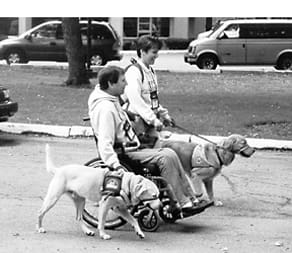
When the puppies are between 12 and 15 months old, they are returned to the CPI training center where Bondarenko and her trainers begin to teach them to refine the behaviors they have learned. For example, while a puppy may have learned to nudge a light switch with his nose, he is now taught to press it really distinctly, and perhaps three or four times. The third and final phase of training gets the dog and his new disabled partner used to each other. “Here, the dog has to learn again,” describes Bondarenko. “His new handler may speak very differently or move differently from his previous trainers. He may have to learn a new way of going through a door, or picking up crutches and getting them properly into the hands of his handler.”
Even after many years of working with assistance dogs, Bondarenko says she’s amazed and thrilled with the things that a positively trained and motivated dog can do for people. “Look, there’s no way you could force a dog to do these things,” she says. “Imagine an aversive trainer trying to get the dog to help with the laundry. How could he make the dog open the washing machine door? Will it work to smack the dog if he doesn’t do it? Not likely!”
Plus, as Bondarenko points out, even if physical corrections did work to make dogs do things, this solution could not be put into practice by many disabled people who currently enjoy an assistance dog partnership.
“Say the dog is going to be given to a thalidomide survivor whose arms are three inches long. What’s she going to do if the dog has been trained with pulling and smacking, and he doesn’t do something he is supposed to? ‘Watch out, dog, or I am going to look at you quite fiercely!’ No, assistance dogs can’t be forced to work. They have to be a willing partner, an enthusiastic participant in everything the person does.”
If, in contrast, the dog is punished when he offers a behavior and it is the wrong one, his mistrust of the handler and fear of using initiative will grow. Eventually the dog will avoid using any initiative at all – a behavior that is apt to result in his being labeled “stubborn” or “sulky.”
Fallout of force
Bondarenko’s second major concern with the reliance of force to control the dog has to do with the risk of pushing the dog into behaving in one of several undesirable ways. She explains:
“Everyone has heard the expression ‘fight or flight.’ In dog training, I suggest that there are four main behavioral responses that you are apt to see when a dog has been frightened or stressed: fight, flight, freeze, or fool around.
“A dog that is very self-confident will fight when you threaten him. You say, ‘You had better do that,’ and the dog says, ‘I’ll take your hand off if you try to make me.’
“Flight is the dog who tries to run away. He’ll pull backward, or tremble and lag behind you when you are trying to get him to heel.
“The dog that freezes will just go rigid and throw calming signals like crazy. He’ll go still, lower his body, and will close down in an effort to avoid doing something that will stimulate more of your aggression.
“Then you get the dog who fools around – the one who gets extremely excitable, the class clown. He throws extreme behaviors – pawing and submissively throwing himself down and then jumping up all over you, grabbing the lead, getting tangled . . . this is anxious, insecure behavior. Or the dog who is jumping and wagging his tail, putting his ears back, and pulling his lips back in a big grin is saying, ‘Hey everyone, laugh! And then let’s go do something else now!’
“You may get any (or some combination) of those four responses from using threats on a dog who doesn’t really understand what that is all about. If he’s frightened, and he doesn’t know what he can do to avoid punishment, he’s likely to try some or all of the above.”
Negative results of positive training?
Bondarenko says that the chances of positive-reinforcement training harming the dog’s confidence or psyche are quite slim, though she has seen positive methods, inexpertly applied, cause a dog some frustration and even aggression. The difference is, she says, this resulted in a dog who may be frustrated enough to bark angrily, but who had no reason or trigger to make him attack his handler, whereas a dog who is frustrated and then punished or hurt may well bite to defend himself.
“Positive training gives the dog the opportunity to walk away, to lie down, to stand and do nothing. . . there is lots of room for the dog to avoid being pushed into a very bad, unwanted response,” she says.
Bondarenko sees potential for trouble with positive training in a few, specific instances. For example, when a person has a very confident, independent dog that wants his own way, and is not particularly interested in complying or cooperating, she says, “You have to be able to engage the dog’s interest, you have to get them to want to do it and eager to learn – and not everyone is capable of getting that from their dog.”
And then there are the people who are looking for shortcuts – who just want the dog to be trained as quickly as possible, with little effort. “Behavior shaping is such a wonderful and useful tool, but it’s also complex, demanding, and not everyone can use it very well. Some people use a little bit and then go, ‘Aw, this doesn’t work.’ Or they say, ‘I think it was faster when I just jerked the dog.’ ”
———-
Ian Dunbar: Promoting “Dog-Friendly Dog Training”
Punishment,” says Dr. Ian Dunbar, “is an advertisement that a dog isn’t trained yet.” Dunbar is a veterinarian, has a Ph.D. in animal behavior, and is often credited with pioneering the puppy education movement when he founded Sirius Puppy Training, in Berkeley, California, in 1980. He also has written and produced numerous books and videos on dog training, founded a publishing company (James & Kenneth Publishing) that specializes in books about positive dog training, and founded the Association of Pet Dog Trainers in 1993.
Whether Dunbar has stirred up the wave of positive dog training so popular today or he simply managed to surf its crest for more than 20 years is, perhaps, not worth debating. Throughout that time, he has been a tireless advocate of what he calls “dog-friendly dog training,” focused on helping owners get along with their dogs happily and safely.
To achieve these goals, Dunbar advocates taking the simplest effective approach to dog training possible. Any method of dog training had better be “all the E’s,” he says: “It has to be effective; there is no point in doing it if it doesn’t work. It has to be efficient, because people won’t do it if it takes a long time. It has to be easy, for the same reason. And if it is enjoyable, and people have fun doing it, and their dogs do, too, then they will do more of it, and be more successful.”
For example, Dunbar uses lots of lure-reward training – using a food treat or toy that the dog will follow to get him to perform certain behaviors, such as holding the lure slightly over the dog’s head to get him to sit. He also teaches handlers how to employ the difficult-sounding but fiendishly simple “operant conditioning” – rewarding the dog when he performs the desired behavior or a successively closer approximation, “reinforcing” the desired behavior.
In contrast, undesirable behavior goes unreinforced; the handler strives to make certain that the dog derives no reward from his “bad” behavior, and soon the dog loses interest in repeating it.
While Dunbar does address exotic misbehavior and serious transgressions such as aggression in his books, videos, and lectures, he says the bulk of his work has to do with helping people deal with normal dogs exhibiting normal dog behavior: eliminating in the house, digging in the garden, chewing the family’s possessions, chasing the cat, barking at strangers, and so on.
“What most people want is a dog who is fun and easy to live with,” he explains. “Once upon a time, dog training was all about this military stuff, and practiced mostly by people who wanted to show their dogs in obedience. You used to pick up training books and they would talk mostly about leash corrections.
“But in recent years we began talking about pet dog training, and we invoked the notion of relationship; we’re not just training dogs to do things, we’re training dogs to live with us and be our pals. After all, this is a dog I sit on the couch with and give tummy rubs to. This is the friend I walk with and chat with. I want the dog to like me. I want my dog to enjoy training, and if he does, I will too.
“Within the last 10 years, there has been an explosion of dog-friendly dog training,” Dunbar continues. “Now, the average family living with a dog has so many options, so many new, warm, friendly tools in the toolbox. Now we talk about training dogs to have bite inhibition; to like people, other dogs, and other animals; and we can talk about the notion of dealing with behavior problems.”
Love me, love my training
Dunbar says that in his opinion, the biggest current topic in dog training is teaching trainers and owners alike to avoid punishing their dogs. “My definition of training is to eliminate the need for any punishment,” he says. “If I use a force-based method, my goal is to eliminate that method as soon as possible.”
Dunbar believes there is definite “fallout” from using force- or pain-based training methods. “Even the mildest correction – just saying ‘No!’ – can result in baggage,” he says. “The point of training is to get the dog to like you and to be enjoyable to live with. Trust me, he won’t be fun to live with if he doesn’t like you and doesn’t trust you. In contrast, the fallout of training with treats is that the dog likes the handler.”
Putting yourself in your dog’s shoes is appropriate here; you wouldn’t want to spend hours and hours taking music or dancing lessons from someone with whom you felt uneasy. Dunbar gives an example from his home: “My son has favorite subjects in school because he likes the person who is teaching them. He’s even taking a Chinese history course because the instructor is so wonderful. You want the dog to want to sign up for any course you are teaching – and he won’t do it if he gets yelled at or struck in class.”
Be a behaviorist
When trying to convince people that force-free training actually works far more effectively than positive methods such as lure-reward and operant conditioning, Dunbar says it’s helpful to get them to look at the two different approaches objectively.
“To say I don’t like force-based training, or that dogs don’t like it, is a purely subjective opinion,” he explains. “But you can ask them to use the method that behavioral scientists use to determine effectiveness – to observe and quantify the dog’s behavior.”
Dunbar uses an example of a dog that jumps up. You could, he suggests, deal with the behavior by turning your back and completely ignoring his jumping, while keeping track of how many times he tried to jump. “If you have someone actually keep a log, it not only keeps the person ‘on task,’ but also shows them that, in fact, the method is working. There is no disputing a trend seen in the log.”
Close observation of the dog’s behavior is critical to dog training, says Dunbar. When he is working with a dog, he wants it to feel comfortable and confident, and to enjoy working with him.
“I know I’ve messed up if I see the dog suddenly lower his head and back up, or refuse to join me in the training game,” explains Dunbar. “That’s why I start off by offering the dog a food treat, and observing what he does. Did the dog come? How quickly? His response gives me a good look inside his head. If he takes it, I can be reasonably assured he is comfortable with me, and he can probably be persuaded to enjoy training. If he doesn’t take the food, I give it to the owner and have her offer it to the dog. If he takes it from the owner right away, I know that the dog is uncomfortable with me – and therefore vulnerable to being scared by me.”
As much as he believes that dog training can almost always be accomplished without pain, fear, or force, Dunbar says he doesn’t “attack” force-based trainers or owners who use force. “I don’t look down on anyone for their force-based training methods,” he says. “But I put this question to them: ‘Would you like to do that (use force) less? Because I think I can give you one tip, so you can get the desired result much more effectively and easily.’ If I can show them that I can get the dog to do the same thing quicker, easier, and more enjoyably, they are likely to give the positive stuff a try.”
The trainer does admit to sometimes using covert methods to demonstrate the benefits of non-force methods to a handler who has become angry or frustrated with a dog.
“If someone is in my class and she is ‘losing it’ with her dog, I might put my coffee cup in her hands and say brightly, ‘Could you hold my coffee for a second? Thanks!’ Then I take a handful of treats and get the dog to do what he’s supposed to be doing, and praise both of them lavishly, ‘Goooood dog, goooood job, you two!!’ That conditions both of them to enjoy training!”
-by Nancy Kerns
When they fill out their evaluation forms at the end of a six-week course, my clients frequently name the “Off” exercise as one of the most useful behaviors they have taught their dogs in class.
“Off” means “Whatever you are paying attention to right now, I want you to leave it alone.” It can be applied to the roast on the counter, the snacks on the coffee table, the dead skunk beside the trail, the neighbor’s cat darting across the yard, or frail 93-year-old Aunt Martha. It’s one of my favorite exercises for watching a dog’s brain at work as she grasps the concept of “leave it alone.” Best of all, it’s fun and easy. You can do the exercises all in one session if your dog is an “Off” whiz, or it may take several.
ONE: Hold up a highly desirable “forbidden treat object” such as a cube of freeze-dried liver so your dog can see it. When she shows interest, say “Off!” in a cheerful tone of voice and place the object on the floor. Be sure to use a pleasant tone, not an intimidating one. You are giving her information, not scaring her away from the treat.
TWO: Quickly, before she can grab it, cover the treat with your foot. Let her dig, claw, bite, and lick to her heart’s content. Wear sturdy old shoes – do not do this with bare feet or sandals, or your shiny Sunday best. Do not repeat the “Off” cue. Just wait.
THREE: Sooner or later she will lose interest in the forbidden object, or be distracted. The instant she looks away from your foot, Click! the clicker (or say “Yes!”) and reward her with a treat of equal value from your hand. Do not feed her the treat under your foot.
FOUR: If she eats the reward and immediately goes back to digging at your foot, wait until she looks away again, then Click! and reward. Keep doing this until she is no longer paying any attention to the treat under your foot. Use a high rate of reinforcement (lots of Clicks! and treats) until she realizes that it is more profitable to “not look” at the treat under your foot.
FIVE: If she eats the reward and does not immediately go back to your foot, Click! and reward her so she quickly figures out she does not have to repeatedly try to get the object and then stop, in order to make the Click! happen. Your goal is to get her to leave it alone completely, not keep going back to it.
SIX: After several repetitions, pick up the forbidden object, show it to her again, say “Off” and place it on the floor, again covering it with your foot. Each time you start the exercise fresh by picking up the object and placing it on the floor, say “Off” one time, and only one time. Do not keep repeating the “Off” cue if she keeps trying to get it from under your foot. You want her to understand that once you say “Off!” it means forever.
SEVEN: When she seems to understand that she should leave your foot alone, uncover the treat slightly. Be prepared to cover it again quickly with your foot if she dives for it! Keep clicking and rewarding her for looking away from it, until she will leave it alone even when it is uncovered. You will be amazed by how quickly she learns this.
EIGHT: As she becomes more reliable about leaving it alone with your protector-foot nearby, gradually move farther away from the treat until you can stand three to four feet away and she still honors the “Off.” Err on the side of caution; if she grabs the forbidden object, she will have been rewarded for the exact opposite of your behavior goal. If this happens, you must back up in the program and repair the damage.
NINE: When she is reliably honoring “Off” with you standing four feet away, attach the leash to her collar, set up the “Off” with the forbidden object on the floor, and move three feet off to one side. Keep the leash just barely taut but not tight, so you can restrain her if she moves toward the treat.
Now call her to you. She should honor the “Off” cue and come to you rather than lunging forward to get the treat. When she does, Click! and Jackpot! (give a handful of treats, one by one, as an extra big reward). If she moves toward the treat, simply restrain her with the leash – don’t say “No!” or repeat “Off.” Just wait for her to give up and turn back to you. Then Click! and treat.
TEN: Now you can apply this to real life. With your dog on leash, walk past piles of treats you have laid out on the floor, or other natural enticements, such as a bowl of chips on the coffee table. As soon as she makes eye contact with the enticement say “Off” one time in a cheerful tone of voice and stand still, restraining her, with the leash short enough that she can’t reach the object. Wait until she gives up and turns back to look at you. Click! and reward.
Repeat until she understands that “Off” applies to real-life encounters. When she will reliably and routinely honor the “Off” cue without even tightening the leash, you are ready to try it off leash.
On your first off-leash attempt, use relatively boring enticements such as a pile of dry cookies, and be sure to have wonderful rewards to give her when she turns back toward you in response to your cue. Warm her up on leash, then take off the leash and give it a try. Be confident and visualize success, so you don’t pause and tense up near the item, and she’ll likely reward you with a perfect performance.
-by Pat Miller
[Updated February 27, 2018]
One of the things that parents almost always say when they decide to add a dog to the family is, “It will help teach the kids about responsibility.” That’s the hope, anyway.
Those of us who are committed to teaching non-force, positive dog training see another important opportunity for growth that may arrive with the dog. Many pet dog trainers today are using modern, dog-friendly methods that teach students – children and adults alike – that it is not appropriate nor necessary to use pain or physical force to make another creature to submit to their will. These trainers teach kids how much more powerful (and enjoyable) it is to use kindness, patience, and intellect to communicate and solve problems with their dogs.
Some visionary trainers are even using positive training methods to help abused children rediscover their empathy for the pain and suffering of others. The value of such a program cannot be overstated. Now that the mental health profession has confirmed that children who abuse animals are very likely to grow up into people who abuse other people, the importance of encouraging empathy in children takes on a new significance.
What’s more, children have often been observed to have an innate empathy for animals and their suffering, but this empathy is easily deadened by exposure to animal cruelty. Adults may wrongly rationalize that abuse perpetuated in the name of producing a well-behaved dog is acceptable. But a seemingly good end does not justify violent means. It would be monstrous for the child to conclude that hurting the dog – for whatever reason – is okay.
Finally, many positive trainers have independently reached the conclusion that teaching methods and philosophies that promote nonviolence and a respect for all forms of life is more important now than ever.
Kids are not necessarily accustomed to being as competent as Mom and Dad. But dog training is one field where they can really shine, and even eclipse their parents’ abilities.
In fact, some of my best human students have been children! One mother called me for private training because the family’s four-month-old Labrador Retriever pup was jumping up on and terrorizing the three-year-old toddler. Within a week, the toddler had learned to lift her tiny hands up to her chest to elicit a polite sit from the puppy, and a potential relationship disaster was averted.
And a very young boy was one of the bright stars in a class I taught recently. As I passed out graduation certificates at the conclusion of the course, I thoroughly enjoyed the sight of 10-month-old Champ, a large and energetic Golden Retriever, happily doing sit-down, sit-down, puppy push-ups for his five-year-old human packmate.
The following list includes a number of generalizations about normal, dog-loving kids and normal, kid-loving dogs. Little of what we present here is applicable to kids who don’t like dogs or are deeply fearful of dogs, or dogs who are deeply fearful of children. If your dog and kids have relationship problems – if there is any aggression being perpetrated upon each other – we would suggest that you consult a professional, positive trainer to help you with socializing them.
Confident kids who love their dogs may be in the best position to accomplish training miracles with the family dog, thanks to:
10. Food! Most dogs recognize quickly that kids dispense treats at a very high rate of reinforcement. Kids are always eating, and they often drag their food around with them – in the car, on the sofa, in the yard, and so on. And they love to share! Even the tiniest toddlers quickly learn that dogs pay more attention to them when they are eating – and sharing. Trainers want their canine pupils to watch them, and to regard them as the source of delicious treats . . . so kids have that going for them without even thinking about it.
9. Kids are closer in size to dogs than adults, therefore less intimidating. Their faces are within licking range and their hands are closer, more likely to dole out petting. Dogs who are threatened by even a quiet, gentle adult towering over them will often regard even a pushy youngster as a trusted playmate.
8. Most kids have higher-pitched voices than adults, and they tend to speak with more animation. This elicits an excitement response in many dogs. In fact, adult trainers sometimes have to cultivate a high-pitched tone of voice to keep dogs playing the training game. Kids already have it!
7. Kids are more physically exciting to dogs. They are human kinetic wonders, moving unpredictably, wiggling and squirming, and they are just as likely to jump up and down as throw themselves on the floor. As a predatory species, dogs find movement irresistible; they automatically train their attention on things that move. (And face it: compared to kids, adults are boooo-ring!)
6. Kids are more likely to try to cajole or “trick” the dog into doing something than to physically force him (unless they have been exposed to people who use compulsive training). While their methods may be unorthodox – luring a reluctant dog into the car by waving their Beanie Baby at him, for example – they often have more success with the dog than Mom or Dad do. Many family dogs regard the adult as the “enforcer,” the person who grabs the dog, puts the leash on, picks him up, or otherwise makes him do what he doesn’t want to do. As a result, dogs tend to regard the kids as being “safer” to be around.
5. Kids have more time! We know that some kids are very busy, what with school, homework, soccer, etc. But training is best accomplished in numerous, short sessions. Kids can ask the dog to perform a behavior, such as “sit,” 20 or 30 times a day while they pour their cereal, brush their teeth, and tie their shoes. If they are packing their lunches or eating a snack, they can ask the dog to do a “down” or two in exchange for a few treats. Two-minute television commercial breaks are perfect opportunities to train the dog.
4. Kids can really relate to a dog’s philosophy of life: “What’s in it for me?” Explain it to them this way: “You know how much more fun it is to get a treat or a prize after you’ve done something good? That’s how dogs are! And you know how bad you feel when you’ve done something really good and no one notices at all? Dogs feel like that, too!” Explained simply, most children will immediately appreciate the importance of praise and rewards for the dog.
3. Kids tend to be more observant of the dog’s subtle body language than adults. Perhaps as a result of spending more “bonding” time with the dog (or maybe it’s from watching thousands of hours of cartoon animals who are fully equipped with human attributes and powers of communication), it’s often the kids who first notice that the dog is feeling sick. That he “smiles” when he’s really happy. That he walks a certain way when he needs to go to the bathroom. Praise your child when she accurately assesses the dog’s “message,” and help her interpret the finer points of behavior. For example, a dog who is feeling confused may turn his head away or lick his nose; a dog who really “gets” what you want him to do may bump you with his nose or paw to invite you to keep playing the game, etc.
2. Kids may handle the dog’s “failures” better. Think about it: Most kids are accustomed to feeling less effective than adults. Frequently, when adults can’t get their dogs to do what they want, they get frustrated and sometimes even punitive. Kids are more accustomed to not being able to get others to do what they want; they tend to take it less seriously when the dog ignores their “orders.” Teach your children to ignore the dog’s “wrong” responses, and to focus chiefly on rewarding the dog for everything he does right. It will keep the dog’s training on the fun, fast track. And speaking of fun . . .
1. Both kids and dogs just want to have fun. A love of play is something they share. Kids can capitalize on the fact that they are desirable playmates for the dog, and reward him for good behavior with a good romp. Conversely, when training turns into a long, boring chore, kids and dogs will bail. Remind your kids to keep their training sessions short and fun, and kids and dogs alike will continue to come running when you call, “Training time!”
While dedicated dog-loving kids can train their dogs to do just about anything dogs can do, they should start with the basics. The following are some easy exercises that will cultivate your child’s ability and desire to build a positive relationship with the family dog.
Kids love clickers. I may have to do a hard sell to convince some of my adult students to train with a “gadget,” but kids are sold from the first Click! They can’t wait to get their hands on that little plastic box and start clicking the dog. The toughest part is making them understand that the clicker is not a toy – every time they click the clicker, they have to give the dog a treat!
With younger children (three to seven) or kids who need work on impulse control, you can team-click: You Click! the clicker, and they dole out the treats. If you have a canine youngster with needle-sharp puppy teeth, let your child do the clicking while you work on softening the puppy’s bite, and have him drop treats on the floor when it’s your turn to Click! If your dog already knows how to take treats gently, you can take turns, with one of you on the clicker while the other one feeds treats from the hand. Older children can usually handle both tasks themselves, with some supervision from you.
Your child’s first training exercise is “charging the clicker,” known more formally as “conditioning the dog to the reward marker.” This exercise simply teaches the dog that the sound of the clicker (or the word “Yes!” if you don’t have access to a clicker) means that a treat is coming. It’s the easiest exercise you will ever do, and a breeze for a kid.
One of you Clicks! the clicker. The other feeds the dog a treat. Click! Treat. Click! Treat. (Note: Occasionally a dog is afraid of the Click! sound. In this case, you can use a softer marker, such as the click of a ball point pen or your tongue. Kids are usually pretty good at tongue clicks!)
In this initial exercise, the dog doesn’t have to do anything at all. The only caution is that you don’t want to Click! when your dog is doing an unwanted behavior, such as jumping up. Most dogs get the concept pretty quickly. You’ll know when you see the dog’s eyes light up and start looking for the treat the instant she hears the Click! Let your child tell you when he thinks your dog has it figured out – it will teach him to start watching and understanding the dog’s body language, which is an important part of a successful canine-human relationship.
Your dog may start offering sits while the two of you are charging the clicker, especially if you remember to hold the treat up at your chest, because it is easier for her to sit and watch the treat than crane her neck back while standing. Encourage your budding trainer to hold the treat up at his chest, while you look for opportunities to Click! the dog when she happens to have her bottom on the ground. If you and your child consistently Click! when the dog is sitting, she will eventually conclude that sitting makes the Click! happen, and she will start sitting on purpose to make you Click! the clicker. The next exercise, sit, will be a breeze for her to learn, because she’s already doing it!
You will both need to remember not to ask your dog to “Sit” until she is already sitting. Novice trainers, including kids, forget that dogs aren’t born knowing English. Just because you tell the dog to sit doesn’t mean she will, and since you’re not going to force her to sit, there’s no point in wasting your breath. Instead, tell your child to wait for the dog to sit, or to help her sit by holding the treat to her nose and moving it back over her head, then Click! and treat when she does. When the dog is sitting easily for your child, then he can start saying “Sit” when the dog is already sitting.
After the dog has had the opportunity to hear the word “Sit” a number of times while sitting – a dozen to two dozen times, perhaps, depending on how fast she learns – your child can say “Sit!” just before the dog sits, when he can tell by watching the dog’s body language that she is about to plop her bottom on the ground to make the clicker go off. Click! and treat. At this point it may appear that the dog is sitting because your child asked her to, but in reality, she is sitting because she has been practicing this routine, and she knows if she sits when your child holds the treat up to his chest, it will make the clicker go off. Your dog probably doesn’t understand the word yet – you may need to give her a little more help. If your child says “Sit!” and the dog doesn’t do it, lure the dog into a sit by placing the treat in front of her nose and move it over her head. Remember that it doesn’t help to keep repeating the word – you don’t want to teach her that the cue for sit is “Sit! Sit! SIT!”
When your dog can perform the “Sit” reliably for your child at home, take the pair of them to practice at other locations.
Dogs do not generalize well. That means that if you always work with your dog on “Sit” in the kitchen, three feet in front of the refrigerator, she may well conclude that “Sit!” means “Sit in the kitchen, three feet in front of the refrigerator.” The first time your child asks your dog to sit in the living room, she may not do it, because there’s no refrigerator there!
You will have to back up a step in training, and use the treat-lure to show the dog that “Sit!” means “Sit wherever you are, not just in the kitchen.” You can also teach her that “Sit” means “Sit by my side, sit when my back is toward you, sit when I am sitting on a chair, sit when I am lying on the floor.” She also needs to learn that “Sit!” means “Sit when there are visitors in the house, sit when you see another dog, and sit even if a cat runs by.” Then you will know that your dog really understands the word “Sit!”
You and your children just followed a four-step formula for teaching your dog “Sit.” Guess what? Your budding trainers can follow the same steps for teaching your dog everything else they want to teach her:
1. Get the dog to do the behavior, using the treat to show her what you want, if necessary. Click! and treat when she does it.
2. Repeat Step 1 until she does the behavior easily. Then add the word you want to use to cue the behavior the instant she does it. Click! and treat.
3. When she has had time to hear the word in relation to the behavior, say the word just before she does the behavior, and then help her with the treat, if necessary.
4. As soon as she seems to have made the connection between the word and the behavior, help her generalize the behavior to other locations. Take the training crew to practice at parks, on walks around the block, in parking lots, and in stores that allow dogs. A good positive training class is another great place for your child to practice working with your dog around distractions.
Let’s apply the training formula to another behavior – teaching your dog to lie down on cue. This one is often a little more challenging than the sit; you will probably have to help your child get this one right.
Step 1 – Get the behavior: While your dog is sitting, one of you holds a treat in front of her nose and starts slowly moving it straight down, using it to show her that you want her to move toward the floor. The other Clicks! the clicker as the dog lowers her head to follow the treat.
Each time the Click! happens, give the dog a small nibble of treat. Do not wait to Click! until she is all the way down! Because this is a more difficult behavior, you need to Click! and reward her just for heading in the right direction, or she may give up. The two of you trainers will gradually “shape” the dog into a down – which means clicking and rewarding small bits of the desired behavior until you finally get the whole thing.
If your child is unsuccessful shaping the dog into a down, he can lure her under your knee, a low stool, or a coffee table, so she has to lie down and crawl to follow the treat. Click! and reward. Repeat this until the dog seems to be getting the idea, then try shaping the down again.
Step 2 – Add the word: When the dog lies down easily, have your child add the word “Down” when the dog is in the down position, to give her a chance to associate the word with the behavior.
Step 3 – Put the word first: After a couple of dozen repetitions, have your young trainer stand in front of the dog with his treat hand at his side or behind his back (so he isn’t giving the dog the “Sit!” cue by holding it at his chest) and tell him to say “Down.” Give the dog a second or two to process the word, and if she doesn’t lie down (she probably won’t), have your child put the treat in front of the dog’s nose and lure her into a down. Click! and treat.
Keep repeating this exercise until the dog lies down on just the verbal cue, then Click! and Jackpot! – which means feeding the dog a handful of treats, one at a time, as a special reward for doing this challenging exercise. Then take your child out for ice cream – he deserves a jackpot, too!
Step 4 – Generalize: Now it’s time to take the show on the road. Have your team start practicing the “Down” exercise when you take them for walks around the block, trips to the park or the pet food store, or visits to your veterinarian.
Let’s apply the formula to one more exercise, and then you, your dog, and your junior dog trainer are on your own!
“Come” is a very important behavior for dogs to learn, and while it takes time and practice for dogs to learn to come despite the allure of other dogs and fleeing squirrels, it’s a much easier behavior to begin teaching than “Down.” You and your child each need a handful of treats and a clicker.
Step 1 – Get the behavior: Both of you stand close to the dog. Have your child show the dog a treat and take a couple of steps backward. When the dog follows the kid, Click! and treat.
Step 2 – Add the word: You can add the word pretty quickly, since your dog will probably come toward the trainer the first time he tries this. The second time, as he steps back and the dog starts to move toward him, have the kid say “Sally, come!” (Obviously, you use your dog’s own name!) Click and treat. You and your child should take several turns each doing this exercise with the dog.
Step 3 – Say the word first: Again, you can shortcut to this one, since your dog will probably catch on to this fun game pretty fast. One of you says “Sally, come!” and then takes several steps back. The caller should Click! the clicker as soon as the dog starts running toward him, since it is the behavior of coming toward the caller that you want to reinforce – you don’t have to wait until she gets all the way to you.
Gradually put more and more distance between you and your child, so your dog has to run farther and farther to get to the caller. As you stand farther apart, clicking the clicker as soon the dog starts toward you will encourage her to come faster, since the Click! tells her there’s a treat waiting for her.
Step 4 – Generalize: This is the one people tend to forget. They think that just because the dog comes when they call her in the back yard, she should immediately come when she is chasing a squirrel, playing with other dogs, or getting in the garbage. You and your child need to practice “Come” in lots of different places if you want your dog to come to you reliably wherever she is. In each new location, start close together, with the dog on leash, and gradually work up to longer distances, using a long line if there are lots of distractions to entice her away (see “Long Distance Information,” February 2001).
And there you have it. You and your child can use this formula to teach your dog anything you want her to learn. Be creative!
Pat Miller, WDJ’s Training Editor, is also a freelance author and Certified Pet Dog Trainer. She sits on the Board of Directors of the Association of Pet Dog Trainers. She is the author of many books on dog training; the first book she wrote is called The Power of Positive Dog Training.
A healthy home is a happy home. We can all agree on that.
How can you make your home healthier for you and your animal companions? We can tell you 20 ways, right off the top of our heads. We’ll divide our suggestions into four areas: Cleanliness, Diet, Environment, and Lifestyle.
CLEANLINESS

1. Use safe cleaning agents
Did you know that most brand-name all-purpose cleaners, bleach, floor wax or polish, glass cleaner, and disinfectant dish soaps contain hazardous materials? Read the list of “cautions” on the back of the labels. These common household agents can cause respiratory problems, damage the nervous system, cause diarrhea, dizziness, kidney and liver damage, and cancer. And effective, safe alternatives are close at hand!
White vinegar can be mixed with water and used to clean glass, porcelain, countertops, and tile. Vinegar can also be mixed with salt to create an all-purpose cleaner. Baking soda can be mixed with water and used to scour tubs and sinks. It can also be sprinkled over carpets to remove odors. When washing vinyl floors, add a few teaspoons of vinegar to the wash water to remove waxy buildup; a capful of baby oil added to the rinse water will polish the floor.
Today, there are also a number of safe commercial cleaning products available; look in your local health food store.
2. Vacuum frequently
A powerful vacuum is a pet owner’s best friend. A model with strong suction and multiple attachments can not only help you keep the sofa, the rug, and your going-on-a-date outfits dog-hair-free, but also prevent fleas from completing their life cycle in your home. Okay, not all dog owners care about dog hair on everything they own. But everyone hates fleas.
Fleas spend only a portion of their time on the dog, and their eggs, larvae, and pupae are likely to be found in any area where the dog lives. Female fleas are prolific, laying as many as 20 to 50 eggs per day for as much as three months. Development of the larvae that hatch out of the eggs takes place off the dog, usually on or near the dog’s bedding and resting areas. Concentrating your efforts on removing the opportunities for the eggs to develop is the most effective population control strategy.
The best way to remove the eggs’ opportunities to develop is to remove the eggs, and to this end, your vacuum will be your most valuable tool in the flea war. Vacuum all the areas that your pet uses frequently, at least every two to three days. Since fleas locate their hosts by tracing the vibration caused by footsteps, vacuuming the most highly-trafficked hallways and paths in your house will be most rewarding. Don’t forget to vacuum underneath cushions on the couches or chairs your dog sleeps on. Change vacuum bags frequently, and seal the bag’s contents safely in a plastic bag before disposing.
For more information, see:
Flee, Evil Fleas: June 1998
3. Wash your dog’s bed
Flea eggs and developing flea larvae cannot survive getting wet. We can presume that any dog who has fleas will have flea eggs in his bed (since fleas usually lay their eggs off the dog). So, if fleas are a problem in your neck of the woods, wash his bedding as frequently as possible. It is not necessary to use bleach, or insecticidal or detergent soaps, all of which can irritate the dog’s skin; plain water will kill the eggs and larvae.
If you can’t wash the dog’s entire bed, at least wash the floor underneath the bed as often as you can. Purchase several covers (or sheets, or towels) for the bed and rotate them in and out of the wash.
4. Wash food and water bowls daily
Washing your dog’s food and water bowls with soap and hot water will not only make them look better and make the dog’s food and water more attractive to him, but also will kill any harmful bacteria that may attempt to grow there. If you feed your dog raw meat, it is imperative that you wash his bowls well daily, even if they look clean from his attentive licking. Pathogenic bacteria present on raw meat can quickly reproduce to harmful levels at room temperature.
While we’re on the topic, the safest bowls are stainless steel. Some ceramic bowls may allow chemicals to leach into the dog’s food and water. And plastic bowls can contain a number of carcinogenic substances.
For more information, see:
The Meat of the Matter, January 1999
The Dish on Dishes, August 1998
DIET
5. Feed your dog the best food
Advocates of homemade diets have a saying, “You can pay for fresh real food now, or you can pay the veterinarian later.” Dogs have thrived on our table scraps for thousands of years; eating what we eat is good for them – as long as what we eat is healthy! If you can, feed your dog a homemade diet that includes fresh meats; fresh, raw bone (ground or whole, as you deem safe); and fresh or lightly steamed vegetables; with occasional additions of grains, dairy products, eggs, fish, and fruit.
If you can’t see your way clear to feeding your dog “real” food, feed him the best quality kibble or canned food you can afford. Supplement the commercial food with occasional healthy treats from your table – and not the unhealthy chunks of fat cut off of your steak, nor old, smelly food from the back shelf of the refrigerator. Add some of the leftover steamed vegetables to his dinner. Make a little extra brown rice or oatmeal and mix it into his breakfast.
For more information, see:
Eat Your Vegetables, October 1998
Bones of Contention, September 2000
Starting Out Raw, December 2000
Best Dry Dog Foods, February 2001
It’s How You Make It, March 2001
Top Canned Foods, October 2001
6. Feed only healthy treats
Just like us, dogs are better off eating healthful snacks that are packed with vitamins, rather than loading up on sugary, fatty treats that are dyed with artificial colors and preserved with artificial preservatives. Chunks of fresh fruit make great snacks for dogs; many enjoy crunching crisp cubed apples, or munching on grapes, papaya, or banana slices. A raw carrot makes a great chew toy, and helps the dog keep his teeth clean. Dogs who prefer meaty treats will jump through hoops for dried salmon or beef.
For more information, see:
There IS a Difference, September 2001
7. Provide fresh, clean water
It’s not enough for dogs to have a bowl full of water at their disposal at all times – they should have a clean bowl full of fresh, pure water at their constant disposal.
Many people fill the dog’s bowl only when it’s bone dry, and fail to wash it out until it turns green with algae. For shame! Dogs drink more when they have fresh water and for normal, healthy dogs, drinking water is a good thing. Water helps regulate all the body’s systems.
At least two or three times a day, dump out the water in your dog’s bowl (you don’t have to waste it – you can use it for the houseplants) and refill it with fresh water. Once a day, wash the bowl out with hot, soapy water.
ENVIRONMENT
8. Provide Non-slip surfaces
Whether they are polished wood or shiny vinyl, the smooth, glistening floors that most of us aspire to own pose certain risks to certain dogs. Dogs who are arthritic or who have suffered physical injuries can really hurt themselves by slipping on slick floors. For these dogs, use carpet or sisal-grass runners in hallways or other areas where your dog needs traction. Surround his food and water bowls with a rubber-backed rug so he can lower his head to eat or drink without his hind legs slipping out from under him.
9. Don’t smoke around your dog
You already know you shouldn’t smoke, for your own health. But did you know that second-hand smoke has been associated with lung and nasal cancer in smokers’ dogs?
Studies conducted at Colorado State University’s College of Veterinary Medicine and Biomedical Sciences showed that dogs who live with smokers are more likely to have cancer than dogs that live with non-smokers. Long-nosed dogs with nasal cancer were 2.5 times more likely to live in smoking households than among non-smokers. Short-nosed dogs with lung cancer were 2.4 times more likely to live with a smoker.
If you must smoke, do it outside, and away from your dog. Don’t smoke in an enclosed space such as a closed room (or worse, a car) that has your dog in it.
10. Keep emergency numbers handy
Every phone in your house should have a list of emergency numbers next to it: emergency services, your doctor, dentist, and close family members or friends. If you own a dog, that list should also include the number for your veterinarian, holistic practitioners, all-night and weekend emergency clinic, and poison control center. You should also list numbers for a couple of your dog-loving friends, people who could enter your house and care for your dog if something happened to you. If you travel with your dog, make sure you also have these numbers with you. You don’t want to be scrambling for any of these in a real emergency.
11. Preserve air quality
As we discussed in detail recently, the air in the average home is 2-20 times more polluted than the air outside. It’s not unheard-of for the concentrations of dangerous air pollutants in homes to rise to 100 times the concentration outdoors! And even low concentrations of volatile chemicals can cause chronic or acute illness, cancer, and even genetic mutations in humans and their companion animals.
Dogs are particularly at risk. Many common solvents are heavier than air; they sink to the floor level, where our dogs spend most of their time. And dogs have a faster respiratory rate than we do; pound for pound, they end up breathing more “bad air” than we would in the same environment.
There are many ways to improve the air in your home. Limit (better yet, eliminate) petroleum-based products in your home; all of these substances release health-damaging chemicals into the air. Use natural cleaning products. Open the windows in your home at least once a day, for enough time to really fill the place with fresh air. Place non-toxic houseplants throughout your home; they improve air quality by removing carbon dioxide and releasing oxygen. Don’t use chemical “air fresheners” in your home; use scented flowers or dried herbs to lend a harmless perfume to your home instead.
For more information, see:
No Room to Breathe, October 2001
12. Handle air pollutants carefully
If you were as familiar as toxicologists are with the health effects of indoor air pollution, you really wouldn’t consider bringing home most, if not all, commercial housekeeping or yard chemicals. Say there is a potentially dangerous product – a mineral spirits paint remover, for example – that you deem necessary to use in a home improvement project. Do a little homework, and see if there is a safer alternative (there usually is). If you just can’t (or won’t) find an alternative, at the very least, take the following precautions:
Buy just the amount you think you will need for the project. Schedule the activity so that it occurs when the weather is mild enough for you to thoroughly ventilate your home while the product is in use and for at least a couple of weeks afterward. Keep the product’s container closed every moment it is not being used. Keep all pets (and children, pregnant women, and other vulnerable individuals) away from the area where the product is in use) for this period of time. And then dispose of the remains of the product in a safe, legal manner (following instructions on the label) as soon as possible; once unsealed, most containers are not completely vapor-proof.
13. Pick up poo
We all know that poop smells bad – yes, even your dog’s poop. It also attracts flies and can spread worms. (The larvae of tapeworms, hookworms, and roundworms are all expelled in an infected dog’s feces. Any dog, or person, for that matter, who comes into skin or mouth contact with larvae-contaminated feces can become infected with the worms.) Ideally, everyone would pick up their dog’s feces daily. This would prevent worms, coprophagia (dogs who eat their poo, eww!), dirty looks from neighbors, and delays for emergency shoe-cleaning.
14. Keep a first-aid kit handy
Just as you plan and prepare your dog’s daily meals and training, advance planning and preparation for the unthinkable accident may help save your dog’s life during the critical time between the beginning of the emergency and access to veterinary care.
The time to plan, obviously, is before your dog is involved in an accident. Start gathering the contents for a first aid kit today. A good holistic first-aid kit might contain Rescue Remedy (or another brand of the flower essence remedy) for shock; gauze pads; cotton; tape; Q-tips; pure water (distilled or spring water); a clean glass or plastic spray bottle; elastic bandages; adhesive tape; tweezers; scissors; hydrogen peroxide; soap (castile or other natural type); and herbal cleansing solutions (calendula and hypericum are miraculous).
For more information, see:
Dealing with Injuries, June 1999
15. Chew-proof the house
Not all dogs are apt to chew on weird, random things around the house when they are bored and unsupervised, though some are. All puppies have this proclivity.
If your dog is a chewer – again, we know that all puppies are – he should not be left unsupervised in any room where there are items that could be dangerous if chewed. This includes exposed electrical cords, clothing items or shoes, electronic items (cameras, remote controls, cell phones, etc.), and just about any toys. When left unattended, vulnerable individuals should be safely confined to a crate or puppy pen.
16. Keep your yard “green”
Don’t use pesticides in your yard. Ever. These virulent chemicals can cause every sort of illness known to man and dog. And there are plenty of safe, organic compounds that can help you control pests and keep your lawn and garden healthy without pesticides.
For more information, see:
Toxic Lawns, May 2001
LIFESTYLE
17. Balance quiet time and busy time
Those of us who lead chaotic lives tend to dream of and crave days of quiet, restful sleep. People who are housebound and depressed can benefit from activity and stimulation. Balancing rest and action gives the body the opportunity to stress and then rebuild tissues, and lends the individual a healthy ability to cope with whatever life throws his or her way.
Dogs are no different. Some lead incredibly stressful, busy lives, and could use more rest – dogs who go to work with their owners, for instance, may benefit from a few hours a day of protection from noise and visitors. Dogs who are understimulated will benefit from mild physical exercise and mental challenges.
For more information, see:
Stressed Out? January 2000
18. Exercise. period
Exercise is good for all dogs – within reason, and within the dog’s abilities. As always, balance is key. An extremely long run or vigorous romp at the dog park on a daily basis may excessively stress the dog’s joints and muscles, and deny him the opportunity to repair damaged tissues, resulting in stress fractures, arthritis, or strained muscles or ligaments. Strenuous workouts such as these should be limited to three to four days a week, even for healthy, fit dogs. Alternate hard workouts with shorter, easier exercise sessions, such as walks or short backyard play sessions.
There are far more dogs receiving too little exercise than dogs who get too much, however. Many people with old dogs, super-fat dogs, or dogs with physical handicaps feel that it’s cruel to “make” their dogs go for walks. But the more muscle tissue and coordination the dog has, the better – and he’ll lose both if he’s not at least walking a little, a few times a day.
For more information, see:
Spring Into Better Health, April 2001
19. Socialize
Dogs and humans are social; loners are aberrations, not the rule in either species. Dogs and humans should be able to greet each other happily, communicate well, and part easily from their friends. We all want our dogs to be safe and comfortable with other people, so it’s well worth the effort to properly socialize your dog to canine and human visitors to your home. Ask any friend who stops by to feed your dog a handful of treats, one at a time, to help your dog understand that strangers can be a good thing. Use a tether or baby gate to keep an over-exuberant or over-protective dog from unseemly behavior. Arrange occasional play dates with healthy dogs with compatible temperaments.
For more information, see:
Kid-Proof Your Dog, October 1999
Canine Social Misfits, February 2000
Plays Well With Others, March 2000
20. Spend quality time together
We know it sounds hokey, but human/canine relationships are not much different from human/human relationships. Most of us want dogs who like and trust us and whom we like and trust. We want to be able to take them places without them embarrassing us, and we’d like to be able to have friends come over without having to apologize for our canine partners’ behavior. We want them to pay attention to us! And we want them to understand what we are trying to tell them and to comply with most of our requests without us yelling or repeating ourselves.
Ask Oprah: The health of every relationship depends on the individuals spending time together – and not just on infrequent weekends, and not just laying around watching TV! Take up a hobby together: walking, squirrel chasing, agility, flyball. Work on honing your communication skills. Teaching your dog new tricks is a great way to bond, improve his manners, entertain you, and impress your friends. The more time you spend playing with your dog, training your dog, or just lying around petting or massaging your dog, the better your relationship will be.
For more information, see:
Canine Counseling, March 2001
The term “housebreaking” grates on my sensibilities like fingernails on a blackboard. What is it that we are supposed to break? This term is deeply rooted in the forced-based philosophy of dog training, and immediately gives new dog and puppy owners the wrong mind-set about the process of teaching their dog to urinate and defecate in appropriate places. We are housetraining, not housebreaking, I gently remind my human students and fellow dog trainers when they slip and use the old-fashioned phrase. Breaking implies punishing the pup for pottying in the wrong spot. Training focuses the client on helping the puppy do it right.
Housetraining is simple. You don’t give your puppy the opportunity to make mistakes. You do give him plenty of opportunities to do it right. Simple, however, does not necessarily mean easy. It means making a commitment to manage your pup’s behavior 24 hours a day, until he is old enough to be trusted with his house freedom for increasingly long periods of time.
I teach my clients a basic three-step formula for training or changing a behavior. By applying each of these steps you can get your dog to do just about anything that he is physically and mentally capable of, including housetraining.
Step One: Visualize the behavior you want. Create a mental image of what you want your puppy to do and what that looks like – in this case, to consistently and reliably go the bathroom outside in his designated toilet spot. You need to be able to imagine how this looks in order to be able to train your pup to do it. If you only envision your puppy making mistakes in the house, you won’t have the creativity you need to help him do it right.
Step Two: Prevent him from being rewarded for doing the behavior you don’t want. A reward doesn’t have to come from you in order to be reinforcing to your dog. It is very rewarding to a puppy with a full bowel or bladder to relieve the pressure in his abdomen. If you give him the opportunity to go to the bathroom in the house, that will feel good to him, and he will keep doing it when he has the opportunity. It will eventually become a habit, and then his preference will be to eliminate in the house. Step Two requires you to manage your pup’s behavior so he doesn’t have the opportunity to be self-rewarded by going to the bathroom in the house.
Step Three: Help him do it right and consistently reward him for the behavior you do want. This is the step that often gets skipped. You need to go outside with your puppy and reward him when he performs. If you toss him out in the back yard and don’t go with him, you won’t know if he went to the bathroom or not. Coming back in for a cookie may be more rewarding to him than relieving his bladder, so he waits by the back door, comes in, eats his cookie, and then pees on the rug.
You’ll notice that none of the steps involve punishing the puppy for going to the bathroom in the house. Old-fashioned suggestions like rubbing his nose in his mess or smacking him with a rolled-up newspaper are inappropriate and abusive. They teach your pup to be fearful of relieving himself in your presence, and are very effective at teaching him to pee behind the bed in the guest room where you can’t see and punish him. Besides, it is much easier to teach your puppy to go to the bathroom in one right place than it is to punish him for going to the bathroom in an almost infinite number of wrong places.
If you do “catch him in the act,” simply utter a loud but cheerful “Oops!” and whisk him outside to the proper place. Remember to treat the “oops” spot thoroughly with an enzyme-based cleaner designed to remove all traces of animal waste, such as Nature’s Miracle.
Finally, if you really feel you must make use of that rolled up newspaper, smack yourself in the head three times while repeating, “I will supervise the puppy more closely, I will supervise the puppy more closely, I will supervise the puppy more closely!”
The eight-week house-training program described below is the one that I provide to my clients for an eight-week-old puppy. Many dog owners are amazed by how simple housetraining can be, as well as by the fact that their dogs can be trained to go to the bathroom on cue, in a designated spot.
You will need a properly sized crate; a collar and leash; treats; poop bags; time and patience. A puppy pen, tether, and fenced yard are also useful. (For more information on using these tools, see “Getting Off to the Right Start,” January 1999 and “Tethered to Success,” April 2001.)
If you are starting with an older pup or an adult dog, you may be able to accelerate the timeline, since an older dog is physically able to “hold it” for longer periods than a young pup. If, however, at any point in the program your furry friend starts backsliding, you have progressed too quickly. Back up to the previous week’s lesson.
Week One: Acclimate your puppy to his crate on his first day in your home, off and on all day (see “Crate Training Made Easy,” WDJ August 2000). While you do this, take him outside on his leash to his designated potty spot every hour on the hour. When he obliges you with a pile or a puddle, tell him “Yes!” in a happy tone of voice (or Click! your clicker), and feed him a piece of cookie.
Pick up his water after 7:00 pm to prevent him from tanking up before bed (later if it is very hot), then crate him when you go to sleep.
Most young puppies crate train easily. The crate should be in your bedroom so your baby dog is not isolated and lonely, and so you can hear him when he wakes up and tells you he has to go out. Do not put him in his crate on the far side of the house. He will feel abandoned and lonely and cry his little heart out, but worse than that, you won’t hear him when he has to go – he will be forced to soil his crate.
A successful housetraining program is dependent on your dog’s natural instincts to keep his den clean. If you force your puppy to soil his crate you break down that inhibition and make it infinitely harder to get him to extend the “clean den” concept to your entire house.
When he cries in the middle of the night, you must get up (quickly), put him on his leash and take him out to his potty spot. Stand and wait. When he starts to go, say “go potty!” or “do it!” or “hurry up!” or whatever verbal cue you ultimately want to use to ask him to go to the bathroom. If you consistently speak this phrase whenever your pup starts to urinate or defecate, you will eventually be able to elicit his urination or defecation, assuming, that is, that he has something to offer you at the moment. Being able to put his bathroom behavior on cue is an added bonus of this method of housetraining, and a very handy one when you’re late for a date, or it’s pouring rain or freezing cold outside!
As soon as your pup has eliminated, tell him “Yes!” in a happy tone of voice and feed him a bit of cookie, praise him, tell him what a wonderful puppy he is, then take him in and put him back in his crate. No food, no play, and no bed-cuddling. If you do anything more than perfunctory potty-performance in the middle of the night he will quickly learn to wake you up and cry for your attention.
First thing in the morning, take him out on leash and repeat the ritual. If you consistently go out with him, on leash, you will teach him to use the designated spot for his bathroom. If you just open the door and push him out, he may well decide that two feet from the back door is far enough, especially if it’s cold or wet out. For the first week or so, if his bladder is too full to make it safely out the door, you can carry him out, but by the end of the second week he should be able to walk to the door under his own power.
Now you can feed your puppy and give him his water bowl, but be sure to keep him right under your nose. If you have to use the bathroom, he goes with you. If you want to sit down to eat breakfast, he’s on his leash under your chair, or tethered by his pillow. Ten to 15 minutes after he is done eating, take him out again, repeat your cue when he does his thing, and Yes!, treat and praise when he is done. Also take him out immediately upon the completion of any exuberant play sessions, and whenever he wakes up from a nap.
For the rest of the day, take him out every hour on the hour for his potty ritual, as well as 10 to 15 minutes after every meal. The remainder of the time he must be under your direct supervision, or on a leash or tether, in his pen or in his crate, every second of the day. Judicious use of closed doors and baby gates can keep him corralled in the room with you, but you still need to watch him. If your puppy starts walking in circles or otherwise looking restless, toss in an extra bathroom break.
“But wait!” you cry. “I work all day, I can’t take him out every hour on the hour.”
Ah, yes, that is why housetraining is simple but not always easy. “Home alone” pups are more likely to end up stuck out in the back yard, where they get left for convenience sake as the housetraining program drops lower and lower on the priority list. If you haven’t yet acquired your pup and you aren’t going to be a stay-at-home Mom or Dad, seriously reconsider the possibility of adopting an older dog who is already housetrained and who may be in desperate need of a home.
If you already have your pup, you will need to either find a skilled and willing puppy daycare provider, or set up a safe, puppy-proofed environment with wall-to-wall newspapers or pee pads, and recognize that your housetraining program will probably proceed more slowly. You cannot crate him for the eight to 10 hours a day that you are gone – you are likely to destroy his den-soiling inhibitions, cause him to hate and fear his crate, and possibly trigger the onset of separation anxiety.
When you are home, be extra diligent about your housetraining protocol, and as your pup starts to show a preference for one corner of his papered area you can start slowly diminishing the size of the covered space. You will eventually have to add the step of teaching him not to go on papers at all, which is one of the reasons many trainers don’t recommend paper training – you are, in essence, teaching him that it is okay to go to the bathroom in the house, and then later telling him that it is not okay.
Week Two: Continue crating your puppy at night. Some pups are sleeping through the night by Week 2. Others need nighttime breaks for a few more weeks. During the day, continue to take him out immediately upon waking, 10-15 minutes after each meal, and after play and naps.
You can now begin teaching him to associate “getting excited” behavior with going out to potty. This will eventually translate into him getting excited to let you know he has to go out. If you want him to do some other specific behavior to tell you he has to go, such as taking a bow, or ringing a bell, start having him do that behavior before you take him out.
By now, you should be able to tell when your puppy is just about to squat in his designated place. Say your “Go pee!” cue just a second or two before he starts, so that your verbal cue begins to precede, rather than follow the behavior.
Stretch his bathroom excursions to 90 minutes apart, and start keeping a daily log – writing down the time, whether he did anything outside, and if so, what he did. Make note of any housetraining mistakes – when and where they occurred. While an occasional “Oops!” may be inevitable (we are only human, after all), if you are having more than one or two accidents a week you are not supervising closely enough or not taking him out enough. The log will help you understand your puppy’s bathroom patterns over the next few weeks, and tell you when you can trust him for longer periods.
Week Three: Crate your puppy at night. (I keep my dogs crated at night until they are at least a year old, and until I am totally confident that they can be trusted to hold their bowels and bladder and keep their puppy teeth to themselves.) During the day, try stretching his bathroom intervals to two hours, still remembering to take him out after all meals, play sessions, and naps.
Continue to keep your log, to make sure your pup’s housetraining program is on track. This is especially helpful for communication purposes if two or more family members are sharing puppy-walking duties.
Also continue to elicit the desired bathroom signal behavior before you take him out, and to use your bathroom cue outdoors, prior to the actual onset of elimination. Over the next few weeks, the verbal cue will begin to actually elicit the behavior, so that you can bring his attention to the business at hand when he is distracted, when you are in a hurry, or when you are in a new place where he isn’t sure he is supposed to pee.
By the end of this week, your puppy should be leading you on his leash to the bathroom spot. Look for this behavior as an indication that he is making the connection to the spot that you want him to use.
Week Four: Crate your puppy at night. Assuming all is going well, stretch daytime intervals to three hours, plus meal, play and nap trips. Go with him to his fenced-yard bathroom spot off-leash, to confirm that he is going there on his own, without you having to lead him. Continue to keep your daily log, and reinforce your “outside” and “bathroom” cues.
Weeks Five-Eight: Keep crating your puppy at night. Gradually increase the time between bathroom breaks to a maximum of four hours, plus meals, play, and naptime. You still need to go out with him most of the time, but you can occasionally send him out to his bathroom spot in his fenced yard all on his own, watching through the door or window to be sure he goes to his spot and gets the job done. By this time, accidents in the house should be virtually nonexistent. As long as the program is progressing well, you can begin phasing out your daily log. As your pup continues to mature over the next eight months, he will eventually be able to be alone left for up to eight hours at a time, perhaps slightly longer.
At that point, you can break out the champagne and celebrate – you and your puppy have come of age!
1. If your housetraining-program-in-progress relapses, back up a week or two in the process and keep working from there. If that doesn’t resolve the problem promptly (within a day), a trip to the vet is in order, to determine if there is a medical problem, such as a urinary tract infection, that is making it impossible for your puppy to hold it. The longer you wait, the more ground you have to make up.
2. If your pup has diarrhea, not only is it impossible for him to comply with housetraining, he may also be seriously ill. Puppies can dehydrate to a life-threatening degree very quickly. Contact your veterinarian immediately.
3. If your-paper-trained pup refuses to go on anything other than paper, take a sheet of newspaper or pee pad outside and have him go on that. Each subsequent trip, reduce the size of the fresh sheet of paper or pad until it is gone.
4. If your dog’s inhibitions against soiling his den have already been damaged, you may need to remove his bedding from his crate – it is possible that this is now his preferred substrate. Try the bare crate floor or a coated metal grate instead, and set your alarm to wake you up at night as often as necessary to enable you to consistently take him out before he soils his crate.
5. Neutering your male dog between the ages of eight weeks and six months will minimize the development of assertive territorial leg-lifting. Already existing territorial leg-lifting can be discouraged as part of a complete housetraining program with the use of “Doggie Wraps,” a belly band made for this purpose (available from pet supply stores and catalogs).
6. If at any time your reliably housetrained dog begins having accidents in the house, have him examined by your veterinarian in case there is a physical cause.
7. Remember that drugs such as Prednisone can cause increased water intake, which causes increased urination. If it is not a medical problem, evaluate possible stress factors and return to a basic housetraining program.
8. Vigorous exercise can also cause excessive water intake and subsequent urination, as can a medical condition known as polydipsea/polyurea, which simply means drinking and urinating too much.
9. When your dog has learned to eliminate on cue, start asking him to poop and pee on various surfaces, including grass, gravel, cement, and dirt. Dogs can easily develop a substrate preference – grass, for example – and may refuse to go to the bathroom on anything but their preferred surface. If you are ever in a location where there is no grass, you and your dog could be in trouble.
10. If your situation is such that your pup must constantly be asked to wait to go for longer periods than is reasonable, consider litter box training. Lots of people do this, especially those with small dogs and those who live in highrise apartments. This also resolves the substrate-preference problem.