– Try giving your dog a low-gluten or gluten-free diet if he has chronic health issues.
– Keep your veterinarian apprised when making changes to your dog’s diet and/or medication. In the best case scenario, your dog’s improvement on a gluten-free diet teaches the veterinarian something!
– Read the labels of all foods and treats you give your dog. Don’t forget the foods you share with your dog.
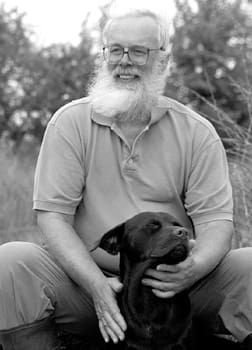
Does your dog suffer from allergies, joint pain, epilepsy, recurrent ear infections, or other chronic health problems? Have you tried lots of treatments – alternative and conventional – but you just can’t seem to help your dog get well and stay that way? You might want to look a little closer at the diet recommendations of John Symes, DVM.
For the last four years, he has advocated (in his clinic and on his Web site) a feeding regime for dogs that eliminates gluten grains (including wheat, barley, and rye), all dairy products, soy, and corn. “The response was so dramatic that I was afraid at first that I’d cure myself out of practice,” he jokes.
Dr. Symes, who calls himself “Dogtor J,” himself suffered for more than 40 years from a variety of health problems. He had allergies, heartburn, depression, chronic fatigue, intestinal problems, memory difficulties, joint pain, balance issues, and fibromyalgia. He took a small pharmacopoeia of drugs to ease his symptoms, but didn’t feel well.
Then his brother was diagnosed with celiac disease. “My brother gave me a list of 20 symptoms of celiac disease; I had every one of them,” explains Dr. Symes. He went to his doctor and was tested. His self-diagnosis was confirmed; like his brother, he had celiac disease.
Celiac disease, also known as gluten intolerance, is a condition in which glutens – proteins found in some cereal grains – cause destruction of the villi in the small intestine. The damaged villi are unable to function properly, resulting in poor absorption of nutrients.
Eliminating the offending foods will usually bring about a reduction or even elimination of symptoms, sometimes in just a matter of days. After adopting a new, gluten-free diet, it wasn’t long before Dr. Symes was off his drugs and feeling better than he had in a very long time.
“It was amazing how quickly I felt better,” he says. In just four days, he had a noticeable improvement in his health and well-being. And he said the same quick results often happen with dogs, too.
Grains and Inflammation
As Dr. Symes researched his own ailment, he began to see similarities between problems suffered by gluten-intolerant people and the ailments of many of his four-legged patients. This made him start wondering whether the commercial canine diets, most of which are loaded with gluten-containing grains, were causing the problems he saw most frequently in his veterinary clinic.
Dr. Symes dug deeper into the problem of why gluten caused so many health issues for people and pets. “In a nutshell, after all of my research, I decided that the center of our health universe lies in the duodenum, a ‘J-shaped’ stretch of intestine that I now call Pandora’s box,” he explains.
The duodenum is key to digestion in both dogs and people. A variety of digestive enzymes, such as protease and amylase are secreted there, as are hormones, bile acids, and other substances needed for efficient digestion. The duodenum is lined with the tiny, finger-like villi. As the enzymes and acids break up the food molecules into even smaller parts, such as amino acids, sugars, fatty acids, vitamins, and minerals, these nutrients are absorbed into the bloodstream by the capillaries within the villi.
With celiac disease, the body reacts to gluten by producing IgE antibodies. This onslaught of antibodies damages the villi, sometimes irreversibly. This may cause the appearance of allergy symptoms, such as itchiness and diarrhea. The internal damage, however, is even more insidious. Without adequately functioning villi, vitamins, min-erals, and other nutrients are not properly assimilated, creating a kind of subclinical malnutrition. This process is sometimes referred to as malabsorption or “leaky gut syndrome.”
Gluten can act like glue in the intestine, clogging the villi. This in turn can result in villous atrophy in those who are susceptible. “It’s the nature of the starches to be sticky,” says Dr. Symes. “As it turns out, the foods that are the ‘stickiest’ are the ones that cause the most problems. Wheat and soy are the worst, while oats and rice seem to be the best – the least sticky. Corn is in the middle.”
Now he can see why lamb and rice foods have become so popular. “Rice is the least of the adhesives and thereby the least potentially allergenic,” he says.
Dairy-Free, Too?
People whose villi have become damaged due to celiac disease (and other causes) often experience difficulty in digesting foods that contain lactose. This is because “lactase,” the enzyme needed to break down lactose, is produced in the microvilli. When the microvilli are inflamed and irritated – by celiac disease or other causes – they stop producing the amounts of lactase needed to properly digest lactose, and the person suddenly becomes lactose intolerant. Many doctors recommend that their patients with celiac disease go on a gluten-free and a dairy-free diet, to give the microvilli a chance to rest and recover. Often, after a period of a gluten- and dairy-free diet, the person can start eating dairy products again.
When Dr. Symes moved to a gluten-free diet, he also stopped eating any dairy products. He suggests that owners moving their dogs to a gluten-free diet also cease feeding their dogs any dairy products.
Treating Disease with Diet
Of course, Dr. Symes recommends a gluten-free diet for all of his canine patients who suffer from apparent allergy symptoms or poor digestion. What you may not expect is that he also recommends a gluten-free diet for ALL dogs! Not all his clients are willing to switch foods, or see any need for a change in their dogs’ diet. However, the ones that do are often pleasantly surprised and wouldn’t change the food back.
But the most dramatic turnarounds Dr. Symes has seen in his patients has been with dogs suffering from one of two chronic conditions: allergies or idiopathic epilepsy. He’s had dogs who were scratching themselves raw stop scratching just days after changing their diet to a gluten-free one. He’s also had canine epilepsy patients who stopped having seizures once their diets were switched.
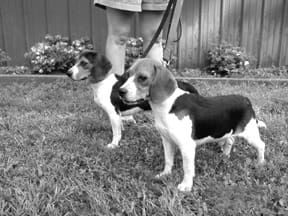
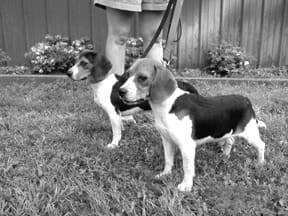
Max, a Beagle belonging to Alabama residents Jan and Mark Davidson, is a perfect example. “He always had bad ears, and was constantly scratching. He never sat still, he was scratching, scratching, scratching. It was constant,” explains Jan Davidson. All of that scratching brought him to the point of bleeding again and again, despite having been on prednisone for years.
Allergy testing confirmed that Max was allergic to the ingredients of every food he’d ever been fed. On top of that, he had inhalant allergies to 35 of the 40 substances he was tested for. Dr. Symes recommended switching Max to a duck and potato food.
“I remember how amazing it was when we switched his food,” says Davidson. “Immediately the situation reversed itself.” That was more than three years ago. Max, now 13, still occasionally needs an antihistamine tablet when his inhalant allergies flare up, or will need an extra thorough ear cleaning. The rest of his once ubiquitous allergy symptoms are gone.
“I often see the worst of the worst respond that quickly,” says Dr. Symes. “It’s amazing how quickly their immune systems get back to normal.”
Dr. Symes has noticed a similar effect with himself. After changing his diet to combat his celiac disease, he found that he no longer had the full-blown allergic response he had always had with cats.
These diet recommendations also have profoundly helped some of his patients with idiopathic epilepsy. “After switching their diets to a gluten-free diet, they stopped all seizures within days, now are off all medications and seizure-free,” says Dr. Symes.
“Buddy was having at least one grand mal seizure a week that we knew of, God knows how many he had during the day while we were gone,” says Brenda Strain. Buddy, a Standard Poodle-cross, started having seizures shortly after the Strains adopted him at five years old. He was also troubled by allergies and received antihistamines regularly to control his symptoms.
“His seizures were pretty dramatic. He would try to crawl over to us, and hit the floor and furniture,” says Strain.
Strain took Buddy to see Dr. Symes. His first suggestion was to change Buddy’s food. Strain switched Buddy to IVD’s rabbit and potato variety dry food, and then later to the duck and potato type.
“Buddy didn’t have another seizure for months, except once when I ran out of food,” says Strain. She didn’t make it to the clinic in time to pick up Buddy’s food, and purchased a bag of lamb and rice food to tide him over until she could get his special food. Within 24 hours, Buddy had a seizure. “We now buy two large bags of the duck and potato food at a time,” says Strain. In addition to the seizures stopping, Buddy has had some relief from his allergies. “The diet seems to help a lot, he’s not as itchy.”
Every dog may not have the same dramatic results as some of Dr. Symes’ patients. However, a change in diet may be a great place to start if you’ve hit dead-ends with other treatment options. As Dr. Symes says, “If dogs can be cured of epilepsy almost overnight with a change in diet, what else can a change in diet do?”
Dr. Symes’ Diet Recommendations
It is important to carefully read the labels of dog foods (whether they are dry, canned, frozen, or dehydrated) and the labels of treats. Some foods contain hidden sources of the following items.
Choose foods WITHOUT the following ingredients:
– Wheat, barley, and rye. Dr. Symes regards oats as the safest grain, as far as allergies are concerned. He says that oats do contain high levels of glutamate and can contribute to pain and epilepsy in some animals.
– Dairy. This includes milk, cheese, whey, casein, etc.
– Soy.
– Corn (including corn gluten meal), if allergies persist. Dr. Symes thinks this is especially important with asthma, pain, lower GI problems, and epilepsy.
– Rice, if allergies persist after removing the grains listed above. At this point an owner is down to dry foods that use potato or sweet potato for carbohydrates.
– Beef and fish, only if allergy systems are present and persist after eliminating the above ingredients. In Dr. Symes’ experience, some dogs have secondary allergies to these proteins, and improve on other protein sources.
– Artificial preservatives and colors.
Shannon Wilkinson is a TTouch practitioner, life coach, and freelance writer who lives with a dog and cats in Portland, Oregon.
Digestion involves the balanced interaction of several biodynamic systems. A healthy animal ingests raw materials (food), changes these raw materials into usable nutrients, extracts from these nutrients the essentials for life and vitality, and excretes (in the form of feces) those substances that have not been digested or that weren’t utilized.
The entire process of digestion is the result of many organs and systems, but for this article we will concentrate on the digestive tract, beginning with the mouth and esophagus, proceeding downward through the stomach, then through the intestines, and finally passing out through the rectum.
Notable components of the digestive system that will not be covered in this article but will be discussed in later articles include the liver and pancreas. On the other hand, we will discuss three “organ systems” that are essential components of the digestive system (but that are not typically thought of as such by conventional Western medicine): 1) the immune system, 2) the nervous system, and 3) the dynamic population of “bugs” that live in the gut.
GI Anatomy in Dogs
The mouth and its related structures (see “Your Dog’s Mouth” to learn more about it!) form the beginning of the “tube” where digestion occurs. The dog has several salivary glands located around the jaw and mouth. In humans, saliva plays an important part in digestion by providing the enzyme, amylase, which converts starch to the simple sugar, maltose. Saliva of the dog (and cat), however, has no enzymatic activity of note. Its functions include lubricating the passage of food to the stomach and moistening the oral mucous membrane. In addition, saliva aids in heat loss for dogs; salivation increases dramatically as the ambient temperature rises.
The esophagus is a muscular tube that propels the food bolus, after swallowing, from the mouth into the stomach. The act of swallowing begins when the animal uses its tongue to push the food to the back part of the mouth, where the upper esophageal sphincter relaxes to allow passage. At the same time, the epiglottis closes over the opening to the trachea, halting respiration for a moment and preventing food from being passed into the lungs.
Once in the esophagus, the food is moved to the stomach by automatic peristaltic activity. Peristalsis is a wave of muscular activity that passes through tubular organs – including the esophagus and the intestines – in a wormlike fashion, forcing substances within the tube to move steadily from the beginning of the tube to its terminus. As the food reaches the stomach, the lower esophageal sphincter relaxes to allow passage into the stomach. After food passage, this sphincter is closed to prevent reflux of the stomach contents.
Digestion begins in the stomach, a thick-walled, muscular organ where food can be stored long enough to be mixed with gastric juices. These juices are mucoid, highly acidic, and contain pepsin (a protein-digesting enzyme) and gastrin ( a hormone that controls the digestive process via feedback mechanisms).
The canine stomach is adapted to accept huge quantities of food in any single session. It can create extra space by relaxing the muscular fibers in its walls and “unfolding” into a large reservoir where the food is churned and mixed before it is passed through the terminal part of the stomach (the pylorus) into the small intestine. The partially digested food, combined with gastric juices, is termed chyme (from the Greek chymos, juice), and is creamy and gruel-like.
How Do Dogs Digest Differently?
The dog’s digestive tract is quite different from ours. In the dog, partially digested foods spend a far greater amount of time in the stomach (some four to eight hours, compared to a half hour or so in humans). Then, the dog’s relatively short intestinal tract usually allows foods to pass through in much shorter times, although transit times vary widely in both species depending on the composition of the food.
The digestive activity of the stomach is also controlled by the composition of the meal and neural and hormonal controls. In the healthy animal all these work in harmony to produce an ideal inner environment conducive to complete digestion. Commercially prepared, highly processed food hinders normal digestion, since it does not resemble the diet the dog’s digestive system has, over eons, been adapted to use. Many drugs also alter the digestive process. Stress, too, can change digestive patterns, sometimes producing diarrhea and/or vomiting.
Chyme enters the small intestine where further digestion takes place and where most of the absorption of nutrients occurs. The small intestine is comprised of three segments (duodenum, ileum, jejunum). Each has a slightly different structure and function, but their overall function is to complete digestion so that absorption can occur.
A duct from the liver and one from the pancreas terminate near each other in the beginning area of the duodenum. The duct from the liver supplies bile (also called gall), which alkalinizes the intestinal contents and plays a major role in fat absorption by dissolving the products of fat digestion.
The pancreas has two major functions, divided into the exocrine and endocrine portions. Pancreatic exocrine function secretes acid-neutralizing bicarbonate and several digestive enzymes. The endocrine pancreas supplies hormones that circulate throughout the body and help control metabolism. Glucose is the endproduct of the nutrients that are destined to produce energy, and its metabolism and distribution to various body parts is under control of the pancreatic hormones. A lack of (or inadequate usage of) one of these hormones, insulin, results in diabetes mellitus.
After the nutrients have reached the small intestine, they are absorbed through numerous fingerlike folds called villi, which are in turn covered with millions of tiny microvilli. The microvilli perform multiple functions, including producing digestive enzymes, absorbing nutrients, and blocking absorption of waste products.
Protein digestion cleaves long chains of amino acids into individual amino acids, which are absorbed into the intestinal veins and then transported to the liver where they are further processed for use by the body.
Chyle, a milky fluid consisting of lymph and droplets of triglyceride fat (chylo-microns), is taken up by the intestinal lymphatic system during digestion. Chyle passes into veins (via the thoracic duct) where it is mixed with blood.
Together, the large intestine (colon) and rectum comprise a much shorter segment of the digestive tract than the overall length of the small intestines. There are no villi for absorption in the colon; its surface is lined with mucous-secreting cells.
The main function of the colon is to act as a reservoir for storage; there is almost no active digestion in the large intestine except that done by the intestinal bugs. Absorption there is limited to fluids, electrolytes, fatty acids (produced as the bacteria ferment dietary fiber), and vitamins A, B, and K. To allow for storage time so there will be complete absorption of fluids and electrolytes, peristaltic movement through this portion of the intestine is slowed by segmental gut wall contractions.
The principal stimulus for motility in the large intestine is distention by its contents, the undigested material entering the colon. Colon contents stimulate both the segmental contractions that limit the speed of transit and the propulsive peristaltic activity that speeds transit time. Thus, paradoxically, adding bulk (fiber) to the diet is beneficial for treating both diarrhea and constipation. (With diarrhea, adding bulk to stimulate segmental contractions slows transit time and allows more complete absorption. With constipation, increasing bulk will stimulate mass propulsive activity necessary for fecal evacuation.)
Common Diseases of a Dog’s Digestive Tract
I’ll discuss the most prevalent diseases of the GI tract by the site of disturbance.
Salivary glands
These glands are not a common site for disease, but they can be affected by inflammation that is either primary or that occurs as a consequence of other diseases such as distemper or other viruses. Trauma may produce swelling, which typically goes away on its own. Sometimes, after trauma or foreign body penetration, one of the dog’s glands fills with mucous and saliva, producing a dramatic swelling that needs to be drained surgically. Tumors of salivary glands do occur, but they are rare.
Esophagus
There are several rather uncommon abnormalities of the esophagus, including esophageal dilatation, idiopathic mega-esophagus, and esophageal stenosis/stricture. Symptoms of these diseases may vary, making accurate diagnosis difficult; surgery may be indicated for severe conditions. Some cases may respond to diet changes and/or alternative treatments.
Inflammation of the esophagus is frequently due to gastric reflux (often from persistent vomiting), but it may also be instigated by anesthesia or other drugs. Conventional Western medicine will treat severe cases with antibiotics, steroids, and drugs to stop the vomiting. Alternative practition-ers might use herbs and acupuncture to soothe the tissues and for their antibiotic and immune-enhancing activities.
Foreign bodies – bones, needles, fishhooks, wood splinters, etc. – are a relatively common occurrence in the esophagus; radiographs may be needed to diagnose their presence. They may cause salivation, vomiting, gagging, and reluctance to eat. Whenever possible, esophageal foreign bodies should be removed (by your veterinarian) through the mouth via an endoscope or speculum. If this is not possible, surgery may be necessary. Whatever the method of removal, consider using herbal remedies to help combat inflammation.
Stomach and intestines
Gastritis (inflammation of stomach) and enteritis (inflammation of the intestines) offer a panoply of diseases, caused by the usual culprits: bacterial, viral, fungal, protozoal, traumatic, and neoplastic diseases. For the holistic practitioner, almost all these can be lumped under the general term “dysbiosis” (from two Greek terms “dys,” meaning bad, abnormal, or difficult; and “bios,” meaning life or living organisms). The term seems to fit almost all the digestive problems seen in dogs; treatment protocols for dysbiosis are discussed below.
Of special interest are viral disease complexes that affect the intestines, including parvovirus, distemper, and coronaviral gastroenteritis – highly contagious diseases that can be severe, especially in puppies. Symptoms vary with the disease and its severity, but typically include diarrhea (possibly severe) and perhaps vomiting. Vaccines are available for the viral diseases mentioned above; their safety and efficacy are topics for discussion another day.
The large intestines can also be infected, although rarely, with a myriad of microorganisms, parasites, and mechanical disorders. The most common symptom is diarrhea. Conventional Western medicine uses a variety of drugs to control the diarrhea; holistic treatment concentrates on returning the bowel microflora to normal.
IBD and Leaky Gut Syndrome
Inflammatory bowel disease (IBD) and “leaky gut” have received recent notoriety, perhaps because we see so many cases today. Most of my holistic practitioner friends believe this is a direct result of changing our dog’s diets so drastically over the past 50 years. Both of these disease complexes involve a compromised immune system that in turn creates a chronic dysbiosis in the gut.
In healthy digestion, proteins are broken down into amino acids that can be absorbed into the bloodstream; large particles of protein are held in the lumen of the gut until they can be fully digested. With the leaky gut syndrome, the cells of the gut wall loosen their normally tight attachments, and food proteins are absorbed before they are fully broken down. The body’s immune system regards these proteins suspiciously, and classifies them as foreign invaders, inciting the immune system to react to fend off the “invaders.”
Leaky gut syndrome can be instigated by a number of factors: food allergies, Candida overgrowth (most often from excessive antibiotic or steroid use), or stress. Symptoms can be highly variable; many chronic diseases such as arthritis, skin and other allergic disorders, and fatigue and malaise have been attributed to a leaky gut.
Inflammatory bowel disease is also due to an immune system gone awry. IBD has many of the same symptoms as leaky gut, with perhaps a more profound immune system response. Either of these diseases may predispose the patient to the other disease, and both can become chronic.
Conventional treatments for leaky gut and IBD include antibiotics, and interestingly, steroids or other drugs that shut down the immune system. Holistic practitioners, in contrast, will try to balance the immune function of the digestive system by encouraging a normal flora and by providing immune-enhancing treatments such as herbs and acupuncture.
Specific treatment protocols for either of these diseases will, of course, vary for the individual case, and treatments are too complex to be discussed in depth here. In my clinical experience, I’ve relied on the general protocol for dysbiosis below, adapting it for each individual.
A common misconception when treating either IBD or leaky gut is that you can effect a cure simply by changing the diet – from beef to an exotic protein source, such as kangaroo or ostrich. While diet changes may be effective for the short term, an unhealthy digestive tract will eventually react to (and may become allergic to) whatever protein it is exposed to most. Long-term healing will always rely on returning the gut to health. Re-establishing a healthy, more natural gut microflora is the one necessary step common to all cases of dysbiosis.
Harmful GI Parasites
There are hordes of gastrointestinal parasites that infest the digestive tract, from the mouth to the anus. While some of these can cause severe problems, for the most part they are easily controlled with commercially available drugs. Holistic practitioners tend to look at internal parasites as another cause of intestinal dysbiosis; our challenge is to keep the parasite load to a minimum (it is not always in the best interests of the animal to eliminate all parasites) without using medications that may be toxic. We will discuss nontoxic parasite control in a later article.
Ulcers in Dogs
Ulcers are not a common problem in dogs, but to me, they represent much of what is wrong with current-day, Western medical thinking. There’s been a big push lately to put the blame for ulcers on one bacterium, Helicobacter pylori, thus making it easy to effect a “cure” with antibiotics.
There are several problems with this approach. First, while H. pylori can be isolated from most (human) patients who have ulcers, there are a percentage of patients (30 percent or more) who have ulcers without the presence of the bacteria. Second, H. pylori can be isolated from many perfectly healthy individuals. Third, animal studies (dating back to my early days as a pathologist) indicated that it is almost impossible to infect an animal with H. pylori and produce ulcers, unless the animal is concurrently stressed. Stress, of course, almost certainly plays a role in producing ulcers, if it is not the primary cause.
Despite all this scientific evidence, apparently it is far easier to sell a magic bullet treatment (antibiotics that kill H. pylori) than it is to get folks to look for long-term, holistic ulcer preventatives, or to lower the stress levels in their dogs’ lives.
A cynical view would suspect that the antibiotic-producing drug companies have spun the scientific findings to enhance their bottom line. Of far more concern than all this, however, is the fact that H. pylori is a bacteria that mutates rapidly when it is exposed to antibiotic pressures, much more rapidly even than most other bacteria. So, we have a very rapidly mutating bacterium, to which Western medicine responds with newer and better antibiotics, to try to keep up with the mutations. Who knows what evil ogre of a Frankenstein bacterium we will ultimately produce with our inappropriate overuse of antibiotics?
Gastrointestinal Tumors
While neoplasia (tumors) are relatively rare, they may occur anywhere throughout the GI tract. Symptoms will depend on the severity and location of the tumor; X-rays and/or biopsy may be required for proper diagnoses. Lympho-sarcoma may create an infiltration of lymph cells throughout most of the length of the gut wall, thereby making nutrient absorption nearly impossible.
Some neoplasias, notably lymphosarcoma and mast cell tumor, may respond to chemotherapy. Surgery may be indicated for nodular or well-circumscribed tumors. Holistic practitioners use a variety of methods to treat neoplasia, including homeopathy, acupuncture, and herbal remedies.
Anal Sac Problems
Anal sacs are two structures located slightly below and lateral to the anus. Their function is unknown, although many veterinarians believe that some evil entity created the pox of anal sacs as a way to aggravate veterinarians and to befoul their exam rooms with what I consider the most noxious and fetid odor on this earth – and I am a pathologist, accustomed to all sorts of obnoxious aromas.
Anal sac disease is the most common disease entity of the dog’s anal region. Small breeds are predisposed. Large or giant breeds, and in my experience, “country” dogs that are able to roam over some range are rarely affected. The disease can result in impaction, infection, or abscesses.
Conventional medicine treats anal sac problems with the usual antibiotics and glucocorticoids or surgery if severe. The conventional recommendation is also to manually express the sacs periodically, supposedly to keep them cleaned out. However, I am convinced that proper exercise and a more natural diet will virtually eliminate most, if not all, anal sac problems.
Dysbiosis and Treatments for Dogs
The term dysbiosis seems to fit almost all the digestive problems seen in dogs. From the holistic perspective, nearly all problems that arise in the digestive tract are best treated, long term, by remembering that symptoms are a signal that something bad has happened to the living organism (and especially to the trillions of living organisms, the helpful flora of the gut); something abnormal has made their lives difficult or impossible.
Also, keep in mind that all animals, but particularly the dog, have an amazing inner ability to maintain their own system in eubiosis (“eu,” from Greek meaning well or good; the opposite of “dys”). Dogs seem especially well adapted for coping with all sorts of intestinal insults. Think here of the ancient dog whose diet often consisted of decaying meats, and the more recently domesticated dog whose diet has been (until 50 to 100 years ago) whatever was left over from the human table – fish heads, animal guts, and scraps of meat, fat, and bone.
Our modern dog evolved a tremendous capacity for dealing with meats, fats, and decaying matter; its digestive system is set up to allow for natural detoxification.
As we have seen, compared to the human digestive tract, the dog’s is much shorter and transit time is thus shorter, which gives toxins much less time for exposure to the gut. In addition, the dog appears to have the ability to decrease intestinal transit time rapidly, allowing for some often dramatic bouts of transitory diarrhea. Dogs also seem to have the ability to vomit quite easily. (You and your rugs probably already know this.)
The bottom line is: Don’t get too excited if your dog pukes a few times, has a few bouts of diarrhea, or refuses to eat for a day or two. These are his natural methods of detoxification. The time to become concerned is when vomiting or diarrhea is severe, when either the vomitus or the stools are bloody, when he has a concurrent fever, or when either the diarrhea or vomiting has persisted for more than eight hours or so.
The basic steps I take when treating dysbiosis are as follows, and I’ll discuss each in turn below:
Detoxification
Soothing the intestinal tract
Alternative therapies, including acupuncture, homeopathy, and herbal remedies
Returning the gut to its normal microflora
Maintaining a diet that is natural for the canine
1. Detoxifying your dog
Our world has become laden with toxins, many of which are carcinogens. Our dogs are exposed to an even higher toxic load than we are; their noses are constantly sniffing the ground, where toxins accumulate. We throw even more toxins into the mix every time we use pesticides or medications to kill internal parasites, and when we feed them foods heavy with artificial preservatives, colors, and flavors.
By the time they are a few years old, our pets have been so exposed to the plethora of toxins that exist in their (and our) world, I think every holistic, long-term health maintenance protocol needs to include an entry period of detoxification. Then, I believe all of us and our pets should undergo a mild detoxifying program several times a year, perhaps coinciding with the four changes of the seasons.
Detoxification programs vary somewhat, depending on the specific needs of the animal and the seasons. They should be used periodically, not daily. Following are some basic principles:
• Fasting: Give the body a chance to get rid of some of the junk that is swimming around in the gut and bloodstream. Remember that over thousands of years the canine digestive tract has become well-suited for the predatory lifestyle of long periods of “food famine,” followed by a kill, which provides a short-term glut of nutrients.
A periodic day or two of fasting is good for all of us, and it is especially beneficial for our canine companions. (Some of my holistic veterinary colleagues recommend a three- to five-day fast, several times a year.) You may want to include a mild herbal laxative before the fast, and be sure to make sure your dog drinks plenty of water during and afterward. Discuss the exact protocol with your holistic veterinarian.
• Detoxifying supplements and foods: Fiber and/or mild herbal laxatives stimulate peristalsis and encourage stools to pass quickly and easily. Bulk fibers such as psyllium husks, more potent herbal laxatives, and/or diuretics (to help detoxify via the kidney) may be recommended.
• Enhance healthy flora: The most important step. See below for more detail.
2. Soothing the intestinal tract
Demulcent herbs soothe and protect the digestive tract membranes. Demulcent herbs include marshmallow root (Althea officinalis), oats (Avena sativa), and slippery elm bark (Ulmus fulva).
Antispasmodic herbs relax any nervous tension that may cause digestive colic. These include chamomile (Anthemus nobile or Matricaria chamomilla), hops (Humulus lupulus), and valerian (Valeriana officinalis).
3. Nonconventional therapies
It’s been my experience that alternative and complementary medicines are extremely effective for alleviating almost all functional problems of the digestive system, and they cause far fewer long-term problems. The primary therapies I use for acute cases include herbs, homeopathy, and acupuncture (Traditional Chinese Medicine).
• I first look to herbal remedies for treating intestinal problems because they have such a wide range of specific activities. Also, they offer a mild and safe therapeutic input that will help harmonize a system temporarily out of whack. There are many categories of herbs that can be helpful; some of my favorites are listed below.
Carminative herbs contain volatile oils that affect the digestive system by relaxing the stomach muscles, increasing the peristalsis of the intestine, and reducing the production of gas in the system. Herbs in this category include cayenne (red pepper, Capsicum spp.); chamomile (Anthemus nobile or Matricaria chamomilla), fennel (Foeniculum vulgare), ginger (Zingiber officinale), peppermint (Mentha piperita), and thyme (Thymus vulgaris).
For antispasmodic and demulcent herbs, see my comments above (under “Soothing the intestinal tract”).
There are several hepatic herbs that enhance the liver’s activity. Dandelion root (Taraxacum officinale), goldenseal (Hydrastis canadensis), wild yam (Dioscorea villosa), and yellow dock (Rumex crispus) strengthen and tone the liver. Cholegogues are herbs that increase the production of bile by the liver. These include artichoke leaves (Cynara scolymu), dandelion root, rosemary (Rosmarinus officinalis), and turmeric (Curcuma domestica).
Laxative herbs include mild-acting herbs that enhance digestion, such as dandelion root, licorice (Glycyrrhiza glabra), and yellow dock. More potent laxatives include cascara sagrada (Rhamnus purshiana) and senna (Cassia spp.). Antimicrobial herbs may be used when the cause of the upset is microbial, either bacterial or viral. Many herbs have broad-spectrum antimicrobial activity; some of my favorites for intestinal conditions include chamomile, echinacea (Echinacea spp.), Oregon grape root (Berberis aquifolium), and thyme.
Check with your holistic veterinarian or herbalist for dosages; these will vary according to the size of the animal, the type of delivery system used, and whether your dog needs a therapeutic or maintenance dose.
• Acupuncture/Traditional Chinese Medicine (TCM) fully appreciates the complexity of the GI system, and the TCM treatment for GI problems helps balance the interaction of several biodynamic systems.
According to TCM theory, the body’s energy or chi flows through meridians that pass thru the body, connecting specific acu-point locations.To treat an animal’s disease, an acupuncturist will place needles along the meridians to balance the flow of chi and thus produce health.
There are also easy-to-find points that anyone can activate (with a light-touch, circular massage directly on the point) to help create a balance in the digestive process. You can learn more about do-it-yourself acupressure in texts such as Four Paws, Five Directions, by Dr. Cheryl Schwartz; Veterinary Acupuncture, by Dr. Allen Schoen; and The Well Connected Dog: A Guide to Canine Acupressure, by Nancy Zidonis and Amy Snow.
Finally, if you want good healthy chi for your dog (or for yourself), you need to provide food that contains good healthy chi. Healthy food for dogs has vitality (is not overprocessed), is close to the canine’s natural diet, is fresh, and does not contain artificial additives.
• There are dozens of homeopathic remedies that are indicated for treating a variety of intestinal problems. Treating acute intestinal conditions is one example where I might use the acute approach to a homeopathic therapy. (See below.)
Perhaps the king of all remedies for vomiting is Nux v. Other remedies for intestinal upset include Arsen. alb. (for simultaneous vomiting and diarrhea); Ipec. (vomiting); Merc. sol. (pasty, non urgent diarrhea); Merc. cor. (straining with a forceful spurt of diarrhea); Rhus tox. (straining with bloody, mucoid, watery or frothy stools); Phos. (loose, yellow stool).
For acute cases (where the animal is otherwise healthy) a high potency is indicated (200c to 1X or higher, perhaps several doses, repeated every four to five hours during the first 24 hours). I have found the homeopathic remedies, when used in classical fashion (again, see below) to be very helpful for long-term therapy, especially when they are used in combination with other methods for re-establishing and maintaining a normal gut flora.
4. Returning the gut to its normal microflora
I hope that by now I’ve convinced you that a normal gut microflora is essential for maintaining your dog’s healthy gut and its active digestive system. And I hope you understand that antibiotics, glucocorticoids, inappropriate foods, an overload of toxins, and high levels of stress are all detrimental to the good-guy microflora.
In a perfect world, a dog’s intestines would naturally create an ideal environment for the growth of healthy microflora. Unfortunately, our dog’s world is not nearly perfect, and today’s realistic world creates a plethora of negative influences that adversely affect the gut’s microflora. With all these negative outside influences, it makes sense for us to try to recreate a healthy microflora by resupplying some or all of the healthy bugs a dog’s belly needs.
Unfortunately, there is no simple, single way to accomplish this. Since the gut flora constantly changes, depending on many factors including dietary intake, it is almost impossible to predict what kinds of bugs are needed. Plus, the microflora of the dog is likely very different from that of the healthy human, but most of the experimental work has been done on humans.
Many of the healthy bugs are destroyed in a highly acidic medium (that is, in the stomach), so, in theory, using the oral route to supply the bugs might not work, although surely in nature, ingestion of healthy microflora is the way animals obtained their healthy bugs.
Given these problems, here are some suggestions for supplying healthy micro-flora for your dog:
• Add small amounts of healthy micro-flora on a periodic basis, at least four or five times a week.
• Use a product that contains several different genera and species of bacteria; give the gut the most options possible.
• Use products that contain live and active cultures.
• Keep the product refrigerated, and make sure it has been refrigerated in the store. The bugs die quickly when not refrigerated.
• Don’t use sweetened products; the sugar only enhances the possibility for yeast overgrowth.
In order to simplify all this, I usually recommend using a good organic and unsweetened yogurt product, one that lists the bacteria on the label and one that claims their cultures to be “live” and “active.” It’s been my experience that, even though the bugs aren’t supposed to survive in the acid media of the stomach, dogs seem to have healthier guts when they are fed a dollop of yogurt every day or so.
5. Feed a natural diet
After you’ve helped your dog create a healthy gut environment, you can help maintain it with a good-sense diet. Consider that the canine’s intestinal tract has evolved to eat meats, fats, and rotting and decaying matter. The dog’s GI system is not prepared to process the refined carbohydrates most people feed their dogs, and it is certainly not functionally capable of utilizing or detoxifying the many synthetic substances it is exposed to today.
As the final step you can take to help insure intestinal health for your dog, consider a home-prepared diet.
“Acute” or “Classical” Homeopathy?
In acute homeopathy (as opposed to “classical homeopathy”), remedies are chosen to match the disease symptoms occurring at the time. Acute use implies that you are expecting to palliate (ease the symptoms) rather than to cure (treat and eliminate the deeper causes of the disease).
Conventional Western medicine’s drugs and methods typically palliate symptoms; seldom is any thought given to curing the deeper causes. Classical homeopathy, in contrast, selects a deeper remedy that matches the totality of the animal’s symptoms, which include the short- and long-term physical, mental, and emotional components of the dog, as well as the ongoing physical symptoms of the current disease crisis. Classical homeopathy requires taking an extensive history of the animal’s totality of symptoms, past and present. This in-depth intake alone may take an hour or more.
Interestingly, I have noticed that many of the patients I have the opportunity to treat classically (say, following up after an acute health crisis) seem to have a totality of symptoms that matches the remedy I had chosen to use acutely. In these cases, it is a simple matter to continue with the classical approach to remedy selection, after the initial acute dosing.
An example of this might be a vomiting dog that responds favorably to Nux v., and later is found by the diligent veterinarian who provides maintenance care to have many of the characteristics of a “Nux personality” – nervous, irritable, cannot bear noises or odors, sullen, does not want to be touched, has an “irritable” bladder, feels worse in the mornings, and may have periodic bouts of constipation and/or asthmatic-type coughing.
Three Extra “Organ Systems” Associated with the Digestive Tract
Intestinal microflora
Inside the intestines, mostly in the large intestine, resides a living mix of dozens of bacterial, viral, protozoal, and fungal species – billions of beneficial “bugs” in each gram of undigested material. Since the totality of this microflora engage in activities that enhance health and healing, these bugs are best thought of as a functional unit, or organ system, absolutely necessary for the well-being of the animal.
The most common bacteria in the large intestine include several species of Bacteroides and Bifidobacterium, along with high numbers of Streptococcal and Clostridial species and several types of lactobacilli. The total numbers of these helpful bacteria and the ratio of one species to another depend on the overall health of the intestines, and on other factors such as diet, local immune responses, levels of stress, and the use of drugs – particularly antibiotics and glucocorticoids.
The beneficial activities of the normal flora of the intestines are almost endless, but here’s a short list of the most important:
◆ Improve nutrient absorption
◆ Produce and enhance the absorption of several vitamins including vitamins A, B, and K
◆ Maintain the integrity of the intestinal tract and help protect against “leaky gut” syndrome
◆ Prevent and treat antibiotic-associated diarrhea
◆ Prevent the growth of disease causing microbes such as Candida spp., E. coli, H. pylori, and Salmonella
◆ Enhance the functional ability of the immune system
◆ Help acidify the intestinal tract, providing a hostile environment for pathogens and yeasts
◆ Help bind and either eliminate or prevent the absorption of a variety of food-borne toxins
◆ Evidence indicates that intestinal microflora may be protective against several types of cancer
In contrast, while your dog’s gut bugs naturally promote health, changes in the intestinal environment (with the use of antibiotics, for example, which indiscriminately kill most bacThree Extra “Organ Systems” Associated with the Digestive Tract teria, including the helpful ones) may cause the helpful bacteria to mutate into pathogenic (disease-causing) species. And, changes in the natural interrelationships – again, with drugs that upset the normal balance between bacterial species – may let other pathogenic bacteria gain a foothold in the gut.
Further, it should be noted that this “organ system” of helpful bacteria is in constant flux; the total numbers, activities, and the ratio of species varies constantly, depending on the dog’s diet, level of toxins and/or synthetic antibiotics presented to the gut, and levels of stress (or the levels of “synthetic/artificial” stress from glucocorticoid use).
Finally, it’s important to note that much of the experimental work on gut microflora has been done in the human species. It may not be appropriate to transpose all these data to our dogs, who are unfortunately undergoing a rapid transformation from their ancient, primarily carnivorous diets to today’s commercial diets, which are excessively high in carbohydrates.
Intestinal immune system
Current (human) research indicates that about 70 percent of the immune system is located in or around the digestive system. Called gut-associated lymphatic tissue (GALT), it is located in the lining of the digestive tract, especially in lymphoid-rich structures called Peyer’s patches. The system acts as a sentinel, on constant alert for foreign substances. It’s likely this is why so many of the chronic diseases we see in dogs can be traced back to the gut, back to something in the ingested foods that has overly-activated or otherwise interfered with natural immune functions.
Nervous system
The digestive system has its own nervous system, which can function on its own without the brain’s help. In this second nervous system, we can find every neurotransmitter that is found in the brain. “Gut feelings” can thus be very real, and when a dog is stressed, those feelings can profoundly upset the normal digestive processes. Calm dog; calm gut. Calm gut, normal and healthy digestion.
YOUR DOG’S DIGESTIVE HEALTH: OVERVIEW
1. Use safe, gentle herbal teas to help soothe and protect the GI tract.
2. Under the direction of your holistic veterinarian, occasionally fast your dog.
3. Several times a week, increase and enhance your dog’s GI microflora by feeding him organic, unsweetened yogurt containing live, active cultures.
Dr. Randy Kidd earned his DVM degree from Ohio State University and his PhD in Pathology/Clinical Pathology from Kansas State University. A past president of the American Holistic Veterinary Medical Association, he’s author of, Dr. Kidd’s Guide to Herbal Dog Care and, Dr. Kidd’s Guide to Herbal Cat Care.
What do Russian tigers, mold, lost pets, cancer cells, bomb-making equipment, illegal drugs, tortoises, termites, and knapweed have in common? They are all subjects of innovative training programs that work with dogs to seek out a growing list of unique targets for our benefit.
Humans have taken advantage of dogs’ incredibly keen sense of smell over the ages for such uses as hunting, tracking lost and fugitive humans, and more recently, the detection of bombs, narcotics, and other contraband. It’s well known that a dog’s nose is many times sharper than our own – estimates range from 10,000 to 100,000 times superior to ours, with a far greater number and variety of scent receptors in their noses, more neurons linking the nose to the brain, and a greater proportion of their brains devoted to smell.
We accept this without question as we routinely utilize our dogs’ sense of smell to locate tennis balls we toss into deep grass in the dark; find treats and toys we stash around the house; search for us when we play hide-and-seek in the woods; and in Utility Obedience, retrieve the one item that has been handled by the owner out of a pile of identical-looking objects. Our dogs, if they ever thought about it, would have to conclude that we humans are seriously disabled in the nose department – we couldn’t even begin to come close to duplicating the feats that they accomplish without thinking twice about it!
In addition to the now-familiar uses for a dog’s smelling talent, trainers and researchers are only just starting to realize the best potential ways to make dog noses work for humans. For example, in 2002-2003, biologists in Russia trained dogs to help monitor a threatened species of tiger, the Amur Tiger, through a grant from the National Fish and Wildlife Foundation. The research team trained two dogs, not just to track tigers in general, but to actually identify individual tigers; one to 96 percent accuracy, the other to 89 percent accuracy.
Other new uses for dog noses include:
Mold and termite detection for home repairs and sales
Searching out desert tortoises (a threatened species) in the U.S. to help preserve critical habitat
Locating an invasive, nonnative weed in Montana for eradication purposes
Sniffing out the deadly venomous brown tree snake in produce shipments from Asia to prevent accidental international transport
Detecting cancer cells in human urine for diagnosis and treatment
Locating leaks in pipe lines
Finding missing pets to prevent their suffering and allay human grief over the loss of beloved companions
Alerting Forest Service personnel to the presence of masses of gypsy moth eggs, so the destructive pests can be eradicated before they mature, spread, and destroy forests
Which Dogs Have the Best Sense of Smell?
According to Dr. Larry Myers, canine scent expert and professor of veterinary medicine at Auburn University in Alabama, all dogs have noses good enough to do scent work. However, trainability and interest in doing the job are important qualities; just because a dog can do scent work doesn’t mean he will. For some kinds of work, the size of the dog and his coat length may determine suitability. (A large, heavy-coated dog may not be the best candidate for working in a desert, for example.)
Carole Schatz, CPDT, of San Diego, California, is the training director for a cancer detection study, still in the development phase, at Scripps Research Institute’s General Clinical Research Center. Dogs selected for the Scripps study include Schatz’s own dog, a Golden Retriever/Poodle mix, a Border Collie mix, Corgis, a Chihuahua mix, a Boxer, a Bernese Mountain Dog, an Italian Greyhound, German Shepherds, a Rhodesian Ridgeback, and an Aussie/Cocker mix. Schatz recruited the trainers for the program, and all the dogs are personal companions of the selected trainers.
In contrast is Hal Steiner of Bozeman, Montana, the owner of Rocky Mountain Command Dogs, a company that provides basic training services and also specializes in scent work. Steiner uses a specialized breed of dog that he created specifically for scent work purposes. He developed the “Rocky Mountain Shepherd” over decades, from Czech border patrol stock and hybrids of the red European wolf, and uses this breed almost exclusively for his scent work, although he does occasionally rescue dogs of other breeds that might be suitable for his purposes.
David Latimer, of Vincent, Alabama, owns FSI K9 Academy. In addition to training bomb, arson, narcotics, and tracking dogs, Latimer trains dogs to detect water leaks, mold, and termites. He uses small to medium-sized dogs such as Beagles, Rat Terriers, and Border Collies for mold and termite work; they fit better into some of the confined spaces where their quarry is sought. Most come from local shelters and rescue groups and some are donated. He rarely purchases a dog.
“I look for dogs who have what I call a strong ‘work ethic,’ says Latimer. “I want a dog with a high hunt drive and a high energy level coupled with a strong desire to please his handler. In addition, I look for dogs that are nonaggressive toward people and other animals.”
Kathy “Kat” Albrecht, of Clovis, California, too, follows the eclectic approach to scent dog selection for her “pet detective” work. A former police detective and search dog trainer/handler, Albrecht began a new career finding lost pets when injuries sidelined her from police work. She now specializes in training what she has dubbed “missing animal response” (MAR) search dogs that are trained and certified to locate various lost pets. Albrecht trains dogs for three types of work: MAR Cat Detection K9s detect live and deceased cats; MAR Specific Scent K9s can detect the scent of any missing animal within a confined search area; and MAR Trailing K9s are trained to discriminate the scent of a lost dog and follow the scent trail to establish direction of travel in hope of finding the missing dog.
“Dogs best suited for MAR work are fixated on one of three things: cats, treats, or other dogs,” she says. “For cat detection dogs we look for dogs who absolutely pine for kitties and give a physical response (tail-wiggles, butt-wag, etc.) when they detect a cat’s scent. For specific-scent dogs, we want dogs who will fixate their attention on a piece of hot dog and do anything for that hot dog, ignoring all distractions. For trailing dogs, we look for the “dog park” type of dog who loves to play with other dogs.”
Since Albrecht’s goal is to develop a system to train a massive corps of certified MAR K9 handlers around the world, she keeps an open mind about breed possibilities, with just a few limitations. Albrecht thinks that pug-nosed dogs (Pugs, Boxers, Pekinese, etc.), tiny dogs (Chihuahuas, Teacup Poodles, etc.) and giant breeds (Great Danes, Irish Wolfhounds, St. Bernards) are just not appropriate for MAR work due to their physical limitations. She also looks for dogs that are at least six months old and no older than eight years to enter the MAR training program.
Positive Training Techniques Ideally Suited for Scent Work
All of the trainers we interviewed agreed that scent work was trained most effectively using reward-based, positive training methods, although there were differences of opinion over whether the reward should be food treats or “life rewards,” such as the opportunity to play with a coveted toy.
As in every field of dog training, however, some of the trainers we spoke to hold fast to the notion that corrections are necessary during training, especially during the foundation “obedience” phase, in order to achieve reliability. The idea that there must be “consequences” for objectionable behaviors is difficult for many old-fashioned trainers to get past.
In contrast, we have found that the use of “negative punishment” (the removal of a desired object or outcome to decrease unwanted behavior) is a gentle but effective consequence that, in combination with positive reinforcement, can produce very dependable work dogs.
Carole Schatz, Certified Pet Dog Trainer and training director for a study at Scripps Research Institute’s General Clinical Research Center for canine detection of cancer, told us why she uses primarily positive reinforcement in her training and sought out trainers with a similiar training philosophy to participate in the study:
“In the 1960s I was a reading teacher,” Schatz says. “My kids learned the fastest because I bought pretzels. Each child was tested daily and if they learned the lesson, they earned a pretzel. My kids were always the first ones to learn to read. Thus, when I went into dog training in 1975, I was completely open to using positive rewards – goodies. It was lonely until I met Dr. Ian Dunbar in 1978 and traveled to his classes and seminars. Here was validation.
“I love it when the dogs learn fast and have fun doing it. It also gives me great pleasure to see their happiness. It’s win/win. Using punishment makes the dog fearful and unhappy and then I’m unhappy. It also takes longer because you have by-products of fear and confusion.
“The training methods involved in this study are no different than training anything else – ignore the wrong and reward what’s right. My goal is happy dogs who love what they’re doing and happy trainers. Alerting to cancer is frosting on the cake.”
Scent Work Training Methods and History
While scent dogs are trained primarily with methods that focus on positive reinforcement, there is considerable variation as to how that operant principle is applied.
Cancer detection is a very new field of canine scent work. A study in England published in the British Medical Journal in September 2004 described how six pet dogs were trained to alert to the urine of patients with bladder cancer. The results of a double-blind test of the dogs at the conclusion of a seven-month training period showed the dogs successfully alerted to the urine of patients with bladder cancer 41 percent of the time (14 percent would represent a random response).
The researchers involved with the study, including trainers from Hearing Dogs for Deaf People and medical researchers from the Erasmus Wilson Dermatological Research Fund, feel they have not only demonstrated the promise of this form of cancer detection, but also designed a successful training protocol and stringent controls in the testing phase suitable for extending the work. Their future goals are to optimize the experimental process and to study the potential for dogs to detect other types of cancers, particularly skin cancer.
A study that will be conducted in this country at Scripps Research Institute’s General Clinical Research Center is still in the development stages. Trainer Carole Schatz and Dr. Robert Gordon are collaborating with Dr. Larry Myers, canine scent expert and professor of veterinary medicine at Auburn University in Alabama. The Scripps study will attempt to teach 12 dogs to alert to an odor signature in the urine of patients with prostate and breast cancer. One of these dogs is Schatz’ own two-year-old Golden Retriever/Poodle mix, Josie. Josie is already a certified assistance dog and a registered therapy dog.
The dogs in the Scripps program will be trained with various positive methods. “Every dog is an individual,” says Dr. Robert Gordon, principal investigator for the Scripps study. “We have to learn which technique works best with each individual dog.”
Dog trainers in the study are given latitude to experiment with their own training techniques to see what works best. Some are training their dogs to alert to the scent of vanilla. The alert signal is then transferred to the presence of the odor signature of cancer in urine. In a separate study being conducted by Dr. Myers at Auburn University, dogs are first trained to alert to the banana-like scent of n-amyl acetate, then transitioned to cancer cells.
One of the questions the researchers hope to answer is whether the cancer substances that are excreted in urine are universal to all cancers, or specific to individual cancers. For example, prostate cancer may be aggressive or nonaggressive, and there is currently no way to tell which is which. If dogs could be trained to distinguish the difference, it could make a big difference in how the cancers are treated.
“There is real scientific, humanistic value in this project,” Dr. Gordon says excitedly. “If this project proves out, we could train teams to go places where modern diagnostic equipment isn’t available. This could make a huge difference in the quality of peoples’ lives.” In between training sessions, the cancer detection dogs live normal lives, or as Schatz says, “They are all pets.”
Smelling Weeds for a Purpose
Kim Goodwin, a rangeland noxious weed specialist with Montana State University, contacted scent dog trainer Hal Steiner in 2003. She asked if he could train dogs to detect knapweed in the field, and Steiner agreed to give it a try. He selected a Rocky Mountain Shepherd (a breed he developed himself) to be the test dog for the project. The dog was so successful, he later dubbed her “Knapweed Nightmare.”
Phase One of the knapweed detection program was successfully completed and field-tested in the fall of 2004. At completion of the testing, Nightmare was finding the nonnative invasive plant with a 93 percent success rate, proving that dogs can detect low densities of the invasive plant efficiently. Steiner sold Nightmare to the university, which is now seeking funding to continue the work.
Steiner, while still using primarily positive training methods for the scent work, takes a different approach. From the time his professional working dogs are born, they never “play” the way a companion dog might.
“She’s not a pet; she’s not played with,” Steiner says of Nightmare. “We start with basic obedience training, using corrections if necessary. Then, using ‘game theory,’ we addict the dog to a certain type of toy, in Nightmare’s case a towel or piece of plastic tubing with knapweed wrapped inside. When she’s not working, she’s in her pen.”
Handlers in Steiner’s program praise the dog – no food rewards – when she reacts to the scented toy. Steiner then hides the toy in places that are progressively harder to sniff out. As Nightmare becomes proficient, the trainers add distractions, to teach her to stay focused on her task.
The Rocky Mountain Shepherd was also trained to indicate her finds by digging at a spot of knapweed for 10 seconds so the global positioning system (GPS) attached to her collar could mark the location of a knapweed find.
“You don’t want bomb dogs digging aggressively at a package of explosives,” Steiner chuckles. “We want them to indicate finds gently. But Nightmare needed to stay in position for 10 seconds (for the GPS unit to record the spot), and the easiest way to get her to do that was to encourage her to find aggressively, by digging at the spot for a bit, then moving on. Humans check the spot later to confirm the find.”
Pest Detection
David Latimer tells us that dogs have been doing termite detection for at least 20-25 years in the U.S. Mold detection developed originally in Europe about 10 years ago. Latimer uses positive reinforcement, and acknowledges the importance of timing when rewarding desired behaviors. He also subscribes to what he calls “fair and just discipline” as a part of training dependable working dogs.
Among other training exercises, Latimer uses a “scent board.” This is a piece of 2×4 with eight, 4- to 6-inch sections of PVC pipe attached vertically, secured with screws to the board. Each section of pipe is capped with a screw-on cap to conceal the contents; the caps have small holes drilled through the center to release the scent. The target odor – termite-infested or moldy material – is placed inside one or two of the pipes, and distracting odors are placed in several of the other pipes. In order to earn a reward, the dog must correctly identify which pipe or pipes contain the target odor.
Finding Lost Pets (People Too)
Kat Albrecht says that the use of dogs specifically for finding lost pets goes back to the 1970s, when a Bloodhound handler in Texas used his dogs to search for missing dogs. This trainer reportedly died in the early 1980s, and while an occasional search dog may have been used for this purpose since then, no one until Albrecht has attempted to do it on a large, formal scale.
Today Albrecht is the founder of Pet Hunters International, the world’s first pet detective academy, and Missing Pet Partnership, a nonprofit organization that provides training for animal welfare organizations and conducts research into the behavioral patterns of lost pets. Albrecht is also the author of The Lost Pet Chronicles, a nonfiction book about her work.
For cat detection dogs, Albrecht conceals gregarious, dog-friendly cats in a crate in some shrubbery, and rewards dogs for responding to the scent of the cat. Dogs are reinforced for giving a physical alert to the presence of the cat, then encouraged to run back to and jump on the handler, then do a “re-find” by taking the handler back to the crated cat, where they are rewarded. The reward in this case is treats plus the opportunity to play with the uncrated, harnessed and leashed cat.
For the specific scent training, Albrecht uses a clicker to teach dogs to search for treats by sniffing a sterile gauze pad that contains the matching treat scent. She progresses to hiding baby food jars with various scents, and uses the gauze pad to teach “smell this smell, find this smell.”
Her dog-trailing dogs are trained using a modification of the method used to train Bloodhounds to follow the scent trail of a human, only using a scent article from a “target dog.” The reward for the scent dog is to play with the dog he finds!
Success Stories
Latimer likes to tell about one of his handlers who was called to do a real estate purchase inspection on a lake house, and had the dog alert on an area outside the home. “Upon investigation,” Latimer relates, “the handler found that extensive termite damage had been cosmetically concealed prior to his arrival. Apparently another company had found the termite infestation on an earlier inspection, and the homeowner tried to conceal it from the handler in order to get a termite clearance.”
Albrecht’s favorite story included the participation of her cat, Yogi, as an impromptu pet detective. As Albrecht walked out of her house one morning, she noticed Yogi sniffing a spot in the road, unusual for the cat, who was normally terrified of the roadway. That evening, when Albrecht’s neighbor mentioned that her cat, Rocky, was missing, Albrecht remembered Yogi’s unusual behavior.
Albrecht took her Weimaraner, Rachel, a retired cadaver dog, out to look for blood in the roadway. Rachel urinated on the road – her somewhat unorthodox alert indicating that she’d found decomposing blood or tissue. Her find suggested to Albrecht that the cat was injured, not just lost or stolen, which prompted her to suggest the owner focus her search within the cat’s territory.
“Sure enough,” says Albrecht, “Andrea found Rocky under his deck, one back leg hanging by a thread, but alive. Rocky is now a happy three-legged kitty who was saved because of his curious neighbor cat and a trained search dog.”
As these programs gain momentum, and as trainers develop more programs that use our dogs’ incredible sense of smell, we will no doubt hear of more exciting ways that dogs can demonstrate their value. Most exciting to us is the comment of many trainers, that “any dog” can do scent work. That means you and your dog can do it too! Remember, if it has a scent, a dog can be trained to find it. The possibilities are endless.
SCENT WORK FOR DOGS: OVERVIEW
1. Test your dog’s interest in scent work by hiding his favorite toy, initially while he’s watching, and then, once he understands the “game,” in places he has to use his nose to find it.
2. Reward your dog’s successful location of a hidden item or family member with “high-value” treats, whether that means bits of fresh chicken or playing with a tug toy.
3. If he shows consistent interest and/ or talent at using his nose, shop for books and videos on training a scent dog.
Pat Miller, CBCC-KA, CPDT-KA, is Whole Dog Journal‘s Training Editor. She is also author of The Power of Positive Dog Training, and Positive Perspectives: Love Your Dog, Train Your Dog.
A dog’s cardiovascular system is physically and mechanically an incredible assemblage, and its capabilities are almost mystical – literally and figuratively driving the dog’s vital force. However, there are several conditions that can adversely affect the heart in a small percentage of dogs (a much lower percentage than that of humans with heart or vascular disease).
Fortunately, there are also several good, natural, and alternative approaches that can be used to treat canine cardiovascular disease. In my experience, these treatments have been as effective (and safer) than the Western medicine treatments I once used.
Ways to think about the canine cardiovascular system:
Conventional Western medicine views the heart as a simple mechanical pump – a very complex piece of machinery with a simple function as a pumping machine. Other scientists have studied the heart from the perspective of its bioenergetics – studies of the bioelectrical and biomagnetic fields are often centered in the heart, and scientific advances in these areas have led some practitioners to conclude that healthy “cardio-energetics” may be the most important contributor to vibrant overall health.
Many holistic practitioners recognize that the heart is also a primary source of the body’s bioelectric and biomagnetic fields. These energetic fields may be the body’s major source of inner information, necessary for proper functioning of the immune system and other organ systems.
Energy fields may also be responsible for much of the body’s ability to create cellular, organ-related, and whole-body memory fields that are in turn connected to other animals and to the natural environment. According to this line of thinking, since the heart is the primary producer of bioelectric and biomagnetic fields, it may be the organ with the highest intelligence in the form of memory. And the heart is almost certainly the organ that has the most potential for interconnecting with other animals (including humans).
Finally, we now know that the heart’s energetics extend into the surrounding environment almost infinitely. Some traditions have said that it is this heart connection – man to beast – that is the reason the animals were sent here in the first place.
How the Heart of a Dog Works
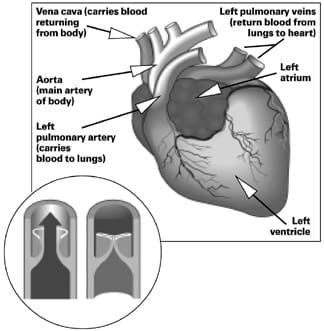
Okay, enough of theory. Mechanically, the heart consists of two pumps, located side by side and joined along their entire length. Each of these muscular pumping stations is comprised of two chambers, the atrium and ventricle. The atria, located at the cranial part of the heart (nearest the head), are primarily receiving chambers where the blood from veins is collected before its passage into the ventricles. Separating each atrium from its adjacent ventricle is a one-way valve consisting of two or three leaflets, or cusps. The valve on the left has three cusps and is called the tricuspid valve. There are two cusps on the valve between the chambers on the right side of the heart, close together in a shape that resembles a bishop’s miter (thus it is called the mitral valve).
The right side of the heart supplies blood to the lungs where the oxygen from outside air is added and carbon dioxide from cells is expired. This part of circulation is a relatively short course, thus the right side of the heart is not as muscular as the left.
After being aerated by the lungs, the blood circulates into the left atrium (via the pulmonary vein). Then, through the tricuspid valve, it enters the left ventricle. From here the muscles of the ventricle propel the blood through miles of vessels, beginning at the aorta. The heart must not only have enough power of contraction to propel the viscous fluid though miles of vessels, but also maintain a constant beating, as they say, 24/7 for the lifetime of the animal.
There are several factors that control heart rate and rhythm. The sinoatrial (SA) node, located in the muscles of the right atrium, instigates the electrical flow that initiates contraction and propels it across the heart. (Surgically implanted artificial pacemakers can be used to stimulate the SA node when necessary – and yes, this surgery has become relatively common in dogs.)
Heart rate is also under biochemical influence. Stimulation of the sympathetic nervous system (with epinephrine or nor-epinephrine, for example, either provided via injection or from the natural “flight or fight” mechanisms) results in increased heart rate; parasympathetic stimulation slows the heart. Heart rate is also inversely related to systemic blood pressure – when blood pressure increases, heart rate decreases, and vice versa. Blood pressure is further controlled by chemicals (angiotensins) that operate at the kidney to conserve or eliminate fluids in the urine.
The Sounds a Heart Makes
The heart has a voice of its own, and the audible dictation of the cardiac voice is easily heard. The closing of each set of valves is forceful enough to make a slight thupping sound, which is easily heard by placing your ear on your dog’s chest. The first of the thups issues from the tricuspid and mitral valve closures and the second from the pulmonary and aortic valves (the egress valves that prevent regurgitation of blood back into the chambers). The thups create the familiar “lub-dup, lub-dup, lub-dup” sound we are all familiar with.
With a low-tech ear-to-the-chest method you can detect obvious heart murmurs, which I would describe as a “mushing” or “slushing” of the lub-dup sound. Heart sounds are, of course, more apparent when a stethoscope is used to amplify them. Electrocardio-grams, echocardiograms, and MRIs may also be employed for capturing the best possible “sound” of the heart.
Checking Your Dog’s Pulse
A normally functioning cardiovascular system should pump blood to all areas of the body with equal force and rhythm; an animal’s pulse is a reflection of the overall health of the system.
Pulses are especially important in Eastern medicine. Traditionally, the character of the wrist pulse is examined and correlated with a diagnosis that then indicates a direction for treatment. The pulse is taken with three fingers, and three depths of pressure are used for the final determination that combines the nine “readings” into a comprehensive diagnosis.
Our dogs don’t have a good “wrist” site for pulse readings, but some veterinarians have substituted the carotid artery (in the neck) and/or the femoral artery (on the inside of the hind leg) for the traditional wrist readings. My own take on this is that we don’t yet have enough information on these “new” sites to be certain they are giving us readings that are accurate for diagnosis, and I know for a fact that my fingers are not trained well enough to feel the subtleties that a Chinese-trained practitioner has learned with decades of practice.
Electrocardiograms for Dogs
Muscle activity requires a transfer of ions from outside muscle cells into their interior; as these ions are transferred across the cell wall, a minuscule electrical charge is produced. An electrocardiogram (ECG or EKG) records the electrical potential, generated by the electric activity of the heart, taken from electrical leads placed on the surface of the thorax and body extremities. Thus the ECG represents the extracellular electric behavior of the cardiac muscle tissue.
ECGs have become a relatively common form of diagnostic aid, available in many veterinary hospitals. Dog and human ECGs are obtained in the same manner – you get the patient to relax, hook her up to several leads that are connected to the ECG recording machine, take readings on a moving graph paper for several minutes, and interpret the readings.
The heart’s “beat” is created by an electrical activation sequence that proceeds, in a self-propagating wave, from the muscles of the apex of the heart to the muscles at the base. Abnormalities can be detected in the frequency and amplitude of the electrical waves, in the spacing between segments, and in the character of the segments and waves.
However, ECG interpretations are notoriously inconsistent; not even the most skilled interpreters (Board Certified cardiologists) agree with regularity. Numerous studies have shown that family practitioners fail to properly diagnose a high percentage of ECG readings. Also, correspondence between computer models of readings, cardiologists, and general practitioners is not good. I know of no studies that evaluate the reader accuracy of veterinarians, but my guess is that we would fare no better than our physician counterparts.
To summarize, I think it is more important that the practitioner has the ability to get his nose out of the machinery and look at the whole animal. And, until I’ve been able to evaluate the animal’s condition – including his energetics – I always take machine-based results with a grain of salt.
Symptoms of Heart Disease
Common symptoms of heart disease include exercise intolerance; persistent, low-grade coughing; reluctance to move; difficulty breathing or forced respirations; poor blood perfusion (delayed capillary refill time or cyanosis with exertion); and, the animal may sit with his elbows out. Remember that these are the same or similar to the symptoms seen with respiratory disease; it is important to separate these two conditions.
Common Heart Diseases
Heart disease is the number one killer of humans. In dogs, however, heart disease is not nearly so prevalent, affecting only about 10 percent of all dogs. Furthermore, the most common types of heart disease in dogs are not the same as the typical heart conditions in people. Following are some of the more common types of canine heart disease.
Congenital heart disease is perhaps the most common heart disease in dogs with an overall rate of affected animals around 1 percent of the total population. Many diseases such as cardiomyopathy and degenerative valvular disease of small breeds of dogs may have a significant heritable component.
Almost any physical part of the heart may be defective at birth. Symptoms vary with the location of the defect, but most often can be detected by listening for a murmur. The murmur may be characteristic for the type and location of the defect, or more likely, ECGs or other diagnostic aids will be needed to pinpoint the problem. Many animals with defects (and audible murmurs) live a quality life without any signs that a problem exists; others may require surgery to repair the defect.
Valve and endocardial diseases can be caused by any number of conditions including genetic abnormalities; aging, worn valves; and infections (many valve conditions can be traced back to gingival infections; as we advised in “Your Dog’s Mouth“, it’s important to keep your dog’s teeth clean).
Adult heartworms can mechanically interfere with heart valve function. Anytime a heart condition is diagnosed, ask your vet to test for heartworm adults and larvae.
Myocardial disease is also a condition with any number of potential causes including hereditary, nutritional, and infectious. Dilated cardiomyopathy can, for example, be due to a carnitine (an amino acid) deficiency in some dogs that apparently inherit an inability to properly metabolize carnitine. Parvovirus and certain drugs can also induce dilated cardiomyopathy.
Today’s most common form of dilated cardiomyopathy affects only large breed dogs, and tends to be an acute problem that occurs in middle-aged dogs. In this disease, cardiac contractile function is lost, cardiac output decreases, the body compensates by stimulating the sympathetic nervous system – which tries to inappropriately increase heart rate, ultimately resulting in arrhythmias and/or heart failure.
Congestive heart failure can also be caused by a number of conditions. Regardless of the cause of heart disease, the body reacts to a decrease in cardiac output by activating the sympathetic nervous system (increasing heart rate and cardiac contractibility), constricting vessels, and activating the biochemical system (angiotensin) to retain fluids and increase blood pressure. While these mechanisms are life-saving in the short term, if they become prolonged, they produce undue stress for the heart muscle. Unchecked, conditions that affect the function of the heart may ultimately lead to complete or congestive heart failure.
Arrhythmias are abnormalities of cardiac impulse formation, conduction, rate, and regularity. Their causes include poor nutrition, genetic defects, problems with electrical conduction across the myocardium, and biochemical disturbances. Quiet, healthy dogs have a heart rate that is slightly irregular, so diagnosing true arrhythmias requires an ECG or other diagnostic aids, and any diagnosis needs to be correlated with clinical signs – if they exist.
Exercise the Dog, Strengthen the Heart
Oxygen is at the top of the list of nutrients needed by a healthy heart, and exercise is the way to be sure your dog’s myocardium (heart muscle) gets a generous supply. All dogs should have at least a daily 20- to 30-minute aerobic trot-along and a few heart-stimulating romps (after having his heart vet-checked as okay), along with several additional trips to the fireplug during the day.
The second best “medicine” for your dog’s heart is an environment that helps him keep from getting fat. Basic metabolism isn’t all that difficult to understand: Whatever the amount of energy (in the form of calories from food) that goes into the body, it will be utilized first for fueling bodily activities (basic metabolism and muscular activity or exercise), and then, whatever calories that are left over as excess will be deposited as fat. So, to keep it simple, if your dog is putting on weight, you need to either decrease the calories he consumes, or increase his amount of daily exercise – or better yet, do both!
Conventional Heart Treatment
Your conventionally trained vet will be able to tell you a lot about Western veterinary care for your dog’s heart condition – especially if she or he has graduated from vet school in the past decade – so I won’t use much space discussing conventional care. Conventional Western treatment for cardiac conditions, of course, depends on the condition, but a normal protocol would include some or all of the following:
• Diuretics – to remove excess body fluids present because the heart isn’t moving them along properly.
• Digitalis (or digoxin) – to improve heart function
• Vasodilators – to lower blood pressure. Nitroglycerine might be the drug of choice here, or others may be selected.
Alternative Care for the Heart
While Western medicine requires a definitive diagnosis before a proper treatment protocol can be initiated, most alternative medicines are prescribed for symptoms. Furthermore, most of the natural and alternative remedies used have a wide range of effectiveness for many conditions, and they are typically safer (although perhaps not as potent) as conventional drugs.
Heart-Healthy Nutrition
The best preventative “medicine” you can provide for your dog is heart-healthy nutrition. The cardiac-impaired patient should be on a well-balanced diet that helps maintain his ideal body weight. If your dog is overweight, a mild reduction in food intake is recommended – about 80 to 99 percent of caloric maintenance levels. Ideal weight reduction would amount to a slow, steady weight loss of 1 to 3 percent of total body weight per week. For specifics on a weight-loss program, see your vet.
Many heart patient dogs are older animals who also suffer from kidney and/or liver disease. Years ago, very low-protein (14 to 15 percent) diets were automatically prescribed for dogs with kidney or liver disease, as high protein diets force the kidney and liver to work overtime. Unfortunately, some of these animals, particularly those who are on this diet long term, may develop malnutrition. Today, we prescribe a diet with a slightly higher level of protein, with a special emphasis on the protein’s quality (high biologic value) and digestibility for these dogs.
Dogs with severe and chronic heart disease may also show signs of protein-energy malnutrition, seen as loss of both fat and lean body mass (“cardiac cachexia”). A diet containing high-quality protein will help prevent this condition. B vitamins, choline, and inositol are good supplements to help maintain a healthily functioning liver.
Diets high in salt may increase blood pressure, which in turn adds to the physical stress to the heart. Low salt diets that include 0.05 to 0.5 percent (dry matter) sodium are indicated for the canine cardiac patient. In addition, stop sharing any salty human treats such as potato chips, pretzels, processed meats, canned fish and vegetables, and cheeses. Many commercial dog treats also contain high salt levels, so check the label for salt content when feeding or treating your cardiac-compromised canine.
Whenever we supplement the diet, the most important consideration is to maintain a balance of nutrients. One of the first things I do with new clients is to look at the supplements they already give their dogs. Invariably, there are several products that contain the same or similar nutrients. Overdoses of any substance can be dangerous. And digestion, assimilation, and metabolism often depend entirely on the overall balance of several independent nutrients. Talk to your vet; don’t just “wing” it!
Human patients with chronic cardiac failure are frequently deficient in iron, zinc, magnesium, potassium, chloride, and B vita-mins. Although similar problems are not well documented in dogs, B-vitamin supplementation is recommended, provided in a balanced vitamin-mineral supplement. Vitamin E (along with a balanced level of selenium) has been shown to be beneficial for heart muscles in many people, and vitamin C has healing activity and helps maintain the integrity of the heart walls and blood vessels.
Some types of diuretics cause decreased levels of potassium (hypokalemia), which predisposes the patient to digitalis intoxication and to cardiac arrhythmias. If your dog receives a diuretic medication, check with your vet to see if potassium supplements are recommended. Also see dandelion (in the herbal section, below) for a natural diuretic that restores potassium levels.
At least two amino acids, taurine and carnitine, have been directly implicated in heart conditions in some species. There is evidence that carnitine may be involved in occasional canine heart problems.
L-carnitine (the bioactive form) is similar to the B vitamins, and its main function is to help transport fatty acids, which are then burned within cells to provide energy. Carnitine deficiency is usually the result of genetic factors that cause the patient to require higher amounts of carnitine than normal. Deficiencies at the cellular level may contribute to some types of muscular problems including muscular dystrophy and cardiac myopathy.
The normal dog’s body can manufacture carnitine if sufficient amounts of iron, vitamins B-1, B-6, and C and the amino acids lysine and methionine are available. Carnitine is naturally available from meats and other animal-origin foods.
Coenzyme Q-10 (Co Q-10) is a vitamin-like antioxidant substance whose actions in the body resemble those of vitamin E. Co Q-10 plays a critical role in the production of energy in every cell of the body, aids circulation, stimulates the immune system, increases tissue oxygenation, and has anti-aging effects. It also counteracts histamine and is thus beneficial for treating allergies, asthma, arthritis, or respiratory disease. It has been shown to be effective in reducing mortality in experimental animals afflicted with tumors and leukemia, and it may reduce the side effects of cancer chemotherapy.
Co Q-10 has a great impact on heart tissue, and it has become the supplement to consider for treating and preventing heart disease. Its mode of action is to strengthen the heart muscles, and it has proven beneficial (in humans) for treating congestive heart failure and high blood pressure. It is thus used for almost any heart condition.
Natural sources high in coenzyme Q-10 include mackerel, salmon, and sardines, and it has also been found in beef, peanuts, and spinach. The amount of Co Q-10 present in the body declines with age, so the aging dog is a prime candidate for supplementation. It is oil soluble and should be taken with oily or fatty foods.
Fatty acids are the basic building blocks for fats and oils. Those that can’t be made by the body and that are necessary for health are called essential fatty acids (EFAs). Every living cell of the body requires EFAs for rebuilding and producing new cells. They are also involved in the production of prostaglandins, the chemical messengers and regulators of various body processes. In addition, EFAs are beneficial for healthy skin and hair, for reducing blood pressure, as an aid in the prevention of arthritis, for lowering cholesterol, and to reduce the risk of blood clot formation.
The two basic categories of essential fatty acids are Omega-3 and Omega-6. Omega-3 EFAs include linoleic and gamma-linolenic acids; they are found in raw nuts, seeds, and legumes and in unsaturated vegetable oils from borage, grapeseed, primrose, sesame, and soybeans. Omega-6 EFAs, including alpha-linolenic and eicosapentaenoic acid (EPA) are found in fresh deepwater fish, fish oil, and certain vegetable oils including canola, flaxseed, and walnut. Note that these oils need to be consumed in liquid form, they don’t tolerate heat, and they are subject to spoilage.
Once again, consult with your holistic veterinarian to ascertain proper dosages of any supplements. Dosages should vary for each individual patient and will depend on whether maintenance or therapeutic dosages are desired. Also, you should be absolutely certain you provide the supplements in a balanced format for proper absorption, assimilation, and metabolism, and for correct interaction with other supplements.
Herbal Remedies for Dogs with Heart Problems
Herbal medicine has much to offer canine cardiac patients. Most herbal remedies convey mild, supportive care without appreciable adverse side effects.
Hawthorn (Crataegus oxyacanthoides) is the queen of all cardiac tonics, with ample scientific evidence to justify its claims. Hawthorn has many beneficial effects on the heart including enhancing oxygen utilization by the heart muscles; improving blood supply to the heart by dilating the coronary arteries; improving metabolism in the heart, which increases the heart’s force of contraction; helping stabilize cardiac activity, thus eliminating some types of rhythm disturbances; and reducing blood pressure.
In short, hawthorn acts on the heart in a normalizing way, by either depressing or stimulating the heart’s activity, depending on the need. It is thus an excellent herb to consider whenever a general tonic is needed for the circulatory system. It is used for treating heart failure or weakness, congestive heart failure, arrhythmia, and high blood pressure (due to its tonic activity, it will normalize high or low blood pressure).
In addition, hawthorn helps stabilize collagen, perhaps via its synergistic activity with vitamin C. Collagen stabilization helps make capillaries less permeable and fragile. Hawthorn reduces destruction from any inflammatory process such as periodontal disease, arteritis, and arteriosclerosis. It can thus be used as an aid for treating the cartilage deterioration and ligament instability associated with arthritis.
Compared with digitalis, in general, hawthorn is safer and milder in activity. Digitalis has a direct action on the heart; hawthorn lowers blood pressure by dilating the peripheral vessels, thus preserving critical reflexive blood pressure regulation. Hawthorn does not cause the cumulative effects that occur with digitalis.
Hawthorn can be used by itself or in combination with digitalis, where it has a synergistic effect. With the combination, your practitioner may be able to lower the digitalis dosage to about one-half the normal dose. Further, the herb may partly ameliorate undesirable effects of digitalis.
Hawthorn toxicities have not been reported, although you should use caution if it is being used along with digitalis, and at least one report recommends that it not be used along with beta blockers as it may antagonize them.
I like it that hawthorn was once considered a sacred herb. Hawthorn has long been recognized as a healer of that part of the heart that is not simply mechanical or biochemical – a healer of the spirit and soul that may reside within our hearts.
Motherwort (Leonurus cardiaca) is an excellent herb often found growing as a weed along fence rows or at the edges of lawns. Motherwort has three primary actions: as a cardiac tonic; sedative and antispasmodic; and as a tonic that helps stabilize the female reproductive tract. It is thus indicated for all heart conditions, but especially for those that are associated with anxiety and tension. It is often used to treat increased heart rates.
Motherwort has been shown to improve metabolism in the heart, reduce heart rate, increase coronary perfusion, inhibit platelet aggregation, and may cause mild hypotension. Sensitive people may develop a contact dermatitis from the plant, but other toxicities have not been reported.
If the heart is not functioning properly, fluid can build up in the lungs, causing respiratory distress. Enough of a fluid backup can cause edema (water collection at various parts of the body). Dandelion root (Taraxacum officinale) is an excellent diuretic and general tonic, and has beneficial activity for the liver and gall bladder. In animal studies, dandelion has proven to be a strong diuretic, comparable to the action of the drug, furosemide. However, while furosemide depletes potassium from the body, dandelion, with its high levels of potassium, re-supplies it naturally. Dandelion is a very safe herb to use; virtually no adverse side effects have been reported.
Cayenne (red or chili pepper, Capsicum spp.) is probably the most useful of the systemic stimulants, regulating blood flow and equalizing and strengthening the heart, arteries, capillaries, and nerves. Cayenne is a general tonic and is specific for the circulatory and digestive systems. It has the ability to balance blood pressure, correcting it to a normal range.
As a stimulant, it can be used any time an animal is debilitated – whenever the circulation is stagnant or there is congestion in the body and whenever there is a lack of energy or vitality. Cayenne is also an outstanding carrier herb, helping in the transport of other herbs and medicines to various parts of the body, but especially to the heart, stomach, and brain. Very high doses over long periods can cause internal problems such as chronic gastritis, kidney and liver disease, and neurological effects.
I find that many pets (cats included) really like food seasoned with a pinch of one of the many kinds of cayenne, and since there are at least 1,700 different pepper varieties, you should be able to fine one that your dog enjoys.
Other heart-healthy herbs to consider:
• Yarrow (Achillea millefolium) is a standard herb for treating fevers, and it is used externally as a wound-healing aid. It also lowers blood pressure and tones the blood vessels.
• Rosemary (Rosmarinus officinalis) has long been considered to be an effective memory aid, and it is used to stimulate the appetite and to promote digestion. It also stimulates blood circulation, and it is a good tonic herb for the aging dog.
• Ginkgo (Ginkgo biloba) improves brain function by enhancing blood flow to the brain, stabilizing cellular membranes, and improving oxygenation of tissues. These cell-level activities may also be directly beneficial to heart tissues.
Homeopathy and the Heart
Homeopathic remedies are used to treat the symptoms of disease, and several have been used to help with heart conditions. Crataegus may used in cases of heart weakness and also for irregular heartbeat, myocarditis, and edema. For arrhythmia Convallaria is a good choice, and for valvular disorders Adonis vernalis may be helpful. Rumex may be helpful for the long-standing heart disease in older animals, and Spongia tosta is also a good remedy for chronic cases where the respiratory pattern is gasping and violent.
Flower Essences for Heart Health
Flower essence remedies are used to alleviate emotional problems. Fix the emotions, the theory goes, and the physical problems will also clear up. Flower essences that may be beneficial for heart problems include mimulus (also a remedy to restore courage in the animal that has a fear of known things or is shy or timid); oak (the remedy that restores resilience, endurance, strength, and stamina, and is especially indicated for dogs dealing with chronic and serious heart disease); and Rescue Remedy (the emergency remedy to be used for any acute event that may be related to the heart).
Improving Matters
No matter what medical approach we take to try to help the heart patient – whether it’s Western, alternative, or a complementary mix – we may do no better than alleviating the worst of the symptoms. And if the problem is structural (a physical defect in the heart, for example), medicines will not fix the defect; the best we might accomplish is to enhance the dog’s quality of life. However, in the case of debilitating cardiac conditions, that’s a lot! As always, I suggest that guardians explore all their medical options for care and treatment of their canine companions.
YOUR DOG’S HEART HEALTH: OVERVIEW
1. Have your dogs examined by a holistic veterinarian annually. Discuss any and all nutritional supplements with him or her.
2. Make sure your dog exercises daily, for at least 20-30 minutes.
3. Feed your dog a food that contains the highest-quality protein you can afford.
4. Two words: Hawthorn tea.
Dr. Randy Kidd earned his DVM degree from Ohio State University and his PhD in Pathology/Clinical Pathology from Kansas State University. A past president of the American Holistic Veterinary Medical Association, he’s author of, Dr. Kidd’s Guide to Herbal Dog Care and, Dr. Kidd’s Guide to Herbal Cat Care.
The decision to add a new dog to the pack shouldn’t be taken lightly. I counsel prospective owners of new dogs to be clear about their needs and preferences rather than making spur-of-the-moment rash decisions, because their success at integrating a new dog into an existing “pack” so often depends on their ability to make informed decisions. These choices include what kind of dog to adopt, how to prepare their home to accommodate the new dog, how to introduce the new dog to the existing household members, and how to incorporate her into family routines.
Bringing a new dog into the family can be fraught with unexpected developments, no matter how experienced a dog owner is, how well her home is prepared, and how good-natured the dogs are that she already owns. I’ve incorporated a new dog into my family dozens of times in my lifetime, counseled hundreds of clients about how to do it, and written a number of articles about it for this magazine (see “New Puppy Survival Guide,” this issue), and I still am surprised by the issues that can arise when a new dog comes home. However, with preparation, flexibility, and dedication to principles of positive training and behavior management, most dog owners can get through the adjustment period with peace in the pack.
Open your heart
I recently had the chance to practice what I preach when the loss of Dusty, our valiant Pomeranian, left a vacant spot in our pack last spring. Dusty had been my almost constant companion for close to 15 years, and though it’s been nearly five months, the pain of his passing is still close to the surface. I often tear up as I think of his dear little fox face and boundless good cheer.
One of the things I do to help ease the overwhelming hurt of losing a close companion is to remind myself that it also means there’s room in our family for another. Without actively looking, I know that a new furry face will one day draw my attention and grab my heart, as surely as if I had hung out a “Vacancy” sign. So it was early this summer, when I was doing behavioral assessments at the Humane Society of Washington County, where my husband, Paul, serves as the executive director.
As is my custom on the day that I do assessments, I made a quick pass through the kennels before picking up paperwork for the day’s list of dogs. In one ward, a brindle-and-white pixie with huge stand-up ears, a low-rider body, and an excessively generous tail with one decisive curl in the middle captured my attention. A Corgi pup? I glanced at her kennel card. Sure enough – a five-month-old Corgi, and a Cardigan at that. (Pembrokes are the Corgis with short tails, Cardigans have long tails.)
I have long been enchanted by Corgis, and occasionally fancied adding one to the family some day. Perhaps this was the time?
Dashing back to the Operations Center, I placed the Corgi’s paperwork on the top of the stack. I was determined not to make too rash a decision – we would at least evaluate her before I lost my heart.
Develop a list of desired traits
In my case, I knew that I was looking for a small- to medium-sized dog, with a preference for a short-coated female. With three other dogs in our home already, a smaller dog would fit better than a larger one, and with one neutered male dog at home who could sometimes be aggressive with other male dogs, estrogen seemed like a wiser choice than testosterone. I lean toward the herding and working breeds; I like their genetically programmed work ethic. As much as I adore our most recent addition to our canine family (Dubhy, the Scottie), I really wanted a dog who was more hard-wired to work closely with people, and one who would (I hope) grow up to be highly social with people and other dogs. And I like to adopt dogs who are five to 10 months old – past the worst of the puppy stuff, but still young enough to be programmable. With that checklist in mind, the young Corgi seemed to fit the bill – so far.
The results of her assessment were mixed. On the positive side:
• She was highly social; she couldn’t get enough of humans – so much so that I was confident she’d be a good off-leash hiking partner on our farm.
• She was very bright and trainable; she quickly learned to offer sits during the training portion of the process.
• She was resilient and nonassertive, responded well to the startle test, and offered appeasement signals rather than aggression during the “stranger danger” test.
In the negative column:
• She did pretty persistent tail-chasing during the evaluation. Uh-oh … a dog with obsessive-compulsive behaviors at the tender age of five months. That’s a red flag!
• She never stopped moving. This little girl clearly is more energetic than the average dog.
• She was very vocal – and her voice was very shrill. Despite my intent to make an unemotional clear-headed decision, I was smitten. I carried her into Paul’s office and set her on the floor. He looked at her, glanced at my face, smiled, and said, “When are we doing the paperwork?”
We weren’t quite that foolhardy. We were confident that Tucker and Katie could manage to live with her, but knowing that Dubhy can be selective about his canine friends, we arranged to bring him in to meet her. If he gave the nod of approval, we would adopt. One week later, Lucy (short for “Footloose and Fancy Free”) joined the Miller family.
As we set about assimilating Lucy into our social group, I was humbled by the reminder of how challenging it really can be to adopt a young dog in sore need of good manners training. There’s nothing like having to use the suggestions and instructions yourself that you routinely offer your clients to give you a much better appreciation for how well they sometimes work – and sometimes don’t.
Modify to the individual
There are exceptions to every rule. No matter how well a technique may work with most dogs, there are some dogs who require their owners to stay flexible and be willing to tailor the technique to their needs.
Case in point: I frequently use tethering in my training center, and often offer it as a solution for dogs whose behaviors need to be under better management and control in the home. Such a simple, elegant solution – what could possibly go wrong? I was about to find out.
Lucy’s initial introduction to the rest of the pack was easy. We let them meet in the backyard, where the open space was more conducive to successful relationships. As we had expected, she offered appropriate appeasement behaviors to Katie “the Kelpie Queen” and was permitted to exist. She and Dubhy had already met and seemed to remember each other. She wriggled her way up to Tucker, the Cattle Dog-mix, and he accepted her annoying puppy presence easily.
Indoors, however, we discovered that at the tender age of five months she was already a dedicated cat-chaser. Perfect time for a tether, I thought – and quickly discovered that she still charged the cats when they entered the room, only to hit the end of the tether at full speed, moving a very heavy coffee table several feet, and risking injury to her neck. Tethered in my office, she promptly began guarding the entire space with ear-splitting barks and ugly faces.
She also gave shrill voice any time she was left tethered by herself in a room for even a brief moment. Leaving her a stuffed Kong or other valuable chew toy simply elicited serious resource-guarding behavior toward the other dogs. Too much tether time also triggered the obsessive/compulsive tail- chasing that worried me during her evaluation. Life quickly became very stressful. I experienced more than a few “What have I done?” moments.
Ultimately – as in four months later! – I finally succeeded in getting Lucy to lie by my chair rather than chase the cats. To accomplish this, I had to use less tethering and more counter-conditioning and desensitization (“Cats make really good treats happen!”). Our cats can again tread softly into the living room to spend the evening on our laps without fear of a Corgi attack.
Appreciate the successes
On the bright side, Lucy was everything I had hoped for in other areas. Our first day home, we went for a long hike with the rest of the pack. Halfway through, I took a deep breath, crossed my fingers, and unclipped her leash. As I had hoped, she stayed with the other dogs, and came flying back when I called her.
I smiled to see her bounding through hayfields, leaping after the butterflies that scattered in her path. She quickly learned to paddle in the pond and stick her head down groundhog holes with the other dogs. She will even happily traipse alongside my horse as we ride the trails – an even better source of exercise than hikes with the pack!
The daily exercise did wonders for her tail- chasing, which vanished in less than a week, returned when we had to restrict her activity following spay surgery, and vanished again as soon as she could run in the fields.
Feeding time was another challenge. Lucy’s propensity to resource-guard gave rise to a few dramatic meals, but the other dogs solved this one for me. Dubhy, a skilled resource-guarder in his own right, quickly set her straight about intruding on his dinner, and Lucy decided that she was best off with her nose in her own bowl. I knew that the commonly offered solution of feeding in crates wouldn’t work for her. She already guarded her crate space from the other dogs.
Adding food to the crate equation would have been a disaster!
Lucy came with some other behavior challenges. When taking treats, her hard mouth – “sharky” – actually drew blood from my fingers during our first few weeks together. This time, the advice I usually give worked, although it took longer than I expected, and it was even more difficult in the presence of the other dogs.
I began offering treats to her enclosed in my fist. If she bit hard enough to hurt, I said “Ouch!” and kept my fist closed until her mouth softened. When she was gentle, I opened my hand and fed her the treat. It was a delight to feel her begin to deliberately soften her bite, even in the presence of the other dogs or with a very high value reward. Now, five months later, I realize I haven’t “Ouched” for several weeks. Progress does happen!
Think outside the box
When a tried-and-true approach doesn’t work, don’t persist in hammering that square peg into a round hole. Instead, be creative and try to adapt your favored approach to your dog’s situation.
Lucy decided early on that she didn’t like going out the back door to the fenced yard. She quickly learned the back door means she’ll be out in the backyard for a while with the other dogs. She much prefers the side door, which means either hikes in the field, stall-cleaning time, or off to the training center – all of which she adores.
All my first responses to the problem only made it worse. The door is at the end of a narrow hallway, so calling her or walking down the hall and turning to face her, only made her less interested in going out. I tried continuing through the door onto the back deck myself, with no luck. Luring with treats worked twice; she got wise to that very quickly. Even though she is pack-oriented, she never fell for the trick of chasing the rest of the dogs enthusiastically out the door. Reaching for her collar to lead her out made her wary of my hands moving toward her.
We finally found two strategies that worked, and continue to use them both in hopes of getting her happy about going out the door rather than just tolerating it:
• Fetch! Lucy loves retrieving, so I have made it a point to frequently pair going out the back door with an energy-eating round of fetch the doggie disc.
• Leash! While Lucy quickly learned to avoid my reaching for her collar, she is happy to munch a treat from one hand while I slide a slip lead over her head with the other. Once leashed, she follows willingly out the back door and stands while I feed another treat and slip the leash off her head.
Patience pays off
I counsel owners not to adopt a second dog until the first is trained, because the difficulties encountered when trying to train two at once are more than most people can successfully take on. It’s challenging enough to train one dog – and it’s even harder to get much done if two or more dogs are out of control at the same time.
Although my other dogs are reasonably well trained, I made it a point to work with Lucy separately, at least at first, until she knew a new behavior, before I asked her to do it in the company of her canine companions. I had the luxury of a separate training center to work in, but even if I hadn’t, I could have worked with Lucy outside while the others were in, or vice versa. I could have trained Lucy in one room while the other dogs were shut in another part of the house, or crated them with yummy, food-stuffed Kongs so they didn’t feel deprived while I focused my attentions on the new kid. A dog can even learn to sit quietly in his own spot while watching another dog in training, knowing that the reward of his own turn is coming soon.
Lucy is nowhere near perfect. While she heels beautifully in the training center, she’ll still pull on leash outside unless she’s wearing a front-clip no-pull harness, preferably the K9 Freedom Harness (available from waynehightower.com). I found myself losing my patience with her pulling until I started using the harness. Now we both have more fun when she has to walk on a leash. We both prefer the off-leash hikes, of course.
She still jumps up, but not nearly as much as she did at first. Our persistence in ignoring the jumping up and rewarding polite greetings is paying off. She still has a shrill voice, but doesn’t use it quite as often as she used to. I must constantly remind myself – and Paul – to redirect her behavior when she’s barking, rather than falling into the natural trap of yelling at her to be quiet.
She now spends a lot of time lying quietly on my office floor instead of traumatizing kitties, hasn’t chased her tail in months, and chews only on toys provided for that purpose. She hasn’t had an accident in the house for several weeks now, and although she and Katie have small arguments almost daily, I don’t usually have to intervene.
Last night, as Paul and I sat watching TV, I looked up at all the dogs sleeping quietly on their beds, and realized that it’s been quite some time since I’ve had one of those “What have we done?!” moments. She has become a full-fledged member of the pack. She will never be Dusty, but she is Lucy, and that’s all she needs to be to stake her own claim to my heart. I hope your next adoption goes as well.
-Pat Miller, CPDT, is WDJ’s Training Editor. She is also author of The Power of Positive Dog Training, and Positive Perspectives: Love Your Dog, Train Your Dog.
1. If your dog is a breed at high risk for bloating, discuss with your vet the merits of a prophylactic gastropexy at the time of neutering.
2. Familiarize yourself and your dog with the emergency veterinary services in your area, or anywhere you’ll be traveling with your dog. You never know when you’ll need to rush your bloating dog to the animal hospital.
3. Feed your dog several smaller meals daily rather than one or two bigger meals to reduce your dog’s risk of gastric dilatation.
4. Consider feeding your dog a home-prepared diet; while there have not been studies that support the assertion, many dog owners who make their dogs’ food swear that it prevents GDV.
Imagine seeing your dog exhibit some strange symptoms, rushing him to the vet within minutes, only to have the vet proclaim his case to be hopeless and recommend euthanasia. For too many pet parents, that’s the story of dog bloat, an acute medical condition characterized by a rapid accumulation of gas in the stomach.
In fact, that was exactly the case with Remo, a Great Dane owned by Sharon Hansen of Tucson, Arizona. “He was at the vet’s in under seven minutes,” says Hansen, in describing how quickly she was able to respond to Remo’s symptoms. He had just arisen from an unremarkable, hour-long nap, so Hansen was stunned to see Remo displaying some of the classic symptoms of dog bloat, including restlessness, distended belly, and unproductive vomiting.
Despite Hansen’s quick action, Remo’s situation rapidly became critical. Radiographs showed that his stomach had twisted 180 degrees. Remo was in great pain and the vet felt the damage was irreversible. Hansen made the difficult decision to have Remo euthanized at that time.
Canine bloat, or more technically, gastric dilatation and volvulus (GDV), is a top killer of dogs, especially of deep-chested giant and large breeds, such as Great Danes and Standard Poodles. A study published in Veterinary Surgery in 1996 estimated that 40,000 to 60,000 dogs in the United States are affected with GDV each year with a mortality rate of up to 33 percent.
Gas accumulation alone is known as dog bloat, or dilatation. The accumulation of gas sometimes causes the stomach to rotate or twist on its axis; this is referred to as torsion or volvulus. Bloat can occur on its own, or as a precursor to torsion. In this article, to simplify the terms, bloat and GDV are used interchangeably.
Both conditions can be life-threatening, although it often takes longer for a straightforward gastric dilatation without volvulus to become critical. “Bloats without torsion can last for minutes to hours, even days in low-level chronic situations, without it becoming life-threatening. But with torsion, the dog can progress to shock rapidly, even within minutes,” explains Alicia Faggella DVM, DACVECC, a board-certified specialist in veterinary emergency and critical care.
“A dog can go into shock from bloat because the stomach expands, putting pressure on several large arteries and veins. Blood does not get through the body as quickly as it should,” continues Dr. Faggella. In addition, the blood supply gets cut off to the stomach, which can cause tissue to die, while toxic products build up.
While some less acute cases of dog bloat may resolve themselves, it often takes an experienced veterinarian to know just how serious the problem may be, and whether surgical intervention is required to save the dog’s life.
Symptoms of Bloat in Dogs
– Unproductive vomiting
– Apparent distress
– Distended abdomen, which may or may not be visible
– Restlessness
– Excessive salivation/drooling
– Panting
– The dog’s stomach is hard or feels taut to the touch, like a drum
– Pacing
– Repeated turning to look at flank/abdomen
– Owner feels like something just isn’t right!
Dog Bloat is Frighteningly Deadly
Various studies have estimated the mortality rate for dogs who have experienced an episode of GDV, and while the results varied, they were all frighteningly high – from about 18 percent to more than 30 percent. The rates used to be much higher, however.
“Veterinarians over the past two decades have reduced dramatically the postoperative fatality rate from gastric dilatation-volvulus from more than 50 percent to less than 20 percent by using improved therapy for shock, safer anesthetic agents, and better surgical techniques,” says Lawrence Glickman, VMD, DrPH, and lead researcher on a number of studies related to GDV at Purdue University in West Lafayette, Indiana.
In many acute cases of GDV, surgery is the only option to save the life of the animal. In addition to repositioning the stomach, it may also be “tacked” to the abdominal wall in a procedure called gastropexy. While dogs who have had gastropexy may experience gastric dilatation again, it is impossible for the stomach to rotate, as in volvulus or torsion.
What Causes Bloat in Dogs?
Theories about the causes of bloat in dogs abound, including issues related to anatomy, environment, and care. Research from Purdue University, particularly over the past 10 years, has shown that there are certain factors and practices that appear to increase the risk of GDV, some of which fly in the face of conventional wisdom.
“We don’t know exactly why GDV happens,” says Dr. Faggella. Some people do all of the “wrong” things, and their dogs don’t experience it, she says, while some do all of what we think are the “right” things, and their dogs do.
The most widely recognized and accepted risk factor is anatomical – being a larger, deep-chested dog. When viewed from the side, these dogs have chest cavities that are significantly longer from spine to sternum, when compared to the width of the chest cavity viewed from the front.
This body shape may increase the risk of bloat because of a change in the relationship between the esophagus and the stomach. “In dogs with deeper abdomens, the stretching of the gastric ligaments over time may allow the stomach to descend relative to the esophagus, thus increasing the gastroesophageal angle, and this may promote bloat,” says Dr. Glickman.
Can Small Dogs Get Bloat?
It isn’t just large- and giant-breed dogs that can bloat; smaller breeds do as well. “I’ve seen Dachshunds, Yorkies, and other small Terrier breeds with bloat,” says Dr. Faggella. She emphasizes that all dog guardians should be familiar with the signs of bloat, and be ready to rush their dog to the vet if any of the symptoms are present.
Likelihood of an incident of dog bloat seems to increase with age. Purdue reports that there is a 20 percent increase in risk for each year increase in age. This may be related to increased weakness, over time, in the ligaments holding the stomach in place, Dr. Glickman explains.
Another key risk factor is having a close relative that has experienced GDV. According to one of the Purdue studies that focused on nondietary risk factors for GDV, there is a 63 percent increase in risk associated with having a first degree relative (sibling, parent, or offspring) who experienced bloat.
Personality and stress also seem to play a role. Dr. Glickman’s research found that risk of GDV was increased by 257 percent in fearful dogs versus nonfearful dogs. Dogs described as having a happy personality bloated less frequently than other dogs. “These findings seem to be consistent from study to study,” adds Dr. Glickman.
Dogs who eat rapidly and are given just one large meal per day have an increased susceptibility to GDV than other dogs. The Purdue research found that “for both large- and giant-breed dogs, the risk of GDV was highest for dogs fed a larger volume of food once daily.”
The ingredients of a dog’s diet also appear to factor into susceptibility to bloat. A Purdue study examined the diets of over 300 dogs, 106 of whom had bloated. This study found that dogs fed a dry food that included a fat source in the first four ingredients were 170 percent more likely to bloat than dogs who were fed food without fat in the first four ingredients. In addition, the risk of GDV increased 320 percent in dogs fed dry foods that contained citric acid and were moistened before feeding. On the other hand, a rendered meat meal that included bone among the first four ingredients lowered risk by 53 percent.
Another study by Purdue found that adding “table foods in the diet of large- and giant-breed dogs was associated with a 59 percent decreased risk of GDV, while inclusion of canned foods was associated with a 28 percent decreased risk.” The relationship between feeding a home-prepared diet, either cooked or raw, hasn’t been formally researched.
Anecdotally, however, many holistic vets believe that a home-prepared diet significantly reduces the risk of bloat. “I haven’t seen bloat in more than five years,” says Monique Maniet, DVM, of Veterinary Holistic Care in Bethesda, Maryland. She estimates that 75 to 80 percent of her clients feed a raw or home-cooked diet to their dogs.
Dr. Faggella also noticed a difference in the occurrence of bloat while in Australia, helping a university set up a veterinary critical care program. “I didn’t see bloat as commonly there [as compared to the US],” she says. They feed differently there, with fewer prepared diets and more raw meat and bones, which may contribute to the lower incidence of GDV, she adds.
It is often recommended that limiting exercise and water before and after eating will decrease the risk of bloat. However, in one of the Purdue studies, while exercise or excessive water consumption around meal time initially seemed to affect likelihood of GDV, when other factors were taken into account, such as having a close relative with a history of GDV, in a “multivariate model,” these factors were no longer associated with an increased risk of bloat.
Or, more simply put, “there seems to be no advantage to restricting water intake or exercise before or after eating,” says Dr. Glickman.
How to Prevent Bloating in Dogs
Because the theories and research on what causes bloat aren’t always in agreement, the ways to prevent GDV can conflict as well. One thing that everyone can agree on, though, is that feeding smaller meals several times a day is the best option for reducing the risk.
One of the top recommendations to reduce the occurrence of GDV from the Purdue researchers is to not breed a dog that has a first-degree relative that has bloated. Results of their study suggest that “the incidence of GDV could be reduced by approximately 60 percent, and there may be 14 percent fewer cases in the population, if such advice were followed.”
In addition, Glickman says they recommend prophylactic gastropexy for dogs “at a very high risk, such as Great Danes. Also, we do not recommend that dogs have this surgery unless they have been neutered or will be neutered at the same time.”
The concern about performing a gastropexy on an unneutered dog is that it “might mask expression of a disease with a genetic component in a dog that might be bred.”
While gastropexy hasn’t been evaluated in its ability to prevent GDV from happening the first time, research has shown that just five percent of dogs whose stomachs are tacked as a result of an episode of GDV will experience a repeat occurrence, whereas up to 80 percent of dogs whose stomachs are simply repositioned experience a reoccurrence.
Raised Bowls Raise the Risk of Bloating
It has long been an accepted practice to elevate the food bowls of giant-breed and taller large-breed dogs. The theory is that, in addition to comfort, a raised food bowl will prevent the dog from gulping extra air while eating, which in turn should reduce the likelihood of bloat. However, this recommendation has never been evaluated formally.
It was included in the large variety of factors followed in a Purdue study,* and one of the most controversial findings. The research suggests that feeding from an elevated bowl seems to actually increase the risk of GDV.
The researchers created a “multivariate model” that took into account a number of factors, such as whether there was a history of GDV in a first-degree relative, and whether the dog was fed from an elevated bowl. Of the incidences of GDV that occurred during the study, about 20 percent in large-breed dogs and 52 percent in giant-breed dogs were attributed to having a raised food bowl.
The raw data, which doesn’t take into account any of the additional factors, shows that more than 68 percent of the 58 large-breed dogs that bloated during the study were fed from raised bowls. More than 66 percent of the 51 giant-breed dogs that bloated during the study were fed from raised bowls.
* These findings were reported in “Non-dietary risk factors for gastric dilatation-volvulus in large- and giant-breed dogs,” an article published November 15, 2000, in Volume 217, No. 10 of Journal of the American Veterinary Medical Association. The study followed more than 1,600 dogs from specific breeds for a number of years, gathering information on medical history, genetic background, personality, and diet.
Phazyme: The Controversial Gas-Reliever
After Remo’s death, Sharon Hansen learned that some large-breed dog owners swear by an anti-gas product called Phazyme for emergency use when bloat is suspected. Phazyme is the brand name of gelcaps containing simethicone, an over-the-counter anti-gas remedy for people. GlaxoSmith-Kline, maker of Phazyme, describes it as a defoaming agent that reduces the surface tension of gas bubbles, allowing the gas to be eliminated more easily by the body.
Less than a year and a half later, Hansen had an opportunity to try the product when her new rescue dog Bella, a Dane/Mastiff mix, bloated. “Bella came looking for me one afternoon, panting and obviously in distress,” explains Hansen, who immediately recognized the signs of bloat.
Hansen was prepared with caplets of Phazyme on hand. “I was giving her the caplets as we headed out to the car,” says Hansen. Almost immediately, Bella began to pass gas on the short ride to the vet. “She started passing gas from both ends,” Hansen says. By the time they arrived at the vet, Bella was acting much more comfortable, and seemed significantly less distressed.
At the vet’s office, gastric dilatation was confirmed, and luckily, there was no evidence of torsion. Hansen credits the Phazyme for reducing the seriousness of Bella’s episode. This is a generally accepted practice among guardians of bloat-prone dogs, but not all experts agree with it.
Dr. Faggella cautions against giving anything by mouth, as it could cause vomiting, which could lead to aspiration. “If you suspect bloat, simply bring your dog to the vet immediately. The earlier we catch it, the better,” she says.
Dr. Nancy Curran, DVM, a holistic vet in Portland, Oregon, agrees that trying to administer anything orally could lead to greater problems. However, she suggests that Rescue Remedy, a combination of flower essences that is absorbed through the mucous membranes of the mouth, may help ease the shock and trauma. “Rescue Remedy helps defuse the situation for everyone involved. It won’t cure anything, but it can be helpful on the way to the vet,” she says, recommending that the guardian take some as well as dosing the dog.
Holistic Prevention of Dog Bloat
“We may be able to recognize an imbalance from a Chinese medical perspective,” says Dr. Curran. She’s found that typically dogs prone to bloat have a liver/stomach disharmony. Depending on the dog’s situation, she may prescribe a Chinese herbal formula, use acupuncture, and/or suggest dietary changes and supplements to correct the underlying imbalance, thereby possibly preventing an episode in the first place.
Dr. Maniet also looks to balance a dog’s system early on as the best form of prevention. Each of her patients is evaluated individually and treated accordingly, most often with Chinese herbs or homeopathic remedies.
Both holistic vets also recommend the use of digestive enzymes and probiotics, particularly for breeds susceptible to canine bloat, or with existing digestive issues. “Probiotics and digestive enzymes can reduce gas, so I’d expect that they will also help reduce bloat,” explains Dr. Maniet.
Another avenue to consider is helping your fearful or easily stressed dog cope better in stressful situations. While no formal research has been conducted to confirm that this in fact would reduce the risk of bloat, given the statistics that indicate how much more at risk of GDV fearful dogs are, it certainly couldn’t hurt. Things to consider include positive training, desensitization, Tellington TTouch Method, calming herbs, aromatherapy, or flower essences.
While there is an abundance of information on how to prevent and treat bloat, much of it is conflicting. The best you can do is to familiarize yourself with the symptoms of GDV and know your emergency care options. While it may be difficult to prevent completely, one thing is clear. The quicker a bloating dog gets professional treatment the better.
Case History: Laparoscopically Assisted Gastropexy
On May 6, 2004, Dusty, a nine-year-old Doberman, was in obvious distress. “He was panting, pacing, and wanting to be near me,” his guardian, Pat Mangelsdorf explains. Dusty didn’t have any signs of tenderness or injury, and his appetite and elimination were fine. Mangelsdorf wasn’t sure what the problem could be. After a few hours, his behavior didn’t improve, so she took Dusty to the vet.
“By that time, he had calmed a bit, and there still wasn’t any tenderness or distension. Radiographs showed some arthritis in his spine, so we thought that was causing him pain,” she says. A few hours later, Dusty lay down to rest and seemed normal.
Three days later, Mangelsdorf received a surprise call. “A radiologist had reviewed the X-rays and noticed that Dusty had a partial torsion,” she says. The vet suggested that to help prevent another incident of torsion, Dusty’s activity level, food, and water should be more tightly controlled, and a gastropexy should be considered to rule out future occurrences.
Mangelsdorf began researching her options. Was the surgery necessary? If so, which would be best, the full abdominal surgery or the laparoscopic procedure? Before she could decide, Dusty had another apparent torsion episode. “He had exactly the same symptoms,” says Mangelsdorf. Dusty spent a night at the emergency clinic, and more radiographs were taken, but they were inconclusive. Nevertheless, Mangelsdorf had made up her mind.
After reviewing the options and the potential risks and rewards, Mangelsdorf opted for a laparoscopically assisted gastropexy, rather than a traditional gastropexy with a full abdominal incision. “A laparoscopic gastropexy is minimally invasive, with just two small incisions,” explains Dusty’s surgeon, Dr. Timothy McCarthy, of Surgical Specialty Clinic for Animals in Beaverton, Oregon. Dr. McCarthy, who specializes in minimally invasive surgeries and endoscopic diagnostic procedures, has been performing this type of gastropexy for about four years.
This specialized procedure for gastropexy was developed by Dr. Clarence Rawlings, a surgeon and professor of small animal medicine at University of Georgia. The technique involves two small incisions. The first incision is to insert the scope for visualizing the procedure, the second incision is used to access the stomach for suturing. After palpating the stomach, it is pulled up toward the abdominal wall, near the second incision. The stomach is then sutured directly to the abdominal wall, as in a standard gastropexy. The incisions are then closed as normal, usually with staples.
“This is a very quick procedure. An experienced surgeon can do it in 15 minutes,” says McCarthy. While quick, the surgery isn’t inexpensive. It costs about $1,500 at McCarthy’s clinic.
On July 27, Dusty underwent surgery. The procedure went well, without any complications. Later that evening, Dusty started heavy panting and shivering, but X-rays and bloodwork showed everything normal. With IV fluids, he was more settled in a few hours, and back to normal by morning.
“Afterwards, we did short walks, no stairs, and three or four small meals a day for two weeks,” says Mangelsdorf. Gradually, she increased Dusty’s exercise until he was back to normal levels. She added acidophilus as well as more moisture into his diet, including cottage cheese and canned food, while keeping his water bowl at lower levels so he doesn’t drink excessive amounts at any one time.
Shannon Wilkinson, of Portland, Oregon, is a freelance writer, life coach, and TTouch practitioner.
Last month’s aromatherapy article (“Aromatherapy for Dogs“) introduced therapeutic shampoos, spritzes, and massage oils. If you and your dog tried any of the wonderful products recommended there, you may be ready to buy some essential oils and try your own custom blending for maximum effects.
Welcome to canine aromatherapy. According to Kristen Leigh Bell, author of Holistic Aromatherapy for Animals, “It’s hard to imagine a condition that can’t be prevented, treated, improved, or even cured with the help of essential oils.”
Bell mentions dozens of health problems that have resolved with the help of aromatherapy, from allergies to anxiety, bad breath to burns. It’s a fascinating branch of holistic medicine.
Essential oils, the foundation of aromatherapy, are the volatile substances of aromatic plants. They are collected, usually by steam distillation, from leaves, blossoms, fruit, stems, roots, or seeds. The water that accompanies an essential oil during distillation is called a hydrosol or flower water. Hydrosols contain trace amounts of essential oil and are themselves therapeutic. Other production methods include solvent extraction (a solvent removes essential oil from plant material and is then itself removed), expression (pressing citrus fruit), enfleurage (essential oils are absorbed by fat for use in creams), and gas extraction (room-temperature carbon dioxide or low-temperature tetrafluoroethane gas extracts the essential oil and is then removed). Each method has something to recommend it for a specific plant or type of plant.
However they are collected, essential oils are highly concentrated. To produce one pound of essential oil requires 50 pounds of eucalyptus, 150 pounds of lavender, 400 pounds of sage, or 2,000 pounds of rose petals. No wonder they’re expensive!
It’s not the fragrance that imparts the medicinal or active properties of aromatic essential oils but the chemicals they contain. Essential oils can contain antibacterial monoterpene alcohols or phenylpropanes, stimulating monoterpene hydrocarbons, calming esters or aldehydes, irritating phenols, stimulating ketones, anti-inflammatory sequiterpene alcohols, antiallergenic sesquiterpene hydrocarbons, and expectorant oxides.
Plants are complex chemical factories, and a single plant may contain several types of chemicals. In addition, each chemical category may have several different effects. Aromatherapy is a modern healing art, and the therapeutic quality of essential oils are still being discovered. In other words, aromatherapy is a complex subject that deserves careful study and expert guidance.
Start with Lavender
What essential oil should you start with? Everyone’s favorite is lavender, Lavandula angustifolia, a powerful disinfectant, deodorizer, and skin regenerator. It helps stop itching and has psychological benefits; it’s both calming and uplifting. Lavender is one of the few essential oils that can safely be used “neat” or undiluted, though dilution is recommended for most pet applications.
Here are a dozen things to do with a therapeutic-quality lavender essential oil:
1) Diffuse it in the room with an electric nebulizing diffuser (available from aromatherapy supply companies).
2) Add 10 to 20 drops to a small spray bottle of water and spritz it around the room. Be careful to avoid wood or plastic surfaces and your dog’s eyes.
3) Place a drop on your dog’s collar, scarf, or bedding.
4) Place two drops in your hand, rub your palms together, and gently run your hands through your dog’s coat.
5) Add 15 to 20 drops to 8 ounces (one cup) of unscented natural shampoo, or add a drop to shampoo as you bathe your dog.
6) Add two to five drops to a gallon of final rinse water and shake well before applying (avoid eye area).
7) Place a single drop on any insect or spider bite or sting to neutralize its venom (avoid eye area; dilute before applying near mucous membranes).
8) Add 12 to 15 drops to one tablespoon jojoba, hazelnut, or sweet almond oil for a calming massage blend.
9) Place a drop on a dog biscuit for fresher breath.
10) Add 15 to 20 drops to a half-cup of unrefined sea salt, mix well, and store in a tightly closed jar. To make a skin-soothing spray or rinse for cuts or abrasions, dilute one tablespoon of the salt in a half-cup of warm water.
11) Mix one teaspoon vegetable glycerine (available in health food stores) with one teaspoon vodka. Add 15 drops lavender essential oil, and add two ounces (four tablespoons) distilled or spring water to make a soothing first-aid wipe, ear cleaner, or wound rinse. Saturate a cotton pad, mist from a spray bottle, or apply directly to cuts or scrapes.
12) To remove fleas while conditioning your dog’s coat, wrap several layers of gauze or cheesecloth around a slicker or wire brush, leaving an inch or more of bristles uncovered. Soak the brush in a bowl of warm water to which you have added 10 to 12 drops of lavender essential oil, and brush the dog. Rinse and repeat frequently, removing hair, fleas, and eggs.
You can also blend lavender with other essential oils for a limitless variety of applications. Bell’s favorites for pet use are listed in the sidebar “Top 20 Essential Oils for Use With Pets.” “With these oils,” she says, “you can address a variety of common ailments: treat wounds; clean ears; stop itching; calm and soothe; deodorize; and repel fleas, ticks, and mosquitoes.”
Let Your Dog Pick an Essential Oil
Colorado aromatherapist Frances Fitzgerald Cleveland does more than consider which essential oils will work; she lets canine patients make the final selection.
“For any condition, there are several essential oils that would help,” says Cleveland. “For example, a dog who suddenly becomes afraid of loud noises and needs a calming oil would be helped by lavender, rose, violet leaf, basil, Roman chamomile, yarrow, or vetiver. But before giving her anything, let her smell each oil. I usually do this by offering the cap. If she runs to the other side of the room or turns her head away, that’s not the right oil to use. Don’t force it on her. Wait for her to find an oil she’s interested in, that she wants to smell more of. She may even try to lick the cap.”
Once you’ve found an essential oil that will treat the problem and that agrees with your dog, Cleveland suggests blending it with an easily digested vegetable oil, such as cold-pressed safflower oil. “Fill a five-millilter bottle (which holds about one teaspoon) with the vegetable oil and add three to five drops of the essential oil. Now put a few drops on your fingertips and offer your hand to her. She might lick it off your fingers. Then apply a couple of drops to her paws and to a bandana scarf tied around her neck.
“It’s fascinating to watch how these animals respond,” Cleveland continues. “I’ve seen it work with my own animals and with clients’ animals, and I’ve had an opportunity to work with orangutans and gorillas at the Denver Zoo. For all animals, but especially those who have been abused or who have never had an opportunity to make their own decisions in life, this approach is exciting because they get to choose, they get to say yes or no. Listening to what your dog has to say is important, plus it’s a great way to bond. You’re not doing anything threatening, you’re doing something helpful and healing, and the animals respond.”
Essential Oil Blending Secrets
Selection in hand, you can blend a massage oil, coat spray, or other product that your dog will readily accept.
Essential oils can be diluted in vegetable carrier oils, preferably organic and cold-pressed, such as apricot kernel, coconut, hazelnut, jojoba, olive, sesame, sweet almond, or sunflower oil. The general rule for canine use is to mix one teaspoon carrier oil with three to five drops essential oil or one tablespoon (½ ounce) carrier oil with 10 to 15 drops essential oil. Use standard measuring spoons, not tableware, to measure carrier oils; use an eyedropper or a bottle’s built-in dispenser to measure drops. There are about 20 drops in 1 milliliter (ml), 15 drops in ¼ teaspoon, and 60 drops in a teaspoon of most essential oils.
Essential oils can be mixed with water, but they will not dissolve. One way to dissolve essential oils in water is to add them to a small amount of grain alcohol, vodka, sulfated castor oil (also called Turkey red castor oil), vegetable glycerin, or any combination of these ingredients. Then add water, herb tea, aloe vera juice, hydrosol, or other liquid.
Because essential oils don’t dissolve in water, they can’t be rinsed away. If a drop of essential oil ever lands where it shouldn’t, such as in your eye – or worse, your dog’s eye – use a generous amount of carrier oil to remove it. Always keep vegetable oil and paper towels or soft cloths on hand for this type of emergency.
-CJ Puotinen is author of The Encyclopedia of Natural Pet Care (Keats/McGraw-Hill) and Natural Remedies for Dogs and Cats (Gramercy/Random House). She wrote the foreword for Kristen Leigh Bell’s Holistic Aromatherapy for Animals.
The dog respiratory system or any respiratory system functions rather miraculously. Vital for life, critical for the health of the whole body, it’s one of the major ways the dog’s body unites his external environment with his inner milieu. As a primary site of contact with the outer world, the lungs are susceptible to diseases that can be caused by any airborne germ, irritant, or toxin that happens to be floating around.
Holistic practitioners understand that respiratory symptoms can be an indication of disease or a sign of healing – the key is differentiating between the two. Some alternative and complementary medicines have proven to be beneficial for many respiratory conditions, especially mild diseases and those that have become chronic.
Architecture of respiration
In addition to the nose, larynx, and pharynx (which were discussed in detail in “Know the Nose,” WDJ November 2004), the respiratory system consists of the trachea, bronchi, bronchioles, alveoli, and the parenchymal tissue of the lungs.
From the trachea to the alveoli, a map of the lungs would look like a tree – each branch dividing into many, ever-smaller branches until the end point of several million alveoli is reached. Each alveoli is a round receptacle where gas exchange occurs via contact of the inspired air with blood across an extremely thin layer of tissue surrounding the alveolar capillaries.
The respiratory system performs several functions. Its most important utility is to act as a gas exchange: it delivers oxygen for distribution to the body, and removes carbon dioxide produced by living cells. In addition, the respiratory system filters out particulate matter, maintains the body’s acid-base balance, acts as a blood reservoir, protects its own delicate airways by warming and humidifying inhaled air, and is active in producing substances that initiate the immune system response. The upper airways also provide for the sense of smell and play a role in temperature regulation in panting animals.
Normal respiratory rates vary, depend-ing on the size of the dog, from 10 to 30 breaths per minute; larger dogs have slower rates. Panting – a rapid, open-mouthed, and shallow breathing pattern – is a normal canine reaction, brought on by exercise and/or the need to cool the body.
In the healthy animal, particulate matter and the small amounts of mucus that are normally generated are removed by cilia (minute hairs that line the trachea and bronchi) and coughed up or swallowed. Many microorganisms live in the normally healthy respiratory system; their pathogenicity is held in check by local and systematic immune factors.
According to Western medical practitioners, disease of the respiratory system occurs when irritants greatly increase the amount of mucus produced (in excess of what the animal can expel naturally), when the immune system allows for attachment and growth of pathogenic microorganisms, or when local cells are stimulated to become malignant (from excess exposure to carcinogenic toxins, for example).
Alternative view
Traditional healers have long respected the healing power of correct breathing, and their ways of thinking about the respiratory system reflect this understanding.
For many cultures the breath is equivalent to the Qi (pronounced “chee” and often spelled chi) or Prana (vital force) that circulates throughout the body and gives it life and vitality. From this view, respiratory disease may be considered the result of a weakened protective Qi – from a deficiency of Lung Qi production or dissemination.
In most Eastern cultures (and some other cultures) considerable attention is paid to helping people stay healthy by teaching them proper breathing methods – through various forms of meditation, postures (yoga asanas), and active or passive exercises meant to enhance proper breathing.
In Traditional Chinese Medicine the lungs are thought to regulate the Qi of the entire body; a disharmony of the lungs can produce deficient Qi or stagnant Qi anywhere in the body.
The Chinese herbal mixture “Jade Screen” – which includes astragalus (Astragalus membranaceus) – and acupressure points are often used by traditional Chinese medical practitioners to strengthen both Lung and protective Qi. These practitioners also credit the lungs with helping to move moisture through the body. Disharmonies of the lungs’ water-moving function, they say, can result in urinary dysfunction, edema (especially in the upper body), or problems with perspiration. A dog with robust lung health will have a bright, shiny coat and will be resistant to developing colds, persistent coughs, and other aggravating illnesses.
Signs of disease
Any kind of practitioner would recognize coughing as a first sign of respiratory dis-ease. A sudden onset of coughing may be a dramatic indicator of serious disease – pneumonia, secondary symptoms of other viral diseases such as distemper, or lung tumors – or not-so-serious disease, such as common colds or kennel cough.
There are also more subtle signs to watch for, and since some of these signs may be related to either heart or lung problems, it is important to differentiate between the two. Exercise intolerance is the most prominent of these signs. A dog will demonstrate this by lagging back during her daily walks; wheezing, gasping, and straining for air when she is forced to exercise, when she climbs a flight of stairs, or jumps up on your bed; and she may tend to sit in an elbows-out posture. Exercise intolerance and the accompanying signs listed above are the classic symptoms of heart disease, and whenever they are seen, it is time for a visit to the veterinarian.
The same symptoms as those seen with heart disease, however, may also be a sign of aging. Some experts believe that the respiratory system declines in efficiency by up to 50 percent over a lifetime. Bronchial passages constrict, fibrous tissue in lungs increases, and the functional capacity of the alveoli is reduced. In addition, many dogs, over the years, have been exposed to lung damage caused by inhaled allergens, foreign bodies, and microorganisms – all of which can decrease functional lung capacity.
Your dog should visit his vet at least once a year for an annual physical – perhaps twice a year after he’s reached about seven years of age. Use a veterinarian who takes the time to put a stethoscope to the dog’s heart and chest to listen for abnormal sounds. If there is some question about the functional capacity of your dog’s heart or lungs, further testing such as radiographs or an EKG may be indicated.
My own feeling is that the annual physical is absolutely necessary, to monitor how the dog is doing on a yearly basis. Please note that an annual vaccine is absolutely unnecessary, although this is the reason many vets give for seeing your dog every year. In my opinion, it is time for those of us in the veterinary profession to concentrate on the annual physical exam rather than on selling vaccines.
Kennel cough and colds
The two most common afflictions of the respiratory system are the “common cold” and kennel cough. Both of these ailments are usually instigated by any of a number of viruses, often followed by secondary bacterial invasion. The severity of the symptoms varies widely, but in most “colds” they are mild and include wheezing, coughing, reluctance to move, and perhaps a mild fever.
Kennel cough (a.k.a. infectious tracheobronchitis), on the other hand, can produce symptoms that appear extreme, with a dry, hacking cough accompanied by frequent, intense gagging. I’ve had caretakers rush their kennel-coughing dog in to see me, thinking he has a bone caught in his throat. Despite its appearance, a typical case of kennel cough is not life-threatening, and it tends to run its course in a few days to a week or so. But it is a disease that is frustrating for pet and caretaker alike.
Kennel cough results from inflammation of the upper airways. The instigating pathogen may be any number of irritants, viruses, or other microorganisms, or the bacteria Bordetella bronchiseptica may act as a primary pathogen. The prominent clinical sign is paroxysms of a harsh, dry cough, which may be followed by retching and gagging. The cough is easily induced by gentle pressure applied to the larynx or trachea.
Kennel cough should be expected whenever the characteristic cough suddenly develops 5 to 10 days after exposure to other dogs – especially to dogs from a kennel (especially a shelter) environment. Usually the symptoms diminish during the first five days, but the disease may persist for up to 10-20 days. Kennel cough is almost always more annoying (to dog and her caretaker) than it is a serious event.
Other diseases of the respiratory system
Pneumonia is inflammation of the lungs with consolidation (hardening) of the tissues, and this inflammation can be from any number of sources – viral, bacterial, fungal, trauma-induced, or as the consequence of an allergic reaction. Oftentimes the initial stimulus for inflammation comes from airborne toxins – cigarette smoke, city smog, fumes from household cleansers, and outgassing from numerous sources such plastic food dishes or the formaldehyde found in household insulation, new carpets, and furniture.
Pneumonia is not a common malady in dogs, and when it occurs, the symptoms may vary from mild to extreme; in severe cases the disease can be life-threatening. If your dog has extreme difficulty breathing, or if he has stopped eating and is very reluctant to move, it’s time to see the vet. Antibiotics and supplemental oxygen can be lifesaving at this stage.
Likewise, neither asthma nor emphy-sema are common problems in dogs, although they do occasionally occur. Asthma is a condition that causes recurrent bouts of wheezing and respiratory distress due to constriction of the bronchi, and is often allergy-induced. Emphysema is an abnormal accumulation of air in the spaces between the alveoli of the lungs. Both conditions can be difficult to diagnose correctly, often requiring radiographs to determine the extent of damage.
Any dog who demonstrates periodic bouts of respiratory distress or who has had a chronic problem with breathing should be taken to a veterinary hospital for further evaluation. Holistic veterinarians (including me) have had excellent success treating asthma using acupuncture, coupled with immune-system boosters and other herbs to aid breathing.
Trauma that causes tissue damage and/or bleeding into the lungs can also be a cause of respiratory distress. The typical lung trauma case goes something like this: The dog arrives at the emergency clinic in respiratory distress. The owner reports that the dog had been out running loose for a while and he returned like this – a sudden onset. These dogs have often been hit by a car, and the major damage has been internal, to the lungs or diaphragm. Again, whenever your dog is in extreme respiratory distress, it is time to visit your vet.
Respiratory involvement can come secondarily, from other sources in the body, such as an extension of gingivitis from the mouth, diabetes (which lowers resistance to disease), and other infections such as distemper, parainfluenza, or adenovirus. The most common source of secondary respiratory problems, however, comes from the heart.
Cardiac insufficiency, whatever the cause, can cause a decrease in respiratory efficiency, and the clinical signs of coughing, wheezing, and exercise intolerance. Heart conditions, including heartworm infection, need to be differentiated from primary lung involvement, and your vet’s stethoscope is the first step here, perhaps followed up with X-rays and other tests.
Lung tumors can be either primary (originating in the lung tissues) or secondary (metastasizing from other parts of the body and lodging in the lung tissues). Both of these can create nasty tumors that are difficult to treat, whatever method you choose to use. My experience with these is that if there is anything that can help them, it will be classical homeopathic remedies. Since it is thought that many lung tumors are instigated by contact with airborne toxins, it’s important that we do all we can to eliminate them from our own and our dog’s environment.
Care of the respiratory system
Oxygen is the most lung-friendly nutrient available for man or beast. Make sure your dog’s lungs (and outlying tissues) are adequately supplied with oxygen, by taking – at minimum – a daily 20- to 30-minute walk at an easy trot pace (the pace where you can carry on a normal conversation with your dog so passersby will think you are crazy).
I also think that a daily anaerobic romp – sprinting to retrieve a ball, for example – helps to expand the functional capacity of the lungs. Be sure to have your dog’s heart and lungs evaluated by a vet before you begin a new exercise program.
The second most important thing to do for the health of your dog’s lungs is to eliminate all the toxins you possibly can. Many of the commonly found air pollutants cause irritation to the airways of the lungs and this irritation stimulates mucus production. The mucus in turn stimulates coughing. Other irritants cause the smooth muscles to constrict around the alveoli, eventually causing asthma or emphysema. Finally, many of the air pollutants are known carcinogens; persistent contact with them is a disaster waiting to happen.
While exploring ways to eliminate air pollutants is beyond the scope of this article, it is definitely a topic for you and your family to explore. As a first step, though, make sure your (and your dog’s) house and living environment have adequate ventilation.
The next (and final) step to assuring respiratory health is to energize the immune system. Proper diet, limited stress, along with vitamins A, C, and E and other antioxidants such as the culinary herbs and Coenzyme Q10 are all beneficial to the immune system. Herbs that are directly beneficial for the immune system include echinacea and astragalus. Check with your holistic vet for correct dosages of these supplements and herbs.
Alternative medicines for respiratory conditions
There are two important things to remember about alternative medicines and the respiratory system:
1) In Western medicine, it is often impossible to treat a condition without knowing the cause; in most alternative medicines (Chinese medicine and homeopathy in particular), the treatment is always for the condition itself, regardless of the cause.
2) Holistic treatments begin with the realization that most respiratory infections are really signs of the body’s healthy effort to expel toxicity – via mucus from the nose, sneezing, puffy red eyes with mucus-like secretions, and coughing and phlegm.
While the Western medicine man will focus intensely on diagnostic procedures to try to determine a specific diagnosis, the alternative practitioner observes symptoms as they occur and treats accordingly. And, whereas the Western practitioner’s treatments are often aimed toward palliation of symptoms (easing the cough, for example), the alternative practitioner understands that respiratory symptoms may be a good sign that the body is responding in a healing manner.
• Herbs. There are several herbs that may be beneficial for treating respiratory conditions. The following have been used to treat the symptoms seen with respiratory disease. Herbal dosages and method of delivery vary with the needs of the animal; check with your herbal practitioner.
Herbs that enhance the immune system include echinacea (Echinacea spp.), astrag-alus (Astragalus membranaceus), Siberian ginseng (Eleutherococcus senticosus).
Herbs with antibiotic activity (for lung infections) include Oregon grape root (Mahonia aquifolium), goldenseal (Hydrastis canadensis), and echinacea. Herbs for bronchial congestion include oregano (Origanum vulgare), bloodroot (Sanguinaria canadensis), thyme (Thymus vulgaris), and ginger (Zingiber officinale).
Herbs for acute bronchitis include marshmallow (Althaea officinalis), cinnamon (Cinnamonum camphora), turmeric (Curcuma domestica), echinacea, fennel (Foeniculum vulgare), chamomile (Matricaria chamomilla), and peppermint (Mentha piperita).
To ease coughing, try the following herbs: marshmallow, pleurisy root (Asclepias tuberose), oats (Avena sativa), calendula (Calendula officinalis), licorice (Glycyrrhiza glabra), peppermint, elder (Sambuscus nigra), thyme, coltsfoot (Tussilago farfara), and mullein (Verbascum thapsus).
My own preference has been to use licorice root to ease the cough (and for its adaptogenic qualities), echinacea for its immune-stimulating properties, and Oregon grape root for its infection-fighting abilities. I then consider adding other herbs as the symptoms indicate.
• Massage may prove beneficial in preventing and treating respiratory diseases. Dogs can become very anxious whenever their breathing is difficult or restricted, and anxiety tends to constrict breathing. A whole-body massage may be relaxing enough to help produce more normal breathing patterns.
• Acupuncture is one of the best ways to treat respiratory disease, and it has been shown to be especially helpful for treating asthmatic patients. Acupuncture points along the Lung and Large Intestine Meridian are the primary points to use, with additional points possibly located along the Spleen, Kidney, and/or other Meridians, depending on the symptoms.
When treating a wet cough, in addition to herbs for bronchial conditions and coughing (see the herbal section, above), your veterinary acupuncturist will consider removing “dampness” from the lungs by needling the Spleen-6 and Kidney-3 acupressure points, while also enhancing the immune system by stimulating Large Intestine-11. You can use acupressure on the same spots (ask your acupuncturist to show you their locations). Use moderate pressure over the spots for several minutes, or until your dog seems to be uncomfortable with the pressure. Don’t continue past that point!
The Lung and Large Intestine Meridians (the paired Meridians that are associated with lungs and respiratory function) run on either side of the dog’s forearm; to stimulate points along this meridian, massage up and down the forearm beginning at the shoulders and extending down to the dew claw and first digit of the paws.
Each Organ system, in the Traditional Chinese Medicine way of thinking, has an emotional component attached to it. Sadness and grief are related to the lungs, and an excess of sadness or grief may weaken Lung Qi.
• Flower essences can be very helpful for treating emotional disturbances, and if your dog has problems with lung disease, especially if the problems are persistent or recurring, think about the possibility of sadness or grief as contributing factors. Consider flower essences whenever there is the potential for your dog to be sad or grieving, such as when a human member of the family leaves through divorce, or a four-footed companion who has lived with the family passes on.
When your dog seems to be grieving, try the flower essence remedies Star of Bethlehem, pine, and/or wild rose. If she seems to be extremely gloomy and utterly sad, try mustard or wild rose. If the sadness is the result of homesickness (from a recent move, for example) try honeysuckle and clematis. Walnut is an excellent remedy anytime there has been a transition in the family – a family member suddenly leaving, for example, or after moving from one house to another.
Flower essences can be used singly, or up to five remedies can be combined and used together. Remedies are typically diluted. Use several drops per ounce of spring water, and a few drops of this dilution can then be given orally, a few drops added to the dog’s water, or the diluted solution can be placed in a misting bottle and spritzed over the dog’s body. (See “Flower Power,” March 1999, for more information about flower essence remedies.)
• Homeopathic remedies. There are literally dozens of homeopathic remedies that have been shown to be helpful for treating all sorts of respiratory illnesses, again depending on the symptoms observed. Examples include:
• For a dry, spasmodic cough: Belladonna, Bryonia, Stannum
• For coughing and difficult breathing: Arsenicum alb., Kali carb., Lycopodium, Phosphorous
• For asthmatic breathing: Apis, Sulphur, Lobelia inflata
• For cases of “heart cough”: Naja, Prunus v., Spongia
-Dr. Randy Kidd earned his DVM degree from Ohio State University and his PhD in Pathology/Clinical Pathology from Kansas State University. A past president of the American Holistic Veterinary Medical Association, he’s author of Dr. Kidd’s Guide to Herbal Dog Care and Dr. Kidd’s Guide to Herbal Cat Care.
If your dog’s tail suddenly starts lying limply or stops wagging in wag-worthy situations, she may have limber tail syndrome—a temporary but uncomfortable condition that affects the muscles near the base of the tail. While it typically occurs after overexertion, exposure to cold, or long periods of confinement, the exact cause is unknown. Though it can look alarming, limber tail typically resolves within a few days to a week with rest and supportive care. Understanding the causes, symptoms, and treatment options can help owners recognize the condition quickly, ease their dog’s discomfort, and prevent future flare-ups.
What Does Limber Tail Syndrome Look Like?
One day last summer, Lucky, my normally exuberant mixed-breed dog, returned with my husband from an off-leash hike exhibiting little of her boundless energy. She made a beeline for her bed, so we joked that she was out of condition; she’d had knee surgery six months earlier and we assumed she hadn’t fully regained her stamina.
But as the hours ticked by and she continued to show little interest in moving, we got concerned. She changed positions very gingerly and seemed to have a hard time sitting and lying down. Worse, we couldn’t even coax a single happy tail thump from a dog who usually wielded that appendage with abandon. She looked at us with sad eyes and drooping ears, telegraphing that something wasn’t right.
I started worrying about all the possible things that could have happened. Did she eat something foul on the trail? Had she re-injured her knee? She was eating and drinking, and her temperature was normal, but clearly this was not a healthy animal. An emergency examination was in order.
Our veterinarian examined her from stem to stern, and it was in that latter area she spotted the problem. “I think she has a sprained tail,” she opined. “It should heal on its own within a week, but if she seems really tender, you can give her an anti-inflammatory.”
Sure enough, within four days Lucky’s drooping and strangely silent tail regained both its loft and its wag. Still, I was surprised that in the years I’ve written about dogs I’d never heard of a sprained tail. It turns out that the malady is well known among trainers and handlers of certain dog breeds, and while “sprain” is something of a misnomer, the affliction has a formal name: limber tail syndrome.
The Limber Tail Syndrome Look Like
You might suspect your dog has limber tail syndrome if:
The tail is somewhat or completely limp.
Your dog has difficulty sitting or standing.
There was no obvious injury (i.e., a slamming door or an errant foot) to the tail.
It occurs soon after extreme activity, prolonged transport, a swim in cold water, or a sudden climate change.
His vital signs are good and he’s still eating and drinking normally, despite the floppy tail.
The tail shows gradual improvement over a few days.
To view a video of a dog with limber tail,see Youtube.
What is Limber Tail Syndrome?
Limber tail syndrome seems to be caused by muscle injury possibly brought on by overexertion, says Janet Steiss, DVM, PhD, PT. Steiss is an associate professor at Auburn University’s College of Veterinary Medicine and coauthor of the 1999 study on limber tail that pinpointed the nature of the muscle damage. Researchers used electromyography (EMG), imaging, and tissue testing on dogs affected with limber tail and concluded that the coccygeal muscles near the base of the tail had sustained damage.
The muscle injury of limber tail is characterized by a markedly limp tail, which can manifest in several different ways.
“You can see varying degrees of severity,” says Dr. Steiss. “The tail can be mildly affected, with the dog holding the tail below horizontal, or severely affected, hanging straight down and looking like a wet noodle, or anything in between.”
In some dogs, the tail may stick out a couple of inches before drooping; others may exhibit raised hair near the base of the tail as a result of swelling. Depending on the severity of the injury and the dog’s tolerance to pain, some animals – like Lucky – may have difficulty sitting or lying down. And many dogs reduce or eliminate wagging entirely, probably due to soreness.
Limber tail can occur in any dog with an undocked tail, but certain breeds, especially pointing and retrieving dogs, seem particularly susceptible to it. Among these breeds are Labrador, Golden, and Flat-Coated Retrievers; English Pointers and Setters; Beagles; and Foxhounds. Both sexes and all ages can be affected. Other common names for the condition are “cold tail” or “swimmer’s tail” (especially among Retrievers, who often exhibit symptoms after swimming in frigid water). It is also sometimes called “limp tail,” “rudder tail,” “broken tail,” or even “dead tail.”
The condition resolves over the course of a few days or a week and usually leaves no aftereffects. According to Dr. Steiss, there is anecdotal evidence that administering anti-inflammatory drugs early in the onset can help shorten the duration of the episode, but no veterinary studies have yet confirmed this.
What Causes Limber Tail Syndrome?
The exact cause is unknown, but according to Dr. Steiss, there are a few different factors that seem to be linked to limber tail. Overexertion seems to be a common precursor, especially if an animal is thrown into excessive exercise when he or she is not in good condition (as in Lucky’s case).
“For example, if hunting dogs have been sitting around all summer and then in the fall, the owner takes them out for a full (weekend of hunting), by Sunday night suddenly a dog may show signs of limber tail,” she says. “The dog otherwise is healthy but has been exercising to the point where those tail muscles get overworked.”
Another risk factor is prolonged confinement, such as dogs being transported in crates over long distances. If competition dogs are driven overnight to a field trial and don’t have a few breaks outside the crate while they’re on the road, says Dr. Steiss, they may arrive at their destination with limber tail.
Uncomfortable climates, such as cold and wet weather, or exposure to cold water may also trigger limber tail. Retrievers seem particularly prone to exhibiting symptoms after a swimming workout, and some, says Dr. Steiss, are so sensitive to temperature that they show signs of limber tail after being bathed in cold water.
Limber Tail Syndrome: A Tricky Diagnosis
For an owner, the sight of a normally active tail hanging lifelessly can be alarming. After all, dogs’ tails are barometers of both mood and health, and a tail carried low and motionless could indicate anything from nervousness to serious illness. Limber tail syndrome has been around for a long time, but it isn’t very common and many veterinarians – especially those who don’t work regularly with hunting or retrieving dogs – aren’t familiar with it. Consequently, a variety of diagnoses can be given.
Is Limber Tail Syndrome a Sprained Dog Tail?
Limber tail can be mistaken for an indication of a disorder of the prostate gland or anal glands; a caudal spine injury; a broken tail; or even spinal cord disease. The all-purpose phrase “sprained tail” might also be used.
Ben Character, DVM, a consulting veterinarian in Eutaw, Alabama, and a member of the American Canine Sports Medicine Association, specializes in sporting dogs. He’s seen plenty of cases of limber tail but doesn’t call it a sprain.
“Sprain is a bad word for it because a sprain indicates a joint and problems with the ligaments surrounding a joint,” Dr. Character explains. “As far as we know, this is all muscular.”
” ‘Sprained tail’ is kind of a catchall, non-specific phrase that simply means something’s wrong with the tail,” agrees Dr. Steiss. “The tail has all kinds of joints because it has many tiny vertebrae, but sprain isn’t the correct term here.”
How can an owner tell if limber tail is the cause of a dog’s discomfort? Look to the circumstances surrounding the onset of the droopy tail, suggests Dr. Steiss, especially if any of the risk factors were present.
“Limber tail has an acute onset. It is not a condition where the tail gets progressively weaker,” she says. “Instead, it is an acute inflammation. Typically, the tail is suddenly limp and the dog may seem to have pain near the base of the tail. Over the next three to four days, the dog slowly recovers to the point where by four to seven days he’s usually back to normal.”
Dr. Character says it’s a tough clinical call to make. “In order to really diagnose limber tail, you’d have to do electromy-opathy (of the tissue) or do radiography to examine the inflammation, and a general practitioner just won’t be able to do that.”
Effects of Limber Tail
While an episode of limber tail can be unsettling for an owner, it doesn’t hamper most dogs’ ability to function normally.
“For your average hunting dog, it probably won’t make a difference,” says Dr. Character. “The tail is involved in balance when they run, but how much that’s going to knock them off their game . . . it may not be enough to notice.”
However, competition dogs can be sidelined: “Athletic dogs competing in field trials will not be able to compete when the tail doesn’t have its normal motion, since the condition will be obvious to the judges,” says Dr. Steiss.
Limber tail doesn’t recur with any regularity among dogs that have already experienced one episode, according to Dr. Steiss: “In the majority of cases it happens once and doesn’t happen again,” she says. “But there are a few dogs where, if put into the same situation, it happens more than once.”
That was the case with Hannah, a Lab/Pit Bull mix owned by Miriam Carr, a dog care specialist in Richmond, California. Carr operates a dog-exercise business, PawTreks, specializing in off-leash outings. Often, Carr’s trips include swimming opportunities for her clients’ dogs. Her own dogs, of course, get to participate in every outing. “Hannah was very active – she went to the park every single day – so she was in great condition,” says Carr.
After Hannah suffered several incidents of limber tail, however, Carr had to limit the dog’s participation in the activities that seemed to trigger the limber tail incidents. “When Hannah swam with other dogs she was more competitive and would swim harder to get to the ball first, and that sort of set off the problem with her tail,” says Carr. “When we finally realized that was the problem, we wouldn’t let her swim with groups of dogs.”
It was smart management on Carr’s part. In rare cases, a dog’s tail can be permanently affected by recurrent episodes, says Dr. Steiss. “A few can injure the muscle so severely that the tail may not be straight again. Probably, there’s been a significant loss of muscle fibers plus scar tissue build-up in the tails in those dogs,” she explains.
Limber Tail Syndrome Treatment and Care
Check with your vet to rule out any other possible ailments.
Rest your dog.
Ask your vet if an anti-inflammatory medication may be appropriate for the first 24 hours. (See “Administer With Care” for more information and warnings about anti-inflammatory use.)
Gradually return your dog to activity.
Try to determine what factors seemed to cause the limber tail and avoid them in the future.
Do More Dogs Have Limber Tail Now Than in the Past?
Before 1990, limber tail wasn’t often recognized outside hunting- and sporting-dog circles. But in 1994, Auburn University’s College of Veterinary Medicine launched a canine sports-medicine program and researchers (including Dr. Steiss) decided to take a closer look at the tail disorder after talking to owners and trainers in the region.
“These trainers were saying, ‘Hey, this is a problem. We see it frequently, and nobody really knows what it is,'” says Dr. Steiss, who had a special interest in muscle disease and was intrigued by the strange injury. Although it seemed uncommon in the dog population as a whole, it sprang up with regularity among Pointers in the area. In one instance, an Alabama kennel discovered that 10 of its 120 adult English Pointers had been affected with limber tail in one morning.
In 1997, Steiss and her colleagues began an epidemiological study (believed to be the first) of sporting dogs in the southeastern United States. A total of 3,066 dogs were included in the study, two-thirds of which were used for hunting. The survey yielded information about the characteristics of limber tail in 83 dogs. The publication of the study results made more vets aware of the syndrome, so it’s not clear whether the perceived rise in the number of limber-tail cases is due to improved diagnosis or an actual increase in occurrence.
“It’s definitely being recognized more often, (but) we hope it is happening less frequently in sporting dogs as trainers become aware of the specific risk factors,” says Dr. Steiss, who is also entertaining another explanation for the increased frequency. “One thought I had is that in recent years more people are being becoming physically active and they may want to include their dogs in jogging, hiking, and other strenuous activities. It is possible that we may see more dogs coming down with this disorder, or other athletic-related disorders, simply because they’re participating in more physical activities with their owners.”
Life for Dogs After Limber Tail Syndrome
According to Dr. Steiss, researchers don’t believe there’s any underlying pathology to the muscles in afflicted dogs, nor is there any suggestion that a propensity for limber tail is genetic. As noted, while some breeds may be more prone to it – most likely due to their higher activity levels – any dog with a full tail is susceptible.
If your dog develops limber tail, treatment should include at least a few days of rest. Depending on the advice of your veterinarian, you may also administer an anti-inflammatory in the first 24 hours, under the direction of a vet. There is no evidence that anti-inflammatories speed healing, but some owners say they’ve noticed faster improvement when the medications are part of the mix.
Owners should also consider what activities their dogs were engaged in prior to the onset of the condition. Limber tail will show up quite soon after the triggering event, usually within hours or overnight. If you can isolate what it was that brought on the condition, whether it was a over-long off-leash hike or a swim in cold water, you can avoid repeating the situation.
Finally, ease your dog into any intense activity to slowly improve his condition. Many cases occur when a dog is a couch potato in the off-season and then plunges back into hunting or training full time.
As for Lucky, we haven’t seen a recurrence, but we also committed ourselves to gradually increasing her activity until her physical strength matched the demands of her workouts. Her tail is once again thumping away at full speed – and we aim to keep it that way.
Aromatherapy. Ten years ago, few people in the U.S. knew what it was, much less its canine applications. Today, hundreds of pet products contain essential oils or have “aromatherapy” on their labels. However, many people only associate aromatherapy with strongly scented candles or perfumed air sprays.
“That’s recreational aromatherapy,” says Kristen Leigh Bell, whose book Holistic Aromatherapy for Animals was published two years ago. “What Americans are just beginning to learn is that aromatherapy is actually a branch of medicine. In fact, in France, where the healing effects of essential oils were first documented, only licensed medical doctors can practice aromatherapy.”
Aromatherapy utilizes essential oils and their byproducts, most of which are produced by the steam distillation of a plant’s seeds, blossoms, fruit, leaves, stems, or roots. Ironically, while the term implies that fragrance plays an important role in the healing process, a plant’s aroma has less to do with the therapeutic properties of its essential oil than the oil’s small molecular size (which easily penetrates body tissues) and unique pharmacological properties.
There are essential oils with antibacterial, antiviral, and/or antiseptic effects. Some have a calming influence; others are stimulating. There are essential oils that improve circulation, act as a diuretic, repel fleas and ticks, improve digestion, reduce inflammation, relieve congestion, elevate one’s mood, stimulate hair growth, prevent motion sickness, enhance immunity, improve focus and concentration, speed wound healing, improve endocrine function, or facilitate detoxification – and, because the chemistry of plants is so complex, they may do several of these things at once. Truly, the emphasis in the term “aromatherapy” should be on “therapy.”
Innovations in Pet Aromatherapy
Essential oils can be sprayed into the air, applied to a pet’s bedding or clothing, or diluted and applied to the fur or skin. Because aromatherapy is such a complex subject, having experts design products for us is a time-saving convenience. Some large corporations make aromatherapy products for dogs, but the most interesting developments are coming from small manufacturers.
One is Cathy Franklin, a cosmetologist in Visalia, California, who came to aromatherapy by way of a perfume blending workshop. Her training included a year-long diploma course at the Michael Scholes School for Aromatic Studies, where she learned about canine applications for essential oils from Joan Clark, who was then Scholes’ partner.
Cathy’s Pet Potions line, which debuted in 2003 at the opening of a dog park, includes four mist products, a shampoo, a dry shampoo, and a conditioner. “The dogs loved them,” says Franklin. “We couldn’t keep them out of our booth. They kept jumping on the table and climbing under it.”
Rather than use emulsifying agents, Franklin sells essential oil blends in small glass bottles accompanied by larger spray bottles. A dog owner puts an ounce of pure water in one of the large spray bottles, adds three to five drops of essential oil, and shakes the bottle before spritzing. “I want to keep the sprays as pure and organic as possible without adding anything that might cause irritation,” says Franklin. “Another way to use the blends, which is what I prefer, is to place a drop or two on your hands and run your fingers through the dog’s hair. This works very well, and it’s ideal for dogs who don’t like sprays or misters.”
Franklin uses organic essential oils in all her products. “Essential oils are like fruits and vegetables in that their quality is graded, and I always buy the highest,” she says.
Tara Fleming in Reedley, California, swears by Cathy’s Pet Potions Relaxation Oil. “I use it on myself and my dogs before we compete,” she says. “It helped relax my young German Shepherd at her first agility trial, and she finished her title in one day!”
Joan Clark, Franklin’s teacher, became interested in aromatherapy for animals in 1990 when Mattie, her two-year-old Cocker Spaniel, became disabled. Clark had studied aromatherapy for humans in the 1980s with a series of internationally known instructors, including Marcel Lavabre, Michael Scholes, and Daniel Penoel. When Lavabre and Scholes went into business in California, Clark joined them, and for 13 years, trained students from around the world at the Michael Scholes School for Aromatic Studies. But it wasn’t until her own dog suffered a serious injury that she considered adapting her knowledge for pets.
“A little kid sat on Mattie and broke her back,” explains Clark. “The vet recommended that I put her down. Instead, for six months I slept on the floor with Mattie, massaged her, gave her flower essences, got her off pain medication, and carried her on walks so she could relieve herself and enjoy being outside. The time she seemed happiest was in a nearby park where she rolled in a bed of wild peppermint. One day when we came home from the park, I set her down and she stood on her own. That’s when I began to appreciate the natural pain relievers in peppermint, and it was the start of Mattie’s dramatic recovery.”
For Mattie, Clark blended peppermint essential oil with jojoba and other ingredients in a massage oil; this later became Clark’s first canine product. Mattie lived to be 14, and was lively and active to the end.
Today, Clark runs Palais Aromaetica, an herb and aromatherapy business in Lawrence, Kansas, with over 40 products in its Pet Aromaetica line. Clark says she uses plants and essential oils that help correct common imbalances such as problems with the immune system, arthritis, allergies, hot spots, fleas, and ticks, or emotional issues such as anxiety, depression, hyperactivity, or a lack of mental focus. She also offers nontoxic products for cleaning everything in the house, including pet bedding, plus products for tooth cleaning and grooming. “We try to address every aspect of the animal’s life. It’s a holistic apothecary approach,” she says.
Paying for Quality Oils
Faith Thanas is another experienced aromatherapist who developed a canine division of her product line after her dogs experienced health problems. The project started in 1994, just after she completed an aromatherapy certification course, when she and her family (including two dogs and two cats) moved from New England to the Virgin Islands.
“Put northern animals in a tropical climate and all kinds of things happen,” Thanas says. In no time, her Bichon Frise developed flea allergies, a lick granuloma, and hot spots. To relieve these symptoms, Thanas started making her own formulas, and the dog’s brilliant white fur grew back quickly.
After four years in the Virgin Islands, during which she became an expert on all types of fungal infections, insect bites, and injuries, Thanas and her family returned to Massachusetts. One of her dreams was to sell her products in pet supply catalogs and through as many distributors as possible. To help make this possible, she recruited eight veterinarians in three states to test the products at their clinics.
The tests went well, and the result is AromaDog, a division of Silk Road Oils. Thanas says her AromaDog blends are sold in Japan, Canada, and the U.S., including through the KV Veterinary Supply catalog. “Chill Out is our number one seller. It’s a spray mist containing sweet marjoram, lavender, Roman chamomile, and other ingredients that you spray in the air. It calms hyperactive dogs, alleviates separation anxiety, and helps reduce chronic barking and even thunder phobia. Rescue group and veterinarians use it around their cages and in their waiting rooms, and groomers report that it helps dogs relax and stay calm even when things get hectic,” Thanas says.
Guardians should be forewarned that, just like supplements and herbs, the best aromatherapy products are not inexpensive. But as Thanas points out, “High-quality aromatherapy products save a lot of money in the long run. Despite what people may think when they see AromaDog products for the first time, ours is a serious company in a serious business. Even our colognes are immune system stimulants. As consumers and veterinarians, including conventional veterinarians, become familiar with our products, they realize that there’s a lot more to aromatherapy than a pretty smell.”
Let the Dog Pick Her Own Oil
For Littleton, Colorado, aromatherapist Frances Fitzgerald Cleveland, the most important part of a canine aromatherapy treatment is letting the dog choose his or her own essential oils. Like all of the aroma-therapists interviewed for this article, Cleveland offers private consultations and custom blending through her business, Frog Works. After learning about a dog’s case, she selects a handful of essential oils and sends them to the dog’s owner, with instructions explaining how to offer them so the dog can demonstrate his or her preference.
A five-year-old Standard Poodle named Beatrice was one of the many beneficiaries of this system. While playing in the Boston Arboretum with other dogs in 2003, Beatrice broke her calcaneal (hock) bone. The multiple fractures required pins inside and outside the leg for six weeks and the wearing of a cast for another four weeks.
“Just three days before the accident, she achieved her Excellent Agility title,” says her owner, Shelley Brauer. “The surgeon doubted that she would ever again have enough range of motion to jump properly.”
A friend in New Mexico saw a newspaper article about Cleveland’s aromatherapy work with animals at the Denver Zoo and sent it to Brauer. “I wanted to help Beatrice heal both physically and emotionally,” says Brauer. “In addition to being badly injured, she developed separation anxiety and seemed terrified to be left alone with that apparatus on her leg.” Cleveland’s aromatherapy sounded like something that could complement the conventional medical treatment that Beatrice was receiving.
After a consultation with Beatrice’s owner, Cleveland determined which essential oils would work best for Beatrice and sent seven diluted oils for her consideration: peppermint, sweet marjoram, rose otto, violet leaf, yarrow, neroli, and grapefruit. After ignoring all of them for days, Beatrice began to show an interest in violet leaf. When Brauer put a drop on her hand, Beatrice licked it. “She lets us know that she wants her aromatherapy massage session by going into the room where the bottles are kept and looking at them,” Brauer says. “As her recovery has progressed, she has also become interested in rose otto, which helps her deal with emotional stress.”
Seven months after the accident, Beatrice’s surgeon examined her hock’s range of motion and called it “amazing.” She recently won two blue ribbons in an agility competition.
Diluting Essential Oils for Dogs
Canadian aromatherapist and canine massage therapist Teresa Mazzella began blending products for dogs when her two young Boxers developed allergies, sensitive skin, pyoderma, and other ailments. Based in Leamington, Ontario, her AngelScent product line is growing fast, and its best-sellers are grooming sprays: “Bug Me Not” for repelling insects, “Canine Calm” for relaxation, and “Relief Cream” for sore muscles and arthritis.
“The most important advice I can offer,” says Mazzella, “is to dilute, dilute, dilute. It’s a mistake to assume that essential oils can be used on dogs the same way they are used on humans. And because dogs come in so many sizes, it’s important to dilute essential oils even more for small dogs and puppies. I make blends for dogs over 30 pounds and more dilute blends for dogs under 30 pounds as well as for very young dogs. Essential oils are concentrated, so tiny amounts of therapeutic-quality oils are highly effective.”
Proof is in the Effectiveness
Before blending products for dogs at Happy Tails Canine Spa in Los Angeles, Lorna Paxton worked in the human health and beauty industry doing marketing and product development. “Knowing about manufacturing standards and ingredient information has helped a lot,” she says. To learn about essential oils, Paxton studied at the Pacific Institute of Aromatherapy.
“One of our most popular products is Calming Aromatherapy Spritzer,” she says. “It’s a detangling leave-in conditioner with chamomile and lavender that has a relaxing effect on dogs, even if they’re excited about traveling in the car or distracted by a trip to the vet. If you apply it before giving your dog a bath, her coat will be easier to brush out after, or you can apply it after bathing for improved conditioning. It can also be sprayed onto mats and tangles for effortless brushing.”
In addition to their essential oils, Paxton’s grooming products contain Ordenone, a water-based compound that binds with and removes the mercaptans, amines, sulfides, and acids in awful-smelling organic compounds, neutralizing even the worst doggy odors at their source.
With her marketing background, Paxton focuses as much on her products’ appear-ance as their ingredients. “It’s important that a product look good, smell good, be easy to use, and contain carefully thought-out ingredients that are themselves organically produced or of the highest quality. But it’s most important that the product work effectively,” she says.
Getting the Purest Oils
Sometimes people turn to aromatherapy products for what isn’t in them. Manufacturers of pet products are not required to disclose their ingredients, so many list only a few appealing ingredients, omitting the synthetic or lower-cost constituents. The makers of the best aromatherapy products use just a small number of select ingredients – and proudly disclose each and every one of them.
“I encourage everyone to ask more questions of manufacturers,” says Sevi Kay, founder of Mundo LLC, in Millersville, Maryland. Mundo makes aromatherapy sprays, shampoos, and conditioners. “I want people to insist that manufacturers disclose what’s in a product. Manufacturers who use the highest quality ingredients and are proud of their training and expertise should be willing to share this information.”
Full disclosure was exactly what Lori Moreland was looking for when she was searching for a product for her four-month-old Newfoundland puppy, Magic. Not long after she received the last of her puppy vaccines, Magic broke out in a fit of blisters, sores, flaking, hair loss, and itching. As the owner of a pet supply store/salon, Pet Empawrium in Arvada, Colorado, Moreland had access to a variety of shampoos but found that none of them helped – in fact, they made the conditions worse.
As she searched for products that could help relieve Magic’s discomfort, Moreland focused on those that were pure and free of potentially harmful chemicals. It was then that she realized that her salon’s “natural” shampoos contained unnatural detergents, foaming agents, and unnamed “proprietary ingredients.” Even though she was a retailer of these products, none of the manufacturers would reveal what was in them.
“That’s when I got to know Sevi Kay and her Mundo line of shampoos,” says Moreland. “Sevi fully disclosed all the ingredients in her products. I tried the lavender just two days after Magic’s last irritating bath, and the results were astonishing. The itching ceased immediately, and within days, a year’s worth of sores were healing and new fur was growing where she had been bald.”
Moreland has continued to use Mundo’s products on Magic, to great effect. “Magic’s coat is now as thick, black, and shiny as any I have ever seen. I still bathe her every one to two weeks, depending on her swim schedule, but her coat is never dried out or flakey. The sores have been gone for almost a year,” says Moreland.
Pure, high-quality products like the ones discussed in this article are effective in helping dogs like Magic heal, and in not causing adverse reactions. This combination can be key for dogs with chemical sensitivities.
Therapeutic Dog Grooming
San Francisco resident Sharon Mueller founded Spa Dog Botanicals with help from aromatherapist Andrea Warren, who manufactures several aromatherapy product lines in Kansas. Mueller and Warren spent eight months designing, developing, and testing ingredients and blends before introducing 15 Spa Dog grooming products that have specific therapeutic uses. Each product’s blend of essential oils determines its overall effects. Spa Dog’s most popular product is “Smell Sweet Soothing Ear Care,” a blend of distilled water, aloe vera, vitamin E, organic cider vinegar, and essential oils that help soothe, heal, and prevent ear infections. Several products are age-specific.
“For example, we use a lot of warming blends for older dogs to help lift their spirits and keep them moving,” says Mueller. “We use antiviral blends for puppies and younger dogs, and for active adult dogs, we emphasize calming oils, like lavender and chamomile. We sell age-related products as kits, so it’s easy to start with the right combination of shampoos, soaps, ear cleaners, and sprays.”
Spa Dog’s products contain only natural ingredients and essential oils – nothing synthetic, says Warren. Additionally, some (but not all) of the ingredients are organic. The soap base is an olive oil soap; Spa Dog uses no sodium lauryl sulfate (SLS).
-CJ Puotinen is author of The Encyclopedia of Natural Pet Care and Natural Remedies for Dogs and Cats. She has also authored books about human health including Natural Relief from Aches and Pains.
To provide the best experiences, we use technologies like cookies to store and/or access device information. Consenting to these technologies will allow us to process data such as browsing behavior or unique IDs on this site. Not consenting or withdrawing consent, may adversely affect certain features and functions.
Functional
Always active
The technical storage or access is strictly necessary for the legitimate purpose of enabling the use of a specific service explicitly requested by the subscriber or user, or for the sole purpose of carrying out the transmission of a communication over an electronic communications network.
Preferences
The technical storage or access is necessary for the legitimate purpose of storing preferences that are not requested by the subscriber or user.
Statistics
The technical storage or access that is used exclusively for statistical purposes.The technical storage or access that is used exclusively for anonymous statistical purposes. Without a subpoena, voluntary compliance on the part of your Internet Service Provider, or additional records from a third party, information stored or retrieved for this purpose alone cannot usually be used to identify you.
Marketing
The technical storage or access is required to create user profiles to send advertising, or to track the user on a website or across several websites for similar marketing purposes.
This website uses cookies and other tracking technologies to offer you a better experience, personalize content and ads, and analyze our site traffic. Before proceeding, you agree to our Terms and that you’ve read our Privacy Policy. Update Settings
Functional
Always active
The technical storage or access is strictly necessary for the legitimate purpose of enabling the use of a specific service explicitly requested by the subscriber or user, or for the sole purpose of carrying out the transmission of a communication over an electronic communications network.
Preferences
The technical storage or access is necessary for the legitimate purpose of storing preferences that are not requested by the subscriber or user.
Statistics
The technical storage or access that is used exclusively for statistical purposes.The technical storage or access that is used exclusively for anonymous statistical purposes. Without a subpoena, voluntary compliance on the part of your Internet Service Provider, or additional records from a third party, information stored or retrieved for this purpose alone cannot usually be used to identify you.
Marketing
The technical storage or access is required to create user profiles to send advertising, or to track the user on a website or across several websites for similar marketing purposes.