Home Blog Page 253

Debunking the “Alpha Dog” Theory

The alpha dog theory is widely discredited.

The alpha myth is everywhere. Google “alpha dog” on the Internet and you get more than 85 million hits. Really. While not all the sites are about dominating your dog, there are literally millions of resources out there – websites, books, blogs, television shows, veterinarians, trainers and behavior professionals – instructing you to use force and intimidation to overpower your dog into submission. They say that you, the human, must be the alpha. They’re all wrong. Every single one of them.

The erroneous approach to canine social behavior known as dominance theory (two million-plus Google hits) is based on a study of captive zoo wolves conducted in the 1930s and 1940s by Swiss animal behaviorist Rudolph Schenkel, in which the scientist concluded that wolves in a pack fight to gain dominance, and the winner is the alpha wolf.

The Origin’s of the “Alpha” Dog Theory

Schenkel’s observations of captive wolf behavior were erroneously extrapolated to wild wolf behavior, and then to domestic dogs. It was postulated that wolves were in constant competition for higher rank in the hierarchy, and only the aggressive actions of the alpha male and female held the contenders in check. Other behaviorists following Schenkel’s lead also studied captive wolves and confirmed his findings: groups of unrelated wolves brought together in artificial captive environments do, indeed, engage in often-violent and bloody social struggles.

The problem is, that’s not normal wolf behavior. As David Mech stated in the introduction to his study of wild wolves (Mech, 2000), “Attempting to apply information about the behavior of assemblages of unrelated captive wolves to the familial structure of natural packs has resulted in considerable confusion. Such an approach is analogous to trying to draw inferences about human family dynamics by studying humans in refugee camps. The concept of the alpha wolf as a ‘top dog’ ruling a group of similar-aged compatriots (Schenkel 1947; Rabb et al. 1967; Fox 1971a; Zimen 1975, 1982; Lockwood 1979; van Hooff et al. 1987) is particularly misleading.”

What we know now, thanks to Mech and others, is that in the wild, a wolf pack is a family, consisting of a mated pair and their offspring of the past one to three years. Occasionally two or three families may group together. As the offspring mature they disperse from the pack; the only long-term members of the group are the breeding pair. By contrast, in captivity unrelated wolves are forced to live together for many years, creating tension between mature adults that doesn’t happen in a natural, wild pack.

Dominance-Based Training is Disrespectful to Your Dog

But that’s all about wolves anyway, not dogs. How did it happen that dog owners and trainers started thinking all that information (and misinformation) about wolf behavior had anything to do with dogs and dog behavior? The logic went something like, “Dogs are descended from wolves. Wolves live in hierarchical packs in which the aggressive alpha male rules over everyone else. Therefore, humans need to dominate their pet dogs to get them to behave.”

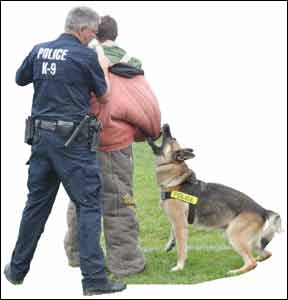
Perhaps the most popular advocate of the alpha dog theory, Cesar Millan, is only the latest in a long line of dominance-based trainers who advocate forceful techniques such as the alpha roll. Much of this style of training has roots in the military – which explains the emphasis on punishment.

As far back as 1906, Colonel Konrad Most was using heavy-handed techniques to train dogs in the German army, then police and service dogs. He was joined by William Koehler after the end of World War II.

Koehler also initially trained dogs for the military prior to his civilian dog-training career, and his writings advocated techniques that included hanging and helicoptering a dog into submission (into unconsciousness, if necessary). For example, to stop a dog from digging, Koehler suggested filling the hole with water and submerging the dog’s head in the water-filed hole until he was nearly drowned.

Fast-forward several years to 1978 and the emergence of the Monks of New Skete as the new model for dog training, asserting a philosophy that “understanding is the key to communication, compassion, and communion” with your dog. Sounds great, yes? The Monks were considered cutting edge at the time – but contrary to their benevolent image, they were in fact responsible for the widespread popularization of the “Alpha-Wolf Roll-Over” (now shortened to the alpha roll). Reviewing the early observations of captive wolves, the Monks concluded that the alpha roll is a useful tool for demonstrating one’s authority over a dog. Unfortunately, this is a complete and utter misinterpretation of the submissive roll-over that is voluntarily offered by less assertive dogs, not forcibly commanded by stronger ones.

The Monks also advocated the frequent use of other physical punishments such as the scruff shake (grab both sides of the dog’s face and shake, lifting the dog off the ground) and cuffing under the dog’s chin with an open hand several times, hard enough to cause the dog to yelp.

While professing that “training dogs is about building a relationship that is based on respect and love and understanding,” even their most recent book, Divine Canine: The Monks’ Way to a Happy, Obedient Dog (2007), is still heavy on outdated, erroneous dominance theory. Immediately following their suggestion that “a kindly, gentle look tells the dog she is loved and accepted,” they say “But it is just as vital to communicate a stern reaction to bad behavior. A piercing, sustained stare into a dog’s eyes tells her who’s in charge; it establishes the proper hierarchy of dominance between person and pet.” (It’s also a great way to unwittingly elicit a strong aggressive response if you choose the wrong dog as the subject for your piercing, sustained stare.)

Despite the strong emergence of positive reinforcement-based training in the last 20 years, the Monks don’t seem to have grasped that the “respect” part needs to go both ways for a truly compassionate communion with your dog. Perhaps one of these days . . .

The Birth of Positive-Reinforcement Training

Just when it seemed that dog training had completely stagnated in turn-of-the-century military-style dominance-theory training, marine mammal trainer Karen Pryor wrote her seminal book, Don’t Shoot the Dog. Published in 1985, this small, unassuming volume was intended as a self-help book for human behavior. The author never dreamed that her modest book, paired with a small plastic box that made a clicking sound, would launch a massive paradigm shift in the world of dog training and behavior. But it did.
police dog training

Forward progress was slow until 1993, when veterinary behaviorist Dr. Ian Dunbar founded the Association of Pet Dog Trainers. Dunbar’s vision of a forum for trainer education and networking has developed into an organization that now boasts nearly 6,000 members worldwide. While membership in the APDT is not restricted to positive reinforcement-based trainers, included in its guiding principles is this statement:

“We promote the use of reward-based training methods, thereby minimizing the use of aversive techniques.”

The establishment of this forum facilitated the rapid spread of information in the dog training world, enhanced by the creation of an online discussion list where members could compare notes and offer support for a scientific and dog-friendly approach to training.

Things were starting to look quite rosy for our dogs. The positive market literally mushroomed with books and videos from dozens of quality training and behavior professionals, including Jean Donaldson, Dr. Patricia McConnell, Dr. Karen Overall, Suzanne Hetts, and others. With advances in positive training and an increasingly educated dog training profession embracing the science of behavior and learning and passing good information on to their clients, pain-causing, abusive methods such as the alpha roll, scruff shake, hanging, drowning, and cuffing appeared to be headed the way of the passenger pigeon.

A Step-Backward for Positive-Reinforcement Training Techniques

Then, in the fall of 2004, the National Geographic Channel launched its soon-to-be wildly popular show, “The Dog Whisperer”. Alpha dog theory was back in vogue, with a vengeance. Today, everything from housetraining mistakes to jumping up to counter surfing to all forms of aggression is likely to be attributed to alpha dog theory by followers of the alpha-resurgence.

“But,” some will argue, “look at all the dogs who have been successfully trained throughout the past century using the dominance model. Those trainers can’t be all wrong.”

In fact, harsh force-based methods (in technical parlance, “positive punishment”) are a piece of operant conditioning, and as the decades have proven, those methods can work. They are especially good at shutting down behaviors – convincing a dog that it’s not safe to do anything unless instructed to do something. And yes, that works with some dogs. With others, not so much.

My own personal, unscientific theory is that dog personalities lie on a continuum from very soft to very tough. Harsh, old-fashioned dominance-theory methods can effectively suppress behaviors without obvious fallout (although there is always behavioral fallout) with dogs nearest the center of the personality continuum – those who are resilient enough to withstand the punishment, but not so tough and assertive that they fight back. Under dominance theory, when a dog fights back, you must fight back harder until he submits, in order to assert yourself as the pack leader, or alpha.

Problem is, sometimes they don’t submit, and the level of violence escalates. Or they submit for the moment, but may erupt aggressively again the next time a human does something violent and inappropriate to them. Under dominance-theory training, those dogs are often deemed incorrigible, not suitable for the work they’re being trained for nor safe as a family companion, and sentenced to death. Had they never been treated inappropriately, many might have been perfectly fine.

At the opposite end of the spectrum, a very “soft” dog can be easily psychologically damaged by one enthusiastic inappropriate assertion of rank by a heavy-handed dominance trainer. This dog quickly shuts down – fearful and mistrusting of the humans in his world who are unpredictably and unfairly violent.

Most crossover trainers (those who used to train with old-fashioned methods and now are proud to promote positive reinforcement-based training) will tell you they successfully trained lots of dogs the old way. They loved their dogs and their dogs loved them.

I’m a crossover trainer and I know that’s true. I also would dearly love to be able to go back and redo all of that training, to be able to have an even better relationship with those dogs, to give them a less stressful life – one filled with even more joy than the one we shared together.

We Aren’t Dogs, and Our Dogs Know It

Finally, the very presumption that our dogs would even consider we humans to be members of their canine pack is simply ludicrous. They know how impossibly inept we are, for the most part, at reading and understanding the subtleties of canine body language. We are equally inept, if not even more so, at trying to mimic those subtleties. Any attempts on our part to somehow insert ourselves into their social structure and communicate meaningfully with them in this manner are simply doomed to failure. It’s about time we gave up trying to be dogs in a dog pack and accepted that we are humans co-existing with another species – and that we’re most successful doing so when we co-exist peacefully.

The fact is, successful social groups work because of voluntary deference, not because of aggressively enforced dominance. The whole point of social body language rituals is to avoid conflict and confrontation, not to cause it. Watch any group of dogs interacting. Time and time again you’ll see dogs deferring to each other. It’s not even always the same dog deferring:

Dog B: Hey, I’d really like to go first. Dog A: “By all means, be my guest.” Dog B passes down the narrow hallway.

Dog A: “I’d really like to have that bone.” Dog B: “Oh sure – I didn’t feel like chewing right now anyway.” Dog A gets the bone.

Social hierarchies do exist in groups of domesticated dogs and in many other species, including humans, and hierarchy can be fluid. As described above, one dog may be more assertive in one encounter, and more deferent in the next, depending on what’s at stake, and how strongly each dog feels about the outcome. There are a myriad of subtleties about how those hierarchies work, and how the members of a social group communicate – in any species.

Today, educated trainers are aware that canine-human interactions are not driven by social rank, but rather by reinforcement. Behaviors that are reinforced repeat and strengthen. If your dog repeats an inappropriate behavior such as counter surfing or getting on the sofa, it’s not because he’s trying to take over the world; it’s just because he’s been reinforced by finding food on the counter, or by being comfortable on the sofa. He’s a scavenger and an opportunist, and the goods are there for the taking. Figure out how to prevent him from being reinforced for the behaviors you don’t want, and reinforce him liberally for the ones you do, and you’re well on your way to having the relationship of mutual love, respect, communication, and communion that we all want to have with our dogs.

Pat Miller, CBCC-KA, CPDT-KA, is WDJ’s Training Editor. Author of numerous books on positive dog training, she lives in Fairplay, Maryland, site of her Peaceable Paws training center, where she offers dog training classes and courses for trainers.

Addison’s Disease; Adding “Real” Foods; Canned Plants

0

Thank you so much for the recent article published about Addison’s disease in dogs (“The Great Pretender,” October 2011). The day I read it my dog Hayleigh was showing almost every symptom, some she’s had on and off for years. The final clue was the frequent urination, which had started the day before.

Because I read the article prior to taking her to the vet I knew to ask for the ACTH test in addition to the urine sample, which came back positive for primary Addison’s. It would have otherwise taken weeks for us to figure out she didn’t have a simple UTI and she would have been feeling so sick and possibly suffered through an Addisonian crisis while we tried to fix the wrong thing.

I am a better-informed pet owner and I can’t thank you enough for teaching me about this hard-to-diagnose condition. Hayleigh has started her new medications and the results have been great.
-Sarah McCorkle, via email

We love hearing this. Thanks for writing.

Thanks for the article about adding “real” foods to a dog’s commercial diet (“Diet Upgrade,” May 2011.) My dog had struvite bladder stones due to a bad bladder infection, and rather than feeding those prescription foods which are awful (she wouldn’t even eat them), I started out with all home cooked foods.

Now I am feeding a small amount of grain-free kibble with the homemade foods: cooked meats (chicken, lean ground beef, or ground turkey), sweet potatoes, pumpkin, or regular potato, and high quality canned dog food, chicken broth and water. I added the kibble because the stools were so mushy. In the beginning I started out with rice and found that was causing problems with near diarrhea. The sweet potato or canned pumpkin took care of it. I also add digestive enzymes and fish oil from Only Natural Pet. All my other dogs get canned food and warm water mixed in with their kibble. I also add some vegetables sometimes.
-Mary Fuller, via email

We’re glad that you have made the connection between your dog’s diet and her health! It’s gratifying to feed real food ingredients and observe the improvements in the dog’s condition. It’s even helpful when you discover things that your dog is intolerant of; when you feed a commercial food with dozens of ingredients, it’s hard to know part of the food (ingredient? manufacturing? storage?) is causing the problem.

However, when the “additives” to a commercial food exceed about 25 percent of the dog’s total diet over a long period of time, it’s very possible to unwittingly deprive the dog of some minor but essential nutrient that she’d otherwise get enough of from the commercial food. (Problems rarely result from feeding an incomplete or unbalanced diet for a few weeks or even months, but years of this type of feeding can result in deficiencies that lead to illness.) The most common – and most potentially harmful – diet formulation error that people make when they start tinkering with their dogs’ diets is failing to provide adequate calcium.

Now that you’ve gained the courage to depart a bit from the conventional commercial dog food path, we strongly recommend arming yourself with information about making your dog’s diet complete. Mary Straus, the author of the “Diet Upgrade” article that you referenced, reviewed a number of great books about home-prepared diets; any of the books recommended in “Read All About it,” in the March 2011 issue, would be a great place to start.

The following is a comment from a reader of the “web only” feature posted on the WDJ website, “An Inside Look at How Canned Food Is Made.”

Glad to see a truly honest company (Lotus Pet Foods), but as you mentioned, (Lotus) “does not yet produce pet food for other domestic pet food companies” – similar to those companies (Wellness, California Natural, Innova, etc., etc.) that are packaged by Diamond Pets yet you continue to recommend.

Whoa up a sec. First, neither Wellness nor California Natural nor Innova are manufactured at any Diamond Pet Foods site. The actual sites where they are manufactured are listed in our wet food review (“You Can. You Should!” November 2011). In fact, none of the foods that are on our “approved” wet food list are manufactured by Diamond – because Diamond doesn’t have any wet food manufacturing facilities. Diamond’s wet foods, like the vast majority of the foods on our “approved” list, are manufactured by a “co-packer” (independent manufacturing facility).

In past years, Diamond Pet Foods has had some of its dry pet foods recalled – pet foods that were manufactured at its own dry pet food manufacturing facilities. Diamond also manufactures some dry pet food products for other companies at these facilities. But no educated consumer should blithely conclude that any food, wet or dry, that has any connection with Diamond is not to be trusted. That’s nuts. It’s also why pet food manufacturers have been reluctant (or have refused) to disclose their manufacturers – so they don’t get brushed with the same tar that gets casually splashed around online.

As a long time lover of your magazine, I’m hoping you could answer a question for me about the latest canned food review. I base my dog food selections on your magazine alone and I am disheartened to find that my favorite food, Halo’s Spot’s Stew, did not make the list. Why?
-Carlisle Stockton, via email

We’ve discussed the case of Spot’s Stew in the past. The food meets all of our selection criteria save one: Halo doesn’t disclose its manufacturing sites. Given the industry’s experience with consumers like the previous letter writer, I understand why some companies (Newman’s Own is another) make this choice – but I also know how important this information can be to consumers who want to know as much as they can about a product they feed to their beloved companions.

New Flea and Tick Products Hit the Market

0

Lately, it seems like new flea and tick control products have been popping up left and right. I suspect this is due to some of the original patents running out. When a patent expires, other companies can create generic versions of the same product, usually for less money. This inspires the original companies to create new products that they can patent anew. In some cases, new products are introduced because fleas and ticks may be developing resistance to the older products, lowering their efficacy. Most new products, including all those introduced this year, are just new combinations of older ingredients. Here’s a rundown on these new options.

288

Bayer introduced Advantage II and K9 Advantix II in January 2011. The added ingredient in these new topical products is pyriproxyfen (Nylar), an insect growth regulator that inhibits the development of eggs and larvae, helping to break the flea life cycle. Other insect growth regulators used in flea control products include lufenuron (Program and Sentinel) and S-methoprene (see Certifect below). Pyriproxyfen was used in Bio Spot flea control products in the past, but was replaced with S-methoprene around 2007. These new products are also marketed under the name Advantage Plus and K9 Advantix Plus. Pyriproxyfen is also used on cats.

Other ingredients in Advantage products include imidacloprid, used to control fleas, and permethrin (K9 Advantix only), used to kill ticks. Permethrin is highly toxic to cats, and products containing permethrin are unsafe to use on dogs in households that include cats, particularly if the dog and cat share sleeping areas or the cat grooms the dog.

As with many flea and tick control ingredients, permethrin may also be more likely to cause problems for small dogs, according to the EPA’s Review of 2008 Incident Reports for Pet Spot-on Pesticides. Shih Tzu, Bichon Frise, Chihuahua, Yorkshire Terrier, Maltese, and Pomeranian are breeds that appear to be overrepresented in adverse incidents. Bayer also makes Advantage Multi, which combines imidacloprid with moxidectin for heartworm prevention.

Also in January, Elanco (a division of Eli Lilly) introduced Trifexis, a new oral product that combines spinosad (Comfortis), used to kill fleas, with milbemycin oxime (found in Interceptor and Sentinel), used to prevent heartworm infection and intestinal parasites. Comfortis is a newer flea-control product introduced in November 2007 that appears to be more effective than either Advantage or Frontline (likely due to fleas developing resistance to these older products), but it may also have more side effects, such as vomiting, particularly when the medication is first used. Spinosad should not be combined with the very high doses of ivermectin (Heartgard) or milbemycin oxime (Interceptor) used to treat demodectic mange, as it increases their neurological effects, but should be safe when used along with the normal heartworm preventive dosage found in this new product. Spinosad is not recommended for dogs with seizure disorders.

Unlike most flea and tick control products, Comfortis and Trifexis are administered orally rather than topically, via a pill that is given once a month. Neither product is recommended for dogs weighing less than 5 pounds. Comfortis is not recommended for puppies under the age of 14 weeks, and Trifexis warns that younger puppies may experience a higher rate of vomiting. These products are not approved for cats, but a similar product to Comfortis called Assurity, marketed for cats. Comfortis is also marketed under the name AcuGuard.

In July, Merial introduced Certifect, likely as a result of the patent on their Frontline products expiring. Certifect contains fipronil (the active ingredient in Frontline, used to kill fleas and ticks, and to help control sarcoptic mange) and S-methoprene (Precor, an insect growth regulator also found in Frontline Plus). Certifect adds amitraz, one of the most effective, but also more toxic, methods of tick control. Amitraz is also used in the Preventic tick collar, and in Mitaban, used to treat demodectic mange.

Amitraz should not be used on dogs with diabetes or heart problems, and older amitraz products warn against using them on puppies less than four months of age and very small dogs. Amitraz, a monoamine oxidase inhibitor (MAOI), can also be dangerous when combined with certain other drugs, including antidepressants (such as those used to treat separation anxiety), Anipryl (used for canine cognitive dysfunction and Cushing’s disease), and DL-Phenylalanine (DL PA), used to treat chronic pain in dogs. While Frontline and Frontline Plus are safe to use on cats, Certifect is not, as amitraz is toxic to cats.

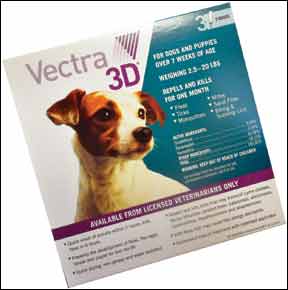
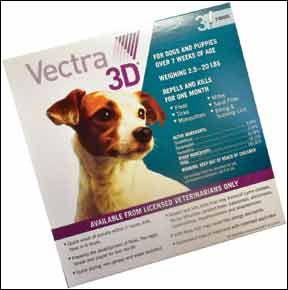
The only product using a new ingredient (rather than a new combination of older ingredients) is Vectra, introduced in 2007 and sold only through veterinarians. Vectra products (there are several) all include dinotefuran, a newer insecticide that kills fleas on contact. Vectra also contains the insect growth regulator pyriproxyfen (see Advantage II above), and Vectra 3D adds permethrin to kill ticks (similar to K9 Advantix). Vectra is also sold as FirstShield and SimpleGuard. Vectra products are made by Summit VetPharm, originally a subsidiary of the Hartz Mountain Corp. (Summit was sold to CEVA Animal Health in 2010).

We’d advise caution in using any of these new products. Adding more chemicals and using more toxic ingredients may make these products more effective, but it also increases their potential for adverse effects. In some cases, such as when nothing else is effective for dogs with flea allergies or regular tick exposure, the benefit may be worth the risk, but we wouldn’t recommend switching if what you’re using now is working.

For those who want to try the new generic versions of older products, there are a few things to keep in mind. First, these products may not be identical to the original product. While the active ingredient is the same, other inert ingredients, such as those used to spread topical applications across the body, may differ. The generic product might not be as effective, or might cause problems for your dog that didn’t occur with the original product. Watch for any signs of adverse effects, or of products not working as well, whenever you try anything new.

Be careful where you buy your flea and tick products, particularly online, where many counterfeits are found. Be sure that the seller is trustworthy. One solution is to look for the Veterinary-Verified Internet Pharmacy Practice Sites (Vet-VIPPS) seal of approval (see “When Buying Veterinary Drugs Online, Look for Accredited Sites,” June 2011). – Mary Straus

Canine Swim Caps?

0

Chloe, my eight-year-old Labrador Retriever, loves to swim. When we lived in New York, she spent almost every morning in streams and lakes, diving from high granite boulders in summer and breaking through ice in early winter. But when we moved to Montana, finding clear, open water for swimming was a challenge. Then we discovered the therapeutic pool at Apex Animal Hospital and signed up for recreational swims. Now every Tuesday Chloe swims laps while retrieving a tennis ball.

288

But her wet ears bothered Chloe and she spent part of every swim and much of the day after shaking her head. Her ears weren’t infected; they just did a lot of flapping.

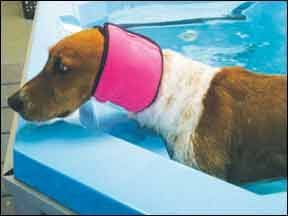
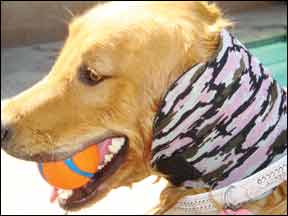
I went online to see whether anyone makes ear plugs for dogs and discovered something even better, swimming headbands. I bought both types: the AquaBandit from AquaBandit International and the Swim Snood from DogLeggs Therapeutic & Rehabilitative Products – and left them at the pool for other dogs to try. Rehabilitation practitioner Jennifer Hill and veterinary technician Adele Delp tested them on several swimmers.

“I think dogs are more comfortable when wearing a headband,” says Delp. “Instead of shaking their heads, they relax and focus on swimming.”

288

When Casey, a six-year-old Border Collie, started swimming, he was intent on getting the ball, hypervigilant, and wild in the pool. “We tried a swim band on him,” says Delp, “and we were amazed at how focused and calm he became. Whenever we took it off, he became a wild man again. This led us to speculate about the band’s applications in thunderstorms and other stressful situations.”

The AquaBandit comes in five sizes and two colors at prices under $25. It works well for Chloe and other dogs as long as we readjust it frequently, for with activity it slips toward the back of the head and exposes the ears. Hill and Delp give the AquaBandit 3 stars.

Swim Snoods are custom made for the dog’s head measurements. Longer, wider, and with a larger Velcro area than the AquaBandit, the Swim Snood stays on more securely. Its price is $43.50. Hill and Delp give the Swim Snood 5 stars.

Like Chloe, most swimming dogs adjust quickly to head bands. And they work. Chloe seldom flaps her ears any more.

In addition to protecting the ears of swimming dogs, swim bands can be used during dental procedures to protect the ears from fluids. Dogs with long ears can wear them at meal time to keep their ears from being soiled by food. Dogs sensitive to the sound of a dryer during grooming or after swimming can relax without being stressed, and the compression these bands provide has a calming effect on most dogs.

Canine Hydrotherapists

Two schools in the United States (the University of Tennessee and the Canine Rehabilitation Institute) offer certification to veterinarians, physical therapists, veterinary technicians, and physical therapy assistants in canine rehabilitation. Courses include canine anatomy and physiology; conditions and injuries commonly referred for rehabilitation; physical modalities and their application, contraindications, and equipment maintenance; therapeutic exercise; client education; sports medicine; and hydrotherapy.

288

Every state in the United States has its own licensing requirements, but Certified Canine Rehabilitation Practitioners usually work in coordination with veterinarians who refer patients for specific treatments. CCRPs work together with the veterinarians’ instructions, consult with them as needed during treatment, and provide detailed reports of their patients’ therapy.

The Benefits of Hydrotherapy for Your Dog

Splish splash! These dogs aren’t takin’ a bath; they’re working out in pools large and small to get in shape, stay active, or recover from accidents, illness, or surgery. Whether swimming breeds or those that prefer to keep their feet dry, dogs of all ages have gotten stronger, decreased lameness, loosened tight muscles, increased coordination, improved balance, hastened healing, and increased stamina and flexibility with hydrotherapy.

dog hydrotherapy

Photo by Carol Helfer

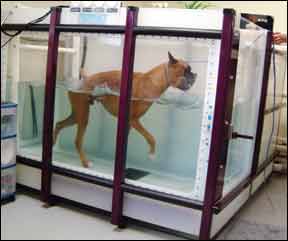
Because of its effectiveness, hydrotherapy, or water exercise, has become popular at veterinary clinics and canine rehabilitation centers. The first hydrotherapy equipment was built for horses and racing Greyhounds, but the treatment is now available to dogs and cats in the United States, Canada, Japan, Western Europe, and the United Kingdom. Typically performed in a swimming pool or a plexiglass chamber holding an underwater treadmill, hydrotherapy stimulates the cardiovascular and lymph systems, strengthens muscles, and allows painful joints to move comfortably.

Hydrotherapy works because water makes exercise weightless. Swimming or walking in water exercises joints and muscles without the jarring effects of gravity and hard surfaces. Many patients with arthritis, hip or elbow dysplasia, joint pain, cruciate ligament ruptures, and bone fractures have made significant improvements thanks to water exercise. So have patients with neurological disorders such as degenerative myelopathy or problems caused by spinal strokes. A spinal stroke or fibrocartilaginous embolism (FCE) occurs when an obstruction or clot blocks the spinal cord’s blood supply, resulting in a loss of mobility.

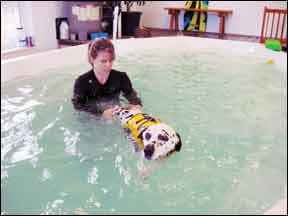
In October 2010, Gracie, a nine-year-old Dalmatian who lives with Jeanne Stehno in Great Falls, Montana, suffered a painful back injury and underwent a hemilaminectomy, in which herniated disc material was removed from beneath her spinal cord. Manipulation of the spinal cord can produce neurological symptoms, and after surgery, Gracie’s hind legs dragged and she couldn’t walk. She was able to use a cart, but Stehno hoped for a more complete recovery.

At the animal hospital where Stehno works as a receptionist, an emergency veterinarian recommended Certified Canine Rehabilitation Practitioner Jennifer Hill in Helena, Montana, 90 miles away. Beginning in January 2011, Gracie and Stehno made the trip every 7 to 10 days for hydrotherapy.

“Gracie is not a fan of swimming,” says Stehno, “but the minute she got in the water, her legs began moving. By June, when she took her last swim, Gracie had learned to walk again and her legs were strong. She can go up and down stairs on her own, and while she still has occasional moments of being unsteady on her feet, it is exciting to take her for walks and admire her improvement.”

Underwater Treadmills for Dogs

In Portland, Oregon, veterinarian Carol Helfer, DVM, has offered hydrotherapy at her Canine Peak Performance Sports Medicine & Physical Rehabilitation Center for almost a decade.

“Because of our limited space,” she says, “we use an underwater treadmill. Most dogs use their front limbs significantly more than their rear limbs while swimming, and since I see far more problems with the rear limbs, walking on an underwater treadmill is an effective therapy for most patients.”

At the beginning of a treadmill session, the dog enters an empty plexiglass chamber by taking a shallow step up. The speed is set to accommodate the dog’s size and condition. Warm water (usually 80 to 88 degrees Fahrenheit, approximately 27 to 31 degrees Celsius) enters the chamber and the dog is soon walking in water. The level is adjusted to whatever the dog requires, such as shoulder-high for extra buoyancy after surgery or to relieve joint pain, or knee-high for a more vigorous workout.

Some underwater treadmill systems include adjustable hydrotherapy water jets, a reversible treadmill, or adjustable ramp angles that alter weight distribution or target specific muscles.

“Most dogs start out with one to three exercise sets, each lasting two to three minutes, depending on how they tolerate the activity,” says Dr. Helfer. “In most cases my goal is to get them up to 20 minutes of continuous walking. The time it takes to get there varies widely depending on the age and condition of the dog. I start patients at 0.3 miles per hour (MPH) and seldom get above 1 MPH. On occasion I’ll work with a dog specifically for athletic conditioning, in which case I may use speeds of 3 to 5 MPH.”

Dr. Helfer has exercised tiny Yorkshire Terriers and super tall Irish Wolfhounds on her treadmill, and no dogs have been too big or too small. 

Therapeutic Pools for Dogs

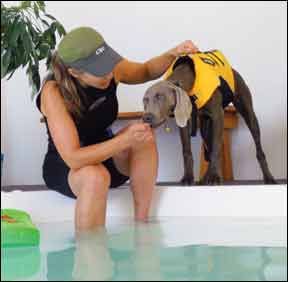
Hydrotherapy pools can be anything from large or small swimming pools to endless-lap pools in which continuously moving water creates resistance. Except for healthy, experienced dogs swimming for recreation or general conditioning, patients wear life vests. In some hydrotherapy pools, swimming dogs are supported and directed by overhead wires attached to their vests.

dog hydrotherapy

DVM.

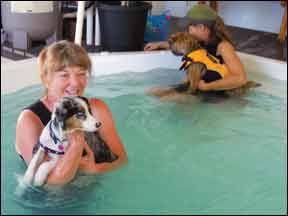
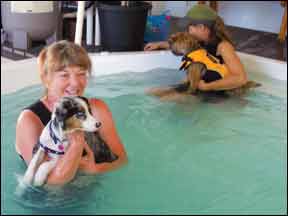
When Apex Animal Hospital in Helena, Montana, was built last year, Jennifer Hill recommended installing a pool. “I am a licensed physical therapist and worked with human patients before I started working with dogs,” she says. “I spent my physical therapy internship in Hawaii, where I took aquatic therapy classes. I love being in the water with patients and like the flexibility that an endless pool provides. It’s wonderful for recreational swimmers, for targeted therapy, and for everything in between. The underwater bench at the edges of the pool and steps at the shallow end provide a stable surface for walking or standing. This is especially helpful for smaller dogs like Corgis and Dachshunds, which are the breeds most prone to back injuries. In addition, the pool’s adjustable water jets create a mild to strong current for swimming.”

Hill does more than help dogs swim in different directions. “If the hind legs are weak, which is often the case,” she says, “I present my hand as a target. Dogs appear to instinctively kick against whatever their feet touch. Active kicking is also good for the hips. If the front legs need work, I position my hands at the front feet. The harder I press against the paw pads, the harder the feet push away from my hand. I also tilt the dogs a little to the left or right, which shifts their center of gravity and creates an automatic adjustment.”

Hill lures swimming dogs with a tennis ball, toy, treat, or whatever they will follow so they turn left, turn right, and swim in figure 8s. “That’s so important for spinal motion,” she says. “Another thing I do for dogs with neurological damage from surgery or spinal strokes is pinch their toes in the rhythm of walking or swimming. Alternating and simultaneous rhythmic pinching establishes patterns that help treat ataxia, which is a gross lack of coordination.”

Some of Hill’s patients have taken advanced obedience or agility training. “It’s fun to work with a dog who responds to voice instructions,” she says. “You can say ‘left’ or ‘right’ and the dog will do her own figure-8s.”

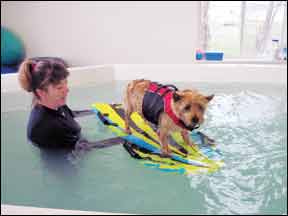
Another option in pools is the use of a small floating platform, like a boogie board or miniature surfboard. “This works very well for small dogs,” says Hill, “and they get a serious core workout just keeping their balance. The board dips forward, back, left, and right, and for an added workout we turn on the white-water jets.”

Dogs recovering from surgery, illness, or injury at first require Hill’s hands-on attention, but as they grow stronger and more experienced, they can be supervised by a veterinary technician. “On swim days we live in our wet suits,” says Hill. “We’re in the water with the dogs and we encourage the owners to be right beside the pool so they can participate and see the progress their dogs make.”

As with underwater treadmills, the water temperature in hydrotherapy pools is typically 80 to 88 degrees Fahrenheit. Some facilities feature salt water, for which additional therapeutic claims are made. The term thalassotherapy refers to therapeutic baths in warm seawater, which is similar to the body’s own internal fluids and which is said to allow magnesium and potassium to be drawn into the blood stream while toxins are eliminated. 

Typical Canine Hydrotherapy Patients

Because dogs take up hydrotherapy for many reasons, most facilities define categories of treatment depending on their condition and medical history.

For example, Apex Animal Hospital defines four levels of treatment. Level 1 patients are the most incapacitated, and require two experienced handlers. “We use two people for safety,” says Hill, “and that refers to our own safety as well as that of the dog. As soon as a surgical patient gets a go-ahead from his or her vet, we move to the water.

“One of my favorite Level 1 patients was a Bernese Mountain Dog who had just arrived at the hospital to have both knees operated on when he ruptured a shoulder muscle. The knee surgery went ahead as planned but the shoulder repair was done later. There were serious complications with one of the stifle surgeries, so we actually could only work on the shoulder. That was a two-person job! In other cases the patient may be so out of condition or obese that it takes two people to help the dog into and out of the pool. One Labrador Retriever weighed 187 pounds and had never been in water when he came for his first swim. He has trimmed down to 164 pounds and, while he still has a way to go, he no longer needs both of us in the pool with him.”

dog hydrotherapy

Most patients with knee or stifle injuries or surgery, hip surgery, or fracture repairs receive four weeks of dry land rehabilitation therapy from Hill before swimming.

At Apex, dogs stay at Level 1 or Level 2 (with just the rehabilitation therapist in the pool) for five weeks and are re-evaluated. Level 3 dogs are still recuperating but require less supervision, and Level 4 dogs swim for play, recreation, or general conditioning with a veterinary technician.

The goal at all levels is to improve muscle strength and stamina, provide a cardiovascular workout, stimulate lymph circulation, increase range of motion, and bring all sides of the body into balance by moving in all directions.

“My hydrotherapy patients fall into three categories,” says Dr. Helfer. “These are geriatric patients, dogs recovering from surgery or neurological problems, and those with soft-tissue injuries. I see the most dramatic results in the geriatrics. It is quite remarkable how much these patients improve with the right kind of exercise. Elderly dogs who had trouble jumping into the car or onto the sofa start doing these things again, and their stamina increases on walks. I’m not going to turn a 13-year-old into a puppy, but owners often comment that Fluffy is doing things she hasn’t done for years.”

One of Dr. Helfer’s favorite patients was Noah, a Newfoundland who started hydrotherapy sessions at age 12. “That’s a grand old age for a Newfie,” she says. “He was in pretty good shape for an old guy but was having some trouble getting around. He improved greatly with twice-a-week sessions and finally passed away at 15½. I’m convinced that the quality of the last years of his life greatly improved because of regular hydrotherapy.

“Noah was a typical geriatric. We started with multiple sets of a few minutes at a time and gradually worked up to 20 minutes of exercise without a rest break. As far as I know, the hydrotherapy was the only exercise he got other than short walks around his neighborhood.”

The most common surgical patients Dr. Helfer sees have had knee surgery, usually for cruciate ligament tears or luxating patellas. “Dogs recovering from spinal surgery also benefit greatly,” she says.

Soft-tissue injuries respond more slowly to treadmill hydrotherapy, says Dr. Helfer. These injuries to muscles, tendons, and ligaments often result from slips, falls, or sprains. “Sometimes in the later stages of recovery I will use treadmill hydrotherapy for a very controlled return to activity,” she says. “I lay out a specific schedule of activities over a period of six to eight weeks. The biggest mistake I see people make with cases of soft-tissue injury is to rush things. Since dogs are usually eager to get back to being active, you can’t depend on them ‘telling’ you that one activity or another is difficult or painful. A few minutes too much of the wrong type of activity can set progress back for weeks.”

Hydrotherapy Isn’t for Everyone

Despite its exceptional benefits, hydrotherapy isn’t for every dog, such as dogs with cardiovascular issues, infected wounds, or a serious fear of water. A history of aggression can be a problem as well.

Just because a dog has never shown an interest in swimming doesn’t mean he or she won’t benefit. Many dogs have learned, with the help of a life vest and a good coach, that swimming can be fun. Dogs who are truly terrified of water because of a traumatic past event are better suited to land-based exercise.

Cost is another factor, for not every dog lover can afford hydrotherapy. Therapeutic swims or treadmill sessions with a veterinarian or Certified Canine Rehabilitation Practitioner (CCRP) – or a rehabilitation practitioner working with an assistant – cost more than recreational swim sessions. Most clinics charge different rates depending on the attention and treatment the patient requires. Therapeutic and recreational swim sessions may last 30 minutes or one hour. Fees vary by region and facility, with most offering discounts for packages of five or more swim sessions.

Long-Term Benefits of Hydrotherapy for Dogs

Although the evidence is anecdotal rather than from controlled clinical trials, veterinarians, rehabilitation practitioners, dog trainers, and owners agree that hydrotherapy can make a world of difference for dogs with physical problems.

Veterinary chiropractor Tia Nelson, DVM, of Helena, Montana, has noticed that dogs who take up hydrotherapy hold their chiropractic adjustments longer than they did prior to swimming. “This makes sense,” she says, “because swimming is a comfortable non-weight-bearing exercises that strengthens the body without stressing it. Swimming helps the body maintain its alignment.”

Dr. Helfer considers hydrotherapy an injury preventer. “The improvement in muscle strength and balance can save the day in a slip-and-fall situation,” she says, “or on an awkward landing in a jump.”

Older dogs who swim are often more active and agile than their non-swimming counterparts, and hydrotherapy has helped many dogs reach a ripe old age with energy and coordination.

“It’s excellent for post-op recovery,” says Jennifer Hill, “injury prevention, and general conditioning. Arthritic dogs become more active, dogs with hip or elbow dysplasia have an easier time climbing stairs, and some agility dogs and other dogs who compete in canine sports win or achieve their personal best after taking up hydrotherapy.”

Do-It-Yourself Dog Hydrotherapy

Dog lovers who have access to pools, lakes, the ocean, or other bodies of water can help their dogs stay active by taking them swimming.

Adele Delp, a veterinary technician and dog trainer, teaches puppy kindergarten classes in the hydrotherapy room at Apex Animal Hospital.

“I teach a six-week class that’s part of the American Kennel Club’s STAR puppy training,” she says. “STAR stands for Socialization, Training, Activity, and Responsible ownership. In addition to introducing puppies to basic behaviors like walking on a leash, greeting politely, and learning how to sit, I have them climb in and out of an empty shallow wading pool. The following week, the pool has an inch of water in it. The week after that, it’s a deeper wading pool, and a week later the deeper pool contains water. They also get used to wearing life vests. At the final session, they go one at a time into the pool with me and start swimming.”

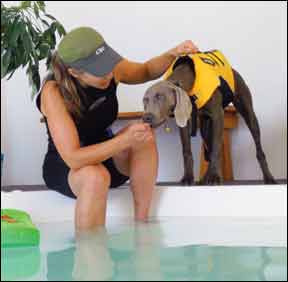
The STAR-class puppies who love the water aren’t just Labs and Golden Retrievers. They’re as varied as Yorkies, Giant Schnauzers, Malamutes, Beagles, Chinese Cresteds, Weimaraners, and German Shepherd Dogs.

dog hydrotherapy

Delp does everything she can to make the experience positive. Puppies enter the water gradually and with lots of praise and rewards. This same approach can help your pup or older dog get used to swimming. If you live near a stream, lake, or river, look for a gradually sloping beach or bank that is smooth rather than muddy or rocky. Be sure the area is safe for dogs.

Having an easy way in and out helps dogs feel secure. If using a swimming pool, stay at the shallow end at first (dogs can’t climb vertical ladders), and through repetition teach your dog where the shallow end is. Keep the pool securely fenced off or covered when not in use.

Buy or borrow a canine life vest that fits securely and allows unrestricted front leg motion. A leash or line can be attached to the vest, but be sure your dog doesn’t become entangled.  

In a river or stream, keep your dog away from currents. Don’t throw rocks for your dog because they break teeth so easily.

“My motto is get in and stay in,” says Hill. “Try to avoid running in and out of the water because it is often during these transitions that injuries happen.”

All dogs have a fatigue level and symptoms of fatigue include a tongue that drags, darkens, or curls up at the ends while the dog is panting; bloodshot whites of the eyes; or an obvious slowing down. Provide ample rest periods.

Guard against excessive sun exposure with sunblock on the dog’s nose.

For dogs who are recovering from accidents, illness, or surgery, be sure to wait for your veterinarian’s OK before swimming.

If your dog will chase a tennis ball or other toy in the water, toss it to encourage distance swimming and frequent turns. For every turn to the right, add a turn to the left, and aim for figure 8s to exercise the spine. If you’re in the water with your dog, use a tennis ball or other lure to create turns with a tighter radius. Also try tipping the dog slightly to one side, which strengthens the tipped side as the dog regains balance. You can also try the toe-pinching and foot-touching exercises mentioned by Jennifer Hill.

If your dog doesn’t take to the water right away, don’t be discouraged. “Our hydrotherapy patients often need three sessions before they catch on,” says Hill. “A typical example is Shadow, a five-year-old Border Collie who experienced a spinal stroke. Shadow did not like the water at all, and his first two sessions weren’t much fun. Then during his third session a light bulb went on in his head and he realized he could fetch a tennis ball. He can’t do this on land any more, but in the water he’s an athlete. Now when his owners ask if he wants to go for a swim, Shadow screams and howls, he’s so excited.”

When Chloe started her swim sessions last April, my husband wondered whether Seamus, his seven-year-old Cairn Terrier, would enjoy swimming, too. Seamus will probably never jump into water on his own, and his first two sessions produced moments of high anxiety, but by his third lesson he caught on and he is now a strong swimmer. Today, Seamus loves being on the boogie board and that’s his favorite target. His spine and tail are straighter, his stamina on hikes has increased, his hind legs are stronger, and he is able to jump from the ground onto my car’s back seat and from the floor onto the bed or sofa, which he wasn’t able to do without assistance before he took up swimming. 

Rinse the Chlorine Off Your Dog

If your dog swims in chlorinated water, salt water, or swampy water, he’ll need a bath or at least a rinse afterward. Here are some favorite after-swim treatments:

Our article on Willard Water (WDJ June 2006) reviewed the many ways this concentrate can be used internally and topically to improve a dog’s health. Diluted at the rate of 1 teaspoon to 1 tablespoon concentrate per gallon of water and poured over the dog, Willard Water helps prevent dander, freshens the coat, and helps most dogs smell better. Willard Water concentrate can be added to shampoo or conditioner, but my favorite use after swimming is as a chlorine-destroying rinse. In 1991, shortly before his death at age 84, I corresponded with Dr. John Willard, who developed the formula, about its effect on chlorine. He confirmed that extensive laboratory testing proved that small amounts of Willard Water neutralize or destroy chlorine. In fact, he warned against adding Willard Water to any load of laundry using chlorine bleach. “The bleach won’t work,” he said.

Years ago, Colorado aromatherapist Frances Fitzgerald Cleveland was out of town when her dog, Jake, developed a hot spot. The steroid shot he received caused kidney failure and Jake died. In his memory, Cleveland blended Jake’s Canine Remedy, which contains purified water, apricot kernel oil, and a proprietary blend of essential oils. In our September 2006 article on hot spots, Cleveland described how Oscar, her black Labrador Retriever, swam every day, got sprayed every day, and never had skin problems. Jake’s Remedy has a pleasant, fresh, relaxing fragrance.

After her Willard Water rinse, Chloe gets sprayed with Jake’s Remedy, which I brush through her coat. For dogs prone to swim-related skin irritation under or next to the collar, Jake’s Remedy can be an effective preventive treatment.

Adele Delp’s favorite after-swim treatment is Sea Plasma All-purpose Skin and Hair Moisturizing Spray by Focus 21. Its key ingredient is Na-PCA, or sodium pyrrolidone carboxylic acid, a natural moisturizing factor in skin which is synthesized from glutamic acid, a non-essential amino acid.

“I dilute it at the rate of 1 part product to 10 parts water,” she says. “It isn’t a silky conditioner and it doesn’t make the coat shiny, but it penetrates the skin, helps keep the skin supple, reduces dander, and smells good.”

Jennifer Hill’s favorite after-swim rinse is chamomile-peppermint tea. Chamomile is a well-known skin soother that has a calming effect on dogs, which helps them relax and rest after workouts. It helps reduce skin irritations and is safe for sensitive skin. Peppermint’s fragrance is uplifting and refreshing. Mildly astringent, it heals abrasions, helps prevent hot spots, and is a natural skin toner.

To brew, pour 1 quart boiling water over 2 chamomile and 2 peppermint tea bags (available at supermarkets and natural food stores), cover, and let stand until cool. For a stronger solution, double the number of tea bags. One quart should be sufficient for small dogs. Brew up to 4 quarts (1 gallon) tea for large and giant breeds or for a more thorough application. Apply as a final rinse, work into the coat, and let dry. Because herbal tea can darken hair, it is not recommended for white dogs. Herbal tea rinses can be combined with Willard Water concentrate for increased effectiveness.

Freelance writer CJ Puotinen lives in Montana. She is the author of The Encyclopedia of Natural Pet Care and other books and a frequent contributor to WDJ.

An Admirable Model: Lotus Pet Foods

0

I’ve toured half a dozen dry pet food manufacturing plants, and to date, three wet pet food plants. In most cases, to secure the invitation for a tour, I am asked to sign a nondisclosure agreement, promising not to disclose anything that may be proprietary in nature for the owner of the plant or any information about which company’s products are made there. In the cases in which I was not asked to sign a nondisclosure agreement, I have been asked for my word about these issues anyway – which is fine by me. I’m not looking to become a pet food detective and spill company secrets; I’m looking for things that would be of some use to owners who want to know how to identify and purchase the best foods for their pets!

This is one of the reasons it was such a pleasure to be invited to a pet food plant with no strings attached. The owner and CEO of Lotus Pet Foods extended an invitation for me to tour their new (launched in February 2011) plant in Torrance, California. Could I bring my camera? Yes.  Could I take pictures and video of anything I wanted? Yes. Could I go through any door and see any label of any ingredient I wanted? Yes. Did I need to sign something? No.

One reason that the principals of Lotus are able to be so open: they do not yet produce pet food for other domestic pet food companies at their facility, so they don’t have to secure permission from anyone else.

Nevertheless, it was great to get to walk through a pet food plant and confirm that everything there looked exactly like how it’s described on the Lotus Pet Foods canned dog food label and on the company website.

Please check out our “2011 Wet Dog Food review” and our Web-only extra feature “How Canned Dog Food Is Made” and let us know: Were there any surprises? Do you still have questions about canned food?

Download the Full November 2011 Issue PDF

...
To continue reading this article or issue you must be a paid member.

Join Whole Dog Journal

Get full access to Whole-Dog-Journal.com – more than 4,000 articles – for just $20.
Join today and save 30% off our full price.
Already a member?
| Forgot your password? | Activate Web Access

An Inside Look at How Canned Dog Food is Made

6

[Updated December 19, 2018]

I’ve always wondered how wet dog food gets made – but it took a long time to find out. It seems like it’s more difficult for a journalist to get into a pet food cannery than into a factory that builds spy planes.

I’ve been in three. The first was Evanger’s Dog & Cat Food Company, located in Wheeling, Illinois, about six or seven years ago. A couple years later I was invited to tour American Nutrition, Inc. (ANI), in Ogden, Utah. Most recently I toured a brand new facility that was built, and is owned and operated by Lotus Pet Foods, in Torrance, California.

canned dog food manufacturing

Evanger’s has operated on the same site since the company was founded in 1935. Fred Evanger, a breeder of Great Danes, originally operated the facility as a horse slaughter plant/pet food supplier. The plant has been renovated and additions built to accommodate modern machinery – and of course, no animals have been slaughtered on site for decades. It’s a small operation, owned and operated by a family. The plant was not being operated when I was given a tour, so I didn’t get to see canning in action, though I was able to view the ingredients used by Evanger’s and their storage and manufacturing facilities.

canned dog food manufacturing

ANI has pet food production facilities in five states. I toured its Utah plant; the facility produces several types of pet foods: wet food, extruded dry food, andbaked treats and food for dogs.  The plant dates to the early 1970s and is quite large. The size and sprawl of the plant made it difficult for a complete newbie like myself to follow and fully comprehend the flow of ingredients through the plant. At the time of the tour, I was primarily interested in the various safety checks that had to do with mixing various formulas for a variety of customers. The manager of the plant showed me all the various steps that the employees took to make sure that only the specified ingredients made it into each batch of food and in the specified amounts.

canned dog food manufacturing

I got the clearest picture of how a batch of food is made from my most recent tour, of the very new Lotus Pet Food facility in southern California. The plant was put into operation in February 2011, so it’s still spotlessly clean – and without any “off” odors. It was built with plenty of room for expansion, so even very large pieces of equipment looked relatively small in various rooms in the gigantic warehouse-style building.

canned dog food manufacturing

As a result of travel delays, I didn’t get to see the day’s very first steps in the making of a batch of Lotus’ Beef & Asparagus Stew. The production crew was waiting for us to arrive so they could complete the mixing of the food and start canning the batch. We did some backtracking through the plant, however, so I could recreate the process.

canned dog food manufacturing

Wet Dog Food Ingredient Preparation

The batch actually gets started a day ahead. The meat used for the recipe that will be made the next day is moved from the deep freezers in the plant – where the temperature is kept between 5 and 10 degrees F. — to a refrigerated room, where the temperature is about 40 degrees F., to begin the thawing process at food-safe temperatures.

canned dog food manufacturing

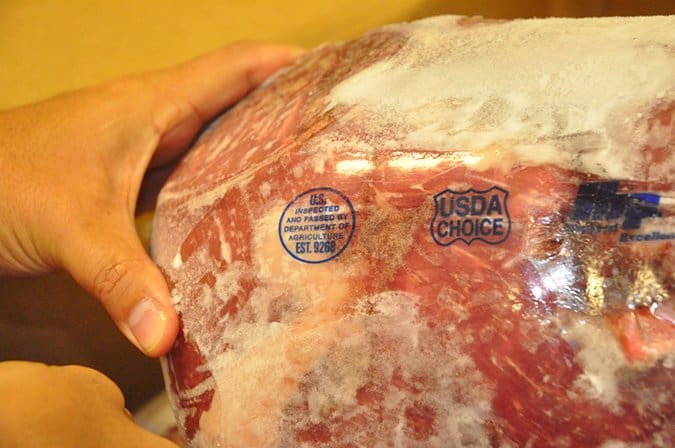
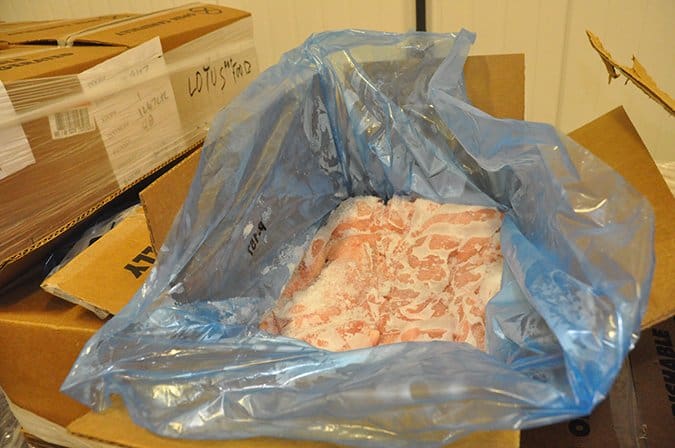
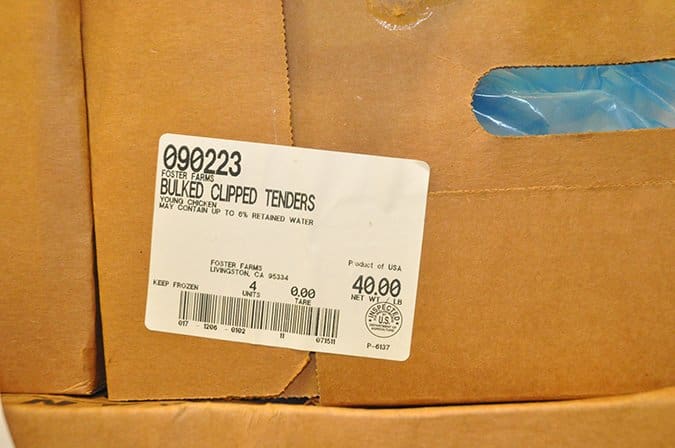
Lotus uses all USDA-inspected and -passed meats – what people commonly refer to as “human-grade,” although that term is not legal. (Any meat that is brought to a pet food plant is automatically considered NOT human-grade, even if it washuman grade, the moment before the truck was opened at the plant.) Lotus’s  meat is in packages – shrink-wrapped in plastic in the case of the beef shoulders, and packed in heavy-duty plastic bags in the case of turkey or chicken – and boxed in cardboard. The boxes are stacked and placed on pallets in the refrigerated room.

canned dog food manufacturing

Mixing Canned Dog Food Batches 

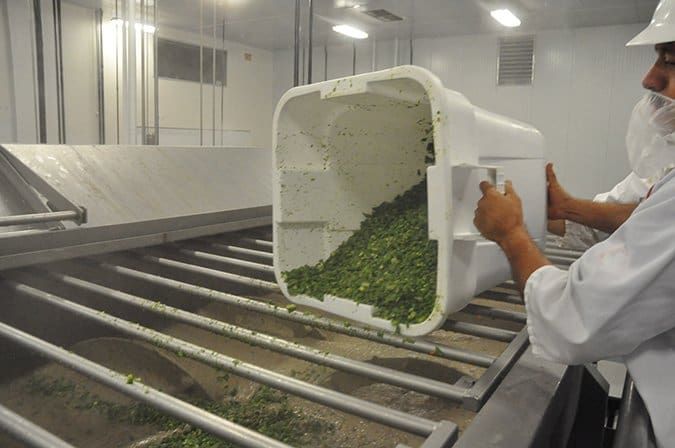
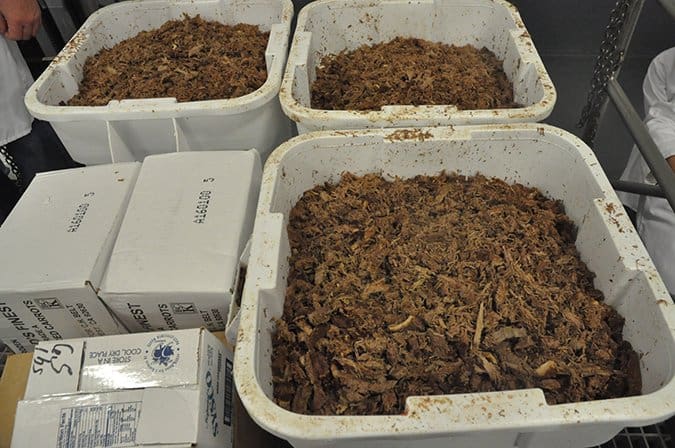
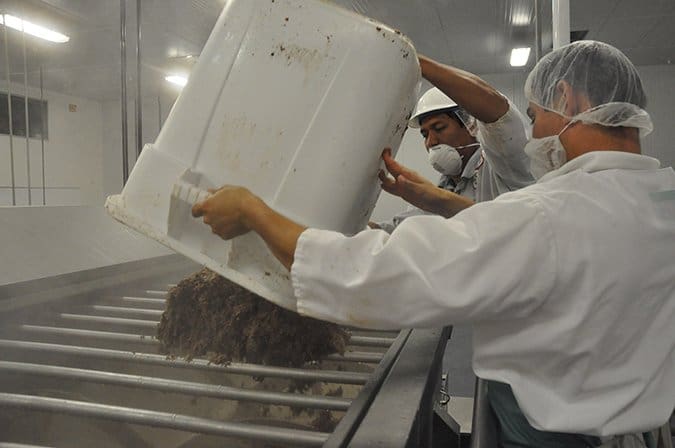
Early in the morning, the crew will begin taking the still partially frozen meat out of its packages and feed it into a machine that subjects it to both grinding and steam. When this process is complete, the meat appears shredded and roasted. It’s packed loosely in tubs and taken to the “kettle” to await its next step.

canned dog food manufacturing

The water that is used in this process – meat broth, at this point – is collected and transferred to the kettle where the final “stew” is mixed. This is a giant vat, with a capacity of 6,500 pounds of food. The kettle is heated, bringing the broth to 180 degrees as blades spin slowly through the mixture, stirring and combining the ingredients into a “gravy.”  A number of ingredients are mixed into the broth; in the case of the Lotus Beef & Asparagus Stew that I saw made, these ingredients were egg whites, potato flour, the vitamin/mineral premix, flaxseed, kelp, and some healthy fat sources: wild salmon oil, olive oil, and chicken fat.

canned dog food manufacturing

Unlike many pet food makers, Lotus does not use any “gum” ingredients to thicken its wet foods: no guar, carrageenan, or xanthan gum. (Each of these gums are somewhat controversial; they are “generally recognized as safe” [GRAS] by the FDA, but some people have different concerns about each type of gum.) Lotus’ dog foods are all “stew” types, which have a higher moisture content (about  80 percent) than the “loaf” style foods, which are about 78 percent moisture; the stews don’t need to be as thick, so gum is an easy thing to omit in these formulas.

canned dog food manufacturing

0)]

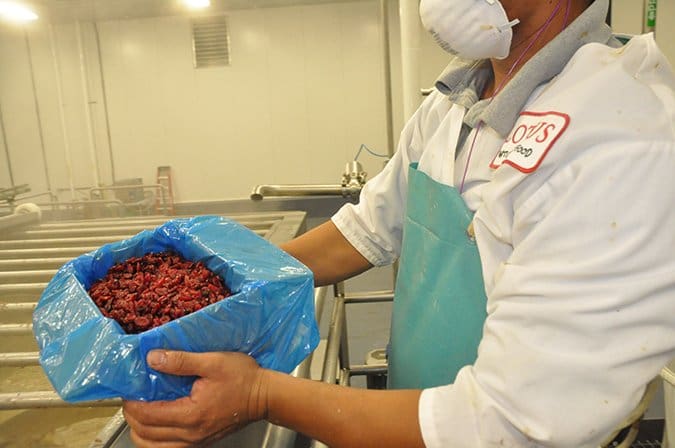
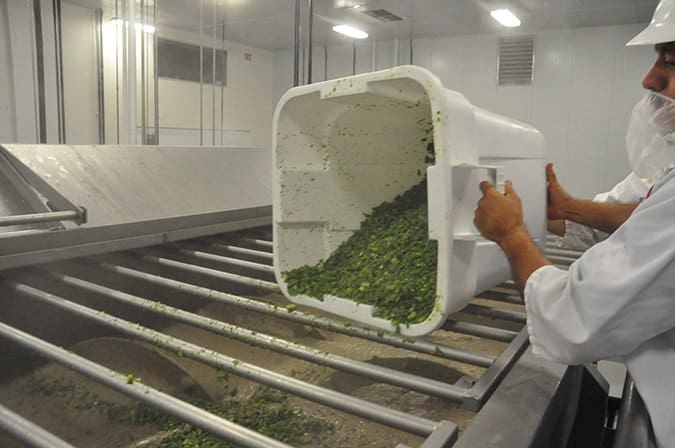
After the gravy is well mixed, the final ingredients — meat, fruits, and vegetables — are added to the kettle. The meats are shredded; the carrots and asparagus are chopped into small chunks; the blueberries are whole. In the Lotus formulas, there are no “restructured” meats ( a mixture of ground meats and powdered proteins that are mixed,  pressed into shapes, and held together with gluten binders and/or pork plasma) or powdered fruits or vegetables, although these ingredients would be added at this stage in a food that contained them. Lotus is somewhat wary of powdered ingredients, due to the ease with which they can be adulterated.

canned dog food manufacturing

1)]

Dog Food Quality Control

canned dog food manufacturing

2)]

Again, the food is brought up to 180 degrees F.  and well-mixed. A sample is taken to the laboratory so that the elements in the “guaranteed analysis” can be checked: protein, fat, fiber, and moisture content. The level of “ash” in the food (in a wet food, this is comprised largely of the mineral content) is also checked. Before a sample of the food can be poured onto the plate for the near-infrared analyzing unit, the sample is ground in a food processor, so the nutrients in the chunks of ingredients can be integrated in the food’s average values. With a good formula and ingredients that have all met the company’s quality inspections, there shouldn’t be any surprises.

Filling and Sealing Cans of Dog Food

canned dog food manufacturing

4)]

With various pumps, the food is now moved through pipes out of the kettle, through a metal detector (which would dump that portion of the food out of the system if it detects even a tiny fragment of metal in the food, both ferrous and non-ferrous), and into the can-filling machine, where it will be dispensed into cans (or in other companies, into pouches). The cans have been transported into the can filling room through a small opening in one wall near the ceiling, arriving on a conveyer of their own that whisks them through a quick wash in boiling water, turns them upside down (to let the wash water run out), and then into the queue for filling.  An operator watches the control panel to make sure the computer detects no errors in the can-filling process.

canned dog food manufacturing

5)]

The cans pass out of the filling machine and proceed directly to a can seamer, where the lids are positioned onto the cans and sealed.  Immediately following is a machine that checks the amount of food in the can; if the can has not been filled properly (too much or too little), the can is whisked by the machine off of the line and into a tub for disposal.

canned dog food manufacturing

6)]

A quality control technician also inspects a number of cans at this point, randomly selecting a number from all points in the run. He checks the temperature of the mixture inside the cans, to make sure the food is still above 100 degrees; it needs to maintain this temperature until it’s placed into the retort (cooking and sterilizing) machine.

canned dog food manufacturing

7)]

He inserts a device into some cans (which are then thrown away) that checks the vacuum pressure inside the can, to make sure there are no defects in the seal. (Before any of the cans are filled with food, some empty cans are run through the seamer, and the technician “tears down” these cans, visually inspecting the seal to make sure the seamer is working perfectly.  The vacuum seal must be perfect to preserve the food and maintain its safety.

canned dog food manufacturing

8)]

The bottom of the cans are stamped with a batch code and “best by” date as they  pass through another small opening into the retort room. Here, the cans are gathered by a machine and organized onto baskets with dividers. The baskets are stacked with layers of cans (each layer is separated by a divider) until the basket  is filled. Then the baskets are moved into the retort machines.

canned dog food manufacturing

9)]

The “Cook” (Retort)

A retort is a large chamber into which steam is pumped under high pressure. Computers monitor the “cook” – the combination of time, temperature, and pressure needed to sterilize the food in the cans. The process also cooks the vegetables and fruits, increasing their digestibility. In “loaf” type foods, the retort can activate certain ingredients (like carrageenan or xanthan gum) to gelatinize into a meatloaf form.

canned dog food manufacturing

0)]

As workers carry out these tasks, others are busy scrubbing down all the machines that were used in the process of mixing the food. The steam cookers that were used to prepare the meat are scrubbed and sterilized with steam, as are the mixing kettle and can-filling machines. Steam is also used to flush out all the pipes that transported the mixture from machine to machine.

canned dog food manufacturing

1)]

canned dog food manufacturing

2)]

When Friends Breed Their Dogs

1

I’m going to have to ask for forgiveness ahead of time: This post may well offend some of my friends, neighbors, and readers. I’m sorry – and conflicted.

I’ve been asked a number of times for my opinion about breeding dogs. Do I know a good male Jack Russell to mate with their female; would I suggest buying a puppy from that breeder who advertises puppies on the billboard by the highway; how long should they wait until they breed their German Shepherd Dog?

In each case, I probably initially appeared to be having a heart attack, what with the sudden paleness, dry mouth, sweat on my brow, and an enlarged artery throbbing at my throat. In every case in which my opinion has been solicited, my answer was that a truly responsible dog owner would find the puppy or dog of his or her dreams at a shelter or rescue group.

But oh!, my friends have unwittingly replied, we want to keep this bloodline alive, and all the puppies are spoken for already. We really want a dog who is related to all these other dogs we admire in the field. And we are looking forward to making some money on these puppies!

In none of these cases have I thought the person I was talking to had a valid reason to breed their dog.

Don’t get me wrong: I love, admire, and respect well-bred, purebred dogs – dogs whose parents were healthy, sane, sound, well-researched and thoughtfully selected (and scrupulously prepared for producing a healthy litter). 

Unfortunately, these are in the minority, and more amateurs getting into breeding aren’t going to increase their numbers. There are many, many purebred dogs – “AKC registered! With papers!” – that have been produced by genetically, physically, and/or mentally flawed parents at the hands of ill-informed owners. Other people buy or adopt these “registered” pups when they are darling, and their defects are not yet apparent . . . and many, many of them wind up euthanized in shelters and vet clinics all over the country.

I don’t know a single person who has spent a significant amount of time in an animal shelter who condones anything but the most stringent, selective, limited breeding of purebred dogs. There is something about seeing piles of dead pets, day after day, that pretty much turns off the desire to deliberately see more pets get produced.

What about people who work in rescue, or the very rare shelter that doesn’t kill (or transfer away) ANY dogs or cats? (Remember, most “no-kill” facilities do kill animals; they just label these ones “unadoptable” or they transfer the “unadoptable” ones to facilities that do the killing.) Folks I know in rescue work or “no-kill” shelters are also against breeding – not because they’ve seen so many dead animals, but because they are so completely overwhelmed with the oversupply of difficult-to-adopt living animals.

Look, I tell my friends and neighbors: At my local shelters, I can find a dog of any breed, size, age, color, and temperament that you want. It might take a little time to find that young make merle long-haired Dachshund or adult apricot toy female Poodle – but it can be done without breeding. I yearn for the day that this is different, when the shelters are well below capacity and every dog can find a home within days of losing another one.

In the meantime, unless you are one of those special few, who can recite bloodlines and honestly assess their merits, who produces just a few dogs each year and is  prepared to take each and every one of them back, for the life of the dogs – please don’t ask me about breeding.

Complementary Care for Dogs with Cushing’s Disease

8

[Updated July 18, 2018]

Because the diagnosis and treatment of Cushing’s disease can be confusing, expensive, and fraught with adverse side effects, many caregivers turn to alternative or complementary therapies.

For those who prefer treatments that have been proven in double-blind, placebo-controlled clinical trials, unconventional therapies are themselves fraught with peril. Product testimonials and anecdotal reports don’t prove anything, and by turning first to an herbal preparation or glandular extract, one might deny the patient an opportunity for effective treatment. Online reviews of nutritional supplements or herbal preparations range from reports about dogs that appear to be cured to heartbreaking stories of dogs whose condition deteriorated rapidly. Success stories are often not documented by laboratory test results, leaving readers to wonder whether the dogs that improved so dramatically actually had Cushing’s.

At the same time, the cost of veterinary tests, surgery, or prescription drugs for a dog is sometimes simply prohibitive. Because drugs can only relieve symptoms and cannot cure Cushing’s disease or slow its progression, there is little harm in trying alternatives if your dog’s quality of life is not impacted.

For some, the decision to pursue nutritional and alternative treatments is philosophical. Holistic veterinarians look at Cushing’s disease and every other canine illness from a different perspective than do conventionally trained veterinarians. They are likely to try holistic or natural treatments first and turn to symptom-suppressing conventional therapies later instead of the other way around.

Phosphatidylserine (PS), a phospholipid derived from lecithin, has been demonstrated to have a natural cortisol-suppressive effect on the adrenal glands. It can also help with cognitive dysfunction. Oral PS is available both by itself and in many combination supplements.

Elizabeth Knight, of Portland, Oregon, had some success using PS to treat her Welsh Corgi, Jasper, who was diagnosed with Cushing’s at age 11 and lived for two more years. “Two substances worked very well for us. For quite a while phosphatidylserine helped him a great deal with restlessness. And a Chinese herbal formula, Si Miao San, also helped with his restlessness and thirst. His polydispia and polyuria (excessive drinking and urination), pacing, and panting were controlled fairly well. I would say they helped about 80 percent.” Knight suspects that Jasper also had canine dementia.

In their book, Herbs for Pets, Greg Tilford and Mary Wulff recommend herbal therapy to support organs and systems that are subjected to additional stress because of the disease. “Dandelion root, burdock, garlic, and nettle are good choices for supporting an overtaxed liver and digestive system and to help replace potassium that is lost as a result of increased urination. Adaptogenic herbs such as Siberian ginseng or astragulus help buffer adrenal response to stress.” They also recommend avoiding licorice, borage leaf, and other herbs that stimulate adrenal activity.

Treating dog Cushings Disease Naturally

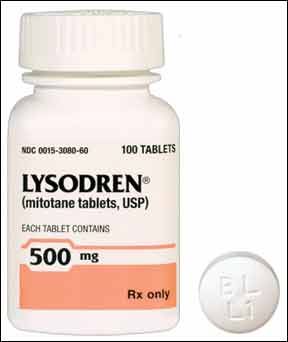
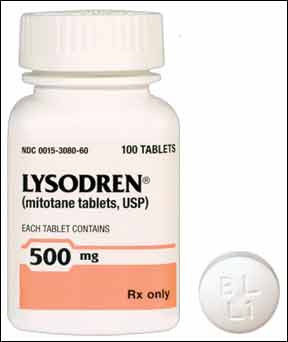
Susannah Blanchard of Wilmington, North Carolina, turned to holistic treatments when her 10-year-old Shih Tzu, Bandit, was diagnosed with pituitary-based Cushing’s. “At that time,” she says, “the conventional treatment was Lysodren [mitotane], but I had a really hard time putting him on something that could induce Addison’s disease and was almost restrictively expensive. So I researched and found Cushex, a blend of homeopathic and herbal ingredients from PetAlive/Native Remedies. We moved around some, and every new vet who saw Bandit was amazed that he had a Cushing’s diagnosis. I credit the Cushex for keeping his coat rather thick with none of the thinning that generally accompanies Cushing’s disease. Bandit lived another five years and passed away last June at age 15. Only in the last few months of his life did his coat and tailfeathers start to visibly thin out.”

(Editor’s note: Bandit’s initial diagnosis was never confirmed by later testing; it’s possible that his original symptoms were caused by something other than Cushing’s.)

Another plant-based product is Canine Vitex Plus (formerly called Cush X) from the English company Hilton Herbs. Medical herbalist Hilary Self, the director of Hilton Herbs, created the formula nine years ago for dogs with Cushing’s caused by adrenal adenoma. “However,” she says, “a virtually identical product formulated for equine Cushing’s disease, which is caused by pituitary adenoma, has proved to be equally successful. I would anticipate that it would work equally as well in dogs with pituitary adenoma.”

The formula is added to the dog’s meals. “Symptoms usually respond within three weeks,” Self says. “The supplement is by no means a cure, but it has proved to be beneficial to many dogs. It has enabled many owners to either delay having to use the conventional drugs or even reduce a drug’s dosage over a period of months if the dog is already on it. If the dog is on medication, it is vital for the dog’s veterinarian to carry out regular blood tests to measure the response.”

Treating Cushings Disease Naturally

Glandular supplements can also support the adrenal glands. “I think highly of Standard Process glandular products,” says Anita Moore, DVM, of Anne Arundel County, Maryland. “SP Canine Adrenal Support contains ‘functional foods,’ which are ingredients that have shown to benefit various organs and tissues in the body. It helps normalize adrenal function, making it appropriate for dogs with both Cushing’s and Addison’s disease. It doesn’t cure either illness, but it may help improve symptoms, as it has done with some of my patients.”

Diets for dogs with Cushing’s disease should be high in protein, which can help to combat muscle wasting; high-protein diets are also good for the skin and immune system. Fat should be moderately low, as Cushing’s predisposes dogs to hyperlipidemia (elevated cholesterol and triglycerides) and pancreatitis.

There is a lot of outdated information on the web about Cushing’s dogs needing a low-fiber, low-purine diet. It all appears to come from a single source, which references the third edition of Small Animal Clinical Nutrition (Lewis, et al, 1987). The newer fourth edition (Hand, et al, 2000), however, has no reference to purines, nor does it make any sense to restrict purines for dogs with Cushing’s.

Treating Cushings Disease in dogs Naturally

The newer edition of Small Animal Clinical Nutrition also suggests that a diet “lower in fat (less than 12 percent dry matter) and moderate in crude fiber (8 to 17 percent DM) . . . may aid in weight loss and control of mild hyperglycemia . . . in dogs with glucocorticoid-induced carbohydrate intolerance” as well as hyperlipidemia. Some of this reasoning is questionable, but the point is that it no longer recommends a low-fiber diet.

Dogs with Cushing’s are predisposed to the development of calcium oxalate bladder stones, due to elevated calcium in their urine. Avoid giving excessive calcium, which might be a contributing factor. Feeding a low-oxalate diet with other modifications, such as avoiding vitamin C, might be helpful (see “Stoned Again?” WDJ May 2010). Keeping your dog well-hydrated and allowing frequent urination can also help prevent stone formation. Make sure fresh water is available at all times.

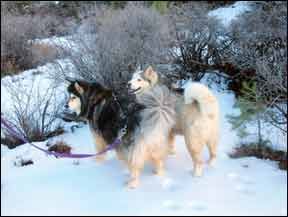
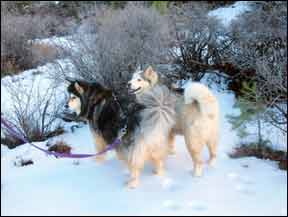
It is not unusual for dogs with Cushing’s disease to graduate from holistic therapies to conventional treatments or to take both at the same time. Three years ago Stacy McDaniel of Kingman, Arizona, noticed that her Husky/Malamute, Mascara, was gaining weight, drinking, and panting more than other dogs. In addition, Mascara had a voracious appetite and was greedy and protective of her food. (She lives with four other Husky/Malamutes.)

“The closest holistic vet I could find was 100 miles away in Las Vegas, Nevada,” says McDaniel. “Mascara was placed on Energetix BioBalancer [no longer available], Rehmannia (a Chinese herb), melatonin spray, and essential oils. I also used selegiline [Anipryl]. Most Cushing’s dogs have a thyroid problem, and Mascara was placed on thyroid medication. This combination seemed to work, and every follow-up test was within the appropriate range until she was tested in February 2011.”

That’s when Mascara’s medication was changed from Anipryl to Lysodren (mitotane). “What a difference,” says McDaniel. “Mascara even acted different. She was like a puppy again, playing and jumping. I was initially terrified of Cushing’s, but I now understand it and have respect for the treatments that are available.

“Mascara will always be on her medication. Without it she would die an early death due to the havoc excessive cortisol wreaks on the body. I am all about the quality of life for my dogs, and right now, she has an amazing life.”

Diagnosing Atypical Cushing’s Disease in Dogs

4

[Updated July 18, 2018]

What if your dog has all the symptoms of Cushing’s – excessive drinking, urination, and appetite; pot belly; skin problems; elevated alkaline phosphatase; etc. – but the tests say no?

Veterinary endocrinologists at the University of Tennessee in Knoxville (UTK) have been investigating this phenomenon. They found that many dogs have elevated steroid intermediates (also called steroid precursors or “sex steroids”) with normal cortisol. They call this condition “atypical Cushing’s disease,” or “adrenal hyperplasia-like syndrome.” It has been suggested that cases of atypical Cushing’s disease may be caused by a problem in the steroid production pathway. Elevated steroid intermediates have been linked to sudden acquired retinal degeneration syndrome (SARDS), which causes sudden blindness in dogs.

These steroid intermediate hormones include 17-hydroxyprogesterone (also called 17-OH progesterone or 17-OHP), progesterone, androstenedione, estradiol, and aldosterone. UTK developed a steroid hormone profile test to measure these hormones both before and after ACTH stimulation. Steroid hormone profiling is indicated when other tests of adrenal function are negative (ACTH stimulation and LDDS), but the dog still exhibits signs of Cushing’s.

One or more of these steroid intermediate hormones are increased in affected patients, both before and after ACTH stimulation.  Estradiol does not respond to either ACTH or dexamethasone, while 17-OHP shows an exaggerated response to ACTH administration in cases of both atypical and typical Cushing’s.

Atypical Cushing’s can be either pituitary or adrenal. Dogs with pituitary-dependent atypical Cushing’s usually have an enlarged liver, hepatopathy (liver abnormalities), and enlargement of both adrenal glands, along with increased levels of endogenous ACTH. Dogs with the adrenal form will also have an enlarged liver and elevated liver enzymes, but in this case only one adrenal gland will be enlarged (the other may be atrophied), and endogenous ACTH levels will be decreased.

Both forms cause the usual clinical signs of Cushing’s disease, including bloodwork changes and haircoat problems. If aldosterone is elevated, it can cause hypertension (high blood pressure), high sodium, and low potassium leading to muscle weakness.

medication for dogs with cushings disease

In some cases, adrenal tumors can secrete other steroids besides cortisol, and cortisol levels may be normal. Ultrasound is recommended to confirm whether a tumor is present before beginning treatment. If a tumor is found, surgical removal is recommended, especially since noncortisol-secreting adrenal tumors are almost always carcinomas. If that is not possible, mitotane (Lysodren) is the next choice, although it will not affect estradiol levels, and these types of noncortisol-secreting adrenal tumors tend to respond poorly to medical treatment. Trilostane is not recommended, as it can cause increases in intermediate steroid hormones.

Elevated estradiol, called hyperestrinism or hyperestrogenism, causes many of the same signs as elevated cortisol does. In dogs with hyperestrinism, ACTH stimulation and LDDS tests are usually normal for cortisol, thyroid function is normal or controlled, and liver problems are frequent and typical (very high alkaline phosphatase, enlarged liver, and other liver abnormalities). Symptoms frequently include excessive drinking and urination, along with haircoat problems. Panting may also be present. A skin biopsy will suggest endocrine abnormalities.

Veterinarians at UTK advise treating atypical Cushing’s and hyperestrinism with melatonin, which decreases cortisol and sometimes estradiol levels as well, and lignans, a type of phytoestrogen, which may also inhibit enzymes involved in the production of estradiol. Lysodren (mitotane) can be combined with melatonin and lignans to help lower sex steroid levels other than estradiol, along with suppressive effect on cortisol level.