Home Blog Page 234

Identifying Tumors on Your Dog

0

Given the opportunity to examine an older dog, I’ll very likely find at least one or two cutaneous (within the skin) or subcutaneous (just beneath the skin surface) lumps and bumps. Such growths are common by-products of the canine aging process. In this regard, I liken them to the brown spots that appear on our skin as we get older.
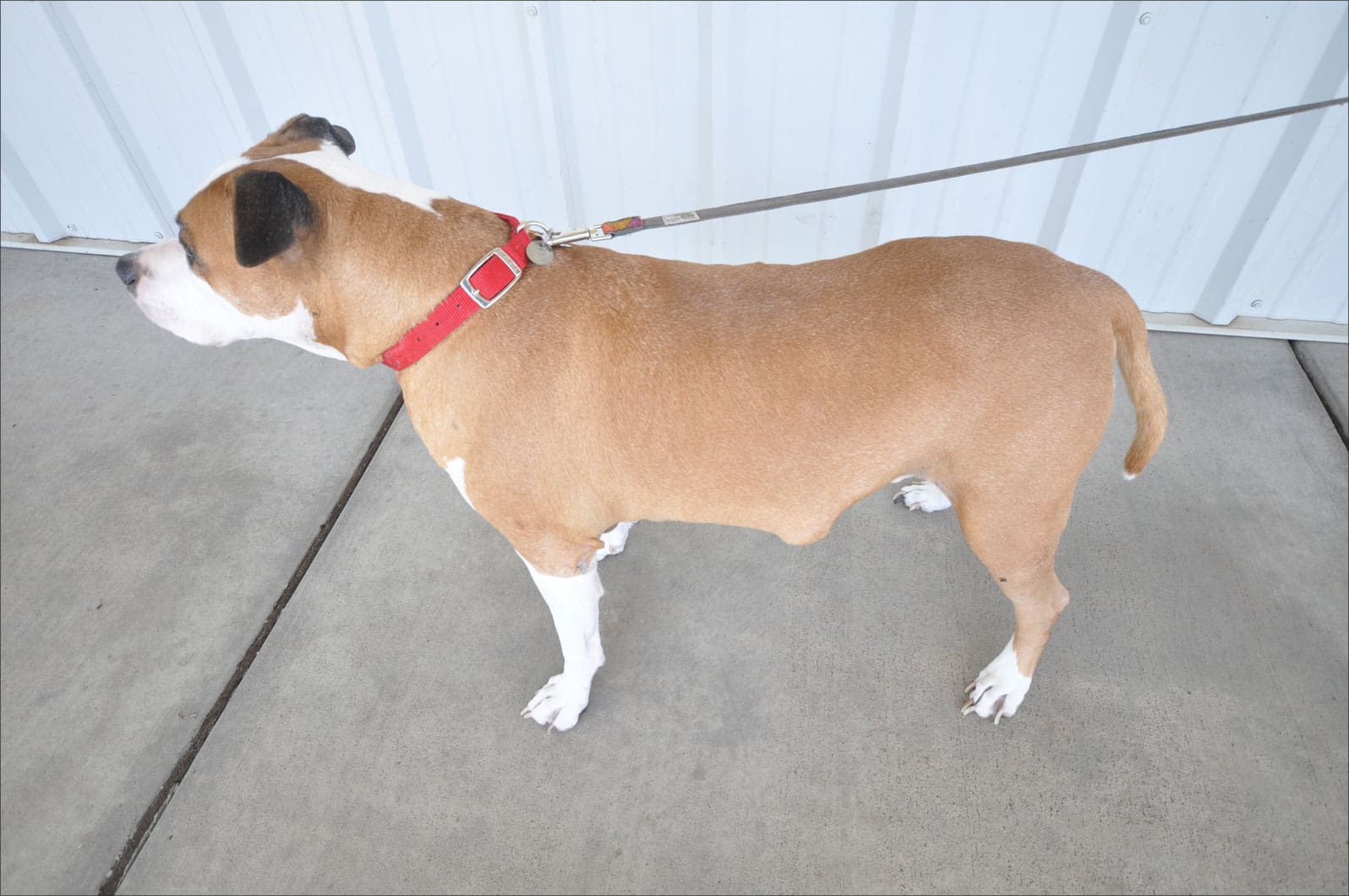
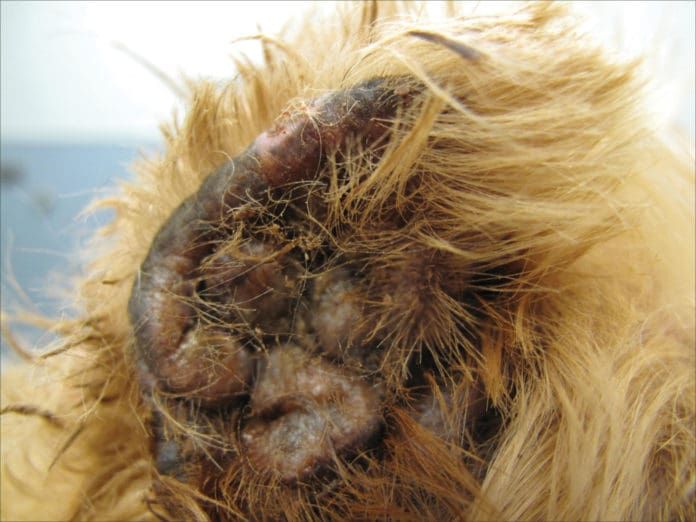
dog with large tumor

The good news is that most cutaneous and subcutaneous canine tumors are benign. It’s the small population of malignant masses that keeps us on our toes. They are the reason it’s important to have your veterinarian inspect any newly discovered lumps and bumps your dog develops. The smaller a cancerous growth is at the time of treatment, in general, the better the outcome.

Pet Your Dog to Find Tumors

In terms of “lump and bump patrol,” your first order of business is to pet your dog. No doubt you and your best buddy already enjoy some doggie massage time. What I’m asking you to do is a more methodical petting session. Once a month, slowly and mindfully slide your fingers, palm sides down, along your dog’s body. Move systematically from stem to stern while inspecting for any new lumps or bumps.

Also, look and feel for changes in the size or appearance of those previously discovered. Any new findings should be addressed with your veterinarian, who relies upon your help with this surveillance. Imagine your vet trying to find a tiny growth on a shaggy Sheepdog or Sheltie during the course of a single exam. Some lumps and bumps are bound to be missed without your assistance.

When to See Your Veterinarian

Does finding a new growth suggest that you must see your veterinarian right away? Not necessarily. Say that you’ve just spotted a new bump in your dog’s skin that is no larger than the size of a pea. She is due for her annual physical examination in three months. Must you rush to visit your vet with this new finding, or can it wait the three months? The answer depends on the behavior of this newly discovered growth.

My recommendation is that you continue to observe it once a week. Examining it more frequently can make it difficult to accurately assess change. If the mass is growing, or otherwise changing in appearance, best to have it checked out sooner rather than later. If no changes are observed, waiting to address it at the time of the annual physical exam makes perfectly good sense.

In contrast, say that in the course of examining your best buddy you discover a prune sized, firm, subcutaneous growth that feels attached to the shoulder blade. Based on the larger size and deep attachment of this mass, it’s best to have this one checked out right away. If ever in doubt, give your veterinarian a call to figure out the best course of action. As with most things medical, better to be safe than sorry. 

In advance of your veterinary visit, mark the location of any lumps or bumps requiring inspection. You can clip some hair over the site or mark the fur with a ribbon, hair band, or marking pen. Growths discovered at home when an animal is lying down in a relaxed, comfortable position have a habit of magically disappearing when the dog is upright and uptight in the exam room.

Fine Needle Aspirate for Cytology

If a newly discovered growth is large enough, the usual first step your veterinarian will recommend is a fine needle aspirate for cytology. Cytology refers to the microscopic examination of cells. The purpose of this step is to attempt to noninvasively clarify the cell type within the mass, and whether it is benign or malignant.

Collection of a fine needle aspirate is a simple process that is easy on the dog and rarely requires any sort of sedation. Using a needle no larger than the size of a vaccination needle along with some gentle suction, your vet will remove a smattering of cells from the growth. These cells are then spit out onto a glass slide and evaluated under the microscope.

Some cytology interpretations are a slam-dunk, and can readily be interpreted by your family vet. Others require the eyeballs of a specialist – a clinical pathologist who works in a veterinary diagnostic laboratory. Remember, the goal of the cytology testing is to determine the underlying cell type, therefore whether the growth can be left alone or requires more attention. Fine needle aspirate cytology is often (but not always) definitive. If the results do not provide clarity, a surgical biopsy of the mass may be recommended.

If your veterinarian recommends surgical removal of a mass as the very first step (chooses to forego the fine needle aspirate), I encourage you to consider getting a second opinion. It is disappointing and frustrating when a veterinarian foregoes cytology, proceeds with surgery, and the biopsy report reveals a malignancy with cancer cells extending beyond the margins of the tissue that was removed. In other words, cancer cells were clearly left behind. Had the veterinarian known in advance from the cytology report that the tumor was malignant, a different approach (much more aggressive surgery and/or radiation therapy) would have been undertaken, almost certainly resulting in a better outcome.

A second “bad news scenario” that can arise from forging ahead with surgery without benefit of fine needle aspirate cytology is failure to identify a cancerous growth that may have already spread elsewhere in the body. If the cytology reveals a malignancy, screening the rest of the body for metastasis (spread) is a logical next step. If metastasis is discovered, removal of the originally discovered mass is unlikely to provide any benefit. Rather, such surgery will only subject the patient (and the client’s pocketbook) to a needless procedure. Leaping into surgery to remove a mass without the benefit of cytology is risky business.

Lipomas (Fatty Tumors)

Lipomas are one of the most common types of canine tumors. Fortunately, the vast majority of them are completely benign. They arise from fat (lipid) cells and grow in subcutaneous locations, primarily in the axillary regions (armpits) and alongside the chest and abdomen. Occasionally one will develop within the chest or abdominal cavity. Rarely does a dog develop only one lipoma. They tend to grow in multiples, and I’ve examined individual dogs with literally hundreds of lipomas.

Should lipomas be treated in some fashion? In the vast majority of cases, the answer is a definite, “No!” This is based on their benign, slow-growing nature. The only issue most create is purely cosmetic, which dogs could care less about!

There are a few exceptions to the general recommendation to let sleeping lipomas lie. A fatty tumor is deserving of more attention in the following situations:

A lipoma that is steadily growing in an area where it could ultimately interfere with mobility. The armpit is the classic spot where this happens. The emphasis here is on the phrase “steadily growing.” Even in one of these critical areas there is no reason to remove a lipoma that remains quiescent with no discernible growth. 

Sudden growth and/or change in appearance of a fatty tumor (or any mass for that matter) should prompt reassessment to determine the best course of action.

Every once in a great while, a fatty tumor turns out to be an infiltrative liposarcoma rather than a lipoma. These are the malignant black sheep in the family of fatty tumors. Your veterinarian will be suspicious of an infiltrative liposarcoma if the fine needle aspirate cytology reveals fat cells, yet the tumor feels fixed to underlying tissues. (Lipomas are normally freely moveable.) Liposarcomas should be aggressively surgically removed and/or treated with radiation therapy.

Occasionally a lipoma grows to truly mammoth proportions. If ever you’ve looked at a dog and thought, “Wow, there’s a dog attached to that tumor!” chances are you were looking at a lipoma. Such massive tumors have the potential to cause the dog discomfort. They can also outgrow their blood supply, resulting in potential infection and drainage from the mass. The key is to catch on to the mass’s rapid growth so as to surgically remove it before it becomes enormous in size and far more difficult to remove.

How can one prevent canine lipomas from occurring? No one knows. Anecdotally speaking it is thought that overweight dogs are more predisposed to developing fatty tumors. While I’m not so sure I buy this, I’m certainly in favor of keeping your dog at a healthy body weight.

Sebaceous Adenomas

These are the most common benign skin tumors in dogs. Sebaceous glands are microscopic structures found just beneath the skin surface. They secrete an oily substance called sebum that is transported to the skin surface via microscopic ducts, and can arise from the gland or the duct.

Sebaceous adenomas tend to be small, no more than 1/4 to 1/3 of an inch in size. They may appear round, or they can have a wart-like appearance. Sebaceous adenomas occur primarily in middle-aged and older dogs. Any breed can develop sebaceous adenomas, but certain breeds are particularly predisposed: English Cocker Spaniels, Cocker Spaniels, Samoyeds, Siberian Huskies, Alaskan Malamutes, West Highland White Terriers, Cairn Terriers, Dachshunds, Miniature Poodles, Toy Poodles, Shih Tzus, Basset Hounds, Beagles, and Kerry Blue Terriers.

Because of their benign nature, the vast majority of sebaceous adenomas require no treatment whatsoever. There are some exceptions to this general rule, and they are as follows:

Surgical removal is warranted for those sebaceous adenomas that recurrently bleed or become infected because of self-trauma (the dog bites or chews at them) or because they get in the way of the groomer’s clippers.

Some sebaceous adenomas secrete oodles of sebum, creating the constant appearance of an oil slick on the dog’s hair coat. The grease rubs off on hands, furniture, and anything else the dog contacts. No fun!

Some sebaceous adenomas are pretty darned unsightly, looking like warty little aliens poking through the hair coat. Although this is not bothersome for the dog, it can be a significant issue for the person living with that dog.

If a mass believed to be a sebaceous adenoma is growing or changing in appearance, it is important to ask your vet to have another look. What was thought to be a benign adenoma may be its less common cancerous cousin, a sebaceous carcinoma.

The Importance of Histopathology for Your Dog

If your veterinarian surgically removes a growth from your dog, do not, I repeat, do not let that tissue sample wind up in the vet clinic garbage can! A far better choice is to have the mass submitted for histopathology (biopsy) to a veterinary diagnostic laboratory. There, a veterinary pathologist will evaluate paper-thin slices of the mass under the microscope to confirm the identity of the mass.

Even if fine needle aspirate cytology indicated that the growth was benign, histopathology is warranted. On occasion, the pathologist discovers something quirky such as a malignant tumor within the center of a benign lipoma.

If histopathology is not affordable, ask your vet to place the growth that was removed in a small container of formalin (preservative) that you can take home for safekeeping. This way, should multiple masses begin growing at the surgery site or should your dog develop a tumor at another site, you will still be able to request histopathology on the original sample. Formalin is toxic stuff, so keep the container lid sealed tightly.

Lumps and bumps are a very normal part of the canine aging process. Teaming up with your veterinarian to assess them on a regular basis is the best way to insure that they never create a health issue for your best buddy.

Nancy Kay, DVM, DACVIM, is the author of Speaking for Spot: Be the Advocate Your Dog Needs to Live a Happy, Healthy, Longer Life,and Your Dog’s Best Health: A Dozen Reasonable Things to Expect From Your Vet. She lives in North Carolina. You can read her blog at speakingforspot.com/blog.

Preparing Your Dog for Airplane Travel

[Updated March 2, 2017]

The ability to carry a little dog onto an airplane with you is one of the greatest advantages of owning a small dog that can’t be shared by owners of medium or large dogs. Most (though not all) of the risks of flying a dog on a commercial flight are posed by the dog’s handling by airport employees behind the scenes and by the dog’s unattended experience in the cargo hold of the plane; in contrast, the risks to a dog who is with you at every moment of your flight are very slight – and under your control. That said, there are a lot of things you need to know and contingencies for which to prepare if you are going to subject your dog to air travel. Here’s how to make the carried-on dog’s flight as enjoyable and stress free (for both of you) as possible.

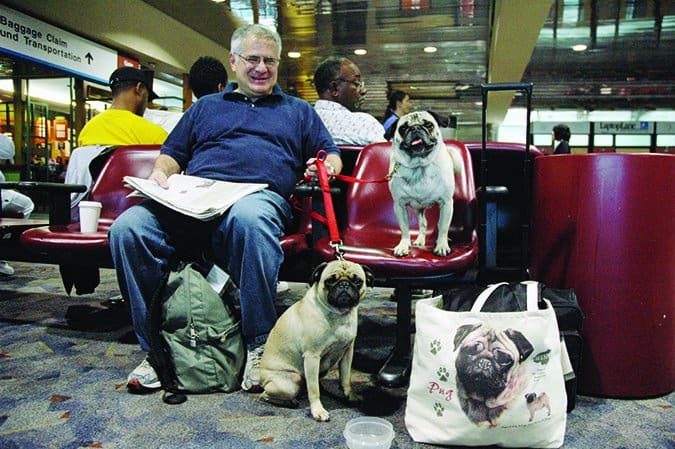
pugs at airport

Prepare Your Dog for Air Travel

Before you count on being able to bring your dog on any flight with you, you should be aware that there is no cut-and-dried rule regarding the size of dogs who can be carried on a plane. Most accurately, the limiting factor for which dogs can be carried onto a flight is the size of the dog’s carrier, and how well the dog appears to fit inside it. But every airline has different maximum dimensions for kennels and soft-sided carriers – and airlines sometimes have different maximum dimensions for the various types of airplane that may be employed on your journey. And there is quite a range! I found airlines with stated maximum carrier heights as small at 7.5 inches (in this case, for a hard-sided carrier on Alaska and United), and as much as 11 inches (and in this case, specifically for a soft-sided carrier on United). The maximum dimensions for the width and depth of the carrier vary quite a bit, too. We found a range of maximum carrier width from 11 to 19 inches, and a range of maximum length from 12 to 19 inches.

In addition to their carrier dimension limitations, some airlines also have a weight limit for the pet and her carrier. For example, JetBlue dictates that the combined weight of the dog and carrier cannot exceed 20 pounds.

Dogs are supposed to be able to stand up, turn around, and lie down naturally and comfortably in the carrier. It doesn’t pay to try to stuff a borderline too-large dog into a small kennel; airline representatives, who may or may not be knowledgeable about pets, can refuse to allow you to board with your dog if they feel the kennel is too small and causing (or potentially causing) your dog undue distress.

On top of the size and weight considerations, there are federal regulations regarding the minimum age for puppies who can be carried on a plane. These regulations (and common sense) require puppies to be at least eight weeks old and weaned at least five days before flying.

If your dog is small enough to fit comfortably into a carrier that will meet the airline’s size specifications for the plane used on the journey you plan to take, read on!

Buying the Plane Ticket 

It’s weird and annoying: I haven’t yet seen an airline’s website that allows a traveler to indicate that she would like to bring a pet on board for a flight. Generally, you first book the flight for yourself, and then call the airline directly to reserve a spot for your dog. That’s a weird order of operations, given that airlines allow only a limited number of pets on any given flight; if the flight you have booked for yourself already has reached its capacity for pets, you will have to select a different flight. Although the airline won’t charge a “change fee” for this, if the new flight costs more than the one you originally booked, you will have to pay the higher price. Take home point: Book your flight as early as possible, and call the airline to reserve a spot for your dog immediately after booking.

Dog Health Requirements for Air Travel 

When you make the phone call to reserve your dog’s spot on your flight, ask the reservation agent whether any health certificates or vaccinations are required for your dog for that flight. A health certificate, issued by a veterinarian who examined your dog within a short period (usually 10 days) before your flight, is required for all international flights, but generally not for domestic travel in the U.S., with a couple of notable exceptions. Because Hawaii is the only place in the U.S. that is completely free of rabies, that state has special requirements for inbound pets. And certain destinations in Alaska have vaccination requirements (for canine parvovirus and rabies).

Pay a Pet Travel Fee 

All airlines charge an extra fee for your carried-on dog, and the price (like all airline add-on fees) has gone up in recent years. Unlike the price of your ticket, the fee doesn’t seem to be dependent on the length of the flight; a flat fee is applied no matter how long (or short) the flight is, and varies from airline to airline, from about $125 to $200 (one way). Payment for the pet fee is made at the counter when you check in for the flight.

Getting Your Dog Ready to Fly

Ideally, you’ve bought your ticket and made your dog’s reservation months (or at least weeks) in advance of your flight. That gives you time to prepare your dog for some of the experiences she will be subjected to on the day of travel, so she’s not miserable on the airplane – and so you and your fellow passengers aren’t made miserable by her distressed behavior, either.

It’s most important for your dog to practice spending time in a small carrier – and, while there, being jostled about and subjected to strange noises and movement. Small dogs who are regularly carried in soft-sided bags are likely to accept everything about the air travel experience with ease. But if your dog has rarely graced the inside of a crate, or is unhappy being in one, you need to start conditioning and desensitizing her to this ASAP. (See “The Benefits of Crate Training,” WDJ January 2011, for more information about teaching a dog to be comfortable in a crate.)

Flying with Your Dog

Once your dog is comfortable spending time in a crate or carrier at home, make sure she is equally comfortable being carried in it, subjected to the sounds and motion of a vehicle in it (people who crate their dogs in the car, with the crate securely belted or strapped in, are way ahead of the game here), and will go into it happily at any time. Ideally, your dog will be familiar with and comfortable in the carrier you plan to use on the trip well before you travel; don’t subject her to an entirely new carrier on the day of the flight if you can help it.

You may need to take your dog out of and put her back into the carrier several times during your travel. The airline representative at the front counter might want to see your dog out of the carrier to make sure she’s in a correctly sized carrier. You will be asked to remove her from the carrier again when you go through security. If you have to change planes, you will probably want to seek out a “pet relief area” at the midway airport so your dog can go potty. You want to be able to remove your dog from the carrier without her trying to escape in a panic at all of these points, as well as at your final destination. So in the weeks before the flight, practice asking your dog to enter the carrier, and taking her out of it, in all sorts of different environments: dark, bright, loud, indoors, outdoors, etc. Keep the experience highly rewarding (with high-value treats and praise) each time she enters and exits calmly.

It’s also a good idea to bathe your dog a day or two before your trip, so that she’s odor free and comfortable.

Finally, make sure your dog’s nails (including the dewclaws, if any) are clipped short. A dog who tries to paw or dig her way out of a carrier can easily catch and tear a nail, especially in a soft-sided carrier. Bleeding, whining, and distress can follow. Having all the nails short and sound (not split and snaggy) will help prevent a slightly stressful trip from turning into a very stressful one.

Day of the Flight 

It should go without saying that your dog should be wearing an ID tag with your current contact information on it; ideally this includes your current mobile number. It’s also best if your dog is microchipped (in case he somehow got his collar or harness off) and that the microchip registration is also up-to-date.

It’s usually recommended that you not feed your dog within six hours of a flight; you really don’t want him to vomit, urinate, or defecate in the carrier on the plane if you can help it. But whether or not you heed this recommendation totally depends on how well conditioned your dog is to spending time in the carrier. Dogs who are super comfortable spending even long stretches of time in their carriers aren’t likely to vomit or need to eliminate any more than usual. But if your dog is not as well accustomed to the carrier as he should be, is a nervous traveler anyway, can’t yet go for very long without needing to eliminate (like most puppies), or suffers from motion sickness in a car, you may want to withhold food and give him just small amounts of water in that time frame before flying.

Note: If you are flying with a very young puppy, or a toy breed puppy of any age, don’t withhold food before flying; you don’t want to add to the risk factors of hypoglycemia (low blood sugar). Hypoglycemic attacks can be brought on by stress, and may result in seizures, listlessness, muscle weakness or staggering, tremors (especially in the face), coma, and even death. The stress of shipping is a common cause of hypoglycemia in puppies, especially those of the toy breeds. Other causes include missing a meal, becoming chilled, and exhaustion (this can happen when people get a new puppy and, thrilled with their new friend, keep instigating play and not letting the puppy rest).

Start your day as early as necessary in order to have enough time to walk your dog far enough (or be outside long enough) so that he eliminates as fully as he ever does! Once you have arrived at the airport, give him a leisurely (not rushed) chance to urinate one more time outside before putting him in his carrier and taking him inside.

Never Accept Travel Condition Changes for Your Dog 

Imagine this for a moment: You have arrived at the airport, dog in carrier and carrier in hand, and were told at the front counter that a mistake had been made and there was no room in the cabin for your dog after all. The airline could, however, put your dog in the cargo area. What would you do?

If this happened to you – as it has happened to more than one person I know! – I strongly suggest that you calmly refuse to allow your dog to be put in the cargo area, even if it meant you had to take another flight. If you had a legitimate reservation for your dog to be in the cabin, you should hold the airline to it, or accept their offer of reticketing (without fee) on another flight with an upgrade.

The only possible exception would be if your dog were completely comfortable being in a crate, without you, and with travel; you had an appropriately sized “hard” crate already; your dog is a fit, healthy, adult, non-brachycephalic breed; the weather conditions were perfect (neither at all hot nor at all cold); and the flight wasn’t a terribly long one. In my opinion, those are the only conditions under which any dog should be shipped via cargo – but honestly, somebody’s life would have to be at risk before I would consider letting my dog travel that way.

En Route 

Check all the zippers and fasteners on your carrier carefully, to make sure they are completely closed, and can’t be pawed or nosed open. Some bags have double zippers with tabs that can be clipped together with the snap from your leash to ensure that the bag cannot be unzipped without unsnapping the tabs first.

Consider teaching your dog to lick water from the slightly opened spout of a sports bottle (sort of like a rabbit’s water bottle). You can bring an empty bottle through security, and fill it up from a water fountain in the gate area. That way, you can offer your dog an occasional lick of water on the flight if she’s panting or seems hot. If you are certain she won’t try to escape, you can offer this by unzipping one of the carrier’s doors just enough to permit the insertion of the tip of the sports bottle. Or just hold the tip up to the mesh of the bag; if she licks the mesh, she can still get enough water to wet her mouth.

Don’t break the rules and allow your dog out of her carrier on the plane; she’s far safer, and your fellow travelers will be far more comfortable, with your dog contained. Also, if your dog did vomit or relieve herself in the crate, letting her out will only make matters worse in terms of the mess and odor! Wait until you deplane to try to improve the situation. Ask a flight attendant or the gate attendant (upon deplaning) for the location of the nearest pet relief station and head straight there.

It should be a huge relief to you for both of you to have arrived safely!

Should You Tranquilize Your Dog?

Veterinarians generally advise against administering a tranquilizer to dogs for air travel. The American Veterinary Medical Association (AVMA) has a Traveling with Your Pet FAQ page on its website, with this statement: “It is recommended that you DO NOT give tranquilizers to your pet when traveling by air because it can increase the risk of heart and respiratory problems. Short-nosed dogs and cats sometimes have even more difficulty with travel. Airlines may require a signed statement that your pet has not been tranquilized prior to flying.”

The AVMA goes on to quote Dr. Patricia Olsen of the American Humane Association (AHA): “An animal’s natural ability to balance and maintain equilibrium is altered under sedation and when the kennel is moved, a sedated animal may not be able to brace and prevent injury.”

If you are concerned about your dog’s behavior or anxiety on an upcoming flight, spend time daily getting him accustomed to being in his carrier. See “The Benefits of Crating Training,” WDJ January 2011, for tips on teaching a dog to be happy in a crate.

What About Large Dogs as Cargo? 

There are people who routinely airship dogs as cargo across the country. I am not and will never be one of those people.

The federal government requires airlines to report incidents to the U.S. Department of Transportation every time an animal on a commercial flight is injured, lost, or dies. The reports appear online in a remarkably timely fashion. The owners’ names are redacted but all the other basic facts about each incident are recounted in the reports.

If you spend a few hours reviewing those “animal incident reports,” you may find yourself turning in your dog’s wings. The reports describe pets who were sickened, injured, escaped from their crates, or lost during air travel – as well as those who were dead on arrival at their owner’s destination.

The reports certainly do serve to educate. Ongoing analysis of the reports (compiled since the law mandating their collection went into effect in 2005) has exposed the most potent dangers of air travel to pets. For example, in 2010, analysis of five years’ worth of animal incident reports revealed that dogs with short muzzles (such as Pugs, Boston Terriers, Boxers, some Mastiffs, Pekingese, Lhasa Apsos, Shih Tzus, and Bulldogs) are much more likely to die on airplanes than dogs with normal-length muzzles. One-half of the 122 dog deaths associated with airline flights in that time span involved these short-faced breeds.

An alarming number of incident reports involve dogs who manage to escape from their crates (and are found by the ground crew at their destination loose in the cargo hold), dogs who were injured in frantic attempts to escape from their crates – descriptions of blood-spattered crates and limping dogs dot the incident reports – and crates that are found to be cracked upon arrival.

Industry observers say that since the airlines (those operating airplanes that seat more than 60 passengers) have been required to collect and publish these reports, the number of incidents have gone down. Industry spokesmen tend to minimize the number of pet losses; you will find all sorts of projections – based on estimations of the total number of pets flown on airlines – as to the rate of pet injury or loss that make air travel look very safe for your dog.

However, it’s far less safe for your pet to fly than it is for you. It’s telling that most of the airlines have increased the number of limitations on which pets they will accept as cargo, on which routes, and at what times of year. And some airlines no longer accept pets as cargo at all.

Alternatives to Cargo Flights For Transporting a Dog

Before flying a dog as cargo, I would recommend exhausting every other option for moving a dog from one place to another, such as:

-Chartered flight (where even large dogs are allowed in the cabin). Example: Magellan Jets
– Professional pet ground transportation service. Example: Royal Paws
– Driving the pet yourself.
– Transatlantic move? Cunard’s Queen Mary 2 (QM2) is the only ship that allows the transatlantic transportation of dogs.

No Alternative?

If you had to ship a dog as cargo, consider the following:

– Dogs with any sort of breathing or cardiac impairment, those who are elderly, obese, and/or in poor health, very young puppies (especially those of toy breeds), and brachycephalic (flat-faced dogs) are at extremely high risk when flying.
– Do not ship during times of year when extremely hot or cold weather can add to the risk.
– Choose an itinerary with the shortest flight time and direct route to minimize extraneous moving (and potential mishandling) of your dog’s crate.

Thoroughly condition and desensitize your dog to spending long periods in the crate, and being in the crate when it is transported. Load and unload the crate into your car with your dog in it, and take long drives with him in the crate. If he shows signs of anxiety or discomfort during these trips (panting, whining, barking, pawing or chewing at the gate, trying to escape, etc.), understand that he will be even more anxious (if not panic-stricken) in the crate as it is handled by baggage crews – and when unattended in the baggage hold during the flight or flight delays.

Buy the strongest, heaviest crate you can buy.

Follow (and exceed) all of the airline’s rules for fastening and labeling the crate. Experienced shippers drill holes near the crate door and use plastic zip ties to keep the door closed in the event that the spring-loaded latch gets jostled open.

Get more information on flying with your dog at Dogster.com.

Download the Full May 2014 Issue PDF

To continue reading this article or issue you must be a paid member.

Join Whole Dog Journal

Get full access to Whole-Dog-Journal.com – more than 4,000 articles – for just $20.
Join today and save 30% off our full price.
Already a member?
| Forgot your password? | Activate Web Access

Advice for Tick Removal

0

[Updated March 16, 2016]

Is it my imagination, or is a plague of ticks currently in effect? Everywhere I go with my dogs these days, they come back crawling with ticks. I use Frontline on them, though I’ve used Advantix in the past – as well as apple cider vinegar rinses and essential oil sprays and Skin-So-Soft wipedowns. For whatever reason, Frontline seems to work better than anything else on my dogs, in my area, though I hear contrary reports from other dog owners in other places. I’m seriously considering making a line of Tyvek canine coveralls, instead.

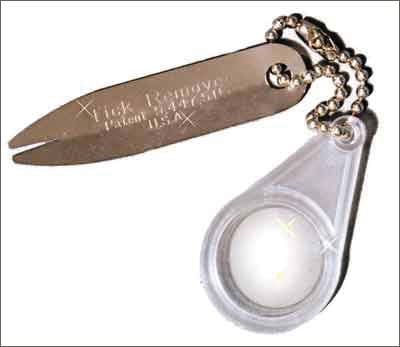
tick removal tool whole dog journal

Due to the tick plague, I have to allot extra time for walking the dogs, or rather, for combing them after walks. I pour a glass of water, put a little dish soap in it to reduce the surface tension, and drop all the ticks I find into it as I work. The little insects immediately sink, waving their tiny legs, but not for long.

Every time I have ever mentioned dropping ticks into water, I get letters from people who insist that you can’t drown a tick. I invite you to do some “citizen science” and put your own ticks in a jar of water, and follow this fun activity with observing the results. You can even dry out their little dead bodies afterward to see if they “come back to life.” Trust me; ticks drown.

They can also live without food for a week or two (but not forever) in a jar that contains no water. Ask me how I know.

You can Google these things, but sometimes you just have to see for yourself. Like, when I was reading about ticks the other day (I’m mildly obsessed right now), I kept coming across the stated fact that ticks can’t jump. I just can’t fathom how they are so damn successful at getting all over my dog, who runs like the wind the whole time we’re out on walks, if they can’t at least launch themselves quickly toward something. So, after combing and pulling ticks out of Otto’s coat on our last walk, I saved a few individual ticks in a dry jar, and ran a few trials. I released one tick at a time onto a white plastic folding table (so I could be sure to spot and apprehend any escapees from my “test lab”). They sure do ambulate faster than I could bear to watch for long, but I didn’t observe any jumping activity – but then, I never let them get close enough to the table’s edge for reliable data regarding jumping off something onto someone. I guess I’m going to take Google’s word for that bit of trivia.

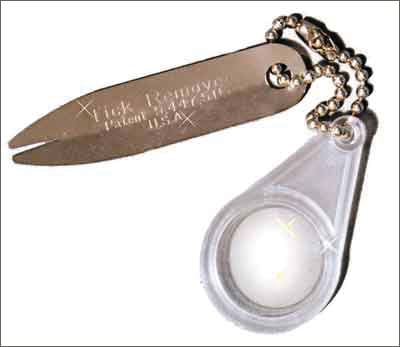
There’s just one bit of good news on the tick front: I have discovered the world’s best tool for removing ticks, one that surpasses all previous favorites. It’s called the Pro Tick Remedy, and it features a V-shaped slot that narrows tightly enough to scoop up and pull out even the tiniest, most freshly latched-on tick. It comes on a keychain paired helpfully with a small magnifying glass, so you can confirm that you really did get the whole thing. I bought six, so I could have them stashed everywhere I might happen to be petting Otto and feel a tick. I’ve never been so grateful for something that costs so little (less than $5).

Buy the Pro Tick Remedy and try it yourself!

5 Ways to Prevent Your Housetrained Dog from Soiling the House

[Updated July 6, 2018]

It’s very disconcerting when your well-housetrained dog suddenly starts having accidents in the house. It may be human nature to think he’s doing it to spite you, but that’s not the case – a well-trained dog doesn’t just start soiling indoors on a whim. There’s a legitimate reason it’s happening, and you owe it to your dog to find out why.

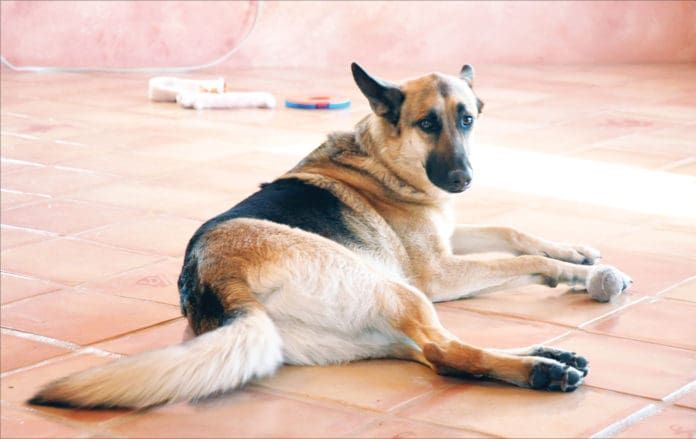
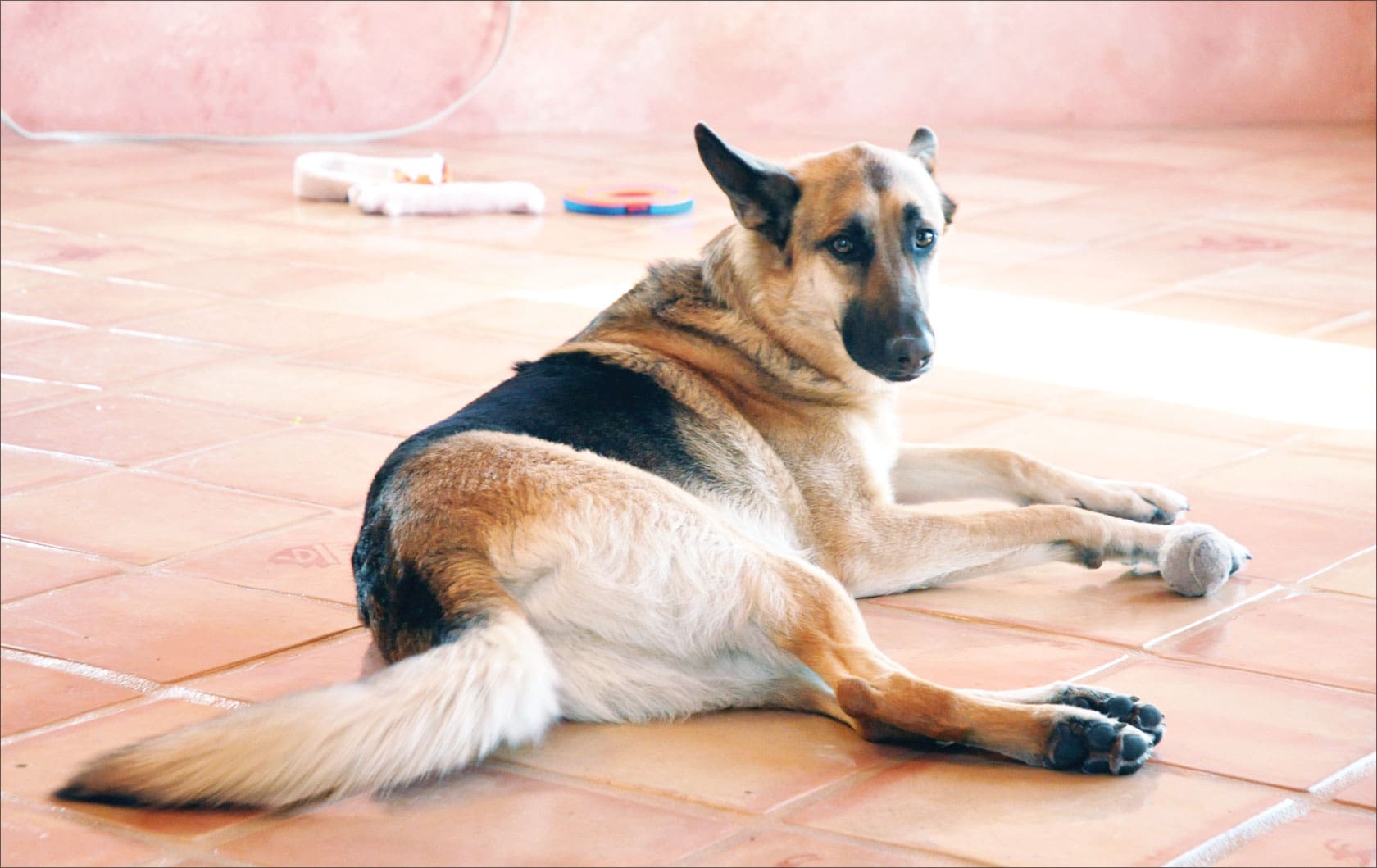
german shepherd whole dog journal

Here’s what you need to do:

1. Explore possible medical causes of your dog’s accidents.

Something as simple as a urinary-tract infection or as complex as diabetes (causes increased thirst and water consumption, which causes increased urination) can be the cause of your dog’s indoor puddles. There are many common medical causes of increased urination. Gastrointestinal distress, which causes anything from slightly loose stools to liquid diarrhea, can prompt your dog to defecate indoors as well. Any dog can have an accident, but if yours has uncharacteristically started house soiling regularly, get thee to thy veterinarian as soon as possible for a complete workup.

2. Check if medications are causing your dog to soil the house.

A number of canine medications used to treat common health conditions can also cause increased water consumption followed by increased urination. Prednisone, used to treat a variety of ailments, is a prime example. Other medicines can cause gastrointestinal distress, which can also result in house soiling. If your dog is on any medications, ask your veterinarian whether that could be the cause of his break in training.

3. Look for possible stressors for your dog.

Urination and defecation can be a dog’s response to stress. Check your environment to see if there’s something going on that might provoke this stress response in your dog. Construction next door with loud machinery? Neighborhood kids who have discovered it’s fun to bang on your door to tease the dog? A watch alarm beeping in a drawer? Set up your laptop camera or nanny cam and see if you can make a correlation between stimuli, stress, and soiling. If you can’t find a specific trigger, then evaluate your dog’s total stress load and see if removing as many stressors as possible can help him return to his prior fastidious habits.

4. Evaluate your routine.

Are you working overtime a lot? Stopping on the way home at a local pub for some face time with your new honey? Perhaps your dog was just barely holding it with legs tightly crossed before, and the extra time it’s taking you to get home now is just more than he can handle.
If so, and if you can’t return to your prior schedule, then make arrangements with a neighbor or family member to let your dog out at midday or late afternoon, or hire a good petsitting service to do it.

5. Revisit basic housetraining lessons.

It’s worth putting serious energy into discerning the cause of your dog’s house soiling. If you discover and remove the cause of his problem, your dog may immediately return to his former pristine ways.

Or he may not. If that’s the case, or if you simply can’t find a reason, it’s time to go back to basic housetraining. You probably won’t have to implement the puppy “every hour on the hour” routine, but you do need to make sure he gets outside more often than he has to go. If you work all day, this might mean putting him back in a crate or exercise pen until he is successfully retrained, and hiring a professional petsitter (or arranging with a friend or neighbor) to let him out for a potty break at least once, preferably two or even three times during the day.

Just keep in mind that there’s a reason your housetrained dog might eliminate indoors – and neither spite, anger, jealousy, nor any other human emotion we might blame has anything to do with it. It’s up to you to find the reason and help him return to spotless living.

Tips on Adopting a Senior Dog

Adopting a senior dog can be challenging, but it can also be rewarding.

[Updated August 24, 2018]

When my husband asked me to come to the shelter where he worked to meet the 8-year-old Australian Shepherd he had fallen in love with and wanted to adopt, of course I said yes. When Paul first met Missy, she threw herself on her back at his feet, and he was hooked. When I saw her striking red merle coat, her stunning “odd eyes” (one brown, one blue) and her delightful personality, I was smitten, too, and didn’t need any arm-twisting from my husband to agree to add this beautiful girl to our family. She slipped into her place in our home with barely a ripple, just as did Mandy, an 8-year-old tri-color Rough Collie and my first senior adoption, some 30 years prior.

shelter dog

If you are embarking on a senior adoption adventure, you’re likely to have many questions about your new old dog. What should you expect? How active will he be? How much management will he require? Should you plan to do any training with him? Will he need any training? If so, how much, what kind, and when? We asked several different trainers to share their wisdom on senior-dog adoptions.

Realistic Expectations 

While adult-dog adoptions often go as smoothly as Mandy’s and Missy’s, they don’t always. There can be immense benefits inherent in adopting a dog who may already be housetrained and well beyond the puppy chewing and adolescent stages. However, because senior-dog adoptions aren’t always trouble-free, it’s safest to make no assumptions about your new adult canine family member.

Cindy Mauro, CPDT-KA, of Cindy Mauro Dog Training in West Milford, New Jersey, is very familiar with the rewards and challenges of older-dog adoptions.

“I have adopted many senior dogs. The last two were 13-plus years, and I’m expecting a senior girl to come to me in a couple weeks from a puppy-mill rescue,” she says.

“I keep in mind that training may require changing old habits, which requires patience. I never assume that the older dog is already trained, so instead of setting myself up for disappointment, I start off as I would any new dog – with a plan in place for training and management as soon as she comes in the door. I am pleasantly surprised and pleased any time things go easier than I thought they would.”

Absent solid information to the contrary, behave as though your new dog is not housetrained. He may have belonged to someone who forced him to soil indoors so he thinks carpeting is the appropriate substrate on which to eliminate, or maybe he spent the first eight years of his life with only shoes and sofa cushions for chew toys. Or, although he may be physically capable of “holding it” because he’s a mature adult, he’s lived outdoors all his life and never learned rules for indoor living.

Plan on implementing a senior-dog training and management plan that will set him up for success, by using an “every hour on the hour” puppy housetraining protocol. Also, practice diligent puppy-proofing – putting everything away that your new dog might view as a potential chew object. With a little luck he will quickly show you that your precautions are unnecessary and you can relax your standards. If, however, your precautions are justified, you will have set him up to succeed by not allowing him to be reinforced even one time for unwanted behaviors in his new environment. This will help him to learn new rules and appropriate new behaviors much more quickly.

My standard practice of keeping small Tupperware containers of treats in every room will serve you well with your senior adoptee, as will a never-ending supply of cookies in your pockets. You don’t want to miss a single opportunity to reinforce him for doing the right thing as the two of you create your relationship.

There’s No Hurry

This sort of proactive management will help you and your new dog get off on the right foot, but when it comes to actual training, it’s wise to take it slow with your senior adoptee, unless he makes it clear he’s ready for a fast track. Christine Danker, CPDT-KA, KPA-CTP, PMCT3, of Hemlock Hollow Dog Training in Albany, New York, offers these useful tips:

Give the older dog a quiet place to settle in for a few days. This should be located somewhere that enables her to see and/or hear everything going on in the house, or to retreat without disturbances if she prefers.

Pat Miller and senior dogs

Plan on being home, or at least reduce your regular schedule considerably, so you can observe the new senior. Will she be afraid to be left in a room behind a baby gate? Will she be comfortable in a crate? Is she housetrained? Does she have hearing loss or mobility issues?

Slowly integrate the new senior into a house with other dogs. Was the new dog living alone? With other dogs? An active younger dog could be too rambunctious for a senior, but if their sizes are similar, the senior may really enjoy interacting with another dog.

Remember, a mature dog who lived for many years in one home can take longer to adjust to the sudden changes in his life than a younger dog might.

“Be mindful that a senior dog may have formed a strong bond with his former family,” says Dawn Kalinowksi, CPDT-KA, of Poised Pups, LLC, in Norfolk, Virginia. “Realize that he may even be mourning the loss of his beloved humans and the familiarity of his previous home. Don’t overwhelm him. It’s important to go slow and allow him time to bond with his new family and settle into this new environment.”

Susan Sarubin, PMCT-2, CPDT-KA, of Pawsitive Fit LLC, in Easton, Maryland, is in total agreement.

“Dogs who are re-homed later in life may need a more extended period of adjustment to a new home, given their longer history of behavior in their old home. Many older dogs come with additional fears and anxieties that extend beyond just normal adjusting to a new environment or new humans. For those dogs, the best way of dealing with this may be to just give the dog space, allowing him to choose where he wants to be, and when he wants to be with you and your family.

“Sometimes I think we’re in too much of a rush to teach older adopted dogs the behaviors we ultimately want them to learn to successfully assimilate into the family. Unless behavior is truly problematic and needs immediate attention, allow time for the dog to view you as predictable, safe, and the source of wonderful things (petting, treats, toys, walks, etc.). Teaching new behaviors will be easier to train once your new dog is less stressed and trusts you. Be patient, capture the behaviors you like, and forgo dedicated training sessions until your dog is happily interacting with you and appears calm and relaxed in his new home.”

Getting Along With Others

If you already have other four-legged family members, helping your new old dog adjust to his new home includes careful introductions and a management plan that protects your senior adoptee from the unwanted attentions of younger, more active dogs.
Here are some recommendations from Sharon Messersmith, owner of Canine Valley Training in Reading, Pennsylvania, who says, “If you are adding a senior dog into your household with younger dogs, specific training with all dogs will help with the transition.”

Christine Danker dog trainer

Teach all dogs to wait at steps to allow your older dog to go first, or vice versa.
Give each dog her own space and teach all your dogs to respect each others’ spaces.
An older dog might not be able to tolerate constant play all day. Give her a crate or room that is just for her when she needs some alone time.

Be Considerate of Physical Needs

Finally, keep in mind that your senior adoptee may have mobility issues that impact his daily routine in your home. Past injuries or simply age-related arthritis may dictate that you assist him with getting into vehicles, going upstairs, or even navigating the small raised threshold of a doorway. While Missy was able to climb our stairs to the second-floor bedroom for most of her time with us, for the last year of her life I routinely assisted her. In her final few weeks she slept downstairs, as it became too much of an ordeal to ask her to climb. Make sure water bowls and beds are easily accessible for your mobility-challenged new old dog, and consider installing ramps where possible to make life easier for the oldster.

Training an Old Dog

You may or may not need or want to (or have to) invest much energy into training your new old dog. Your own preference as well as your individual dog’s personality and abilities can guide you here. If you win the adoption lottery and your new family member is already housetrained and has decent manners (like Missy and Mandy), you can slide on the training.

You may also discover that your adoptee has some mobility issues that limit his physical capabilities. When I first met her, I noticed that Missy had a slight limp. When we had radiographs taken we found that her right hind leg was an inch shorter than her left due to a prior broken leg injury that hadn’t been properly treated. If we had ambitious goals for her, this might have been disappointing. As it was, since we only wanted her to be a happy farm dog, it wasn’t devastating – it only meant that we needed to watch for arthritis as she aged and alleviate her pain as needed.

Most trainers recommend taking a slow training approach with senior adoptees – slower than you might with a younger dog. Peaceable Paws trainer Laura Nalven, PMCT, shares an experience she had with a recent client:

“I’m reminded of someone in my classes who adopted a senior dog (probably 10 years old or so) just a week or so before class,” she relates. “She wanted to start training immediately because she remembered how much fun her previous (and much younger) dog had and how much it helped them bond.

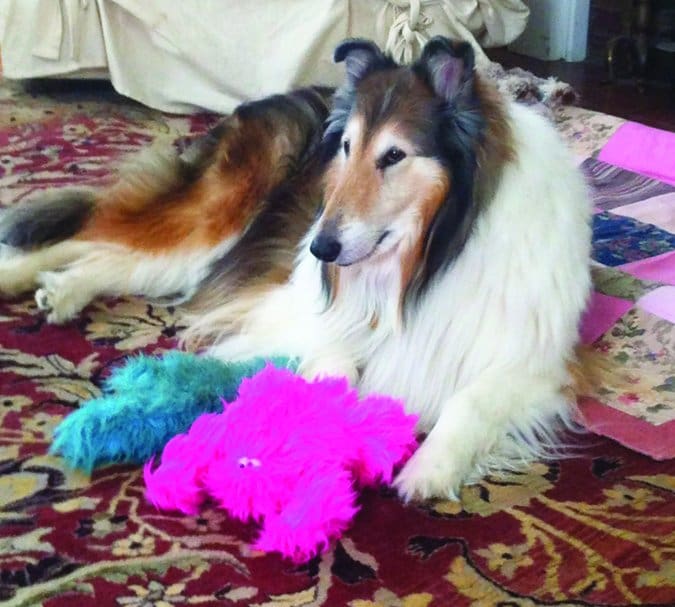
old collie dog

“The old boy couldn’t see anything more than about eight inches from his face if it wasn’t moving, and his owner hadn’t realized this limitation in the short time they’d been together. Hearing or vision problems, coupled with general achiness, can make group classes full of bouncy adolescents an overwhelming experience. The class environment just stressed this dog out, and his owner felt like she wasn’t doing enough to bond with him.

“I’d suggest that you allow older dogs a longer period to adjust to their new home than you might a younger dog. If they’re peppy and eager to do training games, go for it. But if they’re laid back and just want to sit in the sun all day, let them.”

Clean Slate? Or Highly Experienced? 

Nan Marks of Silver Spring, Maryland, is a Peaceable Paws Academy graduate who trains at Capital Dog Training Club in Silver Spring. She is also a veteran adopter of mature dogs. She shares her thoughts about training:

“This topic is near and dear to my heart. In recent years I have adopted a Rough Collie, Robbie, at age 8; a large bronze (Golden/Chow/Newfoundland?) mix, Bruce, at age 10; and most recently another 8-year-old Rough Collie, Lucy.

“All three were basically outdoor dogs; two of the three had been tied out their entire lives. These dogs have taught me two primary things: first, never assume that they won’t learn and enjoy learning just because they are older; and second, let their behavior, not their age, tell you what they are willing to try. All three became delightful companions, trained and active therapy dogs, two of the three learned some agility, and one competed and titled in obedience and canine freestyle.”

On one hand, your senior dog may come to you will little or no training, as did Marks’ dogs, described above. On the other, he may have had some training with the less-than-positive methods that are still all too common in the real world.

Peaceable Paws Academy graduate Jackie Moyano trains at WOOFS! in Arlington, Virginia, and Coventry School for Dogs in Columbia, Maryland, and also volunteers at the Animal Welfare League of Arlington, where she enjoys matching prospective adopters with appropriate senior dogs. She suggests having fun with your dog while introducing him to a new training relationship with humans based on mutual trust.

“While your mature dog may come to you knowing ‘sit’, ‘down,’ and ‘stay,’ you may not know the training methods used to teach these cues,” says Moyano. “Why not take a positive-reinforcement tricks class? Not only could this provide mental stimulation for your mature dog, it could accelerate your bonding!”

It Depends

So, the best answer to any question about a “new old dog” is . . . “It depends.” He may come to you already trained, or you may need to do a lot of management while you find out who he is and how you can best meet his needs. You may be able to jump right into a training program, or he may need time to settle in and take training at a slower pace. In any case, be prepared to fall every bit as deeply in love with your senior adoptee as you have with previous puppies and younger dogs who have been part of your family.

Just last year we said sad goodbyes to our beloved Missy when, at age 14, her injury-related arthritis finally dictated that we let her go. Although we were her humans for only six of her 14 years, it was as painful a loss as any we’ve experienced. When you adopt a new old dog, since you don’t have as much time to look forward to, you learn to treasure the years you do have with them.

Senior Successes

There is an endless supply of “new old dog” happy-ending stories like Missy’s and Mandy’s. Twelve-year-old Scooter is a beloved member of our family. We adopted the little Pomeranian five years ago when he was on the euthanasia list at our shelter after he failed his assessment due to his resource guarding (easily managed in our child-free home).

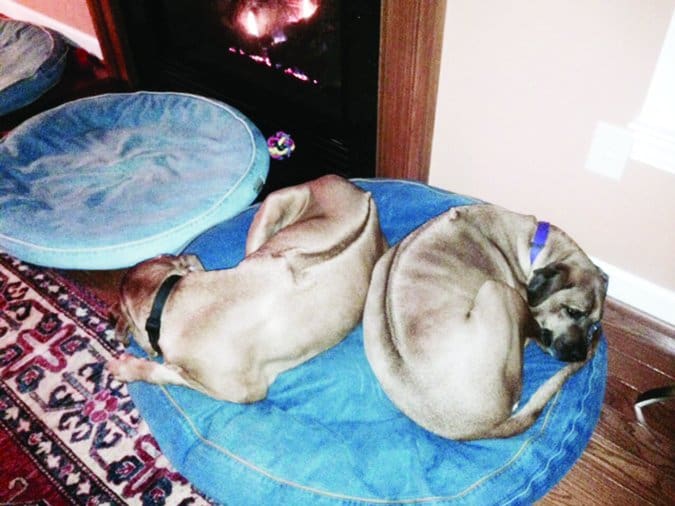
Rhodesian ridgebacks

Trainer Susan Sarubin tells of her most recent adoption:

“The transformation in my 7 1/2-year-old adopted Rhodesian Ridgeback, Andy, has been quite remarkable since we adopted him over a year ago. There have been many ‘firsts’ in his behavior that have brought me tears of joy. Until recently, I spent little time with him that was dedicated to training – he experienced only the training that goes on with normal daily interaction, with rewards for desirable behavior. He has blossomed into the dog that he was never allowed to be in his previous life. We accomplished that in large part by letting him to come to it on his own. We have done 16 months of informal shaping, really. Now he learns behaviors on cue quickly – and most important, he’s a happy boy.”
Sometimes people worry that they won’t be able to bond with an older dog when they’ve missed out on the puppy and young-dog sharing experiences.

Trainer Nan Marks puts those fears to rest with these beautiful words:

“I remember early on fearing I would not love these older guys as much. Boy, was I wrong! For the most part I’ve found them easier to bond with quickly because they are more fully who they are already and not surfing the waves of puppyhood and adolescence.

“I also remember fearing that having only a short span to share with them would be too painful. I can only say that for the two who have now moved on, they were with me for three and four years, respectively, and those wonderful, loving years felt gloriously long to me in all the things that make having dogs meaningful.”

Pat Miller, CBCC-KA, CPDT-KA, is WDJ’s Training Editor. She lives in Fairplay, Maryland, site of her Peaceable Paws training center, where she offers dog-training classes and courses for trainers. Pat is also the author of many books on positive training. She has a terrific brand-new book, How to Foster Dogs: From Homeless to Homeward Bound.

Barking at FedEx and UPS (But Not the Postal Delivery)

4

It never fails: I’m concentrating, reading or writing at my computer. Otto is snoozing on the floor or loveseat behind me. Time flows. The outside world fades from my consciousness. And then, from right behind me, “WOW WOW WOW WOOF!” As I pull myself off the ceiling, I realize that once again, and from a dead sleep, Otto heard a FedEx or UPS truck round the corner several doors down from my house. He just has to announce its imminent passage by our door – or, even more outrageous, its stopping in front of our house, and the entry through the front gate, of that guy, the one who leaves packages on the porch.

Why oh why do dogs get so riled up about delivery trucks? And why can’t Otto make the connection between the arrival of so many tasty treats and toys for him to try, and the nice people who deliver them? My only theory is that he does it because it works; the trucks leave very quickly when he barks. Of course, the trucks also leave very quickly when he doesn’t bark, so maybe that’s a bad theory. It must be the unpredictable entry of the stranger through the gate and THUMP of packages on the porch. Especially because he doesn’t bark at the garbage truck, the water meter readers (they don’t come in the gate, the meter is out under the sidewalk), or the local buses that pass by every hour or so and sound a lot like the delivery trucks (to me).

Otto used to wait for and bark at the postal delivery people, too, but since the folks who have our route started carrying dog treats, now they get the benefit of Otto’s doubt. He wags his tail and whines, instead, when he hears the sound of the mail cart being pushed down the sidewalk. When the postal workers leave packages on the porch, they almost always detour off the porch and give Otto a cookie through the chain-link gate at the side of the house. They have to go out of their way to do it, yet they almost always do. And that once-in-a-while cookie has made all the difference.

If I’m paying attention to the sounds of the outside world, and by some luck, I hear the truck before he does, I can say, “Otto!” to get his attention, and reach (or get up to go find) a treat. This completely forestalls the sudden loud WOOF!, although he still will look toward the door and make a soft growling noise in his throat as he crunches his cookie. The problem is, I’m usually not paying attention to the sounds of the outside world. During FedEx and UPS delivery hours, I’m usually working and deep in thought, completely vulnerable to the sudden WOOF! He’s a big dog, and has a BIG, deep voice, and I swear it’s shortening my life.

What sets off your dog’s alarms? And what have you done about it?

Don’t take my dog “in the back” without me

4

I’ve written previously about my aversion to letting veterinary technicians take my dogs “in the back” for blood draws and other quick procedures. My main reason for not wanting to send Otto in the back is that he has an irrational fear of slippery floors. As soon as he thinks a floor is slippery — it doesn’t even seem to matter whether I find the floor to be slippery or not — he starts to walk like Bambi on a frozen pond, scrambling in such as way as to ensure that he will fall.

He’s actually made a LOT of progress, largely because I’ve never dragged or forced him across a floor that freaked him out (contrary to LOTS of advice from the kind of trainers I don’t listen to). He may quail for a moment at the entrance to a pet supply store, when he steps off the entry carpet and finds himself on a sea of tile, but then he will gather himself and walk cautiously along with me. His turns will be wide and wobbly, and he will pant a bit with the effort of staying upright, but he’s game, he’ll go. That’s hard-won progress — and admittedly, I don’t put him through it a lot, or for no good reason. Any time we have to navigate a super slippery place, I make it as rewarding — and brief — as possible for him.

Veterinary clinics almost always have tile or other hard, smooth floors — they are the easiest to keep clean. But they present a challenge to Otto, and knowing this, I protect him as best I can by telling the techs, as they lead us to exam rooms, “I need to let him go slow and pick his own path; he’s really cautious on slippery floors.” And — usually — I don’t allow them to “take him in the back”, because they don’t know this behavior as well as I do, and I don’t want him to backslide. If he gets scared and puts the brakes on for a second, I can encourage him with a word and he will start walking again. At clinics, they will almost always respond to a dog locking up by just dragging the dog — gently, but dragging nonetheless! — through the door into the back. Most dogs are afraid to leave their owners and are fine (if not better behaved) once the door between the “back” and their owner is closed. Otto is happy to go with the techs, he likes them! Inconvenient though it may be, it’s really all about the FLOOR.

My son was visiting over the weekend. He was delivering his young dog, Cole, to me to dog-sit while he and his girlfriend take a short vacation (spring break). We took both of our dogs to the vet on Sunday. Eight-or-so-month-old Cole needed to be weighed again (he’s growing like a weed) to make sure we are giving him the right amount of heartworm preventive, and to receive said preventive; and he received his first rabies vaccination. (It was given later than usual, as we have been sorting out his immune response to his other vaccines.) Otto needed his annual examination to renew his prescription for heartworm preventive. I also wanted the clinic to take a blood sample to send off for his annual vaccine titer test. (He hasn’t been vaccinated for anything but rabies since I adopted him in 2008; his titers come back strong and positive every year.)

As usual, Otto hesitated at the door of the clinic, and then walked into the waiting room carefully. He happily got onto the scale, which was covered with a paper advertisement for some veterinary product, and which made the scale less slippery than the floor. And within a minute, we walked into an exam room. He was doing GREAT, for him. He started panting a bit, but otherwise looked happy enough to be there. The tech came in and greeted both dogs, and took the temperature of each, and administered Cole’s rabies vaccine. Then she asked if she could take Otto in the back for the blood sample.

I hesitated for a moment, but he was doing great, and she seemed to have a good handling technique with him. I actually considered for a moment that I didn’t want to come across as nutty and overprotective. So I broke my own rule, and said, “Sure, you can take him in the back.” To my credit, I also said, “Please just let him take his time, don’t pull him if he stops for a second, he’s just REALLY cautious on the slippery floors.” She said, “No problem!” and she chirped at him, and he went with her through the door into the back quite cheerfully, no hesitation or balking — though with the usual “walking on ice” gait he uses on slippery floors.

They were gone a bit longer than it takes to take a blood sample, and my son and I were discussing what might have gone awry when the tech and Otto walked back in — accompanied by the unmistakable odor of released anal glands. My son quickly pulled his shirt over his nose and mouth, as I asked, “What happened?! He’s usually good with blood draws!” The tech said, “Oh, he was really good! He did that right afterward, for some reason. We tried to clean it off . . . do you want us to bathe him for you?”

I answered no; I didn’t want him back out of my sight again! And I was instantly so mad at myself. Why is it so hard to trust one’s own instincts, and just gently request (then insist, if need be) that the procedure be done right there, not “in the back”?

On the way home (with the car windows open), my son and I discussed what we thought probably happened; we were both certain that he must have stalled on the floor at some corner and someone tried to pull him along, forcefully enough to panic him, if just for a moment. The tech said that he was good for the actual blood sample, and I would expect him to be; I’ve been present many times for the procedure with him, and he’s never seemed to notice or mind either the restraint or the needle.

I know that veterinarians and technicians have many good reasons to prefer the dog to be “in the back” for routine procedures, and in some cases, it might be truly necessary. However, this was a reminder to me that I need to insist, every time, that for simple things like blood samples, Otto stays in the exam room with me.

Otto is mature enough now that I don’t think the scary event will scar his sensitive psyche; he was perfectly cheerful and comfortable with the veterinarian’s exam immediately after this. And he was due for a bath anyway. But I feel like I failed him — and it could have been worse.

What’s your policy on this practice at the vet’s office?

New Hope for Treating Osteosarcoma On the Horizon

0

Osteosarcoma is by far the most common form of bone cancer in dogs. About 75 to 85 percent of tumors occur on the legs, but can develop in any bone. Middle-aged and older large- and giant-breed dogs are most commonly affected. The first sign is usually limping, which may start suddenly, or develop gradually, and is often accompanied by swelling at the tumor site. Within one to three months, the pain will be constant, and the tumor can cause the bone to fracture. Radiographs (x-rays) are usually all that is needed to confirm the diagnosis.

Because osteosarcoma has already metastasized (spread) in 90 to 95 percent of cases before it is discovered, treatment is aimed at prolonging life and improving quality of life, primarily by reducing pain. Surgery is the first line of treatment, including amputation of the limb, if practical. Surgery is rarely curative, but amputation leaves the dog pain-free to enjoy life for a time. Chemotherapy following surgical removal can prolong that time. Palliative therapies such as radiation are used for pain relief, especially when amputation is not an option. Drugs called bisphosphonates can be tried to inhibit bone destruction and relieve pain.

About half of dogs treated with surgery and chemotherapy will live for at least one year, and up to half of those will be alive after two years; occasionally, some dogs will be completely cured. Dogs treated only with amputation or palliative radiation therapy live on average about six months after diagnosis.

Now, new therapies are emerging that offer hope for prolonged life. Dr. Nichola Mason, an assistant professor at the University of Pennsylvania School of Veterinary Medicine, is conducting clinical trials using immunotherapy to treat dogs with osteosarcoma.

Immunotherapy is the term used for vaccines that stimulate the dog’s own immune system to destroy cancer cells. The vaccine Dr. Mason is using consists of genetically modified bacteria designed to express a tumor marker known as “Her2/neu,” which is also expressed in approximately 40 percent of canine osteosarcomas, as well as other types of cancers. If the vaccine triggers the immune system to attack the bacteria, the expectation is that it will then go on to seek out and eliminate any tumor cells remaining after chemotherapy. The vaccine is given intravenously once a week for three weeks following amputation and chemotherapy. As of this writing, 12 dogs have been treated with the vaccine therapy. Side effects have been minimal, consisting primarily of short-term fever and sometimes nausea.

Of the first six dogs who received the vaccine, one dog who received a low dose of the vaccine had developed lung metastases, while the other five remained free of cancer a year later. Three of those dogs remained alive and cancer-free in November 2013, 500 or more days after initial therapy.

Dr. Mason hopes to include dogs unable to undergo amputation in future trials. She is also looking at the possibility of using the vaccine to prevent osteosarcoma in certain breeds at particularly high risk of the disease.

Palladia (toceranib phosphate), a drug approved in 2009 for treatment of mast cell cancer, has also shown promise in treating osteosarcoma. Studies are currently underway at Colorado State University and the University of Pennsylvania to evaluate the effectiveness of toceranib for the treatment of dogs with osteosarcoma.

Another clinical trial using targeted treatment for canine osteosarcoma in dogs is being conducted in Portland, Oregon. Doctors at the Keller Laboratory at Oregon Health and Science University have teamed with veterinarians at Oregon State University and Colorado State University to study osteosarcoma treatment in dogs, hoping it will lead to better treatment for children with this disease. The goal is to develop personalized treatment by testing dozens of drugs on a tumor to determine which is most effective for that individual. Wally, the first dog treated in this manner, survived for 29 months after his treatment. Dr. Keller hopes to find more than 40 dogs with osteosarcoma to participate in the clinical trial.

For more information:

Canine cancer studies at the University of Pennsylvania:
tinyurl.com/vet-upenn-studies
tinyurl.com/vet-upenn-trials
Canine cancer studies at the University of Colorado:
tinyurl.com/vet-colo-trials
Canine cancer studies at the OHSU’s Keller Laboratory:
tinyurl.com/vet-kellerlab

Caring For and Preventing Your Dog’s Ear Infections

2

Severe and/or recurrent ear infections cause more than chronic discomfort or even maddening acute pain for your dog; inadequately or belatedly treated, they can cause total deafness. I once helped transport a rescued Bouvier who had suffered such serious chronic infections that she required a total ear canal ablation (TECA, a procedure in which the entire middle ear canal is surgically removed). While such operations are usually a last-resort effort to both reduce the dog’s suffering and preserve the dog’s inner ear (hearing organ) and ability to hear, in this case, the damage from her many past infections was already done and she was completely deaf.

While such drastic measures may occasionally be indicated for dealing with long-standing ear infections, taking a proactive approach to your dog’s ear health may save her from the need for radical treatment.

Signs of Trouble
If your dog frequently shakes her head, scratches at her head or ears, rubs her head along the carpet or furniture, sits with her head cocked to one side, or whines while doing any of the above, odds are that she has or is developing an ear infection. You may also see some redness at the opening of the ear, sometimes extending outward into the pinna (ear flap).

Normally, a dog’s ear has very little or no discharge, and what little you may observe is a beige/yellow waxy substance. In an infected ear, you may find anything from dry black stuff (usually associated with ear mites) to brown waxy discharge (normal, yeast, or bacterial) to pus (bacterial).

An infection brings inflammation to the area, as the body attempts to flood the infected tissue with pathogen-fighting agents and flush pathogens and damaged cells away. But inflammation is always a double-edged sword, for it also can cause pain as the tissue swells. This is never more true than when the swelling is inside the ear canal – already a small, sensitive space. As the tissue inside the ear swells, the dog’s hearing may be diminished, and his balance may be affected, too. Chronic inflammation can lead to ulceration, scarring, calcification, and even rupture of the ear drum.

The pain and irritation may cause him to shake his head and claw at the ear, damaging the tissue even further and causing even more swelling. Head-shaking and scratching can also cause blood vessels in the flap of the ear to burst, causing the ear flap to swell like a balloon. This very painful condition, known as an ear hematoma, requires immediate veterinary attention. If left untreated, it can cause permanent disfigurement of the ear flap. Chronic ear pain can also cause the dog to develop behavioral issues; he may grow increasingly cranky in general and specifically defensive about being touched on the head – so much so that he reflexively snaps at and bites an unsuspecting person who pats his head or fondles his sore ear.

It’s imperative to get ear infections cleared up as soon as possible and not expect them to resolve on their own.

At the Vet
Heading to your veterinarian for help with an ear infection is always a good idea, especially if you haven’t had previous experience with a canine ear infection and you aren’t certain what it looks like, or if a previously treated infection has recurred. If you are going to take your dog to the vet, don’t clean his ears that day; it maybe helpful for the veterinarian to see the appearance and amount of the discharge.

The vet will clean and examine the ears, and usually will take a look deep inside the ear canal with an otoscope – that is, if the swelling in the ear canal is not too severe. Some brave veterinarians will also put their noses near the dog’s ear and take a quick sniff; the odor of an infected ear is distinctive.

In mild cases, after cleaning the ear well, veterinarians will generally administer and give the owner a topical ear solution containing antibiotic, antifungal, and anti-inflammatory agents. This is typically used for a dog’s first or infrequent ear infection because, no matter what the causative organism, this type of topical will address it. In many cases, that’s all there is to the ear infection event.

However, if the infection recurs, it’s likely that the treatment was incomplete, whether because the solution wasn’t applied as frequently or as well as required (sometimes the outer ear looks good, but the infection continues to fester deep within the ear canal), or because the infectious organisms developed resistance to the antibiotic in the solution. In these cases, we may wonder why the infection keeps “coming back” when, in reality, it never ever went away.

When an ear infection recurs (if not before!), culturing a sample of the exudate is a must, to make sure that the next treatment is targeted to treat the specific pathogen.  Oral antibiotics may be indicated in such severe cases in addition to topical therapy. Note that oral antibiotics are not the first go-to for a one-off ear infection and are rarely successful as the sole therapy.

Chronic cases may also be helped by a Traditional Chinese Veterinary Medicine (TCVM) approach including acupuncture, and/or when used preventively such as prior to spring/summer if dealing with seasonal allergies. Also, acupuncture and laser therapy can relieve pain associated with infections.

Early Care
Integrative veterinarian Susan Wynn, DVM, CVA, CVCH, AHG, who practices at BluePearl Georgia Veterinary Specialists in Atlanta, believes that learning to identify and detect the earliest stage of infection is a dog owner’s best shot at preventing a serious infection and the need for veterinary attention. The switch from being normal and comfortable to infected can be subtle and fast; the ears may have no redness and then suddenly develop mild levels of redness and discomfort with minimal discharge.

A veterinarian is seen examining a small white dog's ear
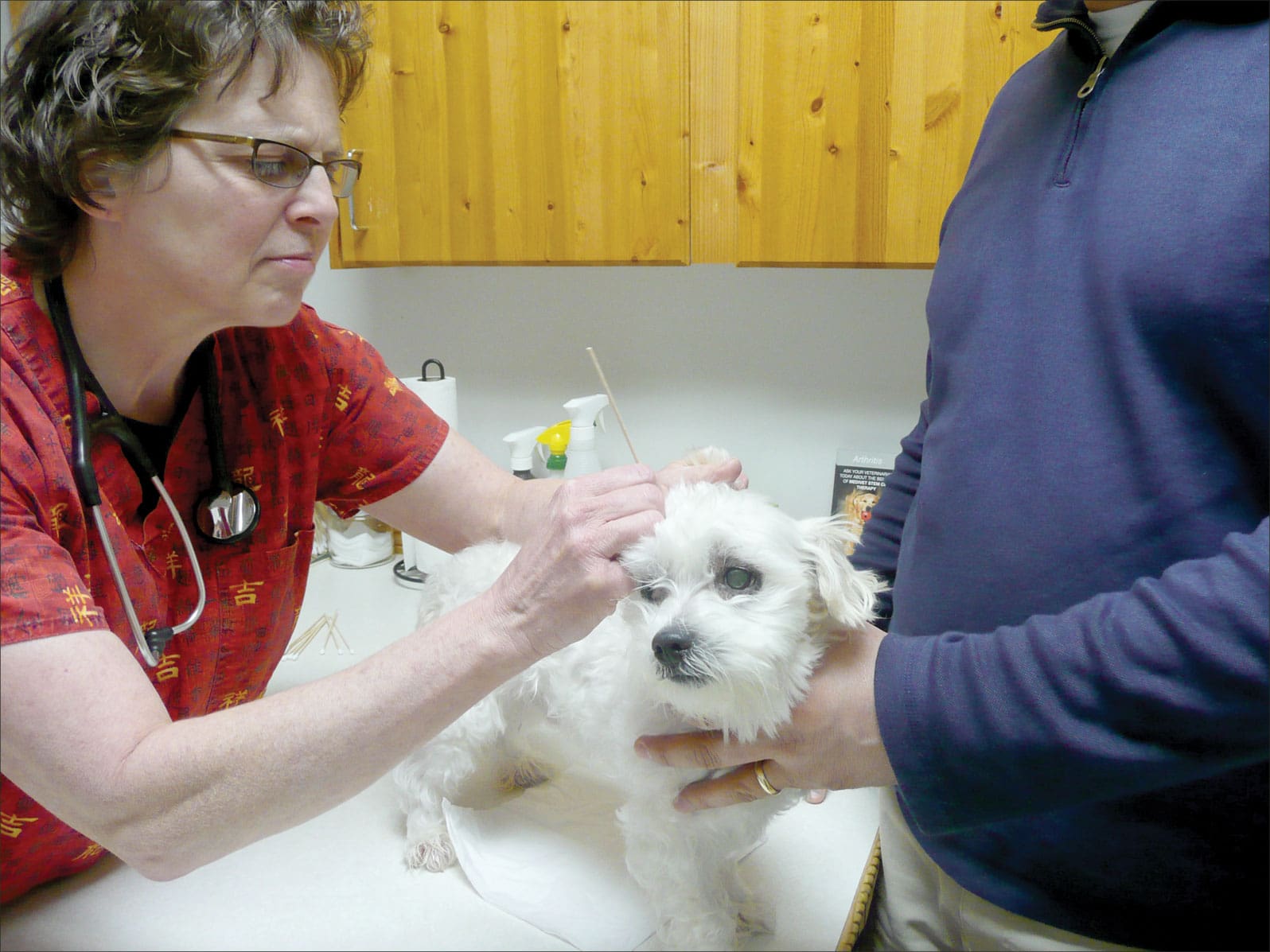
This Maltese has a history of recurrent ear infections, and would have benefited from more frequent veterinary and owner care. On this visit, Dr. Diane Castle, of Union Hill Animal Hospital in Canton, GA, found his ear canals so swollen that they could not be examined with an otoscope.

“Infections are usually a secondary problem,” says Dr. Wynn. “People should be watching for the onset of that primary cause, rather than waiting for infections to develop.”

Be vigilant and check your dog’s ears regularly; the moment that you notice redness or discharge, you need to clean the ears. Yeast and bacteria are normal inhabitants of a dog’s ear – in small amounts. A variety of health conditions can cause yeast or bacteria populations to spike; the goal of cleaning is to create an inhospitable environment in the ear for this to occur.

Dr. Wynn likes Zymox Enzymatic Ear Solution, with or without the anti-inflammatory hydrocortisone. (Zymox is available in two formulas: an enzymatic ear cleanser for preventive maintenance, and an enzymatic ear solution for treating mild infections).

Another ear wash that may help prevent infection is Halo’s Cloud 9 Herbal Ear Wash. It contains a variety of essential oils in a base of witch hazel.

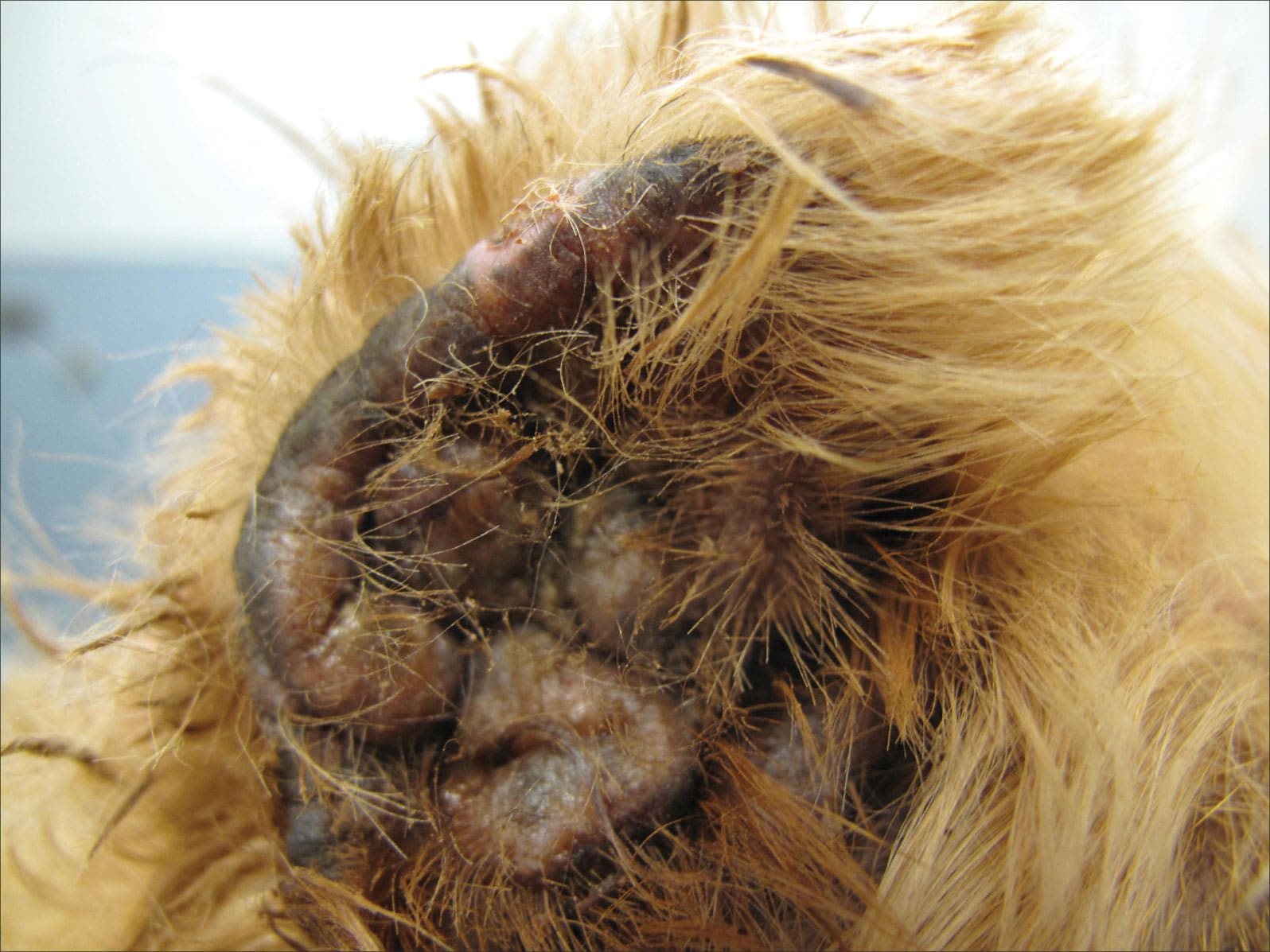
This dog’s ear barely resembles an ear. Chronic infections and long-term swelling have caused permanent tissue damage and blockage of the ear canal.

One of my favorite recipes for a cleansing ear wash comes from The Encyclopedia of Natural Pet Care, by WDJ contributor CJ Puotinen. Combine 1/8 teaspoon lavender essential oil with ¾ cup witch hazel, 1 tablespoon powdered boric acid, and ¼ cup aloe vera juice or gel. Shake well before using.

Nancy Kay, DVM, DACVIM, author of Speaking for Spot, has a recipe for a homemade drying agent that involves mixing one part white vinegar, one part water, and one part 70% isopropyl alcohol (avoid the 90% variety). But she cautions that we not use this concoction in our dog’s ears before discussing it with a veterinarian. Dr. Wynn concurs; she says she no longer cleans ears with vinegar/water or vinegar/water/alcohol solutions. While inexpensive, the solutions can cause significant pain if the dog’s ear canals are ulcerated from chronic inflammation.

Others favor cleansing the ear with a solution containing apple cider vinegar, which is often touted for its infection-fighting properties. As healthy as it may be, please note that this vinegar also stings inflamed tissue.

How often you clean your dog’s ears depends on your dog and her lifestyle; for example, dogs who swim regularly may need frequent ear cleaning. But more is not necessarily better; over-cleaning can be too drying and may lead to other problems.

If your dog has very occasional signs of a mild ear infection, cleaning his ears well may stop the infection in its tracks. But if the infection persists or worsens, take your dog to the veterinarian as soon as possible for further investigation.

The Root Cause
In most cases of recurring ear infections, clearing up otitis (inflammation in the ear) is just the start of your work. Figuring out what caused your dog to develop the ear infection is your next assignment.

Far and away, allergies are the most common cause of ear infections. Chronic inflammation, leading to infection as a secondary effect, is most frequently caused by environmental allergies (such as pollen, mold, and dust mites), but food allergies can also cause inflammation. A visit to your veterinarian, or, best yet, a board-certified veterinary dermatologist, will be your best bet for identifying (and then avoiding) the triggers for your dog’s recurrent ear infections.

Joel Griffies, DVM, a board-certified veterinary dermatologist (DACVD) who practices at the Animal Dermatology Clinic in Marietta, Georgia, explains that there are four factors involved in ear infections:

Primary: Allergies or diseases causing immunosuppression

Secondary: Bacterial and yeast infections (many people focus on this, but elimination of the bacteria and yeast often results in only temporary relief)

Perpetuating: Related to swelling of the ear (i.e., anatomical changes such as scarring) that accompanies infections

Predisposing: Excess hair in ear canal, pendulous ears, or very long ear canals

Dr. Griffies feels that the role of swimming (water in the ears) in the development of ear infections is exaggerated. “Most dogs who get ear infections from swimming already had an ear prone to infections. That bit of water may have just pushed the infection over the edge,” he says.

Dr. Wynn emphasizes that it’s important to understand the cause when choosing a treatment. In the case of allergies, she notes, “Most people don’t seem to know that the dog’s allergies must be controlled to prevent the infections, and that isn’t always easy to do.” Treating this kind of recurrent infections with conventional or holistic strategies will fail, she says; finding and preventing the cause (rather than the symptoms) of the infection is the only permanent solution.

Dr. Wynn shares a cautionary tale about a client who had a wonderful agility dog who suffered from recurrent ear infections. When herbal/essential oil treatments didn’t work well, the client consulted with a homeopath – long-distance. Not a veterinarian, and unable to see the dog’s ears, the practitioner  recommended homeopathic treatments and suggested that the continued inflammation of the ear was essentially okay. Two years later, Dr. Wynn saw the dog again. The dog’s ear canals were calcified and the dog had become aggressive due to her constant pain.

The best way to avoid ear infections? Dr. Griffies says, “Probably the best answer can be obtained after an ear infection has occurred. Diagnosing and managing the underlying problem that is causing ear infections is the best method. We have many dogs who initially present for chronic otitis, but once their food allergies or environmental allergies are managed, they no longer suffer from recurrent infections.”

Training Your Dog to Be Polite

dog relaxing in crowded area

One of the great things about sharing your life with a dog is . . . sharing your life with your dog! True dog lovers always look for opportunities to include their canine companions in their activities. Decisions about recreational selections are often made based on whether the dog can participate or not. A hike in the woods wins over a kayaking trip. An outdoor café gets the nod over a fancy restaurant. Relatives who frown on canines sharing holiday festivities might get passed over in favor of those who welcome your furry family member and even buy her presents.

We applaud those of you who seek to integrate your dogs as fully as possible into your lives. At the same time, we cringe when we see humans in public places allowing their canine pals to commit socially unacceptable acts. Each time this happens, it increases the odds that more public places will be deemed off-limits to dogs, even dogs whose humans are responsible.

There was a time when our society was much more tolerant of “dogs being dogs.” Dogs normally bark at things that are alarming to them, jump on those whom they are glad to see, and eliminate when and where they want to; these are normal behaviors – but not socially acceptable to human society. Our culture’s sensitivity to normal dog behavior (to say nothing of canine behaviors that are louder or larger or more aggressive than average) makes it even more imperative that those who take dogs out in public invest the time and energy to make sure those dogs are model canine citizens. The more crowded, noisy, and busy the environment, the more solid the dog’s behavior should be.

training dog to be polite

This starts, of course, with basic good-manners training, or what some still call “obedience” training. (We prefer the concept of “good manners,” implying the dog’s voluntary self-control, rather than the phrase “obedience,” which suggests submission to authority.) Dogs can learn good manners from a skilled owner working on her own, but for best results, we recommend well-run group classes (positive reinforcement methods, of course!). Group dog-training classes provide guidance and instruction, additional motivation to do the work, an opportunity to practice in the presence of distractions, a controlled situation for dog-and-human socialization, and a supportive social setting for the human to interact with other dog lovers.

In addition, some trainers offer specialized classes to help your dog learn how to integrate into the real world, including sessions that take place on city streets. These classes may be called things like “Real Life Class,” “Downtown Hound, or “K9 Ice Cream Social,” but what they all have in common are lessons to teach your dog to navigate scary sewer grates and manhole covers, and how to relax and be polite when joggers, skateboards, delivery trucks, and parents with baby strollers go past.

Model k9 citizen skills
The model canine citizen should at least be able to do the following half-dozen behaviors fluently and reliably if he is going to be out in public with you:

Walk politely on-leash. This requires that you spend time teaching your dog good leash manners in low-distraction environments, and gradually add distractions as he proves capable of handling them. He should be able to pass by humans and other dogs without trying to investigate or greet them, and sit or lie down quietly at his human’s side if she stops to chat or window-shop. (See “In Pursuit of a Loose Leash,” October 2012.)

Polite greetings. Fortunately there are still plenty of people out there who love dogs, and there will, inevitably, be people who want to interact with your dog in public. Your dog needs to be well socialized so that he can greet people safely, and well trained to greet people politely. Teach him that a self-controlled sit will elicit attention from strangers. If he tends to jump up after the initial polite greeting takes place, end greetings by turning quickly away and tossing a treat for him to chase away from the person he just met. He’ll start to anticipate the turn-and-treat instead of jumping up for more attention. (See “Keeping Four on the Floor,” May 2008.)

training dog to respect ducks

Settle. That outdoor café we mentioned earlier? If you want to take advantage of the ones that allow dogs to frequent the patio, you’d best have a dog who can lie quietly at your feet throughout the meal. You can use a formal “down-stay” or a less formal “settle” or “wait” behavior, but having your dog beg at, or worse, sample food from the table, is unacceptable. (See “Wait a Bit, Stay a While,” May 2001.)

Come. Much of the time your dog is in public he will be on a leash. But if you do have access to off-leash areas or if, heaven forbid, he should somehow slip his collar or otherwise get away from you, you have to be able to get him back. The secret to a solid recall (come) cue is a word that has tons of positive association for him and is never poisoned (i.e., never given a negative association). (See “Rocket Recalls,” September 2012.)

Leave it. Whether you’re walking on a city street or visiting friends in the country, your dog is bound to come across tempting items that you don’t want him to have, whether a bag of fast-food leavings in the gutter, a brazen skunk in the trail, or a baby’s face that’s just begging for a quick kiss! Your cheerful “Leave it” cue will forestall all kinds of trouble. (See “Request for Leave,” August 2008.)

Trade. For those times when the “Leave it” cue didn’t quite come in time, a practiced “Trade” can sometimes save the day. It won’t help much with the skunk, but your dog will promptly relinquish that bag of KFC chicken bones if you’ve taught him a solid “drop” behavior. In a pinch you can offer high-value treats to entice him to drop his prize (or scatter treats on the ground), but you’re safer training it in advance.

With your trained dog at your side, as long as you both refrain from committing other socially inappropriate acts, the two of you will be good ambassadors for the “dogs in public” crowd.

walking dog in crowds

“Oh dear,” you may be thinking to yourself. “What socially inappropriate acts is she talking about? Has my dog committed any? Have I?” We bet most WDJ readers are not likely to be guilty of the most egregious violations. But if you want to do a self-assessment, here’s a checklist of the societal faux pas we find most offensive:

Failure to scoop. It’s hard to believe that anyone today isn’t savvy enough to clean up her dog’s solid waste, but it happens. There is simply no excuse for this. If you happen to get caught out in public without a plastic bag (it can happen), you can always find a trash receptacle with newspaper, plastic, or some other material you can use to scoop.

Peeing on the Pansies. Of course dogs urinate in public, and we don’t expect you to carry around a cup to catch their liquid output. However, we do hope that you are considerate about whereyou allow your dog to pee. Canine urine can cause yellow spots on grass, which your suburban manicured-lawn neighbors are sure to resent. The urine can also kill flowers, stain walls and fences, and leave a strong ammonia odor, especially if your dog pees in the same spot every day.

poodle waiting outside cafe

If you’re hiking in the woods, this is not a big deal. But if you walk in groomed parks, suburbs, or cities, please “curb your dog” – that is, direct him to urinate in areas where humans aren’t likely to come in contact with it. Don’t allow him to pee on parking meters, newspaper boxes, bicycle racks, flower boxes, lovingly nurtured gardens, kiddie play equipment, or sports fields.

Kissing Babies. I may be a firm believer that exposure to dog germs is good for baby-human immune systems, but the parent of the child in that approaching stroller may disagree. Unless a child’s parent or caregiver invites your dog to make intimate contact and unless you know for a fact your dog adores children, your dog needs to stay out of the faces of babies and toddlers. Leave the baby-kissing to the politicians.

Tied Up on the street.This one is a major “don’t” – and yet we still see it happening all the time. Do not leave your dog tied up outside the store while you run in “just for a second” to grab something you need. You are putting your dog at huge risk if you do this – of being teased, stolen, injured, frightened – and perhaps feeling the need to bite someone in self-defense. There is no excuse, ever, for leaving your dog unattended in a public place.

child meeting dog

Violating Leash Laws. I know: In some communities there are few, if any, places where your dog can legally run off leash. And off-leash dog parks can be risky to your dog unless they are among the minority of well-monitored public parks or privately owned and run. Still, scoffing at leash laws makes all dog owners look bad, and gives non-dog folks a very legitimate gripe. Bite the bullet, obey the laws, and spend some time cultivating friends with large fenced backyards where you can take your dog, or better yet, rural acreage where you can go hike with your pal.

Dog-Dog Greetings. There are some trainers (I am one of them) who suggest that allowing dogs to greet while on leash is not wise, due to the potential for creating leash-restraint frustration issues. Other trainers, however, help their students teach their dogs how greet other dogs politely on leash.

Whichever you prefer, it is still incumbent on you to make sure the owner of the other dog is agreeable to the dog-dog greeting. “It’s okay, my dog is friendly” is not an appropriate answer when another dog owner asks you not to let your dog approach. Always ask permission; don’t assume you can let your dog greet other dogs.

If your dog does not like to be approached while on leash, check out the DINOS (Dogs In Need Of Space) program and equipment (see www.dogsinneedofspace.com). The Yellow Dog Project is another resource for dogs who need space: see theyellowdogproject.com.

Jumping Up. Nothing turns off people about dogs in public faster than dogs who rudely plant their paws on a person’s clean clothes. If your dog hasn’t learned to greet politely as described above, don’t let him greet at all until he does.

Barking and Biting. This should go without saying, but if your dog goes over threshold in public and barks threateningly or even bites, he shouldn’t be there. Period. If you are doing behavior modification with him, you need to do it in an environment where he can stay below threshold and not threaten the safety of others who have a right to be in public places, too. Even excited barking can be frightening, especially to non-dog people. Work with your dog in places that are less arousing until he is ready for the real world.

If you somewhere without access to quiet, uncrowded places where you can take your dog for walks or exercise, or if you are having difficulty teaching him basic good-manners behaviors, seek the guidance of a qualified positive-behavior professional to help you manage his behavior while you help him learn how to cope with city life.

Trading With Your Dog to Combat Resource Guarding

It’s important to be able to ask your dog to give something to you, especially something he is not supposed to have, and especially if you’re frequenting public places where he might pick something that belongs to someone else or that might be harmful to him. If you only take things away that are forbidden to him, he’ll learn to play the keep-away game, or worse, he may learn to resource-guard. The “trade” game will help you avoid these problems.

resource guarding dog training

To teach “trade,” give your dog a toy or other object that he likes to play with. When he’s happily holding it in his mouth, offer him a high-value treat and as he drops the toy to take the treat, click the clicker (or use a verbal marker, such as the word “Yes!”) and feed him the treat. Then give him back the toy or object. If he is reluctant to give up his toy at first, use a higher-value treat, and/or scatter-drop several treats on the floor.

Note: This is a two-handed exercise. Be sure to keep your dog’s mouth busy eating treats from your hand while you pick up the toy with your other hand.
When you know he’ll drop the toy as you present the treat, start giving the “Trade!” cue just before you offer the treat.

training dog not to resource guard

Vary the length of time between giving the cue and offering the treat, until your dog starts dropping the toy on cue even before you present the trade treat. (Continue to give him the treat after you click, even if he drops the toy on cue.) Do lots of repetitions until he drops the toy on cue every time.

Now do this with higher-value items, such as stuffed Kongs, hoof chews, and raw meaty bones. Slowly work your way up to very high-value objects. Because your dog has learned you will give the valuable object back each time, he should continue to be willing to trade even very high-value items in exchange for a treat, followed by the return of the item.

train against resource guarding

Of course, when he grabs a bag of chicken bones on the street you won’t give it back, but that will happen so infrequently that he’ll learn to happily give you things when you ask.

Note: If your dog shows any signs of resource-guarding when you try to teach him “Trade” (unwillingness to give up object, tension, hard stare, growl, snap, or hovering over or moving away with the object) we recommend you seek the assistance of a qualified positive-behavior professional.

Do not try to forcibly take the object from him.