Home Blog Page 15

Can Dogs Taste Spicy Foods?

Dogs can taste spicy foods, but their response is usually distress and fear not enjoyment.
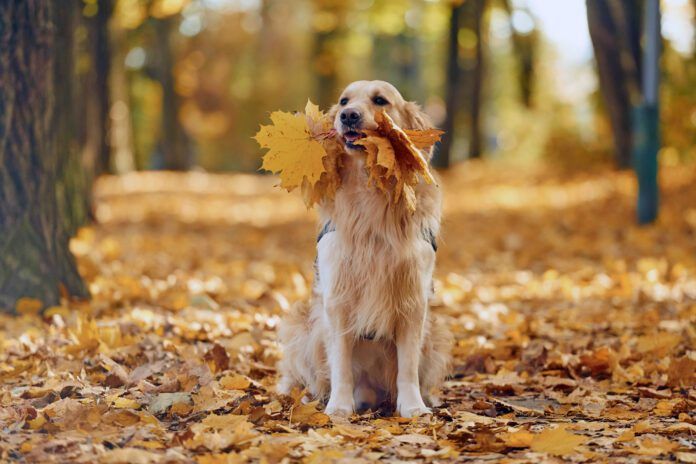
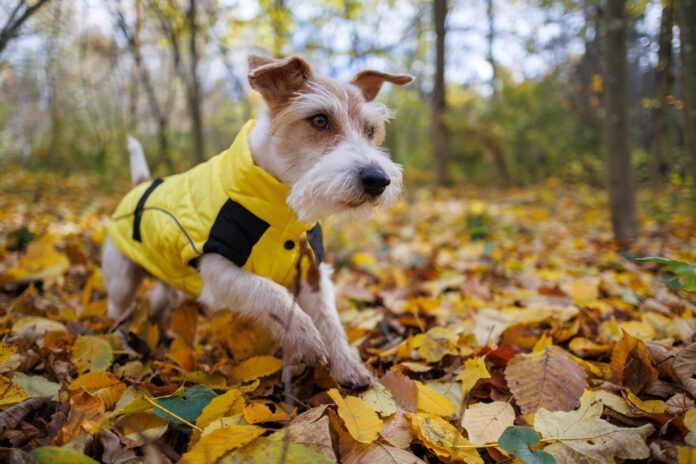
Your dog may think he wants that spicy food you’re preparing, but don’t give in. He won’t enjoy the “taste,” and it may even make him sick. Credit: Alexander Donin | Getty Images

Two common questions among pet owners is whether their dogs can taste spicy food and, more importantly, whether they should have it. The short answer is no to both questions. Dogs can’t “taste” spicy food and, no, they should not have it. It may even lead to diarrhea, vomiting, gas, and stomach pain.


Can Dogs Taste Spice?

While dogs have tastebuds, just like us, they have far fewer than we have. While adult humans have roughly 9,000 tastebuds, our canine companions only have around 1,700 of these specialized sensory organs. This reduced number means their range of taste perception is less complex. They can detect the basic tastes of sweet (something cats lack), sour, salty, bitter, and umami, but their sensitivity to these flavors varies. For example, dogs tend to be more sensitive to umami and meat flavors and less responsive to salt. When it comes to “spicy,” however, things get a bit more complex.

Spiciness is not a taste, rather it is a sensation. Specifically, it is the result of a chemical irritation caused by capsaicin, a compound found commonly in peppers and come other plants in the Capsicum genus. Capsaicin in plants likely evolved as a defense mechanism to deter mammalian herbivores from eating fruits and seeds, which can be destroyed during digestion.

Capsaicin activates a receptor in mammals known as TRPV1, which detects pain and heat. When capsaicin binds to this receptor, it creates a burning sensation that humans perceive as spicy. Dogs, like humans, have TRPV1 receptors and can therefore feel the burn of capsaicin. However, because they lack the psychological context for spicy food as something enjoyable, they usually find the sensation unpleasant and distressing.

Can Dogs Eat Spicy Food?

Given that dogs can feel the heat of spicy food and may experience discomfort from them, is it a good idea to feed them spicy foods? In short, no. Feeding dogs spicy foods can lead to a range of gastrointestinal problems including stomach pain, diarrhea, gas, and vomiting. In some cases, the irritation caused by capsaicin can lead to inflammation in the digestive tract. There is also the concern of creating a conditioned taste aversion.

If a dog has a bad experience after eating something spicy, they may then associate that discomfort with accompanying smells or foods and develop a reluctance to eat them in the future. Because of this, hot sauce is sometimes used as a deterrent to stop puppies from chewing on household items. Some owners try to stop chewing behavior by applying a small amount of hot sauce on furniture legs, electrical cords, or shoes. An alternative to hot sauce includes lemon juice or commercially available non-toxic bitter spray, which still carries an unpleasant flavor without the risk of causing mouth or digestive irritation.

While dogs can detect the burn of spicy foods through their TRPV1 receptors, they do not derive pleasure from it and may suffer from digestive upset as a result. While spicy substances, like hot sauce, may deter some puppies from chewing on household items, it carries with it risks and should be used sparingly and with caution. For the health and comfort of your dog, it is best to avoid spicy foods and stick to healthy, non-spicy treats that they can enjoy.

Is That a Snake Bite on My Dog?

A snake bite of a dog can indicate the need for immediate medical attention.
Dogs will fight snakes and can easily be bitten. If you suspect a dog snake bite, call your veterinarian immediately. Credit: Srisakorn | Getty Images

The dog snake bite timeline usually starts like this: You’re walking through the woods, and your dog is off exploring. Suddenly, he yelps, and you see a snake slithering away (possibly causing you to also yelp!). Venomous snakes can be found everywhere in North America. Was THAT snake poisonous?

Do not panic. If you panic, your dog will stress, which increases his blood pressure and moves any injected venom faster into his body. Remember, most dogs survive even venomous snake bites, and it’s possible your dog got a “dry bite,” which means no venom was expressed.

Snake bites can usually be identified by the bite itself. In general, nonpoisonous snake bites show horseshoe-shaped teeth marks, while poisonous snake bites tend to have one or two puncture marks from fangs, and they may be bleeding.

Dog Snake Bite Symptoms

Symptoms of a snake bite in a dog can vary with the type of snake. Nonpoisonous snake bites often do not swell or cause pain and require basic first aid. Venomous bites, however, tend to be extremely painful and are usually accompanied by rapid swelling.

In general, signs of venom poisoning include:

  • Restlessness
  • Diarrhea
  • Panting
  • Drooling
  • Wobbly gait
  • Vomiting
  • Shallow breathing
  • Shock
  • Death

Dog Snake Bite Identification

If your dog was bitten by a snake, head back to your car or home, quickly but calmly. Don’t waste time trying to identify or capture the snake. If it was a coral snake, you would know immediately by the bright coloration. The “big three” snakes can all look similar, and they are rattlesnakes, copperheads, and water moccasins. Fortunately, the same antivenom is used with all the “big three” snakes.

The venom of coral snakes, however, has neurotoxins and can lead to paralysis. Treatment for their bites requires special antivenom, which is why it’s helpful if you notice bright coloration on the snake. Not every veterinary clinic has it.

Emergency Protocol for Snake Bite in Dogs

Call your local veterinary clinic or emergency clinic to see if they have antivenom available. If not, ask them to track a source down so you know where to go. Again, don’t panic, for the common venomous snakes in North America, you almost always have some time, not just minutes like you see on some Western tv shows.

Do not put on a tourniquet or try to suck the venom out. You might do some harm and, if nothing else, you are wasting valuable travel time. Icing, antihistamines, and steroids are all on the list of things NOT to do for snake bites in dogs. If your dog was bitten on the face or neck, remove the dog’s collar because there may be swelling.

Antivenom is expensive, but it is the best chance for minimal permanent damage to your dog. Plus, especially for a small dog, it might be the difference between life and death. Your dog will usually be kept at the veterinary hospital for observation and bloodwork to evaluate him. Oxygen may be required if he has swelling in his face and/or neck.

Fortunately, most dog-snake encounters are with nonvenomous snakes such as garter snakes and black snakes or black racers. These are helpful snakes that eat rodents. If your dog attacks one, however, he might get bitten and the bite is painful.

If you find your dog hunting, catching and killing snakes, check for bite wounds. Wash any wound out thoroughly, with lots of water, saline solution, or dilute chlorhexidine solution. Observe for redness that might indicate an infection brewing. My Cirneco dell Etna, Tux, hunts snakes to my dismay (I like snakes and want our good snakes left alone!). So far, he has dispatched a number of snakes with no bites.

Avoid Snake Bites in Dogs

How to avoid snake bites? If you live in an area with numerous venomous snakes, consider having snake-aversion training. Ask your veterinarian or local dog club for reputable trainers.

Remember that snakes are not out hunting you or your dog. Given the option, they will leave. So be aware of the possibility of spotting a snake on hikes and, if you spot one, detour well around it. Check with local parks where you hike for the best times and ways to avoid snake contacts.

Best Dog Raincoats

The best dog raincoat will protect your dog in rainy conditions without being too hot during periods of intermittent sun.
Sunny weather during testing meant getting creative with the garden hose. Luckily, the Fjord Raincoat 2.0 was up to the task. Credit: Kim Campbell Thornton

It was pouring down rain in Paris late last September and the coat we had brought for Sparkles, while warm, wasn’t waterproof. So we put her in her stroller, zipped up the cover, and trudged off to Michette, a pet supply store about half a mile away. It carried dozens of dog raincoats in all styles and colors. Sparkles waited patiently as we tried them on her, looking for one that fit and wasn’t too difficult to put on. Finally, we threw ourselves on the mercy of the clerk. She quickly found just the right dog raincoat, in classic navy with plaid trim and a detachable fleece lining for warmth, from an Italian label called Fashion Dog. I mean, what else are you going to buy for your Cavalier in Paris? It fit great, was easy to put on and take off, and stood Sparkles in good stead through heavy rainfall in Bilbao, Madrid, and the south of France.

That brings us to my first piece of advice in the search for the perfect pet raincoat: if possible, buy in person and ask for advice regarding fit and features. Two raincoats we reviewed might well have featured in the Goldilocks tale: one was too big and one was too small, even though we selected them based on the listed size parameters.

Unless you’re in a large city, though, you probably won’t have access to multiple pet supply stores with a variety of woof-wear and knowledgeable salespeople. It’s just hard to tell from photos how a particular style will fit your dog, so be prepared for some trial and error if you’re ordering online. Fortunately, there are plenty of options for finding the best dog raincoat for your particular pooch’s needs.

What We Looked for in a Dog Raincoat

Fit: A good raincoat should be easy to put on and fasten, comfortable for the dog to wear, and provide good coverage from rain, whether in the form of sprinkles, showers, or a full-on downpour. We looked for the click-and-go ease of quick-release fasteners. I try to avoid Velcro fasteners because it’s easy for dog fur to get caught in them and painful to remove. Ease of movement is essential. Finally, will the dog be able to pee or poop while wearing it without soiling the coat or themselves?

Ease of cleaning: We checked whether raincoats could be machine-washed and dried and how quickly they dried after getting wet.

Extra features: A pocket for holding treats or poop bags is a nice touch. Some raincoats had hoods, which generally did not stay on well and were disdained by dogs. Reflective trim is an important safety feature.

The Best Dog Raincoats

Whole Dog Journal RatingProduct and MakerPriceSizesNotes
Ruffwear Sun Shower Dog Raincoat$64.95XXS-XXLOur best overall pick. Easy to put on; fits well; comfortable for dog; offers good coverage.
Fjord Raincoat 2.0$94.99-$99.9924-90Best for athletic dogs. Easy to put on but access for the leash is inconvenient. High quality with price to match.
Golden Rainpaw II$698, 10, 12, 14, 16, 18, 20, 22, 24, 26Best for tall or long-bodied dogs. Strap is difficult to adjust, but coat offers good coverage. Doubles as a post-bath drying coat.
New York Dog Harness Raincoat With Reflective Trim$39.958, 10, 12, 14, 16Back is too short for good coverage. Hood is cute but not functional. Made well.

Best Overall Dog Raincoat: Ruffwear Sun Shower Dog Raincoat

The best dog raincoats combine coverage and comfort.
In addition to being easy to put on, the Ruffwear Sun Shower Dog Raincoat offered great coverage and comfort. Credit: Kim Campbell Thornton

This cheery yellow raincoat in an XS size—fitting dogs with a 17- to 22-inch girth—was tested on Charlie, an 18-year-old terrier mix who weighs 20 pounds. Features of the Ruffwear Sun Shower Dog Raincoat include side buckles, a “storm collar” that folds upward for extra protection, and leg loops for a secure fit. Beyond the bright color, vertical reflective accents at the back, middle and neck provide additional visibility on dreary days or in the evening.

Charlie’s owner, Jennifer, said the fit was good, although she had a little trouble finding where the fastener attached on one side of the coat. (I had the same issue when I tried it on Sparkles because it’s covered by a flap.) I had originally requested Ruffwear’s Cloud Chaser for testing, but they suggested I try the Sun Shower instead, saying “It offers the same protection from precipitation and wind as the Cloud Chaser, but it features better coverage along the length of the dog—protection from mud and dirt—and is more breathable in moderate weather conditions.” Since it is July and not raining in California as I write this, I was happy to make the substitution.

Jennifer used a hose to test how well the coat kept Charlie dry and said only his feet got wet. It did take a little while for the coat to dry afterward. Jennifer said, “The water beaded up on the coat and just stayed there.” She loved that it was lightweight and that a double flap in the back offered extra coverage. Neither Charlie nor Sparkles minded the leg loops. Buyers said, “Great rain jacket! Provides very good coverage and fits very securely. Also looks fantastic” and “Fits perfectly. Love the color and the fabric is top quality.” A pocket for holding poop bags or treats would be a plus, but it’s not a must.

Best Raincoat for Active Dogs: Fjord Raincoat 2.0

A dog rain coat should be easy to put on over a harness while allowing a dog to remain mobile.
Lightweight and comfortable, the Fjord Raincoat 2.0 works best when the dog is wearing a harness. Credit: Kim Campbell Thornton

Scandinavians know weather. The Fjord Raincoat 2.0 was designed in Norway, inspired by the changeable weather of the fjords, moving from sunshine to heavy rain in minutes. We tested it on Dante, a Lagotto Romagnolo who lives in sunny Southern California. It was easy to put on with quick-release buckles that fasten around the belly, and it fit well, thanks to leg straps that keep it from flapping around. Dante didn’t mind them and ran around freely while wearing it.

His owner, Tamela, made it rain with the hose, and the water beaded right up on the fabric, keeping covered areas dry. The high-necked design protects that area as well. There’s no access slit for a leash at the neck, but there is one mid-back, making it suitable for dogs wearing harnesses, although one buyer complained about its placement. Cinch points allow the fit to be adjusted at the head, neck, and tail. Reflective strips aid visibility in a gloomy Norwegian wood or on night walks.

Overall, buyers who reviewed the coat online were pleased with their pricey purchase, with some caveats. One wrote: Fits my dog so perfectly! I didn’t expect the jacket to be so lightweight. I also love the buckle and the adjustable elastic straps. My dog stays dry and comfy, even in windy conditions. Another says: “Five stars for being a real raincoat, not just a nylon coat that doesn’t shed water. But the access to connect the leash to a harness under the coat is less than wonderful. Works okay if the dog is always out in front. If the dog is behind, as mine often is, the leash pulls the coat forward off the butt. I’ll have to put the harness on top, adjusting the size every time, or get a second harness just for over the raincoat.” Some reviewers didn’t like that the strap wraps around the outside of the coat, exposing it to rain. Tamela solved that problem by strapping it underneath and laying the jacket over it.

Best Raincoat for Tall Dogs: Goldpaw Rainpaw II

A critical element in finding a dog rain coat is the fit of the coat.
Not only does the Goldpaw Rainpaw II keep the rain off, it is also machine washable. Credit: Kim Campbell Thornton

We had some issues with the Goldpaw Rainpaw II, but it had potential good points as well. This was a difficult raincoat to test because it didn’t fit any of the three test dogs well. I requested it in a size 14, which should have fit a 15- to 25-pound dog with a 19- to 23-inch chest. Sparkles has a 19-inch chest and weighs 15 pounds, so I thought it would work for her. The adjustable strap had to be cinched all the way to get it to stay on well. Because the strap is thick and stiff, it isn’t easy to adjust, so that’s a possible frustration for buyers.

We also tried it on Charlie, who weighs more, to see if it would be a better fit, but even tightened it slipped and slid as he moved. I ended up testing it on Sparkles and it stayed on well during a walk. When I put her in our walk-in shower to simulate rain, the coat showed its benefits. This isn’t a full coverage dog raincoat (no leg coverings), but because of its length and the shawl collar design, her neck, back, sides, and half of her tail stayed dry. That’s a plus, and it mirrors what commenters who had purchased it said: “The design is great at keeping the chest and most of the underside clean and dry” and “It covers all but his head and keeps him dry. I especially like the belt because it does not come undone as Velcro will.”

The material is lightweight and stretchy. None of the human testers especially liked the feel of it, but it clearly keeps dogs dry and is lightweight enough to be layered over another coat for additional warmth and weather protection. It’s machine washable and dryable.

We Also Tested: New York Dog Harness Raincoat With Reflective Trim

Coverage should be another key element in selecting a dog rain coat.
The New York Dog Harness Raincoat is well made but didn’t offer as much coverage as we would have liked. Credit: Kim Campbell Thornton

This red dog raincoat with hood was selected for a Lagotto Romagnolo, whose owner liked it for the built-in harness. I requested it in a size 16 for dogs with chest measurements of 23-27 inches and weighing 25 to 35 pounds. Dante weighs 35 pounds, so he was at the top end of the size range. The coat’s length is 15 inches, and it did not cover his rear—not even close—and was short on the sides. I noticed the same problem on the dog modeling the coat on New York Dog’s website. A buyer review says: “Doesn’t really cover from rain but works well as a windbreaker and doesn’t pull on the neck.” We tried it on Sparkles, and it covered more of her rear end, but still not quite all the way to the tail. The hood is cute, but a brief shake of her head had it off, so I wouldn’t rely on it to keep ears dry. Charlie, a 20-pound terrier mix, also tried it on and was not fully covered.

Unusually, it fastens with a zipper, which operated smoothly. That wasn’t too much of a problem for Dante or Sparkles, but I can imagine that a lot of dogs wouldn’t sit still for being zipped in, and for longhaired dogs, you have to be careful not to get fur caught in it. The harness is adjustable, but there are no rear leg straps to help the coat stay on the dog. We did not test in “rain” because it was obvious that none of the test dogs would be fully protected.

On the plus side, the reflective trim is useful for night walks, and it has a pocket with a snap closure on top that can hold treats or poop bags.


How Often Should I Take My Dog to the Vet?

2
How often should you take your dog to the vet? Once or twice a year for routine checkups is the minimum for a healthy dog.
Take your dog to the vet at least once a year to get vaccinations, have a health checkup, and catch any illnesses sooner than later. Credit: Dann Tardif | Getty Images

Even if they appear healthy, routine vet visits for dogs are essential for early detection of health issues, disease prevention, and maintaining a high quality of life. Many pet owners wait until their dog shows signs of illness before scheduling an appointment, but by then health issues may have progressed to a point where they are both more complicated and more expensive to treat.


How Much Does a Vet Visit for a Dog Cost?

The cost of veterinary care varies significantly depending on your location and your dog’s specific needs. On average, a wellness exam costs between $70 and $150, though it may be higher in urban areas or for specialty clinics. Vaccines typically cost around $15 to $100 each, depending on the vaccination itself, often plus an office-visit charge.

Basic bloodwork panels can cost between $80 and $200, depending on how comprehensive the testing is. Additional services, such as fecal exams, urinalysis, or heartworm and Lyme testing will add to the cost of the visit. Pet insurance or wellness plans offered by some veterinary practices can help offset these expenses and make preventative care more affordable.

How Much Is a Vet Visit for a Dog Without Insurance?

The cost of a vet visit without is the same as the cost of a vet visit with insurance. That’s because, for most pet insurance policies, you must pay the veterinarian at the time of service and then submit a claim to your insurance for reimbursement. Some plans do offer forms of direct pay to the veterinarian, but they each have their own system. And, for basically all of them, your veterinarian must be willing to accept this method of payment.

How Often Should You Take a Dog to the Vet?

For most adult dogs, a vet visit once a year is the general guideline, and even if you think your dog is well, it’s important for your dog to see your veterinarian once a year to remain an active client.

An annual wellness check typically includes a physical exam, vaccinations, and possibly screening tests, such as bloodwork, depending on the dog’s age, breed, medical history, and lifestyle. During a physical exam, the vet will check your dog’s heart, lungs, ears, eyes, teeth, and overall body condition. They may ask you about your dog’s behavior, diet, and activity level to assess any subtle changes that could indicate an underlying problem. Vaccinations, such as rabies, distemper, and Bordetella, are often updated at these appointments as well.

Bloodwork, which is often recommended for dogs annually, especially as they age, typically includes a complete blood count (CBC) and a chemistry panel to evaluate organ function. Bloodwork can uncover infections, anemia, diabetes, liver and kidney problems, and more. While not always necessary at every visit, annual or bi-annual bloodwork gives your vet a baseline to detect changes, which can be early signs of disease.

Puppy Veterinary Visits

Puppies require more frequent vet visits, usually every three to four weeks until the puppy is around 16 weeks old. These early visits are focus on vaccination series, deworming, parasite prevention, and monitoring growth and development. After the first year, most dogs transition to the once-a-year schedule, but some dogs, particularly those with chronic health issues, senior dogs, or dogs on long-term medications, may need checkups every three to six months.

Even if your dog seems perfectly healthy, regular vet visits allow for early detection of diseases that may not yet show symptoms. Conditions like kidney disease, thyroid imbalances, dental disease, arthritis, and certain cancers can be identified through physical exams, bloodwork, and urinalysis before your dog begins to act sick. Catching these issues early often leads to better outcomes for your pet and can significantly extend their life. Additionally, routine checkups allow your vet to keep your dog up to date on flea, tick, and heartworm preventatives, which are critical for long-term health and comfort.

Vet visits are not for just when your dog is sick, they are an essential part of preventative care that can help detect problems early, maintain your pet’s health, and ensure a longer, happier life. While the costs of routine veterinary care can add up, they are often far less than the expense associated with treating advanced illnesses, making regular vet visits a wise and compassionate investment.

Best Slicker Brushes for Dogs

A young woman brushing a long haired golden retriever with a slicker brush.
Anyone with a long-haired dog, especially one with a thick coat, will tell you that a slicker brush with varying sized bendable pins is a grooming-box staple. Credit: Eugenio Marongiu | Getty ImagesEugenio Marongiu | Getty Images

If you have a medium- or long-coated dog with silky to floofy fur or a curly-coated dog like a Poodle or a Doodle, a slicker brush should be part of your grooming box. In this article, we’re going to explain what a slicker brush can do, the finer points of using a slicker brush, and how to choose the best slicker brush.


What Is a Slicker Dog Brush?

A slicker brush has a handle and a wide head, which has flexible, bendable pins of differing lengths. Slicker brushes are great for shedding. While they are designed for general grooming, good slicker brushes also remove and/or prevent mats in the coats. Slicker dog brushes are especially great for removing debris, burrs, and other plant matter that seem to grab onto these kinds of coats when the dog is out and about enjoying sniffaris.

How to Use a Dog Slicker Brush

Dog slicker brushes are used like brushes but with a lighter touch. Some are a bit firmer than others, with cause, depending on the goal. For instance, dogs with thicker coats might require a firmer brush, while a dog with softer hair will do well with a softer slicker brush. With such an abundance of sizes and styles out there from small to large, wide base to small base—even self-cleaning with some brands—we collected five slicker brushes for dogs that we think are the most popular and compared them.

How to Pick a Good Dog Slicker Brush

The best dog slicker brushes pull hair and matts from a dog effectively
A good slicker brush will pull hair and debris from your dog’s coat but will require frequent cleaning. Credit: A good slicker brush will pull hair and debris from your dog’s coat but will require frequent cleaning. Credit: Lightspruch | Getty Images

The best slicker brush depends upon your dog first and then your preferences.

Self-cleaning slicker brushes: These have a much thicker visual base than regular slickers. This may be a concern if that visual might cause some anxiety in your dog. Just be aware your dog may take longer to get used to using a self-cleaning slicker brush. Slicker brushes need to be cleaned periodically while grooming as they fill with fur. A self-cleaner basically retracts the pins and you brush away the fur. The regular brushes require you to pull the hair out, much as you do your own hairbrush.

Pin length and bends: The length and flexibility, or softness, of the pins will concern your dog. A thick-coated dog like a Collie, Sheltie, or Australian Shepherd will require longer pins to get deeper into the coat. A Papillon, a long-haired, single-coated, breed requires softer flexible pins.

Types and shapes of handles: These matter for the human’s comfort when using the brush. A slimmer ergonomic handle is usually the most comfortable option, but your hand size will determine comfort for you. Most slicker brush handles have a rubbery, comfortable feel.

How We Selected Our Favorite Slicker Brush

We chose what we determined to be the five most popular slicker brushes available, based on recommendations from dog competitors, dog trainers, and regular dog parents.

We then compared each brush’s ease of use as well as how heavy each felt in our hand. We evaluated how comfortable each was to hold while in use.

The visual of the brush head with how the dog would see it was an important factor for us. A larger visual can mean a more anxious dog, depending on that dog’s level of anxiety with this process.

And, of course, of primary importance was how comfortable the dog felt when being brushed with each brush, using a solid knowledge of dog body language to determine how the dogs reacted to each brush.

Finally, we compared the ease of cleaning of each brush.

The Best Slicker Brushes for Dogs

RatingProduct and ManufacturerPriceNotes
Chris Christianson Big K Slicker Brush$59.90Well-designed, comfortable for dog and handler, and did a great job. A top-quality brush, although the price may give you pause. Our top choice.
Hertzko Flexible Slicker Brush$12.99This brush isn’t perfect. We’d like a more comfortable handle, but our dogs liked it and you’re getting a lot for the money here. Our best buy choice.
Swithawk Self Cleaning Slicker Brush$19.98A bit heavy and maybe too large for smaller hands, but the handle felt soft.
It has a self-cleaning feature that we loved, and it gives you color choices. It’s worth considering.
iToleeve Dog Brush & Slicker Brush$20.99This brush comes with a flea/tick comb. It felt light in our hands, especially for a dual-sided brush. The pins were bendable, and it cleaned nicely. But both our dogs and us preferred other brushes.
Coastal Pet Safari Curved Firm Slicker Brush$10.49The least expensive brush in our comparison and advertised as firm. Too firm for us, unfortunately.

Here’s what we found:

Best Overall Dog Slicker Brush: Chris Christianson Big K slicker brush:

4 Paws

The Chris Christianson slicker brush was a dream to use, pulling out those tiny clinging burrs that fall weather in the Northeast brings in abundance, and leaving the coat looking great.

The Big K was a dream for dense long-haired coats. We found it to be the best dog brush for shedding and debris removal for this type of coated dog. It very gently but thoroughly pulls out the undercoat with barely any pressure on the dog in question.

The handle is comfortable and ergonomically designed. It’s one of the more expensive slicker brushes on the market, but it’s worth the price. Retails for $59.50. Our top choice.

Chris Christianson Big K Slicker Brush

Best Budget Dog Slicker Brush: Hertzko Flexible Slicker Brush

3 1/2 paws

This brush has a wide brush head that we liked. It’s a little heavier than most other slicker brushes, probably due to its metal backing to the brush head. We found the pins area was a bit longer and better curved than the self-cleaning brush options. The handle is comfortable but not as ergonomically designed as the Chris Christianson. One dog who was not a big fan of slicker brushes in general, retreated from all the brushes except this one and the Chris Christenson. That said, most dogs can be conditioned to tolerate and even enjoy being brushed with an appropriate brush at the most appropriate pressure for that dog.

This brush was a bit more difficult to clean than the others in this comparison, probably due to the wider brush base, but it was really no more than most slicker brushes that didn’t make the initial cut. At $12.99, it’s a great deal for both price and function, and we’re going to call it our best buy.

Hertzko Flexible Slicker Brush

Best Self Cleaning Dog Slicker Brush: Swihawk Self Cleaning Slicker Brush:

3 paws

The Swihawk brush has a larger presence than many slicker dog brushes due to the self-cleaning feature. That means that the end piece that has the enclosed brush in it is thicker than those that are not self-cleaning. Because of that larger presence and the self-cleaning feature, it is also heavier than most, even the Hertzko one with the metal base for the pins. It also has a thicker handle, which may not be ideal for smaller-handed groomers.  However, it is curved and feels soft in the hand.

The self-cleaning feature is superb and oh so easy to use. You can remove all the fur that you just brushed out pretty much in an instant with this brush. The pins in this brush are shorter than others in the comparison and less curved, which may be issue for some dogs, especially if your dog’s fur is longer than the pins! For a shorter or perhaps silkier-coated, this would work great. Overall, the self-cleaning option is very attractive. It also comes I color choices, if that matters to you. Priced at $19.98, this brush is worth considering.

Swihawk Self Cleaning Slicker Brush

Best Slicker Brush for Dense Coats: iToleeve Dog Brush & Slicker Brush

3 paws

This is a dual-headed and dual-sided brush. One side has straight pins, and the other side has curved pins of a nice length. It’s promoted as being a gentler option for more sensitive dogs, but our test dogs didn’t seem to agree. It seemed to pull on the fur a bit more than the other options, aside from the Safari. The brush does not have a large presence, the handle is quite comfortable and grippy, and the brush feels very light. It is very flexible and does seem to bend into the brushing again as advertised. It was easy to clean probably because of that dual head on each side. For denser coats, like German Shepherds have, it seemed to work great. It comes with a coordinating flea and tick comb for $20.99.

iToleeve Dog Brush & Slicker Brush

We Also Tested: Coastal Pet Safari Curved Firm Slicker Brush

2 paws

As the name indicates, this brush is firm. It has a small presence with its compact head. The handle was comfortable, albeit a bit shorter than the others. The pins are reasonable long and perfectly curved. The instructions for use for each type of dog coat that this brush may work for are very detailed, which is super helpful. The manufacturer does suggest using a light touch with longer flowing coats. We agree. This brush is the least expensive choice, retailing for $10.49, but we shy away from it due to its firm pins.

Coastal Pet Safari Curved Firm Slicker Brush

The most important take away here is to make sure that you read the details on which type of coat that each slicker dog brush is meant to be used for and what they do best. This will help you choose the right one for your own dog and help you maintain that glossy coat we all love. And if you’ve never used one on your dog before, take it slow and let the dog get used to the feel of the slicker brush. Happy grooming!

Do Allergy Shots Offer Lasting Relief for Dogs?

2
A dog allergy shot using one or two common medications can offer long term itch relief.
All that itchy and scratching annoying you and your dog can often be stopped with a dog allergy shot. Credit: Dimarik | iStock

The sight of your dog constantly scratching, licking, or chewing is a familiar and distressing one. Allergic reactions in dogs, often described as itchy skin (or more technically atopic dermatitis), can significantly impact their quality of life.

Fortunately, veterinary research has made great strides, offering a range of effective dog allergy medicine that go beyond simply managing symptoms and now include immunotherapy (e.g., allergy shots), specialized medications like Apoquel and Cytopoint.

Symptoms of Dog Allergies

The most common allergic symptom is itchy skin, but symptoms can also affect the digestive system, resulting in vomiting and diarrhea.

Allergies That Affect Dogs

The three most common allergies in dogs are:

  • Flea allergy, which occurs as a reaction to flea saliva, is considered the most common allergy affecting dogs,” according to the University of Illinois Veterinary Teaching Hospital, though that varies based on geography. “For example, fleas do not survive well in the Southwest. Environmental allergies are more common there.”

Dogs with flea-allergy dermatitis can get very itchy from only a couple of flea bites. The most affected areas are usually around the base of the tail. If you think your dog may be suffering from flea allergies,  check for fleas and flea dirt on your dog and home.

  • Environment: Like you, your dog can be allergic to environmental factors. As the term implies, environmental dog allergies stem from something in your dog’s surroundings. These could be airborne substances in your home, backyard, or wherever else your dog hangs out and include pollen, dust mites, mold, and grasses.

    These allergies are often triggered by inhaled allergens like dust, mold, pollen, or other plant or animal particles. The allergens can also be absorbed through the skin, leading to a condition called atopic dermatitis, characterized by itchy and inflamed skin

  • Food allergies, which are the least common, occur when a dog’s immune system overreacts to certain ingredients in their diet. Food allergies can occur even if your dog has eaten the offending food many times before. Note that there’s a difference between food allergies and food sensitivities.

    True dog allergies are an immune system reaction to foods the body thinks are harmful, often protein. So, the immune system creates antibodies that trigger allergic reactions. These could show up as wheezing, skin eruptions, itching or swelling. But true food allergies are rare, and experts estimate they affect less than 10% of dogs who experience food reactions.

    Signs of food allergies in dogs, according to Medvet, a network of veterinary emergency and specialty hospitals, include “persistent itching, licking, or chewing different areas of their body, getting secondary yeast or bacterial skin or ear infections, or repeated gastrointestinal signs like vomiting, diarrhea, or excessive gas.”

Allergy Shots for Dogs

“Allergy shots [or  immunotherapy] are the best long-term treatments for controlling environmental allergies in dogs,” says Dr Aimee Warner, a veterinary surgeon at Medivet.

They do this by slowly desensitizing the immune system, gradually training it not to overreact to the offending allergens such as pollen, mold, or dust mites, Dr. Warner says.

“It is highly individualized, based on allergy testing, and can really cut down on symptoms in the long run. While a commitment, many dogs see drastically improved quality of life without resorting to constant medication,” says Dr. Warner

Dog Allergy Medication Options: Cytopoint vs. Apoquel
Several drugs are often used to manage allergic symptoms in dogs, including antihistamines and corticosteroids, according to Warner. “However, the best options in cases of moderate to severe allergies are usually Apoquel and Cytopoint. Both drugs target the itch-scratch cycle in a different way and help suppress inflammation. While over-the-counter antihistamines like Benadryl may have some weak effect, they are usually ineffective in severe cases of allergies.”

Cytopoint is an injectable monoclonal antibody that, Warner says, inhibits a protein that causes itch in dogs. It acts in 24 hours and lasts four to eight weeks per injection. “The best thing about Cytopoint is how targeted and safe it is — it’s not an immunosuppressant, so it’s ideal for dogs that cannot handle other medication. It’s particularly effective in dogs with chronic allergic dermatitis.”

Like Cytopoint, Apoquel is a first-line treatment for allergic itch, but these medications are not interchangeable. It inhibits specific pathways (JAK enzymes) involved in itch and inflammation to dampen the immune system, with quick relief that is typically seen within hours. Cytopoint injections are given monthly and target a particular itch-inducing protein.

“I tend to prescribe Cytopoint for younger dogs or dogs with chronic allergy management requirements, while Apoquel might be better for short-term relief or when injections are not possible. Some dogs even do well with a combination strategy, depending on the response,” Warner says.

Immunotherapy For Dog Allergies

While allergy shots offer hope for dogs plagued by allergies, they aren’t perfect solutions for every dog or dog owner. According to leading veterinary dermatologists and research from veterinarian schools at institutions like Cornell University, and the University of Wisconsin here are three things to consider:

  • It can take six to 12 months to see the full benefits, and initial injection frequencies can be high before moving to maintenance (typically about every four weeks).
  • Many dogs require lifelong maintenance injections to sustain the benefits.
  • Initial testing and treatment can be an investment, though it may be more cost-effective long-term by reducing reliance on symptomatic medications.

For a Tailored Approach to Allergy Relief Partner With Your Veterinarian
Managing dog allergies requires a partnership between you and  your veterinarian. Whether through the long-term, disease-modifying approach of immunotherapy, or the effective symptomatic relief offered by medications like Apoquel and Cytopoint, the goal remains the same: to alleviate your dog’s discomfort and restore their quality of life.

A thorough veterinary examination and discussion of your dog’s specific needs, lifestyle, and your preferences will help determine the most appropriate and effective treatment plan.

Developing a Dog Exercise Routine

0
A dog exercise routine provides your dog with mental stimulation as well as physical health.
Belinsky does canine conditioning with her blind dog, Mack, to keep him active. Credit: Howling Moon Photography/Courtesy of Canine Athletics Training Center

Keeping your dog well-exercised has a variety of benefits. Not only will you keep them at a healthy weight and their muscles limber, you can also use exercise as a way to bond with your dog and provide them with mental enrichment.

Before you begin an exercise routine with your dog, there’s a lot to know. We chatted with canine physical therapist Dr. Courtney Wheeler, PT, CCRT, from Walking Paws Rehab in Boulder, Colorado, and canine conditioning coach, Kirsten Belinsky, CPDT-KA, CSCC, from Canine Athletics Training Center in Longmont, Colorado about all things dog exercise.

What Kind of Exercise is Recommended for Dogs?

Dog exercise can take many forms from agility to diving to strength and balance.
Sport dogs can benefit greatly from having a varied exercise plan that includes conditioning and recovery. Credit: Howling Moon Photography/Courtesy of Canine Athletics Training Center

There are tons of exercise options for pups. Daily walks, running with your dog or engaging in canine sports like agility, flyball, or dock diving are all ways to get your dog active.

Canine conditioning, or strength and fitness training for your dog, is another highly recommended way to exercise your furry friend. Belinsky says that canine conditioning is a great way to prevent injury, build muscle and stability, and work your pup’s brain.

“We ask dogs to activate different muscle groups by putting their paws on different kinds of equipment (both stable and unstable), isolating various body parts, and asking for specific, controlled movements,” she says.

Canine conditioning is a fantastic activity for most dogs. It’s ideal as a cross-training activity for canine athletes who compete in agility, flyball, competitive obedience, and other sports. It’s also helpful for older dogs who need help keeping muscle tone and flexibility and is a great way to build confidence.

“Canine conditioning is elective, and dogs gain confidence by learning new behaviors and getting on new equipment,” says Belinsky.

How Much Should Dogs Exercise?

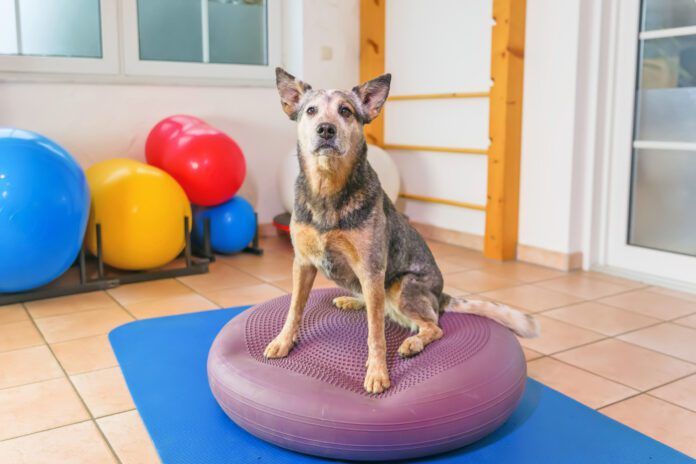
Learning to stand on unstable surfaces is a form of low-impact dog exercise that improves a dogs condition.
Canine conditioning often includes teaching the dog to stand on unstable surfaces. Credit: Howling Moon Photography/Courtesy of Canine Athletics Training Center

Before you start canine conditioning or any other dog exercise, Belinsky says that you should make sure your dog is in good physical health.

“They should be cleared for activity by your vet, especially if they have previous injuries,” she says. “You should also take your dog’s current physical fitness level into account when starting — if they don’t get a lot of exercise, don’t start with a lot of conditioning right off the bat.”

If you need help determining how much exercise your dog should be getting, Wheeler recommends taking your pup’s breed, age, and health status into account and gives the following recommendations:

Breed/Drive:

  • Consider what your dog was bred to do. Some breeds, like Border Collies, Viszlas, and Huskies, were bred for endurance running and working. These breeds should often be exercised for one to two hours per day through a “combination of walks, off-leash running, or structured play.” Wheeler says that brachycephalic breeds like Pugs or Bulldogs typically require “shorter, gentler activity due to breathing and heat intolerance, such as shorter bursts of play, [and] short, leashed walks during cooler periods of the day.”

Age:

  • Puppies: Wheeler recommends short, frequent play sessions and controlled walks with young pups. “Avoid overexertion or repetitive high-impact activities while growth plates are open,” she says. Your dog’s breed and size will impact when their growth plates are fused—typically 18-24 months for large breeds, 6-12 months for small breeds, and 12-14 months for medium breeds.
  • Adults: Wheeler says that as a rule of thumb, most healthy adult dogs should get between 30 to 60 minutes per day of moderate to vigorous activity daily.
  • Seniors: Just because you have an old dog, doesn’t mean they don’t need exercise. In order to “maintain mobility, circulation, and mental well-being,” Wheeler recommends short, frequent activity sessions for older dogs. “I generally advise people that if your dog looks the same coming back from a walk as when they left the house for his/her walk indicates the perfect distance. It is also important to note how your senior dog is able to transition after their activity—are they slow to rise or stiffer after getting up from a nap following a long walk?”

Health & Conformation:

  • “Dogs with orthopedic conditions (like hip dysplasia, arthritis, CCL tears, elbow dysplasia, luxating patellas, etc.) need controlled, low-impact activity,” Wheeler says. “Low-impact exercises include: leash walking, gentle incline work, swimming, or underwater treadmill sessions.”

How Do You Know if You’re Not Exercising Your Dog Enough?

Wheeler says that there are a number of physical signs that can indicate if you’re not exercising your dog enough, weight being one of them.

“If a dog is gaining excess weight or losing muscle mass, it can be a sign they aren’t moving enough, or may be exercised incorrectly,” she says. “On the other hand, dogs that look fit but tire very quickly or recover slowly may not be getting the right kind of exercise.”

Wheeler also recommends that pet parents watch out for joint stiffness, weakness, and decreased endurance/stamina as signs that your dog may not be exercising enough on a regular basis.

From a behavioral perspective, dogs who engage in undesirable behaviors like pacing, whining, or being destructive may need more physical and mental outlets for their energy.

Can Dogs Over-Exercise?

Dogs can easily over-exercise. High drive dogs are known to play until they drop, and Wheeler says that over-exercising can also happen when a dog’s activity level “increases too quickly or is not appropriate for their age, breed, or conformation.”

To prevent overexercising, Wheeler encourages pet parents to learn and keep an eye out for the following red flags:

  • Limping or stiffness after activity
  • Excessive panting or trouble cooling down during the activity
  • Fatigue or reluctance to move the day following the activity
  • Desire to spend much of the day lying down instead of engaging in normal activity and interests
  • Worn nails or paw pads
  • Behavior changes like irritability with their owner and other dogs

What To Consider Before Starting a Dog Exercise Plan

Ensure you take your dog’s age, weight, breed, drive, and health status into account before starting an exercise program, and check with your vet about appropriate outlets for your dog.

Wheeler also notes that it’s important to “adjust the plan based on how the dog is moving during and after activity, rather than how they are acting.”

She mentions that all dogs have different tolerance levels for activity, and that while some dogs will avoid activity if they’re uncomfortable, others will push through discomfort during activities they enjoy.

How To Create an Exercise Routine for Your Dog (and Prevent Injuries)

Stretching like a down dog, is a low impact dog exercise.
Down-dog stretches are a good way to help your dog warm up before exercise. Credit: Howling Moon Photography/Courtesy of Canine Athletics Training Center

Start Slow

When creating an exercise routine for your dog, Wheeler says that starting gradually is one of the best ways to ease your dog into activity while preventing injuries. “I like my patients to increase duration before increasing intensity over time,” she says. “For example, increase time hiking with gradual/rolling terrain, before adding or progressing elevation gain.”

Match Exercise to Your Dog’s Conformation

Wheeler also recommends matching exercise options to your dog’s anatomy/conformation.Some dogs may appear lazy or disinterested in activity when in reality, pain or physical limitations are holding them back,” she says. “A physical therapist or vet can help assess this and guide a safer, more effective routine.”

Mix It Up

Cross-training and variety help prevent injuries and over-exercise and will keep your dog engaged and excited about exercising. “Build each one of these into your dog’s routine: strength work, balance work, flexibility, and bodywork/massage,” says Wheeler.

Mixing up the length and intensity of your dog’s walks and avoiding repetitive motions like daily fetch, agility, flyball, disk, and hiking will help “avoid undue strain on joints and soft tissue,” says Wheeler.

Warm Up Properly

Don’t skip the canine conditioning warm ups. Just like humans, dogs benefit greatly from warming up their muscles before engaging in rigorous activity. Walking for a few minutes and practicing some basic exercises and stretches can help.

Belinsky recommends pet parents teach their dogs a “paws up” command. “By asking your dog to put their front paws on a variety of objects, you are asking them to load weight into their rear end and work those rear end muscles,” she says. “You can change the objects you are using to make it harder—maybe the object is a bit taller, or unstable (such as a yoga ball that you hold onto).”

Teaching your dog to do down-dog stretches on cue, do figure 8s around your legs, or side stepping are other good warm-up options.

Consult a Rehab or Canine Conditioning Specialist

If you’re unsure what activities, durations, or warm-ups are good for your dog, look to a local vet rehab clinic or for a canine conditioning program near you or online. Rehab and canine conditioning professionals can assess your dog and set you up for success when developing a dog exercise program.

How to Train Your Dog to Respond to a Dog Whistle

Dog whistles whether they're audible or not can play an important role in teaching your dog training cues.
Teaching your dog to come to a dog whistle takes a clear plan, consistency, and repetition. Credit: Fertnig | Getty Images

Dogs can learn to respond to all sorts of sounds and cues, but among the most effective for a solid recall, or “come,” is a whistle. While you don’t need a special dog training whistle—and we don’t think there is a “best dog whistle”—you should consider a fixed-pitch whistle, such as the Acme 211.5 whistle, because consistency is important in training.

In this article, we are going to explain how to use a dog whistle to teach a recall. We’re not going to discuss using a dog whistle to stop barking. We want a whistle to be a positive cue to do something, not stop doing something.

Why Train Your Dog to a Whistle

A dog whistle can get your dog’s attention better than your voice, especially because voices can reflect emotion, like panic, excitement, or even anger. A whistle is consistent.

Before we start, the benefits of training your dog to come to a whistle include:

  • If your dog is starting to lose his hearing, the whistle will often still be heard even when he can no longer hear your voice
  • If you have inadvertently poisoned your “Come” cue, the whistle is a great alternative
  • If the dog gets lost, the whistle sound travels much farther than a verbal recall
  • The whistle can be heard over nature’s sounds even the surf, thunder, rain, etc., and even manmade sounds like a generator or loud trucks
  • The whistle is never annoyed, angry, scared, or panicked—it sounds the same every time

The relationship between you and your dog must be in place first before working on the whistle. Start by dropping any negativity. Stop all physical and verbal punishments, including the word “No.” Why? “No” easily escalates into a screamed “No!” dredging up negative emotion, which is then transmitted to the dog.

Before we discuss the actual whistle, we need to have a few things in place first:

  • Eye contact
  • Name response
  • A verbal recall cue

If you’ve poisoned your dog’s name or verbal come cue—meaning those words mean nothing to your dog because you have used them inconsistently—now is the time to change them.

Grab a clicker, have a handful of small high-value treats. Click once and hand the dog a treat (within a half second). Repeat for two solid minutes. You should never need to do this step again.

In the same session, grab another handful of treats, put your food hand behind your back and wait. Pretty much 99% of dogs will look up at your face and ask, “Why did you stop?”

  1. The instant he looks at you, click and treat (C/T) and don’t say anything. Repeat for two to three minutes, two to three times per day. You can’t train a dog to do anything if they aren’t willingly looking at you.
  2. Next up is name response. Same session: When dog looks at your face, say his name, C/T. Do not say anything to get him to look at you. Just silently wait.
  3. Same session, adding in a verbal recall. Without moving, when dog looks at you, say his name, take a short breath, and then your come cue, then C/
  4. Why no movement? We discuss that below.

Practice the C/T Response

Practice items 1-2-3 two to three times per day, two to three minutes at a time in as many locations as you can (on leash if not in a fenced in area). Dogs don’t generalize. What they learn in the kitchen stays there. Start with quiet places and then gradually go to busier places with slightly more distractions. Still just eye contact, then eye contact plus the dog’s name, then eye contact plus the dog’s name plus “come.” Don’t skimp on these steps. If your dog has a history of ignoring you, we need to change that now. And, don’t forget to breathe.

  1. Add this to items 1-2-3. Same session. Now we’ll start to create a Conditioned Response (CR) to the whistle, so that the dog won’t hesitate to respond.

Three times per day for about two to three minutes per session, for 14 days, you will “prime” the whistle in this pattern. Two short toots and one really long toot and hand your dog a treat within a half second.

You aren’t asking the dog to move. He just hears the sound and gets a treat. I don’t want you or your dog to move. We are doing what’s called “back-chaining,” where you train the last piece of a behavior first. What is the last piece of any recall? The dog will be right in front of you, so they learn that the position and sound pay off quickly.

Practice in as many locations as you can, gradually going to areas with more distractions. Still, don’t ask the dog to move. Don’t cheat! We must build up a foundation first.

Once in a while, I’ll get a dog who is afraid of the whistle. If you do one toot and he hits the dirt in abject fear, do NOT try it again. Test your dog with a squeaker from a toy. If your dog is OK with that, then just use the squeaker as your “whistle.”

Now Let’s Get Moving

You’ve been working on eye contact (attention), name response, come response and priming the whistle, for at least 14 days. Now it’s time to start moving!

Game #1: Drop the Treat and Run

  1. Drop a cookie. Make sure dog sees it! If a dark substrate, use white cheese or chicken. If a light substrate, use a darker treat.
  2. Tell dog to “Get It.”
  3. Run away fast! Keep looking back to your dog. If you don’t look back, you won’t know when to whistle him in. The instant he starts to chase you, stop, turn and face him.
  4. As he’s coming, say his name, take a short breath, then say “Come” or whistle without saying his name. You’re pairing the word or sound with the behavior.

Don’t use a verbal cue and a whistle at the same time. Rotate it between the verbal or the whistle. Keep it to one or the other in each session. Reward with a huge jackpot. What’s a jackpot? It’s not two or three treats! I use 10 to 20 treats, sized appropriately for the dog. Feed one treat at a time. We’re building up a reinforcement history here, so you MUST be generous, each and every time, because a recall is THE most important behavior you can teach your dog. You may also add in tons of praise, petting and play.

What we’re doing here is to get the dog to move away from you, so you can get a head start, to then chase you (dogs love to chase) and then “name” the behavior AS it’s happening.

At NO point should you whistle your dog in if he isn’t already on his way.

You’ll play this game for an entire week, starting in a low distraction location and gradually building up to higher distractions. If you’re in a fenced area, you won’t need a leash. If no fence, use a 30-foot long line.

Game #2: Toss the Treat Farther and Don’t Run

We need to start fading out the running part of game #1, so for this step, you’ll toss the treat much farther, which means at least 20 feet away (be sure to use a much bigger white treat for this so the dog can find it in the grass) and don’t run.

Because you’ve practiced game #1 for a solid week, he will have learned the pattern: Grab the treat and race back to you! This should be easy for him. As he’s on his way back, do your whistle pattern and heavily jackpot, with food, petting, praise and play.

Practice this game for a solid week, again, starting with low distractions, gradually adding in other distractions. If you’re in a fenced area, you won’t need a leash. If no fence, use a 30-foot long line.

At NO point should you whistle your dog in if he isn’t already on his way.

Game #3: Let the Dog Get Slightly Distracted Game

Now we need to fade out not only the running away, but also the cookie toss. If you don’t, the dog won’t come unless you throw the treat and/or run away. Not conducive to the real world.

We start in a low-distraction area. Stand still and be boring. Don’t look at your dog. You can even pretend to talk on your phone. Keep your peripheral vision on him though. When he is about five to six feet away, do one toot and if he responds by turning toward you, finish up the pattern (two short toots and one really long toot) and then jackpot with tons of food, petting, praise, and play.

Practice this for a few reps and then let him go farther away before you do the one toot and then finish up the complete whistle pattern. If you’re in a fenced area, you won’t need a leash. If no fence, use a 30-foot long line.

Gradually let him get increasingly distracted, but don’t go from six feet to 20 feet. That’s setting him up to fail.

Work on these three games for a week each and check in for more steps!

Putting Dog Whistle Recalls to the Test

At this point, your dog should be responding beautifully to his name, and appropriately to the whistle in low to medium environments. I’ll bet you can’t get rid of him!

Now we’re going to increase the scenarios.

Go for a Walk – Part One

Take your dog for a walk either off leash (in a safe area) or on a 30-foot long line. When (not before) he checks in (looks back to you), do your whistle pattern (two short toots and one really long toot) and heavily reinforce with a jackpot of treats, petting, praise and play. The verbally release the dog to go be a dog. Repeat this as many times as it takes for your dog to be checking in every 30 to 60 seconds.

Go for a Walk – Part two

Start to whistle BEFORE they check in. There is a real knack for recognizing what is a good time and what is a bad time to try this. Be attentive to potentially high distractions, so as not to attempt the recall when dog might be in conflict. Set up for success!

If you’re not 100% positive he’ll respond, do a “questioning” toot and if he responds, finish up with the pattern. If he doesn’t start to come toward you, do NOT try it again at that moment. Wait, watch for perhaps less sniffing and try it again. When he does look to you, finish up your whistle pattern.

Troubleshooting: What if the dog still doesn’t respond to the whistle? At this point, they should. However, if they don’t, don’t repeat the whistle. Just wait and judge a better time to whistle them in. If you’re working with a dog who ignores it a second time, just review the “whistle them in when they’re looking at you.”

The Liar’s Game

“Come with distractions” is probably the most important behavior you will teach a dog. There are many different games we can use to teach this essential behavior. This game teaches the dog that YOU are always a “sure bet” and everyone else in the world is a liar:

  1. Toss the treat far. Your “liar” will stand in the middle of the yard with some food or toy. The liar has something of relatively low value to the dog. We want to set him up for success!
  2. Handler runs across the room or yard.
  3. Call (verbally to start) dog to come.
  4. The liar tries to (minor – don’t go full bore on this yet) distract the dog. The liar does NOT let the dog have any goodies or give eye contact.
  5. Do NOT repeat your cue. Just wait.
  6. When dog looks at you, whistle him in and treat with a huge jackpot.
  7. Repeat until the dog is actively avoiding the liar.

Then, as always, gradually increase the distraction and you should get to the point pretty quickly that you can just whistle the dog in without saying his name first.

Increase the value of the objects that the liar has, making sure that YOUR jackpots rise in value also. Add some additional liars and have a few people trying to distract the dog away from his mission of coming to you. Note: Do not use family members as liars.

Hide-and-Seek

Take your dog for a walk on a long line (or off leash in a safe area) and when he isn’t looking at you, hide behind a bush or tree but make sure you can still see him. Say his name once (so he can orient to you) and when he comes running back, whistle him in. BIG party! Food, petting, praise, treats.

Once there is no hesitation, instead of saying his name, just whistle him in.

Keep It Green

As with everything in life, you will need to periodically “prime” the whistle and play some of the games, otherwise your dog may get rusty and not respond as he once did.

What Does Catnip Do to Dogs?

Catnip doesn't do much for most dogs. Rarely, a few dogs may experience a mild sedative effect.
If you want to try catnip on your dog, sprinkle it on a snuffle mat, but don’t expect much a reaction. Credit: Knape | Getty Images

Dogs can have catnip, It’s not likely to do any harm. But, does catnip work on dogs like it does cats? Not really. Catnip seems to have a mild sedative effect on a few dogs, but I wouldn’t recommend it to calm a dog on the 4th of July!

If you decide to expose your dog to catnip, try a small amount of dried crushed plant or fresh crushed leaves. Sprinkling catnip over a snuffle mat would limit any eating and give a low-dose exposure.

I ran a simple experiment with my four dogs. The two female Belgian Tervuren showed no interest in catnip. They aren’t especially interested in cats either. The male Belgian Tervuren and the male Cirneco dell Etna were both interested. They each took the catnip toy when offered and walked off with it. The Terv sniffed and licked it. Sort of his typical toy reaction. The Cirneco sniffed, licked, and rolled on it, but less intensely than my cats do. I did not see any sedating effects.

Is Catnip Bad for Dogs?

Honestly, if your dog shows a lot of interest in your cat’s catnip toys, it is best to keep them away from him. Chewing and swallowing part of the toy could cause an intestinal obstruction.

Interacting with a catnip filled toy is, of course, different from eating either dried or fresh catnip. I do have some growing around my yard. None of my dogs have ever shown any interest in the plants themselves (other than the boys marking, but they are comfortable marking virtually any plant).

What Is Catnip?

Catnip is a member of the mint family of plants. Cat reactions vary with individual cats. One cat may act goofy, another cat may act irritable, and a third cat may just mellow out. Nepetalactone is the active ingredient in catnip, and many cats (50% to 80%) are genetically predisposed to react to this. For a cat, this mimics pheromones similar to a cat in heat.

Catnip leaves do have some vitamin A, magnesium, and vitamin E but in small amounts, so it is not a valid nutritional supplement. Some dogs will have mild gastrointestinal upsets if they ingest a bunch of the plant.

Catnip and other varieties of mint can grow wild and will spread rapidly, so be aware of that if you plan to grow some for your cat. It can also attract stray cats to your yard.

The bottom line is that catnip is unlikely to cause your dog any harm, but it is unlikely to cause much of any behavioral reaction either.

Knuckling in Dogs: Causes, Symptoms, and Treatment Options

0
Knuckling in dogs is a neurological disorder that causes a dog to walk on their knuckles
If you suspect knuckling in your dog, pick up their paw and watch if he places the pad down first or if he bends the paw and places the top down first. Credit: Pavol Klimek | Getty Images

What is Knuckling in Dogs?

Knuckling in dogs is a condition where a dog walks or stands on the top of their paws instead of placing them on the ground properly, on their pads. It might appear your dog is having trouble standing and walking all of a sudden, but you need to look more closely and watch how they put their paw down.

Knuckling results in the paw folding under, causing the dog to drag the top of their foot along the ground. Knuckling is not a disease itself but rather a clinical sign of an underlying medical issue. It should never be ignored. It can impact any dog at any age, though it is more commonly seen in puppies during developmental stages or in older dogs with neurological or musculoskeletal conditions. If your old dog’s back legs appear to be collapsing, watch how they put their paws down when trying to move.

While a dog limping on a front leg may make you think of knuckling, it’s dependent on whether the dog is trying to walk with the top of the foot down or not. Lameness can occur with and without knuckling.

Symptoms of Knuckling in Dogs

  • Walking or standing on top of their paws
  • Sores on the top of their paws
  • Uneven gait
  • Unsteady gait
  • If you lift the foot, dog places paw back with the top down

What Causes of Knuckling in Dogs?

There are several potential causes of knuckling, and they vary widely in medical severity:

Neurological dysfunction, diseases impacting the spinal cord, nerves, or brain:

Trauma that impairs communication between the brain and limbs:

Muscular or orthopedic issues:

  • Injuries
  • Age-related deterioration
  • Congenital deformities

Nutritional imbalances in puppies:

  • Rapid growth in large-breed dogs, especially when dietary calcium and phosphorous levels are not fed at proper levels
  • Slippery, uneven footing

How is Knuckling in Dogs Treated?

The treatment for knuckling depends on identifying and addressing the root cause:

  • For neurological conditions, treatment may involve anti-inflammatory medications, physical rehabilitation, and, in some cases, surgery.
  • For orthopedic or muscular problems, supportive wraps, splits, orthopedic braces, and physical therapy can help realign the law and encourage proper limb posture while the underlying injury heals.

In puppies with developmental knuckling, improving their footing by avoiding slippery surfaces, limiting high-impact activity, and providing structured movement can help. In some mild cases, the condition may resolve on its own as the puppy matures, particularly when supportive management is in place.

Can Knuckling in Dogs Be Prevented?

Nutrition can play a significant role in the prevention and management of knuckling, especially in growing puppies. Nutrition plays an essential role, particularly during growth stages and recovery. Choosing the right diet can help prevent developmental knuckling and support overall.

Diets that are improperly balanced in calcium, phosphorus, or vitamin D can contribute to significant musculoskeletal abnormalities, particularly in large and giant breed dogs. Excessive calcium intake, for example, impacts bone development and can cause bones to grow too quickly or improperly, leading to growth disorders that may present as knuckling.

Ensuring that puppies are fed a complete and balanced diet that is specifically formulated for their size and developmental stage is critical for proper growth and development. For adult dogs, maintaining a healthy weight through proper nutrition helps reduce strain on joints, which can indirectly help prevent issues like knuckling from developing due to joint degeneration.

When To See a Vet About Knuckling in Dogs

Knuckling in dogs is a sign of an underlying issue that requires veterinary attention. Early detection and intervention are key, and treatment plans should be tailored to the individual dog based on the root cause of the problem. If your dog begins knuckling, it is crucial to consult a veterinarian promptly to determine the cause and appropriate course of action for your pet.


Best Peanut Butter for Dogs

4
The best peanut butter for dogs is the kind that doesn't contain xylitol or any additional sweeteners.
Choose a peanut butter for dogs that does not contain xylitol, which is toxic to dogs. Credit: Betsie Van der Meer | Getty Images

Peanut butter is a popular treat among dog owners, used to fill puzzle toys, hide medications, or as a reward for good behavior. Most dogs love the rich, nutty flavor and, in moderation, peanut butter can be a safe and enjoyable snack for your pup. However, not all peanut butter is created equal, and pet owners should check the ingredient label to ensure no substances that are toxic to dogs, like the deadly sugar substitute xylitol, are used.


What Is Xylitol?

Xylitol is often used in sugar-free products, including some brands of peanut butter marketed as low-calorie or diabetic-friendly for humans. While safe for people, xylitol peanut butter can cause a dangerous drop in blood sugar in dogs, leading to hypoglycemia and possibly death. Even small amounts can be deadly.

The symptoms of xylitol poisoning can start within 20 minutes. Signs include:

  • Vomiting
  • Decreased activity level
  • Weakness and collapse
  • Difficulty walking or standing
  • Shaking or seizures
  • Coma
  • Liver failure
  • Bleeding problems

It is essential to check the label of any peanut butter prior to giving it to your dog. If xylitol is listed, sometimes under names like “sugar alcohol,” “birch sugar,” “wood sugar,” or “birch bark extract,” the product should never be fed to your pet in any amount.

Peanut Butter for Dogs Without Xylitol

Fortunately, many peanut butter brands are xylitol-free and safe for dogs in moderation. Most brands of peanut butter, especially natural brands, contain minimal ingredients, like just peanuts and salt. While some brands contain added sugars, many of the natural varieties do not. Regular sugar will not harm your pet, but it’s best to avoid feeding it regularly as it contributes additional calories without providing nutrition.

We think the best peanut butter for dogs are the dog-specific peanut butter products. Buddy Butter by Bark Bistro is formulated with canine health in mind, making it a top choice. Some peanut butter treats may contain added nutrients or supplements to support your dog’s health. Some brands, like Kong and West Paw, have products that contain peanut butter in convenient packaging that makes filling interactive chew toys easier for pet owners.

Safely Feed Peanut Butter to Your Dog

When offering peanut butter to your dog, consider the portion size compared to the size of your pet. Peanut butter is a calorie-dense food that is high in fat, which can contribute to significant weight gain if overused. For small dogs, even a tablespoon can contribute a significant number of calories toward their daily intake.

Dogs who suffer from pancreatitis flare-ups or who are sensitive to fat should avoid peanut butter altogether, as the fat content can trigger gastrointestinal upset. Additionally, while peanut butter contains some beneficial nutrients, like protein, niacin, vitamin E, and zinc, it is not a complete food and should only be used sparingly as a supplement or treat, not as a staple in your dog’s diet.

While peanut butter can be a fun, safe treat for most dogs, it is important to check the label to ensure it is free of xylitol, a sugar substitute that is toxic to dogs. Choosing natural or dog-specific products helps ensure safety and using peanut butter in moderation can help prevent unwanted weight gain or digestive issues. When uses sparingly, peanut butter can be a tasty, enriching experience for your dog.

How to Get Dog Hair Out of the Car

Everyone loves a floofy dog, but getting the dog hair out of a car can be a challenge.
Leather seats help prevent dog hair buildup, but the hair just floats down to the carpets. A damp squeegee works best to get hair out of carpets. Credit: Jenna Ardell | Getty Images

I have floofy dogs. Over time, I’ve learned to remove dog hair from my car. I have also become a fan of preventatives. For example, if the vehicle that I am buying does not have leather seats, I buy leather seat covers. Yes, they are costly, but they reduce the cleaning time considerably since I don’t have to excavate hair from the seats.

Whole Dog Journal is reader-supported. If you purchase through links on our site we may earn a commission. Whole Dog Journal does not accept money for its food and product reviews.

The best dog hair remover for a car is a dampened rubber squeegee or wet rubber gloves. Simply scrape the edge of the squeegee—or rub the glove—along the seat, floormat, or carpet surface. They will roll the dog hair up so you can pick off the clumps. I heartily recommend this option as the dampness helps to separate the fur from the carpet. There are also dog-hair removal tools that you can purchase for carpeting and upholstery, which work similarly to a dampened squeegee. A popular choice is the Lilly Brush.

You can also grab a microfiber cloth and a good lint roller. Run the microfiber cloth across the carpet or upholstery to do the “heavy lifting” of that clinging hair. Then grab the lint roller, which eliminates more hair, especially the fine pieces. It requires a lot of time, and you can go through a whole role quickly, but it’s a good finishing touch. A roll of masking tape can work, too, of course. It lasts longer but isn’t as quick as the lint roller.

Vacuuming Dog Hair From a Car

You can try vacuuming, but it’s rarely enough to get dog hair, especially floofy hair, out of the carpeting. The hair becomes one with the carpet. Vacuuming with crevice tools is needed when your dogs are floofy as much of that hair gets into spots that most commercial car-wash vacuums cannot easily reach. I also recommend vacuum brush attachments to help lift the fur from the carpet.

I have been told that spraying a light coating of fabric softener on the carpeting and letting it dry makes the fur easier to vacuum up. I have not tried this myself yet, however.

Professional Help for Getting Rid of Dog Hair in the Car

If all else fails, consider getting your car detailed by a professional. After all, they generally charge one flat price for this service so having them spend a few hours creating a sparkling inside for your vehicle without you having to lift more than your credit card to pay them might be worth the cost. It’s also a great gift to give someone for a special day. I know I would appreciate such a gesture.

How to Prevent Dog Hair in the Car

If your dog is riding with you, there is no way to completely prevent dog hair in the car. However, there are some things you can do to cut down on the fluff. Making sure your dog gets regular grooming, particularly brushing, is perhaps the easiest way to reduce on the amount of loose hair waiting to adhere to your car’s upholstery. Washable seat covers can also help.

Personally, few other humans ever ride in my vehicle, and I have an SUV, so my rear seats are always down, with a cover over them. However, if you also have floofy dogs, you know that a covering is not enough to prevent hair from finding its way into crevices. To protect the doors, I have door covers that are inserted into the top of the window. These minimize floofy fur finding its way into the door cubbyholes and makes those areas easier to clean.

One could consider getting those wonderful floor covers such as from WeatherTech, but they are more expensive than leather seat covers I use, so I don’t have them. They do cut down on cleaning dog hair from the car, however, as you can pull the mats out and clean them.