Home Blog Page 14

The Best Collapsible Dog Crates

0
Collapsible dog crates are a friend to sporting dogs and their traveling owners.
In addition to being comfortable for the dog, a good collapsible dog crate should be easy to use, clean, and transport. Credit: Jae Thomas

A collapsible dog crate can be a godsend. If you travel with your dog regularly and they’re used to sleeping in a crate at night, having a foldable option you can bring along makes things easier for both you and your pup.

Dog sport enthusiasts will also often use collapsible dog crates at trials for agility, scent work, dock diving, and rally to keep their dog contained (and rested) while they wait for their turn to compete.

Whether you’re going on a trip or taking your dog to do something fun, a collapsible, portable dog crate will give your pup a designated place to rest while you’re on-the-go.

Traits We Want in a Collapsible Dog Crate

Ease of use: A collapsible dog crate should be easy to take down and put up. Ideally, one person should be able to do the setup, take down, and transport of the crate. The best collapsible crates can be assembled in 2-3 minutes or less.

Easy to clean: Collapsible dog crates should also be easy to clean. Since they’ll be traveling with you in most cases, collapsible crates will likely get dirtier than their stationary counterparts that stay in the home, so washable materials are best.

Portability: A collapsible dog crate should fold down to a size that’s easy to get in and out of a car. Bonus points go to crates that have carrying handles or other features that make them easy to transport.

Size range: All sizes of dogs can benefit from collapsible crates, so we gave extra points to options with large size ranges, so you can travel with your Chihuahua or your Great Dane.

Before you pick a collapsible crate for your furry friend, make sure you’ve brushed up on crate training techniques with your dog trainer and have measured your dog to find the right size crate for them.

The Best Collapsible Dog Crates

Whole Dog Journal RatingProduct and MakerPriceSizesNotes
Midwest Lifestages Double Door Folding Dog CrateStarting at $393.5 paws Midwest Lifestages Double Door Folding Dog Crate
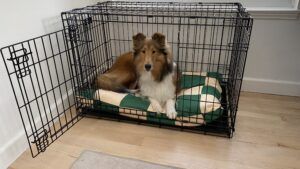
Starting at $39 22”, 24”, 30”, 36”, 42”, 48” This folding wire crate isn’t perfect, but it’s fairly durable, decently easy to put up and take down, and is budget friendly. While it isn’t the easiest to transport, it’s workable.
This folding wire crate isn’t perfect, but it’s fairly durable, decently easy to put up and take down, and is budget friendly. While it isn’t the easiest to transport, it’s workable.
Impact Collapsible Dog CrateStarting at $76430”, 34”, 40”, 40”+, 48”, 54”This crate is incredibly durable and easy to set up and take down, but it’s heavier and more expensive than other options on this list.
EliteField 3 Door Folding Soft CrateStarting at $5520”, 24”, 30”, 36”, 42” The EliteField 3 Door crate comes with built-in door covers, so you don’t need to bring an extra sheet or blanket to cover your dog. It’s also washable and comes with a handy carrying bag and a fleece crate pad.
Diggs Revol Dog CrateStarting at $500Small (28.5”), Medium (34.6”), Intermediate (421.2”), Large (45.3”)Revol Dog Crate folds down and sets up in seconds and has two doors, but it’s heavy, expensive, and has a few other minor quirks that eliminated it from our list of winners.
Orvis Hose-Off Folding Travel CrateStarting at $160Small (31.2”), Medium (36”), Large (42”)The Orvis Hose-Off crate is quite sturdy as a soft crate and comes with a plush fleece bed. It’s a bit heavier and bulkier than the EliteField option on this list and lacks some of the extra details the EliteField boasts. It’s also pricier.

Best Collapsible Dog Crate: Midwest Lifestages Double Door Folding Dog Crate

Collapsible dog crates like the one pictured hear can provide comfort to dogs traveling.
The Midwest Lifestages Double Door Folding Dog Crate is sturdy, budget-friendly, and easy to use but can be a bit cumbersome to transport. Credit: Jae Thomas

Wire crates can be a pain, but there’s a reason they’re so popular. They’re durable enough to contain most dogs who are properly crate trained, are fairly quick and easy to assemble and disassemble (minus some occasional finger pinching), come in a huge variety of sizes, and are budget-friendly in comparison to other crate options.

The Midwest Lifestages Double Door Folding Dog Crate is one of the most popular dog crates on the market and it held up well during testing. It’s not so lightweight that dogs can easily escape from it, but it’s not so heavyweight that it’s a pain to move around. It folds down to a reasonable size but can be loud in the car due to rattling of the metal.

It has a front door and a side door so you can orient it in different ways and has a pan that can easily be pulled out and cleaned if needed. This crate also has a paw-blocking feature which prevents your dog from tampering with the door latch while they’re inside.

The Midwest Lifestages crate ranges from $39 to $84 depending on the size chosen, so it’s one of the sturdier yet still affordable collapsible dog crate options.

Despite the downsides, a wire crate is the best option for most families and most dogs, given their low cost, size ranges, and decent durability and portability.

Most Durable Collapsible Dog Crate: Impact Collapsible Dog Crate
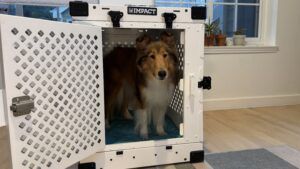
Plastic collapsible dog crates can provide a durable chew proof alternative to wire or fabric crates.
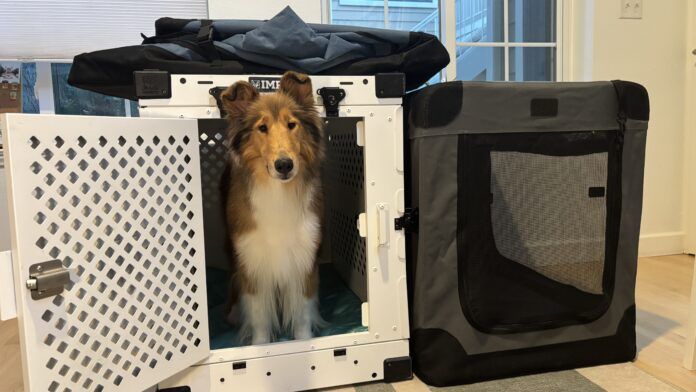
If your dog chews on wire crates or simply needs something sturdier, the Impact collapsible crate is a good option. Credit: Jae Thomas

If your dog is sure to escape from (or destroy) a soft-sided or a wire crate, the Impact Collapsible Dog Crate is the way to go. This heavy-duty option is made of high-grade aluminum and is wildly sturdy. It also meets air travel guidelines for pet owners who may need to travel with their dog in the future and comes with a lifetime warranty.

This crate is fairly easy to set up—once you’ve learned to do it properly. The top of the crate, which needs to be unlatched and pulled straight up to assemble, is quite heavy. Those who aren’t strong or mobile may not be able to carry or assemble this crate comfortably by themselves.

Plastic collapsible dog crates can be heavier than alternative materials.
Although it folds down well and is extremely durable, the Impact crate is heavy enough to make it difficult to transport. Credit: Jae Thomas

When folded, the crate is fairly streamlined, though it’s bulkier and heavier than other crates on this list. It ranges from 28.5 pounds up to 70 pounds depending on the size chosen, so it’s not a lightweight option. However, it does come in a 54” size, making it one of the best large collapsible dog crate options on the market—ideal for owners of XL and giant breeds.

The Impact crate is very secure and even calming for many dogs. I use this crate when I take my Collie to dog shows and because of the more enclosed design, I find that she stays calmer and rests better than if she were in a crate she could fully see out of on all sides (like a wire crate). It features a lock on the front (with matching key), which I use if I’m going to be away from the crate for any period of time.

The biggest downside of this crate, aside from the weight, is the high price. It ranges from $764 up to $2,167, so it’s a huge investment.

Best Collapsible Soft Crate: EliteField 3 Door Folding Soft Crate
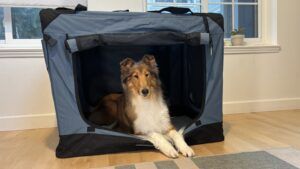
Fabric collapsible dog crates can provide a lightweight alternative for dogs that don't chew or try to escape.
If your dog is trustworthy and doesn’t chew on or escape from crates, a soft crate like the EliteField 3 Door Folding Crate is a lightweight option. Credit: Jae Thomas

As someone who travels to dog sports events frequently, the EliteField 3 Door Folding Soft Crate is my favorite soft crate option. It’s lightweight, easy to assemble and disassemble, and completely washable. Both the inner bed cover and the crate cover itself can be put in the washing machine for easy cleaning.

My favorite features of this crate are the built-in door covers, which are great for dogs who settle more easily when their crates are covered. This crate also comes with a carrying bag that has a long shoulder strap on it, making it easy to bring along while traveling.
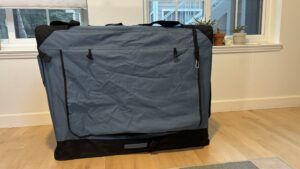
Collapsible dog crates can include door and window covers for seclusion.
The EliteField 3 Door Folding Crate includes built-in door covers, making it easy to give a dog a more secluded space to rest. Credit: Jae Thomas

Like most soft crates, this isn’t the most durable crate option and shouldn’t be used for puppies or dogs who chew or escape their crates. Because it’s so lightweight, dogs who move around a lot could also potentially flip it over while they’re inside. A soft crate is best for dogs who are calm and well-acclimated to their crates and who won’t chew on fabric or zippers.

My one qualm about this crate is that the inner fleece bed it comes with isn’t the best quality. My dog tends to dig at bedding while she gets comfortable and the bed this crate came with has already seen some wear and tear from that. I usually bring along a second, more supportive bed to put in this crate, especially when I’m doing extended traveling with my dog.

Other Collapsible Dog Crates We Tested

Diggs Revol Dog Crate

I wanted to love the Diggs Revol Dog Crate. It has a variety of cool, useful features, like wheels for easy transport, wildly quick assembly/disassembly, and a side door that moves up and down garage style.

However, this crate is heavy, bulky, and inconvenient to travel with. When collapsed, there’s nothing that keeps it folded, so it can be a pain to move around. The wheels on the bottom, though a great idea, aren’t always super functional. They’re very small and prone to getting stuck in cracks or on rocks/other debris, and are very loud when used on hard surfaces like concrete or asphalt. The side door could also open/close smoother.

With a price range from $500 to $1,050, I’d expect some of these quirks to be ironed out.

Orvis Hose-Off Folding Travel Crate
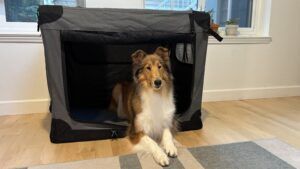
Collapsible dog crates have a range of build qualities and options.
The Orvis Hose-Off crate is well-made but comes with few extra features and is more expensive than other similar options. Credit: Jae Thomas

When it comes to soft-sided, collapsible dog crates, the Orvis Hose-Off Folding Travel Crate is sturdier and feels a bit more well-made than the EliteField option, but it’s also bulkier, heavier, and more expensive. Despite having heavier, sturdier poles inside and thicker material, it still won’t contain a dog who wants to get out of a soft crate.

If your dog is well-behaved in a soft crate, the cheaper, lighter EliteField is a better value, and comes with extra features the Orvis model doesn’t have (like a carrying bag and built-in door covers).

Should I Feed a Dog Dental Diet?

A dog dental diet is an excellent compliment to tooth brushing and dental chews.
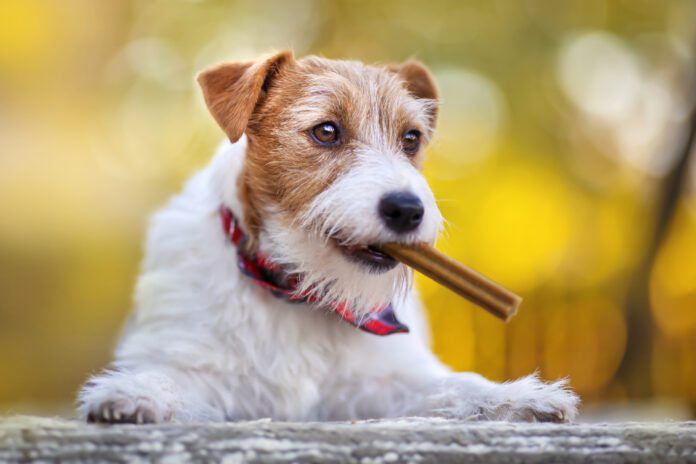
Feeding dog dental diet can help, but dog dental care isn’t that simple. Including daily teeth brushing and dental chews rounds out a strong dental-care plan for your dog. Credit: Wavetop | Getty Images

When it comes to dog dental care, a holistic approach that combines nutritional care, thoughtful home care, and proven products is essential. Periodontal disease affects an overwhelming majority—over 80% according to the Cornell DogWatch newsletter—of dogs 3 years old or older. Addressing plaque buildup before it hardens into tartar, or calculus, is one of the best ways to keep your pet’s mouth healthy and support not only oral, but systemic health. While daily tooth brushing remains the gold standard for at-home oral hygiene, adding a dog dental diet or treats to support dental health and VOHC-approved products can make a substantial difference between veterinary cleanings. If you’re looking for the best dog teeth cleaning products, we addressed that in our article on the best toothpastes for dogs.

Before we discuss the ins and outs of feeding your dog to promote dental health, it’s important to recognize that, no matter what you are feeding, whether it is a dental kibble or raw bones, it is not a complete substitute for veterinary dental care, and some dogs may still develop periodontal disease despite chewing regularly. For this reason, involving your veterinarian and implementing a comprehensive approach is best. We recommend:

  • Brushing Your Dog’s Teeth: Tooth brushing with dog-safe, Veterinary Oral Health Council (VOHC)-accepted toothpaste. remains one of the most effective ways to control plaque, and even raw-fed dogs benefit from this routine.
  • Feeding a Dog Dental Diet: This should be discussed with your veterinarian to ensure you choose the right food for your dog.
  • Providing Safe Chews and Additives: Natural chews, water additives, oral gels, and powdered meal toppers can also be added to the regimen without conflicting with a fresh feeding philosophy.

By combining these evidence-based strategies, including safe chewing options and thoughtful diet composition, you can help maintain your dog’s dental health and protect them from health issues linked to periodontal disease. Now let’s discuss what you need to know about each product.

Whole Dog Journal is reader-supported. If you purchase through links on our site we may earn a commission. Whole Dog Journal does not accept money for its food and product reviews.

Dog Dental Food

Dog dental kibbles are formulated to support oral health in multiple ways. These kibble diets are typically larger, denser, and structured to encourage chewing with the goal of mechanically scraping plaque from the molar teeth. Ingredients such as insoluble fibers, like cellulose, help make the kibble tougher and provide it integrity during chewing, maximizing the amount of time it can convey cleaning action on the teeth.

Some dental diets may also include chemical agents, such as polyphosphates or zinc salts, which help inhibit the hardening of plaque into tarter. These combined physical and chemical strategies can help keep calculus from forming on teeth and slow the progression of periodontal disease.

Hill’s Prescription Diet t/d Dental Care and Purina Plan Veterinary Diet DH are frequently cited by veterinarians for their fiber matrix technology that helps clean teeth to the gum line. Royal Canin Veterinary Dental and Hill’s Science Diet Oral Care are also commonly recommended by veterinary professionals, and all have a VOHC Seal of Acceptance.

The VOHC Seal of acceptance indicates that the product has undergone an independent review of professionals to determine its impact on the reduction of plaque and tartar buildup on teeth. The VOHC was established in 1997 under the umbrella of the American Veterinary Dental College to evaluate products claiming to reduce plaque and tartar.

While the VOHC does not conduct trials themselves, they review data from at least two independent, statistically significant clinical trials. To earn the seal, a product must demonstrate at least a 15% reduction in plaque or calculus in each trial, with an average reduction of at least 20%. Products meeting VOHC standards may earn recognition for plaque control, tartar control, or both, making this seal a trusted marker for pet parents and veterinarians alike.

Dog Dental Chews

There are also many dental chews available on the market that tout dental benefits from either the mechanical action of chewing, additives, or both. Products such as Greenies, Virbac C.E.T., VeggieDent Fresh Chews, Oravet Dental Hygiene Chews, and Dentastix help mechanically clean teeth and reduce buildup while also offering tasty treats for your dog.

These chews come in different shapes, textures, and sizes to suit dogs of varying breeds and chewing behaviors and are formulated with tooth safety, solubility, and digestibility in mind. This is beneficial as it means they are not hard enough to break or damage teeth and are soluble and digestible enough that they do not pose a high risk for a gastrointestinal obstruction if large pieces are swallowed.

Best Non-Traditional Dog Food for Dental Health

Many dog owners are moving away from feeding traditional kibble and are exploring fresh-feeding, low-carbohydrate nutrition, and natural chewing strategies for dental care. Supporting dental health without kibble is possible, but it requires thoughtful planning and an understanding of both the benefits and potential risks.

A low-carbohydrate diet may contribute to oral health by reducing the amount of sugar that oral bacteria feed on. While kibble is convenient and has proven dental formulations, many options on the market are starch-heavy, since carbohydrates are needed to form dry food.

High-carbohydrate diets can increase the availability of substrates for bacteria that contribute to plaque buildup and tartar formation. Lincoln Naturals offers freeze-dried dog food that has very low levels of carbohydrates, ranging from 2% to 3%. Bones & Co and Primal Pet Food offer formulas for dogs in both fresh and freeze-dried forms, with the formulas varying in carbohydrate ranges. Although scientific research on carbohydrate restriction and oral health in dogs is still limited, anecdotal evidence from raw feeders and holistic veterinarians suggests that these diets can support cleaner teeth and fresher breath.

Best Dog Chews for Dental Health

Raw meaty bones add another layer of dental care by providing natural mechanistic abrasion. The act of gnawing, tearing, and chewing works to scrape away plaque and stimulate gum tissue, much like a natural toothbrush. Raw poultry necks, wings, feet, and similar softer, pliable bones are often chosen because they are less likely to fracture teeth than dense weight-bearing bones from large animals, or antlers. However, raw bone feeding must always be approached with caution. Cooked bones should never be offered, as they can splinter and cause dangerous internal injuries.

Even with raw bones, risks remain, including broken teeth, gastrointestinal upset, or obstructions can occur. Because of this, it is important that bones and chews be size-appropriate and fed under supervision. Even smaller, softer natural chews, such as bully-sticks, can fracture teeth. My dog, Samson, shattered a molar on a bully stick just a few months ago. Fractured teeth are painful and can result in infections and abscesses, so it is important to check your dog’s teeth regularly for any issues.

Pigmentary Keratitis in Dogs

0
A Pug dog showing the breed's characteristic facial profile.
A Pug’s facial design increases the dog’s chances of developing the eye disease pigmentary keratosis. Credit: Clark and Company | Getty Images

Pigmentary keratitis occurs most often in brachycephalic dogs, like Pugs, although it can be seen in other breeds. In simplest terms, pigmentary keratitis is the buildup of melanin or pigment on the surface of the cornea. The pigment will appear brown or black. It can build up enough to block vision.

Unfortunately, the conformation of brachycephalic breeds predisposes them to several health conditions, including ocular ones like pigmentary keratosis. Genetics may also be at work.

What Causes Pigmentary Keratitis in Dogs?

Irritation to the cornea stimulates the pigment deposits. This can be caused by eyelids that roll in, so the eyelashes or hairs rub on the cornea. It can be caused by eyelids that droop, allowing dust and plant material or irritate the cornea. In some cases, irritation is caused by abnormal eye lashes.

Less commonly, direct trauma to the cornea or the rubbing of even benign eyelid tumors may stimulate pigment production. Anything that interferes with blinking or tear production may also lead to corneal damage and pigment production.

The short muzzles of brachycephalic dogs, often with nasal skin folds,  mean the hair is closer to the eye. The large, round eyes are open to irritants, including things like blowing dust.

Diagnosing Pigmentary Keratosis in Dogs

Your veterinarian can usually diagnose pigmentary keratosis during a routine office visit, but some vets may suggest referral to a veterinary ophthalmologist for the latest in treatment. Often, a fluorescein stain of the cornea will be done to check for any corneal ulcers that might accompany the pigmentary keratitis as that would mean adjustments in medications.

Can You Treat Pigmentary Keratosis in Dogs?

Many cases of pigmentary keratitis are managed medically. That means eye drops or eye ointments, often multiple times a day. Be sure to follow dosing directions exactly. Immunosuppressive drugs such as cyclosporine or tacrolimus are fairly standard. Artificial tears, as drops or ointments, may be added if your dog also has “dry eye” or a lack of tear production called keratitis sicca.

Along with medical therapy, surgical treatment may be suggested. This surgery is done on the eyelids to correct an eyelid that turns in (entropion) or droops outward (ectropion) or to remove abnormally located eyelashes. Excessive skin folds may be removed. Those corrections would prevent the constant irritation to the cornea. Your veterinarian may perform these surgeries themselves, or they may refer you to a veterinary ophthalmologist.

Preventing Pigmentary Keratitis in a Dog

Can you prevent pigmentary keratitis? Not really. When choosing a puppy, try to pick one with a less extreme “flat” face and search for breeders with more moderate dogs. If your dog has an extreme brachycephalic face, he will be prone to this eye disease.

If you notice any pigment moving onto the cornea, have it evaluated early on before any permanent visual damage is done.

Try to avoid dusty conditions. If you have fans blowing to keep your dog cool, mop or vacuum to reduce dust. Avoid fields during dusty and dry conditions or that have lots of plant material that could irritate the cornea.

Why Does My Dog Lick the Couch?

0
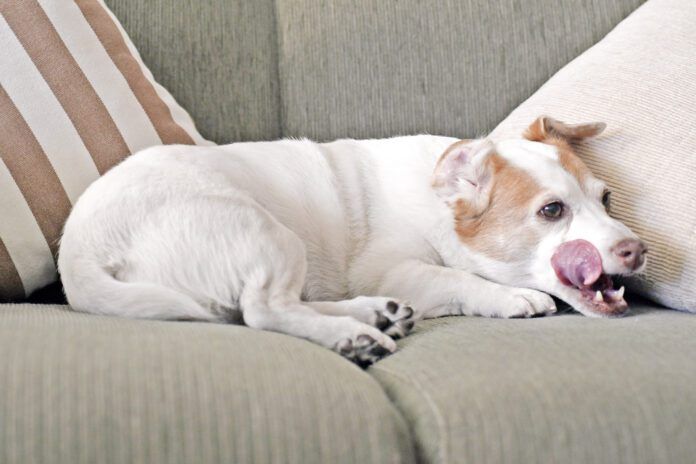
Jack Russell dog licking lips on sofa.
A dog who shows signs of excessive licking should be evaluated for possible medical or behavioral issues.

I have often been asked by clients, “Why does my dog lick everything?” Sometimes the reasons are medical and sometimes they’re behavioral. In general, licking everything is normal puppy behavior resulting from exploration and learning about one’s environment. Of course, that does not make it desirable. Redirection rather than correction can prevent licking from becoming obsessive.

Aside from puppy licking, however, one must evaluate the context when determining whether licking the couch or licking the floor is a behavioral or a medical issue. Obviously, if you have a toddler (or a teenager!) and the furniture and the floor are catch basins for your offspring’s snack crumbs, then your dog is an opportunist and licking the floor and the couch for food fragments. That one is easy.

Why Does My Dog Lick Everything?

Insecure dogs often use licking as a signal of “I mean you no harm, please like me.” This is typically directed at the humans in the family, in varying ways. It can be directed toward the face or limbs or other parts of your body, even surfaces that humans are on. Licking behavior can also be directed toward other animal family members, including other dogs and even cats. Grooming the other animal family members can often be a part of that ritual.

Kiss to Dismiss is behavioral but for a different reason than listed above.  This lick is a “go away” lick. It’s meant to create space between the dog performing the lick and the object of his licking. This can be directed at visitors, children in the family, even other animal family members. This is why context is important in determining the reason a dog is licking. (Dog behavior expert Jennifer Shyrock is responsible for coining the term “Kiss to Dismiss.”)

Other behavior-focused licking reasons include:

  • Boredom
  • Attention seeking
  • Anxiety and stress
  • Obsessive compulsive disorder (OCD)

If you suspect your dog is licking due to odd behavior, consultation with a veterinary behaviorist or a trainer with a certification in behavior is indicated.

Medical Reasons Your Dog May Lick the Floor and More

One of the most common medical causes of unusual surface licking in dogs is canine cognitive disorder, also known as doggy dementia. This symptom can be especially prevalent in the evening. Other possibilities include:

  • Pain is a common reason for your dog licking, including licking himself or his lips.
  • Gastrointestinal issues are one of the biggest causes of this issue. If the licking is sudden and urgent seeming, an immediate trip to a veterinarian is in order.
  • Nutritional deficiencies have been theorized to cause licking.
  • Dental pain as licking may be an attempt to self-sooth.
  • Neurological issues are also a potential cause. Context is important here as well.
  • Adrenal conditions like Cushing’s disease can cause odd licking behavior in dogs. Keeping a log of the context can assist your veterinarian with solving this puzzle.

First rule out medical causes with your veterinarian. Once medically cleared, you can consider meeting with a qualified behavioral consultant to help you with a plan to address the unusual licking behavior.

In addition to making sure that your dog is getting adequate physical and mental enrichment, the behavior plan should include how to properly redirect your dog’s attention while teaching them coping skills and better self-soothing options.

Natural Tick Repellents for Dogs

10
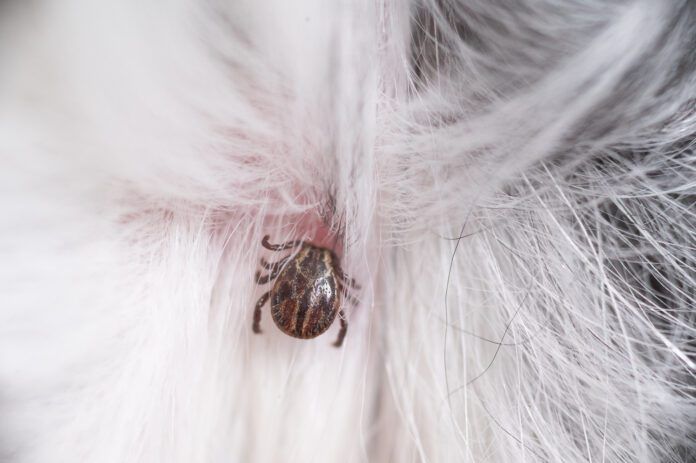
Can natural tick repellents prevent ticks like this one from latching onto a dog.
When it comes to natural tick repellents for dogs, there are several effective choices for both DIY and over-the-counter products. Credit: Aitor Diago | Getty Images

Tick headlines are alarming. Disease-carrying ticks are on the move, expanding their habitat thanks to warmer and milder winters, which allow them to survive longer and increase their ability to transmit pathogens to pets and people. While Lyme disease is the most common tick-borne illness in the United States, ehrlichiosis,  babesiosis,  anaplasmosis, and Rocky Mountain spotted fever also cause serious problems in dogs.

Given these concerns, tick repellents for dogs are frequently used and prescribed. However, sensitivities and adverse reactions to some common flea and tick preventives have sent a growing number of pet owners looking for effective natural tick repellents for dogs.

When Do Ticks Bite Dogs?

According to the U.S. Centers for Disease Control (CDC), most ticks go through four life stages: egg, six-legged larva, eight-legged nymph, and eight-legged adult. After hatching, ticks must have a blood meal at every stage to survive, feeding on mammals, birds, reptiles, or amphibians. Most ticks need a new host at each stage of life, and they can take up to two or three years to complete their full life cycle. Some tick species, such as the brown dog tick, prefer to feed on the same host during all life stages.

Pharmaceutical Tick Repellents for Dogs

Ticks are so difficult to eradicate, hard to notice, and infectious that systemic medications designed to kill ticks and prevent their attachment to dogs are widely prescribed. These products are either ingested or applied topically. Fleas and ticks die or become paralyzed when exposed to their chemicals, which remain concentrated within a dog’s body for one to three months, depending on the product.

Unfortunately, some of those medications have triggered seizures and other adverse side effects in dogs. In 2023, the U.S. Food and Drug Administration (FDA) issued a

Fact Sheet describing problems associated with isooxazoline-class flea and tick products, and many veterinarians have reported problems with other prescription tick preventives. The result is increasing customer demand for nontoxic tick repellents.

Nontoxic Tick Repellents for Dogs

Cedar

Cedar is a fragrance ticks avoid, so cedarwood and its essential oil are popular ingredients in repellent products for ticks, fleas, ants, mites, mosquitoes, and other biting insects. In 2022, a U.S. Department of Agriculture study reported that cedarwood oil repelled five species of tick nymphs, especially black-legged ticks.

Cedarwood oil kills ticks on contact because its chemicals dehydrate the body, interfere with neurotransmitters, cause paralysis, and disrupt physical movement and bodily functions.

Turmeric

A study published in the journal Ticks and Tick-borne Diseases in 2018 tested the essential oil of turmeric (Curcuma longa), the familiar culinary spice, against orange essential oil and diethyltoluamide or DEET, a tick and insect repellent that is safe for humans but potentially dangerous to dogs. Tests involving blankets infused with orange oil, turmeric oil, and DEET as well as dogs who walked in an area infested with black-legged ticks showed that turmeric oil significantly reduced the attachment of ticks to dogs or blankets, more effectively than either DEET or orange oil.

Additional Options

Other herbs and essential oils that have been shown to help repel ticks include:

  • Geranium (Pelargonium graveolens)
  • Rosewood (Aniba roseadora)
  • Thyme (Thymus vulgaris)
  • Peppermint (Mentha piperita)
  • Clove (Syzygium aromaticum)
  • Eucalyptus (Eucalyptus spp.)
  • Lavender (Lavandula angustifolia)
Is There a Tick Season?

Ticks are most active in spring and summer, but it’s a mistake to assume that they aren’t active all year round. Fall and winter can still be high-risk seasons for tick bites, the spread of tick-borne diseases, and tick infestations. According to the Tick Research Lab of Pennsylvania, adult black-legged (deer) ticks are most active in autumn and even winter if temperatures remain above freezing. Brown dog ticks, which live throughout North America and are often brought into homes by pets, can complete their entire life cycle indoors no matter how cold the weather.

When conditions are right, ticks can bite people and pets even when there’s snow on the ground. Newly hatched ticks are tiny and difficult to notice, so get in the habit of checking your dog for ticks throughout the year.

Over-the-Counter Natural Tick Repellents for Dogs

There are also a number of over-the-counter natural tick prevention products available.

Wondercide Flea and Tick products were created after the founder’s dog suffered pesticide poisoning from conventional flea-and-tick treatments. Wondercide products include flea and tick sprays for direct application, tick collars, spot-on treatments, flea and tick shampoos, and sprays for lawn and garden. The products’ primary ingredient, cedar essential oil, is derived from Texas (Juniperus Ashei or Mexicana) and Virginia (Juniperus Virginiana) cedar.

Cedarcide uses fractionated Texas cedar oil (Juniperus virginiana) to make bug sprays, pet shampoos, a flea-and-tick brush that distributes Cedarcide products through the dog’s coat, plus outdoor bug-control sprays and tick-repelling cedarwood granules for lawn and garden.

Vet’s Best Tick-killing Spray for Dogs and Vet’s Best Flea and Tick Spray for Dogs contain thyme, peppermint, clove, and cedarwood essential oils in an isopropyl alcohol base. The tick-killing spray is applied to ticks that are attached to dogs and the repellent spray can be applied to dogs as well as their collars, leashes, harnesses, and bedding.

Nantucket Spider’s Natural Bug-repellent Spray for Dogs contains organic rosemary, thyme, peppermint, cedarwood, and geranium essential oils and is sprayed directly onto a dog’s skin and coat. The company’s Natural Tick-repellent Spray is more concentrated and, while safe for human skin, is best used on a dog’s bedding and leashes.

Oscar’s Critter Spray from Frogworks combines lavender, geranium, lemongrass, and lemon eucalyptus in an essential oil blend that helps deter ticks, fleas, black flies, and other biting parasites when applied to a dog’s skin and coat.

Neem Oil, which is pressed or extracted from the seeds of the Azadirachta indica tree, is a thick, pungent-smelling oil best known as a nontoxic pesticide. In clinical trials, concentrations of neem oil and neem leaf extract killed up to 82% and 95% of brown dog ticks in Trinidad, and several neem products are sold for topical application to dogs. Neem is usually recommended in combination with other tick-repelling ingredients rather than as a stand-alone tick repellent for dogs.

Patch Test Tick Repellent Products First

Essential oils are concentrated and have to be diluted before being applied to a dog’s skin and coat. The products mentioned here are diluted and comply with FDA guidelines for canine application. Study and follow label instructions carefully. Most of these essential oil products can be applied more than once a day, and repeated applications increase protection.

Before applying a tick repellent to your dog’s coat and body, check for reactions with a patch test by applying a small amount to bare skin, such as on the abdomen, then check the skin for irritation, redness, swelling, rashes, or discomfort. If any of those symptoms develop within 24 hours of application, use a different product.

Is Your Dog at Risk for Tick Bites?

Ticks are on the move, so even if you live in an area not associated with tick-borne illnesses, they may pose a threat. The most problematic ticks for dogs are black-legged, Lone Star, and dog ticks. For up-to-date maps showing where these and other ticks have spread, see Where Ticks Live from the U.S. Centers for Disease Control.

Black-legged or deer ticks (Ixodes scapularis), most associated with Lyme disease but also transmitting anaplasmosis, babesiosis, and ehrlichiosis, have spread from the Northeast to the Midwest. Rocky Mountain spotted fever is carried by brown dog ticks (Rhipicephalus sanguineus), which live throughout the Continental United States, and the American dog tick (Dermacentor variabilis), which covers the eastern half of the U.S. Lone Star ticks (Amblyomma americanum), which carry ehrlichiosis and Rocky Mountain spotted fever, are moving north.

Simple DIY Tick Repellent Formulas for Dogs

For an effective homemade tick-repellent spray, mix 20 drops of rose geranium essential oil with 2 tablespoons (1 fluid ounce) vodka and add more as needed to make the oil dissolve completely. When there is no longer a thin film of oil on the surface, add one cup (8 ounces) water or aloe vera juice or gel. Use a sprayer to apply the blend to your pup’s skin and hair, avoiding the eyes and nose, and brush or massage well.

For another tick repellent, combine 7 tablespoons (3-1/2 fluid ounces) Witch Hazel with 2 tablespoons (1 ounce) liquid coconut oil and 50 drops of turmeric, geranium, or lavender essential oil (or 50 drops of any combination) in a spray bottle. Shake well, spray lightly over your dog’s coat, avoiding the eyes and nose, and use a flea comb or brush to distribute the repellent evenly.

Dog-Safe Natural Anti-Tick Powder

Food-grade diatomaceous earth from Wholistic Pet Organics, Harris, and other brands can be safely applied to a dog’s coat (don’t breathe its dust or apply it close to your dog’s nose), where it will kill ticks through dehydration. See here for detailed instructions.

Buck Mountain Parasite Dust combines diatomaceous earth with neem powder and yarrow. Apply a teaspoon or less to your dog’s spine, then brush it in. A single application may deter ticks for weeks or months.

Popular Natural Tick Repellents for Dogs That Don’t Work

Apple Cider Vinegar

Apple cider vinegar is a household staple, and it’s often recommended as an effective, inexpensive, nontoxic tick repellent. In theory, frequent application makes dogs unattractive to ticks, but according to veterinary and public health experts, apple cider vinegar has not been proven to repel ticks when added to a dog’s food or water or used topically, and it should not be relied upon for tick prevention.

Coconut Oil

Another popular recommendation for tick control is coconut oil, which contains fatty acids that repel ticks under controlled conditions, but research supporting this claim used isolated fatty acids, not off‑the‑shelf coconut oil. There is a lack of scientific evidence supporting coconut oil for flea and tick control when applied to a dog’s skin or added to a dog’s diet.

Make Your Yard Tick-Unfriendly

In addition to tick repellents, an important part of tick bite prevention is keeping your yard in a condition unfriendly to ticks. Maintain your yard by trimming tall grasses and removing brush that can be tick habitats. Use natural tick-repelling yard sprays such as Wondercide Flea and Tick Control for Yard and Garden, Cedarcide Outdoor Bug Control and Cedar Granules for Yard and Garden, and Vet’s Best Flea and Tick Yard and Kennel Spray. Diatomaceous earth can be applied as a barrier to ticks in your yard; see here for instructions. Garden supply stores sell neem oil products to control ticks and other pests outdoors by killing or repelling them in different stages of growth.

A new tick control method interrupts the life cycle of black-legged (deer) ticks by treating mice, which are common hosts for their first and second blood meals. A 2024 Pennsylvania State University study examined the efficacy of tick tubes for reducing ticks on mice. Tick tubes are small cardboard tubes stuffed with cotton batting treated with permethrin, a commonly used insecticide extracted from the chrysanthemum flower that kills ticks but is safe around humans and mammals. Mice gather the treated cotton batting to line their nests, which transfers permethrin to their fur and kills ticks that attempt to feed on treated mice. The study found that the tubes reduced the number of ticks on mice within one season, and that mice’s use of tick tubes increased over time. Tick Control Tubes are easy to use and help reduce the incidence of Lyme disease in pets and people.

Vet-Recommended Dog Chews

7
Small dog chewing on a large chew bone. Veterinarian-recommended chew bones often start with those listed on VOHC.com
Vet-recommended dog chews often do not include rawhide, but they almost always state that the size of the chew should be appropriate for the dog. Credit: Capuski | Getty Images

Dog chews have real benefits. They can help with dental health, help alleviate anxiety, and provide mental stimulation. And, most dogs just love to chew.

“Chewing is your canine friend’s equivalent to scrolling through social media posts when you want to kill a few extra minutes,” according to American Animal Hospital Association (AAHA). “Bored dogs are often naughty—barking excessively, digging, and destroying your belongings—so encouraging appropriate chewing is important.”

Of course, as with any consumer product, navigating the wide array of options can be overwhelming.  This article will help you make informed choices, ensuring your dog’s safety and well-being, including dental chews, anxiety-reducing chews, and allergy chews. (Also, check out Whole Dog Journal’s test of seven popular chews.)

Whole Dog Journal is reader-supported. If you purchase through links on our site we may earn a commission. Whole Dog Journal does not accept money for its food and product reviews.

Vet-Recommended Dog Dental Chews

Veterinary professionals and organizations like the American Veterinary Medical Association (AVMA) and the AAHA recommended products accepted by the Veterinary Oral Health Council (VOHC) when choosing a dog dental chew.

Dental disease is one of the most common health problems in dogs. It can lead to pain, infection, and even health issues affecting the heart, kidneys, and liver. While daily tooth brushing is most effective for at-home care, supplementary dental chews, which can help scrape away plaque and reduce tartar buildup are a valuable addition to your dog’s oral hygiene routine.

The VOHC seal is an independent indicator that a product has undergone scientific testing and is proven to reduce plaque and/or tartar. In short, a VOHC seal on a dental chew means a team of experts verified that the product is safe and effective.

Popular VOHC-accepted options include:

Greenies: Greenies have multiple products and sizes.
Earned the VOHC seal for helping to control both plaque and tartar.

WHIMZEES: This brand of vegetarian dental chew is well-known for their unique shapes.
Earned the VOHC seal for effectiveness in reducing plaque and tartar.

OraVet Dental Hygiene Chews: These chews are formulated to create a barrier to help prevent bacteria from attaching to a dog’s teeth.
Earned the VOHC seal for tartar control.

C.E.T. VeggieDent Chews: Virbac offers plant-based chews.
Earned the VOHC seal for helping to control plaque and tartar.

Purina DentaLife: A popular, consumer-friendly brand daily oral care treats.
Earned the VOHC seal for helping to control tartar.

Milk-Bone Brushing Chews: Known for ridged texture designed to scrub teeth as the dog.
Earned the VOHC seal for tartar control.

Pedigree Dentastix: This brand is widely available.
Earned the VOHC seal for helping to control tartar.

The VOHC’s official list is extensive and includes many product types, flavors, and sizes.

In addition to VOHC seal of acceptance look for ingredients like chlorophyll, enzymes, and zinc gluconate, which can further aid in oral health.  While dental chews are beneficial, they are not a substitute for regular professional dental cleanings by your veterinarian.

For other types of chews, veterinarians recommend a nuanced approach to other chew types:

Dog Calming Chews: Easing Anxiety Naturally

 If your dog suffers anxiety due to separation, thunderstorms, travel, or other triggers, calming chews can offer a solution. Many chews use natural ingredients like L-tryptophan, chamomile, passionflower, or hemp-derived compounds (such as CBD, where legal), even, according to some research reports,  melatonin.

These ingredients work to promote relaxation. When selecting a calming chew, look for products with third-party testing to ensure purity and accurate dosing. Your vet can advise on the appropriate type and dosage for your dog’s specific anxiety level.

According to a Cornell DogWatch article, 83% of dogs given CBD chews prior to a stressful event showed a decrease in stress or anxiety-related behaviors. However, Cornell DogWatch warns that more research with different CBD products and dosages is needed. For that reason, it’s especially important to consult with your veterinarian about CBD chews.

No-Hide Chews: A Safer Alternative to Rawhide

Rawhide chews have been proven to bring significant risks, including choking, digestive upset, and intestinal blockages. “Rawhide is difficult to digest due to it being a byproduct of leather, making it difficult for a dog’s digestive system to break down. This creates a risk of obstruction in the esophagus or intestines if a dog swallows a large piece,” according to the Preventivevet.

A Cornell report concurs, adding that in addition to rawhide, “Chewing hard objects can result in either gradually wearing or fracturing of teeth. Use caution when offering your dog any hard objects including bones, antlers, hooves, and hard manufactured toys.” As a rule of thumb, if you can bend or flex the object, it is less likely to fracture a tooth. Additionally, if something is too hard for you to chew, then you should not allow your pet to chew it.

No-hide chews are a safer alternative and are typically made from digestible proteins like chicken, beef, or pork. They are designed to break down more easily in a dog’s digestive system, reducing the risk of obstruction.

Dog Allergy Chews: Soothing Itchy Skin and More

Symptoms of allergies in dogs include itchy skin, paw licking, ear infections, or digestive issues. Allergy chews often contain ingredients aimed at supporting skin health and immune function. Common ingredients include omega-3 fatty acids, quercetin (a natural antihistamine), spirulina, and probiotics. These ingredients work to reduce inflammation, strengthen the skin barrier, and regulate the immune response. If your dog is experiencing allergy symptoms, your first step is to contact your veterinarian to diagnose and treat specific allergens and develop a plan, which may include chews.

Vet-Recommended Options for Aggressive Chewers

Some dogs make short work out of chews that may be marketed as long-lasting. Aggressive chewers require durable, safe chews that can withstand their powerful jaws without splintering or posing a choking hazard. Also, long-lasting chews provide mental stimulation and keep energetic dogs occupied. For these dogs, vet-recommended options often include:

  • Rubber toys: Brands like Kong offer durable rubber toys that can be stuffed with treats, providing a long-lasting challenge without the risk of splintering.
  • Hard cheese chews: Made from yak and cow milk, these chews are hard and long-lasting, gradually softening as your dog chews them.
  • Nylon or polymer chews: Tough, nontoxic synthetic chews are designed to withstand aggressive chewing and are specifically designed for this purpose.

Something to Chew On

Choosing the right chew for your dog involves careful consideration of your dog’s individual needs, chewing style, age, and any health concerns. One dog might take a long time to chew through the same chew that another dog gnaws slowly. Never leave your dog unattended when he’s chewing on anything; there is always a risk of choking.

Overall, by prioritizing general vet-recommended products, talking with your own veterinarian, and doing your research on the benefits and risks of different types of chews, you can provide your canine companion with safe, enjoyable, and beneficial chewing experiences.

Coccidia in Dogs

0
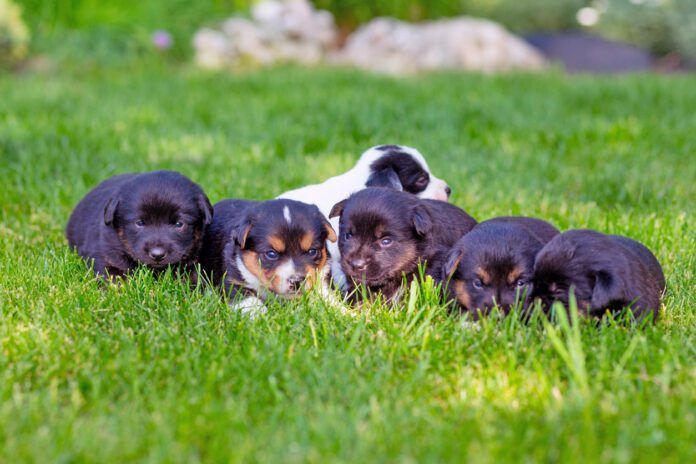
Puppies sniffing grass, a common way they can be exposed to coccidia parasites.
Coccidia is most common in puppies, who are happy to sniff whatever is near them, including another pup’s poop. Credit: Svetlana Belkina | iStock

Coccidia are common intestinal parasites that impact dogs, particularly puppies and immunocompromised animals. While this may sound alarming, coccidiosis in dogs, the disease caused by the coccidia parasite, is treatable and preventable with proper hygiene and prompt veterinary care.


What Are Coccidia in Dogs?

Coccidia are microscopic, single-celled organisms known as protozoa. They infect the intestinal lining of dogs and reproduce within the cells of the intestinal tract. Unlike some parasites, coccidia cannot be seen with the naked eye and require microscopic examination of a fecal sample for proper diagnosis.

How Did My Dog Get Coccidia?

Dogs, especially puppies, typically become infected with coccidia by ingesting oocysts, the parasite’s hardy eggs, which are shed in the feces of an infected animal. These oocytes can survive in the environment for extended periods of time, particularly in warm, moist conditions like kennels, dog parks, or the soil in yards.

A dog may ingest the oocytes by licking contaminated surfaces, eating contaminated food or soil, or having contact with infected feces. Once ingested, the oocysts go under changes that allow the organism to invade the cells of the dog’s intestinal lining, leading to inflammation and gastrointestinal upset.

Coccidiosis is most common in puppies under 6 months of age because their immune systems are still developing and are less able to fight off infection. Stress, such as weaning or relocation, can further weaken a puppy’s immune system and make them even more vulnerable to infection.

Adult dogs can also become infected, although they may not show signs of infection and can act as asymptomatic carriers, shedding and spreading the parasite to more vulnerable animals.

What Does Coccidia Cause in Dogs?

The symptoms of coccidiosis can vary based upon the dog’s age, immune status, and the severity of infection. In mild cases, there may be no visible symptoms. More commonly, infected dogs may experience:

  • Watery or diarrhea, with mucous and/or blood
  • Dehydration
  • Vomiting
  • Weight loss
  • Lethargy
  • Pot-bellied appearance

Left untreated, especially in puppies or dogs with underlying health issues, coccidiosis can lead to severe dehydration which can be life-threatening if left untreated.

Diagnosis is made by a veterinarian through a fecal flotation test, where the stool sample is examined under a microscope for the presence of oocysts.

Treatment for Coccidia in Dogs

Treatment involves prescription antiparasitic medications that help stop the parasite from reproducing. Treatment may last five to 14 days, depending on the severity of infection. In severe cases, supportive care such as fluids, electrolytes, and a diet for sensitive stomachs may be needed to help stabilize the dog.

If your dog tests positive for coccidia, sanitation is key. Avoid visiting high-traffic areas, like dog parks and kennels, with puppies or young dogs. Remove any feces from your yard and bag it for disposal. Wash toys and bedding and keep the areas your dog frequents sanitized. While there is no vaccine for coccidia, good sanitation, stress reduction, and early intervention can go a long way in controlling its spread.

Preventing Coccidia Infections in Dogs

Coccidia spreads easily though contaminated feces and the environment, but with early detection and appropriate treatment, most dogs recover quickly. Responsible pet care, including routine vet visits, fecal screenings, and maintaining sanitary conditions can help prevent infection and keep your dog happy and healthy.

What Can I Wash My Dog With (That Isn’t Dog Shampoo)?

3
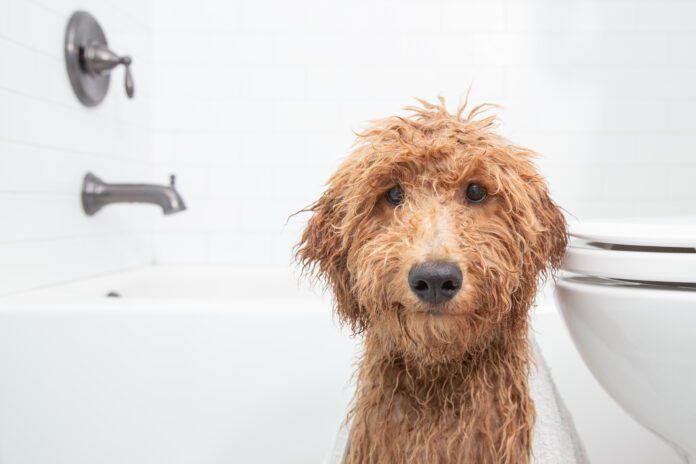
What can you use to wash your dog that isn't dog shampoo? Baby shampoo? Dish soap?
If your dog needs a bath but you don’t have any dog shampoo in the house, there are several alternatives that can help. Credit: meaghanbrowning | Getty Images

Some dogs have a knack for rolling in disgusting, decaying, and dreaded guck. It usually happens when the pet supply shops and the groomer are closed and that bottle of dog shampoo you had in your cabinet is nearly empty.

You scratch your head and think, “What can I wash my dog with that isn’t dog shampoo?”

You start frantically rummaging through your house, looking for anything that might be a dog shampoo alternative, mumbling to yourself, “Hmmm, is Dawn dish soap safe for dogs? Is baby shampoo safe for dogs? Wait, can you use human shampoo on dogs?”

We surveyed the experts, and while you shouldn’t make a habit of it, you can use some of these products to wash your dog in case of a malodorous emergency. However, there are some caveats.

Here’s why: Human shampoo is formulated for humans. Dog shampoo is made for dogs. When you use a non-dog shampoo on your pooch, it could cause irritation, dandruff, or even skin ulcers that need medical attention.

“Dog skin is not as thick as human skin,” says veterinarian Mitzi Clark, an assistant clinical professor of dermatology at Cornell University College of Veterinary Medicine. “The outer layer of the skin is thinner in dogs, so it’s much easier to strip that outer layer of a dog’s skin and dry it out.”

And anything you use on a dog’s skin seeps into their system faster than it would in a human.

“It’s easier to penetrate the outer layer of a dog’s skin, the epidermis, and get to the dermis, which is the layer of skin that has the blood vessels where the ingredients could be absorbed into their system,” Dr. Clark says. “Dogs, in general, due to having thinner skin, just don’t have as much protection against the world as other species, including humans. It’s one of the reasons they probably have more issues with bacterial infections, allergies, and other diseases that predispose their skin to those conditions.”

So knowing dogs generally have more sensitive skin than humans, how should you answer the question: What can I wash my dog with that’s not dog shampoo? Here’s what you need to know.

Is Dawn Dish Soap Safe for Dogs?

Dawn dish soap is well known in animal rescue circles for working miracles. Rescuers use it to de-grease wild animals soaked in oil after spills and help dogs and cats covered in fleas and ticks. It’s also the main ingredient in a DIY skunk smell-removing shampoo.

“It’s a really potent degreaser, that’s why we use it to degrease our dishes,” Dr. Clark says. “It’s very stripping to a dog’s outer layer of skin, so the biggest issue is that it can be drying.”

But if you have a doggone disaster, Dawn dish soap is typically safe for dogs.

“It wouldn’t be something we would recommend doing weekly, or on an ongoing basis, or for a long time,” Dr. Clark says. “But if you have a situation where, ‘My dog just rolled on a dead animal,’ it’s something you could reach for in a pinch, and most animals are going to tolerate it fine.”

Avoid getting dish soap in your dog’s mouth, eyes, and ears. Their ear canals are more sensitive than their skin.

“Dilute the dish soap in some water first, so you can get more mileage out of it, rather than just slapping it on one section of the dog,” says extension veterinarian Aly Cohen from the Cornell University College of Veterinary Medicine. “Be sure to really, really rinse your dog thoroughly so you don’t have any leftover residue in the fur or the skin that could sit there and cause some irritation.”

Can You Use Human Shampoo on Dogs?

If you have a favorite shampoo that makes your hair glossy, shiny, and silky, that’s likely because it’s designed for humans. It might not do the same for your dog. Before you consider using human shampoo on dogs, check the ingredients.

“Some of the more natural products that contain essential oils can be a problem,” Dr. Clark says. “We’ve seen reactions to tea tree oil, citrus oil, and citronella oil. You have to be careful using shampoos with essential oils on dogs. Some of them can be quite harmful; those are things I would steer away from.”

Our experts also recommend steering clear of using human shampoos that contain parabens, phthalates, and formaldehyde on dogs.

“I would try to avoid anything that’s heavily fragranced with perfumes or extra scents,” Dr. Cohen says. “Those can be a little harsh, irritating, or sometimes even toxic, if they happen to ingest any of it.”

Can You Use Baby Shampoo on Dogs?

Is baby shampoo safe for dogs? You may think, “If it’s gentle enough to use on a baby, it must be OK for dogs, right?” Not necessarily.

“Baby shampoo will generally be a little bit milder than regular human shampoo,” Dr. Cohen says. “But they’re generally still formulated for human skin.”

Make sure the baby shampoo doesn’t contain any of the ingredients that can be harmful to dogs, which are sometimes found in human shampoos.

Before you dive into your cabinet looking for dog shampoo alternatives, remember that if your dog is covered in something that’s not oily, greasy, or smelly, you can just use water to rinse them off; no shampoo is needed. Unless dogs have a medical condition and need special shampoo and baths, they don’t typically need to be bathed regularly.

While not ideal, turning to dish soap, human shampoo, or baby shampoo when you have a putrid predicament may be the stink-reducing rescue potion you need; with the proper precautions, these products could work as dog shampoo substitutes. You may also be able to make your own dog shampoo from ingredients you have on hand.

Keep in mind that there’s no guarantee your dog won’t have a problem or reaction to any of these alternatives, even if you use shampoo made for dogs. Every dog and product is different.

“After using a new shampoo, keep an eye on them,” Dr. Clark says. “If they’re a little bit flaky, but the dog doesn’t care, fine. If they get red and irritated, they may need veterinary care. I think probably the most important takeaway is that even though dogs are family members, pet parents need to understand that their skin is different. Not everything safe for humans is necessarily safe for dogs.”

Understanding Dog Temperament

0
There is no single test that tells you a dog's temperament. Careful observation of the dog in a variety of settings is the best guide.
How do you determine a dog’s temperament? While temperament tests can provide some insight, a dog’s behavioral history and observing them in a variety of real-world settings are often the most informative. Credit: Anita Kot | Getty Images

Temperament is a common term used to describe the behavioral characteristics of dogs. Understanding dog temperament is crucial for prospective dog guardians, breeders, and working dog organizations when deciding what kind of dog will be the best fit for companion or working roles.  It is one of the main things people consider when acquiring a pet dog or training a working dog and is a large contributing factor to the surrender of dogs to animal shelters (Schneider et al., 2013).

What is Dog Temperament?

In human research, temperament is defined as inherited tendencies that continue throughout life and serve as the foundation of personality—the characteristics of an individual that describe consistent patterns of feeling, thinking, and behaving (Jones & Gosling, 2005). It is much the same with dogs.

As such, temperament can affect all aspects of a dog’s life including how they perceive the environment, different situations, people, and animals they encounter. It can also influence a dog’s play style, how they socialize, and how they engage in training and learning. For example, a confident and sociable dog is more likely to enjoy trips to the dog park and café whereas a shy or fearful dog might find these situations overwhelming and is less likely to enjoy them. Temperament also influences how easily a dog becomes stressed and how they cope with stress.

Common Temperament Traits in Dogs

Temperament traits are measured on a scale with individual differences common both within and between breeds. Common temperament traits in dogs include:

  • Sociability (friendliness vs. aloofness): Sociability refers to how social a dog is with people and other dogs. Dogs who are high in sociability are better suited to people and families who are also social whereas dogs who score low on sociability are better suited to quieter homes and less social people.
  • Confidence (boldness vs. shyness): Bold dogs tend to cope better in new situations and environments whereas shy dogs benefit from gradual exposure and may need additional support to build their confidence.
  • Fearfulness (calm vs easily startled/anxious): Calm dogs recover quickly following a scary event and are more resilient to stress whereas fearful dogs can react strongly to loud noises, strangers, or sudden changes in the environment and may take longer to recover.
  • Excitability (high energy vs. low energy): Dogs who score high on excitability can become over-aroused quickly leading to jumping up, barking, and zoomies. Low energy dogs typically remain calmer, even in high energy environments or situations.
  • Training focus (focused vs. easily frustrated): Focused dogs persist even when the task is difficult, demonstrating they will work hard for reinforcement whereas dogs who are easily frustrated may give up quickly or struggle to stay engaged during training.
  • Aggression threshold (tolerance vs. reactivity): Some dogs have a higher threshold before displaying aggressive behavior whereas those with a low threshold may react quickly when stressed or scared.

Why Temperament Matters for Dog Owners

Dog temperament matters for potential dog owners as it should be used to inform the selection process when bringing a dog into the family. When people carefully consider a dog’s temperament and whether that dog will match their home environment and lifestyle, there’s a greater likelihood that person will enjoy a wonderful bond and the dog will have a life-long home. A mismatch can result in poor welfare and could pose a safety risk to the owner.

What Are Dog Temperament Tests?

Dog temperament tests are structured assessments designed to evaluate a dog’s typical behavioral responses to different everyday situations. Utilized by a variety of establishments including animal shelters, dog breeders, and working dog organizations, these tests aim to identify stable traits such as sociability, fearfulness, anxiety, and aggression threshold. The results of these tests are often used to help determine which dogs are best suited for breeding and working roles and to help match rescue dogs to prospective adopters (Mornement et al., 2010).

How Accurate Are Dog Temperament Tests?

Although dog temperament tests can provide a snapshot of a dog’s behavior, research suggests they are not particularly accurate at predicting future behavior, especially in a shelter setting (Mornement et al., 2015). This is because behavior is context specific and the shelter environment can be highly stressful for many dogs, affecting the results of temperament tests. For example, a study by McGuire et al., (2020) found that more than half of dogs identified as resource guarders in a shelter did not exhibit the behavior post adoption. Other limitations include the experience and knowledge of the person conducting the test and observing the dog, how the dog is handled during the assessment, the immediate environment (i.e. other dogs, people, noises in close proximity), and the test design itself.

When and How Should Dog Temperament Tests Be Conducted?

Dog temperament tests should be conducted ethically and fairly in a way that minimizes stress and anxiety and avoids pushing a dog beyond their limits to intentionally elicit an aggressive response. Temperament tests should involve exposing the dog to everyday situations, such as meeting people, meeting other dogs/animals, walking on lead, assessing known behaviors (e.g. sit, drop etc.), handling, and observing the dog’s responses.

The information collected should be used to inform the type of home the dog is suited to and to identify gaps in socialization or training that could be addressed prior to adoption. Temperament tests should be used as part of a broader assessment—not in isolation—and the results alone should not determine adoption suitability or euthanasia decisions. Those conducting temperament tests should be trained professionals with qualifications in dog behavior.

Beyond Tests: How To Determine a Dog’s Temperament

Rather than relying on temperament tests, a dog’s temperament is better understood across different real-world contexts and over time. If acquiring a dog from a registered and reputable breeder, inquire about the temperament of the parents. However, this does not guarantee the puppies will have similar temperaments. It’s common for puppies to vary in temperament traits even within a litter. Visiting the puppies and observing them yourself can provide clues but it’s important to understand that temperament is not stable until around 2 to 3 years of age. This is because puppies and dogs experience a number of developmental stages during this time and these, as well as life experiences, can influence temperament, even into adulthood.

Potential adopters can evaluate the temperament of dogs for adoption by speaking to shelter staff about the dog’s general behavior during their stay, their history (if known), and previous behavior/temperament traits if any information was obtained via a surrender questionnaire or interview. Foster carers are another excellent source of information regarding dog temperament in a less stressful home environment.

Temperament is an important consideration for everyone who breeds, works, or lives with dogs. Understanding the common temperament traits in dogs and choosing a dog well suited for the role of companion or working dog has welfare and safety benefits.  However, temperament tests only provide a snapshot and a wholistic approach should be taken when collecting information about a dog’s temperament.


References

Jones, A. C., & Gosling, S. D. (2005). Temperament and personality in dogs (Canis familiaris): A review and evaluation of past research. Applied Animal Behaviour Science95(1-2), 1-53.

McGuire, B., Orantes, D., Xue, S., & Parry, S. (2020). Abilities of canine shelter behavioral evaluations and owner surrender profiles to predict resource guarding in adoptive homes. Animals10(9), 1702.

Mornement, K. M., Coleman, G. J., Toukhsati, S., & Bennett, P. C. (2010). A review of behavioral assessment protocols used by Australian animal shelters to determine the adoption suitability of dogs. Journal of Applied Animal Welfare Science13(4), 314-329.

Mornement, K. M., Coleman, G. J., Toukhsati, S. R., & Bennett, P. C. (2015). Evaluation of the predictive validity of the Behavioural Assessment for Re-homing K9’s (BARK) protocol and owner satisfaction with adopted dogs. Applied Animal Behaviour Science167, 35-42.

Schneider, L. A., Delfabbro, P. H., & Burns, N. R. (2013). Temperament and lateralization in the domestic dog (Canis familiaris). Journal of Veterinary Behavior8(3), 124-134.

Paraphimosis in Dogs

0
Paraphimosis in dogs is when the dog's penis extrudes out of its sheath for no obvious reason.
If your dog cannot retract his penis, you may notice him licking the sheath area obsessively, possibly whimpering, walking oddly, or having trouble urinating. Credit: Anant Kasetsinsombut | Getty Images

Normally, a dog’s penis is safely tucked inside the preputial sheath of haired skin that covers it. If a dog cannot retract his erect penis into the sheath, it is called paraphimosis. You may hear this colloquially referred as to “red rocket out,” or “lipstick showing,” or “red rocket dog.” No matter what you call it, it is not a normal state.

A dog’s penis is covered with moist, sensitive tissue. If it dries out, tissues may die. The tissues are not strong and may easily get cut or torn. The penis will normally stay outside the sheath and visible after a breeding or semen collection but should return to its normal location in 30 minutes or less. Some dogs may take longer but certainly not more than an hour.

While you don’t need to make a dash to the vet clinic with sirens blaring, this condition needs to a veterinary evaluation, especially if it continues for more than an hour or two.

Some breeds appear to have a predisposition to paraphimosis, including Bouvier des Flandres, German Shepherd Dogs, Golden Retrievers, and Labrador Retrievers.

How to Fix Paraphimosis in Dogs at Home

If you catch the problem early, applying a cold compress can help to shrink an enlarged penis. Fans of the TV show “All Creatures Great and Small” may remember that you can try sprinkling sugar on the swollen penis. The osmotic pull of the sugar helps to reduce the swelling, allowing the penis to be retracted. These simple steps may work for a mild case, caught early on with no complicating factors.

However, despite these attempts, the penis may become or stay swollen, which will exacerbate the problem as the penis may no longer fit back into the sheath. In addition, as the tissues dry, there is more friction created when your dog tries to retract his penis, so he may stop trying. It hurts! The dry tissue may also pull the haired skin around the orifice in with it, again causing a stop to retraction.

You might notice your dog licking his sheath area obsessively, walking with a hunched back, whimpering, or having trouble urinating. Left outside, the tissues will dry and become friable. You may see the penis change from a deep pink color to blue or black as the tissues become oxygen deprived and die. At this point, it is a dash to the emergency clinic situation!

What Causes Paraphimosis in Dogs

Why would your dog extrude his penis and leave it? There are numerous reasons. A young male who is sexually excited may not “think” to retract his erection when it settles. Again, after an hour, everything should be normal (preferably within 30 minutes). If not, call your veterinarian.

If the preputial orifice is tight, your dog may find it uncomfortable to pull his penis back in. He pushed it out in the heat of the moment, but now he has calmed down and finds it uncomfortable. This could require minor surgery to open the end of the sheath for a permanent solution.

The big concerns are anything that might constrict blood flow to the penis. A foreign body caught in the sheath could block the return of the penis. Plant material, especially in the fall and during a dry spell, is not uncommon. An unusual situation would involve any skin growth or small tumor on the penis, but it happens. My sister’s German Shepherd Dog had a small wartlike growth on her dog’s penis, which prevented it from returning all the way into the sheath. Surgical removal was required.

Any trauma to the penis, especially if it occurs while it is extended, can result in swelling that prevents return to the sheath. Extensive trauma may require surgery. Keeping the extruded penis lubricated may prevent more damage while it heals with eventual ability to retract it fully.

Any infection in the sheath could lead to the penis being swollen and sore, with your dog resisting retraction. Being outside in cold temperatures with a penis exposed to the air can lead to frostbite damage. Anything beyond mild damage will require surgical intervention to remove the dead tissue.

Neurologic disease may interfere with movement of the penis back into the sheath, but generally there are other neurologic signs present such as gait abnormalities.

One of the most common problems is hair wrapped around the shaft of the penis. This can occur with a dog’s own hair from around the sheath or hair from the female dog during a breeding. The hair forms a tight band around the penis and blocks blood and lymphatic flow. Tissues may become necrotic from the lack of oxygen and nutrients.

Any necrotic tissue will require surgical removal, which can lead to another complication if your dog develops scar tissue that makes it hard for him to retract his penis. The worst-case scenario is a penile amputation.

If your dog requires veterinary assistance to get the penis back into the sheath, you will need to be very observant for any recurrence. Your dog should be prevented from licking that area for at least a week. Your veterinarian may put in a “purse string suture” to hold the penis in place.

Can You Prevent Paraphimosis?

If your dog is used for breeding or has a semen collection, always keep track that the penis returns to the sheath, again, ideally in 30 minutes. If it goes over an hour, contact your veterinarian. If your dog feels he is “super stud,” keep him away from bitches in heat unless being bred to discourage unnecessary erections. Consider neutering if he repeatedly gets paraphimosis.

Trim the hair around the end of his sheath to prevent any being pulled in when he retracts his penis. Wrap the tails of long hair bitches he is being bred to. You may want to wet down long hair around the vagina and/or apply a sterile lubricant to minimize chances of hair getting caught on his penis.

Furunculosis in Dogs

Furunculosis in dogs is a skin infection that can stubbornly resist efforts to cure it.
Cases of post-grooming furunculosis may be seen shortly after the dog was shaved, but they don’t mean the groomer necessarily did anything wrong. The dog may have sensitive skin or the bumps were already there, but the shaving made them obvious. Credit: Lidia Efimova | Getty Images

The word furunculosis sounds ugly and gross, which perfectly describes this skin condition, which grows under your dog’s fur.

Furunculosis appears as red bumps under the skin. They are inflamed, generally painful, and may have a purulent or puslike exudate. You may hear a furunculosis bump called a dog boil. While furunculosis is a deep-seated bacterial infection that usually starts in hair follicles, it is not folliculitis. Folliculitis is a superficial bacterial infection.

Furunculosis can occur in different areas and often involves Pseudomonas species of bacteria. Pseudomonas species are notoriously difficult to eradicate and nasty pathogens.

Likely Spots for Furunculosis in Dogs

The four usual areas where you may see furunculosis are:

  • Muzzle/face
  • Interdigital (between toes)
  • Anal
  • Body (less commonly, often post grooming)

These all look similar but have varying degrees of difficulty to clear.

Bumps on Dog’s Face

The muzzle/face cases tend to be in young dogs. They start out looking like classic puppy chin acne. Some pimples, a little redness, and your pup may rub his face a bit. Unfortunately, this then becomes a deeper infection. Inflammation, purulent discharge, and pain are common. Demodex must be ruled out as a possible cause.

For mild cases caught early, topical therapy may work. That means cleaning the area well, then drying it thoroughly as moisture simply encourages the infection. A topical antibiotic cream may work, though many dogs will require an oral antibiotic. Painful pups will benefit from an anti-inflammatory.

Are Those Bumps on Your Dog Hives?

If you feel bumps on your dog’s body, they may be something as mild as hives. Most cases of hives are mild, come up quickly, and are smooth and round. They tend to respond to a dose of antihistamine or will resolve on their own over a matter of hours.

Inflamed Toes on Dog

Interdigital furunculosis can start as allergies affecting the area between the toes. Mild yeast infections provide a moist, inflamed setting for bacteria to flourish. Some cases start with foreign bodies, like plant material such as foxtails, penetrating the skin and creating a sore. Any irritant to the foot can start the cycle of inflammation that leads to infection.

Interdigital cysts and autoimmune conditions are behind some cases of foot furunculosis. This problem is more common in dogs with short hair (think Weimaraners), but Labrador Retrievers and Bulldogs seem to get this problem more than other breeds as well. Hypothyroidism and Cushing’s disease may be contributing factors as well due to their influence on the immune system. Just one area may be affected or the whole paw.

You may notice your dog limping, holding up a paw, or licking excessively at his feet. Some owners can pick up an obnoxious odor. This can be painful, and your dog may resist you handling his paws.

Warm water soaks with Epsom salts help with healing and provide some comfort. If your dog resists keeping a paw in a small bucket, put a couple inches of warm water in the bathtub with some Epsom salts. Chlorhexidine can be used in soaks as well.

Post soak, thoroughly dry the paws. Any moisture simply makes it a good place for yeast and bacteria to thrive. I then apply foot powder. Most foot powders are antibacterial, antifungal, anti-inflammatory, reduce itching, and taste bad. Ointments and creams often simply encourage more licking, requiring the use of a cone to stop the dog from licking.

Some foot infections will require oral antibiotics or antifungal medications. For stubborn cases, your veterinarian may do a culture and sensitivity. Your dog may also need bloodwork for autoimmune diseases and a thorough exam for any foreign bodies. Pain medications may be necessary to keep your dog comfortable. Laser surgery can be used for resistant cases.

Perianal Fistulas

The worst cases of furunculosis are perianal fistulas. While up to 80% of cases are seen in German Shepherd Dogs, these fistulas can occur in other dogs as well. The classic case is a middle-age, intact male dog. Originally, the blame was put on the thick tail of shepherds, which tends to be carried down, so the anal area does not air out and dry. Now, it is felt that this is more of an immune problem.

Owners may notice their dog having trouble defecating, straining, some bloody discharge on stools, even whining in pain when eliminating. There may be discharge noted on bedding and a foul odor from the rear of the dog. Initially dogs may “scoot” their rear, like with an anal-gland problem. Some dogs will have diarrhea or constipation, and all dogs will lick the area excessively.

Sedation may be required for a thorough exam. A rectal will be necessary, partly to see if the anal glands are involved.

This can be a very frustrating problem to treat. Medical therapy is tried first. An oral immune suppressant such as cyclosporine is often the first step, along with antibiotics for the bacterial infection that is virtually always present. Your dog may end up on medications long term, perhaps with brief periods of remission. Recurrence can be up to 50%, if you get it cleared at all.

If medical therapy does not work, cryosurgery or laser surgery can be attempted. Some veterinarians feel tail amputation may help to aerate the area.

Many cases seem to be associated with inflammatory bowel disease so dietary changes may help.

Post-Grooming Furunculosis

Furunculosis that shows up post grooming tends to be on the back and may spread to the sides of your dog. You will feel raised areas that are often painful and crusty from inflammatory and purulent exudates. This will happen within days of grooming, usually after clipping. While dirty tools are a possibility, most groomers practice excellent hygiene. Your dog may have sensitive skin, so he reacts to the shampoo or conditioner, or he may have had a skin problem brewing which the grooming just accentuated.

These cases are painful and require a veterinary visit. A culture and sensitivity may be recommended right off the bat for bad cases. Antibiotics and pain medications are usually dispensed.

Preventing Furunculosis in Your Dog

Avoiding furunculosis in your dog partly comes down to good genetics. A dog with a good immune system will often throw off these infections before they get out of hand. It behooves you to keep your dog in the best possible shape, doing all recommended preventive care, providing good nutrition, and being observant so you can catch any problems early on.


The 5 Best Dog Packs for Hiking

Dog backpacks offer options for carrying dog treats, water, and conditioning.
The best dog backpacks for hiking trips are comfortable, easy to move in, and can stand up to heavy use on the trail. Just be sure to take the time to teach your dog to wear one and build up their strength before heading out on a real trek. Credit: Jae Thomas

Hiking with your dog is a fabulous way to spend time together and enjoy nature. It’s even more fun if you don’t have to carry a bunch of extra dog gear every time you head out on an adventure with your furry friend.

The best dog packs for hiking allow your pup to carry their own poop bags, water bottles, and even dog camping gear for overnight backpacking trips. But not all dog backpacks are created equally. Read on for how we tested 5 popular dog packs for hiking, and important things to consider before purchasing one.


How To Train Your Dog to Wear a Backpack

If your dog has never worn a dog pack before, you’ll need to ease them into using one. If your dog is accustomed to wearing a harness already, have them wear an empty dog backpack on a short daily walk. You can slowly add weight to the pack in small increments and build up the amount of time your dog is wearing the pack.

If your dog isn’t used to a harness, start by getting them accustomed to putting the dog backpack on and taking it off, rewarding each time.

Note that your dog should never carry more than 25% of their body weight in a dog backpack, and dogs who aren’t well-conditioned or used to carrying that much weight should carry even less (roughly 10-15% of their body weight).

Traits We Want in a Dog Pack for Hiking

Ease of use: A dog backpack should be simple to put on, take off, and adjust. We put each of the backpacks on this list on multiple dogs and adjusted them to find the perfect fit.

Fit and adjustability: The fit of a dog backpack is important for your furry friend’s comfort and safety. A good dog backpack (similar to a dog harness) won’t impede your dog’s movement and should allow full front extension while your dog is hiking or running. It should also allow some clearance near your dog’s armpit. If the dog backpack rides up into your pup’s armpit, it could cause discomfort and chafing.

Having multiple adjustment points is paramount for finding a proper fit. All dogs are shaped a bit differently, so the more custom the fit, the more comfortable your dog will be in their hiking backpack.

Size range and capacity: We evaluated the available sizes of each dog backpack, giving extra points to those that offered a wider range of size options. We also evaluated the capacities/volumes of each pack, noting when the capacity changed with the size, and considering which sizes were most appropriate for day hikes, backpacking trips, or trail runs.

Durability: We used each of the backpacks on multiple hikes and checked how they held up to our active tester dogs. 

Extra details: We noted the backpacks on this list that had extra dog friendly features like well-placed D-rings for leashes, removable dog saddle bags, reflective detailing, compression straps, and more.

Whole Dog Journal is reader-supported. If you purchase through links on our site we may earn a commission. Whole Dog Journal does not accept money for its food and product reviews.

The Best Dog Backpacks for Hiking

Whole Dog Journal RatingProduct and MakerPriceSizesCapacity (in order by size)Notes
Non-stop Dogwear Trail Quest Dog Backpack$140XS, S, M, L, XL2L, 4L, 16L, 22L, 36LThis pack was truly created with dogs in mind. A highly ergonomic fit gives your dog amazing range of motion and is highly adjustable to fit a range of breeds. It also includes a handy compression system to make it easier for your best buddy to carry their gear.
Ruffwear Approach Dog Backpack$100XS, S, M, L/XL5L, 10L, 13L, 21LA close second to the Trail Quest Backpack, the Ruffwear Approach is a well-loved option for overnight backpacking trips. It’s sturdy, has a thoughtful storage design, and offers just enough space for your dog to carry the essentials.
Mountainsmith K-9 Dog Pack$50S, M, L6L, 10L, 18LThis budget-friendly dog backpack is incredibly sturdy, breathable, and has a similar volume to the Ruffwear Approach Backpack. However, the fit wasn’t the best on our tester dogs.
Non-Stop Dogwear Trail Light Dog Backpack$130XS, S, M, L, XL1L, 2L, 3L, 6L, 12LIf you and your dog go out on long trail runs or day hikes, the Trail Light dog backpack offers extra storage in a non-restrictive format. It’s water resistant, allows your dog full range of motion, and is breathable for extra airflow during intense exercise.
Ruffwear Palisade Dog Backpack$150S, M, L/XL12.5L, 17.5L, 24LThis large-volume dog backpack is ideal if you plan on spending multiple nights out in nature with your dog. The saddlebags on this pack are removable, so it can be used as a harness or a backpack.

Best Dog Backpack for Hiking: Non-stop Dogwear Trail Quest Dog Backpack

A dog back should fit securely while keeping gear tightly packed.
The Trail Quest Dog Backpack from Non-stop Dogwear is highly adjustable and keeps gear secure on hikes. Credit: Jae Thomas

Non-stop Dogwear truly designs products with dog comfort, safety, and performance in mind. Of the options on this list, the two Non-stop dog packs offered the best fit on a variety of different dogs and also had the biggest adjustability ranges. Offering so much adjustability means that you get a more custom fit on your dog, and the packs can fit more dog breeds/sizes than other options.

The Non-stop Dogwear Trail Quest Dog Backpack has 10 different adjustment points for a truly personalized fit, with adjustment points on the outside and inside of the pack. True to Non-stop Dogwear’s harnesses (which I love and use on my own dogs), this pack also offers lots of armpit clearance to reduce the risk of chafing and offer better range of motion. Even on long bodied and deep chested dogs, this pack fit was comfortable and safe.

The Trail Quest Dog Backpack also features handy compression straps, which help keep your dog’s gear close to their body and reduce movement of the pack’s contents. The Y-shaped harness section is also padded all the way around, to distribute pulling force if your dog is a light to moderate puller, and to reduce the risk of pressure points during wear.

This pack is plenty big enough for overnight or even two-night backpacking trips, and the capacity scales nicely with the sizing, so you’re not at risk of overloading small dogs.

Runner Up Best Dog Backpack: Ruffwear Approach Dog Backpack

A highly capacious dog backpack can offer great carrying capacity.
The Ruffwear Approach dog pack has a great pocket system and good capacity for day trips and overnights. Credit: Jae Thomas

Though the dog-forward design of the Non-stop Dogwear Trail Quest pack won our testing, the Ruffwear Approach Dog Backpack is still worth an honorable mention. All sizes offer ideal capacity for single night backpacking trips and don’t typically risk overloading your dog with too much weight like larger packs sometimes do.

This pack comes with 5 adjustment points and an anti-flop system that secures the saddle bags to the harness to reduce flopping and movement while your dog hikes. The biggest perk of this pack though, is the multi-tiered pocket system.

Just like humans should pack the heaviest items in a backpack closest to their bodies for ease of carrying, the Approach pack features two deep pockets closest to your dog’s body to carry water and other heavy items. The multiple different pockets allow you to shuffle your dog’s gear as needed to balance out weight if you notice one side is heavier than the other.

The Non-stop Dogwear Trail Quest has better armpit clearance than the Approach, but the Approach pack would be a good fit for dogs/breeds who are more square in shape or who don’t have deep chests.

Best Budget Dog Backpack: Mountainsmith K-9 Dog Pack

Budget dog packs might not fit as well as more expensive options but can still offer useful utility.
Although it didn’t fit as well as some of the more expensive options, the Mountainsmith K-9 Dog Pack is a durable, well-balanced budget pick. Credit: Jae Thomas

The Mountainsmith K-9 Dog Pack is half the price (or less) of the other dog backpacks on this list. At $50, it’s a budget-friendly—yet sturdy—pick for a dog pack for hiking.

The overall construction of this bag is very durable and will stand up to regular use, even by big dogs who are hard on their gear. The harness section of the backpack is well-padded and is breathable with perforated foam and mesh construction.

The saddle bag design doesn’t flop much when dogs walk, since the pocket “pannier” compartments are attached strategically to the body of the pack. The volume of each size pack is most comparable to the sizes/volume of the Ruffwear Approach pack.

This pack had a few downsides. Firstly, the fit wasn’t the greatest on our tester dogs. It tended to ride up in the armpits, despite the decent number of adjustment points. It would be more suitable for dogs with a more square shape, rather than long-backed or deep-chested breeds. Secondly, I wish the D-ring leash attachment was at the rear of the pack rather than the front. As-is, it puts an awkward amount of pressure on the dog’s front if they pull at all.

Best Dog Backpack for Trail Running and Day Hikes: Non-stop Dogwear Trail Light Dog Backpack

Dog backpacks don't have to compromise on comfort or carrying capacity.
If you’re planning on running the trails with your dog—and don’t want to carry all of their gear—the Non-stop Dogwear Trail Light Dog Backpack is breathable, water-resistant, and highly adjustable choice. Credit: Jae Thomas

If you need a pack for day hikes or runs with your dog, the other options on this list are likely too big. The Non-stop Dogwear Trail Light Dog Backpack is a lighter weight, smaller capacity option for shorter outings.

This pack is super breathable, as the harness section is made with a padded mesh material called Hexivent to allow for extra airflow. There’s also an open mesh panel at the top of the pack to allow your dog’s core to cool efficiently while running or hiking in warmer weather.

Like the larger Trail Quest pack, the Trail Light pack offers an excellent fit that gives your dog full range of movement. There’s plenty of armpit clearance, and the Y-shaped harness doesn’t restrict your dog’s shoulders in the front.

This pack is also nicely adjustable, with 6 different adjustment points for a custom fit. In addition, it features reflective detailing, water-resistant fabric, and bungee cords on sizes M-XL for extra gear storage.

Best Dog Backpack for Longer Backpacking Trips: Ruffwear Palisades Dog Backpack

Longer trips may require a more customizable dog backpack with removable saddlebags.
For longer hiking trips, Ruffwear’s Palisades Dog Backpack has more carry capacity and features removable saddlebags. Just be sure you don’t overload your dog. Credit: Jae Thomas

If you need more gear storage for longer backpacking trips, the Ruffwear Palisades Dog Backpack is the way to go.

The highlight of this dog pack is the removable saddle bags. You can easily pop the bags off the harness and use the harness by itself if needed. Whether your dog needs a break from carrying a heavy load or you just want to use the harness by itself around camp, this feature is super handy.

The Palisades pack has similar features to the Approach pack including deep pockets close to your dog’s body for water or other heavy items, five points of adjustability, a handle, a sturdy D-ring, a relatively breathable inner foam construction, and a “flopper stopper” system that reduces the amount of movement of the saddle bags while your dog walks.

The main downside of this pack is that it could use more armpit clearance on some breeds, and, because of the large capacity, you could risk overloading your dog with too much weight (so ensure that you weigh your dog’s pack and get them used to it slowly before a backpacking trip).