Home Blog Page 298

How to Best Utilize Your Dog’s Next Blood Test

0

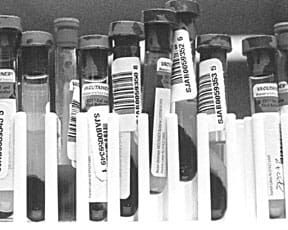
by Randy Kidd, DVM, PHD I have always thought it almost magical that with only a few drops of blood, I can get a fairly comprehensive picture of what is going on with a dog’s inner chemistry. Most of the dog’s organ systems can be targeted by one chemical analysis or another, and with proper interpretation of one (or a combination of) these analyses, I can, at least in part, assess the dog’s current health/disease status. From this interpretation then, we can often derive a treatment regime, whether it is based on Western or alternative medicines. Isn’t science wonderful? However, over the years I’ve learned that interpreting blood chemistry results and then deciding on a therapeutic protocol based on the interpretations is often more art form than strictly black and white science. And while it can be frustrating when we are not able to generate specific answers from the blood chemistry findings alone, I personally find it comforting that there is still some magic and mystery in this specific area of science. As a holistic vet I’ve learned that there are many other very valid methods that can be used to interpret the patient’s health/disease status – evaluating the Qi of Traditional Chinese Medicine, or employing the intake of symptoms used in homeopathy, as just two examples. I’ve found these alternative diagnostic methods, depending on the situation, to be as good as, or better than, the “scientific” blood analysis methods employed by Western practitioners. To my way of thinking, we offer our patients the best of all worlds whenever we have the ability to accurately interpret several different methods of diagnosis (see “Personal Notes About Blood Chemistries,” at end of text). Whenever we decide to use blood chemistries as an aid for diagnosis and treatment, we need to understand what the results are telling us – and what, by design, they cannot help us with. Following are some of the basics of blood chemistry analyses. Bear in mind as you read that blood chemistries are a snapshot of what is going on inside the dog. They do not provide us a story with a beginning, middle, and end, and it is often this whole story that is the most valuable for determining our treatment protocol. To really know how a disease is progressing, we will perhaps need several progressive “snapshots,” each one giving us a better insight into the whole story of the dog’s ongoing health status. Also, remember that all blood chemistry interpretations rely on the methodology of statistical analyses, one of the mainstays of the science of Western medicine. While I appreciate that decisions based on statistical concepts can usually be justified, I always need to remind myself that each and every patient is a “statistic” of one – an individual who may or may not conform to the rules the statisticians ask us to abide by (see sidebar). Finally, keep in mind that dealing with a concept that interprets “normal” as a value that falls within the parameters of what is statistically normal in a given population. This “normal” value is completely disconnected from the holistic totality of the animal patient, and individual variability often throws a monkey wrench into the whole system. Statistics are entirely blind, and it is up to the people interpreting them to actually observe the animal to see if the statistics correlate to the symptoms seen in the dog. Woven into the concept of “statistically normal” is the fact that fully 5 percent of every perfectly healthy population will lie outside the normal range. Further, when we run a blood chemistry profile on a healthy animal using the typical 20 or so separate analyses, we almost guarantee that at least one of the values will fall outside the normal range. (Statistics can be used to prove this, but I won’t burden you with the mathematics here.) Unfortunately, even though we should expect a perfectly healthy animal to have at least one value of his chemistry profile that is outside the range of normal, I find that far too few veterinarians really understand this concept, and they will often base entire treatment protocols on the one “falsely abnormal” value they have obtained from a chemistry profile. We should instead be looking for “concordant” values – two or more values that support each other in their evaluation of a particular organ system. For example, when we have several indicators of liver disease (for example: elevated alanine transferase, aspartate transferase, and alkaline phosphatase, and decreased total protein and albumin), we can be reasonably sure the liver is involved. However, if only aspartate transferase is elevated, we need to think of other possibilities – in this case the likelihood that there is muscle rather than liver damage. The key, then, is to work with values that represent concordant indications, and to scratch your head and wonder about (or ignore) the ones that are discordant with other values. Finally, when “abnormal” values don’t match up with the aggregate of all of the dog’s physical symptoms, they should be questioned. Definitive answers not likely It is actually rather rare when blood chemistries, even with the most complete profile possible, will give us a definitive answer to the question, “Specifically, what is wrong with this dog?” When we use blood chemistries to help diagnose disease, we hope: a) We’ll be able to eliminate some of the possibilities from the long list of potential causes of disease; b) We’ll come closer, often through the process of elimination, to the real cause of the disease; and c) We can pinpoint one (or more) organ system that needs therapeutic support, thus giving us some help in developing our treatment protocol. While it can be frustrating to run a blood chemistry profile on a sick animal and not come up with the precise cause of the disease, I’ve found that “healthy animal” profiles can be very useful. Using a profile, we may be able to detect a beginning trend toward a potential problem, and this gives us a chance to design a long-range, holistic protocol that will help the dog maintain optimum health. My caveat here is that we make certain we are dealing with an actual trend and not just a few select values that are really within normal range but are slightly one side or the other of the median value. All labs are not all equal Quality control, accuracy of results, turnaround time, cost, and the chemical methodology used to establish “normal” values are all factors that enter into the reliability of the results you obtain from any lab. Veterinarians often use a local human lab to save costs and time, but very few of these labs have established their own normal values using healthy animals instead of humans, and they often are able to ease their quality control measures for the animal samples they run. And, while many vets use in-house blood chemistry instruments, it is almost impossibly expensive to run adequate controls to insure quality results. Ask your veterinarian about the laboratory he or she uses. For the reasons I just outlined, I strongly recommend using only university-based or large commercial veterinary laboratories. Inaccuracies and interactions Probably more important than “lab error” as a cause of spurious or incorrect values are interactions with other substances. Many of these interactions are caused by problems within the blood itself. For example, hemolysis (breakdown) of the RBCs can result from problems during collection, and lipemia (fat in the bloodstream) can be caused by taking the sample too soon after a meal. However, a good many of the interactions are caused by a variety of drugs the animal may be taking at the time of the test. Your veterinarian should be advised about any and every drug or herb your dog is being given, and he or she will need to know how each affects the blood chemistry results. There are many other considerations that make analysis of blood chemistries a true art form. For example, you always need to think of the various ways a chemistry can be increased – such as increased production, spillage from the rupture of cells, or lack of proper clearance or excretion – and then you need to decide which of these mechanisms is occurring in this particular patient. Finally, the veterinarian also needs to consider such individual variables as the age, sex, breed, activity level, and pregnancy status of the animal, as each of these may affect normal ranges. Here is a question I frequently get from clients and veterinarians: “What other tests should I run?” The answer is simple: What will you do with the results? If a positive (or negative) result will change your treatment regime, then the test may be warranted. If you will continue on with the treatment protocol you’ve already begun, why bother with more tests and expense? You’ll likely only confuse yourself further anyway. Common blood test results The following are a few of the more commonly run blood chemistries and some of the things to watch for when reading their values. The list is not complete and is only meant to help with more routine cases; check with your vet or a veterinary specialist (clinical pathologist or internist) for further information. Alkaline phosphatase (ALP): ALP is an enzyme found in a variety of tissues; the two tissues of diagnostic importance are bone and liver. Two common causes of increased ALP are the use of glucocorticoids (any of the many cortisone-type drugs) or anticonvulsant medications (such as Phenobarbital and primidone). Bone and liver ALP have separate isoenzymes that can be identified by special analysis (electrophoresis), but with the exception of bone disease or bone growth (growing animals or during fracture repair), increased serum activity that is non-drug-induced is usually due to liver disease. Alanine transferase (ALT): Increased values are principally due to damage of liver cells from any cause. (Red blood cells and muscle cell damage may also cause small increases.) Liver disease of any type may elevate ALT values; the list of drugs that are known to damage liver cells is extensive; further, an animal may have an idiosyncratic reaction to almost any drug or nutritional supplement. Aspartate transferase (AST): AST is found in many tissues including liver, muscle, and blood cells. The most common causes of increased AST include liver disease, muscular disease (inflammation or necrosis), or hemolysis (the breakup of red blood cells). While increased AST is often associated with liver cell damage, it is not as specific for liver as is ALT. Exercise and intramuscular injection may also increase serum AST. Finally, ALT is present in the cytosol of the cell, while AST is found in the mitochondria. Because cell membranes are more easily damaged than mitochondria (allowing for leakage of the enzyme from the cytosol), it is easier to increase serum ALT than AST. Kidney tests: Complete renal exams include BUN, creatinine, and a urinalysis. BUN is a prime example of a test where interpretation can be thought-provoking. BUN can be moderately elevated by any factor that increases body protein – possible examples include: a recent canned meat meal, hemorrhage into the gastrointestinal tract, breakdown of body tissues from fever or massive tissue trauma, or drug therapy including corticosteroids or tetracyclines. If both creatinine and BUN are increased, the kidneys are affected (decreased glomerlular filtration). However, decreased glomerlular filtration may be due to prerenal causes (diminished blood supply due to dehydration or shock); postrenal causes (diminished outflow from a “plugged” urethra); or renal causes (including a variety of true renal diseases). In early prerenal conditions, the BUN may be elevated before creatinine values, due to the highly diffusible nature of BUN. Prerenal conditions will typically be associated with urine specific gravities of greater than 1.035; a persistent specific gravity of 1.010 + 2 indicates the kidneys are unable to function. It’s important to have pretreatment values since many treatments alter one or all of the BUN, creatinine, and urine specific gravity values – fluid therapy, corticosteroids, and diuretics are just a few examples. Decreased BUN may also indicate disease and may be caused by inhibiting production (e.g., liver insufficiency or dietary protein restriction) or by increasing excretion (e.g., excessive thirst and urination or late pregnancy). Pancreatic tests (amylase and lipase): These two tests should be done simultaneously to diagnose pancreatitis. Amylase levels may rise with renal disease (and other diseases are suspected, but not proven), although the elevation is usually less than two times the upper limit of normal. However, pancreatic disease, no matter the severity, does not produce a reliable increase in amylase values. Adding lipase increases the likelihood for an accurate diagnosis of pancreatic disease, but lipase values may also elevate with renal disease (and some drugs), and not all patients with pancreatic disease will have elevated lipase values. The amount of increase of either the lipase or amylase values is not necessarily proportional to the severity of the pancreatitis, and each of these two values will have very different normal ranges between labs, depending on the lab’s methods of analysis. Cholesterol: Used as a screening test for hypothyroidism, hyperadrenocorticism (“Cushings syndrome”), diabetes, kidney disease, and other rare diseases. Feeding a very high fat diet may cause minor elevations of cholesterol in the dog. Cholesterol levels may be high immediately after eating, and there are several drugs that may falsely elevate cholesterol values. When high cholesterol values are found, other tests will be needed to help determine the cause. Glucose: A general screening test that, when out of normal range, will often require follow-up tests to further narrow down the real cause of the abnormality. There are many possibilities for lowered values, including insulin therapy, being a toy breed puppy, tumors, and prolonged starvation, but probably the most common cause is that the serum was not separated from the red blood cells. (Red blood cells continue to metabolize glucose, even out of the body, and their metabolism eats up glucose.) There are also many causes of increased glucose, although a persistent value of more than 180-200 mg/dl in a non-stressed animal not receiving medication (especially glucocorticoids) is indicative of diabetes mellitus. Note that glucose is a good example of a “snapshot” blood chemistry, good for monitoring the short-term results of therapies for diabetes. However, other chemistries (fructosamine or glycosylated hemoglobin) provide a better way to see how the therapies are progressing over a few weeks or months time. Electrolytes [sodium (Na), chloride (Cl), potassium (K)]: Electrolytes are an important component of the blood serum. In addition to providing necessary minerals for many chemical reactions, electrolytes balance the “thickness” (osmolality) of the serum as well as helping to maintain a constant acid/base balance. Depletion or excess of any of the electrolytes prevents the kidney from functioning properly, makes cellular uptake of nutrients difficult, and may alter the acid/base balance enough to be life-threatening. Physical causes that may create an imbalance include vomiting, diarrhea, inadequate kidney function, and/or improper fluid intake. Again, there are many drugs that can cause imbalances. If the sodium value is less than 135 mEq/L or if the ratio of Na:K is equal to or less than 27:1, and if we can eliminate sampling errors and other artifacts, hypoadrenocorticism (Addison’s), a potentially life-threatening disease, should be suspected. Calcium and phosphorous: Two additional electrolytes with additional importance for healthy bones and proper nerve transmission. Increased levels of calcium may be caused by many factors including endocrine disease (of the parathyroid, thyroid, or adrenal gland), renal disease, infection, inactivity, dehydration, or excess intake of vitamins A or D. Calcium is also elevated with the presence of several types of tumors, whether or not they involve bone tissue. There are many reasons for low blood calcium levels – including kidney disease, endocrine imbalance, toxicity (especially to ethylene glycol found in some antifreeze products), and thyroid surgery. But, the most common cause is a low level of the blood protein, albumin – from lack of nutrition or liver disease. Animals with very low blood calcium levels may have heart arrhythmia (from lack of proper nerve transmission), or they may go into rigid spasms (eclampsia of pregnancy, is an example of this). Although there are many causes of elevated phosphorous, the most common is kidney disease, and values can be profoundly elevated with this condition. Low levels of phosphorous are commonly, but not exclusively, associated with increased calcium seen along with malignant tumors. Serum proteins (Total proteins, albumin (the most prevalent serum protein), and globulin): Serum proteins evaluation is used as a general screening test for most patients but especially for those with edema, blood clotting problems, diarrhea, weight loss, and hepatic or renal disease. This is to say that either elevated or decreased levels point the diagnostician in the direction of trying to find the reason for the abnormal value. Elevated total proteins, for example, may be caused by many factors, but the most common one is dehydration. Albumin may be low due to lack of intake (nutrition or absorption), lack of production (liver disease), or increased loss (from the gut or kidney). Increased globulins may indicate chronic infection or immunological disease. In some cases deciding which of the globulins are increased (whether it’s the alpha-, beta-, or gamma-globulins, each of which also have several separate fractions) can be beneficial for diagnosis; the various fractions can be separated via electrophoresis. Thyroid profile: Most chemistry panels nowadays include a T-4 evaluation, a basic screening test for thyroid function. However, even as a screening test, it is generally felt to be unreliable because it can over-diagnose hypothyroidism (the most common thyroid disease in dogs), under-diagnose hyperthyroidism (the most common form in cats); may fail to detect early stages of the disease; and it doesn’t identify immune-mediated forms of thyroid disease. Further, the test is influenced by other diseases that may produce spuriously low values, and many drug therapies influence results. For a more complete diagnosis several tests are available, depending on the patient’s symptoms. These include free (unbound) T-4, free and total T-3, endogenous canine thyroid stimulating hormone (TSH), canine thyroglobin autoantibodies (TgAA), and T-3 and/or T-4 autoantibodies. Summary I’ve found both blood chemistry values and alternative methods of diagnosing to be valuable aids in my overall diagnostic process. Sometimes one method gives me a better idea for diagnosis and treatment; other times another method provides much better information. Since I’ve not been able to figure out in advance when a particular method will be the one that will work for the individual patient, I’m glad I have several very different methods to work with. I often find that working with a combination of many diagnostic methods gives me and my patient the best of many worlds. -Dr. Randy Kidd received a DVM degree from Ohio State University and a Ph.D. in Pathology/Clinical Pathology from Kansas State University. He is a past president of the American Holistic Veterinary Medical Association, and author of Dr. Kidd’s Guide to Herbal Dog Care and Dr. Kidd’s Guide to Herbal Cat Care.

Causes of Reactive Dog Behavior and How to Train A Reactive Dog

About 85 percent of the time, my Scottish Terrier, Dubhy (pronounced Duffy) is laid-back and phlegmatic. He methodically solves every training challenge I give him (although I don’t expect him to break any speed records on the agility course). His low-key approach to life won our hearts and earned him a permanent home after we found him running loose in a Chattanooga neighborhood in January of 2001 at the tender age of six months. Residents said he had been roaming the area for at least six weeks; a search for his owners proved fruitless. His uneventful introduction to the rest of our pack sealed his fate, and Dubhy joined the Miller family.

Thus his behavior at a Tennessee trainers’ meeting some 16 months later came as a complete shock to me. I arrived early at the Knoxville location, and was sitting on the far side of the training room when fellow trainer Claire Moxim entered with her Labrador Retriever, Pete. Dubhy knew Pete well; they had played happily together at my training center on several occasions.

Dubhy looked up as Claire and Pete entered, then went nuclear, raging and snarling at the end of his leash.

My trainer brain immediately leaped to the obvious “restraint frustration-aggression” conclusion. Here was a dog that Dubhy knew from prior positive play experiences. Dubhy was excited to see Pete, and his frustration at not being able to greet his friend was manifested in a display of aggression. Or so I thought.

“Let’s have them meet on loose leashes,” I suggested to Claire. “Once Dubhy gets to say hi to his pal, he should be okay.”

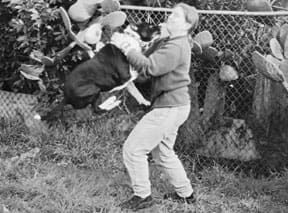
Fat chance. As Dubhy and I approached Pete on a loose leash, Dubhy did, indeed, seem to settle down. I mistook his controlled behavior for calm behavior. As we came near the big black dog, Dubhy redoubled his hostilities. When I reached down and touched my dog’s hip in an attempt to interrupt his attack, he whirled around and punctured my hand with his teeth in a classic display of redirected aggression. Yikes! Overnight, seemingly without warning, Dubhy had turned into a reactive dog.

Talkin’ ’bout excitation
“Reactive” is a term gaining popularity in dog training circles – but what is it, exactly? In her book Clinical Behavioral Medicine for Small Animals, Applied Animal Behaviorist Karen Overall, M.A., V.M.D., Ph.D., uses the term to describe animals who respond to normal stimuli with an abnormal (higher-than-normal) level of intensity. The behaviors she uses to ascertain reactivity (or arousal) are:

  • Alertness (hypervigilence)
  • Restlessness (motor activity)
  • Vocalization (whining, barking, howling)
  • Systemic effects (vomiting, urination, defecation)
  • Displacement or stereotypic behaviors (spinning, tail- or shadow-chasing)
  • Changes in content or quantity of solicitous behaviors

The key to Dr. Overall’s definition is the word “abnormal.” Lots of dogs get excited when their owners come home, when they see other dogs, when a cat walks by the window, when someone knocks at the door, and so on. The reactive dog doesn’t just get excited; he spins out of control to a degree that can harm himself or others around him. In his maniacal response to the stimulus that has set him off, he is oblivious to anyone’s efforts to intercede. He goes nuclear.

Dubhy has demonstrated reactive behavior in other situations as well. Our neighbor’s black and white cat, Barney, has appointed himself Official Rat Patrol in our barn. Barney’s casual strolls outside our fence send our Scottie into a frenzy; Dubhy runs the fence line like a maniac, barking hysterically and doing stereotypic spins at each corner. When I place myself in Dubhy’s path and wave liver treats in his face I might as well be invisible; he darts around me and continues on his mission. If I let him, he would run himself into heat stroke.

Causes of reactive behavior in dogs

There is definitely a genetic component to Dubhy’s out-of-control level of excitation. If I had researched Scottish Terriers before I decided to keep him, I would have learned that this behavior is actually a desired trait for that breed (see sidebar).

The excuse is that good breeding maintains the original temperament and behaviors of purpose-bred dogs. Labrador Retrievers should be able to retrieve ducks, for example, Border Collies should be able to herd sheep, and Scotties and other terriers should display the pugnacious behavior that makes them good vermin-killers. I had heard this all my life, and was quite familiar with the terrier reputation for feistiness. I now have an intimate understanding of what that really means.

As with most behaviors, environment also plays a role in the responses of reactive dogs. With careful handling, a dog with reactive tendencies may never exhibit the abnormally intense reaction to stimuli that lies dormant in his genes. A dog who could have been a reasonably self-controlled canine in normal conditions, might be induced into reactivity if kept in a highly stimulating environment.

Had I been smarter and realized Dubhy’s propensities earlier, I might not have taken him to doggie daycare, where he experienced a heightened level of stimulation in the presence of other dogs that might have contributed to his Jekyll and Hyde reaction to Pete. He might never have been able to “play well with others,” which he did nicely for over a year, but we might also have avoided the “can’t even control himself in the presence of other dogs” behavior that I found myself dealing with in Knoxville.

Managing your dog’s reactive behavior

Even if you have a highly reactive dog, all is not lost. A reactive dog may be a challenge, but there are things you can do that will help you cope with the stress of living with a dog who tends to flip out. Let’s start with management:

1. Identify his triggers. Make a complete list of all the environmental stimuli that set off your dog’s nuclear reactions. Be specific. For Dubhy that would be: A) the neighbor’s cat flaunting himself on the other side of the fence; and B) some other dogs – mostly those who are taller than Dubhy. Since I can’t successfully predict which dogs will set Dubhy off, I assume all dogs will, and act accordingly.

2. Prevent his access to the stimuli. Change your dog’s environment so his reactive behavior isn’t frequently triggered. For example, you can block his visual access with barriers, control it with training tools, or simply move your dog to another environment when the stimulus is likely to be present.

For Dubhy that might mean: A) asking the neighbor to keep his cat home (which probably won’t happen), or erecting a solid wood privacy fence so Dubhy can’t see the cat, and B) using a head halter when I walk Dubhy in public so I can easily turn him away from other dogs, breaking the visual contact that triggers his reactive behavior.

Modifying reactive behavior in dogs

If you are particularly successful at managing your dog’s environment, that may be all you need to do. Lots of dog owners get by on management without ever retraining the dog. If, however, you’d prefer to change your dog’s behaviors in case your precautions should slip, or if you’d like to be able to relax when you take him out, you can learn to put a behavior modification program in place.

The most powerful tools you can use to reprogram your dog’s reactive responses are classical and operant conditioning. Don’t be frightened off by the technical terms; these behavior modification tools are easy to put into practice.

Say your dog is reactive to people walking their dogs past your house when she is inside, and she barks hysterically and scratches at the windows whenever she sees a dog walking past. You can manage the behavior by closing your drapes, moving the sofa to the other side of the room so she can’t jump up and see out, or putting up a baby gate to prevent her access to the front room. But if you really like having the drapes open, the sofa fits perfectly under the front window, and you enjoy your dog’s company when you are watching TV, you might be more motivated to undertake a behavior modification program to change your dog’s annoying response for the long term.

Think of it this way: There’s a little switch in your dog’s brain that gets flipped whenever she sees a dog outside your window. She likely sees each dog-human pair as a trespassing threat. The instant one appears, her brain kicks into overdrive and she goes nuclear. This is a classically conditioned behavior. She is not thinking, “If I bark hysterically and run in circles, climb the walls and claw the curtains, something good might happen.” Her brain is screaming, “Alert! Alert! Intruders!” and her body reacts accordingly.

Of course, her behavior is reinforced by the fact that every time she does this, the intruders leave. Her canine brain doesn’t comprehend that they would’ve left anyway; she may well think she made it happen. This negative reinforcement (the dog’s behavior made a bad thing go away) only increases the likelihood that the behavior will continue, or even escalate.

This is operant conditioning. In reality, classical and operant conditioning work together all the time to mold our dogs’ behaviors. We use food to operantly condition our dogs to respond to our cues with a desired behavior. At the same time we give our dogs a very positive classical association with the whole training experience because they love food (and playing with us), so they come to love training, too.

To change your dog’s classical association with the presence of a dog walking by from negative to positive, you need to convince her brain (the automatic response part, not the thinking part) that the presence of dogs walking by makes something wonderful happen. This is called counter-conditioning.

Build an unconscious positive association

To succeed at counter-conditioning, begin by preventing your dog’s access to the windows when you are not there so she can’t practice the undesirable behavior. Plan your training sessions for a time of day when you’ll have high traffic past your window. If there is no such time, convince several of your dog-friends to leash their canine companions and – at different times – march back and forth past your window for 15 to 20 minutes. You can take them all out to dinner afterward as a reward!

Be sure your friends know they need to march out of sight in each direction before they turn around. Mark the place on the sidewalk where you want them to turn, just to be sure.

Meanwhile, back at the house, have your dog on leash, using a head halter if necessary. As soon as the marchers come into view, start feeding your dog something totally irresistible, such as tiny morsels of canned chicken. Be sure your dog has noticed the pair before you begin feeding, but don’t wait for her to work herself up into a frenzy. The instant she notices them, begin feeding her. Feed the morsels nonstop as long as the marchers are in view – treats raining from the heavens! As soon as the dog and human passersby are gone, stop feeding your dog. When they reappear and your dog notices them, start feeding her again.

Your goal is to convince your dog that a dog walking by makes chicken happen. You will know you’re making progress when you see your dog notice the walkers and, instead of getting tense and barking, she turns to you with a smile and a “Where’s my chicken?” expression. When she realizes that chicken only happens in the presence of a dog outside the window, she’ll want them to be there, rather than wanting to chase them away.

Build a conscious positive association

When you have successfully changed your dog’s automatic or unconscious association with the stimulus, you can start using operant conditioning to teach her that the presence of the previously offensive stimulus is a cue to sit and look at you.

It’s easier than you might think; just ask her to sit when she gives you the “Where’s my chicken?” look, before you feed her a treat. Slow your rate of reinforcement (how fast you feed treats), and reward her only for the desired behavior, rather than shoveling treats nonstop.

Eventually you can fade the verbal “sit” cue; the mere appearance of a dog walking by your house will become the operant cue for your dog to sit and look at you.

All is calm

Counter-conditioning is definitely more challenging with a reactive dog than with one who responds to stimuli with a normal level of intensity. It may take you longer than it would with a “normal” dog, but it does work. Don’t give up! The more you can saturate the reactive dog’s environment with the concept of “calm,” the more successful you will be at managing and modifying her nuclear reactions.

Help your dog understand that calm behavior is universally rewarded (see “Practiced Calm,” WDJ February 2002). Keep your own interactions with her calm and cool, even when you are tempted to scream at her to startle her out of the high-intensity behavior pattern. Your own intense behaviors are more likely to elevate her energy level than tone it down.

Learn about calming massage, acupressure, and T-Touch™ techniques to help your dog relax. Research herbal, homeopathic, and flower essence remedies to see which ones might be appropriate for your dog. (You may need a holistic veterinarian to help you with this; go to the Web site of the American Holistic Veterinary Medical Association at ahvma.org for a directory of holistic vets in the United States, listed by state, to find one near you.)

It is possible to make progress with a reactive dog. While my Scottie is not yet ready to show off his piano-playing technique at the next big dog trainer conference I attend, I am much more comfortable taking him to relatively small gatherings where other dogs might be present.

We recently helped staff a booth at a fair. Our two-hour stint was uneventful despite dozens of dogs walking by on leash – except for the bad moment when a thoughtless lady allowed her dog to run 25 feet to the end of her retractable leash and get right in Dubhy’s face. I did a quick about-turn with Dubhy to avoid disaster and a setback to his modification program, and then proceeded to explain to the lady why retractable leashes weren’t a good idea in a crowd. She was offended and indignant. I was just thrilled that Dubhy had come so far with his reactive behavior.

Dog Cancer Diet

46
dog cancer diet

DOG CANCER DIET: OVERVIEW OF WHAT TO FEED YOUR DOG

1. Reduce the carbohydrates your dog eats. Carbs cause a net energy loss to the cancer patient, but are readily utilized by cancer cells.

2. Use fish oil supplements (high in omega3 fatty acids ) to reduce or eliminate some of cancer’s metabolic alterations.

3. Feed the most appetizing food you can find. Anorexia and weight loss will speed your dog’s death.


Ask any dog owner about his biggest health fears for his pet, and his response is likely to include cancer. It’s a leading cause of death in canines and can be indiscriminate, striking young and old dogs alike. According to a 1997 Morris Animal Foundation study, cancer claimed the lives of one of four dogs who participated in the study, while 45 percent of dogs who lived to be 10 or older died of cancer.

Many cancers are life-threatening. Although they can be addressed through conventional veterinary treatments, including surgical removal of tumors, chemotherapy, and radiation therapy, they may not always be cured, so post-diagnosis regimens often focus on simply creating the best possible quality of life for the time the dog has left.

Over the past 10 years, compelling evidence has emerged that one of the keys to creating that better life can be found in a surprising place: the dog’s food bowl. Experts acknowledge that one way to deal with cancer is to take charge of what the canine cancer patient eats.

How Cancer Alters the Metabolism of Dogs

Veterinarians studying canine cancer have long known that the disease alters a dog’s metabolism. The cancer-stricken dog will utilize carbohydrates, fats, and proteins in very different ways than his healthy counterparts.

In many cases, canine cancer patients will also exhibit what’s known as cancer cachexia, a condition in which an animal will lose weight despite taking in adequate nutrients. (Cancer cachexia occurs in up to 87 percent of hospitalized human cancer patients, and because the incidence of malignant disease is higher in dogs than in humans, there is reason to believe that cancer cachexia is at least as significant a problem in veterinary patients.) Dogs with cancer cachexia show a decreased ability to respond to treatment and a shortened survival time.

Greg Ogilvie, DVM, Dip. ACVIM, and his colleagues at Colorado State University’s College of Veterinary Medicine and Biomedical Sciences are regarded as the top experts on canine cancer in the United States. In 1995, Ogilvie coauthored a landmark textbook, Managing the Veterinary Cancer Patient, that further describes the metabolic changes that occur when a dog contracts cancer.

According to the text, the most dramatic metabolic disturbance occurs in carbohydrate metabolism. Cancer cells metabolize glucose from carbohydrates through a process called anaerobic glycolysis, which forms lactate as a byproduct. The dog’s body must then expend energy to convert that lactate into a usable form. The end result? The tumor gains energy from carbohydrates, while the dog suffers a dramatic energy loss.

In a dog whose cancer is yet undiagnosed, this can be disastrous. What is the average dog owner’s first response when his dog starts losing weight? He generally increases the dog’s food ration – and if that food is a conventional kibble containing lots of carbohydrate-heavy cereal grains, he ends up throwing gas on the flames, so to speak. The dog does not benefit from the increase in carbohydrate-laden food, but his cancer does.

Another metabolic alteration seen in dogs with cancer cachexia is that protein degradation exceeds protein synthesis, resulting in a net loss of protein in the dog’s body, contributing significantly to his weight loss as his muscle mass is stripped away. This net protein loss results in decreased cell mediated and humoral immunity, gastrointestinal function, and wound healing.

According to Dr. Ogilvie, the majority of weight loss in cancer cachexia is due to the depletion of body fat, which (like protein) gets broken down at an increased rate in the cancer patient. However, unlike carbohydrates and protein, an increase in dietary fat does not seem to benefit canine cancer tumors. Fortunately, the dog’s ability to utilize fats as an energy source is unimpeded.

One interesting consequence of the metabolic change: it appears to be permanent. Once a dog has cancer, the metabolic processes remain altered even if he goes into remission.

Adjust Your Dog’s Diet Accordingly

Understanding these metabolic changes can help us formulate a diet that maximally benefits the dog, and minimally benefits his cancer. Well-nourished patients not only exhibit greater overall health, they also display an increased tolerance of veterinary interventions (such as surgery, radiation, and chemotherapy), and an increase in immune responsiveness.

Dr. Ogilvie modestly points out that the “ideal” dog cancer diet is not yet known, but his thinking on the topic is way ahead of most veterinarians. He and his associates at Colorado State have shown huge progress in developing a diet plan that can reduce the effects of cachexia – nourishing the dog and not the cancer. The basic framework suggests that the diet should be comprised of a relatively low amount of simple carbohydrates, modest amounts of fats (especially omega-3 fatty acids), and adequate amounts of highly bioavailable proteins.

Numerous studies have demonstrated that a high-fat, low-carbohydrate diet contributes to a higher probability of remission (when given in conjunction with chemotherapy) and to longer survival time.

The evidence is so compelling, in fact, that Dr. Ogilvie and a team from Colorado State worked with Hill’s Science & Technology Center to create a dog food specifically formulated for the needs of the cancer-stricken canine, Hill’s Prescription Diet n/d. It came on the market in 1998 after almost a decade of study.

“This type of nutritional concept is something that’s backed up by literally hundreds of studies, both in lab animals and people, and in clinical trials with dogs,” says Philip Roudebush, DVM, Dip. ACVIM, a veterinary fellow for Hill’s. “Unfortunately, a lot of people don’t know that – veterinarians as well – but to me, it’s about as well validated a concept as we have in nutrition.”

Because the metabolic changes that occur in a cancer-afflicted dog are permanent, even if his cancer goes into remission, feeding this adapted diet may be necessary for the remainder of the dog’s life.

What’s In an Anti-Cancer Diet for Dogs?

While the experts don’t all advocate the same approach to nutrition and cancer, they do agree on one thing: don’t try this on your own. It’s essential that your vet works with you on formulating a diet that meets your dog’s specific needs, especially if your pet is undergoing any sort of additional treatment such as chemotherapy. Even supplementation is discouraged without the input of a professional.

But if your practitioner suggests you try an altered diet by preparing homemade meals, here are some of the things he might recommend.

1. All ingredients should be fresh, highly bioavailable, easily digested, and highly palatable, with a good taste and smell.

Many cancer patients lose their appetite, either due to their treatments or illness; these dogs must be tempted to eat, a lot.

Note: Veterinarians have a variety of pharmaceutical appetite stimulants that may be helpful for keeping an inappetent dog eating. The goal is to prevent anorexia and weight loss at all costs. If a canine cancer patient stops eating, the veterinarian should consider “enteral” feeding – using either a nasogastric tube (which goes through the dog’s nose and throat and into his stomach) or a gastrostomy tube (which is surgically placed in the dog’s stomach and emerges from the dog’s side). Such measures, while dramatic for the owner, can be of enormous value to the patient and are generally of short duration.

2. Organic foods.

Conventional veterinarians may beg to differ, but holistic practitioners of all kinds are quite comfortable with the numerous studies that link common chemical pesticides and fertilizers to cancer, as well as reproductive and neurological damage. Dr. Anne Reed, a holistic veterinarian in Oakland, California, recommends that her clients utilize organic meat as part of their anticancer diets. “Giving a dog as clean a diet as possible can only help,” she says. “I feel like the last thing the canine cancer patient’s body needs is to deal with the pesticides, antibiotics, and extra bacteria that tend to be in nonorganic meat. You don’t want their bodies to have to focus on clearing out toxins as well as fighting the cancer.”

3. Fresh, organic meats, either raw or cooked.

Fresh, clean, high-quality meat is both appetizing and highly bioavailable.

4. Fish-oil supplements.

Rich in omega-3 (n-3) fatty acids, which have been linked to tumor inhibition and strengthening the immune system, fish oil may be more readily absorbed by the dog’s body than a close cousin, flaxseed oil.

5. Vitamin C.

Known and used for its antioxidant properties, this vitamin can easily be given in pill form. Antioxidants neutralize free radicals as the natural byproduct of normal cell processes. In addition, antioxidants must be supplemented whenever omega-3 supplements are given.

6. Fresh vegetables.

Cruciferous veggies like broccoli and dark-green, leafy vegetables like spinach are healthy for any dog, but especially for cancer patients. According to the National Institutes of Health and the American Institute for Cancer Research, diets high in cruciferous vegetables – such as broccoli, cauliflower, cabbage, watercress, bok choy, among others – have been associated with lower risk for lung, stomach, and colorectal cancers in humans. According to the American Cancer Society, broccoli, in particular, is the source of many phytochemicals that are thought to stimulate the production of anticancer enzymes.

In addition, the fiber that vegetables provide is essential to maintain normal bowel health, which, in turn, is key to overall health. Pureeing the vegetables and mixing them into food may improve acceptance for some dogs, while others will be content to crunch them raw or lightly steamed.

7. Digestive enzymes.

Holistic practitioners often recommend these to help support the dog’s digestive abilities, especially during the transition to a new diet.

8. Garlic.

Small amounts, such as a clove a day, may be recommended. According to the National Cancer Institute, studies provide compelling evidence that garlic and its organic allyl sulfur components are effective inhibitors of the cancer process.

9. Safflower oil.

According to Lisa Barber, DVM, assistant professor at Tufts University School of Veterinary Medicine, there is some anecdotal evidence that this oil can help achieve remission in patients with a difficult form of lymphoma, epitheliotropic cutaneous T-cell lymphoma.

10. Limited carbohydrates.

If your vet promotes a raw diet, you might also look into pre-formulated offerings from companies like Primal Pet Foods and Steve’s Real Food. Their frozen offerings are convenient to store and easy to parcel out for meals.

Note: The costs for any of these feeding programs are not negligible. The packaged raw diets will run in the neighborhood of $45 – $50 per month to feed a 20-pound dog, while the Hill’s Prescription Diet n/d suggested retail price (which is subject to markup) is $1.50 – $2 per day for the same size animal, or $45 – $60 per month. The cost of homeprepared diets varies widely depending on the size of the dog, the type of meat used, and amount of supplementation.

Anti-Cancer Diet Details: What We Know and What We Don’t

A recent study coauthored by Dr. Ogilvie suggested using a diet with a ratio of less than 25 percent carbohydrate, 35 to 48 percent protein, and 27 to 35 percent fat, with more than 5 percent of the total food comprised of omega-3 fatty acids and more than 2 percent of arginine. (All these measurements apply to dry matter.)

Fish oil can be beneficial in an anticancer diet as both a fat source and a source of omega-3 fatty acids. These acids, also known as n-3 acids, have been linked in studies to tumor inhibition and enhancement of the immune system. Antioxidants are essential whenever n-3 fatty acids are used.

There has been much discussion of the potential benefits of other nutrients in an anticancer diet. Antioxidants such as vitamins C, E, and A have anticancer effects. Selenium, vitamins A and K3, arginine, glutamine, and garlic have been shown to be beneficial in some experimental settings. While promising, there is less evidence to support specific applications for these nutrients, although some veterinarians hedge their dietary recommendations and include these nutrients in some forms and amounts.

Feed Home-Prepared or Commercial Food to A Dog with Cancer?

If ever there was a good reason to feed a commercially prepared food, this is it. Feeding a commercial anticancer diet such as Hill’s Prescription Diet n/d, formulated with the assistance of Dr. Ogilvie and his associates at Colorado State, is a vast improvement on continuing to feed a dog’s regular kibble.

However, many holistic veterinarians – who, by and large, are more amenable to using nutritional therapies to treat many health conditions – recommend feeding canine cancer patients a home-prepared diet that meets Dr. Ogilvie’s basic anticancer, pro-dog outline.

For example, Anne Reed, DVM, a veterinarian at Creature Comfort Holistic Veterinary Center in Oakland, California, suggests that her clients prepare a diet that includes meat, vegetables, fats, and limited grains, as well as supplements such as vitamin C, garlic, and digestive enzymes. (Dr. Reed also uses other anticancer agents such as artemisinin, and Chinese herbs.)

Some veterinarians, including Reed, advocate a raw-food approach – although she’s careful to qualify this. Unless a client has experience preparing raw-food diets, Reed recommends preformulated commercial raw diets, such as those made by Primal Pet Foods and Steve’s Real Food, which are easier to handle and are nutritionally complete and balanced. But she doesn’t recommend raw food for every dog. “If a dog is on chemotherapy, radiation therapy, or very high doses of Prednisone or things that suppress the immune system, I’m very, very careful with raw food diets,” says Dr. Reed.

Nutritional Therapy for Cancer Treatment is Still A Radical Idea

Despite the very promising research in treating and supporting canine cancer patients with nutritional therapy, it’s not yet a cornerstone of conventional veterinary cancer treatment. “I believe that most veterinarians, including oncologists, recognize that diet can play an important role in moderating disease,” says Lisa Barber, DVM, Dip. ACVIM, an assistant professor at Tufts University School of Veterinary Medicine. “However, how this applies to clinical practice is unclear.”

Dr. Barber doesn’t advocate a wholesale change in diet in response to the news of cancer. “I tend to discourage owners from indulging their pets with home-cooked meals at the time of initial diagnosis,” she said, in part to avoid a pet getting used to a tempting diet. “If pets are given ‘tasty’ foods when they are feeling well, it will be more difficult to tempt them to eat when they are feeling poorly.”

Barber recommends a high-quality commercial diet supplemented with fruits and vegetables and encourages clients to consult a board-certified nutritionist to devise a sound, balanced feeding plan. Like many conventional veterinarians, she is averse to diets that include raw meat, citing fears of nutritional imbalances and of pathogenic bacteria such as E. coli, which can strain cancer patients’ immune systems.

Are Pet Lovers Leading the Anti-Cancer Diet Revolution?

However, owners who are desperate to do anything and everything for their beloved companions often do their own research, looking for more options.

Steve Drossner of Philadelphia became one such owner when his German Shepherd Dog/mix, Ginger, was diagnosed with hemangiosarcoma, a cancer that affects blood vessels. A tumor on Ginger’s spleen ruptured, and caused her to collapse.

After the spleen (and tumor) were removed, Drossner’s veterinarian felt that chemotherapy should be the next treatment – although the vet could make no promises regarding the treatment, since hemangio-sarcoma is such an aggressive, fast killer. After consulting with a holistic veterinarian, Drossner decided to skip the chemo, and instead, put Ginger on a home-prepared anticancer diet of cooked free-range chicken, brown rice, olive oil, organic vegetables, and supplements.

Although Drossner bemoans the expense, he doesn’t begrudge his dog the menu, which has helped keep Ginger alive for more than two and a half years. “Free-range chicken is $8.49 a pound,” he says. “It costs me $11 to $12 a day to feed her, but I really have no other options. I feel that if I made any changes to Ginger’s diet and she took a turn for the worse, I’d never forgive myself.”

Anya Hankison, of Oakland, California, is another person whose dog was diagnosed with hemangiosarcoma. Tessa, Hankison’s eight-year-old Yellow Lab, was diagnosed with the cancer in May 2003. After an operation in which Tessa’s spleen, gall bladder, and one liver lobe were removed, Hankison consulted her conventional vet to discuss the next steps in Tessa’s treatment.

“The oncologist gave me a life expectancy of 30 to 90 days post-surgery,” she said. “He didn’t give me any hope whatsoever.” Diet was not mentioned.

Hankison consulted holistic practitioner Reed for a second opinion. Dr. Reed suggested trying a raw diet combined with supplementation. While she made it clear this approach would not be curative, she did tell Hankison that Tessa’s remaining days could be healthier and happier.

“I really liked that,” Hankison said. “Dr. Reed’s approach sounded so natural. I didn’t feel like I was getting in the way of the natural course of life, and yet I was hoping to prolong it and give Tessa the best quality of life possible.”

Hankison took Dr. Reed’s suggestions to heart and transitioned Tessa to a raw-food diet, beginning with cooked meat and graduating to meals made up of raw, organic chicken, steak, hamburger, or buffalo meat, a variety of vegetables including broccoli, spinach, and carrots, and a range of supplements and Chinese herbs.

It wasn’t an easy change. “Dealing with raw chicken is hard, unless you’re buying just the breast. If you’re feeding a 70-pound dog twice a day, it can get really expensive,” says Hankison. Finding the organic meat was time-consuming, necessitating several trips a week to a nearby Whole Foods Market. Simply preparing meals for Tessa, who ate two of them daily, took 20 to 30 minutes.

Hankison also found it difficult to fit the supplements into her budget. She managed to find some generic substitutes and discovered that Oakland’s Chinatown offered better bargains than local naturopathic stores did, but the cost was still considerable. The challenge was exacerbated when Tessa had a bout of nausea and would refuse a meal.

“There were times where I’d have to make Tessa’s meal four or five times, and I’d have to take out one ingredient each time until she would eat it,” Hankison says. “When she wasn’t feeling well, I’d sometimes have to pare it down to no herbs, no salmon oil, and just chicken.”

Sadly, Tessa succumbed to her cancer on August 19, three months after her diagnosis, dying at home in Hankison’s arms. Although she survived only to the outer limit of her first veterinarian’s prognosis, Hankison believes the altered diet gave Tessa as much health as was possible in her last weeks and days. “Her energy levels were great. She felt really well, she looked healthy, and she healed (from her surgery) very, very well. Her quality of life was excellent, right to the end.”

Both Hankison and Drossner both say they have no regrets about trying the new diets, despite the expense and hassle. The results, they say, are worth it – happier dogs who can enjoy the time they have left, however long that might be.

Find A Progressive Veterinarian

No veterinarian worth his or her diploma would suggest that diet alone can cure cancer. The goal in anticancer diet management should be to maintain overall health, weight, and nourishment, which in turn will significantly assist the conventional veterinary treatments – all of which will help provide the best quality of life possible.

These are the stated goals of Hill’s anticancer diet – longer survival times, longer disease-free intervals, and improvement in overall quality of life – and they ought to be the goals of any veterinarian whose patient is fighting cancer.

Unfortunately, there are still numerous veterinarians in practice who are resistant (or just unhelpful) when questioned about a dietary contribution to cancer treatment. In these cases, our strong suggestion is to find another veterinarian to work with, fast.

C.C. Holland, a frequent contributor to Whole Dog Journal, is a freelance writer from Oakland, California.

Herbal Remedies for Treating Older Dogs

by Gregory Tilford

The sun has barely risen over the eastern horizon on a cold Montana morning, when a warm lick on the face awakens me from a dead sleep. I sit up slowly, my back aching from the yard work I did nearly a week ago. A whispered curse leaves my lips as a new shot of pain – from an old ankle injury – tells me that the skies are threatening to rain; it’s time to get busy stacking firewood before the first snow flies.

Another lick, this one a reminder, moistens my forearm. Willow, my 12-year-old Shepherd/Husky, wants to take an early morning walk on the mountain behind our house, which will be followed by her customary morning cookie.

In years past, Willow and I would hike far and wide. I’m always looking for herbs to photograph and study, and Willow always enjoyed our far-flung rambles.

Of course, at 12, Willow is a senior dog. Her joints are stiff and sore after an overlong walk. Her right leg wobbles after exercise, due to an old ligament injury. Petting her soft, graying snout, I tell Willow how aging really sucks.

At least for humans.

For humans, old age is as much a mindset as it is a physical circumstance. But to a dog, the thought of “yielding to the wheels of time” never occurs. Willow isn’t concerned about growing old. She doesn’t worry about her wobbly leg. She doesn’t even care about the egg-sized fatty tumor on her flank; she just wants to enjoy every waking moment with me – regardless of my moaning and groaning!

As a loving caregiver with a responsibility to provide Willow with the longest, happiest “dog’s life” possible, I must be careful not to let my worries of losing her interfere with her fun. That just wouldn’t be fair.

So instead of focusing all of my efforts on sheltering her from all possible harm, I try to provide her mind and body with everything they need to remain healthy, efficient, and fulfilled.

Although we cannot turn back the hands of time and may not be able to prevent the inevitable, a great deal can be done to assure optimum health and well-being during a dog’s later years of life.

Old age should not be viewed as a downhill slide to inevitable suffering and death. Nor should chronic disease be perceived as part of growing old. Each year hundreds of elderly dogs are put to sleep prematurely – not because they are deathly ill, but because their guardians can’t get past their own fears of watching their companions grow old and die a natural death. Granted, it’s difficult to live in anticipation of a companion’s death, but with all things considered, this is really our problem, not theirs.

The fact that an animal is growing old and becoming more susceptible to illness does not automatically predispose him to chronic disease – it just means that he needs some added care and attention. With your loving support, your old best friend can enjoy life right up to his last day.

The senior diet
Each month of nutritional deficiency can trim healthy years from the latter end of your dog’s life.

Please think about that last sentence for a few more seconds, and then get to work at improving her diet, because many chronic problems seen in elderly dogs are very often related to nutritional deficiencies.

Regardless of how good the food is you are feeding, the fact remains that as your dog’s body ages, its functional abilities to utilize food and properly eliminate waste will begin to decline. Liver problems, chronic renal failure, diabetes, arthritis, and hip dysplasia, as well as neurological problems (such as canine cognitive dysfunction) are just a few of the problems that may be prevented by not only improving the quality of her diet, but also the efficiency by which your dog’s body can utilize it.

Diet should be frequently reevaluated and adjusted as needed to accommodate any reduction in digestive efficiency. The food must be highly digestible and rich with vitamins, chelated minerals, meat proteins, and fats that are easy for her aging body to assimilate.

Depending on your senior companion’s condition and lifestyle, a vitamin/mineral supplement may be needed. Digestive enzymes and probiotic (beneficial bacteria) supplements should be added to each meal to optimize nutrient absorption and assist with the breakdown and elimination of waste.

A good essential fatty acid supplement should be added to the diet as well. This will help support and protect the liver and immune system, while aiding in the production and maintenance of healthy skin, coat, bones, muscles, and nervous system.

To find out exactly which foods and supplements are best for your “chronologically challenged” companion, talk to your holistic veterinarian.

Herbal support
In older animals, herbs are especially useful for providing added support to body systems that have become less efficient over time.

Digestion and waste elimination can be improved with the use of mild liver stimulants, such as dandelion (Taraxacum officinale) or burdock root (Arctium lappa). This will help with the removal of solid wastes from the body, while increasing the production of bile and digestive enzymes.

Marshmallow root (Althea off.), fed fresh, dried, or in any form of low-alcohol liquid, can be used to aid in the passage of stool by providing a protective, anti-inflammatory, and lubricating barrier to the intestinal mucosa. Flaxseed or psyllium husks will work in a similar manner as well.

Spirulina, dried nettle leaf (Urtica spp.), wheatgrass, or other “green foods” can be mixed with your dog’s food to provide added measures of trace minerals and antioxidant protection, while astragalus root or Siberian ginseng (Eleutherococcus senticosis) may be useful for strengthening the immune system and your companion’s resistance to physical or emotional stress.

The kidneys have a difficult life, too, and over time they may become scarred and dysfunctional from repetitive infections, stones, and other damaging influences that may or may not have been detectable earlier.

To increase urinary efficiency and help strengthen mucous membranes in the urinary tract, dandelion leaf, nettle, cleavers (Gallium aparine), or parsley leaf tea can be added to your dog’s drinking water. Add just enough to noticeably tint the water; this will also provide alterative qualities that the animal’s body can selectively utilize for the purpose of eliminating waste and maintaining clean, well-nourished blood. This can be done every day, for the remainder of your companion’s life.

If your dog displays early symptoms of renal failure, twice daily doses of ginkgo and hawthorn (Crataegus oxycantha) will help improve blood circulation and may help reduce blood pressure in the kidneys, while cornsilk (Zea mays), marshmallow, or plantain leaf (Plantago spp.) will help reduce inflammation.

Oat tops (Avena sativum) serve as an excellent nervous system tonic that can be fed on a daily basis to help improve and regulate nerve transmission. In dogs who display diminished mental clarity or odd behavior that is attributable to brain dysfunction (e.g., cognitive dysfunction in canines), blood circulation and neurological functions of the brain can be assisted and sometimes improved with the use of ginkgo, gotu kola, or peppermint. In certain cases, St. John’s wort (Hypericum spp.) may be useful as well, but this determination should be left to a holistic veterinarian who is familiar with your animal.

Aches, pains, and loss of mobility as a result of joint and connective tissue degeneration may be relieved with supplements of glucosamine and/or chondroitin sulfate, horsetail, or yucca root. In cases of arthritis flare-ups, licorice (Glycyrrhizza glabra), or Boswellia may bring symptomatic relief.

Cardiovascular efficiency can be supported with daily supplementation of hawthorn berry extract. If circulatory impairment is evident in the legs, ears, or tail, then tincture of ginkgo or encapsulated preparations of yarrow (Achillea milli-folium) or cayenne may be of assistance.

All of the herbs and supplements in this article are readily available at health food stores, and many can be accessed in products that are specifically formulated for use in dogs. To determine which herbs are appropriate for your companion, consult a holistic practitioner who specializes in veterinary botanical medicine.

Most important of all, don’t give up on your old friend. With a little loving help, your companion’s senior years can be as rich with fun and adventure as puppyhood was. The pace will just be slower. In my dog’s case, especially for her caregiver!

-Greg Tilford serves as a consultant and formulator to hundreds of holistic veterinarians throughout the world, and is CEO of Animal’s Apawthecary, a company that develops herbal products specifically for use in animals. Tilford is also author of four books on herbal medicine, including All You Ever Wanted to Know About Herbs for Pets, (Bowtie, 1999).

Download the Full October 2003 Issue

0
To continue reading this article or issue you must be a paid member.

Join Whole Dog Journal

Get full access to Whole-Dog-Journal.com – more than 4,000 articles – for just $20.
Join today and save 30% off our full price.
Already a member?
| Forgot your password? | Activate Web Access

Cod Liver Oil for Dogs Helps the Circulatory System

1
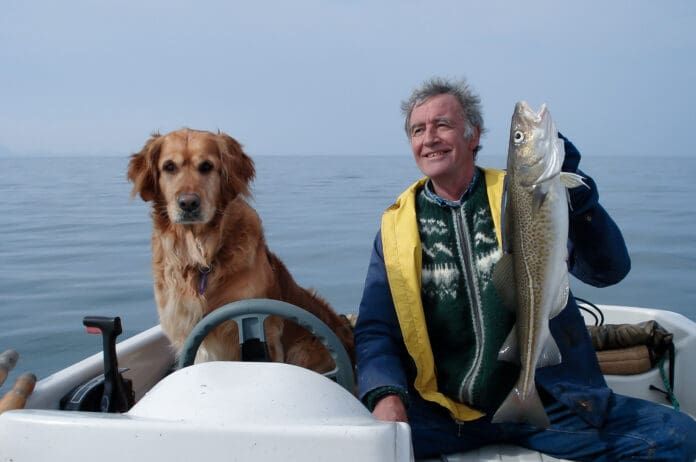
Cold liver oil for dogs offers many health benefts.
Cod liver oil for dogs offers many vitamins that improve a dog's health and wellbeing. Credit: Arnhor Aevarsson | Getty Images

People don’t like the taste, but giving cod liver oil to dogs gets a much more positive reaction. That’s convenient, because cod liver oil for dogs is an inexpensive, easy-to-use canine health insurance.

Centuries ago, people in the fishing communities of Scotland, Greenland, Iceland, and Norway thrived despite their intensely cold winters by taking a daily dose of cod liver oil. By the 1800s, folks around the world were taking a tablespoon a day because it relieved aching muscles, stiff joints, and rheumatism in addition to improving overall health.

In the 1950s, scientists discovered that essential fatty acids in cod liver oil improve heart and circulatory system health.

The vitamins in cod liver oil have been proven essential for growth, healthy bones, proper development of the brain and nervous systems, normal sexual development, and a strong immune system.

And scientists are still studying cod liver oil. In 2002, researchers in Wales found that cod liver oil’s omega-3 fatty acids disable enzymes that destroy cartilage. As a result, cod liver oil delays and even reverses the “irreversible” destruction of joint cartilage and inflammatory pain associated with arthritis.

All of cod liver oil’s human benefits are shared by dogs, including improved memory function, reduced behavioral disorders, and enhanced immunity.

“It’s definitely a miracle food,” says nutritionist Krispin Sullivan, CN. “There is hardly a disease in the books that does not respond well to treatment that includes cod liver oil, and not just infectious diseases but also chronic modern diseases like heart disease, cancer, and diabetes.”

How Did We Discover Cod Oil’s Benefits?

In Europe and North America, rickets used to be a common illness. Without vitamin D, calcium salts are not deposited in bones in sufficient quantity to make them rigid. As a result, soft bones bend out of shape.

In 1892, a British scientist discovered a connection between the geographic distribution of rickets and sunlight. The more sunlight a region had, the fewer rickets cases it reported. In 1913, researchers at the University of Wisconsin showed that lactating goats kept indoors lost substantial amounts of skeletal calcium, while those kept outdoors did not. (Osteomalacia, or adult rickets, is a softening of bone caused by progressive decalcification.) Six years later, a German scientist cured children of rickets using artificially produced ultraviolet light. Two years after that, researchers at Columbia University cured children of rickets by exposing them to natural sunlight.

Though the sunlight connection was well established, no one understood how or why it worked. Then in 1918, British physician Sir Edward Mellanby, who was searching for a nutritional cause of rickets, tested oat porridge, the staple food of Scotland, for its effect on bone health. His test subjects were dogs. He fed them nothing but oats and kept them indoors throughout the experiment, and they promptly developed rickets. When he cured the dogs by feeding them cod liver oil, Mellanby assumed that the oil’s newly discovered vitamin A had repaired their bones. This was a logical assumption, for cod liver oil is the world’s most concentrated food source of vitamin A, containing more than four times the vitamin A of beef liver, the next most concentrated source.

However, at Johns Hopkins University, Professor E.V. McCollum proved that this was not the case. The cod liver oil he heated and aerated to destroy its vitamin A content no longer cured night blindness (which vitamin A prevents), but it did continue to cure rickets. This meant that cod liver oil must contain a previously unknown essential nutrient. In 1922, McCollum published his results and, in keeping with the practice of naming vitamins in alphabetical order, called his discovery vitamin D. Later research proved that sun exposure on the skin produces vitamin D, hence its “sunshine vitamin” nickname.

Newer Research on Cod Liver Oil

Although cod liver oil is not as widely used as it was a hundred years ago, it is still easy to find, inexpensive, and even more beneficial than early researchers realized.

For example, cod liver oil greatly improves heart function and treats it even in advanced stages by healing the lining of damaged arteries. Cod liver oil’s omega-3 fatty acids and vitamins A and D facilitate mineral absorption, improve muscle function, and support elasticity of the blood vessels. In addition, inflammation-reducing prostaglandins made from EPA (one of cod liver oil’s essential fatty acids) help inhibit inflammatory responses in the arteries.

Cod liver oil’s vitamin A strengthens the immune system, fights infection, heals the skin, repairs the digestive tract, is essential to the formation of bones and teeth, aids in fat storage, stimulates new cell growth, and improves the body’s utilization of protein. Cod liver oil taken by nursing mothers improves the fatty acid profile of breast milk to promote optimal brain development, and it increases vitamin A levels, which help prevent infection. However, cod liver oil does not increase the vitamin D content of breast milk.

In more than 40 human trials, vitamin A has been shown to reduce morbidity and mortality of infants and children, and cod liver oil was the supplement of choice in many of these trials. “Books on feeding infants published in the 1930s and 1940s routinely recommended cod liver oil,” says Sullivan, “starting with 1 teaspoon at the age of three weeks. It was Dr. Spock who threw this wisdom out the window by recommending vaccinations instead of the powerful nutritional support of cod liver oil.”

The easiest way to give cod liver oil to infant puppies is to use an eyedropper to place a few drops on the mother’s nipples or directly into the puppies’ mouths. Start with 1 drop per 4 ounces (¼ pound) of body weight per day. As puppies grow, give 3 to 4 drops per pound of body weight. Puppies weighing 6 pounds should receive 1/8 teaspoon per day, and pups weighing 12 pounds need ¼ teaspoon per day.

Like our human population, America’s dogs are increasingly susceptible to obesity, insulin resistance, and adult-onset diabetes. Cod liver oil has been used in clinical trials on humans with insulin-dependent and non-insulin-dependent diabetes. In both conditions, cod liver oil improved glucose response and other markers of the disease. In 2001, Finnish scientists reported that infants who received vitamin D were much less likely to develop juvenile or adult-onset diabetes than those who did not. In addition, vitamin A in cod liver oil helps promote healing and protects the retinas of diabetic patients.

Even colitis (inflammation of the colon) responds more effectively to the type of omega-3 fatty acids in cod liver oil than to medication. And let’s not forget cancer, whose epidemic rise coincides with America’s declining cod liver oil consumption. Vitamin A has been part of nearly every nutritionally based cancer therapy.

How You Administer Cod Liver Oil Matters

Eating fish, even oily fish, will not provide the levels of nutrients found in cod liver oil, and taking fish oils is not the same as taking cod liver oil. Salmon oil, which has significant health benefits, has only one-fifth the potency of cod liver oil.

Most cod liver oil has a vitamin D to vitamin A ratio of 1 to 10. If a teaspoon of cod liver oil contains 500 International Units (IU) of vitamin D, it contains about 5,000 IU vitamin A. However, some brands, such as Carlson Labs, which is sold in health food stores, have a much lower vitamin A ratio. One teaspoon of Carlson Labs cod liver oil contains 500 IU vitamin D and only 1,250 IU vitamin A. This proportion helps prevent vitamin A toxicity, especially in dogs who eat large amounts of beef liver or receive vitamin A from other sources.

Heavy metals and other contaminants are always a concern when dealing with ocean fish, but all cod liver oil sold in the United States is tested according to protocols of the Association of Analytical Communities. It must be found free of detectable levels of 32 specific contaminants, including mercury, cadmium, lead, and PCBs, before it can be imported.

Cod Liver Oil Dosage and Cautions for Dogs

A teaspoon of cod liver oil contains 45 calories. The recommended cod liver oil dose for dogs who do not receive other sources of vitamins D and A is ¼ teaspoon for dogs weighing 10-15 pounds; ½ teaspoon for 25-pund dogs; 1 teaspoon for dogs weighing 50 pounds; 1½ teaspoons for 75-pound dogs; and 2 teaspoons for dogs weighing 100 pounds. These doses have been used for decades with dogs who fast one day per week (no cod liver oil on fast days) as well as dogs who are fed every day.

But for dogs who eat a commercial diet, cod liver oil supplementation can be dangerous, because commercial pet foods contain vitamins A and D. In most cases, these vitamins are synthetic rather than from food sources. Although the synthetic vs. food-source debate continues to be lively, a growing number of researchers and nutritionists have found that food-source vitamins are more effective at smaller doses because they are more easily assimilated than synthetic vitamins.

Dogs fed a home-prepared diet derive far more than vitamins A and D from cod liver oil, which is itself an argument for home feeding. Another argument is Sir Edward Mellanby’s canine rickets experiment. During his research, Mellanby discovered that phytic acid in grains and legumes blocks mineral absorption. Grain-based foods can be difficult for dogs to digest, and can contribute to deficiencies of zinc and other minerals.

Before deciding on the dose to use, consider how much sun exposure your dog receives, the time of year, and your location. Dogs who live outdoors in the southern United States may absorb vitamin D by grooming themselves and other dogs, even though they do not absorb it directly through the skin the way humans do.

In America’s middle latitudes, the sun does not produce vitamin D throughout the year. For example, in New York City, the sun’s angle prevents vitamin D production from October through April. Dogs who live outdoors during summer months in New York City and similar latitudes may need less (such as half the recommended dose) during the summer. Dogs living in New England, other Northern states, and Canada receive little or no vitamin D from the sun even in the middle of summer. They will not require a dose reduction.

Vitamins D and A are toxic in excess, so overdoses must be avoided. Many puppies and dogs have died from swallowing tubes of vitamin D-based medications for psoriasis and other human skin conditions. If you spill cod liver oil, don’t let your dog lick it up. If you feed a commercial pet food that contains vitamins A and D, don’t give your dog cod liver oil in addition.

Last, feed saturated fats like butter or coconut oil in combination with cod liver oil. The body needs saturated fat in order to absorb and assimilate the fat-soluble vitamins (A, D, E, and K). Flaxseed oil and other vegetable oils do not provide saturated fats and do not enhance the absorption of fat-soluble vitamins. An easy rule of thumb is to give equal amounts of cod liver oil and saturated fat, so for every teaspoon of cod liver oil, give your dog a teaspoon (or more) of butter or coconut oil.

A regular contributor to WDJ, CJ Puotinen is also the author of The Encyclopedia of Natural Pet Care, Natural Remedies for Dogs and Cats, and several books about human health including, Natural Relief from Aches and Pains.

Holistic Veterinarians Discuss Holistic Healing

By Randy Kidd, DVM, PHD My dog has Qi; your dog has Qi; all God’s creatures have Qi. In fact, the earth below, the heavens above, and the entire universe around us has Qi. More than energy, more than air, more than life itself, Qi is an ever-present essence that gives us, our animal comrades, and our surrounding environment the vitality we call life. Qi, pronounced “chee,” is also spelled chi or ch’i. In Japanese, it is expressed as Ki. Prana is Qi’s sister from India, and some of the other “relatives” of Qi include the “vital force” of homeopathy, chiropractic’s “innate,” and Wilhelm Reich’s “orgone.” Some people relate Christianity’s concept of the soul or spirit to Qi. Qi may be the most important health-maintenance component for any animal’s well-being. When you evaluate an animal’s Qi, not only are you given an accurate assessment of overall health, you can also pinpoint specific areas of the body where Qi needs to be moved around, supported, or “tamed down.” When you understand Qi, you can, with some practice, learn how to manipulate it to heal the sick, and you can learn how to accumulate it in your own body in order to enhance personal health . . . or to use as projected Qi for healing others. Qi is a moving force. According to Chinese medicine, it circulates through body channels (meridians) in a predictable, cyclic fashion throughout the day. These meridians are connected to inner organs, which are in turn supported by the healthy circulation of Qi. Disease results whenever there is a blockage or abnormal flow of the Qi, or whenever the overall Qi is either excessive or deficient. Acupuncturists use needles (and herbs) to move Qi along the meridians and into organ systems to help bring the body into a balanced state of Qi. People the world over practice Qi-enhancing forms of moving- or sitting-meditation (such as qigong, tai qi, or yoga). Qigong healing practitioners accumulate their own Qi, which they project to others for its healing powers. Finally, because the ultimate purpose of creating a healthy balance of Qi in the body is to merge the physical body with Earth Qi and Heaven Qi, Qi balancing is the way of returning an animal’s physiology to a healthy union with its environment. How to recognize Qi As a holistic veterinarian, I watch intently as a dog walks from the waiting room into the exam room; I want to see how much vital Qi there is within and around the animal as he or she enters. Take it from this old skeptic: You don’t have to be a psychic or an inscrutable one with Oriental heritage to feel Qi, and the effects of well-balanced Qi are easy to see if you know what to look for. The look of Qi is, in a word, “radiance.” It is expressed primarily through an animal’s eyes – the appearance of bright, shiny, alert eyes; the look of aliveness; the inner focus of vibrant “animal-ness” beaming outward as rays of energetic intensity. Healthy Qi is also expressed in the general appearance of the dog: a bright and shiny hair coat, a head-held-high posture of self-confidence, the jaunty gait of an animal with a purpose. The feeling of Qi may present as a different sensation – depending on its quality at the time and the skill level of the examiner, but Qi is easy to feel, so long as you feel with your fingertips as they are connected with your heart, and so long as you don’t let your mind interfere with the sensations. Qi most often has a tingly quality, but sometimes a healthy flow of Qi creates a feeling of added heat; a lack or imbalance or blockage of Qi may be felt as an area that feels cool, relative to the rest of the body. Perhaps the easiest way to feel your own Qi is to bend your elbows so your hands are facing each other about shoulder width apart at a level slightly below your belly button. Imagine you are holding a lightly filled balloon between your hands, and gently bounce the air within the balloon. The naturally repelling force you feel, the gentle energetic bounce, the tingle is Qi. For years I have asked “normal” Kansans to run their hands over their own pet’s back and to stop wherever they sense something different from the rest of the body. Invariably they stop at the same point I have already recognized as having some difference in energetic (Qi) sensation. Then they’ll often be apologetic, saying something like, “But I’m no good at this sort of thing. I don’t know if I’m really feeling anything, or if I’m just imagining it.” As a scientific observation, I think it is significant that, even in this culture, where we have a tendency to question our innate abilities to feel anything we cannot see (i.e., in a culture of disbelievers), the sensation of Qi is a highly reproducible phenomenon, even for folks without advanced training. Explainable, or not There may be a physical equivalent of Qi, but it is more than blood, enzymes, and brain chemistry; it is more closely related to the body’s functionality, the physiological coherence between mind and body, a coherence that creates a healthily functioning physiology. Part of this functionality can be explained biochemically. Acupuncture, acupressure, or Qigong treatments enhance the production of endorphins, measurable biochemicals that ease pain and cause a general feeling of well-being, much like the “runner’s high” or like the feeling one gets after eating chocolate. Improved functionality may also be explained by the accepted concepts of biofields. Western medicine uses bioelectricity to diagnose and monitor heart (EKG) and brain (EEG) function. Master Qigong practitioners can create bioelectrical surges that are 10,000 times those recorded on EKG and 100,000 times those recorded on EEG – definite validation of “some type” of force, the force Traditional Chinese practitioners would call Qi. The ability of Qi practitioners to heal patients from afar is a well-proven phenomena, and the understanding of the Chinese (and many other cultures) that a person’s Qi and therefore his being extends well beyond his fingertips are two examples for how we will need to extend our current concepts of the person’s being. To fully explain the concepts of balanced and healthy functionality, we may need to go beyond some of the outdated concepts of Western medicine into other fields of well-accepted science. These fields are currently being explored by many respected scientists (see sidebar below). We veterinarians simply need to catch up with the new science of today. Building and balancing Qi Working with Qi is easier than most folks realize. The underlying idea is to create an environment where a dog (or person) can enhance and balance his own healthy Qi. The best way to do this is slowly and gradually, day by day. Dramatic Qi-balancing methods such as acupuncture are reserved for the times when absolutely necessary, and these times should be few and far between. There are several aspects to consider when building and balancing Qi, including: • Initial Qi: Puppies receive this Qi from their parents. It is a puppy’s energetic raw material to work with throughout his life. As a puppy ages, he gradually uses up whatever Initial Qi he was given, and our objective is to try to slow down this depletion by continually adding health-enhancing Qi. Thus, it is extremely important to select pups who have been given a healthy dose of Initial Qi – puppies who are active; who look and feel energetic, bright, and alert; who have a happy puppy swagger; and whose parents also have obvious amounts of healthy Qi. • Qi Chang Gong: Your dog’s best chance to develop Qi health is to be continually bathed in positive and balanced Qi, and this can easily be accomplished in any home environment. For millennia the Chinese have understood the tremendously beneficial effects of practicing Qi-enhancement in groups (called Qi Chang Gong). Anywhere there exists an Oriental population you’ll see folks practicing Tai Chi or qigong, often in groups congregated in a local park. This group practice works with the idea that Qi and its field of influence is limitless, and practitioners work together to create a group-generated healing field. You can duplicate this Qi Chang Gong effect in your home; simply learn a Qi-enhancing form or meditation, and practice it daily. Your dog doesn’t need to learn Tai Chi, nor does he even need to be there in the room as you practice; he can actually be anywhere nearby to receive many of the same benefits you will reap for yourself. • Enhancing Qi: After soaking your dog’s environment with your own healthy Qi, your next step is to make absolutely certain you are letting your dog be a dog. Then, when you’ve made it possible for her to be a dog, help her be a dog with a mission. In Chinese terms, this is letting the physical Qi unite with the Heavenly Qi, which can be thought of as our spiritual reason for being here on earth. There’s nothing happier (and more Qi-full) than a Border Collie who is able to spend much of her time actually herding sheep, and nothing any sadder (and more Qi-depleted) than a retriever who has never seen the water. Daily exercise also enhances Qi, especially a nice, long, slow walk or trot several times a day, preferably over a surface where your dog can actually make direct contact with the Qi of the Earth. Qi practitioners feel that the best time to receive Heaven Qi is at sunrise, and my personal experience would indicate that greeting the sun every morning adds vitality to the spirit and soul – to say nothing of the positive benefits it has for energizing the pineal gland, the master gland of the body’s hormonal system and the gland that is directly affected by sunlight. Since, like us, our dogs are what they eat, their Qi depends on the vitality of their food – high quality, non-processed food that is as similar as possible to what a canine in the wild would eat. And, if it is good to develop your personal Qi to help your dog enhance his own, it is even better to make sure he can feel the connection between his heart/mind and yours – a simple process of opening your heart energy to his, a simple act of letting love happen. Qi depletion There are a number of things in our world that deplete Qi, among them: processed, poor quality foods loaded with preservatives and artificial colors and flavors; a whole litany of household toxins; loud noises and the perpetual frenzy associated with families on the go; constant exposure to bright, artificial lights; an overzealous use of vaccines or antibiotics; and a life spent running on and surrounded by concrete. The stress of a dog trying to be something other than a dog is Qi-depleting, as is any environment where the dog is not recognized as being an integral part of the “pack of the family.” Finally, in the terms of Chinese Medicine, most of today’s so called “chronic diseases” are considered to be caused by an imbalance of Qi – an excess or scattering of Qi (evidenced in aggressive behavior or separation anxiety), or a blockage of Qi at some specific point in the body (as seen with diseases such as arthritis or cancer). The point is this: In our everyday world, a dog will inevitably be exposed to various and sundry “Qi depletors.” Most of the Qi depletors are unavoidable and not what we would consider life-threatening. Rather, their effects on Qi are slow and insidious and they tend to be cumulative, ultimately leading to the increased likelihood of chronic disease. As your dog’s guardian, your best course of action is to make it your discipline to enhance, accumulate, and project healthy Qi on a daily basis. Pick your battles As a hard-core scientist, I’m willing to accept Qi at face value, because I can feel something with my fingertips, even though I’m not exactly sure what it is I feel; because I see results when I manipulate it with acupuncture needles; because my own Tai Qi and Qigong practices have healed me from diseases where Western medicine had failed miserably; and because the accumulation of Qi I have gained from my daily practices have made me feel healthier at age 60 than I ever did previously. I actually feel that arguing the presence of Qi is a colossal waste of time; I am much more interested in what I can do with the Qi I have to help reconnect the human spirit, through their pets, to the soul of nature. I’m convinced this is where the “Next Medicine” will be applied; to my way of thinking we have already gone far beyond merely worrying about the scientific proof of the existence of Qi. ———- Dr. Randy Kidd has a DVM degree from Ohio State University and a Ph.D. in Pathology/Clinical Pathology from Kansas State University. He is a past president of the American Holistic Veterinary Medical Association, and author of Dr. Kidd’s Guide to Herbal Dog Care and Dr. Kidd’s Guide to Herbal Cat Care.
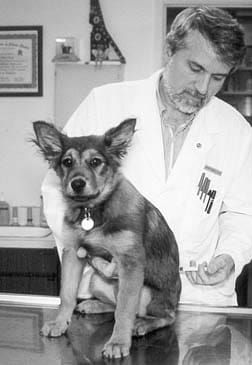
Acupressure Improves Your Dog’s Digestion

[Updated August 22, 2018]

If not for their dinner bowls, dogs would still be wolves. In many ways our devoted, domesticated dogs are still wolves, especially when it comes to their digestion. In the past 10 years, holistically oriented guardians and healthcare practitioners have become proponents of fresh food diets plus supplements for dogs. There are many authoritative books, journals, and magazines that are doing their best to raise the consciousness of the general public about the health issues associated with manufactured dog foods.

Has anyone seen a canine in the wild strike a match, set a fire, and roast his food? There is a simple reason why we have never seen a dog cook his food: most dogs do not need cooked food. Usually, their digestive tracts do all the “cooking” necessary to make the nutrients from the food bio-available. But not all dogs are able to digest a raw diet; some dogs function better with home-cooked food. The goal is to provide our canines with high quality food from which they can derive absorbable nutrients.

In Traditional Chinese Medicine, the stomach, spleen, and liver are responsible for the initial “ripening and rotting” of food and its transformation into nutrient-rich blood and chi (also seen as Qi, pronounced “chee”) or life-promoting energy, and transporting them throughout the body.

When a dog digests his food and absorbs nutrients properly, his eyes are bright, his energy is good, his coat appears healthy, and he has a general vitality and attitude that we interpret as being a healthy dog.

Unfortunately, nutrient deficiencies and unnecessary food additives in processed food can cause severe health problems that are not readily seen in the short term. As the dog’s system becomes compromised due to poor quality food, age, insufficient or excessive exercise, and exposure to environmental toxins, his body will lose its resilience. An overburdened system will become imbalanced and give way to disease.

The first line of defense against ill health for your dog is the quality of fresh food he eats, along with all the other aspects of a healthy lifestyle, including a balance of rest and exercise, play, and focused training or work, plus human and canine companionship.

Restoring Your Dog’s Chi Balance

However, even with attention to his diet and all the lifestyle ingredients of a healthy dog life, there are times when a dog has an upset stomach or is not able to process and absorb his food.

When you see that your dog has a digestive problem, you can give him an acupressure treatment that will gently help restore the balance of chi within his body. Note: Bloat, whether caused by a blockage or stomach torsion, is a life-threatening condition. Seek veterinary care immediately if your dog displays the signs of bloat, especially immediately after eating: abdominal distention, depression, retching without vomiting, and excessive salivation. Holistic veterinary care is also indicated if the dog exhibits a loss of appetite, excessive appetite, gas, diarrhea, constipation, loose or hard stools, stools that have no odor or an extremely putrid odor, stools with undigested pieces of food, and lethargy that lasts for more than a few days.

It can be insidious, but any change in your dog’s appearance or behavior may have a connection to the health and balance of his digestion system. His hair is a good indicator of the health of blood and the circulation of blood and chi. Check your dog’s coat for excessive dryness or stickiness, loss of hair, or color change. These can be indicators for the need to support the spleen’s ability to function optimally. If your dog’s behavior shifts and he becomes aggressive, overly timid, erratic, or unable to focus during training, he may be experiencing an imbalance of stomach and liver chi.

The acupressure treatment described below is designed to help restore and maintain balance within the dog’s body, with special attention to improving his capacity to digest and circulate food nutrients and nutrient chi. Most dogs are chow hounds – they eat anything and everything we feed them. Give them the opportunity to make the best of every morsel.

A Short Acupressure Session for Canine Digestion

Start by finding a comfortable location for you and your dog where it is calm and you both can relax. Slowly, take three even breaths in and out. Think about how you want to help your dog feel better; taking a moment to formulate the intent of your treatment is very important.

dog acupressure points for digestion

Begin the treatment by resting one hand near your dog’s shoulder. Using the heel of your other hand, place it at the top of your dog’s head and gently stroke down his neck, just off the midline, following the Bladder meridian (illustration). Continue stroking down to the hindquarters staying to the side of the midline. To finish, stroke down the outside of his leg to his paw. Your opposite hand can trail along the same path touching the dog lightly. Repeat this intentional stroking procedure three times on each side of your dog.

Using the acupressure points illustrated (see below), start the point work segment of the treatment. Rest one hand on your dog, wherever it is comfortable. You perform the actual point work with the other hand. Use either your thumb or two fingers, depending on what is most comfortable for you.

• Thumb technique: Place the tip of your thumb directly on the acupressure point (also called “acupoint”) at a 90 degree angle. Hold the point gently, but with intent, for about three to eight seconds.

• Two-finger technique: Put your middle finger on top of your index finger and then place your index finger at a 90 degree angle gently, but with intentional firmness, directly on the acupressure point for about three to eight seconds.

dog bladder meridian

The following points help relieve gastrointestinal problems and improve digestion:

POINT TRADITIONAL NAME LOCATION
St 36 Leg 3 Miles On the lateral aspect of the hind leg, about ½ – 2 inches below the knee.
CV 12 Center of Power Midway between the sternum and navel, on the ventral (underside) midline.
Sp 6 3 Yin Meeting Medial aspect of the hind leg, above the hock along the groove of the tibia.
Liv 3 Supreme Rushing Medial aspect of hind leg, in the valley between the first and second metatarsal bones.
St 45 Evil’s Dissipation At the nail bed of the hind paw, on the medial aspect of the third digit.
GB 41 Foot Above Tears At the top of the hind paw in the valley where the fourth and fifth metatarsal bones meet.

Watch your dog’s reaction to the point work. Healthy energy releases include yawning, deep breathing, muscle twitches, release of air, and softening of the eye. If your dog overreacts to a particular point or exhibits a pain reaction, work the acupoint in front of the reactive point or behind it. Try that point again at a later session.

To complete your treatment, trace the Bladder meridian just the way you did at the beginning of the treatment. Rest your hand comfortably on his shoulder and place the heel of your other hand just off midline of the top of his head and stoke down his neck, over his back to his hindquarters, keeping your hand to the side of his spine and down the outside of his leg. Your opposite hand can lightly trail along the same path the working hand. Repeat this procedure three times on each side of your dog.

It can take 24 hours for the dog to experience the healing effects of an acupressure treatment. Occasionally, the initial issue can seem to be worse during that time before it resolves. Repeat this treatment every third day until your dog is well and weekly after that.

OVERVIEW

1. Feed your dog the healthiest diet you can. The optimum diet consists of home-prepared fresh foods.

2. If your dog has digestive problems, consider all the possible contributors, including his stress levels, environment, exposure to toxins, and relationships. Improve what you can.

3. Use the acupressure described here to help stimulate your dog’s own healing abilities.


Nancy Zidonis and Amy Snow are the authors of, The Well-Connected Dog: A Guide to Canine Acupressure. They own Tallgrass Publishers, which offers meridian charts for dogs and other companion animals. They also provide training courses worldwide.

Herbal Remedies for Inflammatory Bowel Disease (IBD)

15

Despite a ravenous appetite, Zack the Australian Shepherd becomes ill when he tries to eat a regular meal. A year ago he was chubby, but now his ribs show through a perpetually shedding coat of dull, dry fur. Zack’s bowel movements are irregular, too. Last week he had diarrhea, but today he is constipated. He might not go potty again for several days, and when he finally does, his elimination will probably be strained, his stool covered with mucus and streaked with blood. Like thousands of other dogs, Zack suffers from a concurrence of symptoms known as inflammatory bowel disease, or IBD. All cases of IBD share one sign – chronic inflammation in the intestinal tract – but no two cases are identical. Common symptoms include diarrhea, labored or painful bowel movements, gastric distention, rectal bleeding, and mucus discharge. Inexplicable weight loss, indigestion, vomiting, and even chronic flatulence may also point to IBD. Because the causes of IBD are often multi-faceted and difficult to pinpoint, finding an effective treatment for the disease can be challenging – for even the most experienced veterinarian. Immune system disorders, circulatory impairment in the intestinal tract, parasitic infections, defects in permeability of the intestinal wall, dietary sensitivities or food allergies, adverse drug reactions (such as with large doses of aspirin), and prolonged use of antibiotic or antiparasitic drugs are among the many possible causes and contributing factors. Conventional approaches to inflammatory bowel disease often involve a controlled diet of highly digestible foods that are rich in supplemental dietary fiber. Often, cortico-steroid drugs (such as Prednisone) and other immunosuppressive drugs are prescribed to rapidly reduce pain and inflammation. These drugs may bring fast, temporary relief from painful symptoms, but they can be risky, especially if employed long-term. Corticosteroid drugs work their magic by inhibiting the immune functions that trigger inflammation – meaning they work against the body’s innate defense mechanisms. During the time that the inflammatory response is shut down, the underlying causes of IBD remain unchecked. And because IBD is often linked to preexisting immune system dysfunction in the first place, long-term corticosteroid therapies can actually add to the complication of an already complex state of immune-mediated disease.

Change Your Dog’s Diet First

Rather than focusing on the symptoms of IBD, the holistic herbalist’s approach centers on identifying and correcting underlying imbalances and influences that may cause or contribute to IBD. The first step is to optimize the diet for maximum digestion and improved waste elimination. Poor quality food ingredients and fillers, such as meat by-products, corn, wheat hulls, and other grains, should be replaced with a home-prepared diet of fresh meats and vegetables. At the very least, bargain brand foods should be replaced with a premium quality canned food or kibble. Food allergies or intolerances are often at the root of IBD. Therefore, the dog’s diet should be critically assessed for possible food culprits. Start by eliminating preservatives, artificial colorings and flavorings, and anything thing else not recognizable as “good, healthy food” from the food dish. Bring the diet to life. Digestive enzymes and a probiotic (beneficial bacteria) supplement are strongly indicated for the IBD sufferer, as these measures will aid digestion, absorption of nutrients, and efficient waste elimination. Follow the manufacturer’s recommendations for how much to feed. Many dogs with IBD will make a special effort to eat grass. I see this as a normal, intuitive effort to provide the digestive tract with the long fiber that is needed to cleanse and nourish the stomach and colon. Provided the grass is clean, green, and tender, this behavior should probably be honored. However, keep a close eye on exactly what he eats; some types of wild grasses are very tough and difficult to digest, and can add to the irritation of IBD. Likewise, it is important to make certain that the grass your companion eats has not been sprayed with herbicide or any other type of lawn care chemical. If your dog insists on eating every blade of grass in sight, try buying some live wheatgrass from the health food store and placing the container next to his food dish. Just be aware that his inner cleansing program might include vomiting and regurgitation. Also consider adding a pinch of finely ground flax seed or psyllium husks to each meal, as this will help soften the stool and ease passage of rough particles. An assortment of other supplements may also be useful toward healing and strengthening mucous tissues in the intestines. These include N-acetyl glucosamine, glutamine, proanthocyanidin complex, dimethylglycine, and vitamin C (calcium ascorbate). Consult your veterinarian to determine which ones may be appropriate for your dog.

Environmental Causes of IBD in Dogs

Toxic chemicals – such as lawn fertilizers, floor cleaners, harsh laundry detergents, pesticides, and motor oil – should be removed from your dog’s environment. Remember, as your dog walks, rolls, and plays in her environment, she picks up whatever residues exist there, and then licks it off her feet and coat. Although invisible and odorless, chemical residues may alter the functional abilities of mucous membranes and adversely affect beneficial bacteria that protect and serve digestive functions in the gut. Use of oral antibiotics should be critically reconsidered and discussed with your veterinarian, as these drugs may inhibit reproduction and the protective capacities of beneficial bacteria in the intestine. Vaccinations should also be reevaluated, as they can have adverse effects upon the immune system – especially one that is already stressed or dysfunctional.

A Formula for Dogs With Inflammatory Bowel Disease

Combine the following teas, tinctures, or dried herbs: ■ 2 parts marshmallow root ■ 1 part slippery elm (powdered inner bark) ■ 1 part plantain leaf ■ 1 part licorice root Dogs over 30 lbs: 1 tablespoon of the dried, powdered herbs, or 1 ml of a low-alcohol tincture combination fed twice daily. For smaller dogs, cut these measures in half. EDITOR’S NOTE: Author Greg Tilford is CEO of Animal’s Apawthecary, a manufacturer of glycerin-based herbal tinctures for animals. Animal’s Apawthecary does make a commercial product (“Phyto-mucil”) formulated to these specifications. However, Tilford stresses that interested dog owners can easily prepare the formula themselves, using fresh or dried organic herbs.

Herbs for IBD Relief, Explained

The symptoms of inflammatory bowel syndrome can often be relieved with the use of herbs that reduce inflammation and help lubricate, nourish, and promote healing of mucous membranes. At the very top of my list of favorites is a combination formula of marshmallow root, slippery elm bark, plantain leaf, and licorice root. I use this formula in an alcohol-free, glycerin-based tincture, but it can be used in powder form as well. The main component of this formula is marshmallow root (Althea officinalis). Marshmallow root is rich with mucilage – a gooey, slippery, water-soluble substance that has a consistency similar to gear oil. While it is being digested, this mucilage helps nourish intestinal flora while providing a soothing, lubricating, protective barrier between inflamed mucous membranes and food materials that are moving through the intestine. Marshmallow root may also help fight infection, as the herb is active against pathogens such as Pseudomonas aeruginosa, Proteus vulgaris, and Staphylococcus aureus. Marshmallow also stimulates the activities of fixed macrophages – immune warriors that serve as a first line of defense in the gut. Slippery elm (Ulmus fulva), the second herb in my IBD formula, is also rich with nutrient-rich mucilage, but it also possesses an assortment of starches and tannin constituents that offer mild astringent qualities. This serves to moderate the excess transport of fluids across intestinal barriers while providing an added measure of lubrication for improved stool elimination. In other words, slippery elm can help reduce diarrhea, which is caused by excess fluid entering the intestine, and can also help relieve the opposite – constipation. Plaintain leaf (Plantago spp.), the third component of the formula, is a ubiquitous weed with dark green, fibrous leaves. It also contains mucilage and tannin constituents, and is often used by herbalists as an earth-friendly alternative to slippery elm. However, plantain leaf provides measures of systemic support that slippery elm and marshmallow root cannot; it is loaded with antioxidant chlorophyll, fiber, and a very rich assortment of vitamins and minerals, all of which are beneficial in the healing and maintenance of mucous membranes and healthy flora. Finally, to round out my favorite herbal formula for IBD, a measure of licorice root (Glycyrhizza glabra) is added. Licorice root is well known by herbalists as a powerful anti-inflammatory, immune stimulant, vulnerary (speeds healing), antimicrobial herbal medicine that is remarkably effective in the digestive tract. It is especially useful for healing ulceration of the stomach and reducing the gastric acid secretions that often contribute to the severity of ulcers and IBD. Part of licorice’s amazing healing ability in the gut can be attributed to its glycyrrhizin content. Glycyrrhizin’s chemical structure is similar to anti-inflammatory corticoids that are naturally produced in the body. The herb contains several other saponin constituents, as well. These soap-like compounds are capable of penetrating deep into mucous membranes to allow better transport of vital nutrients across impaired mucosal barriers and into the body system, where they are needed. This penetrating action also aids in the delivery of other medicinal components of the IBD formula. Although long-term use of licorice root extract may carry adverse side effects of water retention and elevated blood pressure, this is seldom a worry in cases where the herb is used as a small component of a multi-herb formula like this one.

IRRITABLE BOWEL DISEASE IN DOGS: OVERVIEW

1. Improve your dog’s diet. Look for foods he digests easily, avoiding those containing artificial preservatives and colors, and grainbased fillers. 2. Improve digestion and waste elimination with probiotic and enzyme supplements. 3. Talk to a holistic vet about alternatives to conventional wormers and antibiotics. Ask for a reassessment of your dog’s vaccination program. 4. Do not feed rawhide chews, baked bones, or any type of treat that contains smoke flavoring — all of these can irritate inflamed mucous membranes. 5. Clean up your dog’s living and playing environments. Prohibit grass-eating from areas that may have been sprayed with chemical fertilizers or herbicides. 6. If your dog’s daily raw bone causes IBD flare-ups, replace it with a finely powdered calcium supplement added to wet food. This will be much less irritating and easier for him to digest and absorb. Greg Tilford serves as a consultant and formulator to hundreds of holistic veterinarians throughout the world, and is CEO of Animal’s Apawthecary, a company that develops herbal products specifically for use in animals. Tilford is also author of four books on herbal medicine, including All You Ever Wanted to Know About Herbs for Pets, (Bowtie, 1999).

Can Dogs Have ADHD?

Dogs can have ADHD, or a canine equivalent. However, this is overdiagnosed.
Hyperkinesis in dogs is roughly equivalent to ADHD in humans. However, it is over diagnosed. With many dogs bred to have high energy and vigilance or poorly socialized dog being diagnosed as hyperactive.

ADHD in Dogs: Overview

  1. Evaluate your dog carefully to determine if he is truly hyper-active, or just has a “normal” amount of high energy.
  2. Seek veterinary assistance if he is truly hyperactive; you may need to use medication in conjunction with a positive behavior modification program.
  3. Provide a structured environment and maximize his opportunities for exercise, training, and socialization. Feed your dog a good quality, low protein, non-allergenic, additive-free diet.

A disconcerting number of my clients preface the explanation of their dogs’ undesirable behaviors with the pronouncement, “He is really hyper!” The vast majority of the time, they have perfectly normal dogs. The explosion of apparently “hyper” dogs in our world can be traced to several factors:

• The popularity of breeds that are (when well-bred) genetically programmed to have enhanced environmental alertness, vigilance, and high activity levels. While high activity levels are distributed across all breeds (I am personally acquainted with a high-energy Basset Hound), they are especially prevalent in the sporting breeds (Labradors Retrievers, Golden Retrievers, etc.) and herding breeds (Border Collies, Australian Shepherds, etc.).

• The puppy-milling and retail sale of those popular breeds that results in poorly bred, poorly socialized pups ending up in the hands of owners underprepared to care for and train them.

• Unreasonable expectations of dog behavior by owners who have a poor understanding of their dogs’ needs and behaviors, which results in…

• Lack of adequate exercise and socialization.

Can Dogs Have ADHD? Yes, but it’s Over Diagnosed

That said, hyperactivity does exist in dogs. It is, however, greatly over diagnosed. Hyperactivity, otherwise known as “hyperkinesis,” can be defined as dogs who display frenetic activity, abnormally short attention spans, and high impulsiveness. They can also demonstrate overbearing attention-seeking behavior. It is truly a canine form of Attention Deficit Hyper-activity Disorder (ADHD). Like some children who are prescribed Ritalin or some other stimulant, it seems that some dogs who are truly hyperkinetic can benefit from the administration of stimulants to help them focus and pay attention.

What differentiates a normal, high-energy dog from one who has ADHD? Dogs with ADHD demonstrate exceptionally short attention spans and a high degree of impulsiveness that makes it impossible for them to focus on one task for long. They are easily distracted.

In contrast, most of the high-energy dogs that clients bring to me will focus very quickly on the click-and-treat game. They are normal, active dogs who haven’t learned how to control their own behavior – but they can, if you show them how. In fact, owners are often amazed by the undivided attention their previously intractable canine companions will offer – as soon as we give the dogs a reason to focus; when we show them that focused attention makes good stuff happen. The truly hyperactive dog can’t focus even if she wants to; everything she encounters, regardless of how trivial or irrelevant, is given equal and minimal, active but fleeting interest.

Hyperactive dogs also tend to be especially sensitive to sudden environmental changes – overreacting to the presence of a strange person or animal, and apparently unable to adjust to the new stimulus. In addition, they seem to have an intolerance for boredom and an exaggerated need for novelty and variety. They don’t do well with repetitive tasks (such as basic obedience drills), but may excel in situations requiring creative solutions, such as the Border Collie who often must think for himself and make his own decisions about how to move the sheep.

Hyperactive dogs also are likely to get into everything (bored, looking for creative opportunity), can be destructive, and are often emotionally unstable. They can become almost unmanageable if physically restrained, and may exhibit uncontrollable rage-like aggression if frustrated.

Causes and Effects of Hyperactivity in Dogs

Like so many other behaviors, hyperactivity is believed to result from a mix of genes and environment – nature versus nurture. Certainly, the high-energy breeds previously mentioned are more prone to develop true hyperactive behaviors, but a dog’s genes are just the canvas that his personality is painted on by life, training, and socialization experiences. Hyperactivity can be minimized or exacerbated from puppyhood on, depending on social and environmental factors.

Excitable dogs can often be identified early. They are frequently the puppies who continually bite at hands and fight any attempt to restrain or control them – not with just a mild struggle, but with violent resistance. An excitable puppy placed into a calm, structured environment, with an owner who provides adequate exercise, socialization, and training, has a good chance of growing up to be a well-behaved, albeit active, canine companion. In the wrong environment, this pup is a disaster.

Exposure to overly active and playful children can feed hyperactivity – just one of many reasons that interactions between children and dogs should be very closely supervised. Excitable children tend to do exactly the wrong things in response to an excitable puppy’s inappropriate behaviors – hitting back, restraining, running, or screaming – all of which are guaranteed to escalate the pup’s level of excitement. Even a pup with a moderate activity level can be induced into hyperactivity in the wrong environment.

As many trainers will testify, social isolation also makes a significant contribution to hyperactive behavior. We often encounter the conundrum of the owner who promises to bring Rex into the house as soon as Rex learns to be well-behaved, but Rex can’t learn to be well-behaved when he is experiencing the activity-increasing effects of social deprivation.

A 1961 study conducted by Waller and Fuller found that puppies raised in semi-isolation exhibited excessive social contact behavior when given limited access to other puppies. When kept with their litters, the number of social contacts reduced by 75 percent. One conclusion of this study is that dogs may possess a biological need for a certain minimum amount of daily social stimulation and activity, and if that need is not met, a dog compensates with excessive activity when placed in a social situation.

It is likely that the minimum amount of social stimulation needed varies from one dog to the next. When faced with a dog who has higher-than-anticipated social needs, some owners resort to routine isolation of the dog in order to deal with the unwanted behaviors. This results in inadequate attention, insufficient exercise, and excessive confinement, adding fuel to the fire and creating a vicious cycle. When the dog is released from his confinement his behavior is worse than ever, which results in more isolation, and further decline of behavior. His chances of ever becoming a housedog grow dimmer.

Some physiological conditions are believed to play a role in canine ADHD as well. In a study published in 1999 by Drs. Jean Dodds and Linda Aronson, in collaboration with Drs. Nicholas Dodman and Jean DeNapoli of Tufts University, 634 dogs were evaluated for thyroid dysfunction as it related to various behavior problems. Forty-two of those dogs were determined to be hyperactive; thirty-one percent of the hyperactive dogs (13) were diagnosed with thyroid dysfunction.

Of 95 dogs in the study whose behavioral responses to thyroid therapy were evaluated, 81 dogs (85.3 percent) showed at least a 25 percent improvement in their behavior. Thirty-four of the dogs (35.6 percent) showed better than 75 percent improvement. Of 20 dogs treated with conventional methods and modification techniques over the same time period, only 11 (55 percent) improved by at least 25 percent.

Chronic lead poisoning is also a potential cause of hyperactivity in dogs. Two common sources are destructive chewing on old linoleum or on surfaces painted with lead-based paints.

There is also evidence to suggest that inadequate nutrition, especially early in life, may permanently affect activity levels throughout the remainder of a dog’s life. This means that the importance of proper nutrition during puppyhood cannot be overstated. Breeders must be sure that puppies in large litters or those born to mothers with insufficient milk receive adequate nutrition from other sources, and that the mother’s dietary intake can meet the demands of a nursing litter. It has been suggested that a diet high in protein, or containing elements to which a dog is allergic, may also contribute to hyperactive behavior.

Although the scientific jury is still out on the role that food additives and colorants play in hyperactive behavior, and, in fact, many studies have not found a direct correlation, a 1980 study did find a sharp decrease in hyperactive symptoms when dogs were put on a 28-day-additive free diet.

Working with “Normal” High-Energy Dogs

Say you determine that you have a high-energy dog, rather than a hyperactive one. That may be good news, but you still need to deal with your out-of-control canine. Here are some tips to help you turn your Wild Willy into a Gentle Bill:

Increase the Structure in Your Dog’s Environment

Teach him to “say please” (sit) to make good things happen. Have him sit for his dinner bowl. Have him sit for his leash to go for a walk. Have him sit to make the door to the backyard open. Have him sit to be petted, or get a cookie for coming back inside. (See “Why Force-Based Training Methods are Not Advocated.” )

Exercise More with Your Dog

Whatever he gets now, give him more, and make it quality exercise. Tossing him out in the backyard is not quality exercise. Go out with him. Throw sticks, balls, play tug of war, get him to swim in the pond, take him to the dog park. And add structure to his exercise. Have him sit politely for you to throw the ball. Make sure he will “Give” you the tug toy when you ask him to. Have him sit before you open the gate into the park.

Increase Your Dog’s Socialization

If you’ve been leaving him outside because he’s too wild, grit your teeth and bring him in. Use leashes, tethers, crates, and baby gates as needed to preserve your sanity while integrating him into the family.

Step Up Your Dog’s Training

If you’ve already taken him to a basic training class, sign up for a Level 2. Or a tricks class, or agility – anything that will keep the two of you active and learning together. Keeping his brain occupied and busy is just as important as occupying his body.

Conduct a 10-Minute ADHD Test for Your Dog

How can you tell if you have a “normal” high-energy dog or one with ADHD? The proof is in the Ritalin. Your veterinarian can administer a low dose of an appropriate amphetamine after measuring your dog’s respiration, heart rate, and reaction to restraint. Some 30-120 minutes after the amphetamine is given, most hyperkinetic dogs will show a marked decrease in excitement and activity level as well as a measurable drop in respiration and heart rate, and greater acceptance of restraint. A normal-but-active dog will have the opposite response, with an increase in excitement, activity, heart rate, and respiration, and a decreased tolerance of restraint.

First, however, you might want to try an ADHD experiment at home. Make sure your high-energy dog hasn‘t eaten for at least four hours. Take him out for a good hard romp in a safely enclosed area to take the edge off – don’t run him into exhaustion. Then leash your dog, grab your clicker and a treat bag full of very high value treats, and take him to a place with minimal distractions (indoors) for some clicker-testing fun:

1. “Supercharge” your clicker, using a very high rate of reinforcement and tiny treats for 1 minute (30-60 treats per minute). Click the clicker; and then feed the dog a smidgen of chicken for each click. Click, treat. Click, treat. Your dog doesn’t have to do anything but focus on you; don’t ask for sit, down, stay, or any other behavior. If he tries to jump on you, turn away, but keep clicking and giving him treats. Be sure to deliver the treats at his nose level so he doesn’t have to jump up to get them. If he’s grabby, toss the treats on the floor in front of him.

2. After 1 minute, reduce the rate of reinforcement to 15-30 clicks/treats per minute. Start moving the treat over his head to lure a sit. If he does sit, briefly increase the rate of reinforcement for three to four clicks, then slow down again. Do this for 2 minutes.

3. For the next 2 minutes, continue at a reinforcement rate of 10-20 clicks/treats per minute, but now, if he sits, click the clicker but hold off delivering the treat for 2 seconds at first, gradually increasing the delay of the treat‘s delivery for up to 4 or 5 seconds.

4. For 2 more minutes, click and treat on a variable/random schedule of reinforcement. That is, vary the number of seconds between clicks and treats, sometimes doing several click/treats rapidly in a row (remember to treat after each click) sometimes pausing for 1 second, or 5, or 3, or 7, between clicks. Try to keep it random; we humans are very good at falling into patterns!

5. Now, stop clicking for 30 seconds.

6. After 30 seconds, click the clicker only if he looks at you. If he keeps looking at you, keep clicking, using the random reinforcement schedule in Step 4. If he looks away, stop clicking. If he looks back at you or looks in your general direction, click again. Do this for 2% minutes.

Time’s up – the test is over!

If your dog was willing to play this game with you for the entire 10 minutes with only occasional minor attention lapses, you probably have a normal high-energy dog. It‘s time to increase his exercise, socialization, and training programs.

If, however, you lost your dog’s attention totally somewhere between Steps 2 and 4, there’s a good chance you really do have a hyperkinetic dog. Time to call your vet to schedule that amphetamine test, and while you’re there, have a full thyroid panel done as well as a blood test for lead poisoning. Remember that thyroid results within the clinically normal-but-low range can be a contributing factor to behavior problems.

The ADHD Difference

What do you do if you conclude that your dog has ADHD? In some cases, these dogs exhibit behaviors that are so intrinsically driven by organic causes that behavior modification and positive training alone can’t help.

Fortunately, a high percentage of ADHD dogs can be helped with the judicious use of stimulants in combination with a behavior modification program. Hyperactive dogs tend to be very responsive to positive reinforcement shaping procedures in conjunction with brief time-out periods.

Think back to the results of your 10-minute ADHD test. At what step did you start to lose your dog? If he was with you through Step 2 and you lost him at 3, you know that he does well with a continuous schedule of reinforcement at a fairly high rate.

Go back to the step where he did well (Step 2), and work toward Step 3, breaking your “gradually” into even smaller increments – perhaps a half-second rather than a full second – so you don’t lose him with too big a leap.

Keep your expectations low. Shape most of his behaviors in very tiny increments with a high rate of reinforcement. Keep your training session brief (five minutes, maximum), with a short time-out to calm him before you start another brief session.

Sample Task for ADHD Dogs

With many dogs, lure-shaping a down is a simple matter, accomplished in short order by moving the treat toward the floor and clicking the dog for following into a down position. We often have success in just three or four clicks, as we hold the treat at the dog’s nose and he focuses on it (click and treat), we move it halfway to the floor and he follows (click and treat), three-quarters of the way and his feet are sliding forward (click and treat), and he’s down (click and a jackpot of treats!).

In contrast, the hyperkinetic dog may require 20 or even 100 clicks, over several sessions, before you reach your final behavior goal. Teaching “Down” to this dog might require the following:

• The dog is sitting. You hold a treat in front of his nose and he focuses on it. Click and treat.
• He stays focused on the treat. Click and treat.
• Lower the treat a half-inch. His nose follows. Click and treat.
• He stays focused. Click and treat.
• Lower the treat another half-inch. He follows. Click and treat.
• Lower another half-inch. He follows. Click and treat.
• He stays focused. Click and treat.
• Release him from the sit, tell him he’s a great dog, and both of you take a five-minute brain break.
• Start with the sit again. As soon as he focuses on the treat, click and treat.
• Lower the treat an inch. His nose follows. Click and treat.
• Lower the treat another inch. He follows. Click and treat.
• He stays focused. Click and treat.
• Lower the treat another inch. Click and treat.
• He stays focused. Click and treat.
• Lower the treat another inch. Click and treat.
• Take another brain break.

You get the idea: slow and steady. Anytime you increase the increment, say from 1 inch to 2 inches, make sure he stays with you. If you lose him between 1 and 2 inches, go from 1 inch to 1½ inches. Take frequent brain breaks, and don’t make your total session more than about 15 minutes. If you lose his attention a lot, you are expecting too much. Use smaller increments, a higher rate of reinforcement (click him often just for staying with the game), and more breaks.

You never know, with patience, in the right positive environment, your “hyper” pal may turn out to be a great agility, herding, tracking, or drug-sniffing dog!

Download the Full September 2003 Issue

0
To continue reading this article or issue you must be a paid member.

Join Whole Dog Journal

Get full access to Whole-Dog-Journal.com – more than 4,000 articles – for just $20.
Join today and save 30% off our full price.
Already a member?
| Forgot your password? | Activate Web Access

Dogs are Body Language Communicators

NONVERBAL COMMUNICATION OVERVIEW

What you can do…

– Pay attention to your dog’s responses to your movements. Our dogs watch us much more carefully than most of us realize.

– Be consistent with your physical cues. The more consistently you use them, the faster your dog will understand what they mean.

– With a new or young dog, avoid using body language that dogs find threatening, such as hugging or looming over the dog, staring him straight in the eyes, or grabbing his collar at the scruff of his neck.

Week Three of our training class. We are working on “verbal downs” – getting the dogs to lie down on just a verbal cue. Diane and her exceptionally sweet and compliant eight-month-old Great Dane, Gable, aren’t succeeding. I ask her if I can try.

“Sure!” she says cheerfully. A lazy wag of Gable’s long tail signals his willingness as Diane passes me his leash. I wait for Gable to offer a sit, which he does as promptly as his gangly, adolescent body allows.

dog communication

Arms relaxed by my sides, I say “Down!” in a clear and happy voice. He stares adoringly into my eyes and remains sitting. I wait three seconds, then lure him down with the treat hidden in my right hand. He follows the lure to the floor, I click the clicker in my left hand, and pop the treat in his mouth. We repeat this a couple of more times, with a click! and treat each time.

I ask for the down again, and give an almost imperceptible nod of my head. He drops halfway to the floor and glances up at me, eyes bright. I give him an enthusiastic “Good boy!” and quickly lure him the rest of the way down, then click and treat. On the fifth trial, I give the verbal down cue without moving. He stares into my eyes for a heartbeat, then sinks all the way to the floor. Click! and jackpot (a cascade of treats).

Canine Body Language

Dogs are, first and foremost, body language communicators. While they do have a limited ability to communicate vocally, they are much more articulate with their subtle body movements, and much more intuitively able to understand ours. As Patricia McConnell says in the introduction of her excellent book, The Other End of the Leash, “All dogs are brilliant at perceiving the slightest movement that we make, and they assume that each tiny movement has meaning.”

Watching my students in class, I can see that the ones who tend to be most successful are those who are most consistent with their body movements. Consistency allows the dog to attach a consistent meaning (and response) to the movement. The more inconsistent the movement, the harder it is for the dog to connect the human’s random motions to a specific behavioral response. Gable was able to do a verbal “Down” for me in just five repetitions because:

1. Diane had done three weeks of work with him luring the down (and some work on the verbal cue “Down”), so he was very familiar with the cue and the behavior. I just had to fade the lure.
2. On the first three attempts, I separated the verbal cue from the motion of the lure, so he had the opportunity to process the word separately from the lure.
3. On the fourth repetition I gave the verbal cue, along with a body language cue to help him translate, then gave him a few seconds to process it. His half-down was a question – “Is this right?” My “Good boy!”, lure, click!, and treat constituted a big combined “YES!” answer to his question. Dog owners often miss their dogs’ questions, or fail to answer them.
4. By the fifth iteration, it was clear to Gable that the verbal “Down!” meant the same thing as the lure. The tiny movement of my head served to bridge the gap between the verbal cue and the behavior for him. We had successfully translated the body language into spoken English.

It is because of a dog’s use of body movement as a first language that we can train so successfully using lure-and-reward methods, and easily teach hand signals. However, the importance of understanding and responding appropriately to our dogs’ body language goes far beyond formal training. Body talk can make everyday life with your dog easier, enhance your relationship, and overcome some of the canine behaviors that are giving you grief.

Cross-Species Communication

One of the reasons humans and canines co-exist so beautifully is that we are both social species – we live in groups and create social rankings within those groups. Both species intuitively understand the concept of a “group leader” (Alpha Dog = Head of Household, Employer, President of the US); both species have members in their various groups who lead more naturally than others; and in both groups, ranking (or status) is fluid: You might be the head of your household, but subordinate to your boss at work, or to a colonel in the Army, or the Queen of England. Your dog might be the leader of your dog pack, but have very low status among the regular canine visitors at your local dog park.

However, canine and primate body talk have very different vocabularies, which can cause serious conflict between our species. For example:

– Humans meet face-to-face and hug. Dogs tend to meet obliquely, and a dog who puts his chin or paws over another’s shoulders in greeting is probably making an assertive statement about his rank – which may well elicit an aggressive response. This is why dogs have a tendency to bite when kids (or adults) hug them.

It is considered polite by humans in the Western world to make direct eye contact. Failure to do so is considered evidence of lack of character – disrespectful, shifty, or outright untruthfulness. (This is not true in some other human cultures, where direct eye contact is considered rude.)

– In the canine dictionary, direct eye contact is an assertion or a threat. The dog on the receiving end either looks away, a sign of submission – in order to avoid a fight – or takes offense and engages in agonistic (aggressive) behavior in response. The other dog backs off, or a fight occurs. This is one reason why so many children are bitten. They tend to stare at dogs anyway, and the more strangely (aggressively) the dog behaves, the more a child stares. Adults who insist on direct eye contact with strange dogs also tend to get bitten.
– We naturally face another person that we are speaking to, and our force-based culture encourages us to get more strident if a subordinate fails to comply with our requests. We were once taught to call our dogs by standing squarely facing them, arms at our sides, and saying “Come!” in a commanding tone of voice. Our voices got louder, more insistent, perhaps even angry, if our dogs failed to come.

Dogs see a full-frontal communication as a threat, and loud, firm, angry vocalizations as aggressive. Their natural response is to turn away in appeasement, or at best, to approach slowly, in a submissive curve, rather than the speedy, enthusiastic straight line that we strive for.

– We often reach for our dogs’ collars over the top of their heads. They see this as a direct threat; they duck away in submission (or they bite), and learn to avoid us when we are trying to catch them. We follow or chase them, intimidating them further or, alternatively, teaching them that if they take the lead, we follow. The more we try to catch them, the more they avoid us.
– We bend over them to pet them on the top of their heads, or to cuddle them. Again, we are unwittingly offering a posture of threat and intimidation. Primate “hovering” is a very off-putting posture for dogs. Dogs back away in fear or submission, or worse, bite in an aggressive response.

Prompted by ill-advised old-fashioned thinking, some people still use force (such as alpha rolls and scruff shakes) to overpower and dominate their dogs. Most dog body language is very subtle and in large part ritualistic, including the “belly-up” position, which is usually offered voluntarily by the subordinate pack member, not forced by the higher ranking one. Dogs experience the alpha roll as a violent, terrifying attack, and some will respond out of a likely belief that they are fighting for their very lives.

Doggy Adaptability

If you think about it, it’s surprising that we get along with our dogs as well as we do! The good news is that both of our species are pretty darned adaptable. We can teach our dogs to appreciate some of our bizarre primate behaviors, and we can learn to use canine body talk to our advantage.

We humans pretty much insist on hugging our dogs. Touch is so important to us that as much as we may intellectually understand our dogs’ resistance to such close body contact, our hearts overpower our heads and we just have to hug them.

When a dog reacts badly to being hugged, it’s often an innate response, not a conscious decision. The dog doesn’t sit next to the hugger, ponder his options, and make a deliberate decision to bite. Rather, the hug triggers a subconscious response: “Threat! Fight or flee! If the dog can’t flee – because he is being hugged – or is one of those dogs whose fight response is stronger than his flight response, he bites.

It’s easiest to teach a dog to accept hugging if you start associating gentle restraint with something yummy when he is very young. Using counter-conditioning and desensitization to change his natural association with close contact from bad (Danger! Run away!) to good (Oh yay! Cheese!), you can convince the part of his brain that reacts subconsciously, that being hugged is a very good thing.

To do this, hold the dog at a level of restraint with which he is very comfortable – perhaps just a light touch of your hand on his back. Feed him a tiny tidbit of something wonderful, and remove your hand. Repeat this step until he turns his head eagerly toward you in anticipation of his tidbit when he feels your hand touch his back.

Now, very slightly increase the intensity of your touch, by holding your hand on his back longer and feeding him several treats in a row; by pressing a tiny bit harder on his back; or by moving your arm a little farther over his back, so your hand brushes his ribs on the other side. The more your dog accepts touch, the more quickly you will be able to move through the counter-conditioning and desensitization process.

Note: Increase the intensity of only one stimulus at a time. For example, work on length of time until he is perfectly comfortable with long “hand-rests,” then shorten the time while you work on increased pressure. When he is comfortable with each new stimulus, add them together. When he can handle more pressure happily, start using more pressure for longer periods. Then ease up on both of these while you work on moving more of your arm over his back.

Of course, it is vitally important to teach children (and uninitiated adults) not to hug dogs unless they know the dog very well and are totally confident that the dog is fully comfortable with such intimate contact. Even then, young children should never be left unattended with any dog.

The same approach used to teach your dog to appreciate a hug works with many “culture clash” behaviors. If you want your dog to love having his collar grabbed, pair the action with cheese, or hot dog, or chicken. This particular exercise should be taught to every dog. Perhaps you know that the safest way to take hold of a dog’s collar is gently, under the chin. But if a friend tries to grab the collar over your dog’s head, it would be nice if she doesn’t get bitten for her primate behavior, because your dog has learned to accept it.

You can also teach your dog that eye contact is a good thing, by encouraging him to look into your eyes, and rewarding him when he does. (The clicker is very useful here.) Have your dog practice this with other people as well, if you want him to be comfortable with that pervasive and offensive primate penchant for staring rudely into canine eyes. And, again, teach your children not to stare into a dog’s eyes.

Human-Dog Communication is a Two-Way Street

While you are teaching your dog to understand and accept primate language, you can also learn and use canine body language. This will greatly enhance your relationship and your training program, since your dog can respond very quickly when he realizes you are speaking Dog.

McConnell describes a process that she calls “body blocking,” which simply means taking up the space to prevent your dog from doing so. Let’s say your dog is on a Sit/Stay while you are cooking in the kitchen, and you drop a fried drumstick on the floor. Tess starts to get up to get it. Rather than grabbing at her or yelling “STAY!” simply step forward into the space she was about to occupy. Like magic, she settles back into her Sit/Stay. McConnell reminds us that the sooner you react the better, and says that once you get good at it, you can simply lean forward an inch or two to express your intent to occupy the space.

You can also use body blocking with dogs who jump on you. Next time you are sitting in a chair and your wild Westie makes a running charge for your lap, clasp your hands against your stomach and lean slightly forward, blocking the space with your shoulder or elbow. It also helps to look away, rather than make eye contact. You may have to do several repetitions of this, especially if your dog has had much practice lap leaping, but it can be very effective if you are consistent. He can learn to wait for permission to jump up – on your lap, or on the sofa next to you.

I used body blocking for years without thinking about it or defining it as clearly as McConnell does. When our four dogs are all doing “Wait” at the door, I can release them one by one, by name, in part because I use subtle body blocking movements to indicate which dogs are to remain in place. As with the “Stay” blocking, the more you do it, the more subtle the movements can become, because dogs are so good at reading tiny body language signals.

This is just one example of the many ways you can make the canine/primate difference work for you as you build a relationship with your dog based on mutual trust and respect, and as you encounter other dogs. Move (run!) away from your dog when you want her to come, rather than moving toward her. She will follow the leader, instead of moving away from an intimidating direct approach. Look away from the challenging stare of an aggressive dog, instead of returning the eye-contact challenge, and you are more likely to escape from the experience bite-free.

We, as the supposedly more intelligent species, should be able to understand and forgive canine behaviors that clash with our human social expectations. It seems that our dogs are pretty darned good at understanding and forgiving ours, thank goodness. As you and your dog journey together through life, each translating primate to canine and vice versa, appreciate the great value of this cultural diversity.

Pat Miller, WDJ’s Training Editor, is also a freelance author and Certified Pet Dog Trainer in Chattanooga, Tennessee. She is the president of the Board of Directors of the Association of Pet Dog Trainers, and published her first book, The Power of Positive Dog Training, in 2001.