Home Blog Page 18

Dog Food’s Effect on Yeast Infections and Severe Allergies

Dog food can be the cause of a dog's allergies and chronic yeast infections. So which dog food is best for allergies and yeast infection.
Dog ear infections, allergies, and yeast infections can all be due to dog food. Credit: Dimarik | Getty Images

If your dog is suffering from skin irritation, ear infections, or digestive issues—often caught in a cycle of chronic discomfort—veterinary intervention is crucial. While it’s true that a growing body of evidence highlights the significant role that diet plays in either aggravating or alleviating the underlying causes of these problems, it’s not a one-for-all dog food choice.

Dog Food Allergies and Skin Infections

Among the most common concerns of dog owners are skin allergies and yeast infections, which are often interconnected. To begin with, it is essential to recognize the difference between environmental and food-related allergies. Although many pet owners suspect food allergies when their dogs display symptoms like itching, red skin, or digestive discomfort, true food allergies in dogs are relatively rare.

Research indicates that food allergies only impact about 20% of dogs. In most cases, allergies in dogs are caused by environmental triggers such as pollen, mold, dust mites, fleas, or household cleaning products. However, for the small percentage of dogs that do suffer from food sensitivities or allergies, dietary management becomes a key component of symptom control.

When dogs react to their food it means that their immune system is mistaking a typically harmless ingredient as a threat. This misidentification prompts the body to mount an inflammatory response, which may present as skin irritation, hot spots, gastrointestinal upset, or recurrent ear infections.

Animal Protein and Dog Allergies

One of the most common culprits in such food-related allergies are animal proteins. Dogs are most often allergic to proteins like beef and chicken, which are among the most widely used ingredients in commercial dog foods. Other proteins such as pork, lamb, and even fish can trigger similar responses in sensitive dogs, although these are somewhat less common.

Dairy products can also lead to issues, especially since adult dogs are lactose intolerant. Like most adult mammals, dogs lack an enzyme called lactase, which is necessary to break down lactose, the sugar found in milk. Consuming dairy that has not been treated with lactase can result in gastrointestinal discomfort and contribute to systemic inflammation, further exacerbating skin issues.

Additionally, eggs, while highly digestible, may also pose a risk to dogs that are allergic to chicken, due to the similarity in proteins between the two ingredients. While sensitivities to grains such as wheat and corn are even more uncommon, some dogs do exhibit adverse reactions to them, as well as to legumes, such as soy and peas.

Dog Food Elimination Trials

Because dog foods often contain a long list of ingredients, determining the exact cause of an allergic reaction can be challenging. Limited ingredient diets can help in this regard, as they reduce the number of potential allergens and typically feature a single source of protein. These diets are useful for dog elimination trials, which introduce new ingredients one at a time to determine if they trigger a reaction.

Novel Protein Dog Diets

Another effective strategy involves the use of novel protein diets. These diets feature proteins that a dog is unlikely to have encountered before, such as duck, venison, rabbit, bison, or kangaroo. Since the immune system has not been sensitized to these proteins, they are less likely to provoke a reaction.

Best Diet for Dog Yeast Infections

In the case of yeast infections, the connection to diet is equally compelling. Yeast infections in dogs are caused by an overgrowth of Candida, a naturally occurring yeast that lives on the skin and in the gut. Under normal conditions, Candida remains in balance with other microorganisms in the body. However, when this delicate balance is disrupted by factors such as antibiotics, corticosteroids, immune suppression, or underlying allergies, yeast can quickly grow out of control and cause infection. These infections commonly manifest as itchy skin, foul-smelling ears, constant paw licking, and digestive upset.

A diet high in carbohydrates creates an ideal environment for yeast overgrowth. This is because carbohydrates, especially those derived from grains and starchy vegetables, are broken down into sugars that the yeast then feeds on.

Many commercial dog foods contain high inclusions of these ingredients, including wheat, corn, rice, oats, potatoes, and peas. Grain-free options can be misleading, as they often rely heavily on legumes and root vegetables that are high in carbohydrates. For dogs prone to yeast infections, it is important to shift toward a low-carbohydrate diet that limits these starchy ingredients and emphasizes high-quality, easily digestible animal proteins.

Look for Anti-Inflammatory Ingredients

In addition to reducing carbohydrate intake, focusing on anti-inflammatory ingredients can help control both yeast infections and allergies. Omega-3 fatty acids, particularly those derived from fish oil, algae, or flaxseed, are known for their anti-inflammatory properties and can support the health of your dog’s skin and coat. Including these nutrients in the diet helps to reduce systemic inflammation, alleviate itching, and promote healing. Other beneficial nutrients include biotin and zinc, which support skin repair, and vitamin E, an antioxidant that contributes to skin health and helps to control inflammation.

Probiotics Can Suppress Yeast Growth

Supporting the health of your dog’s gut is another crucial aspect of managing both yeast infections and allergies. A healthy digestive tract plays a central role in immune function and can significantly influence the severity of allergic responses and yeast overgrowth. Introducing probiotics into your dog’s diet can help maintain a balanced microbiome and help suppress the growth of harmful organisms like Candida.

Probiotics may be found in some high-quality commercial foods and can also be added to your pet’s diet in the form of a supplement. Some pet owners also choose to incorporate fermented foods such as unsweetened kefir or yogurt, though care must be taken to avoid dairy-based products unless they have been appropriately processed to remove lactose.

Hydrolyzed and Hypoallergenic Diets

For dogs with severe or persistent symptoms, prescription hypoallergenic or hydrolyzed diets may be necessary. Hydrolyzed diets involve breaking down proteins into smaller amino acids and peptides, which are less likely to be recognized by the immune system as allergens. These formulas are often recommended for dogs that have not responded to standard elimination diets or who experience frequent relapses.

Because hydrolyzed diets are typically available only through veterinary prescription, it is important to consult with a veterinarian before starting such a regimen. Furthermore, pet owners should avoid introducing supplements or treats that could reintroduce allergens or unnecessary carbohydrates, thereby undoing the benefits of a controlled diet.

While not all cases of skin irritation, ear infections, or digestive upset can be resolved through diet alone, nutrition plays an undeniably significant role in managing these conditions. By eliminating common allergens, reducing carbohydrate intake, supporting the gut microbiome, and including anti-inflammatory nutrients, pet owners can create a dietary environment that helps their dog’s body resist infection and reduce inflammation. Alongside proper veterinary care, a well-balanced, thoughtfully selected diet can greatly improve your dog’s comfort and long-term health.


Beef and Brown Rice Homemade Dog Food Recipe

Nutritionally complete homemade dog food can keep your dog in excellent health for a fraction of the cost of raw and other premium brands.
If you think making your own dog food is too complicated, think again! This simple beef and brown rice recipe is made with easy-to-find human-grade ingredients. Credit: nensuria | Getty Images

Providing a balanced, home-cooked diet for your dog doesn’t have to be complicated! This simple yet nutritionally complete beef and brown rice recipe follows NRC guidelines for adult maintenance and uses ingredients readily available at most supermarkets. Whether you’re new to homemade dog food or looking for a convenient, balanced recipe, this guide will walk you through the ingredients, preparation, and nutritional benefits of feeding fresh, cooked meals to you dog.

Let’s get started!

NOTE: When made as specified, this recipe provides a nutritionally complete diet for healthy adult dogs. Adding, removing, or changing ingredients is not recommended as it will affect the nutritional balance of the food. This recipe is not suitable for dogs with medical conditions that require specialized diets.

Ingredients

The goal of this formula is to provide you with a recipe that you can easily cook in your kitchen with readily available ingredients your dog will love. This single protein, grain inclusive recipe is made with human grade ingredients you shouldn’t need to search hard for including:

  • Ground Beef, 90% lean, 10% fat
  • Beef Heart
  • Beef Liver
  • Brown Rice
  • Pumpkin, canned, without added salt or sugar
  • Green Beans
  • Apples

In today’s fast paced world, expecting anyone to prepare their dog’s meal every day is impractical. With this recipe, you can cook it in bulk, and it can be stored for up to 4 days in the refrigerator or frozen. While the food can technically be frozen indefinitely, we recommend using it within 6 months since it will lose nutrients over time.

Single protein recipes reduce the number of ingredients needed to prepare dog food at home. This one uses beef since it is the most common and easily accessible red meat protein that can be used to cook dog food. Because the organs are nutrient dense and are often sold for human consumption, ingredients such as beef heart and beef liver are typically available throughout the U.S. and are beneficial for creating a balanced, single protein diet for dogs.

Cooking increases the palatability of foods which makes this recipe beginner friendly. In addition, it’s an excellent way to entice the pickiest of eaters to consistently eat a balanced diet when other foods have failed. However, if you are concerned about your dog eating the rice we can let you in on a little secret. Replace the water with homemade bone broth when cooking the rice to increase its palatability.

Supplements

Accessibility limits our ability to utilize certain whole foods when creating a balanced diet for our dogs. Furthermore, using only whole foods increases the complexity of recipes which ultimately is not convenient for buy lifestyles. Therefor this recipe requires the supplements listed below to ensure it provides all the essential nutrients needed for optimal canine health.

SupplementNutrient(s) Provided
NOW Cod Liver OilEPA+DHA fatty acids, Vitamin D
Hempseed OilALA fatty acids
Animal EssentialsCalcium, Magnesium, Iodine
Nutritional YeastB Vitamin Complex
Solgar Chelated ManganeseManganese
NOW Foods E-OilVitamin E
NOW Foods Pure Kelp PowderIodine

The removal of any supplement will negatively impact the nutritional balance of the recipe.

Culinary Closure

Don’t miss your opportunity to provide your dog with a home prepared diet made with human-grade ingredients that are easily accessible in supermarkets! This cooked beef and brown rice recipe is balanced for adult maintenance and is a gateway into home prepared diets, using accessible and limited ingredients to ensure a diet that provides convenience without sacrificing nutrition.

Your dog will thank you!

Cooking Instructions for a 60 Pound, Inactive Dog

For an in-depth review of ingredient amounts for other weights and activity levels see below.

Ingredients for this recipe can be prepared in any order. Neither the canned pumpkin nor the apple should be cooked.

Beef & Brown Rice Batch Calculations

Below are the calculations to feed an inactive 60 pound dog for 7 days. This recipe can be prepared in batch increments versus preparing meals daily. Store up to 4 days of prepared food in the refrigerator and store the remaining food in the freezer to prevent food spoilage. Frozen food can be stored indefinitely but it will lose nutrients over time. Therefore, it is recommended to feed all food within 6 months of freezing.

Recipe Terms Defined

Meal Prep Recipe IngredientsFood ingredients required to prep the recipe.
Nutritional Supplements Added DailySupplements that must be added to food daily.
Batch Prep Nutritional SupplementsSupplements that can be batch prepared into food.

Cooked & Raw Ingredient Weights

Meal Prep Recipe IngredientsCooked WeightsRaw Weights
Ground Beef, 90% lean, 10% fat, cooked4.43 LB5.53 LB
Beef Heart, cooked0.93 LB1.16 LB
Beef Liver, cooked0.23 LB1.16 LB
Brown Rice, cooked2.01 LB0.70 LB
Pumpkin, canned without added salt or sugar1.08 LB
Green Beans, cooked0.62 LB1.31 LB
Apples, with peeling, raw, chopped0.46 LB
8.21 LB10.56 LB

Nutritional Supplements Added Daily

NOW Cod Liver Oil650 mg7.00 PIll
Hempseed Oil7.00 TSP
NOW E Oil31.26 IU/drop21.0 DROP

Batch Prep Nutritional Supplements

Animal Essentials Seaweed Calcium7.0 TSP
Nutritional Yeast3.5 TSP
Solgar Chelated Manganese8 mg1.75 Pill
NOW Pure Kelp Powder450 mcg/scoop3.5 SCOOP

Supplement Calculations

The calculations below are the supplement dosages that are required per 1 pound of the Beef & Brown Rice recipe. These calculations are needed when feeding more or less food based on weight and activity.

Nutritional Supplements Added Daily Needed Per Pound of the Recipe

Batch Prep Nutritional Supplements Needed Per Pound of the Recipe

NOW Cod Liver Oil 650 mg0.75 PILLAnimal Essentials Seaweed Calcium

0.75 TSP
Hempseed Oil0.75 TSP

Nutritional Yeast

0.25 TSP
Now E Oil 31.26 UI/Drop2.25 Drop

Solgar Chelated Manganese, 8 mg

0.25 PILL

NOW Pure Kelp Powder, 450 mcg/scoop

0.33 SCOOP

Why are there cooked and raw weights listed?

The recipe is formulated using cooked ingredients. Due to moisture loss that occurs in the cooking process, there is a weight reduction when raw ingredients are cooked. Therefore additional calculations are provided to assist in identifying how much of each raw ingredient is required to prepare the recipe at home.

Are the supplements in the recipes necessary and safe?

All supplements listed in the recipe are required and should not be eliminated. The supplements listed are from human grade brands that operate in an FDA certified facility and are GMP certified. These brands perform third party purity tests and provide the nutritional analysis on their supplements. This criteria is important in ensuring that the supplement is of high quality and provides the nutrients required for the recipes. Each supplement dosage has been calculated to ensure they provide the essential nutrients required for optimal health without exceeding Safe Upper Limits (this avoids toxicity). Removing the supplements listed in the recipe should be avoided as it will result in nutritional deficiencies.

PREPARATION INSTRUCTIONS

To Prepare Ground Beef, Beef Heart, and Beef Liver:

All beef ingredients should be cooked to an internal temperature of 160°F (the minimum safe internal temperature for beef proteins). As cooking times can vary significantly, we strongly recommend using a meat thermometer to ensure animal proteins are cooked to a safe temperature.

Cooking times will depend on the method used and amount of each ingredient being cooked. For example, cooking 5.5 pounds of ground beef to 160°F typically takes 35-40 minutes in an oven preheated to 400°F. If using a pressure cooker it generally takes around 20 minutes for 5.5 pounds of ground beef to reach 160°F.

The beef heart and beef liver should be chopped into bite-sized pieces once cooked and cooled.

To Prepare Brown Rice:

Cook brown rice in water on stove or in rice cooker according to package instructions.

To Prepare Green Beans:

Boil or steam green beans until tender, approximately 5-7 minutes.

To Prepare Apple (raw)

Peel raw apples and chop into bite-sized pieces.

All cooked ingredients should be cooled to room temperature. Once everything has cooled, all ingredients should be mixed thoroughly along with the Animal Essentials Seaweed Calcium, Nutritional Yeast, Solgar Chelated Manganese, and NOW Pure Kelp Powder Supplements. The three remaining supplements—Cod liver oil, hempseed oil, and E-Oil—should be added to daily meals.

Beef & Brown Rice

Recipe

Amount

Calories
Ground Beef, 90% lean, 10% fat, cooked10.12 OZ287 G623 KCAL
Beef Heart cooked2.12 OZ60 G99 KCAL
Beef Liver, cooked0.53 OZ15 G29 KCAL
Brown Rice, cooked4.58 OZ130 G144 KCAL
Pumpkin, canned, without added salt or sugar2.47 OZ70 G24 KCAL
Green Beans, cooked1.41 OZ40 G14 KCAL
Apples, with peeling, raw, chopped1.06 OZ30 G16 KCAL
NOW Cod Liver Oil, 650 mg1.00 PILL1 PILL5 KCAL
Hempseed Oil1.00 TSP5 G43 KCAL
Animal Essentials Seaweed Calcium1.00 TSP3 G0 KCAL
Nutritional Yeast0.50 TSP2 G4 KCAL
Solgar Chelated Manganese, 8mg0.25 PILL0 PILL0 KCAL
NOW E Oil (31.625IU/Drop)3.00 Drop3.3 DROP0 KCAL
NOW Pure Kelp Powder (450 mcg/scoop)0.50 SCOOP0.5 SCOOP0 KCAL
22.50 OZ638 G1,000 KCAL

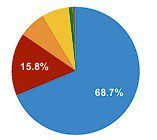
Recipe Macro Nutrients - As Fed

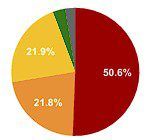
Recipe Macro Nutrients - Dry Matter

68.7%

Moisture443.54 G

0.0%

Moisture0.00 G

15.8%

Protein102.07 G

50.6%

Protein102.07 G

6.8%

Fat43.98 G

21.8%

Fat43.98%

6.8%

Carb.44.12 G

21.9%

Carb.44.12%

1.0%

Fiber6.37 G

3.2%

Fiber6.37G

0.8%

Ash5.17 G

2.6%

Ash5.17 G

Feeding Recommendations by Bodyweight and Acttivity

BODY WEIGHTOBESE PRONEINACTIVELOW ACTIVITYMODERATE ACTIVITYABOVE AVERAGE ACTIVITYHIGH ACTIVITY
10 LB5.50 OZ6.00 OZ6.75 OZ7.75 OZ8.75 OZ9.75 OZ
20 LB9.00 OZ10.00 OZ11.50 OZ13.25 OZ14.75 OZ16.50 OZ
30 LB12.25 OZ13.50 OZ15.75 OZ18.00 OZ20.00 OZ22.25 OZ
40 LB15.25 OZ16.75 OZ19.50 OZ22.25 OZ25.00 OZ27.75 OZ
50 LB18.00 OZ19.75 OZ23.00 OZ26.25 OZ29.50 OZ32.75 OZ
60 LB20.75 OZ22.50 OZ26.25 OZ30.00 OZ33.75 OZ37.50 OZ
70 LB23.25 OZ25.25 OZ29.50 OZ33.75 OZ38.00 OZ42.25 OZ
80 LB25.75 OZ28.00 OZ32.75 OZ37.25 OZ42.00 OZ46.75 OZ
90 LB28.00 OZ30.50 OZ35.75 OZ40.75 OZ45.75 OZ51.00 OZ
100 LB30.25 OZ33.00 OZ38.50 OZ44.00 OZ49.50 OZ55.25 OZ
22.5 ounces of the Beef & Brown Rice recipe provides 1000 calories.
Beef & Brown Rice Recipe Calories per Ounce44.5
Feeding Guideline Calculations FormulaDaily Calorie Requirements ➗Beef & Brown Rice Recipe Calories per Ounce = Daily Feeding Amount

How do I know how much to feed my dog?

Use the chart above to identify the total ounces that is recommended for a dog based on its ideal body weight and current activity level. These calculations provide the total weight of food that needs to be fed daily.

Are the recipes a single meal or a whole day’s worth of food?

The feeding guidelines are based on body weight and activity level that provide the total amount of food that needs to be fed a day. Divide the recommended feeding amounts into multiple meals if desired.

Can I feed the recipe indefinitely?

The recipe is balanced with all essential nutrients required for healthy dogs. Therefore, the recipe can be fed daily at the required amounts to maintain ideal body weight. The recipe is not suitable for dogs with medical conditions that require specialized diets to prevent the progression of the disease.

Can I substitute different ingredients in the recipe?

Ingredients substitutions will affect the nutritional balance of the recipe. This recipe is made to be fed as-is without ingredients or substitutions.

Cooking Advice

Raw ingredients should be cooked using gentle methods to preserve as much of the nutrients as possible. Cooking can stop and the food can be placed in a safe location to cool once the food has reached their safe internal temperature. The food should not be charred or browned in any way.

✔ Avoid High Heat

To retain the most nutrients it is recommended to limit surface exposure to high heat cooking temperatures. Grilling broiling, and pan frying are cooking methods that should be avoided at all costs.

✔ Separate Animal Products from Seafood & Vegetables

Each food type has their own unique cooking time. It is recommended to cook all animal proteins, seafood, and vegetables entirely separate to avoid overcooking or undercooking various foods.

✔Avoid Long Cook Times

Pet food should be cooked in the shortest amount of time possible to avoid overcooking and excessive nutrient loss. Therefore, slow cookers are not ideal for cooking pet food.

✔ Preserve Liquids

Dry heat cooking is ideal to limit nutrient loss. However, this method can easily overcook food. Additional small amounts of filtered water helps prevent overcooking in these situations. All moisture left over after cooking should be retained and fed.

Each food ingredient has their own unique minimum internal temperature for total bacteria reduction. Foods do not need to be cooked any longer once they have reached this temperature. Out of the many different ways to cook food the surest methods for cooking pet food include baking, pressure cooking, steaming, boiling, and sous-vide.

→Animal Proteins

Beef, pork, and lamb proteins have a minimum internal temperature of 160°F (71°C) and all poultry has a minimum temperature of 165°F (74°C).

→Seafood

Since EPA and DHA are sensitive to heat it is only recommended to cook seafood until it has reached an internal temperature of 145°F (63°C).

Grains

Boiling grains is the recommended cooking method to ensure they are fully cooked. The addition of water is based on the type of grain used – Amaranth,
Buckwheat, Quinoa, and Rice require 2.5 cups of water per 1 cup of dry grain. Barley, Millet, Oats, and Wild Rice require 3.5 cups of water per 1 cup of
dry grain.

Starches

Root vegetables can be baked by preheating the oven to 400ºF (204ºC) and removing them from the oven when they are soft enough to be mashed.

Low Glycemic Vegetables

Steaming and boiling are the recommended cooking methods for low glycemic vegetables. Steaming has been proven to reduce the amount of oxalates in certain vegetables. However, it is important to remember to dispose of the leftover steaming liquid if the goal is to reduce oxalates in the diet.

All food ingredients can be thoroughly mixed together once the cooked food has cooled to room temperature. The addition of dry supplements can also be mixed into the cooked food at this time. The Batch Calculation sheet for each recipe lists the supplements that can be prepped directly into the pet food; and the liquid supplements are to be added into the food at mealtime.

Beef & Brown Rice - Nutritional Report

Nutritional Standard

NRC 2006

Species

Canine

Life Stage

Adult Maintenance

Amino Acids

1000 kcal Recipe

NRC Minimum Requirements

NRC Recommended Allowance

Crude Protein

102.068 g

20.00 g25.00 g
Arginine

5.379 g

0.70 g0.88 g
Histidine

2.709 g

0.37 g0.48 g
Isoleucine

3.689 g

0.75 g0.95 g
Methionine

2.159 g

0.65 g0.83 g
Methionine & Cystine

3.069 g

1.30 g1.63 g
Leucine

6.598 g

1.35 g1.70 g
Lysine

6.769 g

0.70 g0,88 g
Phenylalanine

3.349 g

0.90 g1.13 g
Phenylalanine & Tyrosine

6.028 g

1.48 g1.85 g
Threonine

3.289 g

0.85 g1.08 g
Tryptophan

0.530 g

0.28 g0.35 g
Valine

4.199 g

0.98 g1.23 g
Taurine

0.000 g

0.00 g0.00 g

Fats & Fatty Acid

1000 kcal Recipe

NRC Minimum Requirements

NRC Recommended Allowance

Total Fat

43.977 g

10.00 g13.80 g
Linoleic Acid

3.239 g

2.40 g2.80 g
Alpha-Linoleic Acid

0.590 g

0.09 g0.11 g
Arachidonic Acid

0.310 g

0.00 g0.00 g
EPA & DHA

0.660 g

0.11 g0.11 g

Vitamins

1000 kcal Recipe

NRC Minimum Requirements

NRC Recommended Allowance

Vitamin A

2725.105 mcg

303.00 mcg379.00 mcg
Vitamin C

8.478 mcg

0.00 g0.00 mg
Vitamin D

7.558 mcg

2.75 mcg3.40 mcg
Vitamin E

68.863 mcg

6.00 mg7.50 mg
Vitamin K

0.020 mcg

0.00 mg0.00 mg
Thiamin (B1)

1.290 mcg

0.45 mg0.56 mg
Riboflavin (B2)

2.769 mcg

1.05 mg1.30 mg
Niacin (B3)

30.632 mcg

3.40 mg4.25 mg
Pantothenic Acid (B5)

4.679 mcg

3.00 mg3.75 mg
Pyridoxine (B6)

2.599 mcg

0.30 mg0.38 mg
Biotin (B7)

0.000 mcg

0.00 mcg0.00 mcg
Folic Acid (B9)

114.081 mcg

54.00 mcg67.50 mcg
Cobalamin (B12)

25.134 mcg

7.00 mcg8.75 mcg
Choline

468.451 mcg

340.00 mcg425.00 mcg

Minerals

1000 kcal Recipe

NRC Minimum Requirements

NRC Recommended Allowance

Calcium

1.090 g

0.50 g1.00 g
Phosphorus

0.980 g

0.75 g0.75 g
Magnesium

261.773 g

45.00 mg150.00 mg
Sodium

253.515 g

75.00 mg200.00 mg
Potassium

1.430 g

1.00 g1.00 g
Chloride

380.273 mg

300.00 mg300.00 mg
Iron

14.466 mg

7.50 mg7.50 mg
Copper

2.989 mg

1.50 mg1.50 mg
Zinc

22.194 mg

15.00 mg15.00 mg
Manganese

3.529 mg

1.20 mg1.20 mg
Selenium

106.823 mg

87.50 mcg87.50 mcg
Iodine

220.000 mg

175.00 mcg22.00 mcg

Nutrient Balance

1000 kcal Recipe

Calcium : Phosphorus (Ca:P)

1.12 : 1

Linoleic : Alpha-Linolenic (LA : ALA)

5.46 : 1

Omega 6 (LA) : Omega 3 (EPA+DHA)

2.77 : 1

How to Find the Best Natural Dog Food

Many brands claim to be natural dog food, but how can you know if you're getting the best dog food.
A good natural dog food is made without artificial colors, flavors, or chemical preservatives, and with recognizable ingredients that are minimally processed. Credit: Jack F | Getty Images

Many dog owners today are in search of natural dog foods—meals that avoid artificial ingredients, use whole-food sources, and have functional ingredients that support their pet’s overall health in a more holistic way. But with so many brands claiming to be “natural,” how can you tell what is truly high-quality and what is just marketing?


What Is Natural Pet Food?

The word “natural” can mean different things depending on who is using it, but natural dog food brands should be products made without artificial colors, flavors, or chemical preservatives, and with recognizable ingredients that are minimally processed.

Best Natural Dog Food Brands

For those wanting to feed their dog a high-quality natural diet, a few standout brands are consistently well-reviewed by veterinarians, nutritionists, and dog owners alike. Our favorites include:

Whole Dog Journal is reader-supported. If you purchase through links on our site we may earn a commission. Whole Dog Journal does not accept money for its food and product reviews.

The Honest Kitchen: offers human-grade dehydrated dog food made from minimally processed ingredients. This is especially appealing to pet owners who want to add water and serve fresh without having to cook diets from scratch.

Open Farm: emphasizes ethically sourced meat, traceable ingredients, and environmentally conscious practices. Their recipes include responsibly raised meats, organic produce, and are free from fillers and synthetic additives.

Spot & Tango: is a highly rated brand that offers fresh, pre-portioned meals with limited, whole-food ingredients. Their “UnKibble” line provides a dry food alternative for those who want something shelf-stable but still natural and minimally processed.

Stella & Chewy’s: is a strong choice for raw feeders or those interested in freeze-dried options. Stella & Chewy’s is well-known for their raw-inspired diets made from grass-fed, cage-free, and wild-caught proteins. Their products offer a convenient way to feed a more biologically appropriate diet without the mess or food safety concerns of raw meat.

Natural Dog Food Ingredients

When choosing a natural food for your dog, the best place to start is with the ingredients list. Ideally, the first ingredient should be a named animal protein, such as chicken, beef, lamb, or salmon. Avoid products that use vague terms, like meals or byproducts, which can indicate less-desirable cuts or parts of the animals they are sourced from.

A quality natural dog food may also contain whole food sources or carbohydrates and fiber, like brown rice, oats, sweet potatoes, or lentils. If vegetables, fruits, or beneficial herbs are included, it is a good sign of a brand focused on nutrient diversity and natural functionality. It is also wise to look for foods preserved with natural compounds like tocopherols (vitamin E) rather than synthetic preservatives like butylated hydroxyanisole (BHA), butylated hydroxytoluene (BHT), or ethoxyquin.

Look for Transparency in a Natural Dog Food

Transparency in sourcing is an indication of a trustworthy brand for natural dog food. Brands that clearly state where their ingredients are sourced—ideally within the U.S. or from countries with strict agricultural regulations—tend to take quality control more seriously. Additionally, it is worth checking into whether the company manufactures its own food or outsources production, as brands that own and operate their own facilities have the ability to maintain tighter manufacturing oversight.

Remember, natural does not always mean grain-free, and for most dogs, whole grains such as brown rice or oats offer a good source of nutrition and energy. Grain-free diets are sometimes recommended for dogs with specific sensitivities, but they are not inherently more “natural” or healthier. What is most important is how digestible and nutritious the total recipe is, and whether it fits your dog’s specific age, breed, activity level, and health needs.

Ultimately, the best natural dog food is one that uses whole, recognizable ingredients, avoids unnecessary additives, and is formulated to meet the nutritional standards set by the Association of American Feed Control Officials (AAFCO).

If you are unsure which product is best for your dog, your veterinarian can help guide your choice based on any allergies, sensitivities, or specific health concerns your dog may have. Feeding a natural diet can contribute to improved energy, healthier coat, better digestion, and overall wellness in your dog. By choosing quality ingredients and reputable brands, you are not just feeding your dog—you are investing in their long-term health and vitality.

Best Over-the-Counter Anxiety Meds for Dogs

The best anxiety meds for dogs treat specific anxieties with minimal side effects.
This dog is clearly anxious. While an herbal supplement may help calm him down, working with a trainer is your wisest choice. For anxiety medications, you need a veterinary assessment. Credit: Alexandra Jursova | Getty Images

Whether it’s triggered by loud noises, unfamiliar environments, or other stressors, anxiety in dogs can show up in many ways. While it’s important to understand and recognize the signs—and get professional help when needed—many cases of mild to moderate anxiety can be mitigated with a combination of good management strategies and over-the-counter remedies for dogs. From calming chews and herbal supplements to snug-fitting wraps like ThunderShirts, there are accessible options that can help soothe your dog without immediately turning to prescription medications.

Symptoms of Anxiety in Dogs

Before we dive deep into them, you need to be sure your dog is anxious. Technically, anxiety is worrying or nervousness about a situation. Signs of anxiety in dogs include:

  • Barking
  • Whining
  • Restlessness
  • Irritability
  • Trembling
  • Panting
  • Shaking
  • Ears may be back
  • Tail tucked
  • Eyes may be wide, possibly showing white

Managing Anxiety in a Dog

Simple management and setting up a quiet place away from noise (like a corner of your basement) can help an anxious dog. Remember that any medication needs to be given ahead of the problem situation. For holidays, when you know fireworks will be shot off, find out the schedule for your town and dose your dog accordingly. If the weather forecast strongly suggests storms, treat ahead.

If you have a puppy going through a fear period, medication should not be the first thing you reach for. You need to back off and reset what you are doing to a point where your pup is not anxious.

If you are presenting your dog with a new situation, going slowly, reassuring him, and walking away if he is highly stressed is a better option than drugging him. Don’t force him to address a scary situation.

That said, if a supplement can settle your dog or pup to where he can think and assess a situation, it can be worthwhile to try while you train through a problem. Remember, don’t rely on the supplement, find training guidance as well!

If you need an anxiety medication for your dog, you need a veterinarian to assess your dog and prescribe it. However, there are over-the-counter anxiety solutions for dogs that I like. A classic example is for dogs who get nervous or car sick when traveling.

Over-the-Counter Remedies for Dog Car Anxiety

Car anxiety occurs in many dogs. Both you and your dog may be able to avoid the vomit-in-a-crate scenario or huge puddles of drool with Earth Heart Travel Calm, a plant-derived product.

Dogs who become anxious in specific situations, such as fireworks or thunderstorms, may be helped with Earth Heart Canine Calm or the supplement melatonin. Many dogs respond well to the use of a ThunderShirt. Its snuggly, constant pressure makes dogs feel more secure, and they settle down.

Rescue Remedy is a well-known supplement for traumatic situations. Vetri Science chews called Calm and Confident are helpful for a dog who is a bit overwhelmed when starting a new dog class or dealing with new and exciting places.

Note: Always check with your veterinarian before trying any supplement to avoid drug interactions.

Natural Remedies for Dog Anxiety

Some herbal ingredients are associated with a calming effect on dogs, including valerian root, hemp seed, tryptophan, and chamomile. Look for these ingredients in supplements but be sure the product you choose has an NASC seal on it. That means the manufacturer is a member of the National Animal Supplements Council and submits to testing to ensure the product has quality ingredients in the amounts listed on the labels. Whatever you do, stick to canine supplements. Don’t use human versions unless under veterinary guidance.

Prescription Anxiety Meds for Dogs

Prescription anxiety medications for dogs include fluoxetine and clomipramine. These should only be used under the guidance of your veterinarian or a veterinary behaviorist. I would never recommend the use of acepromazine. While your dog may appear physically still, the mental awareness is not controlled.

My Dog Eats Treats But Not Food

0
If your dog isn't eating his food, but is eating treats he might be sick or he might just be a picky eater.
If your dog doesn’t want to eat, start by looking for an illness, then consider things like how many treats he’s consumed during the day. Credit: Julia Kostiuchenko | Getty Images

Why is my dog not eating is a question that I get regularly from clients. If a dog is eating treats but not his food, the first step is to check to see if he is sick. In cases where illness has already been ruled out, there are several behavioral reasons why your dog doesn’t want to eat anything but treats.

If your dog is eating treats but not food, the reason could be you! I have come across involved dog parents so dedicated to training that they are wearing a treat pouch 24/7 and reinforcing far more behaviors than necessary. In these cases, the dog has been grazing all day and is no longer interested in meals, no matter how tasty they may be. Obviously, the solution to this scenario is to stick with a scheduled training session for treat reinforcements versus an all-day thing.

Sudden Illnesses That Cause a Dog to Stop Eating

A variety of medical reasons can cause your dog to not want to eat. All would require a consultation with your dog’s veterinarian, in some cases, sooner rather than later. “Why isn’t my dog eating” can be a medical emergency if it’s a sudden change, even if the dog will still take treats, which are often more enticing than regular kibble to a dog with little appetite. Reasons for not eating that require veterinary care include:

  • Pain
  • Illness
  • Blockage
  • Bloat
  • Dental issues
  • New medication

Sometimes we need to be detectives to keep our dogs healthy and happy, just another skill we need to develop to be good dog parents.

Behavioral Reasons for Your Dog Not Eating

If your dog is eating treats but not food, the reason could be you! You may be feeding your dog so many treats he isn’t hungry at mealtimes. I have come across involved dog parents so dedicated to training that they are wearing a treat pouch 24/7 and reinforcing far more behaviors than necessary. In these cases, the dog has been grazing all day and is no longer interested in meals, no matter how tasty they may be. Obviously, the solution to this scenario is to stick with a scheduled training session for treat reinforcements versus an all-day thing.

Your Dog is Bored of His Food

At the top of the list is that the dog is bored with their food. Dogs need variety in meals, too. Your dog may eat the same food day in and day out at each meal and never complain but not all dogs want to exist this way without some sort of backlash. If your dog is refusing breakfast but eats dinner, I would suspect this cause. Your dog is eating to stay alive. I don’t think that anyone wants their dog to feel like that, right?

My suggestion to clients when this is the obvious issue, is to find three or four types of kibble (it’s always kibble that this scenario applies to) that fall in line with the kind that is already well tolerated by the dog, either protein wise or brand wise. If they can vary proteins and the dog both likes the food and digestively tolerates it well, that is even better.

Rotate meals. One thing for breakfast and another thing for dinner. Vary again the next day. Repeat. This will help prevent boredom with meals.

Your Dog is Getting Anxious at Mealtime

Another behavioral issue that can result in not eating meals is too much owner-created attention to eating meals. Basically, micromanaging meals creates anxiety on the part of the dog and results in not eating meals. Your dog won’t eat while you are anxiously waiting for him to eat. I did this with my heart dog, Merlin. It resulted in learning far more about dog nutrition and kibble than I ever anticipated, along with a future of either feeding a raw diet or home cooking for all dogs from him on. If you think that you have created a situation like this, the wonderful Applied Animal Behaviorist, Kathy Sdao has a webinar on this subject.

Other Behavioral Reasons for Your Dog Not Eating

Behavioral reasons that I hear “why is my dog not eating?” have also included:

  • Anxiety/stress over a change in routine, family dynamics, etc.
  • Recent change in food/diet.
  • Stress resulting from a vet visit/vaccinations (report this to your veterinarian if your dog received vaccinations or medications at the visit).

Can Dogs Get Sick from Humans?

0
Humans can get sick from their dogs, and vice versa with a host of diseases being shared between the species.
Can your dog catch your cold? Knowing which diseases you and your dog are at risk of sharing can help keep the whole family—human and canine alike—happy and healthy. Credit: AndreyPopov | Getty Images

Can dogs get sick from humans? Can humans get sick from dogs? The answer to both questions is yes.

Certain bacteria, viruses, and parasites are zoonotic, meaning they can spread from animals to humans. Reverse zoonosis occurs when humans transmit germs to dogs.

“We’re all mammals, and there are certain diseases that can cross over in either direction, so we have to be a little concerned about those things,” says veterinarian Will Sander, an assistant professor of preventive medicine and public health at the University of Illinois College of Veterinary Medicine.

So, what organisms and critters can spread from humans to canines and vice versa? Let’s break down these crossover contagions.

Can Dogs Get Sick from Humans?

Though it’s relatively rare, humans can pass germs to dogs. “Many of us live very closely with our dogs, and we can share diseases that way,” Dr. Sander says.

Diseases that dogs can catch from humans include:

COVID-19

The virus that causes COVID-19 is one of the most recent and headline-grabbing examples of reverse zoonosis.

“We had somewhere between 200 and 300 cases reported where dogs got sick from people,” Dr. Sander says. “A very, very small number of those dogs died. Most just got some gastrointestinal and respiratory effects.”

Tuberculosis/TB

People can also transmit bacterial infections to dogs. Tuberculosis (TB) is a highly contagious respiratory illness. It can spread from infected people to canines through close contact with a dog or even through the air inside a home. (TB is rare in dogs, but dogs can also transmit it to people.)

MRSA

Methicillin-resistant Staphylococcus aureus (MRSA) is another bacteria that dogs can pick up from humans, especially if a pooch licks the skin of an infected person.

“Dogs don’t actually have Staphylococcus aureus that much on their skin,” Dr. Sander says. “It’s more of a human bacterium, and so when we see things like MRSA, it’s usually coming from their family, and that somebody in that family has had an MRSA infection.”

E.coli

E.coli bacteria can be passed between two and four-legged family members. Dr. Sander says there have been cases where E. coli was the culprit that caused urinary tract infections, which spread throughout entire households, including the dog.

“It could happen when somebody with a urinary tract infection does not wash their hands well, or the dog licks the toilet bowl and gets infected,” Dr. Sander says.

Can Humans Get Sick from Dogs

While many infections in dogs do not pose a risk of spreading to people, there are several viruses, bacteria, and parasites that dogs can transmit to humans, both directly and indirectly.

Stopping germs from spreading is something veterinarian Stephanie Janeczko, vice president of shelter medicine services for the ASPCA, considers a top priority.

“Infectious diseases are certainly an ongoing concern, particularly in settings where dogs have close contact with many other dogs,” Dr. Janeczko says. “They are something that we absolutely spend a lot of time working to prevent in shelter settings.”

Infections that humans can get from dogs include:

E.coli, Salmonella, and Campylobacter

Dogs can also spread E. coli and other bacteria, like Salmonella and Campylobacter, to humans through their feces. But Dr. Janeczko and other veterinarians also warn about the potential indirect spread of bacteria to humans from certain dog foods.

“We know that people exposed to dogs who are fed raw diets are at increased risk of exposure,” Dr. Janeczko says. “It might be because you were handling that food that was contaminated, then you became exposed, too.”

While medical experts may have differing opinions about raw diets and the risks, these types of bacteria can cause serious infections, even death, in humans and dogs.

Leptospirosis

Another potentially dangerous organism that veterinarians urge should be on more people’s radar is Leptospira bacteria, which causes leptospirosis, also known as lepto.

For pet owners asking their veterinarians, “Is leptospirosis zoonotic?”, the answer is: It’s one of the most common and dangerous zoonotic diseases in the world.

“We’re actually seeing more leptospirosis in dogs over the last couple of decades,” Dr. Sander says.

Leptospira bacteria are spread through the urine of infected wild, farm, and domestic animals. Dogs can contract it if they come into contact with contaminated soil, other infected animals, or their remains. Lepto can also spread in floodwaters, rivers, lakes, and ponds.

Without treatment, leptospirosis can make animals and people very ill, even causing death.

Rabies

And while we’re talking worst-case scenarios, canines (and other animals) can spread the deadly rabies virus to humans.

Dogs typically contract rabies after being bitten by an infected wild animal or a domestic animal (such as a dog or cat) that has contracted the disease. The virus is transmitted through saliva, so if a rabid dog bites a human or licks a person’s open wound, they can become infected.

“It’s really serious,” Dr. Sander says. “It’s one of those few diseases we know of that’s usually 100% fatal. It’s one of those you don’t want to play around with.”

Common Dog Diseases That Don’t Spread to Humans

While serious viruses like parvo and distemper can easily spread between dogs, they are not contagious to people.

Is Influenza Zoonotic?

Can people give their dogs the flu? Can dogs give people influenza?

The short answer is “sometimes.” There are various strains of influenza, and some are zoonotic. Also, flu viruses are constantly changing and can mutate in ways that affect their ability to spread between species.

“The way the virus is set up, it’s prone to having a lot of mutations,” Dr. Sander says. “When those mutations happen, we see shifts. Things are always shifting and changing.”

It’s always a good idea to consult the latest research or seek medical advice if you have questions, but here is the current information on several strains of influenza as of this writing:

Dog Flu/Canine Influenza

Although the dog flu, or canine influenza, is highly contagious among dogs, there have been no reported cases of humans contracting the virus that causes the disease.

Avian Influenza/Bird Flu

Avian influenza, which has jumped from birds to cows to cats (cats are very susceptible) and to humans, is a hot topic these days. Right now, the risk of dogs contracting bird flu remains low. “We have been fortunate that dogs have not been impacted,” Dr. Sander says.

Of course, if a dog eats or interacts with infected animals, they run a greater risk of contracting the disease. The key is to limit potential exposure to the virus.

Human Flu (Influenza A and B)

While the flu can make most people absolutely miserable and spread easily among humans, it’s unlikely dogs will contract it.

“There have been a few cases, but it’s pretty uncommon that the flu has been able to spread from people to dogs,” Dr. Sander says.

Preventing the Spread of Zoonotic Disease

Several common-sense precautions can help prevent the spread of infections, which can help save the lives of both people and dogs.

Vaccinations

Always ensure dogs are up to date on their vaccinations.

“Vaccines are a cornerstone of the way that we seek to limit transmission for several infectious diseases, some of which are zoonotic. This includes rabies and leptospirosis,” Dr. Janeczko says.

Pet owners should consult with their veterinarian to determine the best protocol for their dog, which should include core vaccines for parvovirus, distemper, rabies, and even leptospirosis.

“There’s been a good vaccine in place for quite a while for leptospirosis for dogs,” Dr. Sander says. “It’s something that the American Veterinary Medical Association and other big national animal associations have endorsed in the last two years as being considered a core vaccine for dogs.”

Flea, Tick, and Parasite Prevention

Fleas, ticks, and intestinal parasites are among the grossest, most disease-spreading critters that canines can bring home to their humans, which can, directly and indirectly, cause health issues for both species. Using broad-spectrum dewormers can help minimize the risk of intestinal parasitic infections dogs can pick up and pass to humans.

“Most people would be giving these as part of their monthly heartworm preventive; most have a dewormer in them that will provide protection against parasites like roundworms or hookworms,” Dr. Janeczko says.

Using pet flea and tick prevention can also help limit the exposure of both dogs and humans to many potentially dangerous diseases. Some ticks carry Lyme disease, Ehrlichiosis, Anaplasmosis, Rocky Mountain Spotted Fever, and Babesiosis.

Fleas may harbor germs like Bartonella, typhus, and the plague.

Topical, chewable, and spray-on preventatives help stop these biting bugs from infecting dogs and people.

Hand Hygiene

One of the easiest ways people can prevent the spread of germs is to wash their hands after having contact with their dog, their dog’s food and water bowls, and after picking up their pooch’s poop.

Pet parents should also follow safe food handling protocols when feeding their dogs to help reduce the risk of bacterial transmission.

“Hand hygiene goes a really long way in helping to mitigate infectious disease risk for zoonotic diseases,” Dr. Janeczko says. “That’s an important aspect of it.”

Safeguards During Sickness

Hand hygiene is also crucial in preventing the spread of diseases, especially when a pet or person is sick. People should wash their hands immediately after any direct contact with a dog or human who is ill or after touching anything they’ve touched. It’s essential to race for soap and water after cleaning up bodily fluids, such as urine, diarrhea, or vomit.

Don’t allow dogs to snuggle, kiss, lick people, or come in close contact with other animals or humans who are sick.

Wearing a mask and avoiding coughing or sneezing around dogs if someone in the household has a respiratory illness can help prevent dogs from contracting it.

If a dog or human appears to be sick, seek medical attention, and be sure to mention any other illnesses in the household, as well as the presence of pets.

“A lot of times physicians or nurse practitioners don’t always ask that question, and it opens up other possibilities for them to think about what could be causing you to be sick, too,” Dr. Sander says. “I always tell people to advocate for themselves and let doctors know what’s going on.”

The bottom line is that while you should be aware of the germs and parasites in your environment, they should not prevent you and your dog from having a loving relationship.

“The risk is not huge, but take common-sense precautions,” Dr. Sander says. “Good hygiene and preventive measures are really what’s needed, and just not letting our guard down.”


Selegiline for Dogs with Cognitive Dysfunction

Selegeline for dogs with cognitive dysfunction can help dogs better manage their cognitive decline.
If your senior dog is becoming unusually restless at night, it may be time to discuss the possibility of cognitive dysfunction with your veterinarian. Credit: Svetlana Repnitskaya | Getty Images

Selegiline, or Anipryl, is a medication to help senior dogs with signs of cognitive dysfunction. In senior dogs, cognitive dysfunction, or dementia in dogs, often shows up as increased vocalization, sundowners syndrome (confusion and/or agitation that occurs at the end of the day), and general wandering at night.

Dogs with cognitive dysfunction often seem unaware of their world. Some dogs may start eliminating in the house and lose interest in activities they used to enjoy. Selegiline, or the brand name Anipryl, may help you and your dog cope with his mental decline.

Selegiline Worked for Dog With Cognitive Dysfunction

Kate’s Belgian Tervuren, Queezle, was 12 years old when she started on selegiline for canine cognitive dysfunction. Queezle had started nocturnal pacing and fussing, keeping Kate and her husband up at night.

“Within a week of starting on selegiline, Queezle was sleeping through the night and much brighter and happier. We hadn’t realized just how grumpy she had gotten until we had the old Queezle back,” says Kate. Queezle earned her Champion Tracker title at age 13 and went on to live to age 16.

How to Use Selegiline for Dogs

Selegiline is usually dispensed as a tablet or capsule, although you may be able to get a transdermal patch that is placed on the inside of an ear, for example. Some owners have had liquid versions compounded.

Tell your veterinarian about any other medications or supplements your dog may be on. Selegiline interacts with several other drugs, including antidepressants and pain medications, as well as some other behavior-modifying medications. Because selegiline is a monoamine oxidase inhibitor (MAOI), you should avoid giving your dog hard cheese or cured meat while on this drug.

Note: MAOI drugs act on the neurotransmitter called dopamine in the brain. Among other functions, dopamine helps with memory. Selegiline helps to maintain dopamine levels in the brain. Dopamine also helps to regulate levels of adrenocorticotropic hormone (ACTH). Selegiline can help dogs with Cushing’s disease via this metabolic pathway.

Side Effects of Selegiline

Initial side effects when using selegiline in dogs may include restlessness and some confusion, which of course, mimic what you want to treat. Most dogs adjust, but it may take a few weeks to truly evaluate if selegiline is working for your dog.

Some dogs may show gastrointestinal upset ranging from vomiting and diarrhea to a decrease in appetite. Rarely, some dogs will show aggression or a loss of hearing.

Will Selegiline Work for My Dog?

Unfortunately, some dogs don’t show much of a response to selegiline. It’s important to discuss with your veterinarian how long the initial trial should be done to see if selegiline works for your dog. While some dogs show a response to the medication fairly quickly, some will take a few weeks. And some dogs won’t show any real change.

For best results with cognitive dysfunction, discuss supplements and possible diet changes with your veterinarian along with the possible prescription of selegiline. There are prescription diets and some over-the-counter dog foods, Purina Pro Plan Bright Mind, that are made to address problems with cognitive dysfunction in senior dogs. In addition, keeping your senior dog active with walks, food puzzles, scent games, and training can all help. It’s the dog version of crossword puzzles and Sudoku for your grandmother.

How To Keep Your Dog Cool in Summer

A dog’s primary means of cooling himself is through panting. When it comes to keeping a dog cool in summer, our goal is to make this process more efficient.

When a dog pants, air flows over the tongue and throat area and helps cool the blood sent to the tongue by the heart. That cooler blood then circulates through the rest of the body back to the heart, to start the process over.

The harder a dog’s working to stay cool, the bigger his tongue becomes in an effort to maximize that air circulation. That’s why a wide, red tongue indicates a dog is working hard at keeping his body cool.

However, as the temperature and humidity rise, the inefficiency of this system becomes apparent. The warmer it is outside, the warmer the air is that the dog takes into his body. When ambient temperatures become close to a dog’s normal body temperature, the system begins to fail.

How Hot is Too Hot for a Dog?

While most dogs begin getting warm around the 80°F mark (depending on humidity), the out-of-shape dog may be stressed at much lower temperatures. Clearly, as the outside air temperature rises and gets closer to the dog’s body temperature, the effectiveness of panting decreases. A dog in warm weather needs your attention to avoid potentially deadly heat stroke.

To help avoid this, consider your dog’s condition. Keeping your dog well groomed, physically fit, and at his optimal weight will help him avoid suffering from heat stress. Just as in humans, too much fat and not enough exercise result in a decreased level of heat resistance. And, the more he pants, the more water he’ll need to consume – the cooler, the better.

How To Avoid Heat Stress in Dogs

But even fit dogs may need you to enforce limits during hot weather. “I try to acclimate them to exercising in warm weather so they can handle it at a trial, but if it’s extremely hot out, we will just stay home in our air-conditioned house!” says Linda Aloi, owner of K9 Capers Dog School in Baldwinsville, New York.

Some active dogs have been known to exercise to excess, causing major physical heat-related damage to themselves and possibly death. If you are playing fetch and your dog is barking at you to “Throw the ball again! Throw the ball again!” – but you notice his speed has decreased when running after the ball and returning to you – he’s probably had enough.

– Some of the most common causes of heat stress are:

– Being muzzled in a warm environment

– Leaving the dog in a car during warm weather (even in the shade or with windows cracked open); or leaving a dog in a hot room or garage with insufficient air flow

– Excessive exercise, or exercise in extreme temperatures

– Travel over hot pavement/concrete surfaces

– Lack of shade and/or fresh water

Should You Shave a Dog in Summer?

Your dog’s coat is designed to protect him from weather extremes. Regular grooming is a necessity, especially for dogs with a thick undercoat, like Shetland Sheepdogs, Pomeranians, and Labradors. That hair needs to be fluffy to do its insulation job, so if it’s matted or dirty, get out the grooming equipment. Dogs who appear to have thick tufts of uneven hair throughout their coat definitely need the old undercoat brushed out. Single-coated dogs – think Papillons, Poodles, and Weimaraners – can actually be at a disadvantage. They may need more protection against sunburn and heat because they lack that protective undercoat.

Whatever you do, avoid the myth about shaving your dog’s coat to make him cooler. “Never shave down a double-coated breed,” says Mary Jo Johnson, an agility instructor Farmington, New York, who competes with her Shetland Sheepdogs. “It may seem counterintuitive, but that undercoat is a good thing.”

There are exceptions to the no-shave rule, of course. Hot spots and other dermatological issues may require spot shaving for treatment. Some dogs may need spots shaved for breed standards or cleanliness. Also, strategic shaving in specific areas (as opposed to shaving the whole dog) can help with the cooling process, especially in canine athletes. “I actually will clip the hair in the summer in the groin area, so my dogs can lie down in the baby pool and the water can reach that skin,” Johnson says, “but only the groin area.”

How To Keep Your Dog Cool in Summer

At home, many dogs enjoy playing or lying down in a hard plastic kiddie pool containing a few inches of fresh, cool water. This is a much easier way to wet down your dog to cool him off than a hose.

“When I wet down my dog in a pool, I wet the belly, groin area, and under the ‘armpits’ of the front legs,” says Diane Eggleston, owner of Awesome Abilities Dog Training School in Skaneateles, New York. “You should not wet their backs because it can actually make them hotter,” as it can trap the heat closer to the skin.

A simple spritz with a sprayer might do the trick for many dogs. If Eggleston is away from home, she carries a sprayer with a mix of water and a little coat conditioner to help cool her dogs. “I use the type of sprayer used to spray weeds,” she says. “I use it to the wet the belly areas, like I do in the pool.” Of course, this sprayer should be designated and labeled for dog use only.

Make sure your dog always has fresh, cool water for your dog. On especially hot days, toss a few ice cubes in the water. You can also make an inexpensive treat by mixing water with some broth, freezing it in ice trays, and giving the cubes to him in a bowl. Don’t add these to his water, however; your dog needs constant access to plain water.

If you’re going for a walk or hike in hot weather, always carry along water and a bowl for your dog.

Find Your Dog a Shady Spot for Outdoor Events

If your dog is going to be outside with you for an extended period – say, at your daughter’s soccer match – he’ll need shade, especially if he has a dark coat. A pop-up tent or umbrella can provide enough instant shade to really help.

People who attend outdoor dog shows or canine athletic events with their dogs almost always bring shade tents, plus sun shields that can be draped over a dog’s wire or soft-sided crate, to provide extra shade without impairing air flow.

Clean Run, the agility catalog and store, offers a great product called the Cool Puppy Shade Cloth Panel, made of a knitted, reflective aluminized fabric. Draped over a wire crate or exercise pen, it reflects the sun’s rays but doesn’t stop air flow. Clean Run estimates the result is a spot that is cooler by as much as 14°F and we would agree. The panels are available in a variety of sizes, from $45 for a 7′ by 6′ panel, up to a 14′ x 10′ panel for $108.

45 for a 7′ by 6′ panel, up to a 14′ x 10′ panel for $108.

Fans and Dog Cooling Mats

Fans get a big “two paws up” from most dogs. Portable fans, especially those designed for camping, run off of batteries. Most dogs will seek out the cool breeze and lie down right in front of the fans to keep cool. “At agility trials, my dogs are kept cool with a shade tent and fans. I also have gel cool mats for them to lie on,” Johnson says. These fans are available at most major hardware and discount department stores, like Walmart.

Commercial cooling mats or beds are based on a dog’s natural instinct to dig dirt holes during the summer; they give your dog a cool resting spot. You can also use a wet beach towel on the floor or ground. Frequently refreshed, clean and placed out of the sun, a wet towel can give your dog a cool spot to lie down, even on the kitchen floor. (Of course, the humans in the household will need to be careful not to step on it and slip!)

Many commercial cooling beds are filled with a gel designed to absorb the dog’s body heat. Some beds are filled with water that circulates heat away from the dog.

You can make your own ice-pack bed, too. When I attend a summer agility trial, I pack an equine leg bandage that’s been soaked in water and then frozen. It’s the perfect size for my Papillons to chill out on. My sister’s 80-pound Labrador has a pocketed blanket that she fills with reusable ice packs. Her dog pulls to get into the crate when he sees her arranging it for him. We use ice packs from Ice Horse, which stay cool for about two hours. They’re non-toxic and flexible, making a comfortable “ice bed.” We’ve found that with care, they can last for years. But they’re not cheap; the cost ranges from two for $17 to 12 for $95. They are available from icehorse.net (800-786-6633).

The Aspen Pet Gel Cooling Pad is a terrific alternative, as it is comfortable, self-cooling, and effective. In fact, in the cool early-morning hours at a trial, I watched my dog move the pad out of his way in his crate. Later that afternoon, he had pulled it back in place and lay down on it! This bed was 12″ by 16″ and portable, as it folds in half; it also comes in 16″ by 20″. The only complaint we heard was that large-dog owners want a much larger size. Both sizes usually retail for under $25. (This product is no longer available; here is a similar though larger and more expensive alternative.)

The K&H Cooling Bed III is filled with water and works on the concept that the water will become the same temperature as the air, which is usually lower than the dog’s normal temperature. It absorbs the heat, which circulates away from the dog. Most dogs enjoy the feel of the water. “I use water-filled cooling beds in my dogs’ crates in hot weather,” Eggleston says. “I slip them into a cotton pillow case.”

The Cooling Bed III is a great product for home use, but we’ve found it can be cumbersome if you’re away from home. Filled with water, it’s very difficult to carry. If you plan to fill it at a show or sporting event, you will need several gallons of water (depending on the bed size). These beds are available in large sizes, but they cost a fair penny: the 17″ by 24″ bed costs $70; the 32″ x 44″ costs $130. They do come with a two-year warranty.

Dog Cooling Vests and Other Dog Clothes

You can find all types of dog clothing purportedly designed to keep your dog cooler, but be aware that anything you’re adding to your dog’s body has the potential to trap heat, too. Think about yourself. If it’s terribly hot out, do you want to add clothing?

That said, most coats for heat defense have some type of sun reflective element to them, and many are designed to be wet down. The caveat with wetting a coat, however, is that once it warms up to the dog’s body temperature or bakes in the sun, it ceases to be cooling to the dog. If you use these coats, keep an eye on its temperature and rewet it if it’s warmed.

We’re not very enthusiastic about coats or vests that have gel inserts or incorporate water into the design; they often trap heat against your dog. Also, many tend to run small, are too rigid, or too heavy to be comfortable for your dog. Find out what the return policy is before you purchase this type of coat for your dog.

It’s also wise to consider your dog’s breed and coat when choosing a coat. “I don’t use wet coats, since my dogs have a double coat and it would just trap the heat,” Aloi says.

A popular lightweight choice is the K9 Kooling Coat. Manufactured to standards designed to withstand stresses from a horse, these coats are made of bright white polyester mesh, which is cool, lightweight, and blocks UVA and UVB rays.

The Kooling Coat can be wetted before you put it on your dog (we dunk them in ice water when it’s really hot) or even frozen overnight (you’ll have to let it thaw a little before putting it on the dog, but it works) to help keep your dog cool. Although the manufacturer says you can spritz the coat once it dries out, it works best to simply totally re-wet it. While some dogs can’t wait to have their Kooling Coat on, we’ve seen others sort of cringe at the idea of wearing a wet coat all day. When dry, most dogs don’t even notice they’re wearing them, and you still get the reflective properties.

Though they resemble some sort of tinfoil costume, coats that are made of loosely woven aluminized fabric, similar to the material used in the sun shades we discussed above, are terrific for minimizing the sun’s direct impact while allowing maximum airflow. This is the kind of coat Aloi uses on her dogs. “I have the woven aluminum foil-type coats to reflect the sun, and these work well.”

The K-9 Cooler is a well-made coat that can be worn wet or dry. It’s lightweight, durable, and appears comfortable for the dog. The price ranges from $23 to $54, depending on size.

The Chilly Buddy coat has a similar reflective outer surface, but includes a mesh cotton underside that may be kinder to the dog’s coat. You can wet the lining to help with cooling, and it will hold the water longer than a coat without a lining. Perhaps best of all, the reflective outer layer means the wet inner layer will stay cooler longer as it’s protected from the beating sun. However, we’d like to see a more tight-fitting surcingle to help keep its place on the dog. Cost is $45 to $70.

Best Ways To Keep a Dog Cool in Hot Weather

Your No. 1 weapon against the heat is water – lots of cold, clean water – and lots of shade. Ice cubes are a fun treat that many dogs enjoy.

If your dog is forced to sit in a warm environment, he needs shade, a steady breeze from a fan, and lots of water. A cooling bed – as simple as that wet towel – is often appreciated.

For dogs who are going to spend a lot of time in the sun, we like the reflective coats, especially the Chilly Buddy bed. Its inner lining is actually a brilliant design, combining the best of both types of coats.

When using clothing, be sure you continually monitor the temperature of the coat, so your dog doesn’t become too warm. But be sure you’re not overdoing the cooling process either; locking him in a shaded crate, wearing a wet blanket, on a cold bed, with a fan constantly blowing directly on him, may result in a chilled dog even on a warm day. Your dog is your best indicator of whether he needs more – or less – help to stay a truly cool dog.

What Is the Best Novel Protein Diet for Dogs?

4
Novel protein diets for dogs can help with skin and other allergies.
A novel protein diet may resolve a chronic itch that cannot be cured by traditional medications. Credit: Thiradech | Getty Images

A novel protein is often recommended when allergies or food sensitivities are believed to be causing persistent digestive upset, chronic ear infections, or ongoing skin issues like itchiness, redness, and hot spots. When traditional diagnostic methods or treatments fail to resolve these symptoms, veterinarians often recommend trying a novel protein diet or a dog elimination diet trial. These dietary approaches aim to uncover the triggers of food sensitives and offer relief through nutritional management. The result is often a significant improvement in your dog’s quality of life.

Finding a Novel Protein for Your Dog

A novel protein diet refers to foods that contain a protein source that your dog has never consumed before. The rationale behind using an unfamiliar protein is to reduce the likelihood of triggering an immune response, as allergic reactions occur when the body recognizes a benign substance as foreign or harmful.

Common protein sources such as chicken, beef, lamb, and turkey are frequent culprits for food allergies, simply because they appear so frequently in commercial dog food. By switching to a novel protein, such as rabbit, venison, duck, kangaroo, alligator or ostrich, you reduce the chance of including the ingredient responsible for the allergic response.

What Is an Elimination Diet?

Elimination diets are the gold standard for identifying food allergies or sensitivities in dogs. These diets consist of a limited number of ingredients, ideally with a single novel protein source and a single novel carbohydrate source, given exclusively to the dog over a period of eight to twelve weeks. During this time, no other foods, treats, supplements, or table scraps should be given.

The idea is to allow the dog’s immune system and gut to settle and observe whether symptoms improve or resolve completely. If improvement is observed, then individual ingredients from the previous diet can be reintroduced one at a time to try to determine which ingredient(s) trigger a reaction. This reintroduction process must be done cautiously and methodically to ensure that each ingredient’s effect is properly assessed.

Good Choices for a Dog’s Novel Protein Diet

Several reputable pet food brands offer novel protein formulas:

  • Zignature is known for its limited ingredient diets and features novel proteins such as kangaroo, catfish, and venison.
  • Natural Balance also produces a variety of limited ingredient and novel protein diets including duck, bison, and venison formulas.
  • Merrick and Instinct both offer raw-coated and grain-free recipes that include exotic proteins like rabbit, lamb, and duck.

While the availability of novel protein foods has grown in recent years due to increased awareness of canine food allergies, not all products are created equal. Some may include secondary or tertiary animal proteins that will be featured farther down in the ingredient list and can compromise the integrity of a novel protein diet. Because of this, it is crucial to carefully read labels and, whenever possible, opt for diets that are explicitly labeled as limited ingredient and contain only one clearly identified protein source.

Novel protein diets and elimination trials are invaluable tools for identifying and managing food allergies and sensitivities in dogs. By selecting less common protein sources and strictly adhering to a limited diet, pet owners can determine the root cause of their dog’s discomfort and chart a path forward that leads to long-term health and relief from symptoms. With guidance from a veterinarian, many dogs can thrive on novel protein diets and live happy, comfortable lives free from the discomfort from undiagnosed food sensitivities.

Hemp Oil for Dogs

2
Hemp oil for dogs doesn't have its benefits from THC, but it's nutrition.
Hemp appears to be helpful for a number of canine conditions. However, although studies are becoming more common, there is still a lot that remains unknown about what hemp oils and other hemp-derived products can do for dogs. Credit: Vanessa Nunes | Getty Images

Hemp products for dogs are bestsellers, with sales approaching $1 billion per year. Although they have been shown to help reduce physical pain and treat anxiety in dogs and humans, hemp products are controversial as well as confusing.

The key to understanding this booming market lies in distinguishing hemp from marijuana and recognizing the differences between hemp seed oil and CBD oil. From nutritional supplements to calming treats and topical sprays, hemp-derived products vary widely in quality, composition, and effectiveness. As the science and regulation of these products continue to evolve, pet owners must navigate a complex landscape of claims and labeling to find safe, reliable options for their dogs.

Hemp vs. Marijuana

Marijuana is a Schedule 1 controlled substance under the Controlled Substances Act, making its sale and use illegal nationwide, but a confusing network of state laws legalize marijuana for medicinal or recreational purposes.

Hemp and marijuana come from the same plant, Cannabis sativa, but they have different legal definitions depending on how much tetrahydrocannabinol (THC)— the psychoactive ingredient in marijuana—they contain. In in the U.S., the federal definition of marijuana is a concentration of THC above 0.3%. Ingesting products containing significant amounts of THC can be harmful to dogs.

Products containing less than 0.3% THC are considered safe for human and animal consumption, though state regulations vary. The most restrictive state laws are seldom enforced, so low-THC products for human and animal use are sold nationwide.

Hemp, which has little or no THC, has been used for centuries to produce oil used in ink, paint, varnish, lamp oil, and cooking as well as fiber for rope and fabrics. Hemp oil is cold-pressed or chemically extracted from the hemp plant.

What Are Cannabinoids and How Do They Affect Dogs?

Cannabinoids are naturally occurring chemicals in hemp that interact with receptors in human and animal bodies to regulate mood, memory, appetite, and pain, affecting the central nervous and immune systems. There are over 100 cannabinoids in hemp, including CBD (cannabidiol, which is the most widely used), CBC (cannabichromene), CBDA (cannabidiolic acid), and CBG (cannabigerol). Alone and in combinations, these cannabinoids have been shown to reduce pain, stress, and anxiety in dogs as well as humans.

Is Hemp Seed Oil the Same as CBD Oil?

While both hemp seed oil and CBD oil may be referred to broadly as “hemp oil,” they are different products. CBD oil is made from the stems, leaves, and flowers of the hemp plant. Hemp seed oil is pressed or extracted from the seeds of hemp plants. It does not contain CBD.

Benefits of Hemp Seed Oil for Dogs

Hemp seed oil’s health benefits for dogs come from its ratio of omega-6 to omega-3 fatty acids and its ability to improve skin, reduce blood pressure, promote heart health, and reduce painful inflammation.

Pure 100% hemp seed oil is sold as a food for humans, such as Foods Alive Organic Hemp Seed Oil and Indian Foods Organic Hemp Seed Oil.

Products labeled as hemp seed oil for dogs and other pets seldom contain the oil by itself. Instead, they are usually combinations of hemp seed oil and calming herbs like chamomile, calming supplements like melatonin, nutritional supplements like vitamins, or other oils such as krill, salmon, or flaxseed.

For example, Good Growlies Calming Hemp Treats contain hemp seed powder, hemp seed oil, melatonin, valerian root, chamomile, passion flower, and L-tryptophan, all of which have proven calming effects. Natural Dog Company’s Calming Oil contains similar ingredients. NaturVet Hemp Advanced Joint Health Chews combine hemp seed powder and hemp seed oil with collagen, chondroitin sulfate, green lipped mussels, yucca, and other anti-inflammatory ingredients. Petkin HEMP Itch Spray treats hot spots and itchy skin with THC-free hemp oil, lavender extract, menthol, organic oat extract, aloe, and vitamin E.

CBD for Dogs

While research into the effects (and effectiveness) of CBD on dogs is becoming more common, completed studies and clinical trials are still hard to come by. CBD is thought to be useful for controlling pain, nausea, anxiety, depression, and seizure activity. It has also been shown to have anti-inflammatory properties.

For more information see these articles:

Side Effects of CBD for Dogs

There are no guarantees about how CBD will act in an individual body because every dog’s response is unique. CBD appears to be safe at many times the recommended dosage for brief periods and at recommended doses for longer periods, but again, reactions vary.

Reduce or stop using CBD if your dog shows side effects such as:

  • Dramatic drowsiness
  • Gastrointestinal symptoms
  • Physical discomfort
  • Agitation

CBD Product Dosages for Dogs

Most CBD labels suggest a starting dose of 1 or 2 milligrams (mg) per 10 pounds of body weight directly on the tongue, in food, in a treat, or applied directly to the skin. A conservative approach is to use half the recommended amount for a first dose, as individual responses vary. Within an hour or two, your dog may show an obvious reaction, such as moving more easily or looking more relaxed. If not, experiment with 1 mg per 10 pounds of body weight for a low dose, 3 mg per 10 pounds of body weight for a medium dose, and 5 mg per 10 pounds of body weight for a stronger dose.

If your dog doesn’t show any reaction at all, increase the dose next time. In general, chronic issues respond well with long-term, steady, lower quantities over time, while situational stresses can respond to higher quantities in a short time.  A dog who has overdone it and is in pain or discomfort could benefit from a short-term dose that’s double or triple product’s label recommendation.

Low-strength doses of CBD support sleep and general wellness while higher-strength doses may help with pain, inflammation, anxiety, aggression, and reactions to fireworks, thunder, and other loud noises. Many veterinarians recommend staying with an introductory dose for 3 to 5 days before gradually increasing the amount.

Finding Reliable Hemp Oil Products for Dogs

Hemp of dogs and other hemp-derived products vary in quality and potency. Tests conducted by the U.S. Food and Drug Administration and other organizations confirm that inaccurate label claims, incorrect CBD quantities, and product quality problems are widespread. Most of the information available to dog owners comes from advertising claims and product labels.

“Buyer beware” is sensible advice in this market.

The first step in finding a reliable product for your pup is to learn about different manufacturers and focus on those who clearly describe their philosophy, history, raw material sourcing, products, and use instructions. If your veterinarian has experience with CBD products, ask for recommendations. To help pet owners, the Veterinary Cannabis Society offers a curated research library, collections of popular articles, and a directory of practitioners.

Look for third-party test results, which are chemical analyses resulting in Certificates of Analysis (COAs) from a laboratory not affiliated with the product’s manufacturer. Reliable manufacturers test every batch of every product for purity, safety, potency, and accurate labeling. In addition, the NASC or National Animal Supplement Council’s Quality SealUSDA Organic Seal, and U.S. Hemp Authority Seal ensure that best manufacturing practices were followed in the product’s sourcing, production, and labeling.

Trends in Hemp Oil for Dogs and Other Cannabinoid Pet Products

In addition to hemp oil, popular hemp-derived products for dogs include tinctures, tablets, capsules, peanut butters, gummies, creams, biscuits, chews, toppers, powders, and oils. Most are oil-based, using hemp seed, camelina, coconut, avocado, or other vegetable oils. Most new products are edibles, but some are sprays or salves designed for topical application. Isolates are single cannabinoids, such as CBD, CBG, and CBC, and several products contain isolates that boost their effect on physical discomfort or anxiety.

Nanotechnology is the latest buzz word in CBD product manufacturing, along with water-soluble cannabinoids. For examples, see Super Snouts Hemp Company,

Arkos Bioscience CBD Pet Tincture, Science-Rite CBD Tincture for Dogs, and

American Shaman Water Soluble CBD Oil for Dogs. These rapidly absorbed products can be added to drinking water, dropped into a dog’s mouth, or mixed with food or treats.

The 5 Best Washable Dog Beds

The fable dog bed is one of the best washable dog beds that fits in a crate.
What did we look for in the best washable dog beds? Comfort, durability, and ease of use made the top products stand out. Credit: Jae Thomas

If your dog spends a lot of time snoozing in their bed, a washable dog bed will last much longer (and stay much cleaner) than one that can’t be easily cleaned. Whether you have a dog who sheds, drools, or likes to chew bones in her bed, a washable dog bed makes cleanup easy for pet parents.

We tested 5 popular dog beds with washable covers at a variety of different price points to find the ones that are worth the money and will hold up to your dog’s daily sleeping routine.

Traits We Want in a Washable Dog Bed

Ease of use: Preferably, a washable dog bed is easy to assemble, disassemble, and toss in the washer without much instruction needed. We assembled, washed, and re-assembled each of the dog beds on this list and prioritized beds that were easy to clean and weren’t a hassle to get back in their washable covers.

Curious about the best practices for cleaning dog beds? Check out our guide for how to wash dog beds.

Size range: From toy dogs to giant breeds, we looked for beds that offer a wide range of sizes for different sized dogs.

Durability and quality: With some dog beds costing more than one hundred dollars, you want one that will last. We gave extra points to beds that will hold up well to day-to-day life with dogs. Quality goes hand-in-hand here too—we looked for beds that felt high quality and had comfortable, supportive inserts.

Design (according to your dog’s sleep style): This one will depend on your dog’s preferences. If your pup is constantly curled into a little ball, opt for a donut-style bed or one with bolsters to make her feel more secure. If your dog mostly sleeps in a crate, grab a non-bolster bed that fits in her kennel.

The Best Washable Dog Beds

Whole Dog Journal RatingProduct and MakerPriceSize RangeNotes
Orvis Memory Foam Couch Dog BedStarting at $269S (33” x 23.5” x 4”) – XL (53” x 36” x 4”)This Orvis bed is supportive, squishy, and has a high-quality memory foam center and tall bolsters, perfect for dogs who like to rest their heads or pups who like to cuddle up.
Fable Dog BedStarting at $109XS (24” x 18” x 4”) – XL (40” x 30” x 5”)I’ve had a Fable bed in my dog’s crate for over 3 years and it’s still in impeccable condition, even with nightly use. It’s easy to take the cover off to wash and it hasn’t gotten flat over the years.
FurHaven Ultra Plush Luxe LoungerStarting at $41Medium (30” x 20” x 5“) – Giant (58” x 42” x 9”)Supportive orthopedic foam, a puppy and senior dog-friendly design, a variety of sizes, and a reasonable price point make the FurHaven Ultra Plush Luxe Lounger the best budget washable dog bed we tested.
Best Friends by Sheri The Original Calming Donut CuddlerStarting at $15.99XS (18” x 18” x 7”) – XXL (54” x 54” x 11”)The insert on this bed isn’t super supportive and could have more fill. It seems like it would get flat fairly quickly if used by a big dog. However, it’s cozy for dogs who like to sleep curled up and is reasonably priced.
EveryYay Snooze Fest Orthopedic Cuddler Dog Bed$99.99One size (40” x 30” x 8”)The cover of this bed is stylish and soft but I expected the foam insert to have more support since it’s labeled as orthopedic. Though this bed is a fine option, it wasn’t as high quality as I’d expect for the price.

Best Washable Dog Bed: Orvis Memory Foam Couch Dog Bed

The orvis memory foam couch is one of the best washable dog beds that we reviewed.
While a bit pricey, the Orvis Memory Foam Couch is supportive, cozy, and durable. Best of all, it’s extremely easy to clean. Credit: Jae Thomas

Long-lasting memory foam, squishy bolsters, and a cozy washable cover make this  Orvis Memory Foam Couch Dog Bed every dog’s dream. It’s great for pretty much all sleeping styles, is incredibly supportive without being too firm, and was by far the highest-quality washable dog bed on this list.

The memory foam center is covered in a water-resistant liner, so accidents and drool are no problems. This bed was easy to put together, stood up to the washer and dryer with no problems. I love that it can be machine washed and dried, as many washable dog bed covers can’t be put in the dryer.

This bed is priced high at $269-$389 depending on size, but it’s a product that will keep your furry friend extremely comfortable and is built to last.

Best Washable Dog Bed for Crates: Fable Dog Bed

A washable dog bed that can fit into a crate can help make a safe space for your dog.
If you’re looking for a washable dog bed that can fit in a crate, the Fable Dog Bed is comfortable, easy to clean, and can stand up to a surprising amount of wear and tear. Credit: Jae Thomas

I got a Fable Dog Bed in 2022 for my rescue dog, Miso. She loves her crate and sleeps in it every night (and pretty much all day, too), so this bed has gotten a lot of use over the last three years. I wash it every few months, and it’s easy to take off of the insert and put back on. Just unzip the cover, throw it in the washing machine, and let it air dry to clean it.

The insert on this bed is made of crushed foam, which is both squishy and supportive. This bed hasn’t flattened out at all, even with nightly use for multiple years.

The cover on the Fable dog bed is also surprisingly durable. Miso is a nester and digs at her bed multiple times every night. Even with her strong nails, she’s never scratched or damaged the cover of this bed, and it’s never been stained, either. It does hold onto a lot of dog hair, but since it’s washable, I just wash it when my pup is shedding.

Best Budget Dog Bed: FurHaven Ultra Plush Luxe Lounger

The Luxe lounger is a plush but affordable washable dog bed.
The FurHaven Ultra Plush Luxe Lounger is a solid pick for those looking for a less expensive washable bed for their dogs. Credit: Jae Thomas

Though some of the beds on this list were more supportive and more durable, the FurHaven Ultra Plush Luxe Lounger is a great washable bed for multiple reasons. First, the design is ideal for young and old dogs alike, since it’s low in the middle for easy access but still offers a head rest for pups on the sides.

Secondly, this bed is filled with orthopedic foam that’s surprisingly supportive given that it’s thinner in the middle than some other options tested. This bed is also reasonably priced, starting at $41 for the smallest size and going up to $167 for the biggest sizes. It’s often on sale at Chewy for 15-20% off the retail price for the budget-conscious pet parent.

The cover shed a bit in the wash and wasn’t the most durable of the options I tested (it’s a bit thin), but is overall a solid, supportive dog bed that my dogs enjoyed lounging on.

Best Washable Bed for Dogs Who Like to Cuddle: Best Friends by Sheri The Original Calming Donut Cuddler

The donut cuddler is another washable dog bed option.
The Calming Donut Cuddler is a washable option for dogs who like to cuddle into their beds. Credit: Jae Thomas

The Best Friends by Sheri The Original Calming Donut Cuddler is probably the most popular donut-style bed on the market. The exterior is fluffy shag faux fur and has a huge fluffy bolster for dogs who like to burrow or sleep curled up in a ball. It also has a water- and dirt-resistant bottom to protect the bed from dirty floors and protect your floors from accidents.

Though most people would probably opt to size up for most dog beds, this one can be sized down if your pup is between sizes for the coziest experience. Your pup will feel more snugly supported with a smaller size and the fill tends to flatten out over time, which makes the bed feel slightly bigger.

I have a few friends who have this bed and after multiple years of use with medium- to large-sized dogs, this bed tends to go flat. The fill isn’t the highest quality and I wish that the center had more fill so that it would be more supportive. Though the bed is easy to take apart and wash, it’s a bit of a hassle to get the bolster back into the cover post-cleaning.

Most Stylish Washable Dog Bed: EveryYay Snooze Fest Orthopedic Cuddler Dog Bed

The washable dog bed from EveryYay is a stylish option.
The EveryYay Snooze Fest Orthopedic Cuddler Dog Bed is a soft, simple, and stylish choice. Credit: Jae Thomas

If you’re a minimalist who likes a simple dog bed, this EveryYay Snooze Fest Orthopedic Cuddler Dog Bed is sleek and stylish. It features a soft boucle-like knit cover that easily unzips and can be thrown in the washer and the dryer.

My dogs enjoyed this bed during testing, especially my Collie who sleeps stretched out. The low bolsters on this bed give dogs room to move around, while still providing a good place to rest their head.

Though this bed is labeled as orthopedic and provides a decent amount of support, the egg crate foam in the center of the bed wasn’t as high quality as I’d expect based on the price. The cover is also a bit thin, so if your dog nests or digs, opting for a more scratch-resistant washable bed is likely a better choice.

What Are the Best and Safest Chew Bones for Puppies?

0
Puppies need to chew, so providering the best puppy bone is better than letting them chew the furniture.
It is far wiser to give your puppy an appropriate chew toy than to let him make his own choice. Credit: Stefan Cristian Cioata | Getty Images

Bones and chews should be tailored to your puppy’s specific age, size, breed, and chewing intensity. Not all products are safe or suitable for young dogs.

Providing your puppy with appropriate chewing options is an often-overlooked aspect of puppy care, especially during the teething phase. Just like human babies, puppies go through a stage where their baby teeth fall out and adult teeth emerge. This process can be uncomfortable and comes with an instinctive desire to chew on objects to relieve the pressure in their gums. Offering the best chews for teething puppies during this developmental window not only helps soothe their pain but also prevents them from targeting your belongings as chew toys. Among our favorite choices for puppy chews are the Kong Puppy Chew Dog Toy and the Nylabone Teething Ring Puppy Chew Toy.

The Best Chew Bones for Puppies

The best bones and chews for your puppy are those that promote safety and healthy dental development while satisfying your puppy’s urge to chew. Avoid very hard or cooked bones. Instead, look for softer bones, natural chews, soft rubber toys, and specially formulated puppy products. Reconsider if you’re looking at a rope chew for your puppy. Accidents can happen.

A good rule of thumb when selecting a chew is to look for products labeled specifically for puppies. These are tested, or at least developed, with safety in mind while meeting the chewing needs of a younger dog. Additionally, you should match the size and density of the chew to your puppy’s breed and age. A small-breed puppy needs a much smaller and softer chew than a large breed puppy who might require something a bit more robust to keep them occupied and satisfied.

Puppies Need Softer Chews

Marrow bones are sometimes recommended for adult dogs, but they are not ideal for teething puppies. While these bones contain nutrients and offer a natural chewing experience, they can be too hard for a puppy’s mouth and fragile milk teeth. Additionally, the hollow center can get wedged onto their jaws, leading to a vet visit.

No cooked bones for puppies. These should always be avoided as they are brittle and can splinter, leading to choking or internal injuries. Raw bones are less likely to splinter.

Consider beef knuckle bones for puppies. When it comes to bones, beef knuckle bones can help get stubborn puppy teeth out due to their shape. They are also softer than most of the long bones sold as marrow bones. Puppy-safe antlers and natural chews can also be considered, though they must be chosen carefully. Split elk antlers, for example, are sometimes recommended over whole antlers as they expose the softer marrow center and reduce the risk of tooth fractures. However, even these should be introduced cautiously and monitored closely.

Natural chews for puppies. Bully sticks and tendons are natural alternatives that provide a satisfying chew and can be easier on young teeth. These products tend to be digestible and flavorful, making them a popular choice among pet owners, though some can be high in calories and should be fed in moderation. Many pet brands offer synthetic bone alternatives specifically designed for teething puppies. These chews are often made from soft rubber or nylon, and some can be frozen to provide additional relief for sore gums.

Chewing should always be supervised, and the chew should be taken away if it begins to break apart, or if it becomes too small, as chunks can pose a choking hazard and obstruction risk. Consult with your veterinarian if you have concerns about which options are most appropriate for your dog’s age, breed, or health condition.