Home Blog Page 11

Laser Pointer Syndrome in Dogs

Laser pointer syndrome in dogs is an unhealthy behavior that can be trigged by playing with a laser pointer.
Avoid playing laser pointer with your dog. Instead, use flying discs or other toys that give the dog a natural closing. He caught the disc! It didn’t just disappear. Credit: Peter Cade | Getty Images

Oh, no, did you inadvertently create an OCD-like behavior in your dog by playing with laser pointers? Now that your dog is obsessed with that little red dot, are you wondering how you can undo what you did?

Laser pointer syndrome in dogs starts like an easy game to play with your dog. You can stay in a relaxed position while aiming a light pointer all over the place for your dog to chase. He gets exercise, has fun, and you are enjoying the scene. Sounds like a win-win, right? Nope.

Chasing a laser pointer is prey drive without the prey. There is no end to this game. Closure is incomplete and intense frustration often sets in. With laser pointers, the dog is left looking for the light everywhere. This can lead to other OCD type behaviors such as chasing sunbeams that are coming through your windows. I know of one dog who went wild when his owners got out aluminum foil because the sunlight was shining through the kitchen window and hit the foil.

Symptoms of laser pointer syndrome in dogs include:

  • Chasing sunbeams/lights on the wall/reflections caused by various light sources
  • Searching constantly for wherever the dog last saw the dot of the pointer
  • Being so obsessed with chasing lights/shadows that nothing else matters
  • Spinning in circles with frustration

How to Reverse Laser Pointer Syndrome in Dogs

Stop playing it! Immediately. Divert your dog’s attention with other games and activities. Learn to play a dog sport (scent work and Barn Hunt are great ideas for these dogs), get a flirt pole, carefully play tug, regular sniffing walks, do daily training with manners/handling/trick cues, give the dog appropriate toys and chews, and include plenty of positive interaction with the humans in your dog’s life. But do not EVER pick up the laser pointer again. You need to patiently engage your dog in other activities.

Learning how to effectively redirect your dog’s energies into a much more productive activity is the No. 1 priority. How to effectively redirect your dog depends on the individual dog, but active interests that fulfill your dog’s needs are important.

Note: If your dog has extreme laser pointer syndrome, you may need professional intervention. This is vital if your dog regularly ignores basic needs such as meals and other important self-care necessities.  Your dog’s physical and mental survival depend on a quick intervention when things have reached this point. After veterinary intervention, schedule an appointment with a well-qualified rewards-based dog behavior consultant who can work hand in hand with your veterinarian to assure that your dog can learn coping mechanisms to redirect these obsessions.

It’s Prey Drive Without the Prey

Real prey drive with dogs has an end game. Whether with actual prey such as squirrels or other wildlife, the goal is the catch. Your dogs may not catch the squirrel, but the game has clear parameters, and the possibility is there. The dogs dream of the day that they complete that sequence. The same theory applies to other games of prey such as playing with a flirt pole or even playing catch.  In these games, the completion is there. There is satisfaction, although there are some OCD concerns with some dogs to be aware of when capturing the prey is present. Properly done, the dog can let the game go when it ends for the moment.

Remember that there’s nothing wrong with getting assistance from a behavior professional to help with teaching your dog coping skills so that they are more able to effectively self-sooth will complete the puzzle.

IMHA in Dogs Is Often Deadly

Immune-mediated hemolytic anemia, or IMHA in dogs.
Blood will be drawn from your dog to verify that the dog has IMHA. Credit: Westend61 | Getty Images

Immune-mediated hemolytic anemia (IMHA) is a potentially deadly condition in dogs. You may also see it as autoimmune hemolytic anemia (AIHA) or autoimmune anemia. Regardless of what you call it, in this disease involves the destruction of red blood cells by your dog’s own immune system gone rogue.

Your dog’s red blood cells are responsible for transporting nutrients and oxygen to cells throughout the body, as well as picking up carbon dioxide, waste products including dead or damaged cells, and toxins. Your dog needs adequate red blood cells to live.

Normally, your dog’s body has a nice balance between new red blood cells being manufactured in the spleen and bone marrow and worn out or damaged cells being removed by the spleen. When the immune system destroys red blood cells faster than they are produced, your dog will become anemic.

What Causes IMHA in Dogs?

Unfortunately, the most common causes idiopathic, which means that the reason for the disease is never determined. American Cocker Spaniels have the highest risk of all breeds, which suggests a genetic predisposition.

Potential secondary causes abound, with tick-borne diseases at the head the list, followed by drug and vaccine reactions. Other potential causes include bee stings, snake bites, viruses, bacteria, and even cancer.

Signs of IMHA in Dogs

Any of the signs listed below justify a trip to the veterinary clinic. While IMHA can be treated, it has a high mortality rate. The sooner the treatment starts, the better the chance for a successful outcome.

Clinical signs you may notice include:

  • Weakness
  • Lethargy
  • Pale gums
  • Jaundice (ears, gums, groin)
  • Small pinprick hemorrhages in the groin (called petechia)
  • Nose bleeds
  • Rapid breathing
  • Racing heartbeat

Treatment for IMHA in Dogs

Some quick bloodwork will be done to verify that the problem is IMHA, and then treatment will start. At a minimum, most dogs will require intravenous (IV) fluids and some corticosteroids, and/or immunomodulating drugs. That generally means prednisone and a medication like cyclosporine. Expect your dog to spend some days in the hospital. Blood transfusions are frequently required, often more than one. In severe cases, stem cell therapy has been tried.

If an underlying cause is identified, treatment is aimed at clearing that up as well as treating the immediate symptoms. Sadly, even with rapid treatment, up to 50% to 70% of dogs will die. For those dogs who get released from the hospital, there is a relapse rate of about 15%. Most dogs will remain on at least some medications for life. Frequent rechecks are important to try and catch any relapse early on.

Can You Prevent IMHA in Dogs?

There is no real way to prevent IMHA other than regular preventive care, avoiding parasites like ticks, trying to avoid bees and snakes, and doing regular physical examinations to catch any cancers as soon as possible.

Know your dog’s family health history. For example, if littermates have had drug reactions, avoid those medications for your dog. Astute observation by you for any symptoms and responding right away increases your dog’s odds for a positive outcome.

Yes, Your Dog May Need Dental Braces

0
Dog braces for teeth can help correct dental malocclusions that can impact a dog's health.
Malocclusion, or misaligned teeth, like on this small dog with an underbite can require dental braces so the dog can eat and drink comfortably. Credit: Oksana Chaun | Getty Images

Dog braces for teeth are all about comfort and function. After all, your dog isn’t going to get teased about a crooked smile on her school photos. Teeth slightly out of alignment usually have no impact on your dog’s quality of life, so these teeth can be left alone. Braces come into play if one or more wonky teeth are either preventing her from eating normally or are damaging the soft tissues in her mouth and causing pain.

Situations that might call for braces for dog teeth include:

  • Lance teeth, or the upper canines pointing forward
  • Base-narrow lower canines stabbing into the roof of the mouth
  • Severe overbite causing teeth to grind against each other
  • Crowding pushing teeth out of position
  • Retained deciduous (baby) teeth causing adult teeth to be misaligned
  • Major dental or jaw surgery after a traumatic injury or an oral cancer diagnosis

If your dog has one of these issues, she may be sensitive about having her head touched, chew oddly, avoid hard foods, or leave blood in her water bowl and on toys and chews. But many dogs do not give obvious indications of oral discomfort.

Planning Dog Braces and Cost

Issues with how your dog’s teeth fit together (called “occlusion”), usually show up as her adult teeth are erupting. Dogs get their adult teeth between 4 and 6 months of age. Your veterinarian will check the teeth during routine visits, but if you have concerns, snap a photo and send it over. Some breeders are also knowledgeable and comfortable evaluating occlusion.

If your dog has problematic teeth coming in at bad angles, the best time to pursue braces is during or soon after the eruption of her adult teeth. Just like in humans, young jaws are easier to guide into place. Adult dogs may also benefit from braces, but the process will take longer.

In most cases, your vet will refer your pup to a veterinary dentist for braces. These procedures require some specialized equipment and extra know-how to ensure success.

Expect a series of visits over at least four to six weeks, possibly several months. The biggest appointment is the application of the braces. Your dog will be put under anesthesia and have full-mouth dental X-rays so the dentist can evaluate all the tooth roots and make the best plan for your pup. Then the teeth will be cleaned and the braces applied.

Your pup will need rechecks each week or every other week to ensure that the braces have stayed in place and to adjust the pressure as needed. These visits are much shorter and can usually be done with your dog awake.

Once the teeth are in their correct position, your dog will go under anesthesia again to have the braces removed.

The cost of dog braces for teeth can range from $1,500 to $5,000 or more, depending on your location and your dog’s unique case. Pet health insurance may cover the cost but check your plan carefully.

Note: Altering your dog’s teeth makes her ineligible to compete in conformation dog shows. Most dental misalignments are inherited, so breeding your dog is not recommended whether she has braces to correct the issue or not.

Types of Dog Braces

Braces are most used for canine teeth. These big teeth have long roots that extend deep into the jawbones, giving them strength and making them critical anchors for the rest of the mouth.

When your dog’s mouth is closed, the bottom canines should fit just ahead of the upper canines and behind the third incisors. If everything is aligned properly, none of the three teeth should wear on each other, and none should poke into the soft tissues of the mouth.

The type of defect in the mouth will determine which type of braces is necessary.

Masal Chain Appliance for Dogs

The masal chain appliance is used when an upper canine tooth is angled forward, blocking the space where the lower canine should fit. The goal is to tip the point of the upper canine backward, restoring the gap.

Anchors or “buttons” are fixed to the rear molars and to the tip of the offending canine tooth. Then they are connected by a sturdy elastic chain that applies pressure. Over time, the chain can be adjusted and tightened to continue shifting the canine into its proper position.

Once proper occlusion has been restored, the braces can be removed.

Crown Extensions for Dogs

Crown extensions are used when the bottom canine teeth are linguoverted or shifted closer to the tongue. This is also called “base-narrow” canines, because the bottom canines are closer together than they should be. Because the bottom canines point straight up, linguoversion makes the points no longer fit into the gap between the upper teeth and instead poke directly into the roof of the mouth. These open wounds struggle to heal because the teeth are constantly reopening them.

The goal of crown extensions is to angle the lower canines so that they are directed into the gap between the upper third incisor and upper canine. A long acrylic cap is placed over the lower canine so that it extends the tooth up through the gap. This creates a tube to guide the tooth as it erupts, directing it into the correct position. This technique also helps to correct mild issues with the upper canine pointing too far forward.

Inclined Plane in Dogs

An inclined plane is also used for base-narrow teeth where the lower canines are stabbing into the roof of the mouth. For this technique, acrylic is molded around the upper teeth with a ramp that guides the lower canine into proper position when the dog bites down.

The inclined plane is sturdier than crown extensions but will not correct any alignment issues with the upper canine.

Caring for a Dog with Braces

Your dog will need some extra home dental care while she has braces. To keep the braces clean, you will need to brush the teeth daily with dog-safe toothpaste and flush the mouth with a dog-safe oral antiseptic mouthwash provided by the veterinary dentist.

Chewing on bones and hard toys will likely be off-limits, and some dogs may need to eat soft food until the braces are off.

Follow the instructions from your dog’s dentist carefully and keep all recheck appointments to ensure success. Once your dog’s teeth have been corrected, additional care is minimal. Thanks to the interlocking nature of dog teeth, no retainer is necessary!

Alternatives to Dog Braces for Teeth

If braces are not an option or if your dog only has a mild malocclusion, there are other ways to correct tooth position.

  • Encourage your dog to bite down on a firm rubber ball, such as a lacrosse ball, frequently to encourage proper tooth position. This can help to correct teeth as they erupt. (Do not allow the dog to chew the ball or play with a lacrosse ball, as they are a huge chocking hazard.)
  • Crown amputation, crown reduction, and vital pulp therapy with restoration are all procedures where a wayward tooth is filed down so it can no longer cause damage and then be covered with a filling. The restored tooth will need to be monitored closely for the rest of your dog’s life.
  • Extraction completely removes the offending tooth. This can be done by most veterinarians, but removing a healthy tooth is an invasive and sometimes difficult procedure.

Braces are the ideal option when practical because they preserve the tooth while still correcting harmful malocclusion.

What Is a Sebaceous Cyst or Adenoma on a Dog?

Adenoma or sebaceous cysts on dogs are largely harmless is unsightly bumps on your dog's skin.
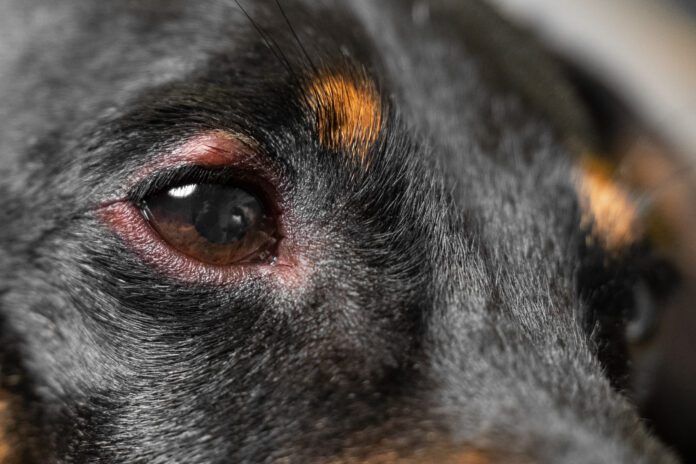
Any growth near your dog’s eye should be examined by a veterinarian. If this sebaceous cyst was anywhere else on this dog, the owner could just watch for irritation. Credit: Mary Swift | Getty Images

It’s not uncommon to come across a lobulated pink or white growth on your dog’s skin, especially if he’s older. These bumps might be on his face, legs, or body. When you touch them, they may feel a bit oily and may even have a slight oily discharge.

These are likely sebaceous adenomas, which are benign tumors of the sebaceous (oil) glands of the skin. They range in size from tiny to about an inch in diameter.

These benign growths are most often found on middle-aged or senior dogs. Cocker Spaniels, Poodles, Miniature Schnauzers, and terrier breeds are most often affected. It’s wise to ask your veterinarian to look at any new growths, of course, but unless they look irritated, red, are bleeding, or are in an area that’s causing the dog to lick or chew at it, it can usually wait till your next visit.

Sebaceous Cysts in Dogs

Sebaceous cysts tend to be singular, smooth, and round. They are white or light pink, like sebaceous adenomas, they also may appear dark or pigmented. They may be found anywhere on the body, but the head is a common site. Some may even form along eyelids, where the eyelash follicles are. Schnauzers are often affected by sebaceous cysts.

These cysts occur near sebaceous glands in the skin, which are full of sebum, an oily substance that helps to lubricate and protect the skin. If a sebaceous gland becomes blocked, a cyst can form. The contained sebum becomes thicker and, if the cyst is opened, the contents are grayish and thick (like toothpaste).

Diagnosing Growths on a Dog

Diagnosis of both types of growth is generally done via observation. If your veterinarian has any concern, she may do a fine-needle aspiration to look at the cells under a microscope. Although rare, removal via biopsy is done with laboratory evaluation by a pathologist.

While both conditions may be unsightly, they usually do not present a serious health problem. If the cyst or adenoma ruptures, secondary bacterial skin infections may occur. Topical treatment such as cleaning with antibacterial solutions or wipes is generally all that is needed.

Removing Skin Bumps on a Dog

Most dogs ignore these cysts and adenomas unless one gets injured. At that point, the dog may lick or chew on the site. (It can be a challenge for groomers to avoid clipping these growths on dogs who have a lot of them.)

If your dog is chewing or licking at any sebaceous cysts or adenomas, you may choose to have them surgically removed. Depending on the size and location of the growth, this might be done by electrocautery, or it might require surgery. Recovery is rapid, but you will need to keep your dog from licking at the healing site.

Preventing Canine Skin Growths

There is no set way to prevent sebaceous cysts and adenomas. Bathing predisposed dogs with an anti-seborrhea shampoo may help, especially for cyst development. Keeping your dog clean and well-groomed may help. Diet has not been shown to be a factor.

Just remember that, while they may be unsightly, these growths are benign, which should be a relief to you!

What Is Discospondylitis in Dogs?

0
Discospondylitis in dogs is a bacterial infection that affects the vertebrae and discs of the spine.
Although discospondylitis is usually found in large and giant breed dogs, like these Great Danes, it can occur in any dog and even humans. Credit: GoDogPhoto | Getty Images

Discospondylitis in dogs occurs when a bacterial or fungal infection travels to the spine. The infection might just be at one point in the spine or could be at multiple spots at once. Note: Discospondylitis is different from spondylosis in dogs. While discospondylitis is an infection, spondylosis is a degenerative disorder of the bones in the spine.


How Discospondylitis Happens

Usually, the bacteria or fungi access the dog’s spinal discs via the bloodstream. An infection starts somewhere else in the body, such as in the mouth, on the skin, or in the urinary tract, and then the infectious agents hitch a ride in the blood. As blood circulates through the body, the bacteria or fungi may stop in the spinal discs and start up a new infection there.

Another cause of discospondylitis is a migrating foreign body, such as a grass awn or foxtail. These barbed awns can enter the body a variety of ways and then slowly move through tissue. The trail left behind is the perfect opportunity for infectious pathogens to follow along.

The third way that a dog can develop discospondylitis is after trauma to the back, such as a bite wound, getting hit by a car, or in rare cases secondary to back surgery.

Who’s at Risk?

Any dog can get discospondylitis, but large and giant breeds are the most often affected. Examples include the Great Dane, German Shepherd Dog, Boxer, Rottweiler, Doberman, and English Bulldog.

Chronic skin infections, having an immune system disorder, or being on immunosuppressive medications may predispose a dog to spinal infection.

What Discospondylitis in Dogs Looks Like

The symptoms of discospondylitis are non-specific, which means they can look like a variety of injuries and illnesses. Possible symptoms include:

  • Pain
  • Stiffness
  • Reluctance to move
  • Avoidance of jumping and/or stairs
  • Flinching when touched
  • Fever
  • Poor appetite
  • Weight loss
  • Lethargy

If the infection has caused the disc to swell and put pressure on the spinal cord, the dog may also have neurological deficits such as stumbling or dragging one or more paws. Over time this can progress to limb weakness, muscle loss, and even paralysis.

Exact symptoms can also vary depending on the location of the infection site(s). Discospondylitis most commonly occurs in the thoracic and lumbar spine regions along the dog’s back.

Getting a Diagnosis

Diagnosing discospondylitis in dogs can take a while. The same symptoms can result from a variety of conditions, which means your vet needs to parse through all the potential causes.

X-rays are the simplest way to make a diagnosis. The catch is that it takes three to six weeks after symptoms start for bony changes to be visible on an X-ray. It may take a couple rounds of X-rays to see evidence of discospondylitis.

Advanced imaging such as myelography, CT scan, MRI, or bone scintigraphy can pick up signs of discospondylitis sooner. These procedures usually require a trip to a specialist.

Once discospondylitis is on your veterinarian’s radar, the next step is to identify the bacteria or fungus causing the infection. Your veterinarian may take blood and urine samples to culture, and will test for brucellosis. In some cases, a spinal tap to take a sample of cerebral spinal fluid may be necessary. This can be done under anesthesia by a specialist.

Rarely, the infected disc itself may be cultured. This requires surgery done by a specialist and is usually avoided because of how invasive it is.

Treatment

Treatment for discospondylitis often takes six to 12 months to clear the infection. Your dog will receive an antibiotic or antifungal medication depending on the type of infection, with the exact medication determined by the culture and sensitivity testing. Fungal infections are generally more difficult to eradicate than bacteria.

Your dog may also receive pain meds to keep him comfortable.

In some cases, it may be necessary to do surgery to debride damaged tissue, flush out the area, and relieve pressure on the spinal cord. This procedure should be done by a board-certified specialist.

Most dogs show improvement within two weeks of starting treatment. If your dog does not improve at that time, your vet will reassess and determine a new plan. Serial X-rays can be helpful to track healing of the bones in the spine over time.

Bacterial discospondylitis has the best prognosis. These dogs may relapse during the treatment period, but usually the infection can be fully treated.

Fungal discospondylitis has a more guarded prognosis. Many dogs respond to treatment, but others do not. Some dogs require lifelong medication to control symptoms and keep them comfortable.

Discospondylitis due to the bacterial infection brucellosis cannot be cured. This disease requires lifelong medication and careful management because it can be passed to humans and other dogs.

For all types of infection, severe neurological symptoms indicate a worse prognosis.

If your dog is diagnosed with discospondylitis, it is important to be diligent with medications for the full treatment period. Six to 12 months is a long time to give meds, but if it can get your dog back to his normal life, it is worth it!

How To Travel With Your Dog

2
Travel with your dog in a care is best done with your dog safely secured to protect them, and prevent distraction.
From packing lists to car safety, it helps to be prepared before traveling with your dog. Credit: Jae Thomas

The holiday season is approaching—a prime time for traveling to visit friends, relatives, and loved ones. If you’re anything like me, you’re probably thinking about how to travel with your dog.

As someone who has driven from New York to California and Colorado to California multiple times so my dogs didn’t have to miss a holiday or spend time with a pet sitter, I’ve accumulated a wealth of knowledge when it comes to traveling with my furry friends.

Traveling with your dog doesn’t have to be a hassle. In fact, with the proper products and well-laid out plans, it can be a fun adventure to bring your dog along for the ride. Here’s everything you should take into account before hitting the road with your pooch:

Choosing the Proper Car Setup

Car Crates and Car Harnesses for Dogs

In order to safely with your dog car crates should be smaller than those used in the home.
Note that car crates should be slightly smaller than at-home crates for safety purposes. Your dog should touch three sides of their car crate when laying down for a secure fit. Credit: Jae Thomas

Whether you opt for a car seat cover and a car harness or a car crate, choosing the right travel setup for your dog will keep them comfortable. Never allow your dog to ride loose in the car—in the event of an accident, your dog can become a dangerous projectile and can hurt themselves or other passengers in the car.

Instead, opt for a crash-tested car harness or car crate. The Center for Pet Safety is a third-party organization that tests and evaluates crash-tested dog harnesses and crash-tested dog crates and carriers for safety.

Personally, I use Gunner G1 Kennels for my dogs in the car, and they’re always happy to hop in their car crates and go for a ride. Gunner’s kennels are double-walled for safety and temperature regulation and have been proven to keep dogs safe in accidents.

Mats and Beds for Dog Car Crates

Choosing a crate mat or bed can also keep your pup comfortable on long car rides. If your dog is older or has any orthopedic issues, consider an orthopedic dog bed or crate mat to help their joints.

In my crates, I have the Gunner Performance Pads that I layer with fleece blankets in the winter. Putting a washable blanket or towel over your dog’s crate bed can make cleanup easier in case they get dirty or muddy along the way.

Water Options for Dogs on the Road

A crate bowl in your dog’s crate will give your pup access to water on long drives, and if your dog will drink out of a crate bowl, it eliminates the need for you to offer them water in a collapsible bowl every time you stop. I use a one quart metal bucket clipped to the crate door with a carabiner, but there are lots of custom dog car crate travel bowls available depending on the type of crate you have.

If your dog won’t drink out of a crate bowl, bring along a portable dog water bottle or a collapsible dog bowl so you can offer them a drink at potty and gas stops.

Travel Training Your Dog

Before heading out on the open road with your dog, ensure they’re comfortable both in the car and in their car crate or car harness. Practice using their gear in the house first, then on short drives in the car before your actual trip.

If your dog is just learning how to ride in the car, consider giving them a high value chew bone, a frozen lick mat, or another enrichment toy to make car rides a positive experience. Only give your dog enrichment in their car crate if they can be trusted to not shred or ingest any parts of the enrichment toy.

If your dog is nervous in the car, talk to your vet about other possible solutions like anti-anxiety or anti-nausea medications, calming supplements, or anxiety-reducing garments like Thundershirts.

Packing for Travelling with Your Dog

Packing all your dog’s must-haves will ensure you don’t have any last-minute panicked runs to the pet store along the way or at your destination. Here’s a general packing list to help you get started:

  • Dog food and a bowl: Bring enough food for the entire duration of your trip plus 2-3 days in case you have any unforeseen delays.
  • Water and a bowl: Pack enough for your trip to your destination. Plan for one ounce per pound of your dog’s body weight plus extra just in case.
  • A collapsible dog crate: For crating your dog at the hotel, Airbnb, or friends’ and family’s houses.
  • A travel dog bed: For putting in the collapsible crate.
  • Leashes and collars: Bring your dog’s normal collar with their ID tags on it and bring at least two leashes (it never hurts to have an extra in the car).
  • Enrichment toys: Snuffle mats, food dispensing toys, and other enrichment options can help keep your dog busy and burn some of their energy after long travel days.
  • First aid kit: In case of any minor injuries.
  • Treat pouch and poop bags: Bring along a treat pouch full of your dog’s favorite treats to reinforce them for good behavior and poop bags to pick up any waste

Whole Dog Journal is reader-supported. If you purchase through links on our site we may earn a commission. Whole Dog Journal does not accept money for its food and product reviews.

Dog Safety on the Road

A dog eating out of a crate bucket hanging inside of a dog crate to ensure available food during travel.
Crate buckets work well for making sure your dog has water on the road. If your dog doesn’t prefer to drink from a bucket, be sure to pack a portable water bottle or collapsible dog bowl. Credit: Jae Thomas

Safety should be top of mind when traveling with your dog. In addition to securing your dog in a crash-tested car harness or crate, there are other measures you can take to keep them safe while on the road.

Make sure your dog is microchipped, is wearing an ID tag with your updated phone number, and consider a GPS collar. GPS collars like the Fi Series 3+ Smart Collar can help locate your dog in the event they get lost.

Always keep your dog on a leash in new environments and busy locations, like gas stations and rest stops. Dogs can be sensitive to new locations and long car travel days may seem scary if it’s their first time. Nervous dogs can be more of a flight risk, so keeping your pup on a leash ensures their safety.

Time Your Dog’s Potty Breaks Well

Once you’re ready to get on the road, plan for more driving time than you actually need. Stop to potty your dogs every 2-4 hours, with more frequent stops needed for young puppies, senior dogs, and dogs with medical conditions. Stopping this frequently will also help your dog get their energy out and stretch their legs so they don’t become stiff—especially important for older dogs.

Most truck stop gas stations and rest stops will have nice, grassy areas to potty your dog in. Avoid travel stop dog parks if possible—they’re often dirty and many dogs pass through them, so the risk of contracting any contagious diseases is higher.

If you can’t find a travel stop with a decent potty area, look for local parks or hiking trails on your favorite map app. Forest service roads are also good options for reactive dogs who need quiet places to potty and stretch their legs. Gaia GPS is a helpful app you can download to find local forest service roads along your route.

Keep an Eye on the Temperature

A temperature monitor can help ensure that your dog's traveling temperature remains at a safe level.
A temperature monitor, like the one from Necto shown here, can help ensure the temperature in your vehicle is safe for your dogs. However, it’s important to keep in mind that no tool or technology is 100-percent reliable. If you need to leave your dogs alone in the car, check on them frequently. Credit: Jae Thomas

Whether it’s hot or cold when you’re traveling, always ensure the temperature in your car is comfortable and safe for your dog.

Dogs can overheat in as little as 10 minutes in a car that’s too hot and can develop hypothermia in as little as 30 minutes in a car on cold days. Ensure you roll down windows or use battery operated fans (like Ryobi) in warm weather and consider adding blankets to your dog’s crate or putting them in a jacket during cold weather. Senior dogs and young puppies can be especially sensitive to temperature changes.

I also like to use the Necto Temperature Monitor in my car when traveling with my dogs to give me extra peace of mind regarding the temperature. Even if you’re just running into the gas station to use the restroom or grab a snack, the Necto monitor checks the temperature and updates it every 10 minutes, sending alerts to your phone if it’s getting too warm or cold for your dog’s comfort.

Stud Tail In Dogs

0
A bald spot near the base of the tail due to stud tail.
Stud tail in dogs usually looks like a bare spot of bumpy skin hear the base of the tail. Credit: Jacqueline Nix | Getty Images

Stud tail in dogs is due to hyperplasia of the oil (sebaceous) glands on the dog’s tail. While intact males are most often affected, hence the name “stud tail,” it can occur in dogs of both sexes, including dogs who are spayed or neutered. There is speculation that this gland may produce some sex-related scents. This is based on the “violet gland” in foxes. Some dog breeders use that term as well, but no one seems to describe any associated odor as smelling like violets!

Causes of Stud Tail in Dogs

Most commonly, stud tail is caused by excess hormones, usually androgenic ones. This tail gland hyperplasia could be due to simple excess testosterone, adrenal gland hormones influenced by Cushing’s syndrome, or any tumor that causes hormone production. Other causes include:

  • Hypothyroidism (low levels of the thyroid hormones)
  • Seborrhea, although usually more areas than just the tail have blocked hair follicles and greasy skin
  • Another skin disorder that influences the hair growth cycle

What Does Stud Tail in Dogs Look Like?

What you see is a funky area partway down your dog’s tail, close to the base. It may look swollen or simply greasy and discolored. There is usually some hair loss. Rarely, there will be an off odor. The area may be pigmented and feel bumpy.

It is more noticeable in dogs with short- or medium-length haircoats. Labrador Retrievers, Akitas, and German Shepherds seem to have a higher risk of this problem but that is anecdotal.

Complications of Stud Tail in Dogs

Most dogs blissfully ignore the area, but if your dog gets a secondary infection, you might notice him licking, chewing, or rubbing his tail. Inflamed, red skin, discharge, and even draining tracts may develop with an infection (usually bacterial).

Treatment of Stud Tail in Dogs

Your veterinarian will likely do a cytology and check for possible tumors or hormonal imbalances. If indicated, a needle aspirate or a punch biopsy to rule out any type of neoplasia may be done.

Mild cases without obvious infection generally respond to home care,  such as cleaning the area with an anti-seborrhea shampoo or wipes with benzoyl peroxide or chlorhexidine. This cleaning may need to be done two or three times a week. Trimming the hairs around the area can make it easier to keep it clean.

If infection is present, antibiotic ointment or oral medications may be needed.

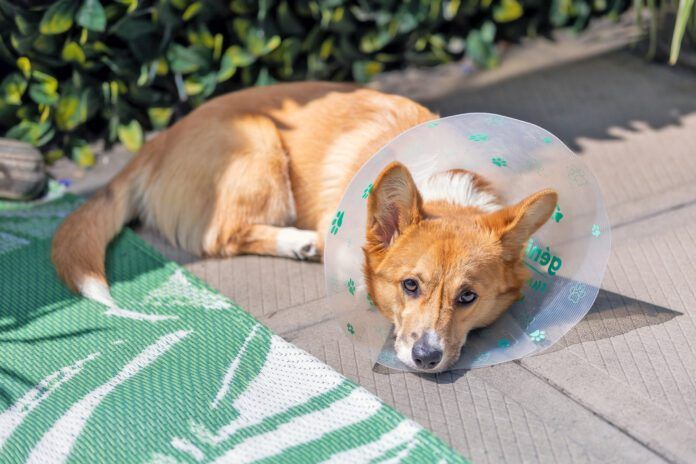
If your dog is intensely licking or chewing an Elizabethan collar can help speed healing by preventing the dog from reaching the area.

If your dog has an underlying condition such as Cushing’s disease or hypothyroidism, that problem needs to be treated.

Can You Prevent Stud Tail in Dogs?

Not really. Sometimes owners will elect for castration if their dog is intact. It will take a couple of weeks for all the signs to resolve after neutering as hormone levels drop, bit this may not clear the problem.

Fortunately, for most dogs, stud tail is a benign, cosmetic problem, which means keeping the area clean may be all that your dog needs.

Best Toys for Puppies

1
The best toys for puppies offer a range of options for engagement like smells, chewing, or tugging.
Flick enjoying the Playology teething bone while Merlin seethes with jealously. (Mary Cope photo)

Chewing is a normal part of puppy development. Unlike humans, who have hands, curious puppies explore their surroundings with their mouths. They also begin teething around 3 months of age, where they lose their baby teeth and adult teeth begin to emerge, causing sore gums and a strong urge to chew. Providing appropriate toys for chewing and mental stimulation is essential for puppies to help soothe discomfort and prevent destructive chewing on household items like furniture legs, electrical cords, and shoes.

What Is a Good Teething Toy for Puppies?

A good teething toy should be safe, durable, and appropriately sized for your puppy’s breed and age. Soft but resilient materials, such as rubber, nylon, or silicone, are ideal for massaging sore gums without damaging new teeth. Textured surfaces such as small nubs and ridges can help maintain interest in the chews and allow the puppy to exhibit different chewing behaviors such as pulling and cobbing. Toys that can be chilled in the refrigerator are helpful for soothing gum inflammation and puzzle toys can help keep puppies stimulated and out of trouble.

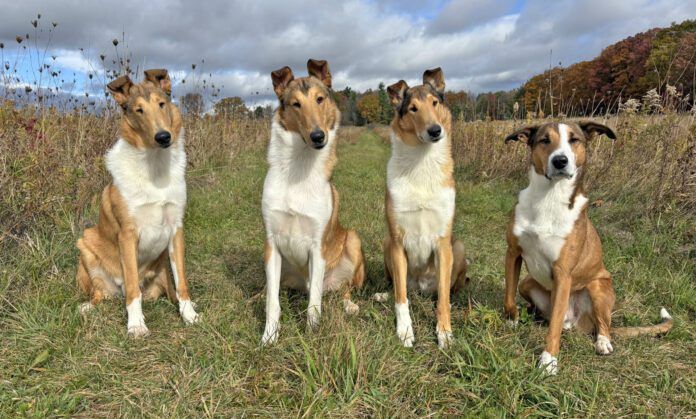
Fortunately for this review, and unfortunately for my sanity, I had not one, but two puppies to test the following teething and puzzle toys out on! I have two young smooth-coated Collies: Merlin, who is now 1 year old, and Flick, who is 6 months old. These toys have been tested out for several months, and the verdict is in. We tested out six types of teething toys and three enrichment toys to help you pick the best option for your pups!

Overall Best Puppy Toy and Best Puppy Teething Toy:

One of the best puppy teething toys overall is the playology scented chewbone.

Playology Young & Active Teething Bone

$19.99

Made in China

Scents: Beef, Chicken, Peanut Butter

This was a total puppy favorite. This toy is scented, a soft rubber, durable, and textured just right. The solid-cast nubs help sooth sore gums, and the texture and scent help keeps pups engaged. This toy touts a seven-times longer playtime due to the added scent, which I was skeptical about at first, but now I am sold on its benefits. This toy is easy to rinse off and clean, perfect for moderate to heavy chewers, and only shows some minor wear after four months!

This is the puppy’s favorite teething toy, and it is still their primary go-to months later! I will not bring a puppy home in the future without one of these in the house.

Best Puppy Tug Toy:

The Nylabone tug toy was one of the best puppy toys we reviewed.

Nylabone Puppy Teeth ‘n Tug Toy

$13.19

Made in China

This toy was great for the puppies to play together with, and this is a toy they pick up to play with often. I do like it and would buy it again, however I wish I had sized up, as I got the toy for the size they were when they were much younger, and this is still a toy they like as much bigger dogs. This toy does not show any sign of wear, even after multiple vigorous tug and chew sessions.

Best Freezable Puppy Teething Toy:

Petstages was the best freezable puppy teething toy reviewed.

Petstages Cool Teething Stick

$4.99

Made in China

This toy is designed to be wet and frozen for icy-relief! This is a great option for small dogs who are light chewers, but it is too small for larger breed puppies. This is a very soft toy, when it is not frozen, but my puppies did like all the little fabric tassles and were interested in chewing it.

Best Puppy Teething Stick:

Kong offered one of the best freezable and stuffable puppy teething toy.

Kong Puppy Teething Stick

$13.99

Made in USA

This soft rubber toy has ridges that can be filled with treats, wet food, peanut butter, pumpkin, or yogurt for extra, and sometimes messy, fun! I liked freezing some sort of wet treat in the grooves to make it last longer and help sooth their sore mouths. My biggest complaint is that it can be challenging to clean. This was not the puppy’s first pick for chewing, unless it had food involved, but it is one they grab from time-to-time.

Best Puppy Toy for Power Chewer:

Benebone was the best puppy teething toy for an aggressive chewer.

Benebone Tough Puppy Chew Multipack

$24.95 (4-pack)

Made in USA

We have lots of Benebones lying about the house and they have been a great, reliable chew for all my dogs, not just the puppies. However, they are very hard, and they can pose a risk for fractured teeth. They are also incredibly painful to step-on in the night—be warned. These toys are the only ones that I think would stand up against a power-chewer and the flavor in the chew keeps my dogs coming back for more!

Best Puppy Teething Toy for Enrichment:

Nylabone offers one of the best teething toys for enrichment.

Nylabone Puppy Teething Stick

$12.69

Made in China

This toy is stuffable and freezable to keep your pup entertained. I do find this toy much easier to clean compared to the KONG Teething Stick. Similar to the KONG, this was not a toy that I found the puppies grabbing often to chew on without added food for incentive, but it is one that is nice to have on hand for treat enrichment!

Best Puppy Snuffle Mat:

Nina Ottosson offers one of the best snuffle mats to tire dogs out.

Nina Ottosson Snuffle Palz Bird

$15.99

Made in Cambodia

This snuffle mat is nice because it can be made more challenging by closing the Velcro arms. I love snuffle mats for puppies as it helps tire out their brains by making them problem-solve and use their noses to find the hidden food. This snuffle mat can be machine-washed, however, I do wish it was bigger. Be sure to supervise your puppy as chewing or ripping up the snuffle mat may be an attractive option, especially for frustrated pups!

Best Puppy Puzzle Toy:

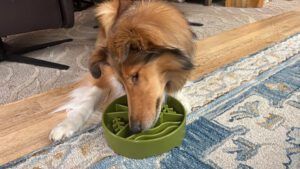
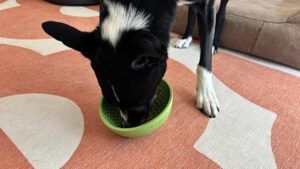
Outward hound combined a puzzle feeder, lick mat, and slow feeder into a single puppy teething toy.

Outward Hound Puppy Lickin’ Layers Puzzle Feeder

$15.99

Made in Vietnam

This is a 3-in-1 lick mat, slow feeder, and puzzle feeder that features three layers of fun! Puppies have to spin, lick, and sniff through this slow-feeding puzzle. This toy is dishwasher safe and BPA free. While I absolutely love this toy/feeder combo, I would recommend sizing up to the normal size Lickin’ Layers bowl (for adult dogs) for larger breeds as the puppy version is quite small and can only hold about a half cup of food.

Best Slow-Feeding Puppy Toy:

Frisco slow feeding ball is a toy and treat dispenser in one.

Frisco Treat Dispensing Ball

$10.99

Made in China

This toy is fantastic for enrichment and slow feeding. There is a bit of a learning curve, but the ball can be adjusted to increase or decrease the flow of treats to make it more or less challenging. A word of warning, this is a LOUD toy, especially on hard floors and with kibble. If noise is an issue, I would recommend using it on a carpet and opting for a softer treat to fill it.

The right toys can make the many stages of puppyhood far more fun and comfortable for both puppies and their owners. Look for safe, appropriately sized options to encourage healthy chewing and structured play. Be sure to match the toy with your puppy’s chewing strength, check toys frequently for damage, and replace toys when worn. The expense of a replacement toy is always going to be less than a trip to the emergency vet! Hopefully, this review helps you find the perfect match for your puppy at home.

Can Dogs Have Tums?

Can you give a dog tums for stomach acid and acid reflux? Yes, but there are better long term solutions.
Pepcid and Prilosec are better options than Tums for a dog with an upset stomach, but all should be given only with veterinary supervision. Credit: Snizhana Galytska | Getty Images

Tums is an over-the-counter (OTC) human antacid composed of calcium carbonate. If your dog is battling stomach issues, your veterinarian may recommend an antacid for dogs to help with high levels of stomach acid, but it’s not likely to be Tums. Most commonly, your vet may prescribe an acid blocker such as famotidine (Pepcid) or omeprazole (Prilosec).


Tums for Dogs with Kidney Failure

For dogs with kidney failure, phosphorus buildup can be a serious side effect. Veterinarians usually prescribe phosphorus binders to deal with this, but Tums may be suggested as a low-cost alternative. The calcium in Tums helps to bind some of the excess phosphorus, which is then passed in the feces. This is not the ideal, however, and dosing directions need to be followed exactly. You should be in close contact with your veterinarian.

The use of Tums long-term without veterinary supervision can exacerbate kidney disease and/or cause an excess of calcium. Tums can also interfere with some other medications, generally making them less effective. You should always check with your veterinarian before trying any OTC medication for a dog with chronic health problems.

When to Consider Tums for Dogs

The most common use for Tums in dogs is for calcium supplementation for female dogs after giving birth (whelping). Tums should not be given during pregnancy or pre-whelping as it can lead to life-threatening hypocalcemia levels, problems during whelping, and problems during lactation if given pre-whelp.

Eclampsia, milk fever, or hypocalcemia can be seen in dams who are nursing. It is most common with large litters and with dams who were inappropriately supplemented with calcium while pregnant. Affected bitches may show muscle tremors and progress to seizures. Behavior changes may be the first subtle indication that something is wrong.

This is a medical emergency, usually requiring intravenous calcium. Post hospital care, bitches may be sent home with Tums as one of their sources of follow-up calcium supplementation. Directions should be followed exactly.

If Tums are suggested for calcium supplementation for your bitch post whelping, be sure to get an appropriate dose from your veterinarian. Check for the addition of flavorings like xylitol and for any dyes.

Remember, xylitol can be deadly to dogs, even in small amounts! Read the label ingredients. In addition, Tums preparations often have dyes added to make them appeal to people. Some dogs are sensitive to these food dyes to provide color.

Note: Tums is not approved for use in dogs but might be used off label for some dogs. Off label means the medication is not FDA approved for that use but generally regarded as safe for certain uses in pets under controlled conditions.

The Best Canned Dog Foods

2
Looking for the best canned dog foods? Here are our top picks for this year.
With all of the options available in stores and online, finding a good wet food that meets your dog’s needs can be a daunting task. Credit: JackF | Getty Images

There are many reasons dog owners may choose to feed their dogs canned food, and one primary concern that leads many others to choose not to—the price. High-quality canned foods, especially those rich in animal protein and made with whole ingredients, are often significantly more expensive than dry foods. For those who own large-breed dogs, or for multi-dog households, the expense of feeding canned food exclusively adds up very quickly, making it cost-prohibitive for many families, including my own. However, for certain dogs, the benefits may justify the extra expense.

The biggest advantage of canned food is its high moisture content. With most formulas containing between 75-85% water, a canned diet is an excellent way to boost your dog’s hydration. This makes canned food especially beneficial for dogs with kidney or urinary tract issues, those on diuretic medications, and dogs recovering from gastrointestinal illnesses. Proper hydration supports healing, organ health, digestion, and overall vitality.

Another major benefit of canned diets is their composition. Many high-quality canned foods are naturally lower in carbohydrates (with some being carb-free) while also being rich in animal protein and healthy fats. Because dogs have no nutritional requirement for carbohydrates, this balance is ideal for maintaining lean muscle and supporting metabolic health. In particular, low-carbohydrate diets may be advantageous for dogs with cancer, since cancerous cells use carbohydrates, glucose to be specific, as an energy source at a higher rate than most normal cells in the body. Because of this, you want to feed your cancer-patient as few carbs as possible.

Wet food is also typically more aromatic and palatable than dry food options, making it ideal for picky eaters, dogs with decreased appetites due to illness or medication, and senior dogs who have a reduced sense of smell. Many canned diets also utilize fewer preservatives and contain higher levels of animal-based ingredients. The soft texture of canned food also means it can be used to fill enrichment toys, lick mats, or puzzle feeders to provide both mental stimulation as well as a tasty and nutritious snack.

(Note: Affiliate links are offered for your convenience. Whole Dog Journal is reader-supported. If you purchase food through links on our site we may earn a commission. Whole Dog Journal does not accept money for its food and product reviews.)

Best Canned Dog Food by Category

If you are considering a wet-food diet, it is important to select the right product for your dog’s specific needs. The store shelves are full of options, and shopping online can be equally as overwhelming for even the most informed pet parent. To help make choosing a diet that is right for your dog easier, we have selected products we recommend under the following categories:

Many adult dogs thrive on an adult-maintenance diet, which generally contains a lower concentration of fat and protein, and a few other nutrients, compared to diets formulated for puppies. Growing puppies and pregnant or lactating females require an “all life stages” food and many highly active dogs do very well on these diets as well, as the higher fat and protein levels help to support sustained energy and lean muscle mass.

Beyond these two basic categories, your dog may require a limited-ingredient or grain-free diet, or one with lower amounts of fat or higher amounts of protein due to food sensitivities or health issues. We also have selected options for a diet that does not contain meat, and some budget-friendly options too!

Best Adult Maintenance Canned Dog Food

Merrick Adult Grain-Free Beef, Lamb & Bison Pate

WDJ Favorite
Price/oz: $0.33
Buy Now
Ingredients: Deboned Beef, Beef Broth, Beef Liver, Deboned Lamb, Deboned Bison, Natural Flavor, Salmon Oil, Salt... View all

Things we like:

  • Meat focused recipe with no carbs
  • Made in USA

First 10 ingredients: Deboned Beef, Beef Broth, Beef Liver, Deboned Lamb, Deboned Bison, Natural Flavor, Salmon Oil, Salt, Tricalcium Phosphate, Locust Bean Gum

  • Protein: Min 9%
  • Fat: 5%
  • Calories: 399 Kcal/can
  • Cost: $0.30/oz

Runners up:

Best All-Life Stages/Growth Canned Dog Food

The Honest Kitchen’s Butcher Block Turkey & Autumn Veggies Pâté

WDJ FavoriteThe Honest Kitchen Butcher Block Pate Turkey & Autumn Veggies Pate Wet Dog Food
Price/oz: $0.41
Buy Now
Ingredients: Turkey, turkey bone broth, turkey liver, spinach, apples, carrots, brown rice, pumpkin... View all

Things we like:

  • Human grade
  • Single-species source of animal protein
  • Legume-free

First 10 ingredients: Turkey, Turkey Bone Broth, Turkey Liver, Spinach, Apples, Carrots, Brown Rice, Pumpkin, Agar Agar, Minerals

  • Protein: Min 10.5%
  • Fat: 5.5%
  • Calories: 366 Kcal/10.5-oz box
  • Cost: $0.38/oz

Runners up:

Best Limited Ingredient Canned Dog Food

Evanger’s Hand-Packed Whole Sardines

WDJ FavoriteEvanger's Grain-Free Hand Packed Catch of the Day Canned Dog Food, 12-oz
Price/oz: $0.35
Buy Now
Ingredients: Sardines, Water Sufficient for Processing, Carrots, Peas, Minerals (Calcium Carbonate, Zinc Sulfate, Ferrous Sulfate, Zinc Proteinate... View all

Things we like:

  • Very limited ingredient formula with only one animal source
  • No gums
  • “All life stages” food
  • Also comes in Braised Beef Chunks and Chicken Drumette formulas for alternative proteins

First 10 ingredients: Sardines, Water Sufficient for processing, Carrots, Peas, Vitamins, Minerals.

  • Protein: Min 8%
  • Fat: 4%
  • Calories: 328 Kcal/can
  • Cost: $0.35/oz

Runners up:

Best Grain-Free Canned Dog Food

Wellness Complete Health Turkey & Duck Stew

WDJ FavoriteWellness Turkey & Duck Stew with Sweet Potatoes & Cranberries Canned Dog Food
Price/oz: $0.34
Buy Now
Ingredients: Turkey Broth, Turkey, Duck, Turkey Liver, Cranberries, Sweet Potatoes, Dried Egg Whites, Carrots... View all

Things we like:

  • No reliance on (and typical over-representation of) legumes to replace grain
  • Moderate protein and fat levels

First 10 ingredients: Turkey Broth, Turkey, Duck, Cranberries, Turkey Liver, Sweet Potatoes, Dried Egg Product, Turkey Heart, Carrots, Natural Flavor

  • Protein: Min 8%
  • Fat: 3.5%
  • Calories: 344 Kcal/can
  • Cost: $0.33/oz

Runners up:

Best Lower Fat Canned Dog Food

Weruva Paw Lickin’ Chicken in Gravy Grain-Free Canned Dog Food

WDJ Favorite
Price/oz: $0.77
Buy Now
Ingredients: Chicken, Chicken Broth, Quinoa, Chicken Fat (Preserved with Mixed Tocopherols), Tapioca Starch, Flaxseed, Calcium Lactate, Coconut Oil... View all

Things we like:

  • Meat-first formula
  • Legume-free
  • High-protein

First 10 ingredients: Chicken (Boneless, Skinless, White Breast), Water Sufficient for Processing, Potato Starch, Sunflower Seed Oil, Tricalcium Phosphate, Xanthan Gum, Choline Chloride, Zinc Sulfate, Vitamin E Supplement, Thiamine Mononitrate (Vitamin B1)

  • Protein: Min 10%
  • Fat: 1.4%
  • Calories: 268 Kcal/can
  • Cost: $0.36/oz

Runners up:


Best High Protein Canned Dog Food

Tiki Dog Meaty High Protein Diet Chicken Recipe in Broth

WDJ Favorite
Price/oz: $0.8
Buy Now
Ingredients: Chicken, chicken broth, sunflower oil, calcium lactate, dicalcium phosphate, xanthan gum, potassium chloride, salt... View all

Things we like:

  • High protein without high fat content
  • Complete and balanced for all life stages
  • All protein is from animal origins instead of plant protein

First 10 ingredients: Chicken, Chicken Broth, Sunflower Oil, Calcium Lactate, Dicalcium Phosphate, Xanthan Gum, Potassium Chloride, Salt, Choline Chloride, Magnesium Sulfate

  • Protein: Min 14%
  • Fat: 2%
  • Calories: 74 Kcal/ cup
  • Cost: $0.80/oz

Runners up:


Best Vegetarian Canned Dog Food

Evanger’s Complements Vegetarian

WDJ FavoriteEvanger's Low Fat Vegetarian Dinner Canned Dog & Cat Food
Price/oz: $0.22
Buy Now
Ingredients: Sweet Potatoes, Potatoes, Water Sufficient for Processing, Brown Rice, Carrots, Tomatoes, Organic Olive Oil, Peas... View all

Things we like:

  • This food, and its ingredients, are from the USA.
  • We prefer non-legume carb sources; our top pick (and our runners up) contains minimal legume ingredients.

First 10 ingredients: Sweet Potatoes, Potatoes, Water Sufficient for Processing, Brown Rice, Carrots, Tomatoes, Organic Olive Oil, Peas, Blueberries, Cranberries

  • Protein: Min 7%
  • Fat: 2%
  • Calories: 276 Kcal/can
  • Cost: $0.23/oz

Runners up:


Best Budget Friendly Canned Dog Food

Purina Beyond Beef, Potato, & Green Bean Ground Entrée

WDJ FavoritePurina Beyond Natural Grain-Free Beef Potato & Green Bean Recipe Ground Entree Wet Dog Food
Price/oz: $0.2
Buy Now
Ingredients: Beef, beef broth, chicken, liver, potatoes, green beans, inulin, guar gum... View all

Things we like:

  • Very simple formula
  • Inexpensive without using meat by-products or food fractions
  • Pâté style

First 10 ingredients: Beef, Beef Broth, Chicken, Liver, Potatoes, Green Beans, Guar Gum, Salt, Minerals

  • Protein: Min 8%
  • Fat: 6%
  • Calories: 465 Kcal/ can
  • Cost: $0.20/oz

Runners up:

WDJ’s Canned Dog Food Selection Criteria
Here are the criteria used by Whole Dog Journal to choose the products that we include on our “Approved Canned Food” list, as well as our selections for the overall “Best” canned foods.

  • Named animal protein sources at the top of the ingredients list. Ingredients in pet food are listed in order of the weight of that ingredient in the formula, so you want to see a named animal protein source or sources in at least one of the top two spots on the list of ingredients. (“Named” means the species is identified: chicken, beef, lamb, etc.)
  • Water or broth may be first or second on the list, as the addition of water is often necessary for processing. But the animal protein source or sources should appear immediately after that.
  • If plant proteins are present in the food, we like to see them play a supporting role, appearing lower on the ingredient list – no earlier than the fifth or sixth position. The amino acid profiles offered by animal proteins suit dogs better than those of peas, potatoes, corn, soy, etc.
  • Named fat sources. Just as with the animal protein sources, any animal fat sources should be identified by species (i.e., chicken fat, beef fat, pork fat, salmon oil, etc.).
  • Whole foods. When vegetables, fruits, grains, and/or other carbohydrate sources such as chickpeas, peas, or sweet potatoes are used, to the extent possible, they should be whole.
  • Ingredients that have already been processed, shipped, and stored before they are mixed with other ingredients and processed again (canned) lose more of their nutritive value along the way than those that are shipped and stored whole before their inclusion into the wet food mix.

The things we avoid when selecting a diet are:

  • Animal products that are not specified by species. Meat, meat meal, poultry, poultry meal, animal fat, poultry fat: If your dog is intolerant of or allergic to certain ingredients, you have to know what specifically you are feeding them.
  • Animal by-products. This includes meat by-products and poultry by-product. We would strongly prefer to know what, exactly, is being included in the food, instead of “by-products” being used as a catch-all term. In some cases, the “by-products” used may well be nutritious chicken liver, chicken kidneys, and chicken hearts, but without specific labeling, the composition of the by-product is unknown.
  • Ingredient splitting. This is where two or more very similar food “fractions” appear on the ingredients list. Because the ingredients are listed in descending order of their weight, a manufacturer can make it appear that a high-quality ingredient is represented in the food in a greater amount than it is. If all the iterations of an ingredient (to use a common example, brown rice, white rice, brewers rice or yellow peas, green peas, pea protein, etc.) were combined or reconstituted, they would outweigh and push the higher-quality ingredient down on the ingredients list.
  • Added sweeteners. Sweeteners are sometimes used in some foods to increase their palatability. In canned foods, the protein- and fat-rich meaty ingredients should be enough to tempt the appetite of any dog.
  • Artificial colors, flavors, or preservatives. None of these are needed (or common, thankfully) in canned food.

Ultimately, the “best” diet is one that works for your individual dog, supporting their health, appetite, and lifestyle. While canned food may cost more and require some extra handling, its benefits in hydration, digestibility, and palatability can make it a worthwhile addition, particularly for dogs who need a little extra support at mealtime.

If you’re looking for just the right wet food for your dog, we recommend taking a closer look at our list of “Approved Canned Foods” (available to WDJ subscribers only). This year, in addition to updating our list of more than 1000 individual canned dog foods, we’ve upgraded the database itself. Along with being able to filter your search by company, ingredients, price range, and more, you can also now compare specific foods, keep a list of your favorites, and share your search results with others.

When picking the right diet for your dog, remember that there are no one-size-fits-all recommendations for food. Feed each of your dogs what works best for them and consult with your veterinarian or a nutritionist if you have questions.

The Best Pet Air Purifiers

2
Pet air purifiers can help with pet dander and dust in your home.
During testing, we looked for pet air purifiers that were easy to clean, had a good clean air delivery rate, and ran quietly. Credit: Jae Thomas

Whether it’s you or your dog who has allergies, a pet air purifier can help.

The best pet air purifiers can help minimize pet odors, pet hair, and pet dander in your home. They can also help with other common allergens and irritants like dust mites and pollen. If you or your dog suffer from seasonal allergies or live in an area with frequent poor air quality, a good air purifier can help you both breathe easier.

Here’s how to choose the best pet air purifier:

Whole Dog Journal is reader-supported. If you purchase through links on our site we may earn a commission. Whole Dog Journal does not accept money for its food and product reviews.

Traits We Want in a Pet Air Purifier

Ease of use: The best pet air purifiers should be easy to turn on, swap settings, and change filters. Companion apps, if applicable, should have simple user interfaces and helpful features.

Clean Air Delivery Rate: The clean air delivery rate, or CADR, is a measure of how much clean air your air purifier can put out in a certain amount of time. It’s measured in cubic feet per minute, or CFM. We compared the CADR measurements for every air purifier on this list, and noted which ones performed the best in anecdotal testing.

Best room size: Most air purifiers have maximum room size specs, detailing the biggest room they can purify in one hour. Your space will determine how powerful a purifier you need, but generally it’s not bad to a have a purifier that works for larger spaces in a smaller space (it just means the purifier will turn over the air multiple times in one hour instead of once).

Noise level: Whether you’re going to use it in your bedroom or in the living room where you and all your dogs hang out frequently, a quiet but effective air purifier is a must. Loud fan noises make it so that you’re yelling over your air purifier constantly. Sound-sensitive dogs may also prefer quieter options.

Extra features: Automatic sensors, a smart companion app, and washable pre-filters that you can clean yourself are all perks we took into consideration during testing.

Do Air Purifiers Help with Pet Hair and Allergies?

Yes, air purifiers can help with pet hair and allergies. Pet air purifiers are meant to quickly trap dust, pollen, mold, mildew, pet dander, and dust in their filters. Less of these common allergens circulating in your home can help with allergic reactions (for both people and dogs).

Air filters with pre-filters can help reduce loose pet hair in your home as well. Pre-filters in air purifiers are designed to help trap larger particles like pet hair and dust bunnies, whereas HEPA filters in air purifiers are better at trapping smaller particles, like pet dander and pollen.

Air purifiers with activated carbon filters or odor neutralizers can also help tackle doggy odors in your home—ideal for multi-dog households.

The Best Pet Air Purifiers

Whole Dog Journal RatingProduct and MakerPriceCADRRoom Size/ Noise LevelNotes
Levoit Vital 200S-P Smart Air Purifier$190250 CFM (Smoke), 254 CFM (Dust), 289 CFM (Pollen)Up to 1862 square feet; 23-54 dBThe Levoit Vital 200S-P was designed with pet owners in mind. It features an air inlet that helps trap pet hair, as well as a designated pet mode.
Shark NeverChange Air Purifier MAX$400204 CFMUp to 1400 square feet; 40 – 62 dBThe Shark NeverChange Air Purifier is great for busy households with multiple pets. The filter won’t need to be changed for up to 5 years and it features an odor eliminator capsule that helps neutralize pet smells in your home.
Conway Airmega AP-1512HH Mighty$230234 CFM (Smoke), 248 CFM (Dust), 232 CFM (Pollen)1748 square feet; 24-53 dBThe Coway Airmega Mighty is similar in performance to the Levoit Vital 200S-P at a higher price. However, I’ve been testing this model for over 3 years and it’s held up wonderfully.
Blueair PetAir Pro$350175 CFM (Smoke),
176 CFM (Dust), 187 CFM (Pollen)
1301 square feet; 29 - 58 dBThis innovative pet bed-meets-air purifier is a good pick for small spaces that need products that do double duty. The bed section works best for dogs under 15 pounds. It’s also a good option for dog and cat mixed species households.
Coway Airmega 250$400249 (Smoke), 261 (Dust), 230 (Pollen)Up to 1860 square feet, 22-54dBThe Coway Airmega 250 works well for large spaces but given its high price in comparison to the similar performance of the Levoit Vital 200S-P, the Levoit is a better pick in most cases.

Best Pet Air Purifier: Levoit Vital 200S-P Smart Air Purifier

A black and white dog with his paw perched above an air purifier.
In addition to purifying the air, the Levoit Vital 200S-P did a good job picking up dust and pet hair. Its low-profile design and reasonable price point were also pluses. Credit: Jae Thomas

I was thoroughly impressed with the Levoit Vital 200S-P Smart Air Purifier during testing. I’ve used the Coway Airmega Mighty for the last 3 years and found that this Levoit option is lower in price, has a sleeker, lower profile design, and covers larger rooms.

I liked the low-profile digital buttons on this purifier and the air inlet that traps floating pet hair. The Vital 200S-P can purify rooms up to 1862 square feet in one hour—the biggest of the options on this list.

The highest fan setting of this option is slightly louder than the Coway Airmega, but the sleep setting didn’t bother me at all during the night. This purifier has a three-stage filtration system, so another downside is that it requires two filter replacements when they need to be replaced.

During testing, I found that keeping the purifier next to my dog’s crate in my bedroom allowed it to suck up a lot of dust and wandering pet hair in the washable pre-filter.

This option also comes with a smart companion app that allows you to control your air purifier remotely, check on your home’s air quality, and more.

At $190 retail, but regularly on sale for $160, this air purifier is easily the best bang for your buck, especially if you’re looking for respite from pet allergies in your home.

Pet Air Purifier with the Longest Lasting Filter: Shark NeverChange Air Purifier MAX

The Shark is an excellent choice for a pet air purifier due to its long lasting filter.
The Shark NeverChange Air Purifier MAX features two washable pre-filters and a primary filter that doesn’t need to be changed for up to five years. Credit: Jae Thomas

If buying and changing filters in an air purifier puts you off of buying one, go for the Shark NeverChange Air Purifier MAX. Busy homes with multiple dogs have enough to worry about and this air purifier ensures you won’t have to think about changing the filter for up to five years.

This air purifier has two washable pre-filters in it, which can be vacuumed or rinsed off more frequently to extend the life of the main HEPA filter. It also features an odor-fighting capsule, which helps to neutralize odors in multi-pet homes. I found the scent of the odor capsule to be a bit overpowering in my small condo—it would be better suited to larger homes.

The NeverChange Air Purifier MAX has a handy digital display on the front of it that measures your home’s air quality and adjusts accordingly as it runs. It also features four fan levels (the most of the options we tested), but the highest fan setting is very loud.

Another Good Option: Coway Airmega AP-1512HH Mighty

The Coway Airmega is a sturdy pet air purifier.
When it comes to pet air purifiers, the Coway Airmega Mighty is a sturdy, time-tested option. Credit: Jae Thomas

The Coway Airmega AP-1512HH Mighty is a consumer favorite, and has been on the market for a long time. I’ve personally used this air purifier for about three years and it’s a good option. It performs similarly to the Levoit Vital 200S-P, but is a bit bulkier in design, a bit more expensive, and doesn’t purify rooms quite as large.

I got away without changing the filter on this model for about two and a half years and it still performed well, helping me with my dust allergies and sucking up pet hair in my two-dog home. It’s a solid option if you prefer a sturdier air purifier that’s been time-tested for multiple years.

Best Pet Air Purifier for Homes with Small Pets: Blueair PetAir Pro

The Blueair pet air purifier is a unique offering.
The quiet and compact Blueair PetAir Pro pet air purifier doubles as a dog bed for small dogs. Credit: Jae Thomas

The Blueair PetAir Pro’s innovative design combines a pet bed with an air purifier. This pick is quiet, comes in aesthetically pleasing colors, and has a handy smart companion app that allows you to study up on your home’s air quality data.

However, the bed atop this air purifier isn’t the coziest (the add-on bolster option seems more comfortable), and it’s only large enough for very small dogs (ideally, 15 pounds or less). It can be a good option for mixed small dog and cat homes, as all pets could enjoy using the bed as a resting spot.

We Also Tested: Coway Airmega 250

The Airmega 250 is a workable pet air purifier but doesn't stand out from the competition.
The Coway Airmega 250 is a decent pet air purifier but doesn’t offer much that sets it apart from some cheaper models. Credit: Jae Thomas

I’ve used the Coway Airmega 250 in my home for the past 3 years and have generally liked it. It has a washable pre-filter that collects a ton of dog hair and helps to extend the life of the internal HEPA filter, and it is designed to purify spaces up to 930 square feet in 30 minutes. However, after two years, some of the buttons on my unit’s top panel no longer work and I feel that other similar air purifiers at lower price points perform similarly.


Symptoms and Treatment of Dog Respiratory Illnesses

A golden retriever type dog feeling under the weather from a dog respiratory illness.
If your dog is down with the flu, or any of the CIRDC respiratory diseases, he may be lethargic and unwilling to eat. Credit: Angintaravichian | Getty Images

In recent years, dog flu and severe canine respiratory disease of unverified etiology (causes) have resulted in many illnesses and even deaths in dogs. These two illnesses are part of a group of respiratory problems dubbed the whole canine infectious respiratory disease complex, or “CIRDC.”

Many canine respiratory illnesses are multiple pathogen problems. Often labeled “kennel cough” or “canine cough,” bacterial and viral agents interact together to cause respiratory illness. It’s when these upper respiratory infections develop further into pneumonia that we start to see cases needing hospitalization and some deaths.

Dog Flu Symptoms

Generally, symptoms of a respiratory illness in your dog are like those of the human common cold. For the milder cases, most dogs start off by coughing or sneezing. The classic “kennel cough” cough is a dry, honking sort of cough.

Some dogs may be lethargic and not have their usual appetite or zest for life. Other dogs act just fine even though they have this obnoxious cough. Dogs with chronic health conditions, senior dogs, and puppies are often the most severely affected.

Keep your dog home from day care, play dates, and training classes. Reschedule grooming appointments. All the respiratory pathogens are highly contagious.

Treating Dog Flu

Initial treatment tends to be symptomatic. You want to keep your dog quiet. The more active he is, the more he will cough, and that coughing irritates his trachea and leads to a vicious cycle of more coughing. Switching from a collar to a harness so your dog does not put pressure on his trachea from pulling while walking can also help.

With severe coughing, your veterinarian may suggest anti-cough medication to try to ease the irritation. Setting up a room with a vaporizer or keeping your dog in the bathroom while you shower can help with congestion. We may laugh about the miracle powers of chicken soup as an old wives’ tale, but if your dog will drink some down it does seem to help.

If your dog has ocular discharge or nasal discharge, you need to keep those areas clean. Use a warm compress to loosen any crusts. With any sort of purulent discharge, the likelihood of a secondary bacterial infection—therefore not a pure viral cause—becomes more likely. At that point, antibiotics may be helpful.

If your dog has difficulty breathing, or coughs so much he cannot rest comfortably, you need a veterinary visit. Dogs with pneumonia may need antibiotics, oxygen, intravenous fluids, chest coupage, and nebulization. Testing will be recommended to know exactly which pathogens your dog is dealing with.

What Is Dog Flu?

Flu is an airborne virus that fits with increased cases during winter months. This is especially true where groups of dogs might congregate such as daycare, boarding kennels, dog-sport events, groomers, dog parks, training classes, and veterinary hospitals. Any time an infected dog sneezes, coughs, or barks, they may shed the virus. To make things even trickier, dogs tend to be most likely to shed virus while incubating their infection and before they show full-blown clinical signs. Some dogs will not seem sick but can still shed the virus.

Canine influenza is associated with two flu virus strains: H3N8 and H3N2. H3N8 was first seen in 2004 in Greyhound kennels. The H3N2 variant made headlines with severe illnesses starting in the Chicago area and associated with importations of dogs from South Korea and China from 2015 through 2019. The virus caused big outbreaks with many dogs in one area infected, but it is probably endemic at this time in much of North America. To make matters worse, this is a tough virus that can survive for up to 48 hours on some surfaces, a full day on your clothing or pet bedding, and even 12 hours on your skin.

Atypical Canine Infectious Respiratory Complex (ACIRC)

In late 2022 and early 2023, a new version of canine respiratory illness, ACIRC, appeared. The first cases were in Oregon, Colorado, and New England. Many of these dogs started off with typical relatively mild respiratory signs but more than expected moved on to pneumonia. No definitive pathogen has been identified though an unusual bacterium is on the suspect list. This atypical respiratory disease is still under investigation, although outbreaks have slowed.

What Causes Dog Flu?

The list of potential pathogens for canine respiratory illnesses is a long one as identified by the American Animal Hospital Association:

 Viral pathogens

  • Canine adenovirus type 2
  • Canine distemper virus
  • Canine herpesvirus type 1
  • Canine parainfluenza virus
  • Canine pneumovirus
  • Canine respiratory coronavirus
  • H3N2 canine influenza virus
  • H3N8 canine influenza virus
  • Influenza A virus, to detect other

influenza strains

Bacterial pathogens

  • Bordetella bronchiseptica
  • Mycoplasma species
  • Streptococcus zooepidemicus

It is important to remember that many dogs will have more than one culprit, such as Bordetella plus canine adenovirus. Your veterinarian will need to make the call if your dog likely has a viral problem or has some bacteria involved which would respond to antibiotics.

Can You Prevent CIRD?

Obviously, you want to avoid respiratory illness with your dog if possible. Certainly, isolation is one way, but realistically our dogs are going to get some exposure.

Start by vaccinating. The standard distemper/parvo combo usually includes adenovirus and/or parainfluenza virus. Bordetella is given separately. There are injectable, oral, and intranasal versions. Giving the intranasal version can be challenge with some dogs, but I like that it provides some local immunity. So theoretically, local immunity may attack the bacteria right as they get sniffed in. (I suspect I am well protected as well from inhaling droplets that might get flung around when I give it.)

There is a vaccine for canine influenza as well. The injectable vaccine covers both H3N8 and H3N2. Both the canine flu and Bordetella vaccines should be boostered annually.

These respiratory vaccines are considered noncore vaccines. However, if your dog goes to the dog park, groomer, training classes, boarding kennel, or daycare, you would be wise to give these vaccines. Many of these places will require proof of vaccination for these illnesses. My own dogs get these vaccines, timed to give the best boost before the winter indoor activities.