



Improving Upon Your Homemade Raw Dog Food Recipes
Bill and Marin Corby of Romeo, Michigan, feed a homemade dog food diet to their two rescued Cockapoos. Max, estimated to be anywhere from 6 to 9 years old, has been with them for three and a half years. Max weighed 32 pounds when first adopted, but his current weight is a healthy 20 pounds. Mickey was four months old and very sick when they first brought him home, as he had problems digesting his food. The Corbys switched Mickey to a raw dog food diet, and he’s now thriving at 20 months of age and 16½ pounds.

Could a Raw Dog Food Diet Replace the Need to Brush?
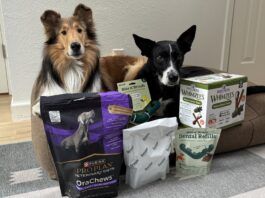
Many raw dog food diet proponents claim that the nutrients and/or chemical composition of a raw diet keeps dogs from developing gingivitis or periodontitis. We’re not aware of any studies that have proven these claims, but the persistence of the anecdotal evidence of this phenomenon (to say nothing of its evolutionary success) suggest that there are dental benefits to a diet that includes raw, meaty bones.
Whole Dog Journal’s Dry Dog Food Selection Criteria
Ingredients are listed by weight, so you want to see a lot of top quality animal protein at the top of the list; the first ingredient should be a named" animal protein source. "Meat" is an example of a low-quality protein source of dubious origin. Animal protein "meals" should also be from named species (look for "beef meal" but avoid "meat meal")."
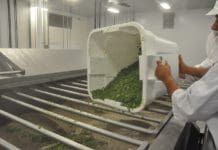
An Inside Look at How Canned Dog Food is Made
I've always wondered how wet dog food gets made but it took a long time to find out. It seems like it's more difficult for a journalist to get into a pet food cannery than into a factory that builds spy planes. So when Whole Dog Journal is asked to take a tour of a dog food manufacturing plant we jump at the opportunity. This article details how canned dog food is made at one plant. From the initial ingredient preparations, to the canning and cooking process and the QC and testing procedures along the way, this article captures it all. Included in this web-only feature are detailed photos taken by Whole Dog Journal during the plant tour. Be sure to click on each image to enlarge it.

5 Steps to Enhancing Your Dog’s Store-Bought Dog Food
Whole Dog Journal readers have learned how to identify the best commercial foods when they shop for their dogs. But whether you feed dry kibble or canned food, even the best commercial diets can be improved with the addition of appropriate fresh foods. Keep the following things in mind when adding fresh foods to your dog's diet.
Food Elimination Trial: A Valuable Tool (When Done Correctly)
A valid food elimination trial for the purpose of confirming food hypersensitivity consists of three phases: elimination, challenge, and provocation. In the first (elimination) phase, the dog is fed a diet consisting of a single protein source and a single carbohydrate source. Both of these ingredients should be completely “novel” to the dog – foods he’s never eaten before. (Thirty years ago, lamb and rice was the go-to food elimination diet, because those ingredients were not yet widely available in commercial pet foods. Because the diet was novel, few dogs had developed allergies to those ingredients, and “lamb and rice” gained an unearned reputation as a “hypoallergenic” diet.
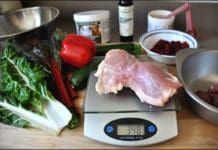
Home-Prepared Dog Food Diet Books
Over the past few months, I've read more than 30 books on homemade diets for dogs. Many offered recipes that were dangerously incomplete; a smaller number provided acceptable guidelines but were confusing, unduly restrictive, overly complicated, or had other issues that made me recommend them only with reservations. A few were good enough to recommend without reservation. This review is about the cream of the crop: three relatively new books (one is a new edition of an older book) whose authors have taken the time to analyze their recipes to ensure that they meet the latest nutritional guidelines established by the National Research Council (NRC).
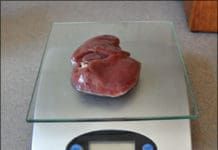
A Review of the Best Books on Home-Prepared Dog Food Diets on the Market
Over the past few months, I've read more than 30 books on homemade diets for dogs. Many offered recipes that were dangerously incomplete; a smaller number provided acceptable guidelines but were confusing, unduly restrictive, overly complicated, or had other issues that made me recommend them only with reservations. A few were good enough to recommend without reservation. This review is about the cream of the crop: three relatively new books (one is a new edition of an older book) whose authors have taken the time to analyze their recipes to ensure that they meet the latest nutritional guidelines established by the National Research Council (NRC).
What’s The Best Dry Dog Food for Your Dog?
How should you select the right dog food for your dog? Over the years, we've spoken to literally thousands of dog owners and industry experts and they have at least a few hundred different approaches to the task. We'll briefly discuss some of the most prevalent factors used by owners to support their dog food buying decisions and then we'll tell you how we recommend choosing your dogs' food.
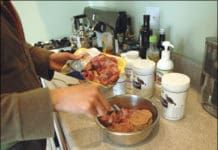
Instructional Books on Home-Prepared, Bone-Free Dog Food Diets
Interest in homemade diets has never been greater, especially since the huge pet food recall of 2007. Last month, I reviewed books that explained how to feed a homemade canine diet based on raw meaty bones (RMBs). This month, I’ll look at books about boneless diets – by far the largest category of books. Unfortunately, I found a lot of bad books out there. Many of the recipes provided in the books are nutritionally inadequate! There’s no harm in using them from time to time, or to replace a small portion (up to 25 percent) of a commercial food diet, but anyone who relies on these books to feed their dogs a homemade diet is likely to end up with issues that could range from dry skin to crippling orthopedic conditions.

How-To Books for Feeding Raw Diets
When someone becomes interested in feeding their dog a homemade diet, I always advise them to read at least one book on the subject before getting started. But which one should you choose? Guidelines run the gamut from diets that have been analyzed to ensure they are complete and balanced, to those that are dangerously inadequate. How do you tell the difference? I decided to check out the homemade diet books that are currently available. Some of them I’d read before, but wanted to take a fresh look at; others were new to me. It’s been an eye-opening experience.
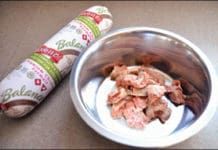
Whole Dog Journal’s Commercial Frozen Raw Dog Food Review
The more I've learned about the meat used in pet food, the more I've come to admire commercially produced frozen raw diets for dogs. The meat and poultry used in most of these diets are far fresher and more wholesome - far more like what most of us would think of as "meat" - than most animal protein ingredients in dry (or even canned) pet foods. The products tend to produce terrific results in the dogs who consume them. Whether this is due to the ingredient quality or the fact that this type of diet is more biologically appropriate for canines than dry foods is anyone's guess. My guess is that both factors contribute to the success of the products.