To provide the best experiences, we use technologies like cookies to store and/or access device information. Consenting to these technologies will allow us to process data such as browsing behavior or unique IDs on this site. Not consenting or withdrawing consent, may adversely affect certain features and functions.
The technical storage or access is strictly necessary for the legitimate purpose of enabling the use of a specific service explicitly requested by the subscriber or user, or for the sole purpose of carrying out the transmission of a communication over an electronic communications network.
The technical storage or access is necessary for the legitimate purpose of storing preferences that are not requested by the subscriber or user.
The technical storage or access that is used exclusively for statistical purposes.
The technical storage or access that is used exclusively for anonymous statistical purposes. Without a subpoena, voluntary compliance on the part of your Internet Service Provider, or additional records from a third party, information stored or retrieved for this purpose alone cannot usually be used to identify you.
The technical storage or access is required to create user profiles to send advertising, or to track the user on a website or across several websites for similar marketing purposes.


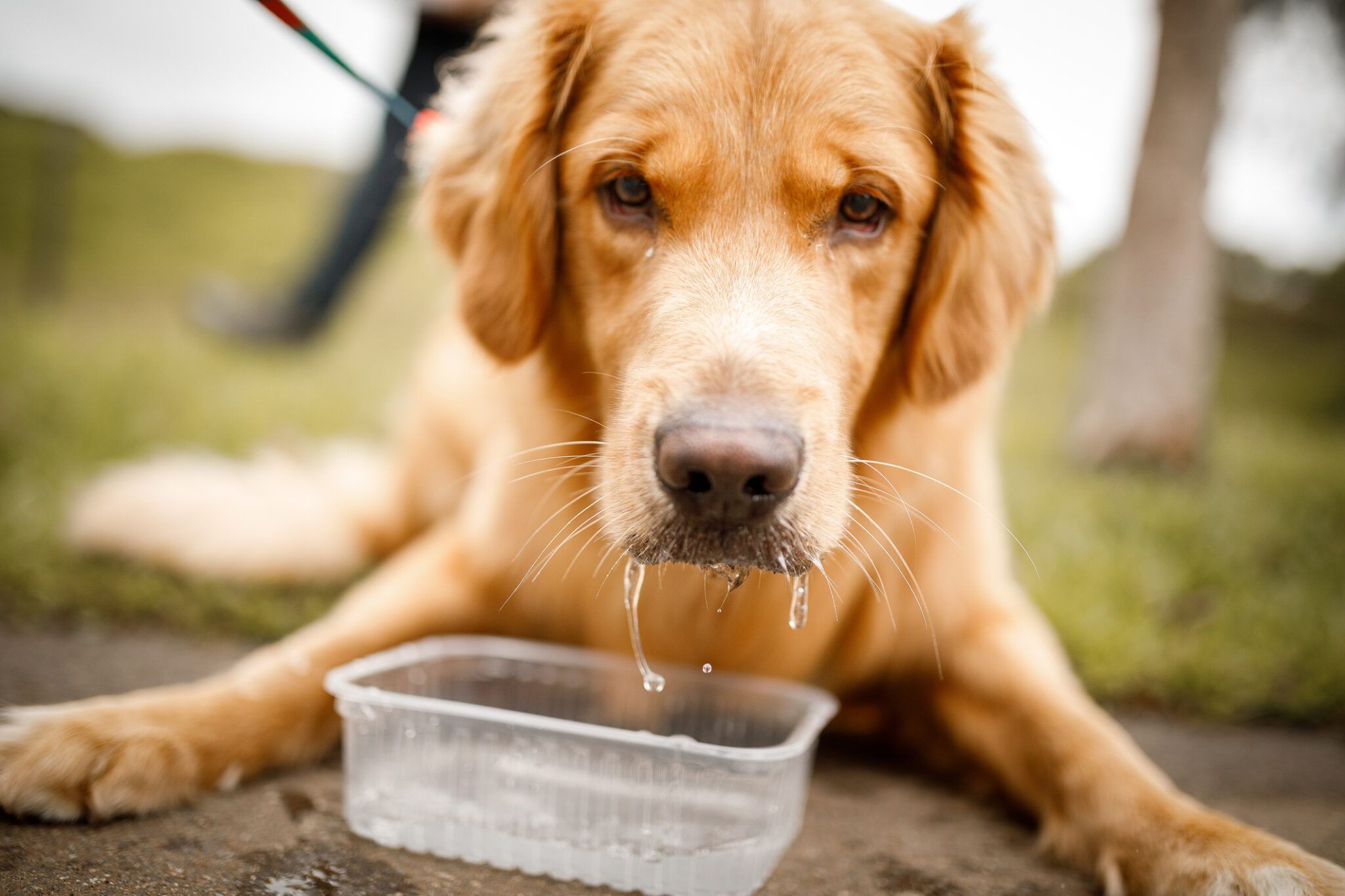


I have had two dogs with laryngeal paralysis (lar-par as my vet called it). The first dog, in retrospect, had had minor symptoms for at least a couple years—e.g. he quit “singing” but had no other “vocal issues; huffed more when playing; and occasionally panted without exercise, but he was also 11 years old. He went into crisis the day after we had been playing with him in the snow in the mountains. He had no problem that day, but enroute home he began to have difficulty breathing and was gasping for air. We called ahead and went directly to the vet who gave him a tranquilizer and oxygen and sent us to a speciality vet clinic where he was immediately intubated. After discussion about his health, risks plus a number of tests he had tie-back surgery that evening. He was home in 2 days and amazingly ate & drank without issue. He had three more wonderful years and I never had a moment of wondering if I did the right thing. He died of old age and other unrelated issues.
From this experience I started to notice breathing issues in my next dog and that she gagged when she tried to roll on her back. I asked the vet to evaluate her for ”lar-par” She confirmed a degree of lar-par and referred us to the same specialty vet clinic where the same symptoms, risks, tests were evaluated. This time we were able to pick a surgery date a couple weeks in advance with the understanding that she would have immediate surgery if there was any deterioration in her state. She came through the surgery well and had another 3 wonderful years—and as with the first dog, no regrets on doing the surgery, just gratitude for the option and vet insurance.
Good luck, I just switched Vets after the loss of my 12.5 y/o golden retriever; I went looking for a Veterinarian with “compassion”, and one who researches past normal office hours…hard to find these days!
Question to Dr. Eldredge, DVM: does the GOLLP present with infrequent, but definitely after meals, regurgitation? I have shortened her walks, esp. when temperature is above 60 degrees F. I bring water, and she will drink, then cough, & we go home for her to quiet. At night she seems to want warmth. She has been sleeping more during the day. She has a harness because she is a puller. We do titers. (It is only difficult in that kennels won’t always allow boarding with a recent titer, that shows the dog with good protection& no rabies inoculation.) Mostly it is a question with their insurance? Or mandated requirements? Anyway, I will bring in the pertinent info to our current vet as something to rule out or confirm for diagnosis.
This showed up after our senior dog was given a ‘legally required rabies shot’ although our pup was still recovering from a previous unrelated problem. He also had a positive titer and the vet could have done a new titer with the blood he was planning to draw anyway that day. But this vet didn’t care about titers and insisted on the shot. Unfortunately, I didn’t walk out with our pup before the injection since the vet didn’t even seem to have any interest in determining ways to help speed recovery from the previous problem. He didn’t even listen to us. All that was on his mind was vaccinating. An unhealthy dog, although even rabies vaccine manufacturers insist that their products are only intended for use in healthy animals. Aside from the laryngeal paralysis, at least 3 other rabies vaccine-induced symptoms appeared within 10d after injection. Just in case, anybody else also wondered why so many dogs suddenly have urinary incontinence: It was definitely a consequence of the rabies shot in our dog. It was the first noticeable and persistent ‘side effect’ we observed. I am no longer surprised why urinary incontinence ‘suddenly’ happens in so many dogs… I hope there are still veterinarians in practice who adhere to the desire to help animals instead of acting as brutal law enforcers and pharmaceutical representatives. No more vets for our pets unless I hear about a good one from people who know more than I did before this fatal visit.