






Bringing the Dog on Family Visits
If you are visiting family or friends, the key to a great vacation with your dog pal is to ask first! Be direct: Would it be convenient for me to bring my dog? Even if your family and friends love your dog as much as you do (or love you enough to understand that you are a package deal), there may be situations when it is just not suitable to bring your dog.

Sample Dog Park Rules
Park rules should be posted prominently near park entrances if they're not, ask about them prior to bringing your dog to the park, and make sure you are able and willing to comply. Here are some of the rules that you are likely to find...

Planning on Taking Your Dog on Your Next Vacation? Make it a Great Experience!
For some of us, taking a vacation just wouldn't be nearly as much fun if we couldn't share it with our dogs. Camping and other outdoor adventures are natural vacation options with our four-legged friends, although dog-friendly vacations can be as plush as a four-star hotel stay! Depending on you and your dog, your perfect dog-friendly vacation might mean a visit with your favorite aunt and uncle, sightseeing in your favorite historical town, long days hiking and swimming, or simply snoozing in a hammock on your favorite beach. While taking your dog on vacation can be great fun, it can also pose some challenges. Not every dog (or person, for that matter) will enjoy a visit to a crowded tourist destination. Not every relative will appreciate having us show up on their doorstep with our dog in tow. And some dogs just aren't cut out for rugged camping adventures.
How to Train Hearing Impaired Dogs Using Hand Signals and Simple Gestures
I was recently contacted by a friend about a darling Border Collie puppy whose photo she found on Petfinder.com – and who was deaf. This friend is crazy about Border Collies, and also knows that I have a deaf Chinese Crested. Thus, she thought of me when she saw this puppy. The person who was fostering the pup was unable to keep her much longer, and did not want to send her to the local shelter as that would almost certainly result in the puppy’s euthanasia. Why? Because that shelter considers all deaf dogs as “unadoptable.”
Orthopedic Equipment for Dogs Designed for Increased Mobility and Extra Support
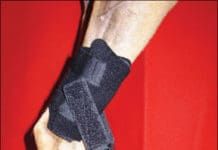
Do you have a dog recovering from orthopedic or neurologic surgery, one who has mobility issues, or a senior dog who has arthritis? If so, at some point, you have probably wished you could do something anything! to help make your dog's life (and your own) a little easier. I asked two veterinarians who specialize in canine rehabilitation to share some of their top picks for canine assistive/rehabilitative equipment. Laurie McCauley, DVM, CCRT, is founder and medical director of TOPS Veterinary Rehabilitation in Grayslake, Illinois, and is considered one of the pioneers in the field of veterinary rehabilitation. Evelyn Orenbuch, DVM, CAVCA, CCRT, recently opened Georgia Veterinary Rehabilitation, Fitness and Pain Management in Marietta, Georgia, and has focused on veterinary rehab medicine since 2003.

Doggie Daycare Can Be a Wonderful Experience: But is it For Every Dog?
The term "doggie daycare" has become a panacea in recent years for all manner of canine behavioral ills. Does your dog engage in destructive chewing? Nuisance barking? Rude greetings? Poor canine social skills? Mouthing and biting? Separation anxiety? Just send him to doggie daycare, and all will be well. You hope. I'll admit I'm as guilty as the next trainer of suggesting a daycare solution for a huge percentage of my behavior consult clients. The fact is, many of today's canine companions suffer from a significant lack of exercise, stimulation, and social time with their own kind. A good daycare provider can go a long way toward meeting those needs.
Getting the Most Out of Puppy Kindergarten
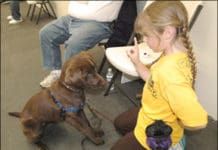
You've got a new puppy and are about to start puppy classes (or are planning ahead for your new pup even better!). You know good puppy classes are an integral part of helping you and your dog invest in a long and harmonious future. Puppy classes aren't magic. Just signing up, paying, and attending aren't enough. You have to train and practice and build your relationship with your puppy. It will last a lifetime and the effort you put in now will pay off multifold. But keep in mind that the bad habits that you and your puppy develop now will also give you payback many times over! So let's assume you have really committed yourself to rearing a puppy well, and talk about how to get the most out of your puppy classes

Has Your Senior Dog Started to Lose His Hearing?
If we're fortunate enough to have them live to old age, at some point, most of our canine companions begin to lose their hearing and may eventually be, for all intents and purposes, deaf. It's painful to watch a beloved dog become less and less responsive to his environment because he's unaware of what's going on around him, and even more so when it limits your ability to communicate with him. The thought of a hearing-impaired dog wandering off and not being able to hear your calls is frightening. Here are five things you can do if your dog's hearing isn't what it used to be.
The Tellington TTouch For Dogs
of Berkeley

How to Prepare for a Dog’s Death
For many of us, the death of our dog will be the first time that we've experienced the loss of a loved one, human or otherwise. And even for those who have lost a relative, spouse, or close friend, dealing with the death of a beloved dog can be a whole new experience, unleashing a wave of emotions that just might sweep us off our feet. Although no amount of preparation can make the pain disappear, planning ahead for the loss of a pet can allow us to make better decisions and be ready with the right resources should we find ourselves on an emotional roller coaster.
Dog Hospice Care Options
When we first adopt that pudgy puppy, or spring that delinquent adolescent canine out of a shelter, our new dog’s senior years and final...

Best Options for Boarding Your Dog
There are many things to consider when choosing to share your life with a dog. Knowing who will care for your dog or dogs when you have to be away from home is just as important as knowing how you’ll provide for their everyday needs. Even if overnight travel isn’t part of your regular routine, it’s wise to think ahead and have a plan for overnight care – just in case it’s ever needed. You never know when a family or local emergency may force you and your pets to spend a night or two apart. Fortunately, today’s dog owners have several choices for pet care, ranging from in-home care provided by visiting pet sitters, to a wide range of commercial kenneling options. Each comes with its own unique list of pros and cons and no one choice is right for every dog. It’s important to do your homework when considering boarding. After all, you are literally putting your dog’s life in the hands of another.