

Home Search
heart%20disease - search results
If you're not happy with the results, please do another search

Foxtail Grass: Awns of Destruction for Western Dogs
The seeds of the nasty foxtail grass seem to have a special affinity for invading dogs' bodies. The three most common hazards of foxtails to dogs are these: They get sniffed into dog noses, work their way into dog ears, and lodge between dog toes. Each of these sites is a mere port of entry for these sturdy seeds; once inside, they start a relentless crawl forward, traveling deeper into a dog's tissue with every passing hour. They are sometimes found in exploratory surgeries years afterward; the durable seed and awn fibers resist breaking down in the body as if they were made of plastic.

Best Dog Gear of the Year Part II
In the January issue, we shared our contributors' favorite dog toys, training tools, and treats, but we didn't have enough room to include all of their recommendations for the things they can't imagine living without" in their dog-care kits. Here are more favorite products things that improve the health and well being of our dogs

Puppy Love
As you may know, I've been fostering a litter of nine puppies for about seven weeks. From day 1, there was one puppy who stood out to me as a potentially great dog. One of just two males in the litter, he was the first to learn to offer a sit" when I was getting their food or medicine ready

Properly Diagnosing Canine Hypothyroidism – What are the Signs?
You probably know someone with an underactive thyroid gland; in fact, you may have one yourself. The signs of hypothyroidism in humans include a subnormal body temperature, cold hands and feet, weight gain, hair loss, and constant fatigue. People aren’t the only ones afflicted by this disorder, for many dogs are hypothyroid, too. They may seem lethargic, gain weight while eating normal or below-normal amounts of food, seek warmth, and develop skin and coat conditions. But hypothyroidism causes other symptoms, too, and an accurate diagnosis can require thinking outside the box.

Addison’s Disease in Dogs: Detection and Treatment
Somethings wrong with your dog but youre not sure what. She seems listless, her eyes have lost their spark, and she just seems off. You might notice intermittent muscle weakness, tremors, and an inability to jump into the car or onto a sofa. Or your dog frequently ignores her dinner, vomits, or has diarrhea. These vague symptoms, which may improve and then return, could stem from a dozen canine illnesses or they might point to Addisons. Addisons disease, named for the 19th century physician who defined this adrenal gland dysfunction, is also known as hypoadrenocorticism or adrenal insufficiency. While fatal if left untreated, with appropriate treatment Addisons can be managed so that affected patients lead normal, active lives. First diagnosed in dogs in the 1950s, it is considered an uncommon canine disorder.

A Study of Breed-Related Causes of Death in Dogs
A new 20-year retrospective study from the University of Georgia examined causes of death in dogs between 1984 and 2004. Researchers looked at records of 74,566 dogs from the Veterinary Medical Database, which includes data from 27 veterinary teaching hospitals. These results may be biased toward more severe, complicated, or unusual causes than the general dog population, but are fascinating nonetheless. The study grouped deaths by organ system and by disease category (“pathophysiological process”), and analyzed results based on age, breed, and average breed size. Eighty-two breeds with at least 100 representatives were included in breed-based analyses; mixed-breed dogs were considered as one group.

How to Prepare for a Dog’s Death
For many of us, the death of our dog will be the first time that we've experienced the loss of a loved one, human or otherwise. And even for those who have lost a relative, spouse, or close friend, dealing with the death of a beloved dog can be a whole new experience, unleashing a wave of emotions that just might sweep us off our feet. Although no amount of preparation can make the pain disappear, planning ahead for the loss of a pet can allow us to make better decisions and be ready with the right resources should we find ourselves on an emotional roller coaster.

Exocrine Pancreatic Insufficiency in Dogs
Kanis Fitzhugh, a member of the Almost Home organization, knew she had to rescue Pandy, an extremely thin and seemingly vicious four-year-old Dachshund. Pandy had been relinquished to a shelter in Orange County (California), who turned her over to Southern California Dachshund Rescue. Deemed people- and animal-aggressive, Pandy appeared to have been starved, and weighed just 13 pounds. Fitzhugh thought the dog deserved a break, and brought Pandy home in May 2007. During the first couple of weeks in her new home, Pandy managed to pull a chicken down from the counter and proceeded to eat the entire bird, including bones, plastic tray, and grocery bag, in less than the 10 minutes that Fitzhugh was out of the room. Pandy was rushed to the vet and emergency surgery was performed, as the bones had ruptured her stomach lining in three places. Luckily, she survived. Pandy's voracious appetite, large voluminous stools, and aggressive disposition were all caused by a medical condition called exocrine pancreatic insufficiency (EPI). With Fitzhugh's loving care, including enzyme supplements and a change of diet, Pandy stabilized. Within a year, Pandy had transformed into a beautiful, funny, 26-pound Dachshund who gets along great with all the human and animal members in the Fitzhugh household. Exocrine Pancreatic Insufficiency, or EPI, also referred to as Pancreatic Hypoplasia or Pancreatic Acinar Atrophy (PAA), is a disease of maldigestion and malabsorption, which when left untreated eventually leads to starvation. One of the major difficulties with this disease is in the prompt and accurate diagnosis. Astonishingly, visible symptoms may not appear until 80 to 95 percent of the pancreas has atrophied.

Kennel Cough Treatment and Prevention
Anyone who's heard it will recognize the dry, hacking, something's-stuck-in-my-throat cough that won't quit. It's the signature symptom of canine infectious tracheobronchitis, also known as Bordetellosis, Bordetella, and most commonly as kennel cough. Whatever you call it, tracheobronchitis is one of the world's most widespread canine diseases. Like the common cold in humans, tracheobronchitis is highly contagious, rarely fatal, and runs its course in a few days. Fortunately, there are several ways to help make canine patients more comfortable, speed recovery, and prevent future infections. Tracheobronchitis is called kennel cough because of its association with boarding kennels, animal shelters, veterinary waiting rooms, grooming salons, and other areas where dogs congregate in close quarters. It can strike dogs of any age but is most common in puppies, whose immune systems are still developing, and adult dogs with conditions that impair immune function.

Home Prepared Dog Food Recipes
Over the past three months, weve provided rules and guidelines for feeding a homemade dog food diet, but getting started can still seem overwhelming. This month, well hear from owners who feed their dogs a homemade diet, and learn from them how they go about it, including tips and tricks for finding, preparing, and storing the dog food.
Dog Antioxidants: Canines Benefit from Antioxidants Too!
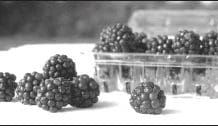
Antioxidants are all the rage nowadays, seemingly good for anything that ails you or your dog. Antioxidants, natural and otherwise, are also widely used as preservatives in processed foods for pets and their people. Antioxidants are, however, another of those things that the more the scientists learn about them, the more they learn they don't know. This paradigm seems to repeat itself in the realm of holistic health!