

Home Search
allergies - search results
If you're not happy with the results, please do another search

Can Dogs Drink Milk & Eat Dairy Products?
Many dogs enjoy and benefit from consuming milk and other milk-based foods without any ill effects. Follow these tips if you'd like to add dairy products to your dog's diet.
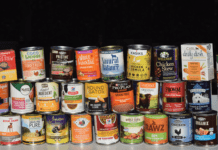
Whole Dog Journal’s 2019 Approved Wet Dog Foods
Canned dog foods represent only about 15% of the overall pet food market. Why don’t more people feed their dogs canned food? It has...

Switching Dog Foods
This article is a sidebar to our post "Diet, Dogs, and DCM", which appeared in the November 2019 issue
If this is the first you’re...

Chronic Ear Infections in Dogs: What You Need to Hear
Given that itchiness" is the most common reason for veterinary visits

When to Worry About Your Dog’s Runny Nose
It's that time of year again. Runny noses and sneezes abound for us humans, as new plants bloom in the fall. But did you know that your dog can suffer a runny nose too? Dog runny noses are more correctly called nasal discharge. It can run the gamut from clear and watery to thick and purulent. The appearance and frequency of nasal discharge in dogs can tell you much about the underlying cause.

Houseguest Etiquette for Dogs
Those of us who love dogs tend to assume that everyone else in our circle of friends and family does, too. Sadly, that's not always the case. In fact, even those who do share our passion for canine companions don't always appreciate the over-enthusiastic attentions of a happy hound, especially when they are trying to enjoy the company of human friends in the comfort of a private home. Whether you are a visitor bringing your own beloved dog with you to someone else's house, or a host greeting friends at your own front door with your canine family members milling about your feet, here are some tips to help you make sure your dog/human visits go well.

5 Reasons to Feed Raw Honey to Your Dog
Most dogs love the sweet taste of honey. Honey for dogs has many health properties as well! Raw honey fights allergies and heals wounds, soothes coughs, and eases canine stomachs.

Physical Exams for Senior Dogs
There are a number of ways that we can stay on top of health issues that creep up on our dogs with age. Annual veterinary visits are a staple in every healthy pet's life. A comprehensive physical exam from nose to tail is step one in picking up clues to underlying concerns at every age, but it becomes even more important in the senior years.

Rabies Shots for Senior Dogs: Why I Fear and Loathe Them
Otto was vaccinated several more times with the five-way vaccines before I adopted him, but I'm not going to talk about those vaccines right now; I want to focus on the rabies vaccine the only vaccine that dog owners are legally required to give their dogs in most states. Rabies vaccination earned this special" legal status due to the historical threat that rabies poses to humans; as recently as my childhood in the 1960s

The Scooting Dog Decoded
Why is Rover dragging his butt across the carpet? Not just annoying to watch, this behavior is usually indicative of a bigger problem - infected or impacted anal sacs. Also called anal glands, these little pouches are found on several different mammals including dogs and cats, and are not very noticeable when healthy. When they are clogged or infected, however, your dog will MAKE you notice them.

(Raw Dog Food Tip #1) Grains… Good or Evil?
Dogs are not engineered to gain a significant portion of their nutrition from grains. This explains the large, soft stools excreted by most kibble-fed dogs. It is clearly processed poorly by the dog. Many vets agree that corn, wheat and soy may cause allergies, skin and coat problems. Overfeeding grains may be a big factor in the frequency of canine obesity today. This in turn may cause or aggravate many other health problems.

Plant Oils for Dogs
There are many different types of plant oils that people use to supplement their dogs’ diets, including oils from flaxseed, olives, coconut, vegetables, hempseed, and more. Some of these oils can provide benefits, but others are not helpful and may even contribute to inflammation.