Home Blog Page 2

Picking the Best Portable Shower for Your Dog

0
Portable dog showers can spare your car upholstery when walking your dog far from home.
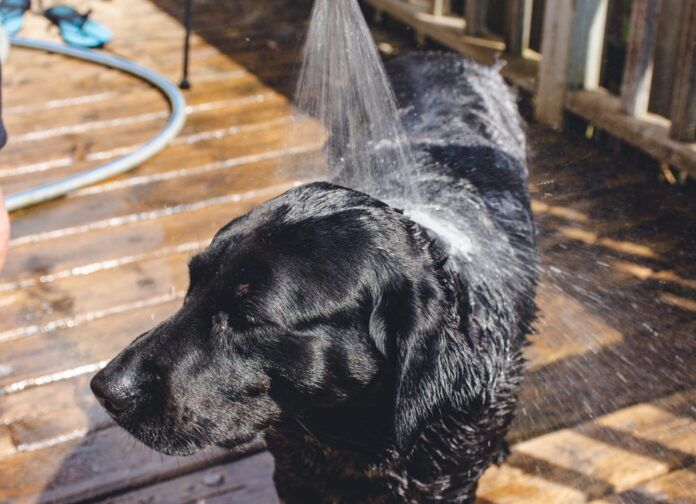
Outdoor bathing options for dogs range from grooming-specific hose attachments to fully portable pressurized camp showers. Credit: Gabriel Mello | Getty Images

When it comes to keeping dogs tidy—especially if they are active, outdoors in muddy weather, or quick to need another bath right after bathing—traditional bathtubs, utility sinks, and do-it-yourself dog wash stations are a big help. But what if you’re traveling, camping, have a dog who is anxious about the bathtub, or just want a convenient way to bathe your dog in the back yard? That’s where a portable dog showers come in.

Whole Dog Journal is reader-supported. If you purchase through links on our site we may earn a commission. Whole Dog Journal does not accept money for its food and product reviews.

What Are Portable Dog Showers?

Portable dog showers are take-everywhere devices that provide a gentle, controlled water spray by means of a pressure sprayer, garden hose attachment, or electric or battery powered submersible pump attached to a handheld nozzle.

Portable dog showers are popular because they:

  • Make it easy to rinse off muddy paws and coats before a dog enters your house or car, simplifying cleanup on floors, dog beds, car seats, and furniture.
  • Don’t require a formal grooming station. They work well in the back yard, while camping, at the beach, or wherever dogs get muddy or roll in anything malodorous.
  • Reduce an anxious dog’s stress by providing a quiet, gentle spray that is less noisy and distracting than standard bathtubs or showers.
  • Are easy to carry in a vehicle and compact enough to take just about anywhere.
Whole Dog Journal RatingModelTypeNotesPrice
RinseKit ProPressurized tank, rechargeableHigh-pressure cleaning with adjustable settings.$180
Beach SoulManual pump, hoseHand pump, adjustable showerhead. Holds 1.3-2.6 gallons of water.$120 - $290
NEMO HelloFoot-pumpedHolds 2.9 gallons of water.$160
Fohil ShowerRechargeableAdjustable spray modes. No built-in reservoir.$31
WondurdogHose attachmentGood for outdoor bathing where a hose is available. $60
The Original Pup Jet Dog WasherHose attachmentOutdoor use, soap dispenser$30
Kurgo ShowerGravity-fed streamHolds 1.5 gallons water$36
How Do Portable Dog Showers Work?

Instructions vary by model, but most portable dog showers involve these steps:

  • If the shower has a reservoir, fill it with warm water. If not, connect it to your water source, which can be an outdoor faucet, garden hose, or other source.
  • If the shower has an integrated dispenser, add dog-safe shampoo.
  • Point the nozzle toward your dog, starting with his paws and moving up the body. This rinses the dog efficiently, preventing dirt from being trapped in the coat.
  • Use your shower’s integrated brush, if available, or a washcloth or scrubbing brush to work shampoo into the dog’s coat.
  • Rinse the dog well using the shower’s spray function, moving in the direction of hair growth to avoid matting.
  • If using a separate conditioner, work it into your dog’s coat, then rinse thoroughly.
  • Finish by blotting your dog’s wet coat with absorbent towels.

What Is the Best Portable Shower for Your Dog?

The best portable shower for you dog will depend on what you plan to use it for. If your dog is active, spends time outdoors, likes to hike, and enjoys camping and similar activities, try a pressure-pump style. These are convenient because they hold their own water supply and do not need an electrical outlet or hose connection.

If your dog is uncomfortable with the bathing process and anxious about grooming, try a model with adjustable pressure settings or a soft-mist setting. Low-pressure, quiet showers help anxious dogs stay calm.

If your dog is large or has a very thick or heavy coat, look for models with a large water reservoir or a hose attachment that provides a continuous water flow. An integrated grooming brush with a handheld sprayer reaches all the way to the skin of double-coated breeds.

If you travel frequently with your dog, try a battery-powered or hand- or foot-pumped, bucket-style shower as these are the most compact and versatile.

Larger showers are heavy when full and most practical as a car- or truck-based setup rather than the grab-and-go models mentioned here.

Top Options for Portable Dog Showers

RinseKit Pro

The RinseKit Pro is a self-contained portable shower designed for cleanup on outdoor adventures like camping and beach trips. Its (rechargeable) battery-powered pressurization system aims to deliver a consistent spray without requiring a hose, electrical outlet, or manual pumping. It has a 3.5-gallon reservoir and a five-setting nozzle that offers spray options ranging from a concentrated jet to a mist. According to the company, the RinseKit Pro can operate continuously for six and a half minutes on the middle/center spray option and can hold water ranging from 33°F to 110°F. One consideration is its weight: the unit weighs 13 pounds empty and approximately 42 pounds when full, making it better suited to car-based adventures than backpacking.

Beach Soul Portable Shower

The Beach Soul Portable Shower is a pressurized, self-contained shower that provides water on demand without needing batteries or an electrical connection. It is available in several versions, including 1.3-, 2.1-, and 2.6-gallon options. Great for rinsing off sandy paws or muddy coats after walks, beach outings, and camping trips, it uses a hand pump to build pressure and a multi-mode showerhead to control water flow. The nozzle can also be set for continuous spraying, leaving both hands free to wash a dog. Additional features include a removable neoprene cover to help maintain water temperature and a 6.8-foot coiled hose. The 1.3-gallon model weighs 3.05 pounds empty and 14.3 pounds full while the 2.6-gallon option weighs 3.8 pounds empty and 22.6 pounds full.

NEMO Helio Portable Pressure Shower

Designed for campers and outdoor enthusiasts—human and canine alike—the NEMO Helio Portable Pressure Shower is pressurized using a foot pump. The 2.9-gallon reservoir is capable of delivering several minutes of steady water flow through a seven-foot hose. The shower’s two-stage nozzle can be set operate manually or as a continuous spray, making it easier keep a hand free to rinse a dog’s coat. The Helio features a wide tank opening aimed at simplifying filling, emptying, and cleaning, and a hose and pump that pack beneath the reservoir for compact storage. Empty, it weighs 1 pound 12 ounces.

Fohil Portable Rechargeable Shower

The Fohil Portable Shower is a compact electric shower designed to draw water from a separate container, such as a bucket or water basin. The pump uses a 6,000-mAh rechargeable battery designed for 120-150 minutes of continuous operation. The Fohil Portable Shower offers four adjustable spray modes allowing users to switch between higher and lower pressure options as needed. Its kit includes a hose, handheld showerhead, mounting accessories, and a digital display showing water temperature and remaining battery charge. This setup can be useful for washing dogs after hikes or camping trips, particularly when there is no convenient hose connection. Because the unit draws water from an external container rather than carrying its own large reservoir, owners can choose how much water to bring along. It weighs ‎2.18 pounds.

Wondurdog Dog Wash Attachment

The Wondurdog Dog Wash Attachment is a grooming attachment rather than a self-contained portable shower. It connects to compatible handheld shower or garden hoses and combines a spray nozzle with a rubber grooming brush and splash shield. The brush helps loosen dirt and massage the coat while the shield helps direct water away from the bather and reduces splashing around the dog’s face. Its eight-foot hose provides additional reach and the included garden hose adapter makes it possible to wash a dog outdoors. This design is best suited to backyards, patios, or locations where a water connection is readily available.

Jet Dog Washer

The Original Pup Jet Dog Washing Hose Attachment is an outdoor dog-washing tool that combines a garden hose nozzle with a built-in soap dispenser. It features eight spray patterns including options for a gentle shower, mist, and a more concentrated jet. The integrated 100 cc (approximately 3.4-ounce) soap dispenser applies shampoo directly through the sprayer and its thumb-operated control is designed for one-handed operation. Because it connects to a garden hose rather than holding its own water supply, it is best suited to locations with access to a hose rather than remote camping trips.

Kurgo Go Shower

The Kurgo Go Shower is a lightweight, collapsible shower designed to help dog owners clean up after outdoor adventures. Its 1.59-gallon water bladder supplies a gravity-fed stream through a retractable showerhead, which can be pulled out to start the flow and pushed back in to stop it. An adjustable strap allows the bag to hang from a suitable support, such as a vehicle door or tree branch, freeing both hands for scrubbing a dog. The compact design rolls up for storage, and built-in pockets provide space for small cleaning supplies. While the Go Shower is a convenient choice for quick rinses after hikes and camping trips, its relatively small capacity (the water supply lasts about 2 minutes) and lack of water pressure make it better suited to spot cleaning or bathing smaller dogs rather than lengthier cleanups or washing large, heavily coated breeds.

 

Dog Allergies: How to Spot Them and What to Do

0

A dog that scratches, licks, and digs at itself all day is one of the most common things owners bring to the vet, and allergies are usually behind it. The good news, says veterinarian Eileen Fatcheric, DVM, is that today’s treatments are safe and effective.

Whole Dog Journal executive editor Kate O’Connor sat down with Dr. Fatcheric to cover how to recognize dog allergies and what to do about them.

The two kinds of dog allergies

Dr. Fatcheric groups dog allergies into two broad buckets: food allergies and environmental (inhaled) allergies, known as atopy. Pinning down exactly what an environmental dog is allergic to is tough, so vets often treat the itch rather than chase every trigger. One clue that points toward food is timing: food-allergic dogs tend to itch year-round, while environmental allergies are often seasonal.

The sign to watch for

The hallmark of allergies, Dr. Fatcheric says, is normal, healthy-looking skin that itches. If your dog is thumping a hind leg, digging at its ears, or rubbing on the carpet, look at the skin first. If you don’t see lesions, pimples, scabs, or crusts when the itch starts, she treats that as allergies until proven otherwise.

Diagnosing a food allergy

You can’t diagnose a food allergy by grabbing a different bag off the shelf, because too many foods share ingredients. Instead, vets use a diet trial with one of two food types: a limited-ingredient diet (ideally a single novel protein the dog has never eaten, like fish, plus one carbohydrate) or a hydrolyzed-protein diet (a prescription food in which the protein is broken into pieces too small for the immune system to react to). The catch is that the trial has to run 8 to 12 weeks with nothing else passing the dog’s lips, which Dr. Fatcheric admits is hard in a house with toddlers.

Environmental allergies, testing, and shots

For environmental allergies, blood testing can identify common inhaled allergens, and some labs offer regional panels. But Dr. Fatcheric says the main reason to test is if you plan to pursue allergy shots (hyposensitization), which remain the gold standard in the literature but are slow and labor-intensive. Most owners, she notes, rely on medication instead, since today’s drugs calm the itch no matter what the dog is reacting to.

Medications that stop the itch

The two main players now are Apoquel, a daily oral medication, and Cytopoint, an injection given every four to eight weeks as needed. Dr. Fatcheric also mentions Atopica (cyclosporine) as an older option that still has a place. She explains, in plain terms, how these drugs interrupt the inflammatory cascade that ends in the itch.

Managing an itchy dog day to day

Beyond medication, Dr. Fatcheric points to medicated shampoos used at the right interval, spot treatment for localized irritation under a vet’s direction, and fish oil for its anti-inflammatory effect and skin support. One thing she tells every allergic-dog owner: do not skip flea and tick control, because an allergic dog can break out from a single flea bite.

The takeaway

Her long-term goal is simple: stop the itch, because a dog that keeps scratching ends up with secondary infections and a much bigger problem. Watch the full interview above, and work with your own veterinarian to find the approach that fits your dog.

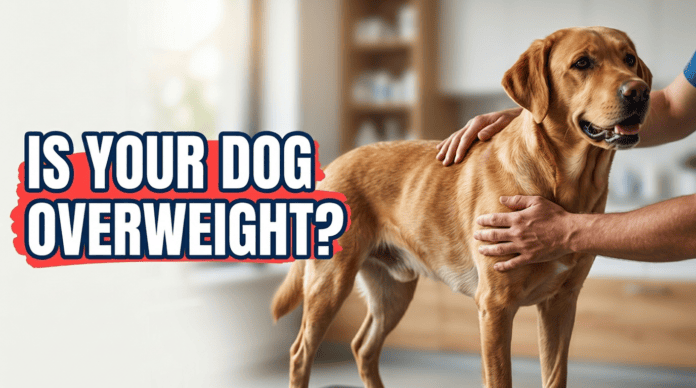
Is your dog overweight? A vet’s simple plan

0

Extra weight on a dog creeps up so slowly that most owners don’t notice until the vet points it out, and in America an overweight dog has started to look normal.

Veterinarian Eileen Fatcheric, DVM sat down with Whole Dog Journal’s Kate O’Connor to explain how to tell if your dog is overweight and what to actually do about it.

What she covers:

  • What a body condition score is, and why a 5 out of 9 is the goal
  • How to check your dog at home without a scale
  • Why extra weight feeds the joint-pain and arthritis cycle
  • A simple way to cut calories without starving your dog
  • Why treats count, plus a trick for multi-person households
  • How fast is safe to take the weight off, and how to ease into exercise

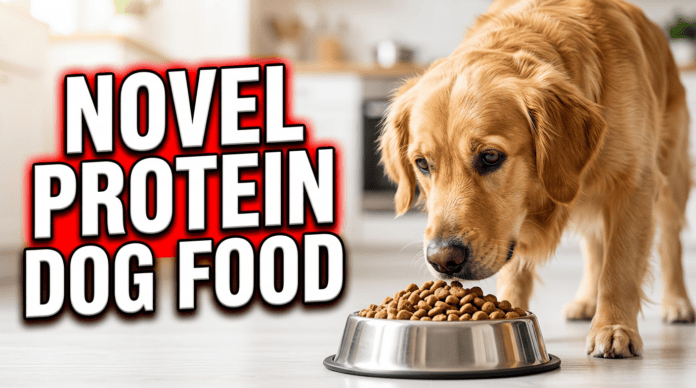
Does your dog actually need a novel protein food?

0

Novel protein foods (duck, rabbit, kangaroo) get recommended a lot for itchy dogs. But most itchy dogs don’t actually have a food allergy, so it’s worth knowing when one really helps.

In our new video, companion animal nutritionist Dr. Mary Cope, PhD, talks with executive editor Kate O’Connor about:

  • What makes a protein “novel,” and why it’s usually the protein, not the grain
  • Which dogs a novel protein diet actually helps
  • The drawbacks, including why a food may not be as novel as you think
  • How novel protein differs from a hydrolyzed diet
  • Why you shouldn’t start one without your vet
  • How to choose a novel protein, including some unusual, sustainable options

What to watch for with cancer in dogs

0

Cancer is one of the things dog owners dread most, and one of the most common things our dogs face. Knowing the signs and the options makes it a little less overwhelming.

In our new video, veterinarian Eileen Fatcheric, DVM, talks with executive editor Kate O’Connor about:

  • The cancers vets see most often in dogs, and the breeds more at risk
  • The early signs worth bringing to your vet
  • How cancer is staged and what treatment involves
  • What chemo and surgery mean for survival time and quality of life
  • Lower-cost options that can keep a dog comfortable
  • Honest, compassionate guidance for a hard diagnosis

Is your active dog getting enough to eat?

0

If your dog runs agility, hunts, or just never stops, feeding them well is its own puzzle, and piling on more kibble isn’t always the answer.

In our new video, companion animal nutritionist Dr. Mary Cope, PhD, talks with executive editor Kate O’Connor about:

  • What actually counts as an active dog, nutritionally
  • Why fat, not just more food, often matters first
  • When to feed more of the same diet versus switch to a performance formula
  • What to look for on the label, and whether supplements are worth it
  • Hydration and heat safety for hard-working dogs
  • The single most useful thing to watch

Why does your dog keep getting ear infections?

0

Ear infections are one of the most common reasons dogs end up at the vet, and for some dogs they keep coming back. Knowing why helps you get ahead of the next one.

In our new video, veterinarian Eileen Fatcheric, DVM, talks with executive editor Kate O’Connor about:

  • Why ear infections are so common, and what makes some dogs more prone
  • The signs owners usually notice first
  • What actually happens at the vet, from the swab to the treatment
  • Why a recheck matters more than owners think
  • How to manage a dog that keeps getting ear infections

Video: How many treats is too many for your dog?

0

Treats are the easiest way to make a dog happy and the easiest way to quietly unbalance their diet. A little know-how lets you do the first without the second.

In our new video, companion animal nutritionist Dr. Mary Cope, PhD, talks with executive editor Kate O’Connor about:

  • The 10% rule, and what too many treats do to a dog’s diet
  • What to look for when you buy, from size to calories to ingredients
  • When a treat should be nutritionally complete, and when it doesn’t matter
  • The whole human foods that make good treats
  • The ingredients to keep out of the treat jar
  • A smarter way to spoil a dog who loves treats

Will you always need treats to train your dog?

0

Treats make dog training work, which is exactly why so many owners worry they’ll be stuck carrying a pouch forever. The fix is using them well and fading them the right way.

In our new video, certified dog trainer Jae Thomas talks with executive editor Kate O’Connor about:

  • What counts as a reward, and how to find what motivates your dog
  • Why a treat can actually be too high value
  • Markers, and why “yes” has to come before the treat
  • Reward timing, and the small mistakes that confuse your dog
  • Whether you’ll always need treats, and how to fade them out

The one sign your dog has allergies

0

A dog that won’t stop scratching is miserable, and so is everyone listening to the thump at 2 a.m. Most of the time it’s allergies, and there’s a lot you can do about it.

In our new video, veterinarian Eileen Fatcheric, DVM, talks with executive editor Kate O’Connor about:

  • The two kinds of dog allergies, food and environmental, and how a vet tells them apart
  • The one sign Dr. Fatcheric treats as allergies until proven otherwise
  • Why a food allergy means a diet trial, not just switching the bag
  • Where allergy testing and allergy shots actually fit
  • The medications that stop the itch, including Apoquel and Cytopoint
  • Everyday steps that keep an itchy dog comfortable

Best Choices for Organic Dog Food

Organic dog food is often touted as superior to the regular dog food found on shelves, but does it really match the hype.
What we feed our dog matters—a lot!—but organic should not be your highest priority. Choose food that balances your values and your dog’s health needs. Credit: Sally Anscombe | Getty Images

Many considerations go into selecting the right food for your dog, including the format of the food like dry or wet, life stage of your dog, protein source, and ingredients. It can be overwhelming, to say the least, especially when words such as “all natural,” “wholesome,” “human-grade,” and “organic” are added to the label. For owners who want to prioritize organic food for their dogs, there are a few important factors to take into consideration, starting with truly understanding “organic.”

Whole Dog Journal is reader-supported. If you purchase through links on our site we may earn a commission. Whole Dog Journal does not accept money for its food and product reviews.

What Does Organic Mean?

Organic foods refer to crops that are grown without synthetic pesticides, man-made fertilizers, or genetically engineered crops (GMOs), livestock raised without the use of antibiotics or growth hormones that are fed 100% organic feed, and processed foods that are free of artificial additives, colors, or preservatives. To simplify, the term “organic” refers to how the ingredients used in dog food are produced and processed.

For dog food, the amount of the diet that contains certified organic ingredients determines what labeling claim a pet food manufacturer can use. Products that are labeled as “organic” generally must contain at least 95% organic ingredients. Dog food that does not meet that 95% rule may choose to instead name the organic ingredients used, such as foods “made with organic beef” or “made with organic chicken.”

Many pet owners choose organic to support agricultural practices that align with their morals or to try to minimize the amount of synthetic chemicals their pet is exposed to. Organic certification is a way to verify that a product meets certain requirements without relying exclusively on marketing language. For many, organic food may provide confidence that the ingredients meet the standards they value for their pet.

However, scientific evidence has not found that organic food is inherently healthier for every dog. Organic certification does not ensure better digestibility, higher protein quality, or fewer allergens. For dogs with specific health needs, such as pancreatitis, dietary sensitivities or allergies, or kidney disease, a diet tailored to meet their clinical needs is more impactful than whether it has an organic label.

Organic Foods Are Pricier

Cost is another consideration for many pet owners. Organic certification can increase production costs compared to conventional products, and this additional cost is passed along to the consumer. Plus, fewer products are available that are certified organic, which can make finding products for specific breed sizes, life stages, or nutritional needs difficult. Pet parents should weigh the trade-offs against their budget and availability near them to make informed purchasing decisions. Do not assume that a higher price automatically means better nutrition.

Organic Wet Dog Food

When looking at canned foods, make note of products with an organic certification versus those that merely contain some organic ingredients. Unfortunately, the options available for truly organic canned foods are extremely limited.

I only found one brand offering it and, fortunately, it is by a brand that I recommend. Evanger’s has a line of organic dinners, Evanger’s Organics Cooked Grain-Free Canned Dog Food, that is complete and balanced for all life stages, is grain-free, has a simple ingredient list, and offers multiple different protein options.

Price/oz: $0.26
Buy Now
Ingredients: Organic Chicken, Water Sufficient for Processing, Organic Guar Gum... View all
Price/oz: $0.26
Buy Now
Ingredients: Organic Turkey, Water Sufficient for Processing, Organic Potatoes, Organic Carrots, Organic Egg, Organic Guar Gum, Vitamins {Vitamin E Supplement, Niacin Supplement... View all
Price/oz: $0.26
Buy Now
Ingredients: Organic Beef, Water Sufficient for Processing, Organic Beef Liver, Organic Beef Kidney, Organic Coconut Oil, Organic Carrots, Organic Guar Gum, Organic Mangos... View all

This food is made in the USA, and all the meat used in their formulas is sourced entirely from the USA. At a price point of 28¢ per ounce, this product is reasonably priced and a relatively budget-friendly food option considering the quality. As a pet owner myself, Evanger’s is a brand that I like and trust, and I routinely feed their products to my own dogs. In the multiple conversations I have had with the people at Evanger’s, they take pride in their products and work hard to provide pets with high-quality foods.

Organic Dry Dog Food

Unfortunately, the options for truly organic dry foods for dogs are also quite limited. Petcurean offers a complete and balanced adult maintenance formula, Gather Free Acres Organic Free-Run Chicken Dry Dog Food. Petcurean is a Canadian brand that sources its animal proteins, grains, fruits, and vegetables for this formula from North America. Sadly, the chicken formula is the only protein offered in this line, so this food would not be suitable for pets with a sensitivity or allergy to chicken protein, and they do not have any formulas offered in this line for puppies/all life stages.

Default Dog Food
Price/lb: $3.72
Buy Now
Ingredients: Organic chicken, dehydrated chicken, organic peas, lentils, chicken fat (preserved with mixed tocopherols), organic flaxseed, blueberries, cranberries... View all

Organic Freeze-Dried Dog Food

Smallbatch Pets offers a line of freeze-dried food that contains all organic produce. While the meat used is not certified organic, it is humanely raised and sourced from the USA. This line of dog food is for adult maintenance, and Smallbatch Pets offers a wide array of different proteins including beef, chicken, duck, lamb, and turkey. This is, however, an expensive product, as both the organic produce and freeze-dried format push it into the premium pricing category.

Freeze-Dried Dog Food
Price/oz: $0
Buy Now
Ingredients: turkey necks, turkey, turkey livers, turkey gizzards, turkey hearts, organic celery, organic bok choy, organic squash... View all
Freeze-Dried Dog Food
Price/oz: $0
Buy Now
Ingredients: lamb hearts, lamb necks (with ground bone), lamb livers, organic celery, organic squash, organic bok choy, organic cauliflower, organic green beans... View all

Why Feed Organic Dog Food?

Organic dog food provides you with more clarity into the practices that are behind the ingredients in your dog’s food. However, organic dog food can be hard to find, is often expensive, and is not an automatic guarantee of better nutrition. When looking for food for your dog, prioritize nutritional adequacy for your dog’s life stage and any diet-related health concerns before worrying about a food’s organic status. While our chart lists what we consider top choices for organic dog food, at the end of the day, the best food for your dog is one that balances your individual values and budget with your pet’s health needs, whether it is organic, natural, or conventional.

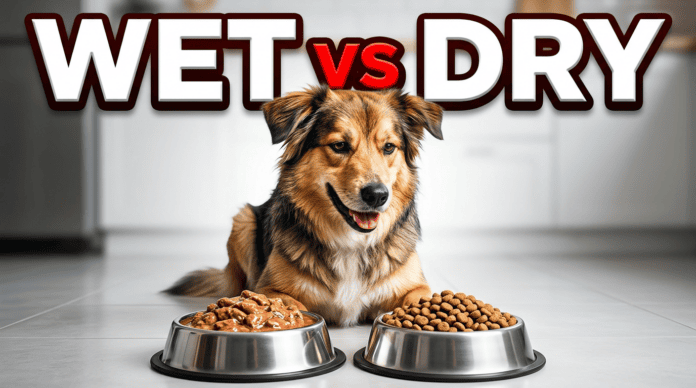
Wet Food vs. Dry Food for Dogs: Which Is Better?

Wet or dry is one of the questions dog owners ask most, and it rarely has a one-word answer. Both can be complete and balanced, so the better choice comes down to your dog and your household.

Whole Dog Journal executive editor Kate O’Connor put the question to companion animal nutritionist Dr. Mary Cope, PhD, who lays out where each type of food wins and how to choose.

The short answer

For dogs, Dr. Cope says there’s no automatic winner. Both can provide complete and balanced nutrition for all life stages. The right pick depends on your dog’s health and preferences, your lifestyle and storage, and your budget and feeding goals.

Where dry food wins

Dry food is convenient, economical, easy to store, and keeps a long shelf life even after opening, which also makes it easy to portion. There tend to be more options for different lifestyles and health needs, and “dry” now includes air-dried and freeze-dried, not just kibble. The trade-offs: it’s low in moisture, so your dog needs to drink more, and because kibble needs some carbohydrate to extrude properly, a very high-meat formula usually means freeze-dried rather than kibble. Dry food can also be less palatable for picky eaters.

Where wet food wins

Canned food is mostly water, which helps dogs who don’t drink much, seniors with kidney concerns, and dogs recovering from dental work or missing teeth, since it needs no chewing. It’s also very palatable and smelly, which picky eaters love. The downsides are a higher cost per calorie (you’re paying to ship water in heavy packaging), a short shelf life once opened, and less convenience for leaving food out or traveling.

When to choose one over the other

Dr. Cope leans toward wet food when a dog needs extra hydration or has a poor appetite or bad teeth, and toward dry food for budget, convenience, and calorie control (she sees more low-calorie options on the dry side). For a picky dog on a budget, her middle ground is dry food with a dollop of canned and a little water stirred into a soup over the kibble.

The nutritional differences

Canned formulas tend to be more meat-heavy and lower in carbohydrate, while kibble needs some carbohydrate to hold together. The biggest difference is moisture. You can add water to dry food to close that gap, but once you do, the shelf stability disappears and the food needs to be eaten promptly or thrown out.

What to check before you buy

Whichever you choose, start with the statement of nutritional adequacy. Dr. Cope notes that most kibble is complete and balanced, but some canned, air-dried, and freeze-dried products are toppers meant for intermittent feeding, not full meals, so read the label. She also looks for a reputable manufacturer, a quality ingredient list led by animal proteins, and, above all, whether the dog actually does well on the food.

The takeaway

There’s no single best format, only the one that fits your dog and your routine. Watch the full interview above for Dr. Cope’s full breakdown, and talk with your own veterinarian about your dog’s specific needs.