

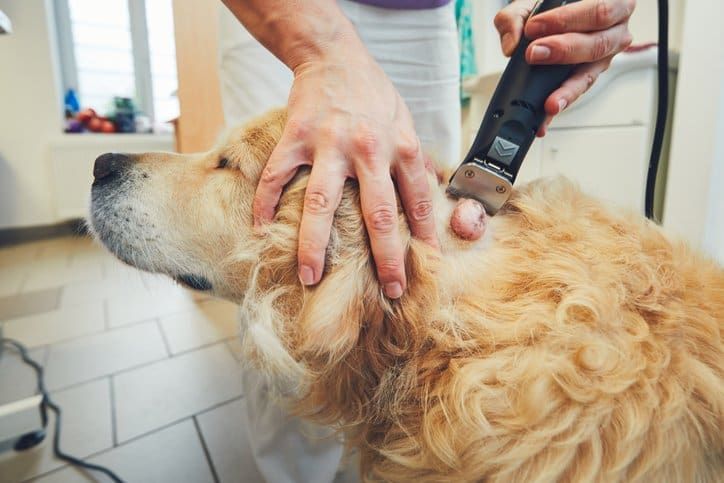
Cancer is a word that strikes fear in the hearts of dog owners. As human cancer deaths rise in the United States, you may wonder if a similar phenomenon is happening in our canine companions. According to veterinary oncologist Dr. Stacy Binstock, estimates show that 25%-33% of dogs will have cancer at some point in their lives. It is the number one cause of death in older dogs. Those are sobering statistics. The good news is that you can help with early cancer detection and early treatment of your dog.
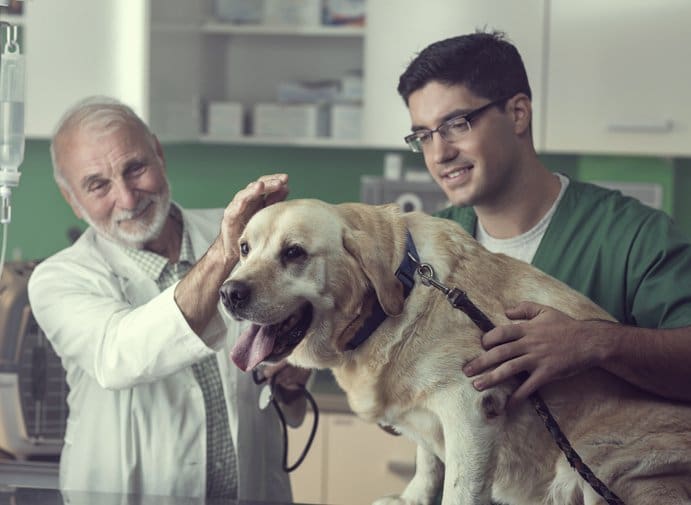
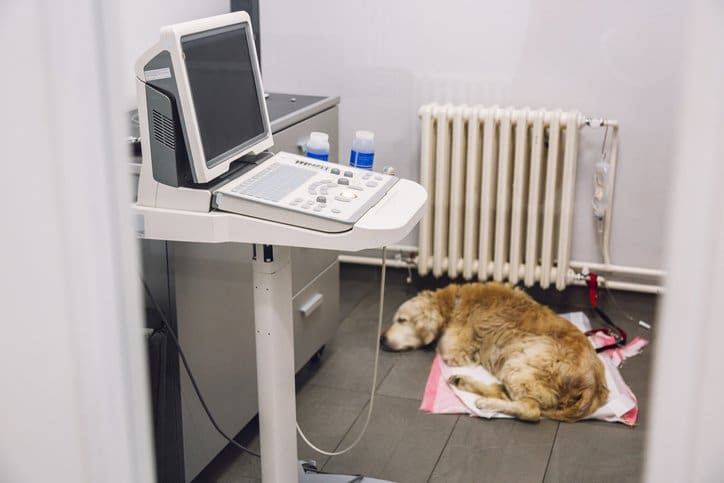
The first step is semi-annual or annual examinations with your veterinarian. These are not just vaccine appointments. A visit is needed for a thorough physical examination. Your veterinarian will check your dog’s weight, vitals, lymph nodes, heart and lungs, palpate the abdomen, and perform a rectal exam. These are all essential to early detection of illness. Weight loss may be the first sign and can be easy to miss at home. Secondly, as your dog ages, your veterinarian will likely recommend bloodwork, urinalysis, and other diagnostics. These can detect changes in organ function, possibly indicating cancer.
Types of cancer in dogs are varied and include skin, orthopedic, blood, and bone malignancies. As a result, the symptoms differ wildly and depend on which system is affected. The four most common cancers and their clinical signs are listed below.
Lymphoma. This is a frequently diagnosed cancer in dogs. It can originate in the lymph nodes, bone marrow, or organs like the spleen. The first signs may be very vague and often include large knots that are palpable under the jaw, behind the elbows, and behind the knees. These are all locations of lymph nodes that can enlarge with cancer. Other symptoms may include lethargy, weight loss, and increased drinking and urinating.
Osteosarcoma. This is a type of bone cancer seen often in large breeds such as Great Danes and Wolfhounds, although it can occur in any breed. Osteosarcoma typically grows silently at the end of a bone (called the diaphysis) until the bone is severely weakened. Early symptoms may include swelling and tenderness. Often, there are no symptoms until the tumor destroys the bone enough to cause a fracture. When this happens, your dog may suddenly be unable to walk on the affected leg and demonstrate signs of severe pain.
Hemangiosarcoma. Another type of cancer that often has no obvious clinical signs is hemangiosarcoma. These tumors can grow anywhere—on the skin or in the spleen, liver, or other internal organs. In dogs, it is most frequently encountered in the spleen, liver, or heart. Usually, no signs are noted until the tumor grows very large and ruptures. This sudden, catastrophic rupture leads to internal bleeding, weakness, and collapse.
Mast cell tumor. Boxers are especially prone to these skin malignancies. Mast cells are normally found in the skin and react when an allergen is introduced. They are filled with histamine and other substances that are released in an allergic reaction, leading to the formation of hives. Unfortunately, cancer can arise from these cells. The hallmark of an MCT is a growth on the skin that waxes and wanes in size and character. They can be small and “quiet,” or they can become large, inflamed, and weep fluid.
Always observe your dog carefully for any changes. Any skin masses or lumps that you palpate should be checked out by your veterinarian sooner rather than later! Remember, early detection is critical in catching and treating cancer.


I have a 2 year old. He has a mass in his mouth and we were abler to get it removed but now it’s growing on his snout. He’s so young and it’s terrible what he’s going through. I’m not sure what to do. Does anyone have information on how I can get the costs lowered? I’ve already used my care card.
How do you know your dog has cancer on his annus
Cancer in dogs can be gotten from the chemicals we put on our lawns, weed and feed, etc also the horrific chemicals we put on and in their bodies, flea and tick products! Also over vaccinating! A lot of vaccines are made by Monsanto! Read the ingredients and warnings. All these products are destroying our dogs immune system and can be a huge contributor to cancer.
I have 3 pets and I use aspca pet insurance I can’t say how much they have help me.
Have lost one cocker spaniel to hermangiosarcoma only 3 months after a complete and thorough physical. His spleen ruptured and he could not be saved. Many years prior I had a cocker with hermangiosarcoma within the spleen. We went to a University Veterinary Hospital where she was diagnosed, but said they could not operate and gave her a short time to live. My veterinarian was willing to try the surgery although there were great risks. He successfully removed her spleen without it rupturing and she lived to be 15. She was nine when diagnosed, the exact same age as my cocker who did not survive. With the first cocker who also suffered bouts of pancreatis, I started cooking for my dogs and have been doing so for many years now. It is NOT that much trouble – once you determine the best foods for your dog, just make a week’s worth of food at one time, refrigerate and you’re set for the week.