

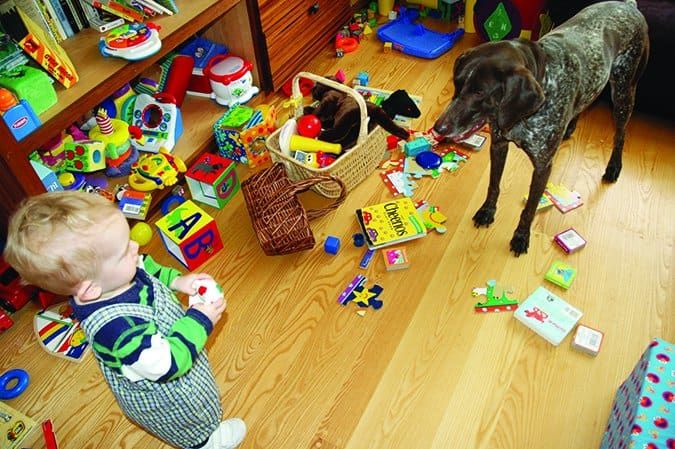
Ask any animal shelter or rescue group, and they will tell you that people surrender their dogs for a myriad of reasons. More common ones include: Moving, can’t keep; landlord won’t allow; not enough time; and can’t afford.
Although those are the reasons commonly given, the underlying cause far more often in those cases is that something interfered with the development of the all-important bond between dog and human that ensures the dog a lifelong, loving home. Every day, thousands of dog lovers move and take their dogs with them, find a new place to live where dogs are allowed, rearrange busy schedules to make time for their dogs, and reprioritize budgets to cover their dog-care expenses.
Animal protection and rescue workers often become cynical about and unsympathetic toward those who give up their dogs. Many of us who love our dogs find it difficult to imagine any legitimate reason for rehoming a dog. While it’s true that many dogs are given up for seemingly frivolous reasons, there are times when it is the right thing to do, including the following.
What are valid reasons for rehoming a dog?
1. Two (or more) dogs in the family are seriously fighting.
Although it’s not uncommon for two dogs in a family to have occasional squabbles, there are also times when knock-down-drag-out battles – or even rough play – can put one or more canine family members at risk of serious injury or even death (not to mention the risk of injury to the humans who have to intervene in the dog fights). This can be especially life-threatening when a size differential almost guarantees that a smaller dog will be injured – or killed – by a larger dog who plays too roughly or has mayhem in mind. Plus there is the risk of predatory drift, where the larger dog sees a significantly smaller playmate dash across the yard and his brain kicks into “Squirrel!” mode. He perceives his smaller canine companion as “prey” instead of “playmate,” and tragedy strikes.

Whether due to size difference or not, conflict and potential injury between canine family members calls for careful management protocols, implementation of a behavior modification program to reduce or remove tension when possible, and if necessary, rehoming of one dog to prevent tragedy. If modification isn’t successful and management isn’t realistic, it is only fair to give both dogs a chance at long and happy lives by rehoming one. (I usually recommend rehoming the easier of the two dogs rather than the more problematic one, because it’s much more difficult to rehome a dog with problematic behavior; you are probably that dog’s best option.)
2. The dog is a danger to someone in the household, or to the community.
This often entails aggressive behavior, but not always. Sometimes an aging dog-lover makes the mistake of replacing her beloved senior dog who recently passed away with a puppy of the same breed, forgetting that she was 15 years younger the last time she had a bouncing adolescent canine underfoot. If the human’s dexterity and balance is beginning to fail her, and/or if she is physically unable to meet the dog’s activity needs, rehoming may be the best option.
While daycare, pet walkers, and sympathetic family members and friends may be able to help with some of the exercise, the dog might still present too great a threat to the owner’s safety. If that’s the case, rehoming is the right choice.
A rowdy dog may also present some physical risk to small children in the home. Good management can often minimize the danger while the child grows and the dog matures and learns his good manners behaviors. Aggression, however, is another matter.
Aggression alone is not necessarily a reason to give up your dog. It is irresponsible parenting and dog-caretaking, however, to keep a dog who shows a willingness to bite kids in a home with children. Dogs who live in homes with small children must adore them, or the child’s safety is at significant risk. Anything less than “adore” means the dog should be rehomed, or at least sent off to stay with relatives until the child is old enough to no longer be at risk, and/or the dog has learned to love children. It’s a lot easier to rehome a dog before he bites a child.
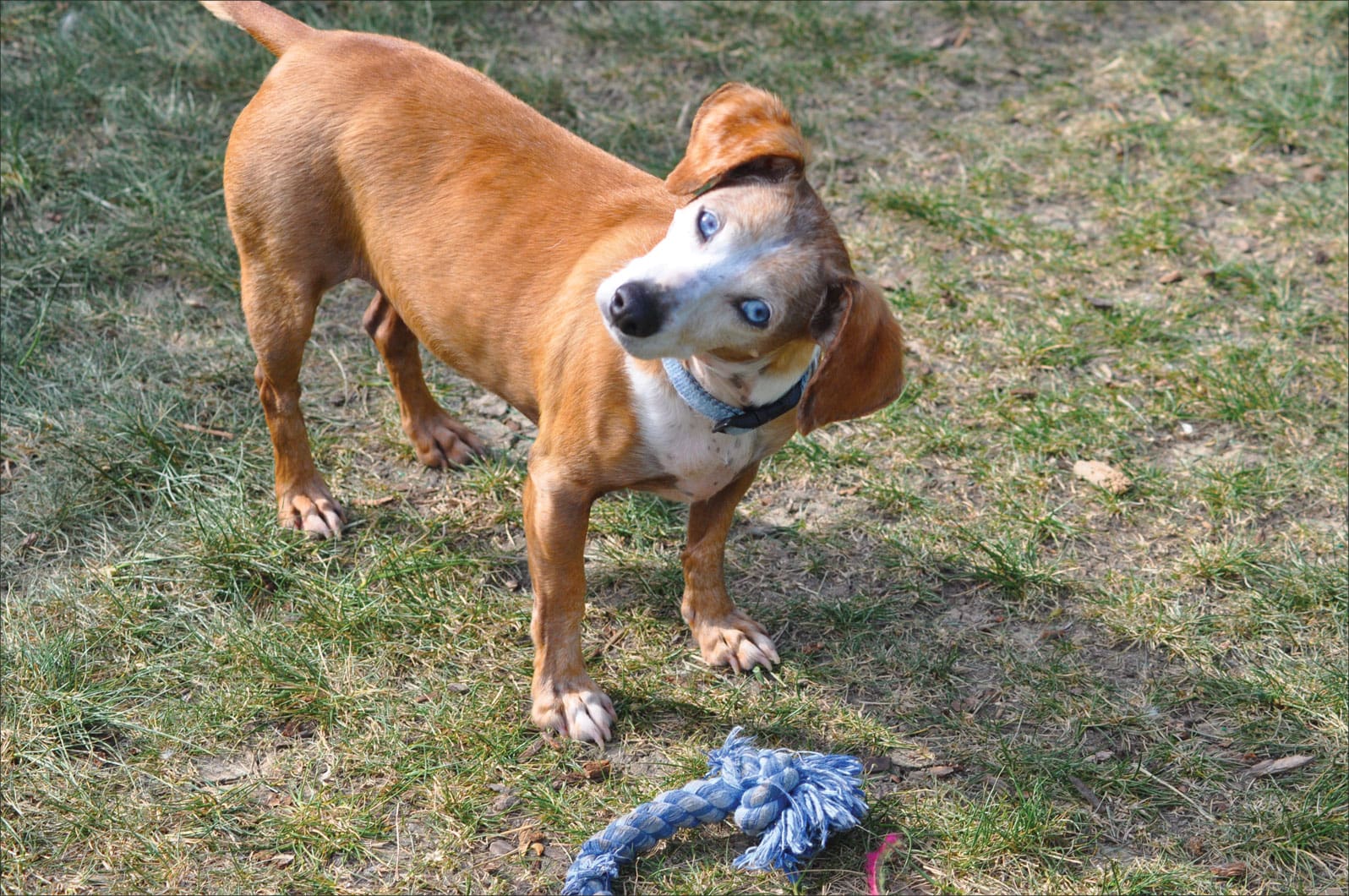
A dog with aggressive behaviors presents a risk to the community if the human is unwilling or unable to take necessary management steps to keep the community (and the dog) safe. While this can be due to a lack of concern on the human’s part, it can also be a result of denial and/or lack of education. When aggressive behaviors have been identified in a dog, it is critically important that the caretakers prevent the dog from having any opportunity to bite, and seek assistance from a qualified positive behavior professional for help in managing and modifying the behavior.
3. An unavoidable change in life circumstances precludes keeping the dog.
Stuff happens. You may have the strongest commitment in the world to your dog, and if life circumstances change and you can truly no longer care for him, then rehoming is the responsible decision. I’m not talking about simple priority choices (“We can’t afford the dog’s ACL surgery because we want to go to Europe this summer”); I’m talking about unavoidable life events such as heart attacks, strokes, foreclosure, moving to a long-term care facility, and other life-shattering occurrences. Sometimes, tragically, you really can’t care for your beloved canine any longer.
4. The dog has a health or behavior problem that is beyond the means of the owner to resolve.
Quality of life is an important consideration for dog and humans. If you really can’t afford the care your dog needs, you either provide it anyway, perhaps at the cost of your own health or diet, or you don’t provide it and your dog suffers. You can choose to make sacrifices in order to provide for your beloved dog, but there may come a legitimate time when the sacrifice is too great, or the challenge too difficult. Some medical procedures now available for dogs cost tens of thousands of dollars. Just because we can try to fix something and prolong life, doesn’t always mean we should. A loving caretaker may be completely willing to work with her difficult dog’s behaviors, but physically unable to do so. In those cases, rehoming a dog or even euthanasia may well be the best choice.
Aggression, severe separation anxiety, and a variety of canine obsessive-compulsive disorders can be extremely difficult behavior challenges. While these sometimes respond to treatment, often with the help of behavior modification drugs, they don’t always, and quality of life can be greatly damaged for both dog and human.
For more information on how to treat separation anxiety, see “Surviving Severe Separation Anxiety.”
5. Wrong dog for the situation.
Sometimes, humans acquire a dog for a specific purpose – to be a service dog, do narcotics detection, or to fulfill some other working or competition goals. Sometimes the chosen dog turns out to be totally unsuited for the desired purpose, and the human doesn’t have the luxury of keeping the newly acquired dog while seeking another one who is more suited for the training goal. In such cases, it may be absolutely necessary, or at least fully justifiable, to return or rehome a dog in order to allow the person to seek and select a more appropriate candidate.
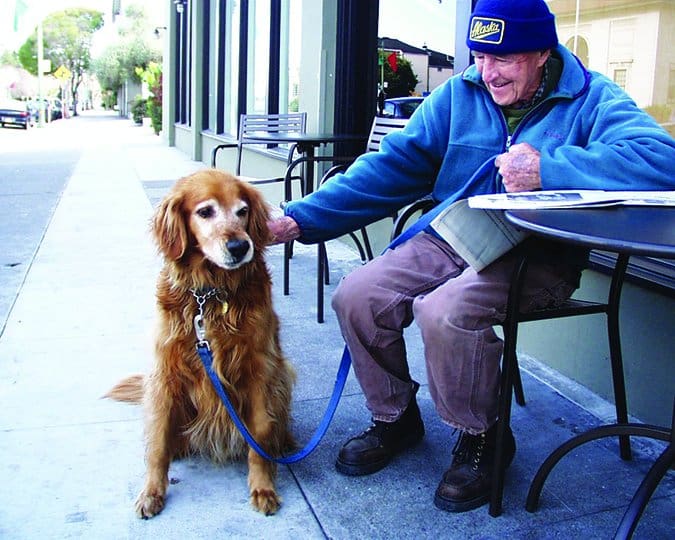
Options for rehoming a dog
- Return her to the breeder, shelter, or rescue group you acquired her from. Responsible breeders and adoption organizations contractually require this, although some may allow you to rehome to someone you know that they pre-approve.
Caveats: If the place where you got your dog was less than reputable (for example, with overcrowded, poor conditions) you won’t want to return the dog there. If you got her from a pet store or puppy mill (oh dear), returning is not an option.
2. Place her with a trusted friend or family member. Well-loved, well-behaved, healthy dogs usually have a circle of admirers who would jump at the chance to adopt.
Caveats: Even your best friend or favorite relative may decline to take on a dog with major health or behavior challenges. You must be honest about these challenges.
- Advertise for someone to adopt her. People sometimes have success with rehoming dogs by advertising on Craigslist or with fliers posted on the bulletin board at local pet supply stores or veterinary offices. Social media can be a huge help, too; put together some good pictures and complete description of your dog (and the reasons you have to rehome her) and ask your friends to share. You never know, a friend of a friend may have a perfect spot for the dog.
Caveats: Try to allow for plenty of time (weeks or even months) to network in search of a perfect new owner for your dog. It’s not easy to screen potential adopters – you risk placing your dog with someone who won’t provide the kind of loving care you want for her, despite their assurances (this goes triple if she has health or behavior issues). There have been recent Use Caution: There are numerous news stories about dogs placed in new homes free of charge by owners, shelters, and rescue groups, only to have to purported adopters “flip” (sell) the free dogs, or worse
- Take her to a good shelter or rescue. There are thousands of excellent dog adoption services around the country. Many provide medical treatment for at least some of the dogs in their care that the person surrendering the dog couldn’t afford. The best have behavior departments or working relationships with qualified professionals to modify difficult behaviors in order to make dogs more likely to succeed in their next, hopefully final, homes. Not everything is fixable, and responsible groups still have to make difficult euthanasia decisions, but your dog might be one they can help.
Caveats: Be sure you research these groups diligently. Visit the facility to see that it’s clean and well run. If you can’t visit, don’t leave your dog there. If they won’t give you straight answers about their willingness to treat medical issues or modify difficult behaviors, don’t leave your dog there. If your dog isn’t adopted, she may suffer in a cage at a “no-kill” shelter for the rest of her life, or worse, in the hands of a hoarder posing as a shelter or rescue. Again, you must be brutally honest about your dog’s health or behavior problems.
- Have her euthanized. As painful as this, it may be the kindest thing you can do if your dog has significant health and/or behavior issues. It may not be realistic to ask someone else to care for such a dog, and she could be abused or neglected in the process. Dying peacefully in the arms of someone who loves her is better than dying neglected in someone’s backyard, or after spending weeks, months, or years in the stressful environment of a shelter.
When I have a client considering this option because of difficult canine behaviors, I gently suggest that euthanasia is not an inappropriate choice for a loved dog if the client is unable to do the things necessary to restore her dog to physical health, or to manage and/or modify behaviors. I don’t tell her she should make that choice, but I let her know I’ll support her if she does.
Examples of responsible dog rehomes
Here are some examples from my world, of times when rehoming was necessary, responsible and appropriate. Names are changed to protect the privacy of my clients in all except the first example:
Caretaker health issues
More than a decade ago, my then-45-year-old brother had a series of major strokes from which he would never fully recover. He was placed in a long-term care facility where pets were allowed, but only if the resident could care for them, which my brother was unable to do. When my sisters and I visited Bill, he kept asking for his two well-loved Pomeranians. It broke my heart.

I tracked them down – they had been sent to a Pomeranian rescue group – and convinced the rescue (via a significant donation) to let me rehome the dogs with one of the staff at the facility. For many years she brought the dogs with her to work and Bill was able to keep them in his life. Although his dogs are gone now, other staff members continue to visit him with their dogs, knowing how much it means to him.
Wrong dog for the job
A good friend recently purchased an Australian Shepherd puppy from a breeder she thought she had carefully researched. Julie already had two adult dogs with behavioral issues that she had worked long and hard with, one adopted from a “no-kill” facility to save him from spending the rest of his life there. Although she’s been successful enough with her behavior modification work that she is able to compete with her two dogs in agility and rally obedience, she had her heart set on starting with a properly raised and socialized puppy who could grow up to be a really solid dog.
Imagine her dismay when the 10-week-old pup turned out to have significant fear behaviors – far greater than one should expect if he was simply going through a developmental fear period. After much soul-searching, she returned the pup to the breeder. Her decision to do so was sealed when, upon contacting the breeder to let her know of the pup’s behavior, the breeder advised her that she was trying to socialize him “too early.” This is a nonsensical excuse; it’s never too early for appropriate, carefully managed socializing (the critical socialization period is from 3 weeks to 14 weeks), and truly good breeders go to great lengths to provide this early socialization foundation.
Putting others at risk in the home
A client brought her just-adopted adolescent Border Collie-mix to see me because the young dog was acting very fearful of men. Linda had adopted Freddie (names changed) less than a month prior, and he already had seven biting incidents, including one bite that had broken skin. She has two small children in her home, but so far the dog had been relaxed and appropriate with kids. Freddie was a delightful dog with many good attributes, and Linda was committed to keeping him, if at all possible. We worked out a behavior modification program, and this exceptionally knowledgeable client went home, fully committed to working through her dog’s behavioral issues.
A week later during a stressful day in the home, Freddie bit one of the kids – twice. Although neither bite required medical attention, it was clear that he wasn’t safe in a home with children. Despite his bite history, the client was, fortunately, able to place Freddie in a dog-savvy home with no children.
Putting others at risk in society
A young couple adopted a dog a year ago from a “no-kill” group – a dog who, in my opinion, should not have been made available for adoption without first undergoing significant behavior modification. The couple, who were my clients, simply wanted a canine companion they could enjoy and share with friends and family. The Lab/Pit-mix they adopted was so defensively aggressive they were unable to have visitors at their home. If they tried to put him away in a “safe room” so they could enjoy their friends and family, the dog shrieked and became destructive – to his environment if he was left free in the room, and to himself if he was crated. After 10 months of dedicated behavior modification work, including medication for the dog, they sadly decided that neither they nor their dog was enjoying an acceptable quality of life, and chose to have him euthanized.
These rehomers are exceptional
Let me assure you that in my behavior practice these cases are the exception, not the rule. I am fortunate to be blessed with clients who are far above average in the commitment they make to their dogs. Their decisions to rehome are difficult, and invariably made only after much thought, discussion and angst. They are never made lightly by my clients, and never without considerable pain.
Rehoming a dog is a difficult decision
A client sent me an e-mail recently to tell me that she has been unable to implement our agreed-upon behavior modification program due to the full-time responsibility of caring for an elderly parent. Barb* said she is looking to rehome her dog. Bailey*, an otherwise delightful one-year-old Labrador Retriever, has mild-to-moderate dog-reactive behavior and separation distress, as well as the high energy level typical of an adolescent Lab. Barb has been bringing him to Peaceable Paws since puppy class. I was saddened to hear she was giving him up. It’s always sad for a dog, and the humans who know him, when the promise of a lifelong loving home falls through. (*Their names have been changed.)
Any one of these decisions can be irrevocable. Before giving your dog up, be sure you’ve thought it through carefully and truly exhausted all your options for fulfilling the commitment you made to your dog when you adopted her. You don’t want this to be a decision you regret for the rest of your life – and hers.
I received another e-mail from Barb this morning. A family decision to place the parent in a long-term care facility has given Barb new resources, new energy, and a renewed commitment to work with Bailey. For now, he’s staying in his home. Cross your fingers.



Continued…this is Kelly again, to add to the list of bad experiences and issues we have/had with our Shepard mix:
He has jumped out of car window and ran into a moving car
He has escaped kennels at 2 separate boarding facilities and roamed halls during nap time
He escapes crate at home
Continues to steal eat shoes
Stands on patio table
Has eaten shirt off stuffed animal and thrown up ate again before could grab (among other things)
Ran and caught squirrel in yard
Didn’t back down to raccoons in yard
He engulfs things so quickly and frantically
Jumps on people
Have tried 3 different trainers
Gets plenty of exercise (jogs/walks)
Huge fenced in yard
Has plenty of love and attention and 2 girls who are attached. However, I’ve been stressed since we got him.
Hi, it’s 4:17 am and I just finished cleaning up my dog’s vommit all over kitchen floor and living room rug.
Let me back up a bit. 3 weeks ago we just paid $3000 to remove a toy squeaker that was found in his small intestines.
Today alone, he stole my muffin when I answered front door. He wakes me up in middle of night for drink and potty. Side note: he was skunked night before, too. I let him out to bathroom and drink. Went to bed, heard huge crash. Got right back up and went downstairs to find he vomited so much took nearly 1 paper towel roll to clean. Then, I noticed he somehow jumped on counter to reach a ledge where we kept Easter eggs filled with candy out of his reach. Pulled that down and began eating. NO idea how he reached.
Our dog is a Shepard mix and 2 years old. We adopted him when he was 9 weeks old. We’ve had nothing but problems and now my husband realizes he is highly allergic to him. Spent time/money on training. He constantly needs to be watched.
I don’t know what else to do. I’m constantly worried about him. He eats how own poop, has escaped fences and run away several times, destroys things, steals food at all costs, blah blah, list goes on.
I realize there are many issues at play here. At a loss, can’t think straight anymore.
Please help. Advice?
I have a nearly 2 year old collie who I can no longer afford to look after he has very good temperament but is to lively for my small family home I have a new born and a five year old he is up to date with injections and is microchipped (You would have to change address) but he is also been neutered I just can’t cope with him tbh it’s cruel to keep him so would love him to go to somebody who can give him the time and love he deserves
My son has been in jail off and on this last year. I have had his dog since july 2019. His legal troubles are still not resolved. He asked this morning if he could have his dog back. I have 11acres i walk dog several times daily, i love him. My sons cat was also here and just dies last week of kidney failure. If my son takes dog back the dog will live in his room and only be let out sporadically daily. My son shows sign of bipolar depression and sometimes sleeps for days. The agreement was i kept the dog until my son was either in prison or free. Because of his mental health (he is a veteran) and the covid 19 court has been postponed. Should i let the dog go to a certain sedentary livestlye or should I keep him? The dog goes crazy when he sees him but he is mad at me and has not seen dog in over 40 days. Dog was use to running free living with my son before legal problems but then he became homeless and dog was shuffled around landing here 8months ago. Im an enabler at heart ….my gut says keep dog but I feel guilty as i know how much dog loves his real owner.
Hi I have 3 maltipoos that my sister left behind and I can’t keep due to living in a very small place. They are loving and full of energy but it’s not fair for them to live in such a secluded space.
Hello Nidia. I am looking for a small dog to be our forever companion. Please give me a call if you’re interested in finding a loving and caring home for one of those cutie pies. 352. 272. 4723. Hope this finds you and yours well!
I’m Mrs. Dulce Beverly from the United States, I want to share a testimony of my life for each one. I was married to my husband Anderson, I love him so much that we have been married for seven years with two children. When he went on vacation to France, he referred to a woman named Peggy, he told me that he is no longer interested in our marriage. I was so confused and looking for help, I don’t know what to do until I met my friend Cassie, and I told her my problem. She told me not to worry about her having a similar problem before and introduce me to a man named Dr. IYAYA, who cast a spell on her ex boyfriend and brought it back to her after 3 days. Mary asks me to communicate with the Dr. IYAYA. I contacted him to help me bring my husband back and he asks me not to worry that the gods of his ancestors will fight for me. He told me that after three days he would join me and my husband together. After three days my husband called me and told me that he was looking for things with me again, he surprised me when I saw him and he started crying for forgiveness. Right now I am the happiest woman in the world for what this great spell caster and a great doctor has done for me and my husband
Unfortunately, this is only temporary. And those gods are demons, so you should just come to jesus christ, asking for forgiveness about consulting a witch doc, and ask him for true reconciliation with your husband coming from his own will and not a spell. And also that GOD’s Will be done, because the time between you and your husband might is up as painful as that is, but people change and God doesn’t. And God has the best plans for you. He loves you so much and wants the best for you, if you would just come to him, he would be so happy and will give you the best love you could ever imagine. And things with your husband will fall into place where they are supposed to be. We have to look at the grandview, the big picture of our whole life, and how our choices on earth will affect our eternity. We can’t just look at what we want in the moment, what feels good, or what WE believe is right and good for us in this life. May the veil be torn off of your eyes and you see the truth behind the scenes of all the illusions. In the name of jesus christ who stands.
I accept full responsibility for adopting a dog 2 weeks ago but cannot keep him because he is howling everytime I leave even for short time. My neighbors are complaining and I cannot lose my housing over him. He is neutered, sweet in every way and loves all people and other dogs. Refuse to take him to pound where he might be killed. He’s only 4 yo. A Puggle. Previous owner not responding to me.
She is 4yrs old
I am 77. I must move and can’t take my 13 year old Bichons with me. One is deaf and one has one eye. Other than that they are active, lovely, socialized guys. Yes it breaks my heart but I have run out of options. Can you help me. Linda
I am 77. I must move and can’t take my 13 year old Bichons with me. One is deaf and one has one eye. Other than that they are active, lovely, socialized guys. Yes it breaks my heart but I have run out of options. Can you help me.