

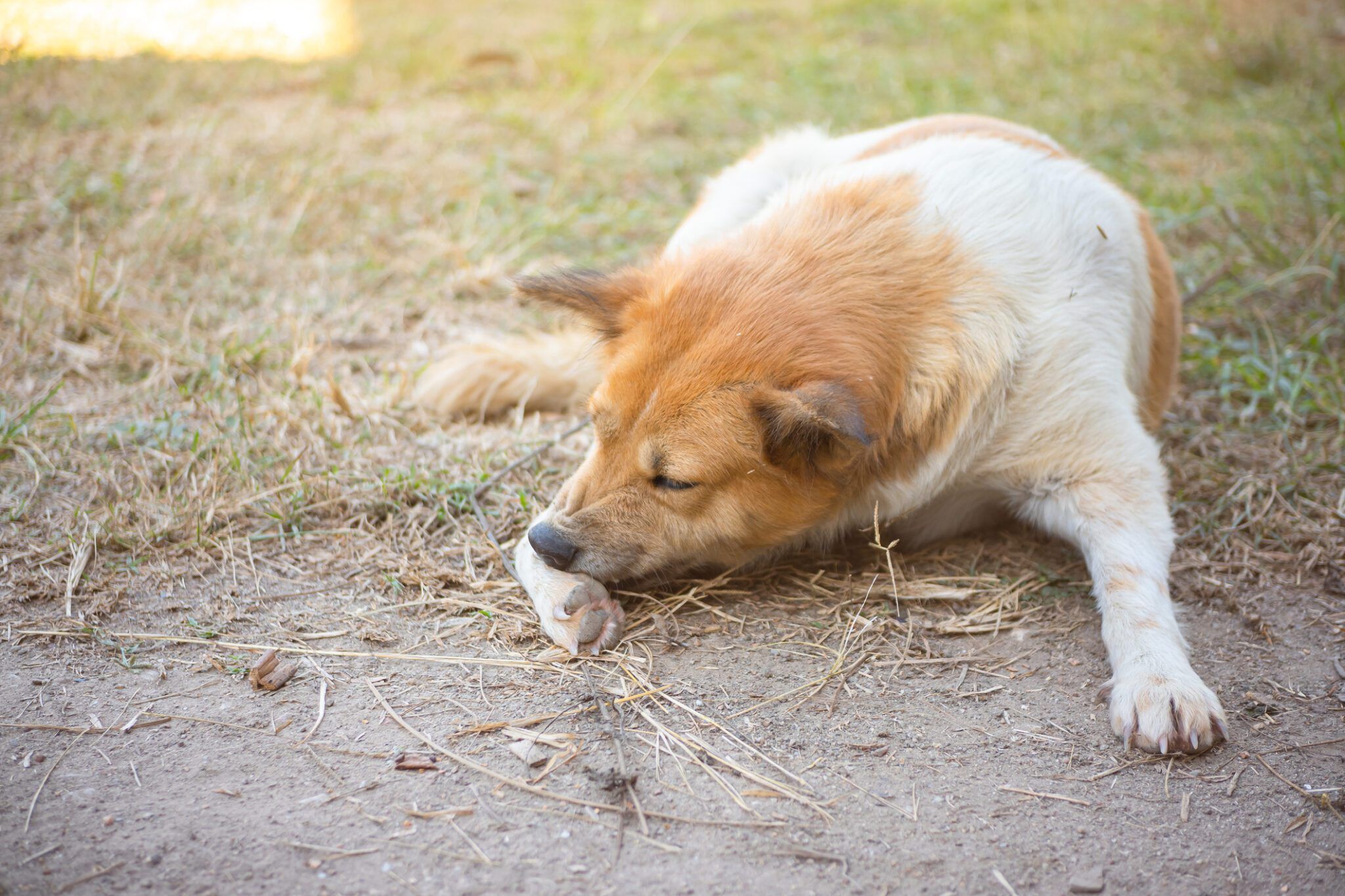
Just like humans, dogs can suffer from allergies that cause discomfort, itching, and even chronic health issues if not addressed properly. Dog allergies are surprisingly common and can stem from a wide range of environmental, contact, and dietary triggers. Fortunately, with the right combination of veterinary care, medications, and supportive supplements, many dogs can live comfortable, itch-free lives. Understanding the causes and symptoms of canine allergies, your treatment options, and the available supplements and functional ingredients is the first step toward getting your dog’s allergies under control.
What Are Dog Allergies?
To start, it is important to understand what an allergy is. An allergy occurs when your dog’s immune system overreacts to a substance, called an allergen, what is typically harmless. When exposed to the allergen, the immune system releases chemicals to attack it, causing an inflammatory reaction in your dog that can present as itchiness, skin rashes, ear infections, footpad irritation, and more. Allergies in dogs can be triggered by a variety of factors, but there are four main types of allergies commonly observed in dogs:
Environmental Allergies (Atopy) are triggered by allergens such as pollen, grasses, mold, dust mites, and more. Environmental allergies are common in dogs, with estimates that between 10% to 15% of dogs are affected by them. Dogs with atopy often have seasonal symptoms that worsen during certain times of the year, often during spring and summer when pollen levels are highest.
Flea Allergy Dermatitis (FAD) is caused by an allergic reaction to flea saliva and is one of the most common allergic skin diseases in dogs. It’s responsible for the vast majority of allergic skin diseases where fleas are prevalent. It does not require an infestation for dogs to exhibit symptoms and even a single flea bite can trigger intense itching in sensitive dogs. Proper preventative flea and tick medication is important for keeping these pesky parasites from setting up shop on your pet.
Contact Allergies occur when a dog’s skin reacts to substances it touches, such as shampoos, cleaning agents, or adhesives. My dog is allergic to the adhesives in medical tape and will have an almost immediate reaction when exposed. If you notice a substance is causing a reaction on your pet, immediately stop its use and avoid exposing your pet to other similar products.
Food Allergies are a reaction to a substance, most often to a protein, in a dog’s diet. Proteins in animal products are the most common allergens for dogs, including beef, dairy, chicken, lamb, and egg. Food allergies often result in itchy skin and digestive issues, such as chronic vomiting and diarrhea. If you suspect food allergies in your pet, talk to your vet about a diet change or running an elimination diet trial to identify the allergen.
Dog allergy symptoms can manifest differently depending on both the type of allergen and the individual dog’s sensitivity. However, the most common signs of allergies in dogs include excessive itching and scratching of the paws, ears, and belly, licking or chewing of the paws, red, inflamed, or irritated skin, chronic ear infections, watery eyes or nasal discharge, and digestive issues. If you notice any combination of these symptoms that persist for linger than a few days, it is best to schedule an appointment with your veterinarian. Chronic allergies can worsen over time and may lead to secondary infections if left untreated.
How to Diagnose Allergies in Dogs
Diagnosing allergies in dogs can be a challenge since many symptoms often overlap with other conditions. Depending on the suspected allergy type, diagnostic testing may include skin scrapings and cytology to rule out mites or bacterial/fungal infections, an elimination diet trial to rule out food allergens, or allergy testing using blood tests or intradermal skin tests to help pinpoint potential environmental allergens. A proper diagnosis allows for more targeted treatment for your pet.
Treatment depends largely on the underlying cause of your dog’s allergy and its severity. While some allergies cannot be completely cures, symptoms can often be managed effectively through a combination of medications, environmental changes, supplements, and supportive care.
Allergy Medicines for Dogs
Over-the-counter antihistamines like Benadryl may be used under veterinary guidance. These may help to reduce itching and inflammation by blocking histamine release, although their effectiveness varies from dog to dog. For more severe allergic reactions, your veterinarian may prescribe corticosteroids such as prednisone or hydrocortisone to quickly reduce inflammation and itching.
While these medications can be effective, they are typically only for short-term use due to potential side effects like increased thirst, urination, and immune suppression. Medications such as Apoquel and Cytopoint injections work to improve the symptoms of allergies in dogs by interfering with the inflammation pathways of the immune system responsible for causing itchiness. These medications often offer fast-acting, long-term relief for dogs with chronic allergies.
Best Allergy Supplement Ingredients for Dogs
In addition to prescribed treatments, many pet owners look for supplements to support their dog’s health. These supplements are not a replacement for veterinary care for dogs with severe allergies, but they can help support your dog’s immune system, reduce inflammation, and improve skin health, and they may be enough to help pets with mild allergy symptoms.
Omega-3 fatty acids—particularly EPA and DHA—help reduce inflammation, support healthy skin, and strengthen the skin barrier. Fish oil supplements like salmon or sardines are commonly recommended for dogs with allergies. Marine microalgal oil also has a wonderful omega fatty acid profile and is growing in the pet space.
Quercetin, often referred to as “nature’s Benadryl,” is a natural flavonoid with anti-inflammatory and antihistamine properties. It can help to reduce itching and swelling without the drowsiness associated with typical antihistamine medications.
Turmeric, which contains the compound curcumin, is a powerful anti-inflammatory and antioxidant. This can help soothe inflammation associated with allergies. However, be careful when adding it to things like a Kong or Toppl, as it can stain couches, clothing, and carpeting yellow if your dog decides to enjoy their turmeric treat in a less-than-ideal location.
Bovine colostrum may also help, as it contains immune-modulating compounds that may help to reduce allergic reactions. It supports healthy immune balance and hay help dogs develop a higher tolerance to allergens over time.
Probiotics support gut health, which is closely linked to immune function. Look for Lactobacillus and Bifidobacterium strains, which have been shown to support digestive and immune health. A balanced gut microbiome can help to reduce allergic responses, especially in dogs with food sensitivities or digestive issues. For dogs with food allergies or sensitivities, digestive enzymes cay also helps to break down proteins and carbohydrates more efficiently, reducing the risk of immune reactions to undigested material.
When choosing an allergy supplement, it is important to read ingredient labels carefully. Look for high-quality, evidence-backed ingredients that target inflammation, skin health, and immune balance. Some ingredients to look for include, omega-3 fatty acids (EPA and DHA), quercetin, probiotics, colostrum, vitamin E, zinc, turmeric or curcumin, and flaxseed oil. Always consult your veterinarian before adding a new supplement, especially if your dog is on other medications.
Dog allergies can be frustrating for both dogs and their owners, but with proper diagnosis, treatment, and support, many dogs can live comfortably. Managing allergies often requires a multi-faceted approach that includes identifying the allergen, prescription medications for immediate relief, and dietary supplements for long-term support. By working with your vet and finding a high-quality supplement, you can help your dog find lasting relief and a healthier, happier life.




I was outdone a few days ago. I took my 7 year old 18 pound cavachon into the vet because he had been coughing and spitting up flem since the evening before. He’d also been sneezing here and there for a couple weeks. His regular vet wasn’t in that day and my husband took him to the clinic. They took X-rays and did an exam and she prescribed him hydroxyzine 25mg every 12 hours. Come to find out this pill is for anxiety and had my poor baby totally out of it. He was stumbling around and hurt himself trying to jump up on the couch. He only took that for one day. I had my carpet cleaned and really deep cleaned my apartment. He’s been fine since then. Come to find out some vets write this medication off-label for allergies. I’m very upset with this new vet. Why she didn’t just tell my husband to get him some Benadryl or something like that I don’t know. Some of these vets do some harmful things to our pets. Just wanted to share this with you. I’ve went back to giving him his Omega 3s from Red Rover. I had been slipping up on giving him that. He’s fine now. Thank you for your time.
How much quercitin should I give my dog. He a 4 year old yorkie weighing 8 pounds.
Hello,
I personally would never give any of my pups the prescription medication Apoquel! It can cause cancel!
Yes I know it says in the paperwork that comes with the medication that it is a low percentage BUT I am not going to be the one to set them up to be diagnosed with cancer!
Apoquel messes with their Immune System ~ bad enough that my current pup has Hypothyroidism that has messed with her immune system. She has terrible allergies that I am trying to battle with natural supplements!
Currently I have been seeing so many companies on Social media putting out products for your Beloved pets to take to fight allergies! Buyer Beware of Fraud!
Thanks for Listening