

We often read discussions of whether dogs experience guilt; we’ve published a few, too. But here is a twist I don’t think I’ve ever seen discussed: A dog owner’s guilt over something related to their dog ownership.
Many of us who are old enough to have owned dogs before the advent of positive-reinforcement-based dog training – yes, this was before cell phones and when candy bars cost just a quarter – probably feel some amount of guilt and/or shame about how they trained dogs in their youth. There is a term that describes us – “crossover trainers” – those of us who started training dogs with choke chains and collar “pops.” This was the norm for anyone who wanted a well-trained dog who would walk on a loose leash, once upon a time. (It’s hard to fathom how different and wonderful it must be for trainers and owners who are, say, 30 years old or younger, who came of age in the dog world when positive reinforcement was the norm.)
Things I feel guilty about
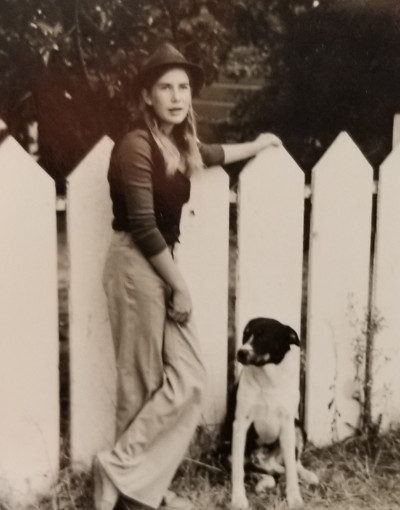
I think back to the dog I was allowed to keep for my very own, starting when I was about 13 years old, and who lived with me into my mid-twenties. He was a half-Kelpie, part-hound-mix, dog-aggressive and, it seemed to me then, hard-headed. Frustrated by his many attacks on other dogs and not knowing anyone who knew any better than me, I physically punished him for his many transgressions. I know now that all of that punishment only hardened his negative feelings about other dogs – and far from correcting the issue, it made his hatred of other dogs worse. This was a lifelong conflict between us, and I never found a better way to deal with the behavior. Forgive me, Tavi, I honestly didn’t know any better.
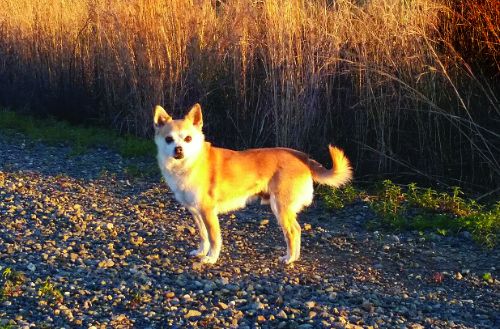
My heaviest burden of guilt has to do with the death of little Tito, a Chihuahua-mix who was sort of dumped on my husband and me by his niece some years back. I didn’t really want another dog at the time, and Tito didn’t really want new owners, either. It took us all a long time to get to know each other; he was a prickly little tough guy. He didn’t like to be picked up, he was a ferocious resource-guarder, and he generally just kept his own council. Over time, though, we got used to and accepted his tough-guy independence and we all actually grew quite fond of each other.
A couple years after we had finally accepted that Tito was a member of our family, he was mortally wounded by a dog I was fostering. It took me nearly a year to process and understand what happened and to write about it; as penance for the ignorance that led to Tito’s death, I still tell the story to anyone I know who is considering fostering an aggressive dog. It’s not that dogs who display aggression can’t be rehabilitated – they certainly can. But people need to know what they are getting into, and need to protect their own families (human and canine) from getting hurt in the process. I didn’t protect Tito, and he paid for my ignorance with his life. The dog who attacked him was euthanized following the event – and this death, too, is on my hands. I am not sure when or if I can, or should, forgive myself for these deaths.
Accidents can happen to the best of us
I know two different people who accidentally backed their cars over (and killed) their own dogs, each of whom was sleeping in the driveway. Two! Both of those people were understandably wracked with guilt about these horrible accidents.
I have another friend who will never forgive herself for letting her dog off-leash to chase some birds, who were covering a huge grassy playing field at a college. But the dog chased and chased and wouldn’t come back, and eventually chased them across a busy street and was hit by a car. Despite almost immediate emergency veterinary care, he died at a veterinarian’s office less than an hour later. My friend is almost pathologically careful about letting her current dog off-leash, which is good, but I’m sorry that she still suffers about her former mistake.
Dog ownership is a huge responsibility; their lives and health are fully in our hands. Guilt over the things we’ve done wrong, I guess, helps keep us alert to the possibility that we might make other mistakes, that we have to be more careful with these precious lives. And, as the saying goes, when we know better, we can do better. Sometimes I just wish learning some of these lessons wasn’t so hard.
What do you feel guilty about? Maybe others can learn from your mistakes.



Thanks for sharing your “guilt”. I’d like to share mine. When I wa a kid, my first dog, Rex, was a goofy collie who wanted desperately to be in the house. I can still see him grinning through the bay windows, saying so clearly “hey, I’m cool but I’d love to be in the house with you”. Nope said my mom. We lived in the country with lots of roaming space. One night, a he aged, Rex couldn’t get out of the way of a car and was hit and killed. I have aplogized to him more times than I can count. Fast forward to the 1980s two Labs, Kiska and Hustler. I didn’t know any better – the Labs were kept outside in their kennel at night . When they continued to bark and fearful of the neighbors’ rath, I swatted them with a rolled up newspaper – which of course didn’t stop the barking. It did give them a connection, however bad, to their owners. I am mortified about my behavior at that time. We finally decided to bring them in the house any time they wanted – everyone was happier. Again I have apologized over and over. I cannot believe I ever was so uninformed. I am now and have been for over 20 years, one reformed positive dog trainer. I really wish I could undo my past interactions with Rex, Kiska and Hustler. I can’t of course. I won’t make any mistakes like that again.
It’s very helpful thank you..
After losing our gentle giant, Sampson, a Great Dane/Black Lab mix rescued from the streets of Baltimore at about 6 m.o., to small-cell lymphoma – a miserable fate this wonderful therapy dog did not deserve – we decided to get a rescue GSD. Beautiful Harley was about 3 – 4 y.o. and came to us wearing a muzzle, with no explanation as to why. We removed the muzzle. He transitioned to the name Charlie easily and settled in quickly with our other dogs. After a few months, I took him to our vet for a regular check up. He was sitting calmly in front of me in the exam room when the vet came in to take him back to be weighed. When he reached for Charlie’s collar, Charlie suddenly attacked him, forcing him to retreat and leave the room. We were all taken quite by surprise!! I thought I’d try the vet that had originally examined him during the adoption process. There, the vet came out to my car and walked him into the building (it is on a busy street and we hadn’t finished working on loose leash walking yet). Again, we were sitting waiting in the exam room. The same vet that had walked Charlie calmly into the office 10 minutes before, came in to get him and the same thing happened! This time the vet needed a few stitches and was obligated to report it to Animal Services. I am a certified dog trainer but this was beyond my scope at the time, so I was already researching to find a professional GSD trainer. I had also gotten in touch with the previous owners but I think they soft-coated things and didn’t tell the whole story. Wrong!! Then some friends were visiting from out of town. The wife and I were sitting in the living room, talking and playing with Charlie. He and Liz were bonding. Then her husband came in and sat down next to her. Suddenly Charlie jumped up and attacked him! Liz jumped in front and they were both injured, requiring some stitches. Animal Services came to take Charlie the next day. I was sobbing uncontrollably as I walked him to the van where he politely jumped in, hopped onto the platform and lay down. He was trustingly looking at me as they closed the door. The county quarantine is prohibitively long and expensive, so we couldn’t opt to put him or us through all of that. We had to relinquish our dear Charlie! The GSD trainer I had found contacted me and said he would go to court for Charlie, but it was too late. Some time before, Charlie had left muddy paw prints on my car driver’s side window sill one day when he wanted to go for a drive with me. For the remaining years I had that car, I made sure those paw prints remained no matter how many times the car was washed. I still get teary-eyed when I think about him – how I wish I could go back and redo the events, knowing what I’ve learned since then!!! I will never ever forget his love for and trust in us!!
P.S. If you ever need to give a dog up for adoption, PLEASE make sure you give the new owners/fosters the complete history of the dog whenever possible!!!
Oh my goodness, I’ve been crying like a baby while reading through these stories. I so agree that we need to feel guilt to make us want to do something better. But sometimes what we should do is not clear enough especially when we are emotional and we (I) need to accept that we did what we thought was right at the time. My hardest and most reoccurring guilt is over my beloved Gracie, a beautiful Aussie/Eskie mix who we adopted when she was probably a year and a half after she was dumped in the countryside and very pregnant. She was my constant companion, a bit shy around children and people she didn’t know but was a wonderful, smart companion who was true to her name. At around age 10 she started vomiting often and sometimes not finishing her food. I took her to the vet and an abdominal xray showed a large tumor in her gut – stomach cancer. I was devastated and the vet told me we could try to maintain her on pain meds and steroids which I was grateful for. At the same time, our 17 1/2 year old Beagle, Jessa, was failing and I was trying to divide my attention between them. When Jessa stopped eating and wouldn’t walk we knew it was time to put her down. In my preoccupation with her, I think I didn’t notice that Gracie was not doing well. I know I couldn’t stand the thought of losing both of them at the same time. But the night after we had Jessa euthanized, I was getting ready for bed and Gracie went into my closet and started panting hard. I shoved prednizone down her throat, desperate for her to be okay. I sat with her for a few hours but she only got worse. She was obviously in so much pain. I finally called the emergency number for my vet who was an hour’s drive away and asked for an emergency euthanization. My husband carried Gracie to the car and she looked like her eyes were popping out of her, probably from the pain of being carried. I sat in the back seat with her but just as my husband started the car she raised her head up, made a terrible noise – something other worldly sounding – and plopped her head back down on my lap, dead. I realized, too late, that I had waited too long, that my denial caused her to have a horribly painful ending. That was six years ago but I still feel guilty and regularly tell her how sorry I am that I failed her. They say sometimes you might euthanize a pet a little too early but you NEVER want to do it even a minute too late. That’s SO true.
Guilt and regret — are they different? I’ve come to differentiate them by using guilt as the appropriate response to having knowingly wronged someone: that is, having known at the time it was wrong. Doing it anyway might be the result of losing your temper or ignoring the inner voice telling you that the advice you were being given by someone else was wrong. Regret is the result of changing your understanding of a past action and feeling bad about a choice you made that you wish you had made differently. Both can be instructive. Both can incapacitate you until you can somehow come to terms, which is never easy and usually only partly possible. This is how one person’s regret and effort to make up for it provided a never to be forgotten lesson for our humane society staff.
It was Christmas Day in 1993. We shelter staff loved working holidays when we were closed to the public because we could indulge the animals with treats and extra attention. Shortly after kennels were clean and everyone was fed, someone noticed a large cardboard box on the apron by the locked front door.
With a sinking feeling, we investigated. Too often we’d find animals left just this way. But when we opened the box, it was full of dog and cat toys, treats and bones. There was a letter on top of the pile. It said,
I used to have a dog. We got her when I was 10 after I badgered my parents for years and they finally gave in. I promised to take care of her. Well, I loved her, but I didn’t take good care of her. Some of it was because I didn’t know how and didn’t take the trouble to find out. I used to walk her, but she pulled me down and got too big. I could have trained her, but I didn’t. Lucky for her, my mom came to love her and gave her a lot of the attention I didn’t. But I was busy with growing up, friends, so much to do. And then I went to college. She was always so glad to see me when I came home. And after graduation, I moved away. Then last fall, my mom called and said she was failing. I was crying and for the first time realized how by the end of her life I kept wanting to make up to her for all my years of neglect while she just waited for me to spend a little time with her. Then she had to be put down, and it was like a wave that broke in me. I would give years of my life to have her back, to go back to when she was a puppy and start over, and do right by her. But it’s too late.
These things might make some of the animals happy on Christmas, but I want to remind you to tell the people who adopt them my story, so they won’t take their pet’s love for granted and neglect them, like I did.
That is regret, the pain of which I think all of us know who have had relationships we took for granted and neglected. When we can, when the being we feel we have wronged, is still with us and we can make it up to them, that is healing. Taking a step like the giver of these gifts did, I hope was healing. But I feel sure that he or she would never neglect another dog again. And I know that all of us in the shelter that Christmas day will be better humans for having shared that experience and participated in her generous and healing act.
Oh my goodness Nancy, reading this was like reading own story! I am a mess right now.
I found a tiny puppy back in 2007 she was 4 weeks old, I took her in but had NO idea what I was doing, I loved her but did t understand what she was missing out on at 4 Wks, I didn’t socialize her, she a border collie mix at best guess, high strung, frightened of thunder, load noises, gunshots, doesn’t play well with dogs,the list goes on, she has a thyroid issue, prolly from being pulled off the her feet while learning to walk on leash, as suggested by husband at the time. I watched a lot of A particular TV show back then and ended up causing my poor girl so many more issues, I too am wracked with guilt, I created most of not all of her issues. In 2013 we took on a tiny chihuahua mix (1.8lbs) from a friend who found him, about 18 months later, after some building work on house and a thunderstorm my 75lb girl broke my tiny baby and he died on my lap. At that point I found a R+ trainer and that lead to me going to school and studying dog behavior and the learning theory. My little guy died because of my lack of knowledge, I now know that the building work was stressing her out and then the thunder put her her over the edge. I spend everyday trying to undo what I have done to her, we now have a much better relationship and at almost 14yrs old I do whatever is in my power to make her comfortable and relaxed, she rarely meets other dogs other than her new house friend, another rescue I found on the street, malnourished and pregnant but they’re about the same size and I spent several months introducing them before they officially lived together. Anyway, I now try to help other pet parents but wish we could make canine body language part of school curriculum. Thank you for sharing 🐾❤️
Yes, I, too, have my guilty stories. Not only have I stories about my own dogs, but also some from when I was a vet tech.
But I try to let go of the guilt and so should everyone who feels guilty. Did you follow the prevailing training philosophy at the time? Then you should only feel guilty if you were purposely mean to your animals. Remember, that we aren’t perfect; our dogs aren’t perfect (and we shouldn’t expect them to be); we all make mistakes. So learn from your mistakes, read about the kinder and wiser training methods, and let go of your guilt; don’t let it hold you back. Resolve to do better next time instead.
I feel angry rather than guilty. because of all the really terrible advice I got from Affilliated Dog Training Clubs. I was told to get a riding crop for my ‘difficult’ dog, which of course made her much worse. I as told a I was a cream puff and needed to “Check” my dogs harder. Web were instructed to ‘correct’ any unwanted behaviour 🙁
I began to worry when It dawned on me that I only ever saw problem dogs in Club and everybody else used to have peefectly good dogs.
After moving and finding the local Club was very bad — even at teaching the use of the check chain, I began to explore and did the Delta CGC Instructors course.
Since then I try my best to help people avoid all the many mistakes I made. I also realise now that an Obedience certificate is only for the Human– not the dogs.
Wow! Such a great topic and obviously from all of these heartfelt comments many of us have had our fair share of guilt. I have been a dog groomer for 30 plus years. Luckily I do not have any guilt related to grooming but because of my age, back in the day the training methods with our family dogs was old school 🙁 I will always remember scolding our dog for accidents by first calling them over ( they came of course) then scolding them for something that had been done hours before!! It never felt right but its what we were taught to do. Ugh. Iv’e spent the rest of my life and career making up for those guilty feelings. Thank god our beloved dogs are so forgiving!!