
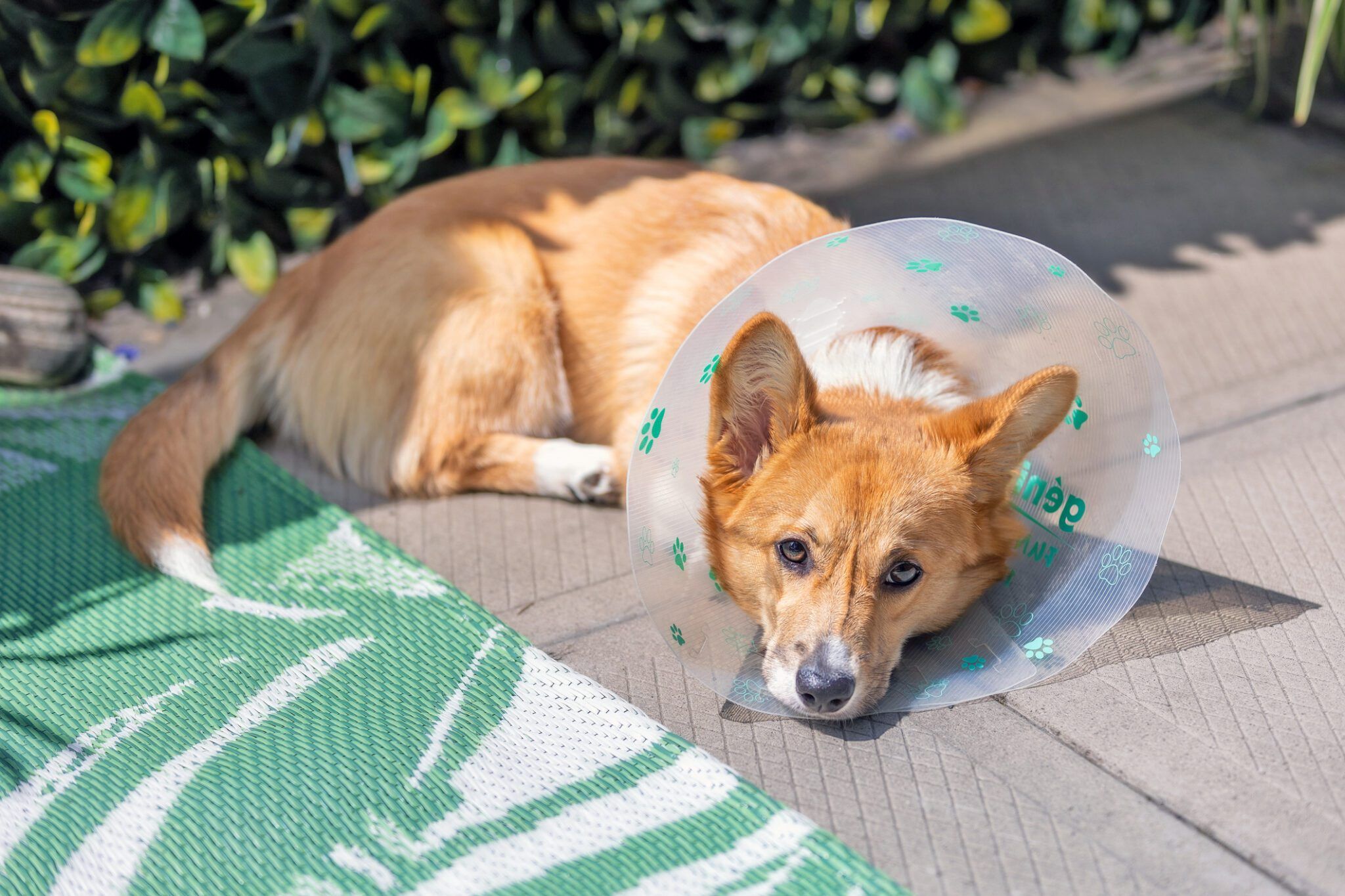
It is possible to spay a female dog in heat, but most veterinarians recommend waiting until your dog is between heat cycles. Spaying during a heat cycle is more involved, meaning increased anesthesia time, possibly a slower recovery after surgery, and often a higher cost for the spay surgery. Your dog is also more likely to experience dramatic mood swings and behavior changes during the recovery period.
My Dog Is in Heat Now and Bleeding
While it’s no fun to have a dog in heat, it’s not an emergency and not impossible to manage. You can discuss the risks of in-heat surgery with your veterinarian, but chances are the recommendation will be to wait. What should you do? The choice is yours, but you can carefully handle a dog in heat with proper management and the use of doggie panties. A dog’s first heat cycle may occur between 4 and 6 months of age. Once she’s through that first heat, you can schedule the spay surgery for a couple months out. Dogs generally go in heat twice a year.
How Risky Is it to Spay a Dog in Heat?
While in estrus (heat), the dog’s reproductive organs are swollen, and additional hormones are circulating through her body. All these changes make the female dog receptive to males and prepare her body for pregnancy.
Unfortunately, the swollen in-heat uterus and ovaries have a lot more blood traveling through them and can be more fragile. This makes the veterinarian’s job more difficult when trying to perform spay surgery. The surgeon must go carefully, avoiding tearing delicate tissues and addressing excess bleeding as it occurs. These factors make the surgery take longer, which in turn leads to a higher bill.
What Does an In-Heat Spay Do to My Dog?
Spaying a dog in heat puts your dog on a hormonal rollercoaster. She goes from maximum reproductive hormones to very little in a short time. This can cause moodiness, clinginess, and some increased anxiety or irritability for several weeks. These behavioral changes generally level out over time.
Remember that removing the sex organs also removes hormones. Estrogen and progesterone contribute to a female dog’s confidence, mood, appetite, and how she handles stress. Most female dogs retain their base personality traits after being spayed, but you may see changes in your dog’s confidence or energy level. Rarely, female dogs will become more aggressive toward other dogs after being spayed.
If the spay is done early, your dog may experience health issues later in life, too, especially in larger dogs. These include orthopedic problems, urinary incontinence, and cancer risks. The best age to spay your dog is usually advised based upon your dog’s adult size. Some research indicates large dogs shouldn’t be spayed at an early age.
When Is the Best Time to Spay a Dog?
Ideally, plan to spay your dog between heat cycles. Talk to your veterinarian about the best timing for your dog, be that before her first heat or when she has fully matured and gone through a few cycles. Scheduling the spay for two to three months after your dog has come in heat generally works out well.
Situations where it might be necessary to spay your dog while she is in heat include if she has a pyometra (infected uterus), it is difficult for you to reschedule her procedure, or if there are concerns about an unplanned pregnancy. If you find yourself in one of these situations, remember to be patient with your dog during the first few weeks of recovery.