





What’s Wrong With No-Kill Animal Shelters?
Imagine a world where no dog is ever euthanized for being homeless. Where there are more homes than dogs, and lists of potential adopters are maintained at every possible dog-adoption-source, with families and individuals anxiously awaiting the next available canine. Where every dog is treasured, and the thought of rehoming" one of these wonderful

What You Should Know About Animal Shelters
Say the words animal shelter" to 10 different people and you're likely to get 10 different reactions - from a warm

Building a Healthy Relationship With Your Dog
Like most positive dog trainers, I constantly remind my students that, whether they are conscious of it or not, they are training their dogs every moment they spend together. Whatever you choose to reinforce -- even when you’re not in a formal training session -- will affect your dog’s future behavior. The things that your dog does that you frequently reinforce are likely to increase, so it makes sense to reinforce him as frequently as you can for the behaviors that you enjoy. Here’s an interesting and powerful side-effect of frequent positive reinforcement: This practice can not only influence your dog’s behavior in a way that you like, but also improve your relationship in a sort of positive feedback loop. When a dog (or anyone!) is rewarded, it makes him feel good – about himself and the person giving the reward. And when your dog feels good about you, it tends to make him want to be with you more, and it motivates him try to earn even more reinforcements. Said simply, frequent positive reinforcements strengthen the relationship between you and your dog.
Adopting a New Dog
You've adopted a new adult dog into your family. Congratulations! As you search for information to help you help your new furry family member adjust to this difficult transition in his life (change is hard!), you may discover that there are lots of resources for new puppy owners, but for new adult-dog owners, not so much. Where do you begin? We've compiled a list of suggestions to help make life with your new dog easier for all concerned. His first few weeks with you set the tone for your lifelong relationship. If you follow these time-tested protocols, you're more likely to experience smooth sailing - or at least smoother sailing - with your recycled Rover, who may arrive at your door with some baggage from his prior life experiences. We hope you've made wise plans and decisions before your new canine pal sets paws through your door for the first time. But even if he's already camped out on your sofa, it's not too late to play catch-up with many of the suggestions that follow.
Nighttime Dog Walking Visibility Products
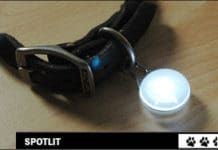
Walking with a dog in the dark can present a number of challenges for many dog owners. You may not be able to see well in the dark; this can make you take a hard step off a curb or trip on a rise in the sidewalk. Finding your dog's poop at night (so you can pick it up and dispose of it properly) is also a problem. Although definitely in the minority, some people walk their dogs off-leash at night. I've met a number of people at night who were walking off-leash dogs on the wide trail that tops the river levee that parallels my town's main street. If I wasn't a dog person, I would probably be unnerved by the fast approach of a strange dog in the dark. And as it is, if the dogs were mine, I'd be worried that one of them would wander off or get lost if I couldn't keep sight of them.

Dog Gear of the Year
There are millions of pet products being marketed to dog owners for direct use on, in, or around their dogs and puppies: foods, treats, supplements, toys, training tools, garments, medical supplies, grooming tools and unguents, beds, fences, and crates.
Successfully Adding a Second Dog to Your Home
If your dog is reactive to other dogs but you are thinking about getting another dog anyway, read the following for both a sober warning as well as cautious encouragement. It’s a wonderful case of a seriously dog-reactive dog improving enough to be able to live with another dog – but it took tons of the kinds of work described by Pat Miller in the previous article to get there, and the dog’s training and mangement is ongoing.
Canine Adoption Advice
Adopting a new dog is exciting, wonderful, and a happy time. But bringing a new dog home is also an uncertain time. What will your dog be like? Will he be a good match for your family? Will he be everything you hoped for? Bringing a new dog into the home can also, quite frankly, be a rather shocking time for you and your family. Suddenly your life will be compounded by the energy and needs of the new family member. Everyone will go through an adjustment – dogs and people alike. What can you do to ensure that you and your new dog will settle into a long happy life together?
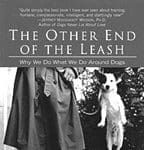
Some Great Dog Care Reads!
Books are akin to gold for me. I’ve been an avid reader since I was a small child and learned how to “sneak read” by the glow of the hall light outside my bedroom door after lights-out time. Whenever my husband and I have moved – five times in the last 10 years – the cartons of books we’ve collected over the years have inarguably made up the bulk of our possessions.

Tail Docking and Ear Cropping Can Be Dangerous
Cosmetic surgery for dogs, including docking tails and cropping ears, is increasingly controversial. Even the usually conservative American Veterinary Medical Association (AVMA) has stated that the procedures are not medically indicated nor of benefit to the patient. These procedures cause pain and distress
Save Yourself in a Dog Attack
The tragedy of the 12-year-old boy killed by his family’s Pit Bulls in San Francisco once again highlights the importance of providing information that will help people survive such dog attacks – and perhaps the need for laws that encourage and require dog owners to be responsible for their dogs. Any large, powerful breed of dog will, occasionally, cause serious injury, even death. Small dogs can certainly bite, too, though they normally have less potential to do serious harm (the Pomeranian who killed a six-week-old infant in California in 2000 notwithstanding).
Preparing Your Dog For a Newborn Baby
At one time, our culture was far more tolerant of dog bites than it is today. When I was a kid, if a dog bit a child, Mom's response was, So