
Many considerations go into selecting the right food for your dog, including the format of the food like dry or wet, life stage of your dog, protein source, and ingredients. It can be overwhelming, to say the least, especially when words such as “all natural,” “wholesome,” “human-grade,” and “organic” are added to the label. For owners who want to prioritize organic food for their dogs, there are a few important factors to take into consideration, starting with truly understanding “organic.”
Whole Dog Journal is reader-supported. If you purchase through links on our site we may earn a commission. Whole Dog Journal does not accept money for its food and product reviews.
What Does Organic Mean?
Organic foods refer to crops that are grown without synthetic pesticides, man-made fertilizers, or genetically engineered crops (GMOs), livestock raised without the use of antibiotics or growth hormones that are fed 100% organic feed, and processed foods that are free of artificial additives, colors, or preservatives. To simplify, the term “organic” refers to how the ingredients used in dog food are produced and processed.
For dog food, the amount of the diet that contains certified organic ingredients determines what labeling claim a pet food manufacturer can use. Products that are labeled as “organic” generally must contain at least 95% organic ingredients. Dog food that does not meet that 95% rule may choose to instead name the organic ingredients used, such as foods “made with organic beef” or “made with organic chicken.”
Many pet owners choose organic to support agricultural practices that align with their morals or to try to minimize the amount of synthetic chemicals their pet is exposed to. Organic certification is a way to verify that a product meets certain requirements without relying exclusively on marketing language. For many, organic food may provide confidence that the ingredients meet the standards they value for their pet.
However, scientific evidence has not found that organic food is inherently healthier for every dog. Organic certification does not ensure better digestibility, higher protein quality, or fewer allergens. For dogs with specific health needs, such as pancreatitis, dietary sensitivities or allergies, or kidney disease, a diet tailored to meet their clinical needs is more impactful than whether it has an organic label.
Organic Foods Are Pricier
Cost is another consideration for many pet owners. Organic certification can increase production costs compared to conventional products, and this additional cost is passed along to the consumer. Plus, fewer products are available that are certified organic, which can make finding products for specific breed sizes, life stages, or nutritional needs difficult. Pet parents should weigh the trade-offs against their budget and availability near them to make informed purchasing decisions. Do not assume that a higher price automatically means better nutrition.
Organic Wet Dog Food
When looking at canned foods, make note of products with an organic certification versus those that merely contain some organic ingredients. Unfortunately, the options available for truly organic canned foods are extremely limited.
I only found one brand offering it and, fortunately, it is by a brand that I recommend. Evanger’s has a line of organic dinners, Evanger’s Organics Cooked Grain-Free Canned Dog Food, that is complete and balanced for all life stages, is grain-free, has a simple ingredient list, and offers multiple different protein options.


This food is made in the USA, and all the meat used in their formulas is sourced entirely from the USA. At a price point of 28¢ per ounce, this product is reasonably priced and a relatively budget-friendly food option considering the quality. As a pet owner myself, Evanger’s is a brand that I like and trust, and I routinely feed their products to my own dogs. In the multiple conversations I have had with the people at Evanger’s, they take pride in their products and work hard to provide pets with high-quality foods.
Organic Dry Dog Food
Unfortunately, the options for truly organic dry foods for dogs are also quite limited. Petcurean offers a complete and balanced adult maintenance formula, Gather Free Acres Organic Free-Run Chicken Dry Dog Food. Petcurean is a Canadian brand that sources its animal proteins, grains, fruits, and vegetables for this formula from North America. Sadly, the chicken formula is the only protein offered in this line, so this food would not be suitable for pets with a sensitivity or allergy to chicken protein, and they do not have any formulas offered in this line for puppies/all life stages.
Organic Freeze-Dried Dog Food
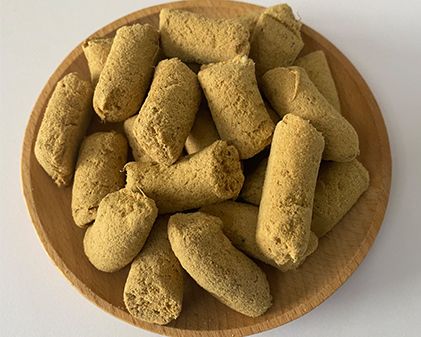
Smallbatch Pets offers a line of freeze-dried food that contains all organic produce. While the meat used is not certified organic, it is humanely raised and sourced from the USA. This line of dog food is for adult maintenance, and Smallbatch Pets offers a wide array of different proteins including beef, chicken, duck, lamb, and turkey. This is, however, an expensive product, as both the organic produce and freeze-dried format push it into the premium pricing category.
Why Feed Organic Dog Food?
Organic dog food provides you with more clarity into the practices that are behind the ingredients in your dog’s food. However, organic dog food can be hard to find, is often expensive, and is not an automatic guarantee of better nutrition. When looking for food for your dog, prioritize nutritional adequacy for your dog’s life stage and any diet-related health concerns before worrying about a food’s organic status. While our chart lists what we consider top choices for organic dog food, at the end of the day, the best food for your dog is one that balances your individual values and budget with your pet’s health needs, whether it is organic, natural, or conventional.